Concerns about Ebola outbreaks in parts of Africa often raise questions among travelers, residents, and international health organizations about regional safety and preparedness. One of the most common questions currently being searched online is: “Is Kenya safe from Ebola?”
Crystal Tours Kenya gives you the ultimate guide for your concerns contact us by calling +254 727 039 513 or sending an email to info@crystaltourskenya.com for more information.
The concern is understandable. Kenya is one of East Africa’s busiest travel and business hubs, with major international connections through Jomo Kenyatta International Airport and extensive cross-border movement throughout the region.
However, understanding the actual risk requires looking at the facts. Ebola does not spread easily through casual contact.
Kenya has invested heavily in public health preparedness, airport screening systems, emergency response protocols, and disease surveillance programs to minimize the risk of Ebola entering and spreading within the country.
In addition, the government works closely with the World Health Organization (WHO), Africa CDC, and neighboring countries to monitor potential threats and strengthen preparedness.
In this article, we explain what Ebola is, how it spreads, the symptoms people should know, and the extensive measures Kenya is taking to keep residents and tourists safe.
What Is Ebola?
Ebola Virus Disease (EVD) is a severe and often fatal illness caused by infection with the Ebola virus. The disease was first identified in Central Africa in 1976 near the Ebola River, from which it gets its name.
Since then, outbreaks have occurred in several African countries, including the Democratic Republic of the Congo, Uganda, Guinea, Sierra Leone, and Liberia.
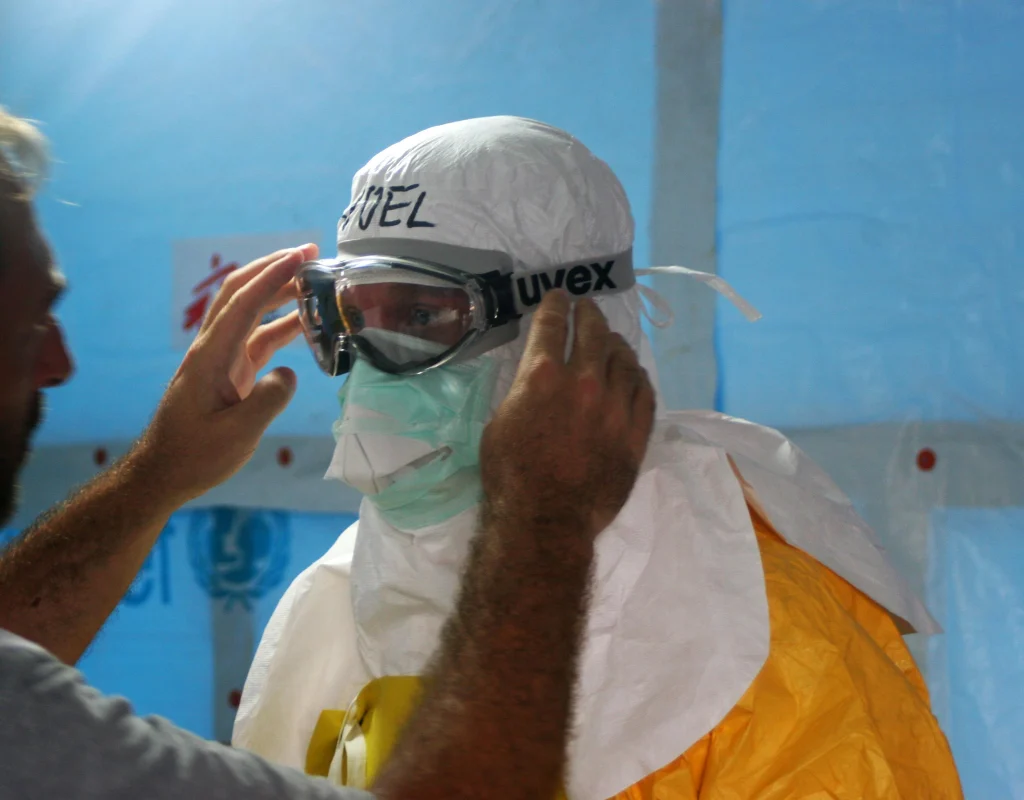
While Ebola can be deadly, modern treatment methods and improved outbreak management have significantly improved survival rates when patients receive timely care according to WHO.
Based on assessments from global health experts, Ebola outbreaks are most common in Central and West Africa, although neighboring East African countries remain cautious because of regional movement and international travel.
The disease has a high fatality rate in severe outbreaks, which is why governments and health agencies treat Ebola preparedness as a major public health priority.
Why Is Ebola Considered Dangerous?
According to the World Health Organization and other leading health agencies, Ebola is dangerous because:
- It can cause severe illness rapidly.
- It has a relatively high fatality rate compared to many infectious diseases.
- It can spread through close contact with infected bodily fluids.
- Healthcare workers and caregivers face increased risk without proper protective equipment.
- Delayed detection can lead to localized outbreaks.
How Does Ebola Spread?
Understanding how Ebola spreads is essential for preventing panic and misinformation and assessing the actual risk to Kenya and travelers.
Ebola does not spread through the air like common flu viruses. Instead, it spreads through direct contact with infected bodily fluids.
1. Human-to-Human Transmission
Experts in infectious disease prevention note that Ebola spreads through direct contact with the bodily fluids of an infected person. These fluids include:
- Blood
- Vomit
- Diarrhea
- Saliva
- Urine
- Sweat
- Breast milk
- Semen
The virus enters the body through broken skin or mucous membranes such as the eyes, nose, or mouth.
2. Contact With Infected Animals
Scientists believe certain species of fruit bats act as natural hosts of the virus. Humans can become infected through contact with infected animals or their bodily fluids.
3. Healthcare-Related Transmission
Healthcare workers may become infected when caring for patients without proper infection-control procedures or protective equipment. Contaminated medical equipment and surfaces exposed to infected fluids can also spread the virus.
This is why strict hospital protocols are critical during outbreaks.
4. Burial Practices and Transmission
Traditional burial practices involving direct contact with the body of a deceased Ebola patient have contributed to transmission during past outbreaks.
The virus remains infectious after death, making safe burial procedures essential.
How Ebola Does NOT Spread
Many people fear casual transmission and many misconceptions exist about Ebola. According to WHO and CDC guidance, Ebola is not known to spread through;
- Air conditioning systems.
- Ordinary social interaction.
- Casual handshakes with healthy people.
- Mosquitoes bites.
- Food imported from unaffected areas.
- Swimming pools
- Properly sanitized public spaces
Health experts emphasize that transmission requires close and direct exposure to infected fluids.
What Are the Ebola Symptoms?
According to international disease surveillance experts symptoms usually appear between 2 and 21 days after exposure. Early symptoms may resemble malaria or flu, which sometimes makes early detection challenging.
Early Ebola Symptoms
Early signs often resemble other illnesses and may include:
Weakness
Sudden fever
Severe fatigue
Headaches
Muscle pain
Sore throat

Advanced Ebola Symptoms
As the disease progresses, patients may develop:
- Vomiting
- Severe diarrhea
- Abdominal pain
- Skin rash
- Organ complications
- Internal or external bleeding
When Should Medical Attention Be Sought?
Anyone experiencing symptoms after travel to an affected area or after contact with a suspected Ebola patient should seek immediate medical attention and notify healthcare providers about potential exposure history. Early isolation and testing are essential.
Is Kenya Safe From Ebola?
For most residents and visitors, Kenya remains a safe destination. While regional outbreaks in neighboring countries can raise concerns, there is currently no widespread Ebola transmission within Kenya.
Public health experts continue to monitor outbreaks and assess Kenya Ebola preparedness efforts to reduce the likelihood of imported cases.
Currently, Kenya remains generally safe from Ebola, and there is no widespread Ebola outbreak within the country.
Kenya’s strong tourism industry, international airports, and regional border connections make Kenya Ebola preparedness essential. Because of this, the government has established strict surveillance systems designed to detect potential cases early before community transmission can occur.
Public health experts note that Kenya has significantly improved its emergency response capabilities since previous regional disease threats, including COVID-19 and cross-border outbreak monitoring exercises.
For most tourists visiting destinations such as Nairobi, Maasai Mara, Diani, Amboseli, and Mombasa, the risk of Ebola exposure remains extremely low.
How Is Kenya Preventing Ebola?
Medical experts state that Kenya has implemented multiple prevention and preparedness strategies to reduce the risk of Ebola entering the country.
The measure being taken include:
1. Airport Screening Measures
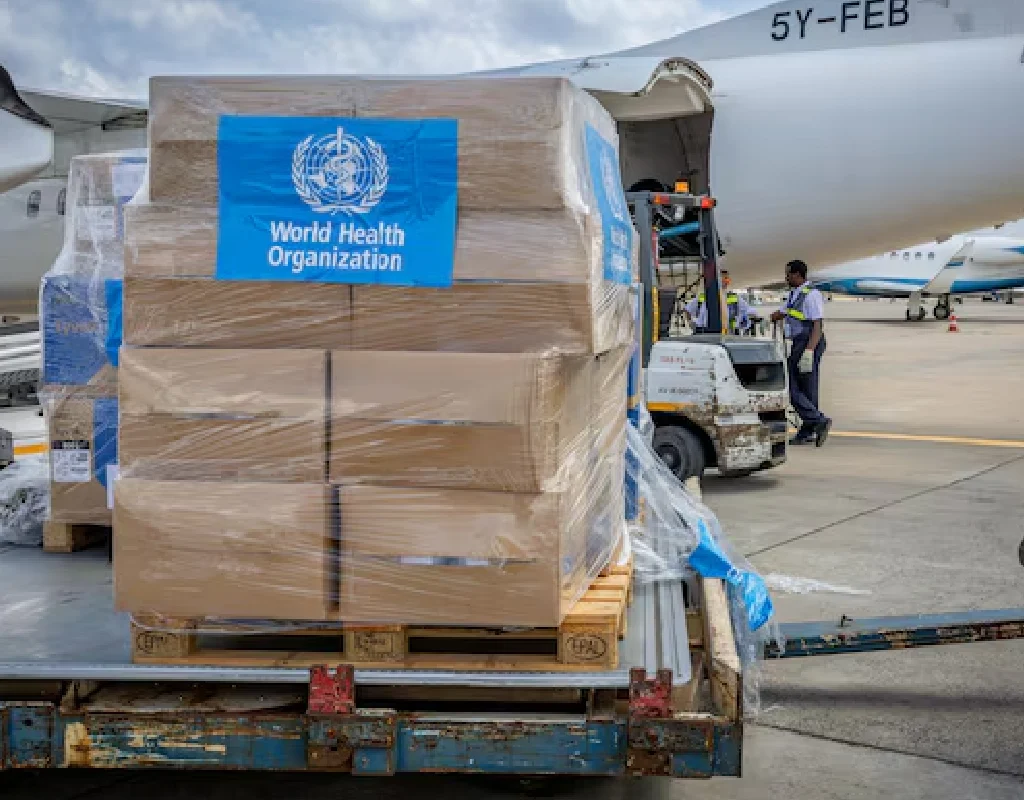
Health screening systems at major entry points help identify travelers who may require additional assessment. International airports remain important components of disease surveillance efforts.
Major airports, including Jomo Kenyatta International Airport (JKIA), conduct health monitoring measures that may include:
- Temperature screening
- Traveler health declarations
- Observation for visible symptoms
- Emergency referral procedures
Is Kenya Safe From Ebola Due to Airport Controls?
One reason many experts believe Is Kenya Safe From Ebola can be answered positively is the country’s strong focus on monitoring international travel and strengthening health checks at points of entry.
2. Border Surveillance
The Ministry of Health has intensified monitoring at border crossings, especially during regional outbreaks. Enhanced surveillance helps identify potential cases before community transmission can occur.
Cross-border health teams work with immigration and security agencies to identify potential risks quickly.
3. Health Worker Training
Kenya has trained rapid response teams and healthcare personnel to identify, isolate, and manage suspected Ebola cases. Specialized teams remain on standby for deployment when necessary.
4. Laboratory Testing Capacity
Laboratory preparedness is a key component of Kenya’s Ebola strategy. Strengthened testing systems help health officials quickly confirm or rule out suspected cases.
5. Emergency Response Systems
Kenya has activated and strengthened emergency operations centers to coordinate national and county-level responses during disease threats.
It has also trained rapid response teams capable of:
- Isolating suspected cases
- Conducting contact tracing
- Coordinating laboratory testing
- Managing quarantine procedures
6. Public Awareness Campaigns
Public awareness plays a vital role in early detection and containment. Health authorities continue to educate the public on symptoms, prevention measures, and reporting procedures.
The government regularly educates the public about:
- Ebola symptoms
- Prevention methods
- Hygiene practices
- Reporting suspected illnesses
Public communication helps reduce misinformation and panic during regional health alerts.
7. Disease Surveillance Programs
Disease surveillance remains one of Kenya’s strongest defenses. Officials continuously monitor health data and coordinate with international organizations to identify emerging threats.
Surveillance teams track:
- Cross-border movement
- Suspected Ebola cases
- Traveler health alerts
- Regional outbreak reports
What Should Travelers Know About Ebola in Kenya?
Tourists planning safaris, beach holidays, or business travel in Kenya can still travel safely while following normal health precautions.
Recommended Safety Tips
Travelers should:
- Monitor official travel advisories
- Practice good hand hygiene
- Avoid contact with sick individuals
- Purchase travel insurance
- Seek medical attention if symptoms appear after regional travel
For Local Residents
Residents should:
- Follow Ministry of Health updates.
- Avoid contact with bodily fluids of sick individuals.
- Report suspected cases to health authorities promptly.
- Follow recommended infection prevention practices.
What Travelers Should Know About East Africa and Ebola
While East Africa occasionally faces regional health alerts, outbreaks are usually concentrated in specific areas and do not affect the entire continent.
In reality, Ebola outbreaks are typically localized and heavily monitored by international health organizations.
Travelers should rely on official updates from:
- World Health Organization (WHO)
- Centers for Disease Control and Prevention (CDC)
- Kenya Ministry of Health
One of the biggest misconceptions online is treating Africa as a single uniform region. Avoid relying on social media rumors or misinformation.
Frequently Asked Questions (FAQs)
1. Is Kenya safe from Ebola in 2026?
Yes. Kenya remains generally safe, with no widespread Ebola transmission and strong preparedness measures in place.
2. How does Ebola spread?
Ebola spreads through direct contact with infected bodily fluids or contaminated objects.
3. Can Ebola spread through the air?
No. Ebola is not considered an airborne disease.
4. Has Kenya increased Ebola preparedness?
Yes. The Ministry of Health has enhanced surveillance, laboratory capacity, border monitoring, and emergency response systems.
5. Can Ebola be treated?
Early medical care significantly improves outcomes, and supportive treatment is critical.
Conclusion
So, Is Kenya Safe From Ebola? Based on current evidence, the answer is yes. Although Ebola remains a serious public health concern in parts of Africa, Kenya continues taking proactive and extensive measures to prevent the virus from entering and spreading within the country.
Through airport screening, disease surveillance, healthcare preparedness, rapid response systems, and public awareness campaigns, Kenya has strengthened its ability to detect and respond to potential health threats quickly.
Understanding the Ebola vius disease is equally important. The virus spreads through direct contact with infected bodily fluids, not through the air.
As East Africa continues improving regional health cooperation, Kenya remains one of the continent’s leading countries in epidemic preparedness and tourism safety.