
Travel Insurance in Kenya has become an essential part of international travel, providing financial protection and peace of mind when unexpected situations arise before or during a trip.
Whether you are traveling for business, education, tourism, family visits, religious pilgrimages, or adventure, travel insurance helps protect you from unforeseen expenses that could significantly impact your journey.
Many travelers focus on booking flights, accommodation, and visas while overlooking the importance of travel insurance.
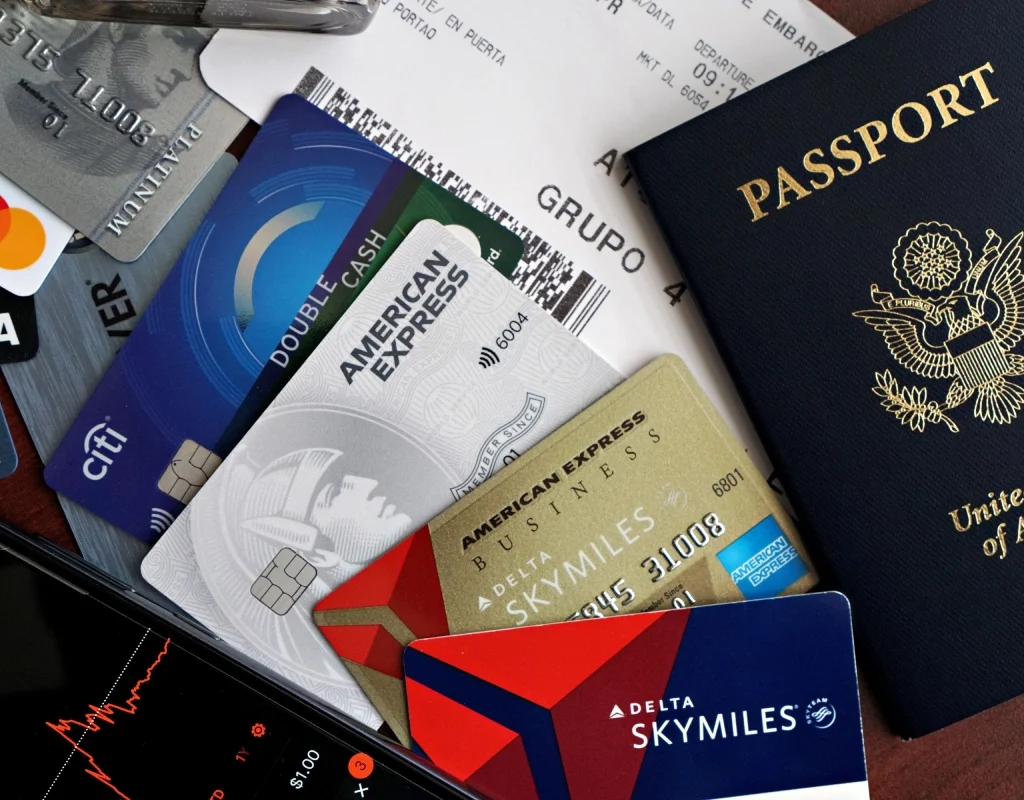
However, a medical emergency abroad, lost baggage, flight cancellation, delayed departure, or emergency evacuation can result in substantial costs.
Travel insurance acts as a safety net that protects travelers against these financial risks.
For travelers heading to Europe, international travel insurance Kenya is often more than just a recommendation.
Many countries require proof of valid travel insurance as part of visa applications, particularly for Schengen visas.
Similarly, students studying abroad, business professionals attending international conferences, and families traveling overseas increasingly recognize the value of comprehensive travel protection.
At Crystal Tours Kenya, travelers can access reliable travel insurance solutions tailored to different travel needs, helping ensure a smooth and protected travel experience from departure to return.
In this comprehensive guide, we explain everything you need to know about travel insurance in Kenya, including coverage options, policy types, benefits, claims procedures, and important considerations before purchasing a policy.
What Is Travel Insurance In Kenya?
Travel insurance is a specialized insurance policy designed to protect travelers against financial losses and emergencies that may occur before or during a trip.
Simply put, travel insurance Kenya helps cover eligible expenses arising from unexpected events. It ensures that travelers are not left paying significant out-of-pocket expenses when unforeseen circumstances disrupt their plans.
How Travel Insurance Works
The best travel insurance Kenya operates through a policy agreement between the traveler and the insurer.
Once the policy is purchased, the insurer agrees to provide specified benefits and reimburse eligible claims according to the policy terms and conditions.
The process typically involves:
- Purchasing a travel insurance policy before departure.
- Traveling with valid insurance coverage.
- Reporting an incident if a covered event occurs.
- Providing supporting documentation.
- Receiving assistance or reimbursement for eligible expenses.

Coverage begins on the effective date stated in the policy and remains active for the duration of the insured trip.
Types of Travel Insurance Kenya
Different travelers have different needs. Travel insurance in Kenya providers offer various policy types designed to accommodate different travel purposes and traveler profiles.
1. Individual Travel Insurance
Individual Travel Insurance Kenya is designed for solo travelers seeking comprehensive protection during their journey.
It is ideal for:
- Tourists
- Business travelers
- Students
- Independent travelers
Coverage may include:
- Medical expenses
- Trip cancellation
- Lost baggage
- Travel delays
- Personal liability
This policy type offers flexibility and can be customized based on destination and trip duration.
2. Family Travel Insurance
Family Travel Insurance covers multiple family members under a single policy.
Benefits include:
- Simplified coverage management
- Cost savings compared to individual policies
- Coverage for parents and dependent children
- Emergency medical protection
- Trip interruption coverage
Families traveling together often find this option both convenient and economical.
3. Student Travel Insurance

Students studying abroad face unique risks and requirements.
Student Travel Insurance typically includes:
- Medical coverage
- Emergency evacuation
- Personal accident benefits
- Academic interruption protection
- Baggage protection
- Travel assistance services
Many educational institutions require proof of valid insurance before enrollment.
4. Business Travel Insurance
Business travelers frequently undertake international trips that involve tight schedules and significant financial commitments.
Business Travel Insurance may provide coverage for:
- Medical emergencies
- Trip cancellation
- Travel delays
- Business equipment
- Laptop protection
- Emergency assistance
This policy is particularly valuable for professionals attending conferences, meetings, and international events.
Frequent travelers may benefit from Annual Multi-Trip Insurance.
5. Annual Multi-Trip Travel Insurance
Instead of purchasing separate coverage for every journey, travelers receive protection for multiple trips throughout the policy year.
Advantages include:
- Cost efficiency
- Continuous coverage
- Reduced administrative effort
- Suitable for frequent business travelers
- Convenient renewal process
6. Schengen Travel Insurance Kenya
Schengen Travel Insurance Kenya is specifically designed for travelers applying for visas to countries within the Schengen Area.
It generally provides coverage for:
- Medical emergencies
- Hospitalization
- Emergency medical evacuation
- Medical repatriation
A compliant Schengen policy is often required as part of the visa application process.
Key benefits include:
- Meeting visa requirements
- International medical protection
- Coverage throughout participating Schengen countries
7. Worldwide Travel Insurance
Worldwide Travel Insurance provides broad protection across multiple international destinations making it the best for international travel insurance Kenya.
It is suitable for:
- Global business travelers
- Extended vacations
- Multi-country tours
- Long-term international travel
Coverage can extend across numerous regions depending on policy terms.
8. Senior Citizen Travel Insurance
Older travelers may require specialized travel insurance due to increased health-related risks.
Senior travel policies often include:
- Enhanced medical coverage
- Emergency medical evacuation
- Travel assistance services
- Repatriation benefits
Travelers should carefully review age limits and medical disclosure requirements before purchasing coverage.
What Does Travel Insurance Cover?
The exact benefits vary by provider and policy, but comprehensive travel insurance typically includes the following protections.
- Emergency Medical Expenses
- Hospitalization Abroad
- Emergency Medical Evacuation
- Medical Repatriation
- Trip Cancellation
- Trip Curtailment
- Flight Delays
- Missed Departures
- Lost Baggage
- Delayed Baggage
- Passport Loss
- Personal Liability
- Accidental Death Benefits
- Travel Assistance Services
- Air Doctor Services
What Is Not Covered by Travel Insurance?
Understanding exclusions is just as important as understanding benefits. Travel insurance in Kenya is designed to cover unforeseen events, not every possible circumstance.
The following exclusions are commonly found in many travel insurance policies.
- Pre-Existing Medical Conditions
- Alcohol-Related Incidents
- Drug-Related Incidents
- High-Risk and Extreme Sports
- Illegal Activities
- Undeclared Medical Conditions
- Unattended Baggage
- Travel Against Medical Advice
Schengen Travel Insurance Kenya
What Is Schengen Travel Insurance?
Schengen Travel Insurance Kenya is a specialized travel insurance policy required by travelers applying for a Schengen visa.
The policy provides medical coverage throughout participating Schengen countries and demonstrates that the traveler can meet emergency medical expenses while abroad.
It is one of the mandatory requirements for many visa applicants traveling to Europe.
Why Is Schengen Travel Insurance Mandatory?
European authorities require visitors to have adequate financial protection in case of medical emergencies.
The objective is to ensure that travelers do not become a financial burden on local healthcare systems.
A valid Schengen travel insurance policy demonstrates that:
- Emergency medical expenses can be covered
- Hospitalization costs can be paid
- Medical repatriation is available if necessary
Without compliant travel insurance, a Schengen visa application may be refused.
Minimum Schengen Insurance Requirements
To meet Schengen visa requirements, travel insurance generally must:
- Be valid throughout the Schengen Area
- Cover the entire duration of the trip
- Include emergency medical expenses
- Include emergency hospitalization
- Include medical repatriation
- Provide minimum medical coverage of €30,000

Travelers should always verify current embassy requirements before applying.
Countries Requiring Schengen Travel Insurance
Travel insurance is generally required for visa applicants visiting Schengen member countries.
Schengen Member States
- Austria
- Belgium
- Bulgaria
- Croatia
- Czech Republic
- Denmark
- Estonia
- Finland
- France
- Germany
- Greece
- Hungary
- Iceland
- Italy
- Latvia
- Liechtenstein
- Lithuania
- Luxembourg
- Malta
- Netherlands
- Norway
- Poland
- Portugal
- Romania
- Slovakia
- Slovenia
- Spain
- Sweden
- Switzerland
Travelers planning multi-country European trips can typically use one qualifying Schengen insurance policy for all participating countries.
How Medical Claims Work
Medical emergencies can happen unexpectedly. Understanding the claims process in advance helps travelers respond quickly and correctly.
Step 1: Seek Medical Treatment
Your health and safety should always be the first priority.
In an emergency:
- Visit the nearest hospital
- Contact emergency services
- Follow medical advice
- Obtain proper treatment
Do not delay necessary medical care.
Step 2: Notify the Insurer
As soon as reasonably possible, contact your insurer or emergency assistance provider.
Provide:
- Policy number
- Location
- Nature of illness or injury
- Hospital details
- Contact information
Early notification often simplifies the claims process.
Step 3: Collect Supporting Documents
Documentation is critical for claim approval.
Important documents may include:
- Medical reports
- Doctor’s notes
- Hospital invoices
- Pharmacy receipts
- Diagnostic reports
- Payment receipts
Always keep original copies where possible.
Step 4: Submit the Claim
Complete the insurer’s claim form and submit all supporting documentation.
Ensure that:
- Information is accurate
- Documents are complete
- Submission deadlines are met
Missing documents can delay processing.
Step 5: Claim Assessment
The insurer reviews:
- Policy coverage
- Medical documentation
- Eligibility of expenses
- Compliance with policy terms
Additional information may be requested during assessment.
Step 6: Reimbursement or Direct Settlement
Once approved, the insurer may:
- Reimburse eligible expenses directly to the insured, or
- Settle approved bills directly with healthcare providers
Processing times vary depending on claim complexity and documentation quality.
Travel Insurance Claim Process
Understanding the travel insurance claim process before you travel can make a significant difference if you ever need to file a claim. Prompt reporting, complete documentation, and adherence to policy conditions can help ensure a smoother and faster settlement process.
Medical Claims
Medical claims are among the most common travel insurance claims and often involve emergency treatment, hospitalization, outpatient care, or prescription medication.
How to File a Medical Claim
- Seek medical treatment immediately.
- Notify the insurer or emergency assistance provider.
- Obtain all medical reports and invoices.
- Complete the claim form.
- Submit supporting documentation.
- Await assessment and reimbursement.
Documents Required
- Completed claim form
- Medical report
- Hospital discharge summary
- Doctor’s notes
- Original invoices
- Payment receipts
- Prescription receipts
- Passport copy
- Travel itinerary
- Insurance policy details
Baggage Claims
Lost, stolen, or damaged baggage can disrupt a trip and result in unexpected expenses.
How to File a Baggage Claim
- Report the incident immediately to the airline, hotel, or local authorities.
- Obtain a written report.
- Keep receipts for replacement purchases.
- Submit a claim to the insurer.
Documents Required
- Property Irregularity Report (PIR)
- Police report (if applicable)
- Airline confirmation
- Claim form
- Purchase receipts
- Travel documents
- Photographs of damaged items where possible
Trip Cancellation Claims
Trip cancellation coverage may reimburse prepaid, non-refundable expenses when a trip cannot proceed due to a covered reason.
Documents Required
- Medical certificates
- Death certificate (where applicable)
- Airline cancellation documents
- Tour operator confirmations
- Booking invoices
- Proof of payment
- Claim form
Travel Delay Claims

Flight delays can result in accommodation, meal, and transportation expenses.
Documents Required
- Airline delay confirmation
- Boarding pass
- Travel itinerary
- Receipts for meals
- Hotel receipts
- Transportation receipts
Personal Liability Claims
If you accidentally injure another person or damage property while traveling, personal liability coverage may assist.
Documents Required
- Incident report
- Witness statements
- Legal correspondence
- Photographs
- Police report if applicable
- Claim form
Travel Insurance Refund Process
Many travelers ask whether they can receive a refund after purchasing travel insurance. The answer depends on the insurer’s terms and the circumstances surrounding the cancellation.
Cooling-Off Period
Some insurers provide a cooling-off period during which travelers can cancel their policy and receive a refund.
This generally applies when:
- No claims have been made.
- The trip has not commenced.
- Policy conditions permit cancellation.
Policy Cancellation Before Travel
Travelers may be eligible for a partial or full refund if:
- The visa application is refused (subject to policy terms).
- The trip is canceled before departure.
- The policy was purchased in error.
Always review the insurer’s refund conditions.
Refund Eligibility
Refund eligibility may depend on:
- Whether travel has started
- Whether a claim has been submitted
- Policy type
- Cancellation timing
- Administrative fees
Situations Where Refunds May Not Apply
Refunds are often unavailable when:
- Travel has already commenced
- A claim has been made
- The policy period has expired
- Fraudulent activity is suspected
Frequently Asked Questions About Travel Insurance
1. Is travel insurance mandatory?
Travel insurance is not mandatory for every destination, but some countries require it as part of visa applications.
2. Is Schengen travel insurance required?
Yes. Most Schengen visa applicants must provide proof of compliant travel insurance.
3. What is the minimum Schengen travel insurance coverage?
Schengen travel insurance generally requires a minimum medical coverage of €30,000.
4. What is medical repatriation?
Medical repatriation refers to returning an insured traveler to their home country for continued treatment.
5. How long does claim reimbursement take?
Most straightforward claims are processed within a few weeks, although complex claims may take longer.
Why Choose Crystal Tours Kenya for Travel Insurance?
Choosing the right travel insurance provider is just as important as choosing the right policy. Crystal Tours Kenya helps travelers access reliable travel insurance solutions designed to meet a variety of travel needs.
With extensive experience in travel planning, visa support, and international travel services, Crystal Tours Kenya understands the challenges travelers may face before and during their journeys.
Travel insurance is often a mandatory requirement for visa applications, particularly Schengen visas. Crystal Tours Kenya assists travelers in obtaining the correct documentation required for visa processing.
Travelers benefit from access to different insurance solutions and policies can often be issued quickly, helping travelers meet urgent visa and departure deadlines.
While claim decisions remain the responsibility of insurers, Crystal Tours Kenya can help guide travelers through the claims process and required documentation.
Contact Crystal Tours Kenya today for the best travel insurance Kenya via info@crystaltourskenya.com or call +254 727 039 513.