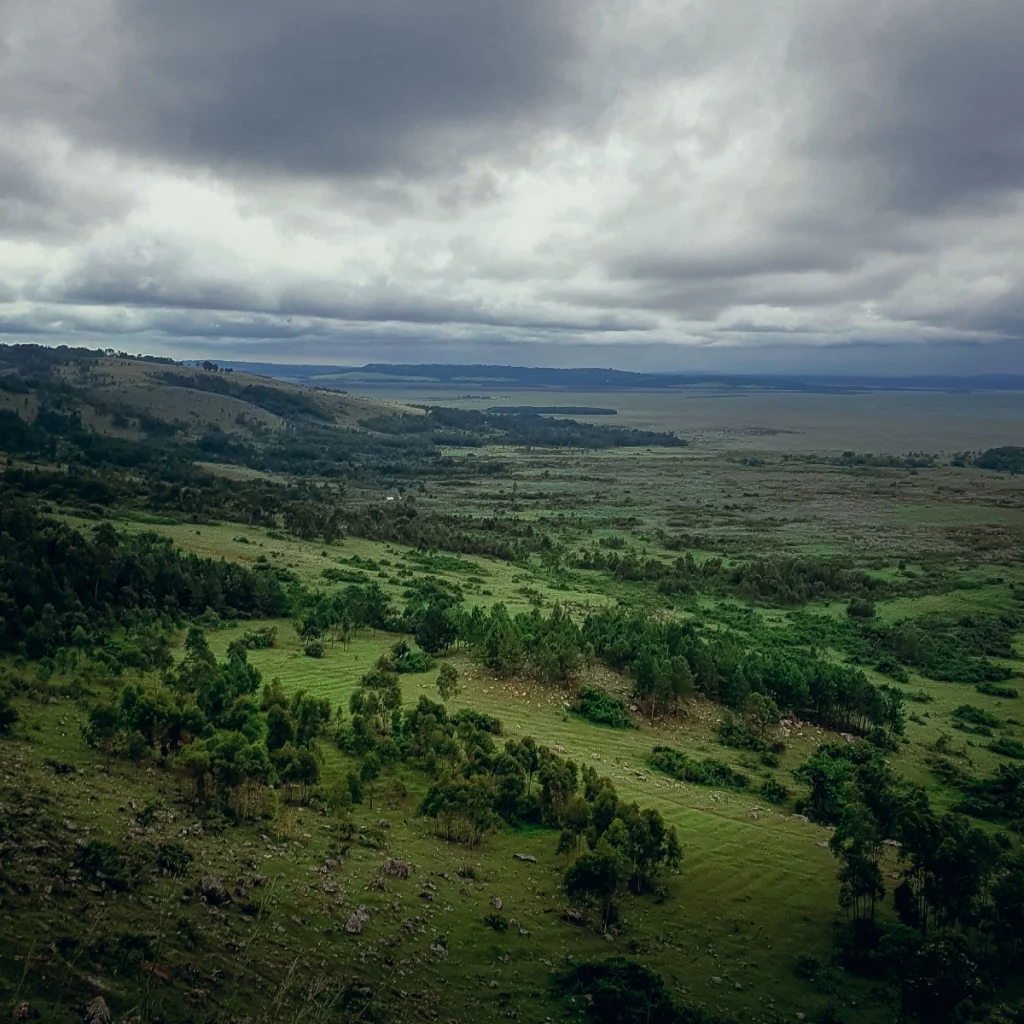
The road drops dramatically from the escarpment, and suddenly the Great Rift Valley unfolds beneath you like a masterpiece painted by nature itself.
Far below, a shimmering lake catches the morning light. Acacia woodlands stretch toward the shoreline. Herds of buffalo graze in open grasslands. A tower of Rothschild’s giraffes moves gracefully among yellow-barked acacia trees, while fish eagles call from the lake’s edge.
Then comes that unmistakable feeling.
You are not merely arriving at another safari destination.
You are entering Lake Nakuru National Park, one of Kenya’s most remarkable wildlife sanctuaries and one of Africa’s greatest conservation success stories.
Located just a few hours from Nairobi, Lake Nakuru National Park combines breathtaking landscapes, world-class birdlife, thriving rhino populations, dramatic viewpoints, and exceptional wildlife viewing into one unforgettable safari experience.
For decades, travelers knew Lake Nakuru for its vast pink carpets of flamingos. Today, while flamingo numbers fluctuate naturally, the park has evolved into something even more extraordinary.
A diverse ecosystem where rhinos, lions, leopards, giraffes, buffaloes, and hundreds of bird species thrive against the backdrop of the Great Rift Valley.
Whether you’re planning a Lake Nakuru safari, a Kenya wildlife safari, or simply searching for the best national parks in Kenya, this remarkable destination deserves a place at the top of your itinerary.
Crystal Tours Kenya is the best tour company to create this journey for you. Reach out today by sending an email to info@crystaltourskenya.com or call +254 727 039 513.
Where Ancient Earth Forces Created a Wildlife Paradise
Long before safari vehicles traversed its tracks and photographers lined its viewpoints, powerful geological forces were shaping the landscape.
Lake Nakuru lies within the Great Rift Valley, one of the most significant geological features on Earth. Millions of years ago, tectonic activity created the vast valley that stretches from the Middle East through East Africa.
Over time, volcanic activity and shifting landscapes formed a shallow alkaline lake surrounded by fertile grasslands, forests, and rocky escarpments.
This unique environment became a magnet for wildlife.
The alkaline waters support algae and microorganisms that attract countless bird species. The surrounding habitats provide food, shelter, and breeding grounds for mammals ranging from tiny dik-diks to massive buffalo herds.
Today, Lake Nakuru National Park protects more than just wildlife.
It preserves an entire ecological story written over millions of years.
The park’s global significance has earned recognition as part of the Kenya Lake System within the Great Rift Valley, a UNESCO World Heritage Site known for its exceptional biodiversity and ecological importance.
The First Safari Drive: Why Lake Nakuru Feels Different
Every national park has its personality.
The Maasai Mara impresses with its endless plains.
Amboseli captivates with views of Mount Kilimanjaro.
Yet Lake Nakuru National Park offers something uniquely intimate.
Within minutes of entering the park, wildlife encounters begin.
A family of warthogs trots across the road.
Waterbucks emerge from dense vegetation.
Baboons gather beside forest tracks while zebras graze in nearby clearings.
Unlike larger ecosystems where animals can disappear into endless landscapes, Lake Nakuru’s compact size creates a sense of immersion. Visitors often experience an incredible concentration of wildlife within a single game drive.
The scenery constantly changes.
One moment you’re driving through euphorbia forests that resemble giant cacti.
The next, you’re overlooking shimmering lake shores filled with pelicans and flamingos.
Then suddenly you’re navigating acacia woodlands where leopards are known to rest in the branches above.
This diversity is what makes Lake Nakuru one of the most rewarding Kenya safari parks.
The Giants That Saved a Species
As the morning sun climbs higher, your guide slows the vehicle.
A massive white rhino emerges from behind a thicket.
Moments later, another appears.
Then another.
Few wildlife experiences are as powerful as seeing rhinos in the wild.
Lake Nakuru National Park is internationally recognized as one of Kenya’s most important rhino sanctuaries.
During the 1980s, rhino populations across Africa faced catastrophic declines due to poaching. Conservationists needed safe refuges where these endangered animals could recover.
Lake Nakuru became one of those refuges.
Today, the park supports significant populations of both white rhinos and black rhinos, making it one of the best places in Africa to see these iconic animals.
White rhinos are generally easier to spot because they graze openly in grasslands.
Black rhinos, in contrast, are more elusive and prefer browsing among shrubs and woodland habitats.
The success of rhino conservation in Lake Nakuru represents one of Kenya’s greatest wildlife achievements.
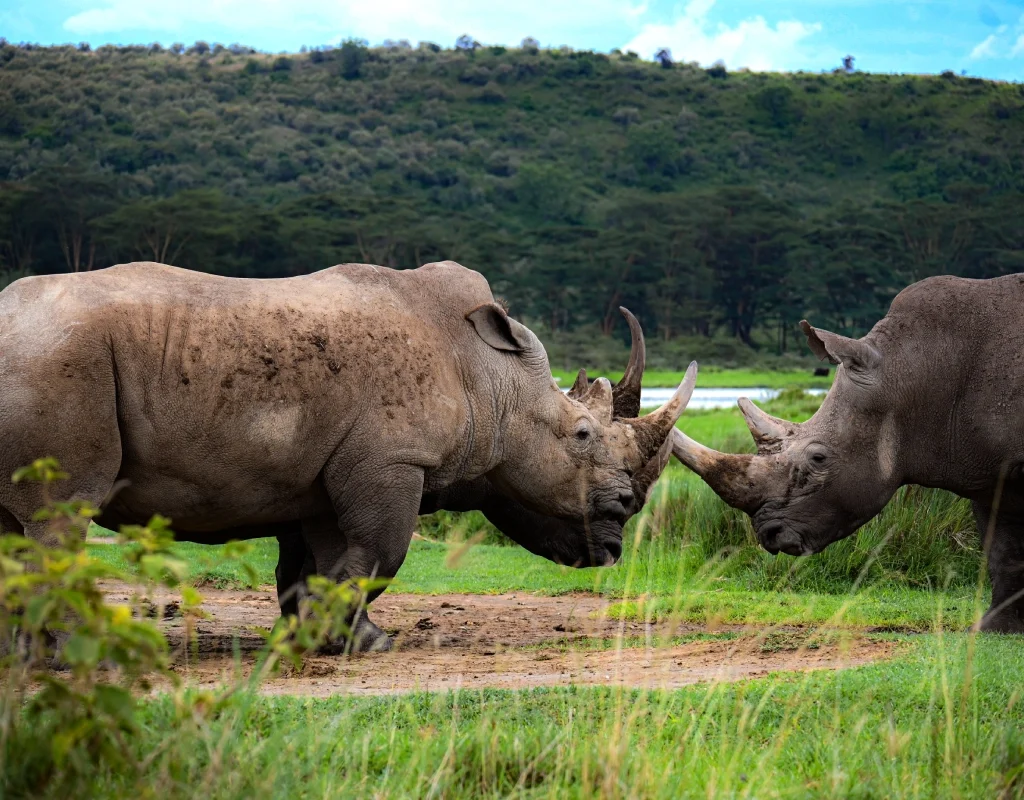
For visitors, it also creates an extraordinary opportunity to observe one of the world’s most endangered large mammals in its natural environment.
Predators in the Shadows
Rhinos may be the stars of many Lake Nakuru safaris, but predators add another layer of excitement.
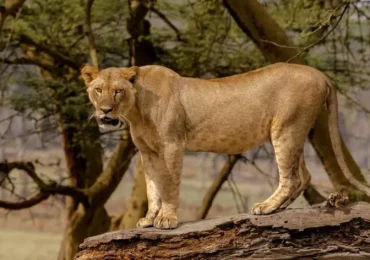
The park’s lions have become famous for their occasional tree-climbing behavior.
While not as consistently arboreal as those found in certain regions of Uganda or Tanzania, Lake Nakuru’s lions are frequently spotted resting on branches, especially during warmer parts of the day.
Watching a fully grown lion draped across a tree limb challenges everything most people think they know about these powerful predators.
Leopards, meanwhile, remain the park’s most elusive residents.
The dense riverine forests provide ideal habitat for these secretive cats.
Spotting one requires patience, luck, and an experienced guide.
Yet when it happens, the moment is unforgettable.
A flash of golden fur in filtered sunlight.
A tail dangling from a branch.
A pair of watchful eyes observing silently from the shadows.
These encounters remind visitors that Lake Nakuru remains truly wild.
The Remarkable Return of Rothschild’s Giraffes
Not every conservation success story in Lake Nakuru involves rhinos.
The elegant Rothschild’s giraffe also owes much of its survival to protected areas like this one.
Distinguished by their lighter coats and absence of markings below the knees, Rothschild’s giraffes are among the rarest giraffe subspecies in the world.
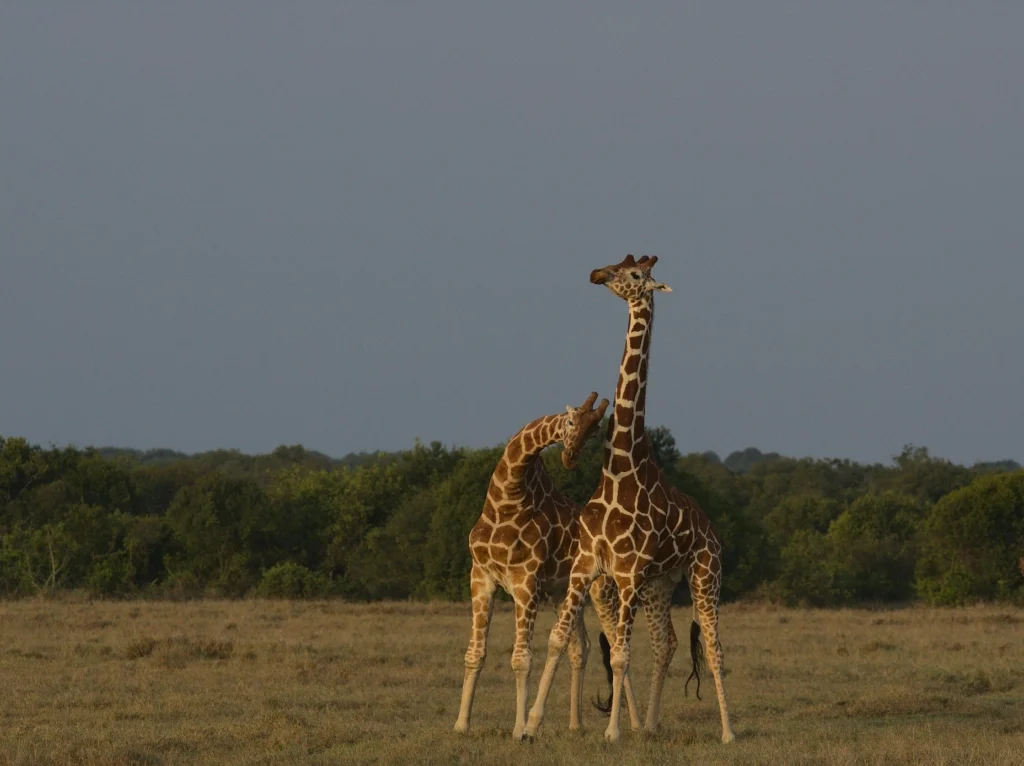
Conservation translocations helped establish populations within Lake Nakuru National Park, where they continue to thrive.
Seeing these gentle giants move across the landscape is one of the park’s most memorable sights.
Against the backdrop of the Rift Valley escarpments, they create scenes that seem almost too beautiful to be real.
For wildlife photographers, they are among the most sought-after subjects in the park.
For conservationists, they represent hope.
Are There Still Flamingos in Lake Nakuru?
Perhaps no question appears more frequently in Lake Nakuru travel guides.
The answer is yes, but the story is more complex than many travelers realize.
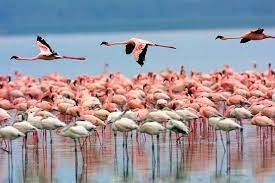
Historically, Lake Nakuru became famous for hosting millions of flamingos. At times, the shoreline appeared completely pink as vast flocks gathered to feed on algae within the alkaline waters.
However, flamingo populations naturally shift between Rift Valley lakes.
Changes in water levels, food availability, rainfall patterns, and environmental conditions influence where birds congregate at any given time.
As a result, flamingo numbers in Lake Nakuru can vary dramatically throughout the year.
Visitors may encounter thousands, tens of thousands, or sometimes smaller numbers depending on seasonal conditions.
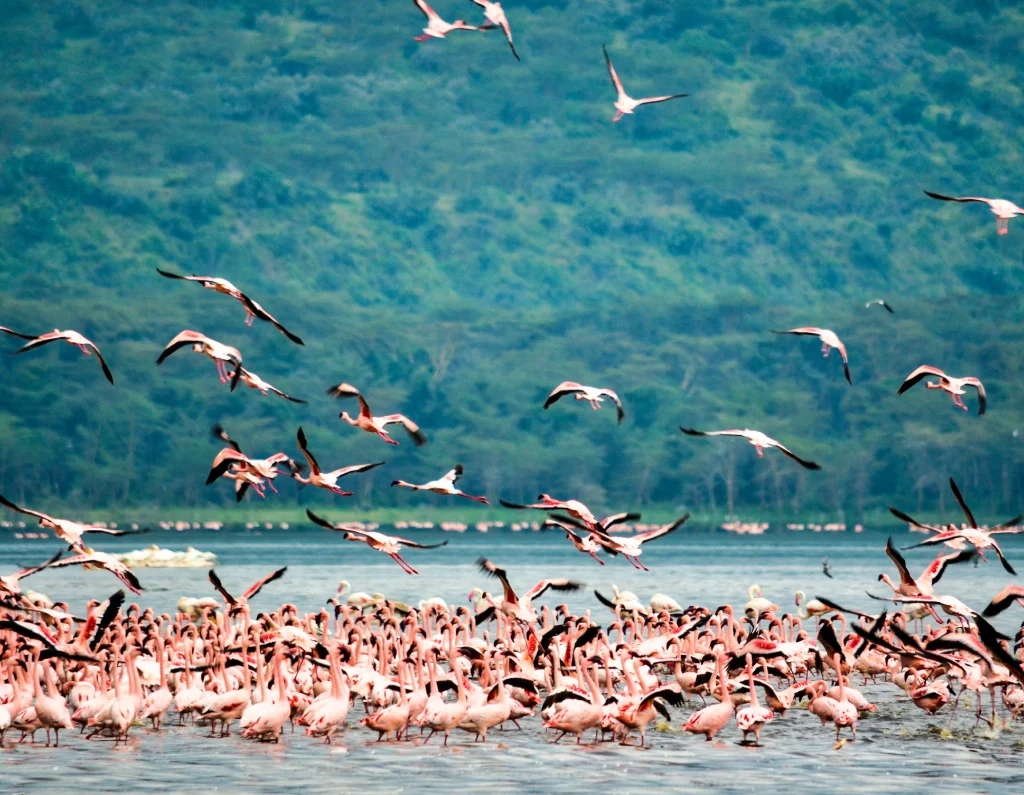
Yet flamingos remain an important part of the ecosystem.
Both lesser flamingos and greater flamingos continue to visit the lake, contributing to the spectacular birdlife that makes the park globally renowned.
And while flamingos may have made Lake Nakuru famous, they are no longer its only attraction.
In many ways, the park has evolved into a richer and more diverse safari destination than ever before.
Things to Do in Lake Nakuru National Park
Lake Nakuru National Park offers far more than traditional game drives. From thrilling wildlife encounters to breathtaking viewpoints and birdwatching experiences, the park provides a diverse range of activities that appeal to nature lovers, photographers, bird enthusiasts, and safari adventurers alike.
1. Go on a Wildlife Game Drive
A game drive is the highlight of any visit to Lake Nakuru National Park. The park is renowned for its high concentration of wildlife, making it one of the best places in Kenya to spot animals within a relatively small area.
Visitors can encounter:
- White rhinos
- Black rhinos
- Lions
- Leopards
- Rothschild’s giraffes
- Buffaloes
- Zebras
- Waterbucks
- Hyenas
- Baboons
Morning and late afternoon game drives offer the best opportunities for wildlife viewing and photography.
2. Visit Baboon Cliff: The View That Stops Conversations
It is an ideal stop for photography, sightseeing, and appreciating the scale and beauty of the park.
Few places capture the beauty of Lake Nakuru National Park better than Baboon Cliff.
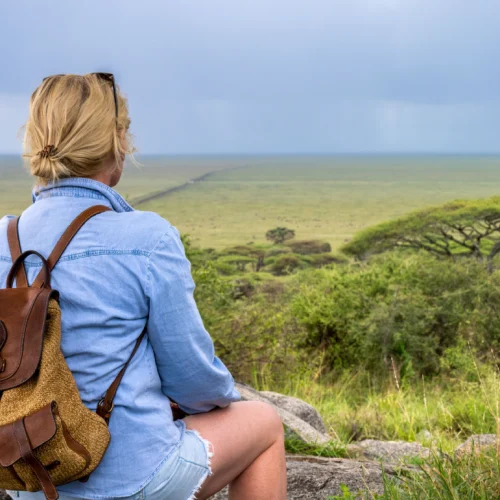
Perched high above the lake, this viewpoint offers panoramic vistas stretching across the entire ecosystem.
From here, visitors can appreciate the park’s extraordinary diversity.
And, if conditions are right, scattered pink patches of flamingos along the shoreline.
Standing here, surrounded by silence and endless scenery, reveals why Lake Nakuru consistently ranks among the best national parks in Kenya.
3. Explore Makalia Falls: The Park’s Hidden Gem
Located in the southern section of the park, Makalia Falls provides a refreshing contrast to the open savannah landscapes.
The waterfall is particularly impressive during the rainy season when water cascades over rocky cliffs surrounded by lush vegetation. It is one of the most scenic spots in the park and a favorite location for nature photography.
The contrast between the dramatic waterfall and the surrounding savannah landscape creates one of the park’s most photogenic locations.
For travelers seeking more than game drives, Makalia Falls offers a refreshing perspective on the park’s natural diversity.
4. Enjoy Bird Watching
Lake Nakuru National Park is one of Africa’s most celebrated birdwatching destinations.
With more than 450 recorded bird species, visitors can spot:
- Lesser and Greater Flamingos
- Great White Pelicans
- African Fish Eagles
- Grey Crowned Cranes
- Kingfishers
- Herons
- Storks
- Cormorants
- Raptors and migratory birds
Birdwatching is rewarding throughout the year, especially during the migratory season.
5. See the Famous Rhinos
Lake Nakuru is one of Kenya’s leading rhino sanctuaries and one of the best places in Africa to see both white and black rhinos in the wild.
The park’s conservation efforts have helped protect and grow rhino populations, making rhino sightings almost guaranteed during most game drives.
6. Visit Lion Hill Viewpoint
Lion Hill offers another spectacular vantage point overlooking the lake and surrounding landscape.
The viewpoint provides excellent opportunities to observe wildlife movements and appreciate the unique geography of the Great Rift Valley.
On clear days, visitors can observe wildlife moving across vast areas of the landscape below.
Elephants occasionally wander through distant forests. Herds of zebra and buffalo appear as tiny moving dots against the grasslands.
The view serves as a reminder that Lake Nakuru is not simply a lake.
It is an entire ecosystem where countless species interact within a delicate ecological balance.
7. Photograph Rothschild’s Giraffes
Lake Nakuru National Park is one of the best places to see the endangered Rothschild’s giraffe.
Their distinctive appearance and elegant movements make them a favorite subject for wildlife photographers and safari enthusiasts.
8. Experience the Flamingo Spectacle
Although flamingo numbers vary seasonally, witnessing thousands of birds feeding along the shoreline remains one of the most iconic Lake Nakuru experiences.
The contrast of pink plumage against the blue lake and green shoreline creates unforgettable photographic opportunities.
9. Discover the Euphorbia Forest
One of Lake Nakuru’s lesser-known attractions is its extensive Euphorbia forest, one of the largest in Africa.
These giant cactus-like trees create a unique landscape rarely found elsewhere in Kenya and provide habitat for numerous bird and mammal species.
10. Enjoy Scenic Photography and Nature Viewing
From sunrise over the lake to golden-hour wildlife encounters, Lake Nakuru National Park offers endless opportunities for photography.
Whether capturing rhinos grazing in open grasslands, pelicans gliding across the lake, or panoramic Rift Valley landscapes, photographers will find no shortage of inspiration.
Must-See Attractions in Lake Nakuru National Park
For visitors with limited time, prioritize these top attractions:
Scenic Rift Valley Viewpoints
Lake Nakuru
Baboon Cliff
Makalia Falls
Lion Hill
Rhino Sanctuary
Flamingo Viewing Areas
Euphorbia Forest
Rothschild’s Giraffe Habitat
Together, these attractions showcase why Lake Nakuru National Park remains one of the most rewarding safari destinations in Kenya.
Conservation Success in Action
Lake Nakuru National Park stands as one of Africa’s most inspiring conservation stories.
The park’s fenced boundaries were established to protect vulnerable wildlife populations, particularly rhinos.
Today, ongoing conservation efforts include:
- Rhino monitoring programs
- Anti-poaching patrols
- Habitat management initiatives
- Scientific research projects
- Wildlife population surveys
- Community engagement programs
The success of these efforts is evident in the thriving populations of rhinos, Rothschild’s giraffes, and numerous other species.
However, conservation remains an ongoing challenge.
Climate change, habitat pressures, invasive plant species, and increasing demands on natural resources require continuous management and innovation.
The park’s future depends on maintaining a balance between conservation, tourism, and community needs.
Visitors play an important role in this process.
Every park entry fee contributes directly to wildlife protection and habitat preservation.
A safari in Lake Nakuru is therefore more than a holiday experience.
It is an investment in conservation.
Frequently Asked Questions
1. What is Lake Nakuru National Park famous for?
Lake Nakuru National Park is famous for its rhino sanctuary, diverse birdlife, scenic Rift Valley landscapes, and seasonal flamingo populations.
2. Are there still flamingos in Lake Nakuru National Park?
Yes. Flamingos still visit Lake Nakuru, although their numbers vary depending on water levels, food availability, and seasonal conditions.
3. How far is Lake Nakuru National Park from Nairobi?
Lake Nakuru National Park is approximately 160 kilometers northwest of Nairobi. The journey takes about 2.5 to 3 hours by road, making it one of the most popular day-trip and short-safari destinations from the capital.
4. How many days do you need in Lake Nakuru National Park?
One full day is sufficient for a good safari experience. However, spending two days allows visitors to explore more of the park, enjoy multiple game drives, visit scenic viewpoints, and increase chances of spotting elusive wildlife such as leopards.
5. What animals can be seen in Lake Nakuru National Park?
Visitors can see white rhinos, black rhinos, lions, leopards, Rothschild’s giraffes, buffaloes, zebras, waterbucks, baboons, hyenas, flamingos, pelicans, fish eagles, and over 450 bird species, making the park one of Kenya’s most diverse wildlife destinations.
Why Lake Nakuru National Park Belongs on Every Kenya Safari
Some safari destinations impress with size.
Others impress with wildlife numbers.
Lake Nakuru National Park succeeds because it offers something far more complete.
Within a single day, visitors can encounter endangered rhinos, Rothschild’s giraffes, lions, leopards, buffaloes, zebras, pelicans, flamingos, and hundreds of other species.
They can stand atop dramatic viewpoints overlooking the Great Rift Valley.
They can watch waterfalls tumble through lush landscapes.
They can witness one of Africa’s greatest conservation success stories unfolding in real time.
Few parks combine accessibility, scenery, biodiversity, conservation significance, and wildlife density as effectively as Lake Nakuru.
Lake Nakuru National Park is more than a stop on a safari itinerary.
It is a destination that captures the essence of wild Kenya, beautiful, resilient, diverse, and endlessly fascinating.
Crystal Tours Kenya is the best tour company to create this journey for you. Reach out today by sending an email to info@crystaltourskenya.com or call +254 727 039 513.