Few places in Kenya capture the country’s colonial history, literary heritage, and natural beauty as elegantly as the Karen Blixen Museum Nairobi.
Set against the breathtaking backdrop of the Ngong Hills, this beautifully preserved farmhouse offers visitors an intimate glimpse into the life of one of Africa’s most celebrated authors while showcasing an important chapter of Kenya’s past.
Whether you are passionate about history, fascinated by literature, or simply looking for one of Nairobi’s most memorable cultural attractions, the Karen Blixen Museum provides an enriching experience that blends storytelling, architecture, lush gardens, and heritage.
Today, the museum is one of Nairobi’s must-visit attractions and is often combined with destinations such as the Giraffe Centre, Nairobi National Park, the David Sheldrick Wildlife Trust, and Kazuri Beads, making it a highlight of many city tours.
In this complete guide, you’ll discover everything you need to know before visiting, from the fascinating history of Karen Blixen and the museum itself to nearby attractions, and how to make the most of your Nairobi adventure with Crystal Tours Kenya.
Contact us today to plan your Karen Blixen museum tour by sending an email to info@crystaltourskenya.com or simply call +254 727 039 513.
Who Was Karen Blixen?
Understanding the museum begins with understanding the remarkable woman whose life inspired it.
Karen Blixen, born Karen Dinesen on 17 April 1885 in Rungsted, Denmark, was an aristocrat, storyteller, and one of the twentieth century’s most celebrated writers.
Known internationally by her pen name Isak Dinesen, she became famous for her evocative writing that explored themes of identity, love, adventure, and humanity.
In 1914, Karen married her Swedish cousin, Baron Bror von Blixen-Finecke. Shortly after their marriage, the couple moved to British East Africa, present-day Kenya, with ambitions of establishing a successful coffee plantation on the outskirts of Nairobi.
Their farmhouse, surrounded by rolling hills and fertile land, would eventually become one of Kenya’s most iconic historical landmarks.
Although the marriage ended in divorce, Karen chose to remain in Kenya, dedicating herself to managing the coffee estate despite mounting financial challenges.
Her years on the farm profoundly shaped her worldview and later became the inspiration for her celebrated memoir, Out of Africa.
About the Karen Blixen Museum
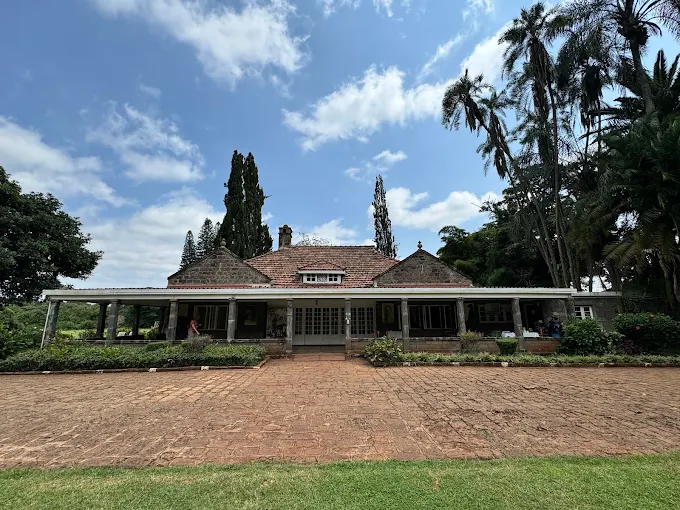
Located in Nairobi’s leafy Karen suburb, the Karen Blixen Museum occupies the beautifully preserved farmhouse where Karen Blixen lived between 1917 and 1931.
Built in 1912, the elegant colonial-style residence sits on landscaped grounds with stunning views of the Ngong Hills.
Following Karen Blixen’s departure from Kenya, the property changed ownership several times before being acquired by the Kenyan government.
After the worldwide success of Out of Africa, the farmhouse underwent careful restoration and officially opened as a museum in 1986.
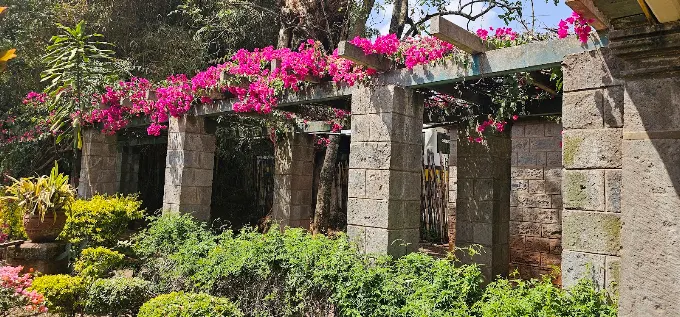
Today, the museum is managed by the National Museums of Kenya, whose conservation efforts ensure that the property remains an important cultural and historical landmark for future generations.
Through curated exhibitions, preserved interiors, and guided tours, visitors gain valuable insights into Karen Blixen’s life, colonial-era Kenya, and the enduring influence of her literary work.
Its preservation contributes to Kenya’s broader efforts to safeguard important heritage sites and promote cultural tourism.
What You’ll See at the Karen Blixen Museum Nairobi
A Karen Blixen Museum tour is much more than a tour through an old house. It is an immersive journey into Kenya’s colonial history, literary heritage, and one remarkable woman’s life.
Every room, artifact, and garden path tells part of the story that inspired one of the world’s most famous memoirs, Out of Africa.
Unlike many museums where exhibits are displayed behind glass, the Karen Blixen Museum allows visitors to step inside the very home where Karen Blixen lived, wrote, entertained guests, and managed her coffee estate. Guided tours bring these spaces to life with fascinating stories and historical context.
Explore the Historic Farmhouse
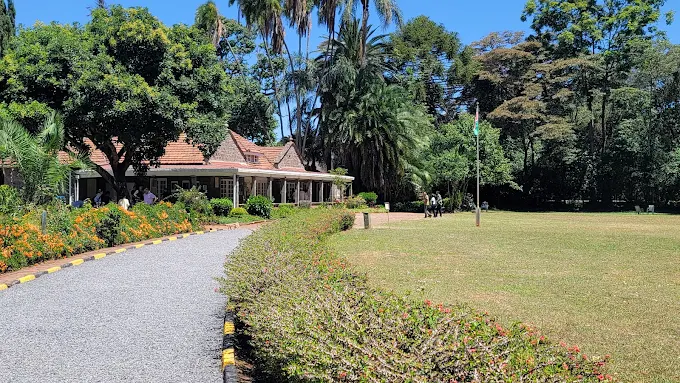
The beautifully restored farmhouse is the museum’s centerpiece. Built in 1912, the elegant colonial residence reflects the architectural style favored by European settlers in British East Africa.
The home’s thoughtful design blends European elegance with practical adaptations for Kenya’s warm climate, making it both historically significant and visually stunning.
Walking through the house feels like stepping back into the early twentieth century.
The Drawing Room
One of the highlights of the museum is Karen Blixen’s drawing room.
This was where she welcomed distinguished guests, fellow settlers, explorers, hunters, and travelers from around the world.
Museum guides often share stories about the conversations that took place here, offering insight into Nairobi’s social life during the colonial era.
Karen Blixen’s Dining Room
The dining room showcases how formal meals were served during the early 1900s.
Guides explain how meals often became lively gatherings where politics, farming, wildlife, literature, and exploration were discussed late into the evening.
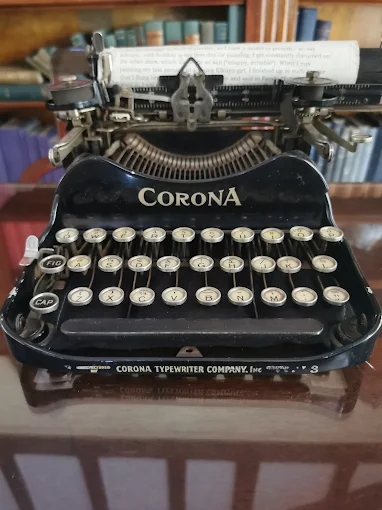
The Study and Writing Space
For literature lovers, one of the most fascinating parts of the museum is Karen Blixen’s study.
Although many of her famous works were completed after returning to Denmark, this room represents the environment that inspired her writing.
This quiet room provides a deeper appreciation of how Kenya shaped one of the twentieth century’s greatest storytellers.
Bedrooms and Private Living Quarters
Several bedrooms have been carefully restored to reflect life on the farm.
These rooms reveal the more personal side of Karen Blixen’s life beyond her public image as an author and plantation owner.
Historic Kitchen
The traditional kitchen offers a fascinating glimpse into daily life during colonial Kenya.
Museum guides explain how meals were prepared before modern conveniences became available.
Original Furniture and Memorabilia
Many of the furnishings either belonged to Karen Blixen or closely represent those used during her residence.
Some additional furniture was donated during the production of the Oscar-winning film Out of Africa, helping recreate the home’s original atmosphere.
Beautiful Gardens
The museum gardens are among the most peaceful in Nairobi.
Visitors often spend nearly as much time outside as inside.
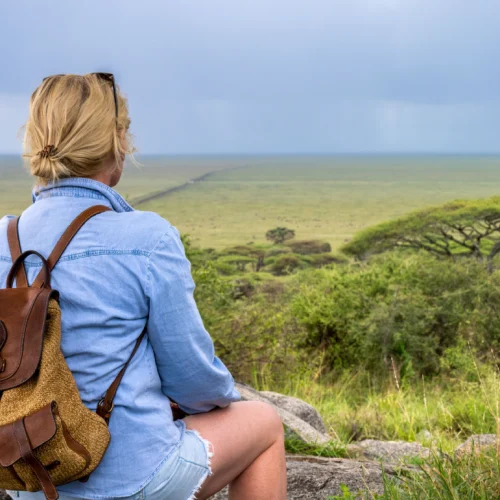
The gardens provide spectacular views of the Ngong Hills, creating wonderful opportunities for relaxation and photography.
Many guests enjoy simply sitting beneath the trees while imagining the landscape Karen Blixen once described in her memoir.
Coffee Plantation Heritage
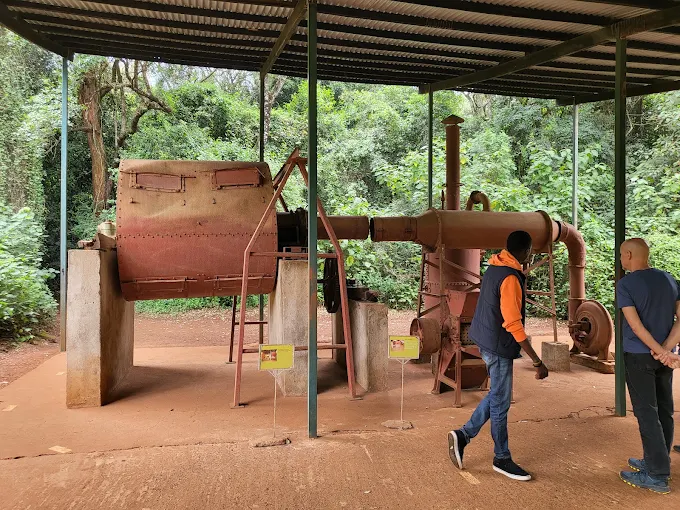
Although the original coffee farm no longer exists in its entirety, visitors can still learn how the plantation operated.
These displays help visitors understand the agricultural history that shaped both Karen Blixen’s life and the development of Nairobi’s Karen suburb.
Gift Shop
Before leaving, most visitors stop at the museum gift shop.
Purchases support heritage conservation and local artisans.
Visitor Experience
One reason the Karen Blixen Museum remains one of Nairobi’s highest-rated attractions is the quality of the visitor experience.
Most visitors spend 1–2 hours exploring the property, although those with a particular interest in literature or history may stay longer.
Photography Opportunities
Photography enthusiasts will find countless beautiful scenes.
Natural light streaming through large windows creates excellent indoor photography conditions.
Visitors should always follow museum guidelines regarding flash photography and restricted areas.
Nearby Attractions Around the Karen Blixen Museum
One of the greatest advantages of visiting the Karen Blixen Museum Nairobi is its location in the leafy suburb of Karen, one of Nairobi’s most scenic and culturally rich neighborhoods.
The museum is surrounded by world-class wildlife attractions, conservation centers, artisan workshops, shopping destinations, and outdoor experiences, making it easy to build a memorable half-day or full-day itinerary.
1. Giraffe Centre
One of Nairobi’s most iconic attractions, the Giraffe Centre is just a short drive from the Karen Blixen Museum.
Established by the African Fund for Endangered Wildlife, the center is dedicated to the conservation of the endangered Rothschild’s giraffe.
The Giraffe Centre is especially popular with families and photographers and pairs perfectly with a museum visit.
2. David Sheldrick Wildlife Trust
A visit to Nairobi is incomplete without stopping at the David Sheldrick Wildlife Trust, renowned for rescuing, rehabilitating, and reintroducing orphaned elephants into the wild.
Since public viewing is available only during designated hours, it is best to schedule this stop before visiting the museum.
3. Nairobi National Park
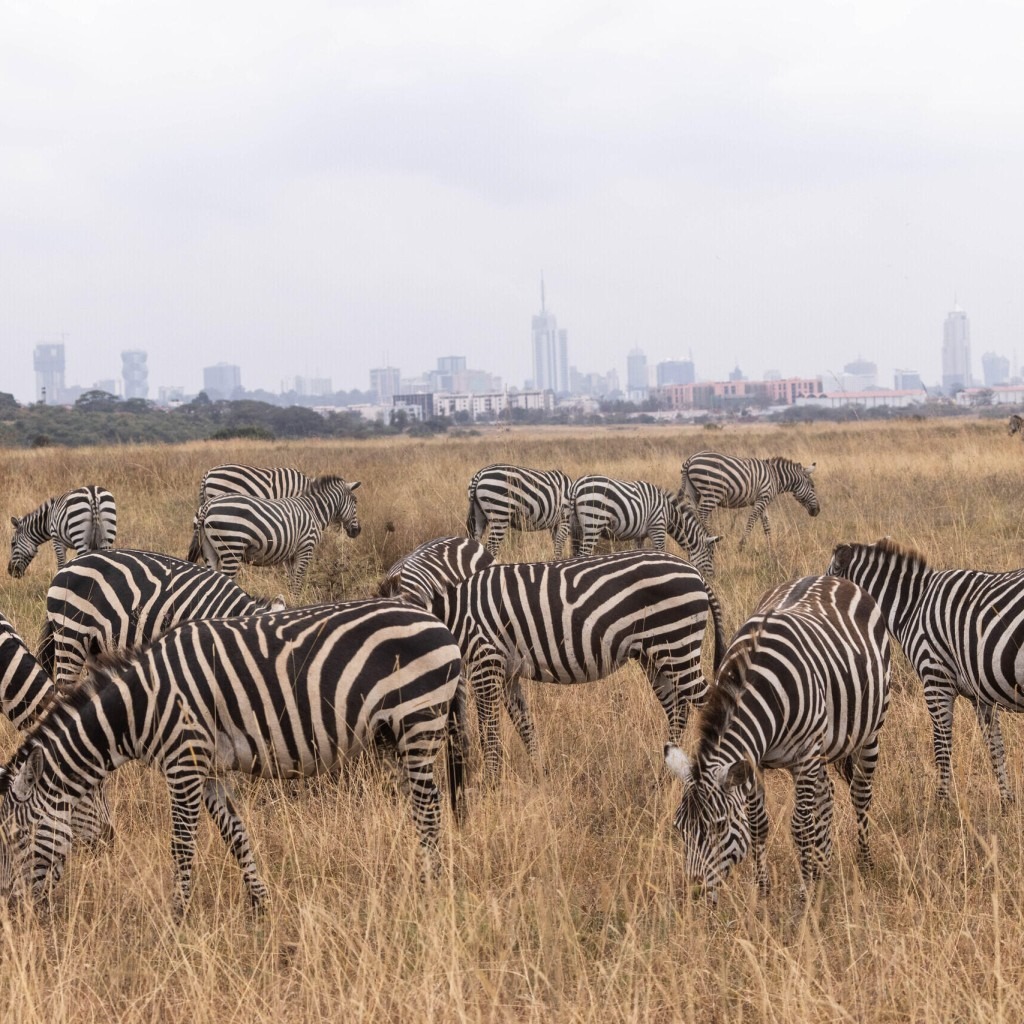
Located only a short drive from Karen, Nairobi National Park offers one of the world’s most unique safari experiences.
It is the only national park situated adjacent to a capital city, allowing visitors to see wildlife against the backdrop of Nairobi’s skyline.
Many travelers begin the day with an early morning game drive before exploring the Karen Blixen Museum in the afternoon.
4. Kazuri Beads Women’s Factory
Founded in 1975, Kazuri Beads empowers local women by producing handmade ceramic jewelry and pottery.
The factory offers fascinating demonstrations and is one of the best places in Nairobi to purchase unique handcrafted gifts.
5. Bomas of Kenya
Located within easy driving distance, the Bomas of Kenya celebrates the country’s rich cultural diversity through traditional music, dance, and architecture.
It’s an excellent complement to the historical perspective offered by the Karen Blixen Museum.
6. Ngong Hills
Visible from the museum gardens, the Ngong Hills are among Kenya’s most recognizable landscapes.
Immortalized in Out of Africa, these rolling hills remain a favorite destination for hiking enthusiasts and photographers.
7. Karen Country Club
Founded in the 1930s, the Karen Country Club is one of Kenya’s oldest and most prestigious golf clubs.
While primarily open to members and guests, its beautifully landscaped grounds add to the area’s charm and history.
Frequently Asked Questions
1. Is the Karen Blixen Museum Nairobi worth visiting?
Yes. The Karen Blixen Museum Nairobi is one of Kenya’s most significant cultural and historical attractions. .
2. Where is the Karen Blixen Museum located?
The museum is located in the upscale suburb of Karen, approximately 14–16 kilometers southwest of Nairobi’s Central Business District.
3. How much is the entrance fee to the Karen Blixen Museum?
Since ticket prices may change, it is recommended to check the latest rates published by the National Museums of Kenya before your visit.
4. What are the opening hours of the Karen Blixen Museum?
The museum is generally open daily from 9:30 AM to 6:00 PM, including weekends and most public holidays.
5. How long does a visit to the Karen Blixen Museum take?
Most visitors spend 1 to 2 hours exploring the museum.
Book Your Nairobi Cultural Tour Today
Step into Kenya’s fascinating past, walk through the historic home of Karen Blixen, admire the beautiful gardens overlooking the Ngong Hills, and discover why this remarkable museum continues to captivate visitors from around the world.
Contact Crystal Tours Kenya today to customize your Nairobi city tour or combine the Karen Blixen Museum with an unforgettable wildlife safari, conservation experience, or luxury Kenya holiday.