Dubai, the dazzling jewel of the United Arab Emirates (UAE), has become one of the world’s most sought-after travel destinations. Known for its futuristic skyline, luxurious shopping malls, extravagant hotels, and vibrant culture, this desert city offers something for every type of traveler. Whether you’re planning a short stay or a long-term visit, here’s everything you need to know about Dubai to make the most of your trip.
1. Introduction to Dubai
Dubai is a global city and business hub that blends the old with the new. The city’s rapid transformation from a small fishing port to a thriving metropolis over the past few decades is nothing short of extraordinary. Today, it’s a major center for trade, tourism, and innovation, with an impressive array of attractions and a cosmopolitan lifestyle.
Despite its modernity, Dubai preserves its rich cultural heritage, which can be explored through its art, architecture, cuisine, and traditions. Dubai offers a perfect mix of both luxury and tradition, with skyscrapers lining the skyline and traditional souks (markets) still alive and bustling.
2. Best Time to Visit Dubai
Dubai has a hot desert climate, so the best time to visit depends on your tolerance for heat.
- Winter (November to March): The weather is cooler and more comfortable, with temperatures ranging from 20°C to 30°C (68°F to 86°F), making it ideal for outdoor activities like desert safaris and beach days. This is also peak tourist season, so expect larger crowds and higher prices.
- Summer (June to September): Temperatures can soar above 40°C (104°F), and the humidity can be overwhelming. However, if you can tolerate the heat, this is the best time to snag deals on hotels and enjoy indoor activities like shopping and visiting attractions with air conditioning.
3. Getting Around Dubai
Dubai offers a variety of transport options to help you get around the city efficiently.
- Public Transportation: Dubai’s metro system is one of the most efficient and modern in the world. It connects major parts of the city, including the airport, shopping malls, and business districts. The Dubai Metro is a fast, convenient, and affordable way to travel.
- Taxis and Ride-Hailing: Taxis are widely available, and services like Uber and Careem operate in the city. These options are perfect for those who want direct access to their destinations or don’t want to use public transport.
- Car Rentals: Renting a car is another option, though traffic can be busy, especially in the city center. Dubai has well-maintained roads, and parking is generally available.
- Water Taxis: Dubai’s traditional abras (small boats) offer a charming and scenic way to cross Dubai Creek, connecting the old town with the modern districts.
4. Where to Stay in Dubai
Dubai offers a wide range of accommodations, from budget-friendly hotels to luxurious 5-star resorts. Here are some popular areas to stay:
- Downtown Dubai: Home to iconic landmarks like the Burj Khalifa, Dubai Mall, and the Dubai Fountain, this area is perfect for those who want to be in the heart of the action.
- Jumeirah Beach: This area offers luxurious beachfront resorts like the Burj Al Arab and Atlantis The Palm, along with beautiful beaches and stunning views of the Arabian Gulf.
- Dubai Marina: Known for its glamorous atmosphere, Dubai Marina features high-rise hotels, upscale restaurants, and a lively nightlife scene.
- Deira: If you’re looking for more affordable options, Deira offers a taste of old Dubai, with close proximity to traditional markets (souks) and Dubai Creek.
5. Top Attractions in Dubai
There’s no shortage of things to do in Dubai. From cultural experiences to thrilling adventures, here are some must-see attractions:
Burj Khalifa
The world’s tallest building, standing at 828 meters, offers incredible panoramic views of the city from its observation deck. Visiting this architectural marvel is a must for every visitor.
Dubai Mall
One of the largest shopping malls in the world, Dubai Mall features over 1,200 shops, an aquarium, an ice rink, and an indoor waterfall. It’s a one-stop destination for shopping, dining, and entertainment.
Dubai Desert Safari
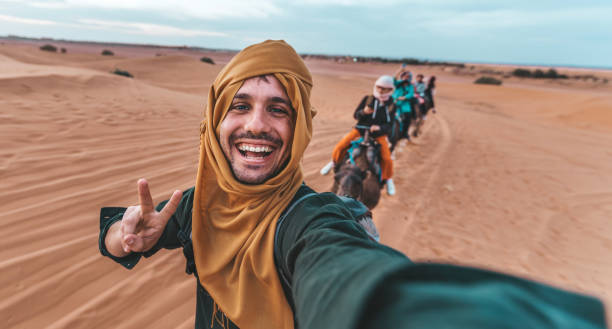
Embark on an exhilarating adventure into the Arabian desert. You can enjoy dune bashing, camel rides, traditional BBQ dinners, and cultural performances under the stars.
Dubai Marina
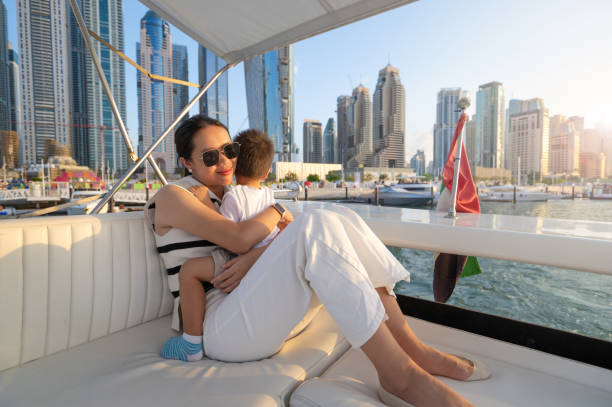
For a scenic, relaxed stroll or boat ride, head to Dubai Marina. You can explore the walkways, dine at waterfront restaurants, or take a yacht cruise.
Palm Jumeirah and Atlantis The Palm
This iconic, man-made island in the shape of a palm tree is home to luxury hotels and resorts, most notably Atlantis The Palm, which features an aquarium, water park, and fine dining.
Dubai Creek
For a glimpse of old Dubai, visit Dubai Creek. You can take a traditional abra ride across the creek, visit the Dubai Museum, and shop at the Gold and Spice Souks.
Dubai Miracle Garden
The world’s largest flower garden is a stunning sight with over 50 million flowers in bloom. Perfect for nature lovers and those looking for a colorful escape.
6. Dubai Culture and Traditions
Dubai is a melting pot of cultures, with people from all over the world calling it home. Despite its modernity, the city holds onto its rich cultural traditions. Here’s what you should know:
- Dress Code: Dubai has a more relaxed dress code compared to other places in the UAE, but it’s still important to dress modestly in public areas. Women can wear dresses, skirts, or pants, but swimwear is restricted to beaches or pools.
- Ramadan: If you’re visiting during the holy month of Ramadan (usually in late spring or summer), keep in mind that many restaurants and public places will be closed during daylight hours. It’s respectful to refrain from eating, drinking, and smoking in public during fasting hours.
- Tipping: Tipping is customary in Dubai but not mandatory. A 10-15% tip is standard in restaurants, and rounding up taxi fares is common.
- Alcohol: While alcohol is available in licensed venues such as hotels, bars, and private clubs, it is illegal to drink in public places or to be publicly drunk.
7. Shopping in Dubai
Dubai is a shopping paradise, famous for its luxury brands, traditional souks, and annual shopping festivals.
- Dubai Mall and Mall of the Emirates: These malls are home to both high-end designer brands and more affordable retailers.
- Gold Souk: Located in Deira, this market is famous for its intricate gold jewelry and is a must-visit for those looking to buy precious metals.
- Global Village: A cultural and shopping theme park that features pavilions from over 75 countries, where you can shop for unique international products.
8. Dubai’s Food Scene
Dubai’s food scene is as diverse as its population, offering a mix of Middle Eastern, Asian, and international cuisines.
- Shawarma: A must-try street food that consists of spiced meat wrapped in pita bread with veggies and sauces.
- Al Harees: A traditional dish of wheat, meat, and spices, typically served during Ramadan and special occasions.
- Fine Dining: Dubai boasts a variety of Michelin-starred restaurants, including those by world-renowned chefs like Gordon Ramsay, Nobu, and Alain Ducasse.
9. Safety and Etiquette in Dubai
Dubai is one of the safest cities in the world for tourists, with a very low crime rate. However, it’s important to adhere to local customs and laws:
- Respect local traditions: The UAE is a conservative country with Islamic values, so be mindful of local customs and practices.
- Public behavior: Public displays of affection, such as kissing or holding hands, are frowned upon in Dubai, especially in more conservative areas.
- Laws on Drugs: The UAE has zero tolerance for drug-related offenses, and even the smallest amount of illegal substances can result in severe penalties.