The Serengeti, one of Africa’s most famous national parks, is synonymous with breathtaking landscapes, incredible wildlife, and unforgettable safari experiences. Located in northern Tanzania, this vast ecosystem is home to an abundance of animal species and is the backdrop to one of the most spectacular natural events on the planet—the Great Migration. Whether you’re planning your first safari or looking to explore one of the world’s most iconic wildlife habitats, here’s everything you need to know about the Serengeti.
1. Introduction to the Serengeti
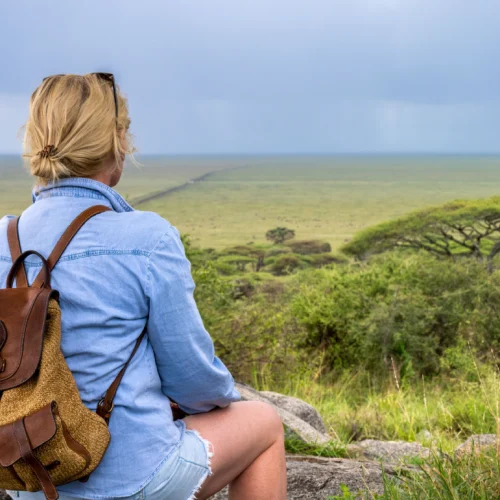
The Serengeti National Park covers over 14,000 square kilometers (5,700 square miles) and is part of the Serengeti-Mara ecosystem, which stretches across both Tanzania and Kenya. It’s known for its stunning savannahs, acacia woodlands, riverine forests, and kopjes (rocky outcrops), creating a diverse habitat for both predators and prey.
The Serengeti is not just a park, but an iconic symbol of Africa’s wilderness and the very definition of a safari. It’s the scene of dramatic wildlife encounters and offers travelers the chance to experience nature in its purest form.
2. The Great Migration: Nature’s Spectacle
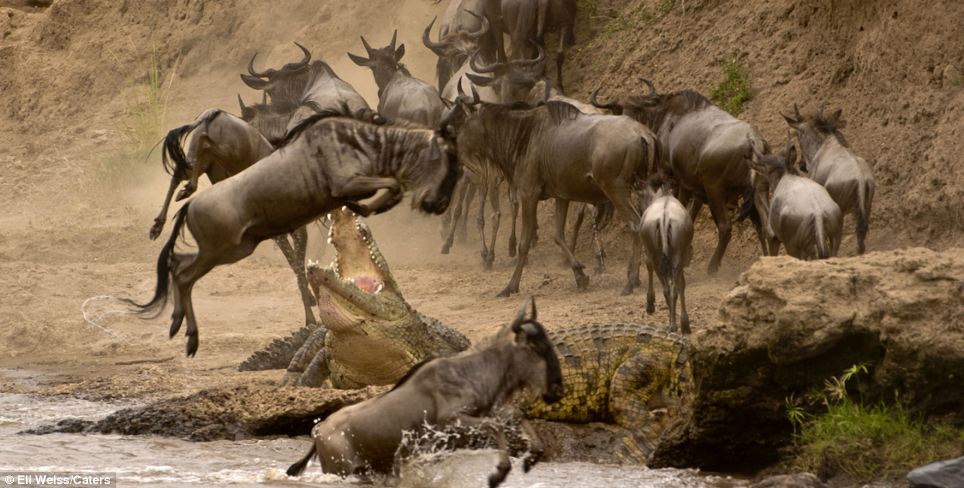
One of the primary reasons the Serengeti is so famous is the annual Great Migration, a spectacular movement of over 1.5 million wildebeest, hundreds of thousands of zebra, and gazelles, as they make their way across the Serengeti and into Kenya’s Maasai Mara. This migration, which is driven by the search for fresh grazing and water, is one of the world’s most remarkable wildlife events.
The migration is a year-round phenomenon, but the most dramatic moments occur between June and October, when herds cross the Mara River into Kenya, facing dangers such as crocodiles and lions. Witnessing the migration is an unparalleled safari experience, with countless predators, like cheetahs, lions, and hyenas, following the herds in search of their next meal.
3. The Wildlife: A Safari Dream
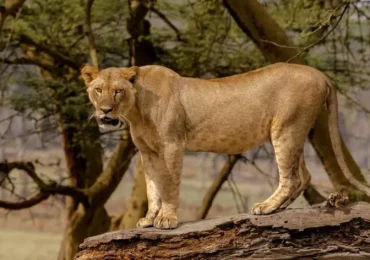
The Serengeti is teeming with wildlife, and it’s often said that if you’re looking for the Big Five, you’ll find them here. The Big Five—lions, elephants, buffaloes, leopards, and rhinos—are all present in the park, and sightings are common.
However, the Serengeti offers far more than just these iconic animals. Other noteworthy creatures include:
- Cheetahs: Known for their breathtaking speed, cheetahs are often seen on the hunt in the Serengeti’s vast plains.
- Giraffes: Their tall frames stand out against the horizon, and they are often seen browsing on acacia trees.
- Wildebeest and Zebra: The backbone of the Great Migration, these animals travel in large, impressive herds.
- Hippos and Crocodiles: Found in the Serengeti’s rivers and lakes, these animals provide the perfect viewing opportunity for a true wilderness experience.
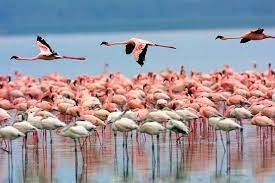
- Birds: With over 500 species of birds, the Serengeti is a haven for birdwatching enthusiasts.
The park also plays home to an extensive array of herbivores, including gazelles, impalas, and topis, all of which contribute to the Serengeti’s remarkable food chain.
4. Best Time to Visit the Serengeti
The Serengeti is a year-round destination, but the best time to visit depends on your interests and what you want to experience.
- June to October (Dry Season): This is the best time for wildlife viewing as animals gather around the water sources, making it easier to spot them. It also coincides with the Great Migration’s dramatic river crossings in the Mara River. The weather is warm but pleasant, and the bush is less dense, offering clearer views.
- November to May (Wet Season): The rainy season sees fewer tourists, which means less crowded safaris and lower prices. The landscape is lush and green, and although animal sightings may be harder to come by due to the dense vegetation, the birdlife is abundant. The short rains in November and December offer an opportunity to witness newborn animals.
5. Safari Activities in the Serengeti
A safari in the Serengeti is not just about seeing animals from the comfort of a jeep. The park offers a variety of experiences for visitors:
- Game Drives: Whether in the early morning or late afternoon, game drives are the best way to explore the Serengeti and witness its wildlife. Most safaris in the Serengeti are conducted in open vehicles with expert guides who know where to find the animals.
- Hot Air Balloon Safari: For a bird’s-eye view of the park’s vast plains, a hot air balloon ride is a once-in-a-lifetime experience. Floating above the Serengeti at sunrise, you’ll see herds of animals below and enjoy a champagne breakfast upon landing.
- Walking Safaris: Accompanied by a knowledgeable guide and ranger, walking safaris allow you to experience the Serengeti on foot. Learn about the smaller details of the ecosystem, such as animal tracks, plants, and insects, and gain a deeper appreciation for the wilderness.
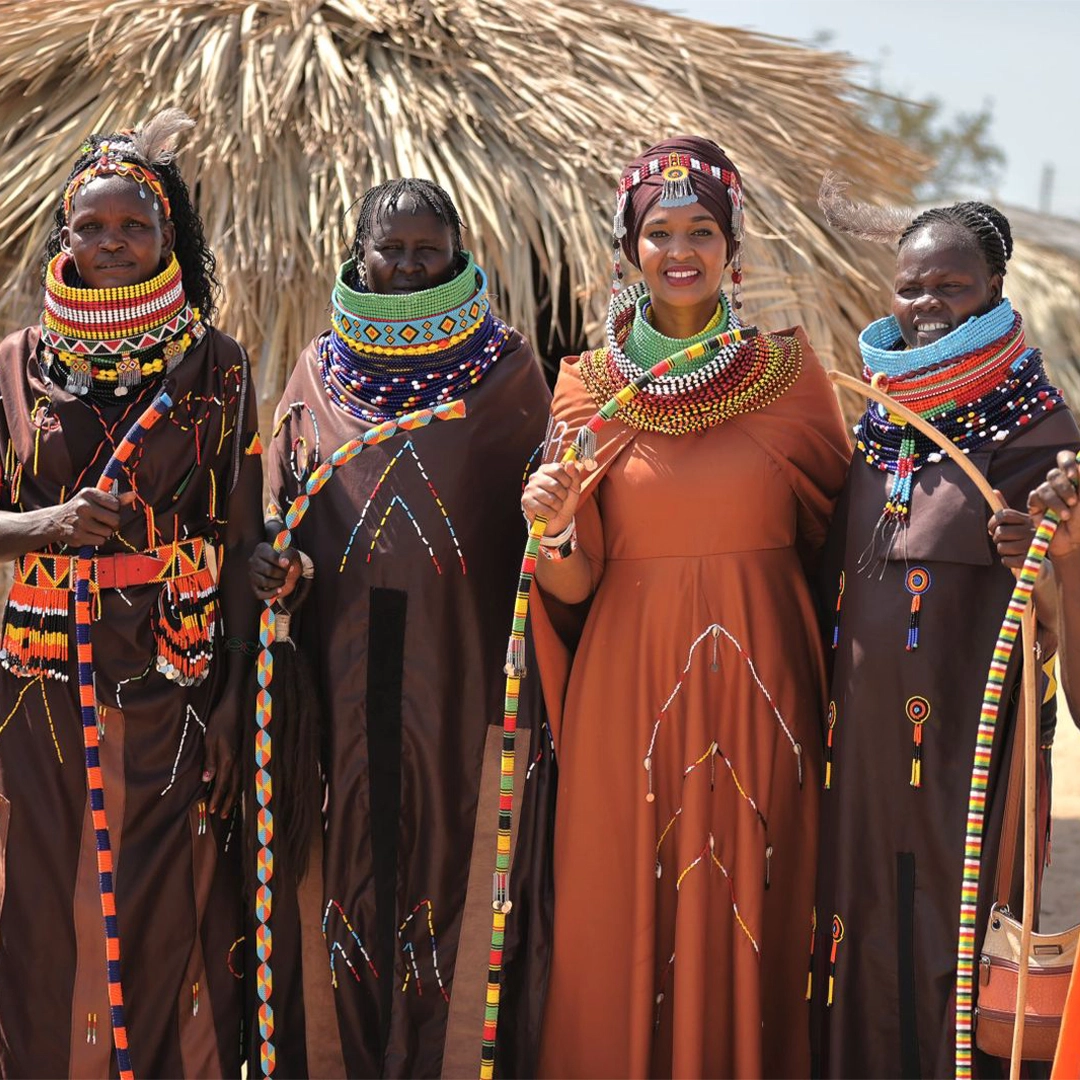
- Cultural Tours: Visit nearby Maasai villages to learn about the customs and traditions of the Maasai people, who have lived in the region for centuries. You can engage with the locals, participate in dances, and get a glimpse of their way of life.
6. Where to Stay in the Serengeti
Accommodations in the Serengeti range from luxurious lodges to more affordable tented camps. Here are some options:
- Luxury Lodges: There are numerous high-end lodges offering an all-inclusive experience with stunning views, private verandas, and five-star amenities. Some lodges, like Four Seasons Serengeti or Serengeti Under Canvas, offer luxury in the heart of the wilderness.
- Tented Camps: For a more immersive experience, opt for a tented camp. These are usually mobile camps that follow the migration route and offer a more authentic safari experience with comfort and style.
- Budget Options: If you’re looking to save, there are a number of budget-friendly campsites and basic lodges in and around the park, providing a great option for those on a tighter budget.
7. How to Get to the Serengeti
- By Air: The quickest way to get to the Serengeti is by flying into Seronera Airport, the park’s main airstrip. There are several daily flights from Arusha or Kilimanjaro International Airport. From the airstrip, you’ll be transported to your camp or lodge.
- By Road: If you’re traveling from Arusha (the gateway to the Serengeti), it’s about a 6-8 hour drive to the park. The drive offers an opportunity to see more of Tanzania’s landscape, but keep in mind that it can be a bit rough and dusty, depending on the season.
8. Conservation Efforts and Responsible Tourism
The Serengeti is a UNESCO World Heritage site and one of the most important ecosystems in the world. It’s home to vital wildlife populations and plays a crucial role in global biodiversity. As such, conservation efforts are essential to preserving the park’s delicate balance.
When visiting the Serengeti, it’s important to practice responsible tourism by respecting wildlife and following park rules. Stay within designated areas, minimize noise, and avoid disturbing animals. Additionally, many lodges and camps in the Serengeti contribute to conservation projects, so consider supporting those that prioritize sustainability.