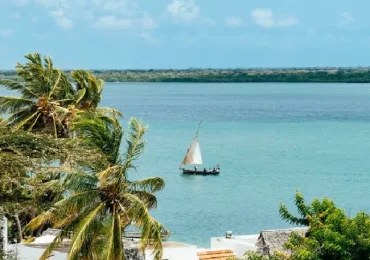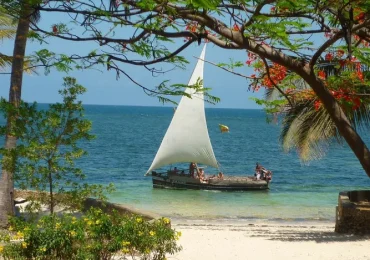
Nestled off the coast of Tanzania, Zanzibar is a stunning archipelago that has become a bucket-list destination for travelers seeking a mix of history, culture, adventure, and pristine beaches. Known for its white sandy beaches, turquoise waters, and rich cultural heritage, Zanzibar offers something for every kind of traveler. If you’re considering a trip to this East African paradise, here’s everything you need to know about Zanzibar.
1. An Introduction to Zanzibar
Zanzibar is made up of several islands, with the two largest being Unguja (often referred to as Zanzibar Island) and Pemba Island, along with numerous smaller islands like Prison Island and Chumbe Island. Located in the Indian Ocean, just 25 miles (40 kilometers) off the coast of Tanzania, Zanzibar has a history that blends African, Arab, Indian, and European influences, which is reflected in its unique culture, architecture, and cuisine.
The islands were once a hub for spice trading and served as an important stop for traders passing through the Indian Ocean. Zanzibar’s vibrant capital, Stone Town, is a UNESCO World Heritage site and a living museum of Swahili culture and Islamic history.
2. The Best Time to Visit Zanzibar
Zanzibar is a year-round destination, but the best time to visit depends on your preferences:
- Dry Season (June to October): The dry season is the most popular time to visit Zanzibar. The weather is warm and sunny, perfect for beach activities, swimming, and exploring the islands. The temperatures hover around 25°C to 29°C (77°F to 84°F), making it ideal for outdoor adventures.
- Short Rainy Season (November to December): Zanzibar experiences a short rainy season in November and December, which sees occasional showers. This period is less crowded, offering a more peaceful atmosphere. You may also find lower accommodation prices during these months.
- Long Rainy Season (March to May): The long rainy season is the least favorable time to visit. The heavy rains can disrupt outdoor activities, making it harder to enjoy the beaches and excursions. However, if you’re looking for a quieter, more affordable experience, this could be a good time to visit.
3. Things to Do in Zanzibar
Zanzibar offers a wealth of activities that cater to all types of travelers, whether you’re looking for relaxation, adventure, or cultural experiences. Here’s a list of top things to do:
Beaches and Water Activities
Zanzibar is renowned for its pristine beaches, perfect for unwinding or partaking in water activities.
- Nungwi Beach: One of the most popular beaches, known for its clear waters and vibrant coral reefs. It’s ideal for snorkeling, diving, and enjoying a leisurely beach day.
- Kendwa Beach: A more relaxed alternative, with calm waters and spectacular sunsets.
- Mnemba Island: A small private island with some of the best snorkeling and diving opportunities in Zanzibar. The island is home to a coral reef rich in marine life.
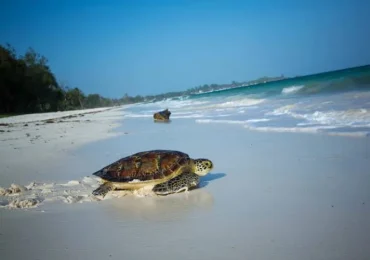
If you’re into water sports, Zanzibar offers excellent conditions for kitesurfing, snorkeling, and scuba diving. Explore the underwater world with trips to vibrant coral reefs, where you’ll encounter turtles, dolphins, and a variety of tropical fish.
Explore Stone Town
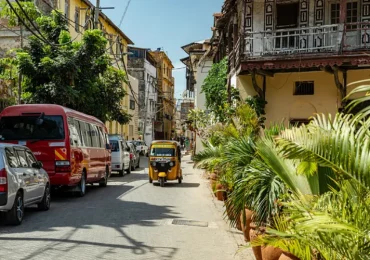
Stone Town is the heart of Zanzibar’s history and culture. A UNESCO World Heritage site, the town is a labyrinth of narrow alleyways, winding streets, and historical buildings. Key sights include:
- The House of Wonders: A historic building that was once the Sultan’s palace. It offers great insight into Zanzibar’s history and culture.
- The Sultan’s Palace: The former residence of the Sultan of Zanzibar, now a museum showcasing the island’s royal heritage.
- The Old Fort: A 17th-century fort built by the Omanis to defend against the Portuguese, now hosting cultural events and performances.
- The Spice Farms: Zanzibar is often referred to as the “Spice Island,” and a tour of one of the spice farms is a must. You’ll get to see how spices like cloves, cinnamon, and nutmeg are grown and harvested.
Safari Blue Tour
For an incredible day out on the water, the Safari Blue tour offers an unforgettable experience. It includes a boat ride to the uninhabited islands, snorkeling in crystal-clear waters, enjoying a seafood barbecue on a secluded beach, and possibly spotting dolphins along the way.
Prison Island (Changuu Island)
Just a short boat ride from Stone Town, Prison Island was once a quarantine station and is now home to giant tortoises that can live for over 150 years. You can walk around the island, learn about its history, and enjoy snorkeling in the surrounding waters.
4. Zanzibar’s Unique Culture and Heritage
Zanzibar’s culture is an intriguing blend of Swahili, Arab, Indian, and European influences, shaped by centuries of trade and cultural exchange. Some of the best ways to experience the island’s heritage include:
Swahili Cuisine
Zanzibar’s food scene is a fusion of African, Arab, Indian, and European flavors. Some must-try dishes include:
- Zanzibar Pizza: A unique take on pizza, filled with meat, vegetables, and spices, then pan-fried.
- Spiced Tea (Chai): Zanzibar is famous for its spiced tea, often served with a dash of cinnamon and cardamom.
- Urojo: A spicy, tangy soup made with vegetables, potatoes, and fried dough, commonly eaten as street food.
Music and Dance
Zanzibar has a rich musical heritage, with influences from the Arab world and East Africa. The island’s traditional music includes Taarab, a genre blending Arabic, Indian, and African rhythms. You can experience live Taarab music performances at cultural centers or during festivals.
5. Where to Stay in Zanzibar
Zanzibar offers a wide range of accommodation options, from budget guesthouses to luxury resorts. Some options to consider:
- Luxury: Resorts like The Residence Zanzibar or Zanzibar White Sand Luxury Villas & Spa offer ultimate indulgence with private villas, beachfront views, and top-tier amenities.
- Mid-range: Hotels such as Nungwi Dreams by Mantis or Zanzibar Serena Hotel combine comfort and style with excellent locations.
- Budget: Guesthouses and hostels like Jambo Guest House offer affordable options with a local touch.
6. How to Get to Zanzibar
- By Air: Zanzibar’s main airport, Zanzibar International Airport (ZNZ), receives direct flights from major cities like Dar es Salaam, Nairobi, and Addis Ababa. There are also international flights connecting Zanzibar to regional hubs.
- By Ferry: If you’re already in Dar es Salaam, you can take a ferry to Zanzibar, which takes about 2 hours. This is a popular option for travelers coming from mainland Tanzania.
7. Practical Tips for Visiting Zanzibar
- Currency: Zanzibar uses the Tanzanian Shilling (TZS), but US dollars are widely accepted. It’s always a good idea to carry some local currency for small purchases.
- Language: The main language spoken in Zanzibar is Swahili, though English is also widely spoken, especially in tourist areas.
- Vaccinations: It’s recommended to get vaccinations for yellow fever, typhoid, and hepatitis A, among others, before traveling to Zanzibar. Be sure to check with your healthcare provider.
- Dress Code: Zanzibar is a Muslim-majority region, so it’s important to dress modestly, especially in Stone Town and rural areas. Swimwear should be limited to beaches and pools.
8. Conservation and Responsible Tourism
Zanzibar’s natural beauty is at risk from over-tourism and environmental degradation. Travelers are encouraged to respect the environment by avoiding plastic waste, supporting eco-friendly accommodations, and participating in responsible tours that contribute to conservation efforts.