Visiting the Maasai Village was one of the most eye-opening and culturally enriching experiences of my life. Nestled in the heart of East Africa, the Maasai people are known for their rich traditions, vibrant attire, and deep connection to the land. The village tour took me on a journey not just through the beautiful African savannah, but also into the heart of a fascinating culture that has remained resilient through generations.
Arriving at the Maasai Village
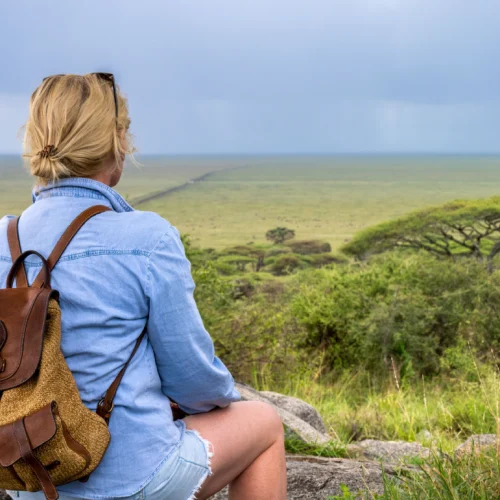
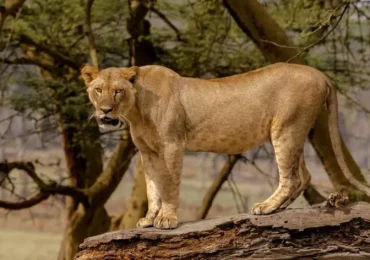
As we approached the Maasai village, I could feel a sense of anticipation building. The landscape of rolling hills, acacia trees, and distant wildlife felt like the perfect backdrop for a culture so in tune with the rhythms of nature. The village itself was a cluster of traditional thatched huts, or enkangs, built in a circular formation, with a central area for gathering and socializing. The huts, made from mud, cow dung, and grass, are the traditional homes of the Maasai, designed to keep the community protected and close-knit.
Meeting the Maasai People
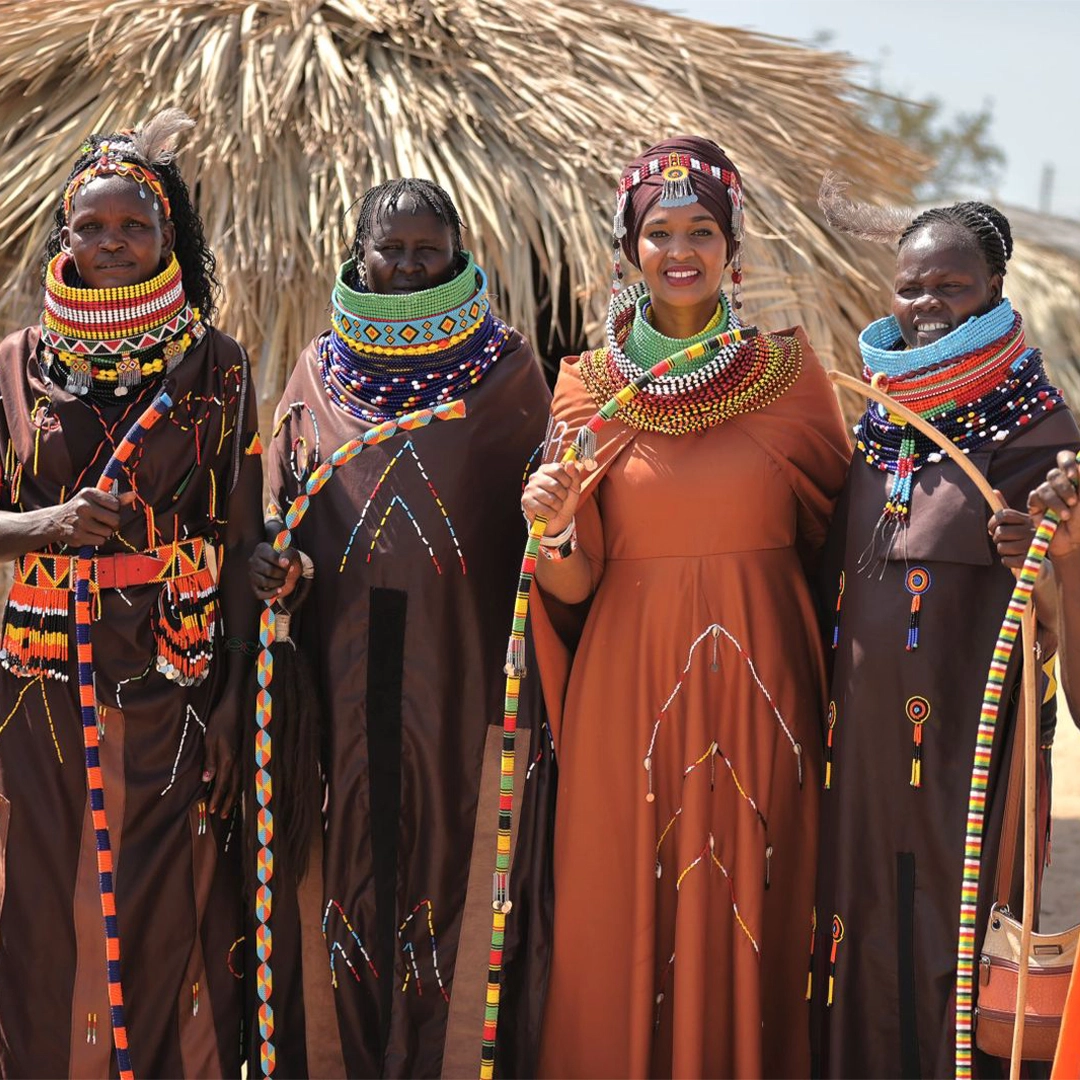
Upon arrival, we were greeted by the warm smiles of the Maasai warriors, dressed in their iconic shuka (bright red or patterned cloths) and adorned with intricate jewelry. The Maasai are a semi-nomadic pastoralist people, known for their bravery and their strong ties to the land and livestock. I could see the pride in their eyes as they welcomed us into their village, eager to share their way of life with outsiders.
The Maasai villagers performed a traditional dance for us, their feet thumping in rhythmic unison, their voices rising in song. It was a vibrant display of energy, and I could feel the deep connection they had to their culture. As they danced, I found myself mesmerized by the strength and grace of their movements, which reflected the beauty of their way of life. The dance, which is a form of celebration, is often performed during important events, such as weddings, ceremonies, or times of joy.
Learning About Maasai Traditions
The tour guide, a local Maasai elder, took us through the village, explaining the various aspects of their culture. He spoke of the importance of cattle to the Maasai, their primary source of wealth and sustenance. Cattle are seen not only as a form of currency but also as a symbol of status and social standing within the community. As part of the tour, we were shown how the Maasai use every part of the cow for various purposes—from the meat and milk to the hide, which is used to create clothes and tools.
I also learned about the roles of men, women, and children in Maasai society. Men are typically responsible for protecting the village and herding the cattle, while women take care of the household chores, such as gathering water and firewood. Children are encouraged to learn the ways of the land from a young age, with the expectation that they will one day contribute to the village’s survival and success.
A Glimpse Into Daily Life
One of the most eye-opening parts of the tour was being invited into a Maasai home. The interiors of the huts were simple, with just enough space for a bed and a small firepit. Despite the humble surroundings, there was a palpable sense of warmth and community. We were offered fresh milk from the cows, which was surprisingly rich and creamy. The villagers also shared their traditional food with us, including nyama choma (grilled meat) and ugali (a type of maize porridge).
The Maasai have lived this way for centuries, and their lifestyle has adapted to the changing world around them without losing sight of their traditions. In many ways, it felt like stepping back in time, but the vibrancy of the people made it clear that they were also living fully in the present.
The Power of Maasai Hospitality
What truly made this experience unforgettable, however, was the hospitality of the Maasai people. Their generosity and openness were overwhelming. They invited us into their homes, shared their food, and even allowed us to participate in their daily rituals. We were shown how to make fire the traditional Maasai way, using two sticks to create friction, and the laughter that followed when one of us failed to light the fire was shared by everyone.
As we sat around the fire that evening, with the African sky stretching endlessly above us, I felt a deep sense of gratitude for the opportunity to connect with these people. I was struck by the contrast between their seemingly simple lifestyle and the richness of their culture. In that moment, I realized how much I had to learn from the Maasai, not just about their traditions, but about how they live in harmony with the land, each other, and the world around them.
Reflecting on the Experience
Leaving the Maasai village was bittersweet. I felt a deep respect for the community and a longing to return one day. The experience reminded me of the power of human connection and how much we can learn from cultures that are deeply rooted in their history and their environment.
The Maasai village tour gave me a sense of the resilience and beauty of a culture that has thrived for centuries in the face of challenges. It was a reminder of the importance of preserving traditional ways of life, while also embracing the opportunities that modernity can offer.
If you ever find yourself traveling to East Africa, I highly recommend taking the time to visit a Maasai village. It’s a chance to witness a unique and inspiring way of life that has endured for generations. The Maasai will leave you with a lasting impression, and you’ll carry the warmth of their hospitality with you long after you leave.
Tips for Visiting a Maasai Village:
- Respect Local Customs: The Maasai are proud of their culture, so be mindful of their traditions. Ask before taking photos, especially of individuals.
- Dress Modestly: While the Maasai dress in brightly colored shukas, it’s important to dress modestly when visiting.
- Bring a Gift: If you’re invited into a Maasai home, a small gift, such as food or a token of appreciation, can go a long way in building goodwill.
- Be Open to Learning: The Maasai way of life is deeply tied to nature and tradition. Take the time to listen and learn from your guides and hosts.
- Leave No Trace: Like any eco-tourism activity, ensure that you respect the environment and leave the village as you found it.
This experience will not only enrich your travel journey but also leave you with a profound respect for the Maasai and their incredible way of life.