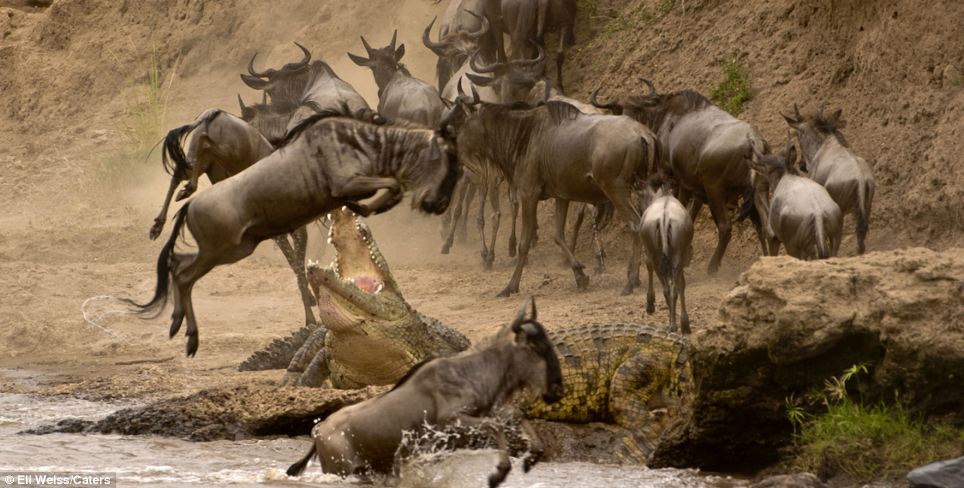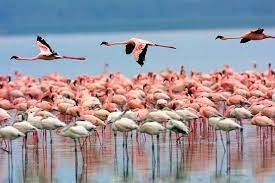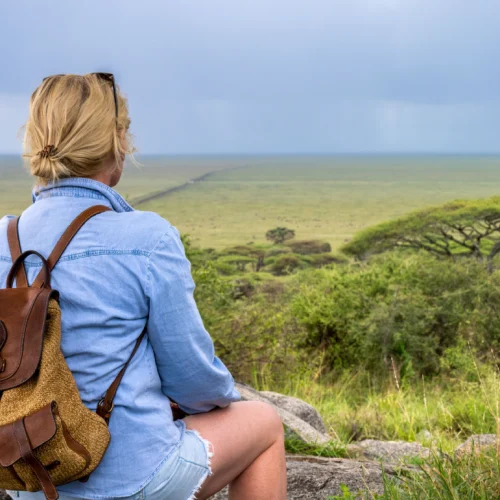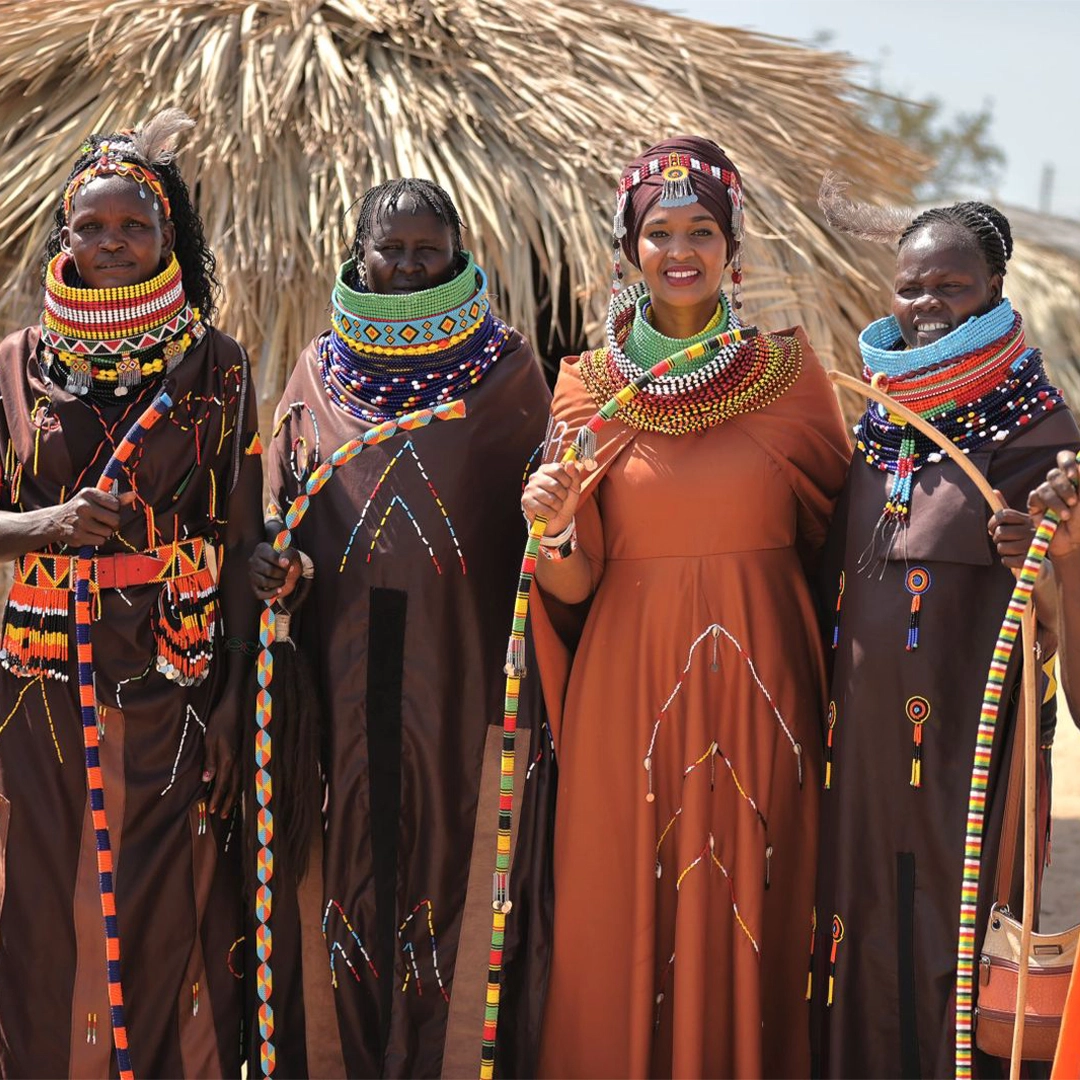
Kenya, with its captivating landscapes and incredible wildlife, is a bucket-list destination for adventure travelers. From witnessing the Great Migration in the Maasai Mara to biking alongside giraffes in Hell’s Gate, Kenya offers experiences like no other. If you’re planning a trip, here’s a handy guide to help you make the most of your Kenyan adventure.
1. Get a Local SIM Card
Kenya is a highly digitized country, and having a local SIM card is invaluable. Services like M-Pesa, the popular mobile money transfer system, require a local SIM. Purchase a SIM from providers like Safaricom or Airtel at the airport or in major cities, and enjoy affordable data and easy access to ride-hailing apps like Bolt.
2. Familiarize Yourself with M-Pesa
With 96% of Kenyan households using M-Pesa, it’s the go-to payment method for many businesses. Setting it up is easy if you have a Kenyan SIM card. Carry your passport and complete the setup at an authorized agent to get started.
3. Choose Bolt Over Taxis
Skip haggling with taxi drivers and use rideshare apps. Bolt is more popular and affordable than Uber in Kenya. For added convenience, update your account with your local SIM number.
4. Embrace Public Transportation
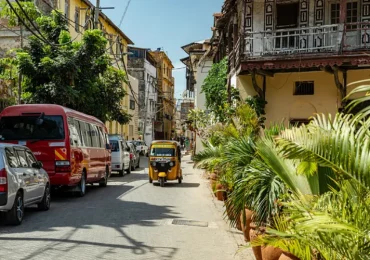
Kenya’s public transport options, including matatus (colorful minibuses) and boda bodas (motorcycle taxis), are affordable and culturally enriching. However, safety can vary, so assess your comfort level before hopping on.
5. Learn “Hakuna Matata” and Other Swahili Phrases
“Hakuna Matata” isn’t just a phrase from The Lion King; it’s a way of life in Kenya. Learning Swahili phrases like “Jambo” (hello) and “Asante” (thank you) will endear you to locals and enhance your travel experience.
6. Try Nyama Choma
Kenya’s national dish, nyama choma (grilled meat), is a must-try. Often served with ugali, this hearty dish can be found everywhere, but the best is usually next to butcheries. Remember, it’s pronounced “yAma choma,” not “yOma choma”!
7. Haggle Smartly in Markets
Whether at Nairobi’s Maasai Market or elsewhere, haggling is expected. Start by offering 50% of the quoted price and negotiate respectfully. Vendors often mark up prices for tourists, so don’t shy away from bargaining.
8. Budget for the Tourist Tax
Tourists often pay more than locals for attractions, with fees sometimes being 50-70% higher. While this might seem steep, these funds often support conservation efforts, making it a worthwhile contribution.
9. Dress Comfortably for Safaris
Light-colored, breathable clothes are essential for safaris. Avoid dark colors that attract mosquitoes, and pack a hat, closed-toe shoes, and a waterproof layer for unpredictable weather in the Maasai Mara.
10. Don’t Skip Antimalarials
Malaria is prevalent in certain areas, especially the Maasai Mara. Bring antimalarial medication or purchase it affordably in Nairobi. Use insect repellent and wear long sleeves for added protection.
11. Check Vaccination Requirements
Ensure you’re up-to-date on vaccinations like Hepatitis A, Tetanus, and Polio. While Kenya doesn’t always require a yellow fever vaccine, it’s recommended if you plan to travel to neighboring countries.
12. Apply for a Visa Early
Most travelers need a visa to enter Kenya. The process can take up to two weeks, so apply online at least a month before your trip. Keep your travel and accommodation details handy for the application.
13. Be Mindful of Photography Laws
Capture Kenya’s beauty, but avoid photographing government buildings or military personnel. Use a zoom lens for safaris and consider a compact camera for city exploration.
14. Pack Light and Secure
Carry only essentials when exploring cities. Use an anti-theft bag and leave valuables at your accommodation. Keep a copy of your passport and additional cash stored separately.
15. Bring a Filtered Water Bottle
Kenya’s ban on single-use plastics means you’ll need a reusable bottle. A filtered water bottle is ideal for ensuring safe drinking water while reducing environmental impact.