A self-drive safari offers a unique and thrilling way to explore Kenya’s breathtaking wildlife and landscapes at your own pace. Whether you’re driving through the savannahs of the Masai Mara, the stunning Amboseli National Park, or the remote Tsavo East, this type of safari allows for complete freedom, flexibility, and a sense of adventure that traditional guided safaris can’t always provide. Here’s everything you need to know to plan your self-drive safari in Kenya, from preparation to the best parks for a DIY safari experience.
Why Choose a Self-Drive Safari?
- Freedom and Flexibility: One of the main draws of a self-drive safari is the flexibility it offers. You can explore the parks at your own pace, stopping wherever you like, whether it’s to take in a beautiful view or to linger over a particularly exciting animal sighting.
- Cost-Effective: Self-drive safaris can be more affordable than guided tours. While hiring a 4×4 vehicle, fuel, park entry fees, and accommodation may still add up, you have control over your budget by choosing where to stay and how long to spend in each park.
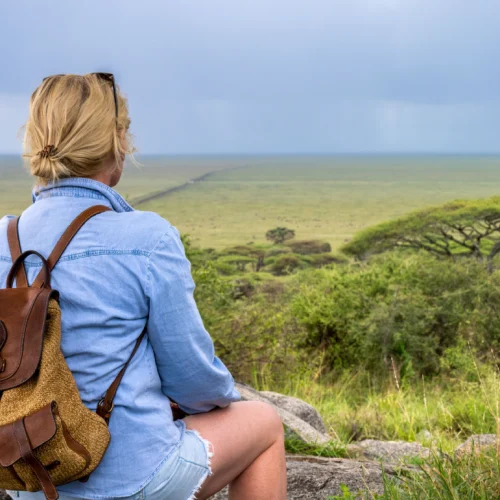
- Immersive Experience: Driving yourself through Kenya’s parks offers a deeper, more personal connection with the landscape. You’ll feel more like part of the wilderness, rather than just a passenger in a tour vehicle. Plus, you’re in charge of your schedule—there’s no pressure to follow a guide’s itinerary.
- Adventure: There’s a certain thrill in navigating the roads and trails of Africa’s iconic parks, spotting animals, and experiencing the wild as it unfolds around you. The sense of adventure is unmatched.
What You Need to Know Before Embarking on a Self-Drive Safari
1. Choosing the Right Vehicle
The most important part of planning your self-drive safari is choosing the right vehicle. In Kenya, most self-drive safaris require a 4×4 vehicle due to the rugged terrain and off-road conditions you’ll likely encounter in most national parks.
- 4×4 Safari Vehicle: These vehicles are designed to handle the rough terrain typical of safari destinations. Most rental companies offer Toyota Land Cruisers or Land Rovers, which are perfect for safaris.
- Insurance: Make sure your rental vehicle comes with comprehensive insurance that covers accidents, theft, and damage to the vehicle, especially as some areas can be tough on vehicles.
2. Understand the Park Regulations
Each national park and reserve in Kenya has its own set of rules for visitors. On a self-drive safari, you are expected to abide by these regulations, which may include restrictions on off-road driving and the hours you can spend in the park.
- Park Opening Hours: Most parks open early, around 6:00 AM, and close at 6:00 PM. You’ll need to plan your drives accordingly and ensure you leave the park before closing time.
- Stay on Designated Tracks: Off-road driving is generally not allowed in most parks. Stick to marked tracks to minimize your impact on the environment and ensure your safety.
- No Night Driving: Night driving is not allowed in most parks, and some parks like the Masai Mara and Amboseli only allow vehicles to drive on certain roads during specific hours.
3. What to Pack
When embarking on a self-drive safari, it’s important to pack appropriately. Here’s a list of essentials to take with you:
- Maps and GPS: While most parks are well-signposted, having a good map or GPS system can help you navigate the sometimes complex road networks.
- Snacks and Water: Long drives can be tiring, and the heat can be intense. Stock up on plenty of water, snacks, and other essentials like sunscreen, hats, and insect repellent.
- Binoculars and Camera: A good set of binoculars will help you spot distant wildlife, while a camera is essential to capture the beauty of the landscapes and animals.
- First Aid Kit: Always carry a basic first aid kit that includes bandages, antiseptic wipes, and any medications you might need.
- Flashlight: Essential for camping or any emergency during your trip.
4. Accommodation Options
Kenya offers a range of accommodation options for self-drive safaris, from campsites to luxury lodges. Many national parks have designated campsites or rest camps where you can set up your tent or stay in basic accommodation. Some popular options include:
- Campsites: Located in or near national parks like Amboseli and Masai Mara, these are budget-friendly options that allow you to immerse yourself in nature.
- Mid-range Lodges: If you prefer more comfort, there are plenty of mid-range lodges with great amenities, especially near popular parks like Lake Nakuru and Samburu.
- Luxury Safari Lodges: For a more luxurious experience, you can stay in exclusive lodges that offer exceptional service, gourmet meals, and top-tier amenities. Examples include Angama Mara and Elewana Kifaru House in Laikipia.
5. Safety on a Self-Drive Safari
While a self-drive safari is an exciting and rewarding adventure, safety is a key concern. Here are some important safety tips:
- Know the Roads: Roads in some national parks may be rough, and others might be gravel or dirt tracks. Be prepared for bumpy rides and ensure your vehicle has good tires.
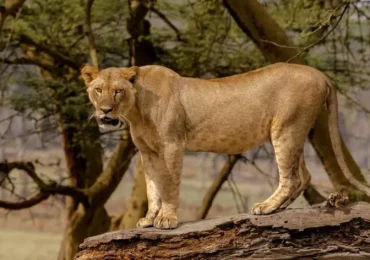
- Wildlife Safety: Keep a safe distance from wildlife at all times. Never attempt to get too close or exit your vehicle, especially around large animals like elephants, lions, or rhinos.
- Fuel: Always make sure you have a full tank before heading out to a park. Some parks have limited fuel stations, so it’s important to plan ahead and refuel when possible.
- Emergency Contacts: Familiarize yourself with emergency contact numbers in Kenya, including the park rangers and local authorities.
Best National Parks for a Self-Drive Safari in Kenya
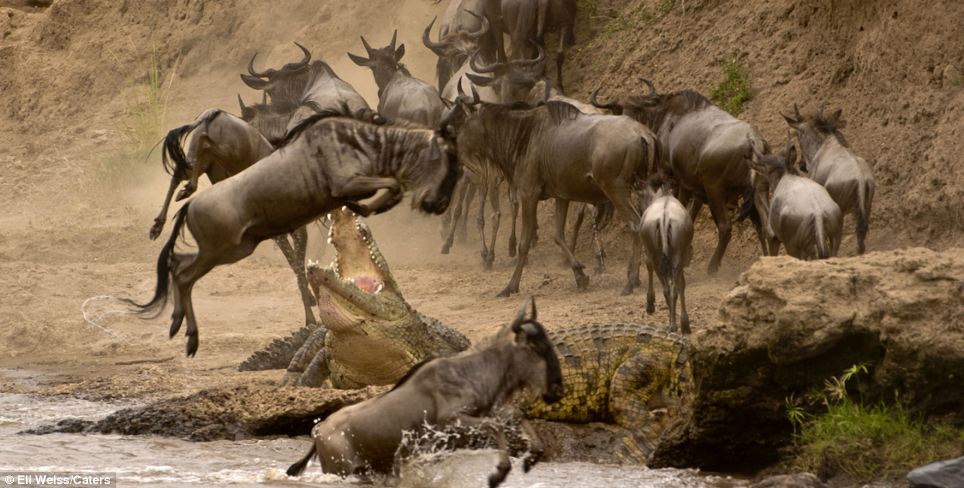
- Masai Mara National Reserve: Known for its incredible wildlife, including the Big Five, the Masai Mara is a top destination for self-drive safaris. The roads are well-maintained, and you’ll have plenty of opportunities for game viewing.
- Amboseli National Park: Famous for its stunning views of Mount Kilimanjaro and large elephant herds, Amboseli is a great park for a self-drive safari. The terrain is varied, offering both open plains and wetlands.
- Tsavo National Park: One of Kenya’s largest parks, Tsavo offers a more remote and rugged self-drive experience. It’s home to a wide range of animals, including lions, elephants, and a variety of bird species.
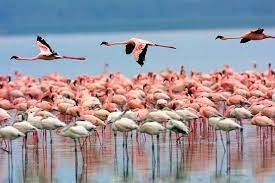
- Lake Nakuru National Park: Known for its flamingos and rhinos, this park is a perfect option for those wanting a self-drive safari with a focus on birdwatching and smaller wildlife.
- Samburu National Reserve: A great choice for self-drive safaris, Samburu is home to unique wildlife like the Grevy’s zebra and Somali ostrich, making it a fantastic destination for nature lovers.
Conclusion
A self-drive safari in Kenya offers an unparalleled opportunity to explore the country’s stunning wildlife and dramatic landscapes on your own terms. Whether you’re in a 4×4 in the Masai Mara, cruising through the swamps of Amboseli, or venturing into the vast savannahs of Tsavo, the adventure is all yours to shape. With a bit of planning, the right vehicle, and a spirit of adventure, your self-drive safari will be an unforgettable experience, giving you the freedom to discover the heart of Kenya at your own pace.