One of the most common questions we get from our guests is, “When is the best time to go on safari?” Deciding when to travel is crucial when planning your African safari. Knowing the ideal time can narrow down your options for the best areas to visit and ensure you make the most of your adventure.
Timing is everything when it comes to Africa. Below, we’ve outlined the advantages of traveling in different seasons—low, shoulder, and high—for East Africa and Southern Africa. These insights will help you choose the right region based on the time of year you plan to visit.
In many African countries, particularly south of the Sahara Desert, seasons don’t follow the traditional pattern of spring, summer, autumn, and winter like they do in places such as Europe or the United States. Instead, most regions experience dry and rainy seasons, especially in equatorial countries like Uganda, Rwanda, Kenya, and Tanzania. While temperatures remain relatively warm year-round in these regions, rainfall varies significantly.
Africa’s Game-Viewing Seasons
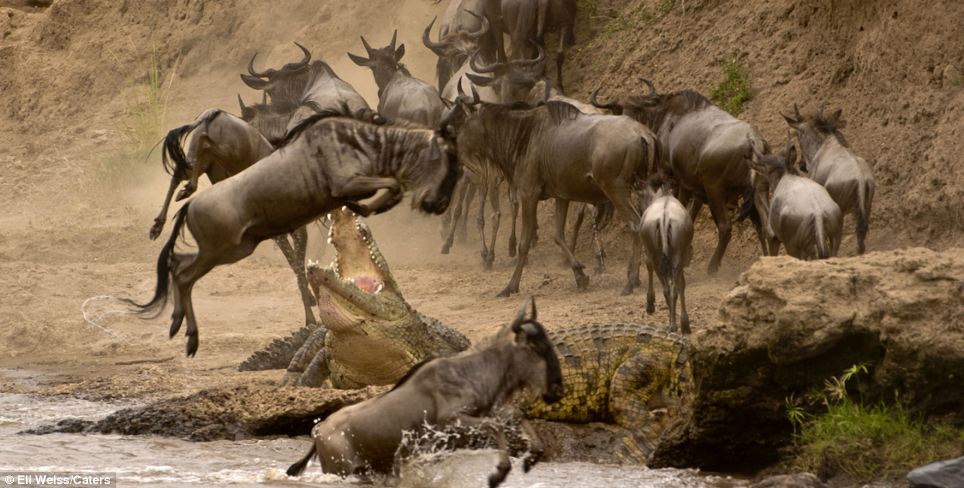
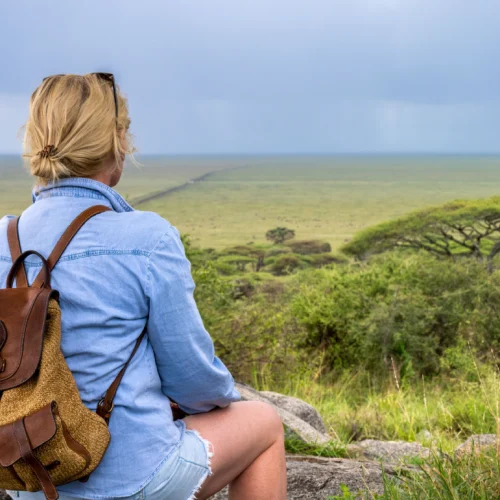
The best time to embark on an African safari is usually during the dry season. Water becomes scarce, causing wildlife to gather around the remaining water sources, making animals easier to spot. Additionally, the shorter grass and sparser vegetation improve visibility and make navigating the gravel roads much simpler. The dry season also allows travelers to avoid the challenges of the rainy season, such as muddy roads and high humidity.
What is High/Dry/Peak Season?
The “high season,” also known as the Dry Season or Peak Season, refers to the driest months of the year, typically offering the best game-viewing opportunities. This period is also the most expensive time to go on safari due to high demand and ideal weather conditions.
What is Shoulder Season?
The “shoulder season” refers to the transition months between winter and summer. It’s a time when the weather can be unpredictable—sometimes warm, sometimes chilly—as the seasons shift and animal behavior changes accordingly. Safari prices tend to be more affordable than in the peak season, but still higher than in the low season.
What is Low/Green/Wet Season?
The “low season,” also known as the Green Season or Wet Season, occurs during the rainy months when most of the annual rainfall is received. While wildlife viewing can be more challenging, the low season offers unique experiences that make it worth considering.
Advantages and Disadvantages of High Season vs. Low Season
| High, Dry, or Peak Season | Low, Green, or Wet Season |
|---|---|
| June to October | December to March |
| Highest rates | Lowest rates |
| Need to book up to a year in advance | No need to book far in advance |
| Accommodation availability can be a challenge | More availability of accommodation |
| Coolest and driest weather | Hotter, wetter, and more humid weather |
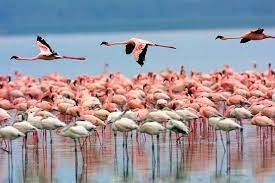
| Easier to find and see animals | Abundance of baby animals, migratory birds, and vibrant flowers |
| National parks and game reserves are more crowded | Fewer crowds in national parks and reserves |
| Can be very dusty | Dramatic cloud formations for sunsets and sunrises |
Conclusion
Ultimately, the best time for your African safari depends on your priorities. The dry season offers prime wildlife viewing but comes with higher costs and more crowds. On the other hand, the wet season provides a quieter, more budget-friendly experience with stunning landscapes, baby animals, and birdlife, even if spotting game may require more effort.