1. A Unique Calendar and Time System
Ethiopia has its own calendar, known as the Ethiopian calendar, which is approximately seven to eight years behind the Gregorian calendar used by most of the world. It has 13 months—12 months of 30 days and a 13th month of five or six days. Additionally, Ethiopians often use a different time system where the day begins at sunrise, making 6 a.m. their “new day.”
2. Rich History and Ancient Civilizations
Ethiopia is one of the oldest nations in the world, with a history that dates back thousands of years. It is famously known for the Kingdom of Aksum, one of the great civilizations of the ancient world, known for its impressive obelisks and as a major trading empire. The country is also associated with the legend of the Queen of Sheba and is home to some of the earliest Christian churches, including the rock-hewn churches of Lalibela.
3. Diverse Landscapes and Biodiversity
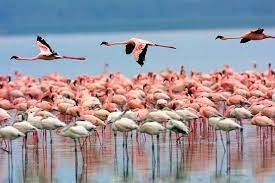
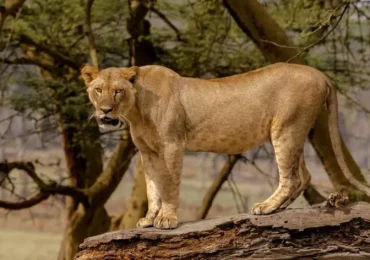
Ethiopia’s landscapes are incredibly diverse, ranging from the highlands of the Simien Mountains to the lowland plains of the Danakil Depression, one of the hottest places on Earth. This diversity supports a rich array of wildlife, including endemic species like the Ethiopian wolf and the gelada baboon, making it a unique destination for nature lovers.
4. Coffee Culture: The Birthplace of Coffee
Ethiopia is known as the birthplace of coffee, and its coffee culture is deeply ingrained in the country’s traditions. The Ethiopian coffee ceremony is a significant social event, where coffee is roasted, ground, and brewed in front of guests. This unique experience offers a glimpse into Ethiopian hospitality and culture, and you can participate in this ceremony while visiting local communities.