Choosing between Kenya and Tanzania for an African safari can be challenging, even though both countries offer incredible experiences. While they are neighbors, combining them into a single safari trip isn’t always easy. For instance, you may think it’s simple to cross the border between Tanzania’s Serengeti National Park and Kenya’s Maasai Mara National Reserve, but this is only possible via a private fly-in safari.
If you’re set on visiting both countries, we recommend dedicating at least two weeks. A 14-day trip allows you to split your time, spending 6 to 7 nights in each country. You’ll have time to explore Kenya’s famous safari destinations, return to Nairobi, and then head to Arusha for a Tanzanian safari adventure.
Similarities Between Kenya and Tanzania
- Both countries offer opportunities to witness the annual Great Migration of wildebeest and zebra, though at different times of the year (more on that below).
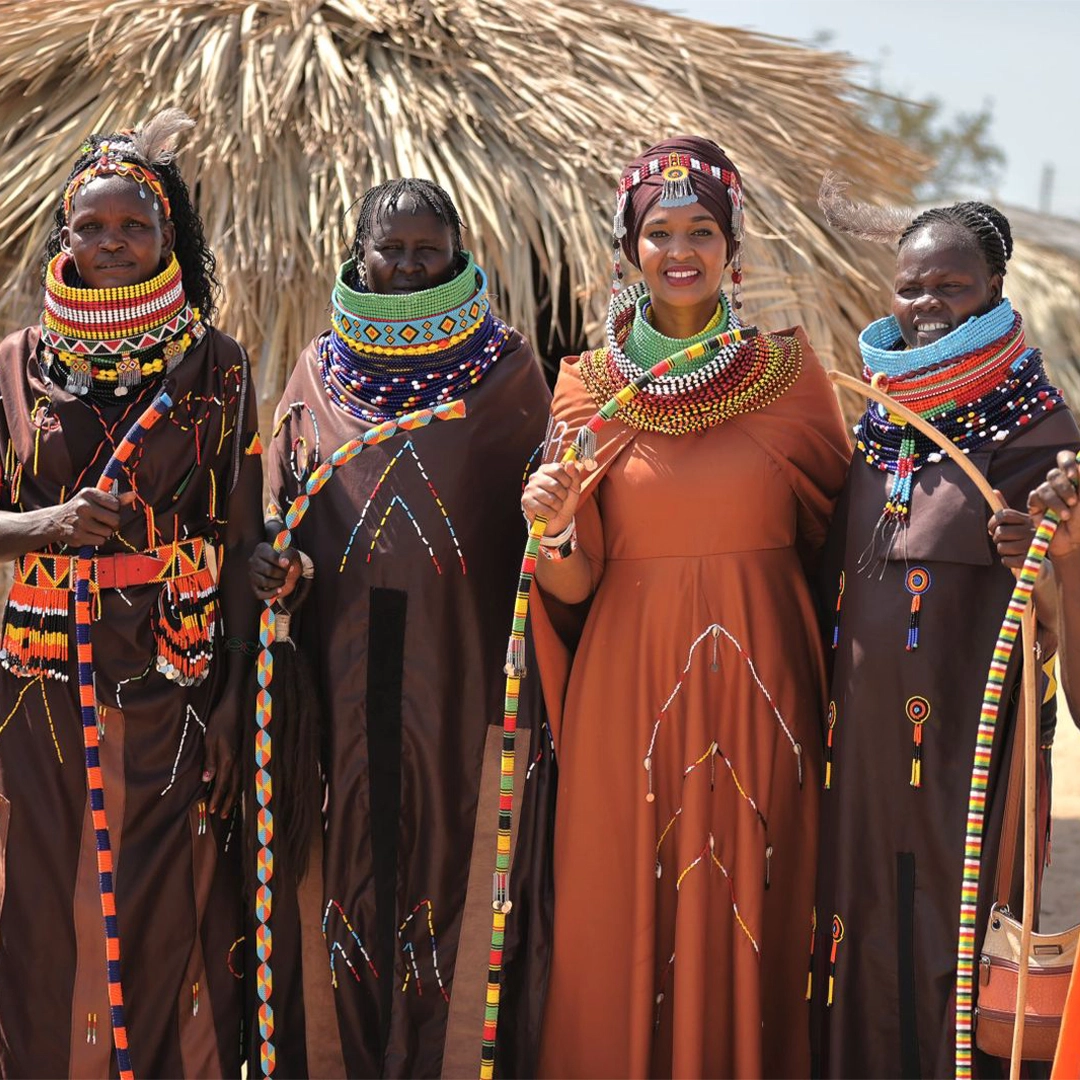
- The Maasai people can be found in both Kenya and Tanzania, allowing for cultural interactions and learning experiences.
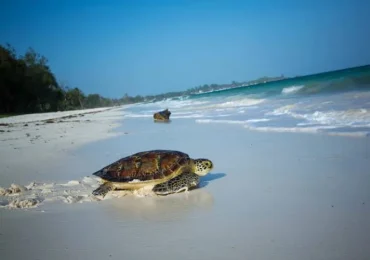
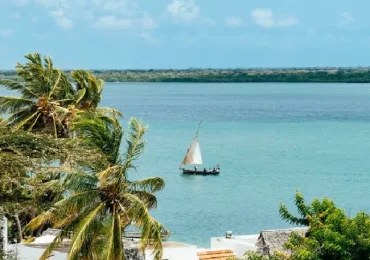
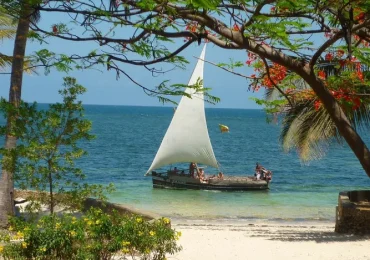
- It’s easy to add a beach extension to your safari trip in both countries, such as Diani Beach in Kenya or Zanzibar in Tanzania.
- Both offer road-based safaris and fly-in safari options, providing flexible ways to travel.
Differences Between Kenya and Tanzania
The Great Migration
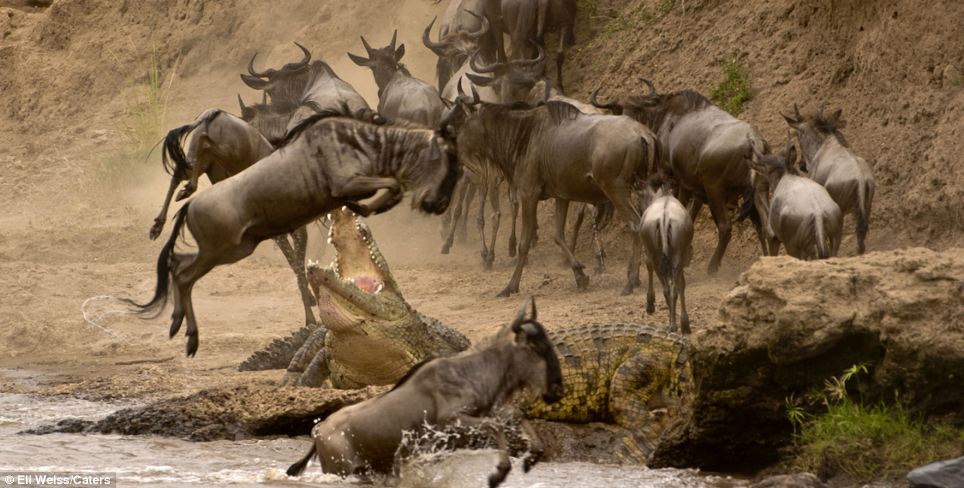
The iconic Great Migration follows a clockwise route between the Serengeti in Tanzania and the Maasai Mara in Kenya. In Kenya, the migration can be seen in the Maasai Mara from late July to October, while the herds spread into the northern Serengeti during these months. While the Maasai Mara is a famous viewing spot, the northern Serengeti offers a more tranquil experience with fewer crowds—though it’s only accessible by light aircraft.
From September to October, the herds are split between Kenya and Tanzania, with the wildebeest and zebras moving back to Tanzania by November. Calving season takes place from January to March in the southern Serengeti, particularly around the Ndutu area. Afterward, they start their northward journey, leading to the dramatic river crossings in July and August.
Private Wildlife Conservancies in Kenya
Unlike Tanzania, Kenya is known for its private wildlife conservancies. These conservancies are lands leased from local communities, often adjacent to national parks and reserves, for the purpose of conservation. This arrangement benefits local Maasai communities while supporting wildlife conservation efforts.
Private conservancies supplement national parks by creating connected landscapes that allow wildlife to thrive. They also give travelers the opportunity to enjoy exclusive safari experiences with fewer crowds, offering a more intimate encounter with nature. For instance, 65% of Kenya’s wildlife lives on community and private lands, meaning conservancies are essential for conservation.
Why Choose Kenya for Your Safari?
- Kenya tends to be more budget-friendly than Tanzania, thanks to lower park fees and taxes.
- The country offers a great variety of community-based and private conservancies, particularly around the Maasai Mara, where 15 conservancies protect over 450,000 acres of land.
- Nairobi is East Africa’s main hub for international flights, making it easier to fly in and out of Kenya.
- Nairobi, as a city, offers more to see and do compared to Arusha in Tanzania.
- Kenya provides opportunities to see all three types of rhino: Southern White Rhino, Northern White Rhino, and Black Rhino.
Why Choose Tanzania for Your Safari?
- Tanzania is home to 7 UNESCO World Heritage Sites, including the Serengeti National Park and Ngorongoro Conservation Area.
- It’s easier to do a road-based safari on Tanzania’s Northern Circuit, which includes the Serengeti, Ngorongoro, Lake Manyara, and Tarangire National Park.
- Tanzania boasts Africa’s tallest mountain—Mount Kilimanjaro.
- Serengeti National Park is far larger (14,750 square kilometers) than the Maasai Mara (1,500 square kilometers), offering a less crowded experience.
In Conclusion
Kenya and Tanzania share more similarities than differences when it comes to safaris, but when deciding between the two, consider these three factors:
- Time Available: How long do you have for your safari?
- Time of Year: When are you traveling, and where will the wildlife be?
- Budget: What’s your budget for park fees and activities?
Additional Tips
- If you prefer a quieter safari experience with fewer crowds, Kenya’s private wildlife conservancies are ideal.
- For off-the-beaten-path adventures with amazing wildlife viewing, consider southern or western Tanzania.
- If you’re keen on walking safaris, Kenya offers more options for both short and multi-day walking experiences.