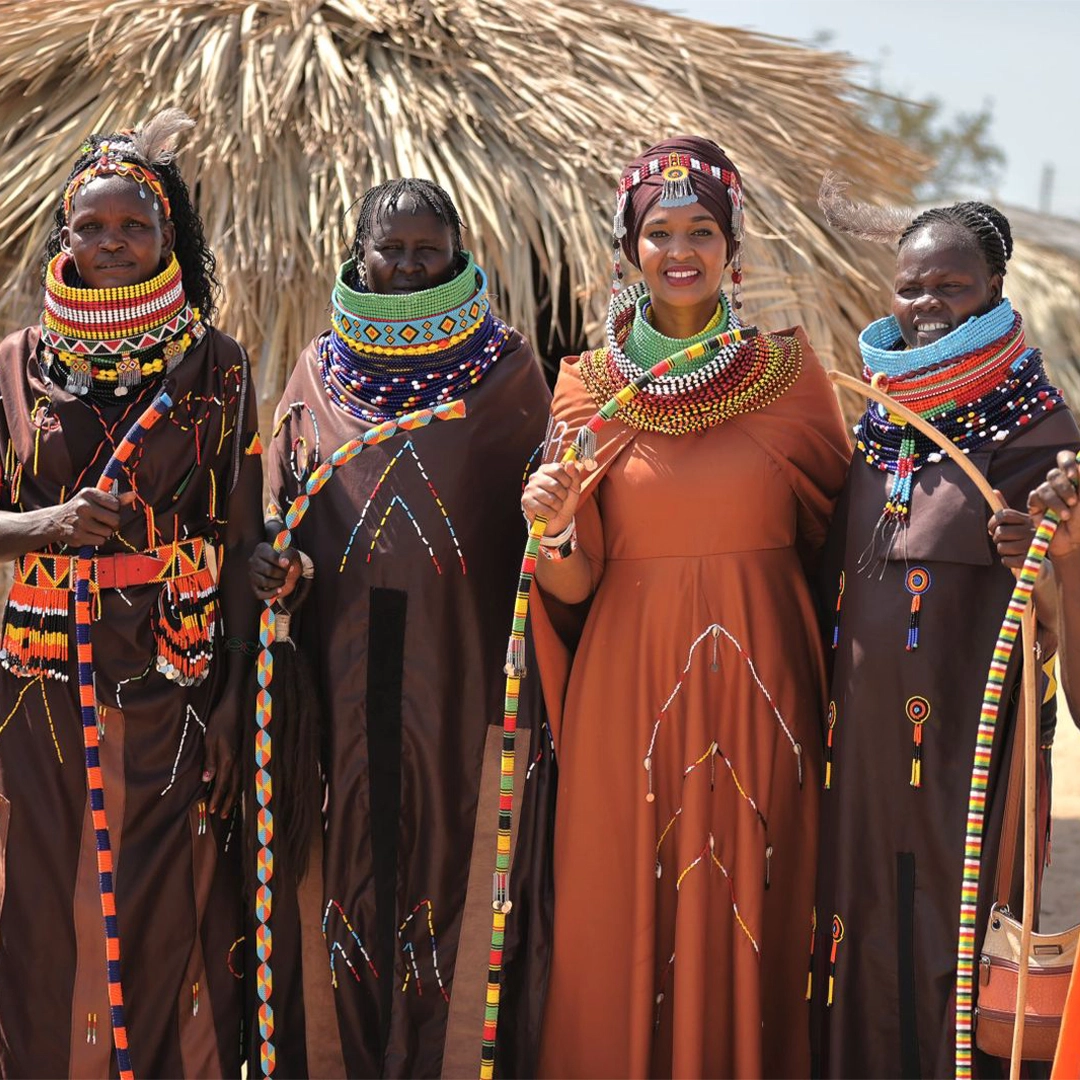
The Maasai people are among East Africa’s most iconic and visually distinctive communities, known for their bright red shúkà cloths, intricate beadwork, and deep cultural heritage. Often seen across southern Kenya and northern Tanzania, the Maasai have maintained their traditional way of life while adapting to the modern world in unique ways.
The Origins of the Maasai
The Maasai are a Nilotic people with origins traced back to the Nile Valley, particularly from what is now South Sudan. Oral history recounts their migration southwards during the 15th century, eventually settling in the fertile lands around the Great Rift Valley by the 18th century. Along the way, they integrated some cultural practices from neighboring tribes, including age-set social structures and ceremonial rites of passage, such as circumcision.
By the mid-1800s, Maasai warriors were renowned across the region for their fearlessness and strength. Their territory stretched across the Rift Valley and beyond, with their lifestyle centered around cattle herding, which is still integral to their culture today.
A Distinctive Way of Life
Traditionally, the Maasai have lived as semi-nomadic pastoralists, moving their herds in search of fresh grazing land. Cattle are central to Maasai life—not just as a source of food but as a measure of wealth and social standing. A man’s prosperity is judged by the size of his herd and the number of children he has.
The Maasai maintain a patriarchal social system, where decisions are made by elders, and men often have multiple wives. Boys are responsible for herding, while girls assist their mothers in household duties such as gathering firewood, cooking, and caring for younger siblings.
Though modern life has brought changes to their traditional lifestyle, Maasai culture remains strong. Their diet, once made up of raw meat, milk, honey, and cow’s blood, has shifted towards a more common fare, including ugali, a maize-based porridge. The Maasai still practice traditional customs, and young men undergo a rite of passage that includes circumcision and a period of seclusion as they train to become Morans (warriors).
Maasai Music and Dance
One of the most captivating aspects of Maasai culture is their music and dance, particularly during ceremonies. The Maasai sing in call-and-response patterns, led by an olaranyani (song leader), and their dances are rhythmic, featuring throat-singing sounds and synchronized movements. Perhaps the most well-known Maasai dance is the adumu, or “jumping dance,” where young warriors compete to see who can jump the highest. This energetic display is often performed during coming-of-age ceremonies.
Challenges Facing the Maasai
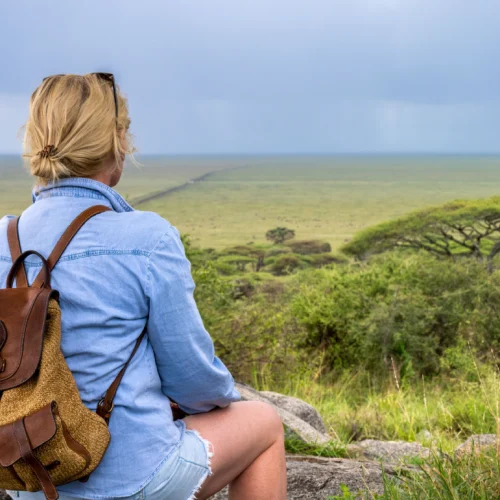
In recent decades, the Maasai way of life has faced numerous challenges. A growing population and government policies that have rezoned Maasai lands into national parks and game reserves have significantly reduced their access to grazing lands. Conservation areas such as Serengeti National Park and Masai Mara National Reserve are crucial for protecting wildlife but have left the Maasai with limited space to practice their traditional pastoral lifestyle.
Additionally, modern influences have impacted the Maasai’s semi-nomadic ways. Increasingly, Maasai communities are becoming more sedentary, settling in villages as they adapt to changes in land use and economic opportunities.
The Maasai’s Role in Ecotourism
Despite these challenges, the Maasai have found ways to preserve their culture and thrive. One such avenue is through ecotourism. Visitors to Kenya and Tanzania often have the opportunity to visit Maasai villages, learn about their customs, and witness traditional dances. This has provided an important source of income for Maasai communities, allowing them to benefit from conservation efforts while still maintaining their unique identity.
By embracing responsible tourism, travelers can help support Maasai culture and ensure that their traditions continue to flourish for generations to come.