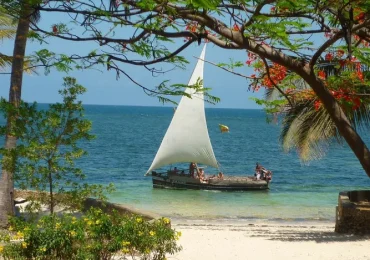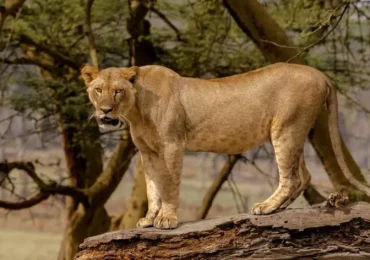
When most travellers think of Kenya, images of the Masai Mara’s vast plains, Amboseli’s elephants against the backdrop of Mount Kilimanjaro, or the white-sand beaches of the Indian Ocean often come to mind.
Yet beyond its spectacular wildlife lies another treasure that offers a deeper understanding of the country’s identity, Bomas of Kenya, one of the most celebrated Nairobi cultural attractions.
Located just a short drive from Nairobi’s city centre, Bomas of Kenya provides visitors with an immersive journey into the traditions, architecture, music, and lifestyles of Kenya’s diverse communities.
At Crystal Tours Kenya, we believe that every safari should tell the complete story of Kenya.
Alongside thrilling game drives and breathtaking landscapes, cultural experiences such as Bomas of Kenya enrich your journey by introducing you to the traditions that make this East African nation truly unique.
In this comprehensive guide, you’ll discover everything you need to know before visiting Bomas of Kenya, and why it remains one of Nairobi’s must-visit destinations on your things to do in Nairobi.
History of Bomas of Kenya
The story of Bomas of Kenya Nairobi reflects Kenya’s commitment to preserving its cultural identity following independence.
During the 1960s and early 1970s, rapid urban growth, changing lifestyles, and modernization began transforming traditional ways of life.
Many indigenous architectural styles, oral traditions, music, and cultural practices faced the risk of being forgotten.
Recognizing the importance of safeguarding this heritage, the Government of Kenya established Bomas of Kenya in 1971 as a national cultural centre.
The goal was to create a place where visitors could experience the traditions of Kenya’s many communities while ensuring these customs remained alive for future generations.
Since its inception, Bomas of Kenya has become one of the country’s leading cultural tourism attractions.
Over the decades, the Bomas of Kenya cultural centre has expanded its cultural programming, improved its facilities, and continued to host performances by talented dancers, musicians, and cultural practitioners representing communities from every corner of Kenya.
Today, Bomas of Kenya stands as one of East Africa’s most significant cultural institutions, preserving traditions while inspiring both local and international visitors to appreciate the richness of Kenya’s cultural heritage.
Traditional Villages at Bomas of Kenya
One of the most captivating experiences at Bomas of Kenya is exploring its meticulously recreated traditional villages, known as manyattas or homesteads.
These authentic replicas showcase the architectural styles, lifestyles, and cultural traditions of several of Kenya’s major ethnic communities.
Rather than reading about Kenya’s diverse cultures in books, visitors can walk through life-sized villages and gain a deeper appreciation of how different communities adapted their homes and daily lives to their environments.
As you stroll through the cultural village, you’ll notice that no two homesteads are exactly alike. Every structure tells a story about the people who built it, the climate they lived in, and the traditions they have preserved for generations.
Maasai Homestead
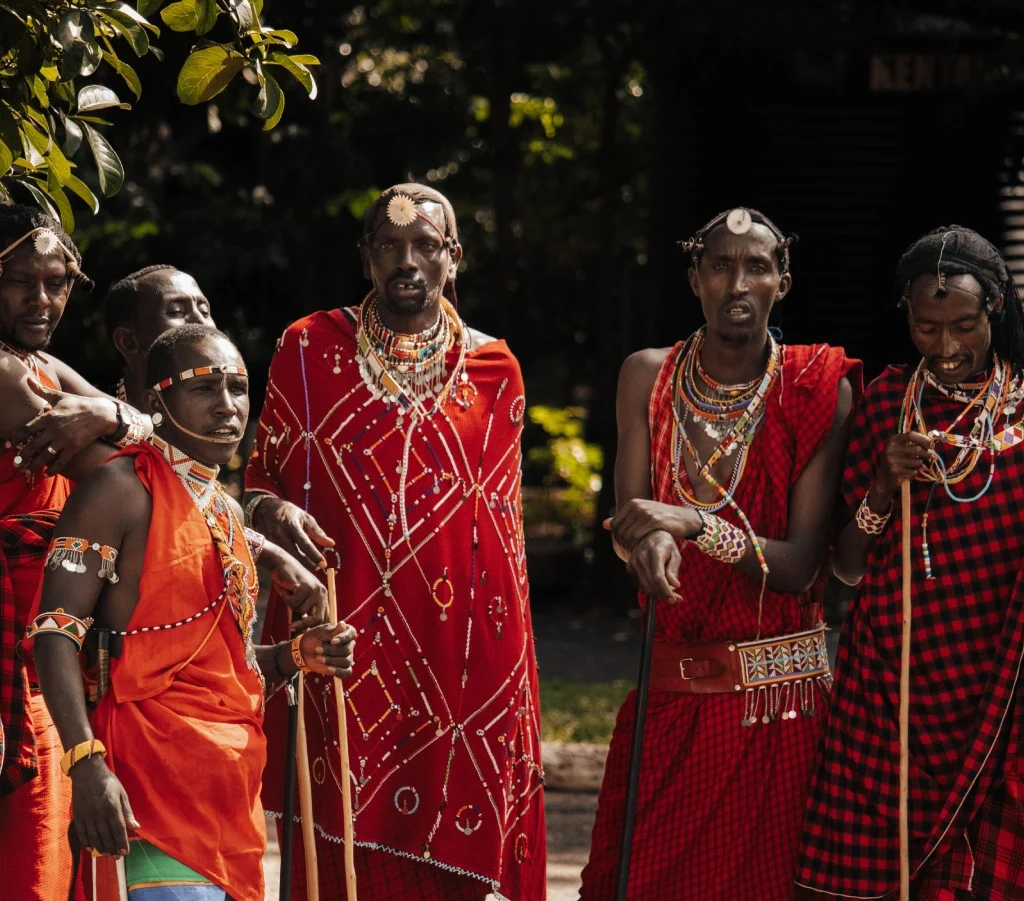
Among the most visited exhibits is the traditional Maasai manyatta, representing one of Kenya’s most iconic pastoralist communities.
The Maasai are renowned for their vibrant red shúkàs, elaborate beadwork, and close relationship with cattle.
Their circular homesteads are enclosed by thorn fences designed to protect livestock from predators such as lions and hyenas.
Inside the enclosure are several small houses built by women using mud, sticks, cow dung, and grass.
Visitors can observe how the layout reflects the Maasai way of life, where livestock occupy the central enclosure while family homes surround them.
Kikuyu Homestead
The Kikuyu community, Kenya’s largest ethnic group, traditionally settled in the fertile highlands surrounding Mount Kenya.
Unlike the circular Maasai settlement, Kikuyu homesteads typically consist of several separate huts, each serving a specific purpose.
Individual structures are designated for cooking, sleeping, food storage, or gatherings, reflecting a highly organized family compound.
Traditional Kikuyu homes are surrounded by cultivated land, illustrating the community’s long history of farming crops such as maize, beans, bananas, potatoes, and coffee.
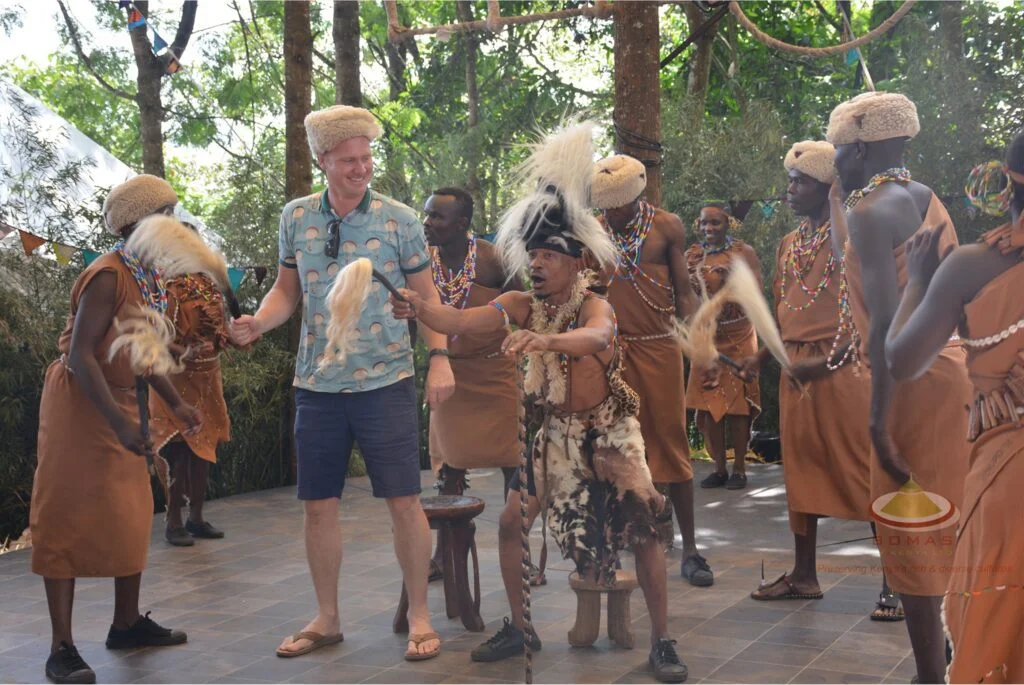
Visitors also learn about the significance of elders, family leadership, and the role of agriculture in shaping Kikuyu society.
Luhya Homestead
The Luhya community from western Kenya is represented through traditional homes built using timber, mud, and thatched roofing.
Their homesteads emphasize extended family living, with several houses organized around communal spaces.
Farming remains central to Luhya culture, and guides often explain traditional agricultural practices, food preparation, and social ceremonies that continue to influence community life today.
Kalenjin Homestead
The Kalenjin, known internationally for producing world-class long-distance runners, have a fascinating cultural heritage rooted in Kenya’s Rift Valley.
Their traditional houses feature rounded designs with carefully thatched roofs adapted to the cooler highland climate.
Visitors learn about Kalenjin livestock keeping, farming traditions, age-group systems, and ceremonial practices that have been passed down for generations.
Luo Homestead
Originating from the shores of Lake Victoria, the Luo community has a rich history closely tied to fishing, livestock keeping, and trade.
The Luo homestead demonstrates a spacious layout where houses are arranged according to family hierarchy and social customs.
The central courtyard traditionally serves as a gathering place for storytelling, ceremonies, and family meetings.
Interpretive displays explain Luo traditions surrounding marriage, music, fishing techniques, and community life.
Visitors also gain insight into the importance of oral history and the role of storytelling in preserving cultural knowledge.
Kisii Homestead
The Kisii people traditionally inhabit the fertile highlands of southwestern Kenya, where banana cultivation and mixed farming are common.
Their homes reflect a settled agricultural lifestyle with permanent structures built from timber and mud.
Guides explain how family compounds were organized, traditional food storage methods, and the importance of community cooperation in farming activities.
Kamba Homestead
The Kamba community, originating from eastern Kenya, has long been known for farming, livestock keeping, and exceptional craftsmanship.
Their traditional homesteads are designed to suit the semi-arid environment, using locally available materials that provide insulation from heat.
Visitors can also learn about the Kamba’s reputation for wood carving, basket weaving, and trade, which remain important aspects of their cultural identity.
Meru Homestead
Situated on the northeastern slopes of Mount Kenya, the Meru community has a rich agricultural tradition.
Their homesteads illustrate organized family compounds surrounded by fertile farmland where crops such as bananas, coffee, millet, and vegetables thrive.
Exhibits also highlight Meru folklore, initiation ceremonies, and community leadership structures.
Embu Homestead
Closely related to the Meru and Kikuyu communities, the Embu people traditionally settled along the southeastern slopes of Mount Kenya.
Their reconstructed village showcases practical house designs suited to the highland environment. Visitors gain insight into Embu farming techniques, traditional governance systems, and community celebrations.
Samburu Homestead
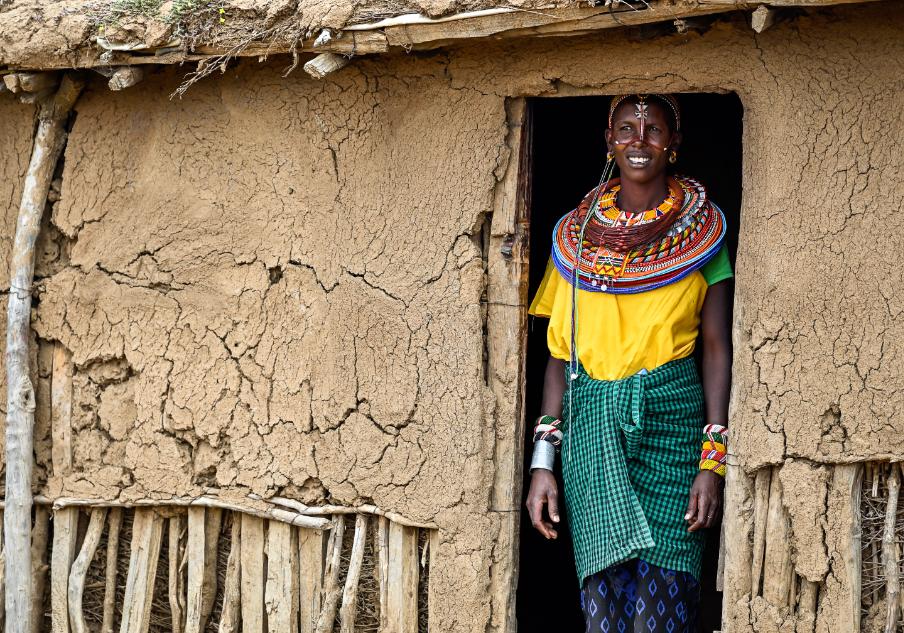
Closely related to the Maasai, the Samburu are semi-nomadic pastoralists who inhabit northern Kenya.
Their manyatta resembles that of the Maasai but reflects adaptations to the harsher, drier climate of northern Kenya.
Exhibits explain Samburu traditions, colourful attire, intricate beadwork, and the importance of livestock as both economic and cultural assets.
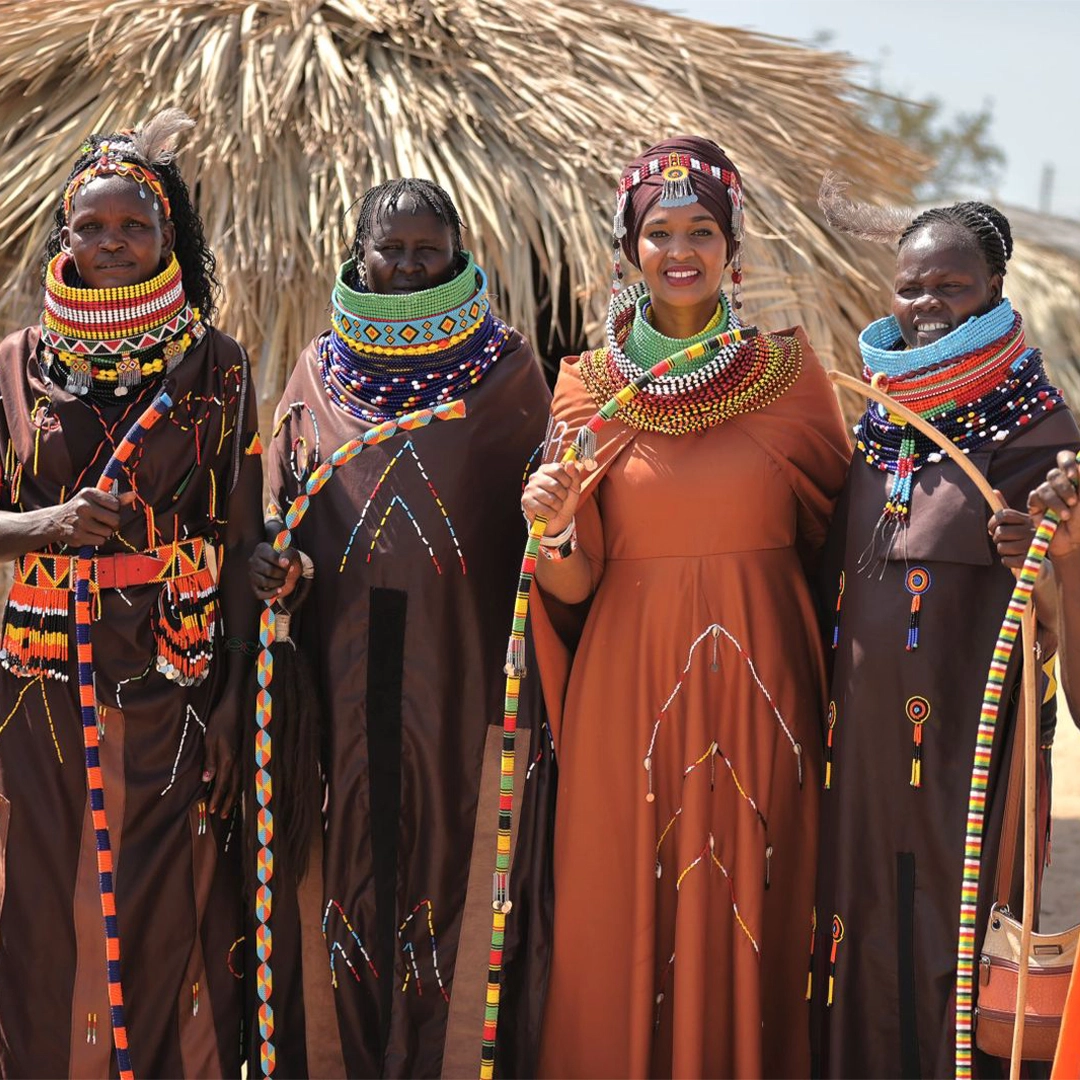
Turkana Homestead
The Turkana community occupies Kenya’s arid northwestern region near Lake Turkana.
Their temporary shelters demonstrate remarkable ingenuity in adapting to one of Africa’s harshest environments. Lightweight structures made from branches, reeds, hides, and mats can be dismantled and relocated as families move with their livestock in search of water and grazing land.
Visitors often find the Turkana exhibit particularly fascinating because it highlights human resilience and adaptation in extreme climatic conditions.
Mijikenda Homestead
Representing nine related coastal communities, the Mijikenda homestead showcases architectural styles influenced by Kenya’s coastal climate and history.
Traditional houses are surrounded by symbolic fences and sacred spaces that reflect the cultural importance of the famous Kaya forests, ancestral settlements recognized for their historical and spiritual significance.
Exhibits also introduce visitors to Mijikenda traditions, music, and craftsmanship that continue to shape Kenya’s coastal heritage.
Traditional Dance Performances at Bomas of Kenya
While the traditional villages provide a glimpse into Kenya’s architectural heritage, the live cultural performances bring the country’s traditions vividly to life.
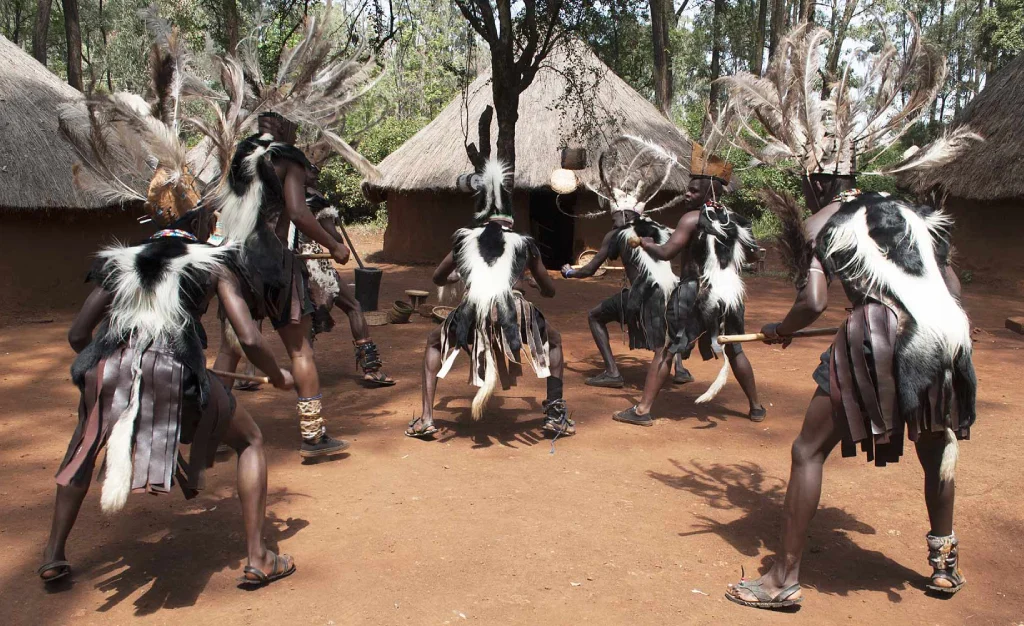
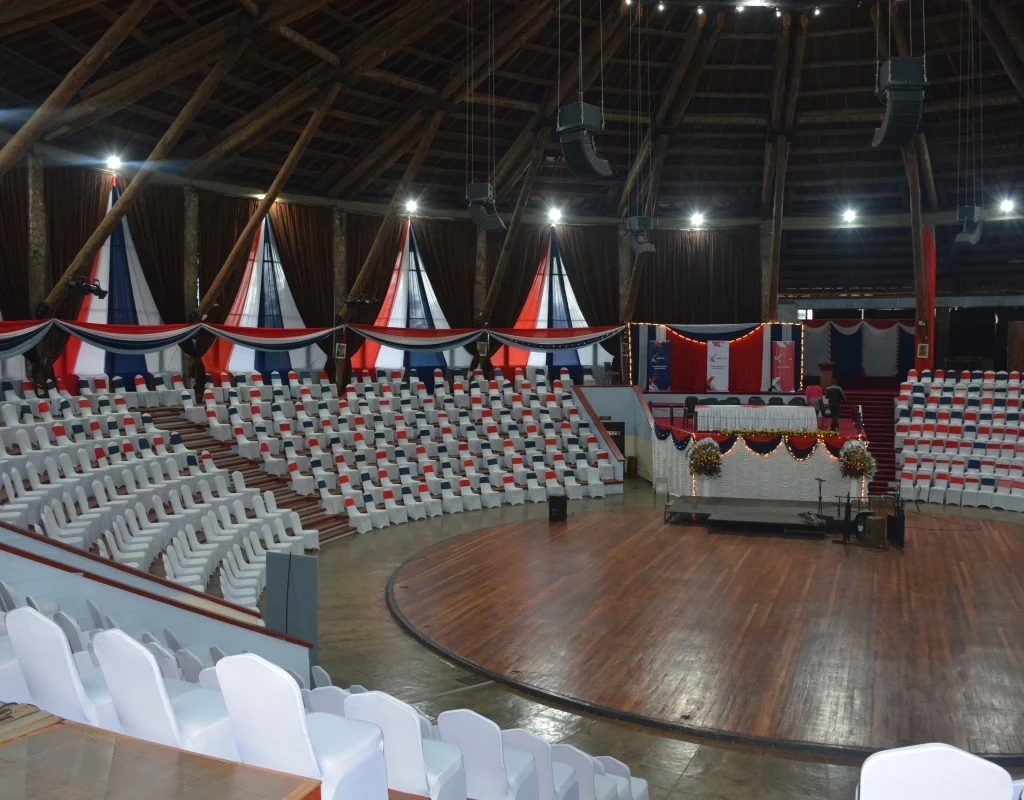
The performances take place in one of Africa’s largest cultural auditoriums, where visitors witness energetic displays of music, dance, storytelling, drumming, and acrobatics performed by highly skilled artists dressed in authentic traditional attire.
Each performance celebrates the diversity of Kenya’s communities, with dances reflecting different ceremonies, occupations, and historical traditions.
The choreography is accompanied by live singing, rhythmic drumming, and traditional instruments, creating an immersive experience that captivates audiences of all ages.
One of the highlights is watching performers seamlessly transition between dances representing different regions of Kenya, illustrating the country’s extraordinary cultural diversity within a single performance.
For photographers and videographers, these performances offer countless opportunities to capture vibrant costumes, expressive movements, and authentic cultural expressions.
Things to See at Bomas of Kenya
Bomas of Kenya offers far more than traditional dances. Every corner of the cultural centre provides an opportunity to discover another aspect of Kenya’s heritage.
Traditional Houses
Explore authentic replicas of homes from different Kenyan communities, each constructed using indigenous building techniques and locally sourced materials.
The Cultural Auditorium
The large auditorium is one of the centre’s most impressive features, hosting daily cultural performances that showcase music, dance, and acrobatics from across Kenya.
Traditional Cooking Areas
Several homesteads demonstrate traditional cooking methods, allowing visitors to understand how different communities prepared meals using clay pots, open fires, and locally available ingredients.
Indigenous Architecture
Observe how architecture varies according to climate, geography, available resources, and cultural beliefs, from pastoralist settlements in northern Kenya to farming communities in the central highlands.
Cultural Artefacts
Throughout the villages, visitors encounter traditional household items, farming tools, hunting equipment, musical instruments, baskets, pottery, and decorative crafts that illustrate daily life across Kenya.
Craft Displays
Local artisans often display beautifully handcrafted items including: Wood carvings, Beaded jewellery, Baskets, Pottery and Souvenirs.
These make meaningful gifts while supporting local craftsmanship.
Beautiful Landscaped Grounds
The expansive grounds are ideal for leisurely walks, family outings, educational tours, and photography. Mature trees, open spaces, and traditional architecture create a peaceful environment that contrasts with Nairobi’s busy urban landscape.
Things to Do at Bomas of Kenya
Whether you’re travelling solo, with family, or as part of a group, Bomas of Kenya offers activities suitable for every type of visitor.
Join a Guided Cultural Tour
Knowledgeable guides explain the history, symbolism, and significance of each traditional village, helping visitors understand Kenya’s cultural diversity beyond what they see.
Watch the Cultural Shows
The live performances are widely regarded as the highlight of any visit and should not be missed.
Explore Traditional Villages
Walk through the recreated homesteads at your own pace while learning about architecture, customs, and traditional lifestyles.
Practice Cultural Photography
With colourful costumes, authentic architecture, and beautifully landscaped surroundings, Bomas of Kenya is one of Nairobi’s most photogenic attractions.
Learn About Kenyan Heritage
Visitors gain valuable insight into Kenya’s history, traditions, music, languages, and indigenous knowledge systems, making the experience both educational and entertaining.
Shop for Authentic Souvenirs
Purchase locally made crafts, jewellery, artwork, textiles, and cultural souvenirs that support Kenyan artisans while providing lasting memories of your visit.
Visit with Family
Children especially enjoy exploring traditional villages and watching energetic dance performances, making Bomas of Kenya one of Nairobi’s best family-friendly attractions.
Combine It with Other Nairobi Attractions
Because of its convenient location, Bomas of Kenya can easily be combined with nearby destinations such as Nairobi National Park, the Giraffe Centre, the Karen Blixen Museum, the David Sheldrick Wildlife Trust, and Nairobi Safari Walk, creating a rewarding full-day sightseeing itinerary.
Nearby Attractions
One of Bomas of Kenya’s greatest advantages is its location near several of Nairobi’s most iconic attractions.
Combining these sites creates an unforgettable introduction to Kenya’s wildlife, conservation efforts, colonial history, and cultural heritage.
Nairobi National Park
Located just a few minutes away, Nairobi National Park is the world’s only national park situated next to a capital city.
Despite Nairobi’s skyline in the distance, the park is home to an impressive variety of wildlife, including lions, rhinos, buffaloes, giraffes, zebras, cheetahs, hyenas, and more than 400 bird species.
A morning game drive followed by an afternoon visit to Bomas of Kenya creates the perfect balance between wildlife adventure and cultural exploration.
Giraffe Centre
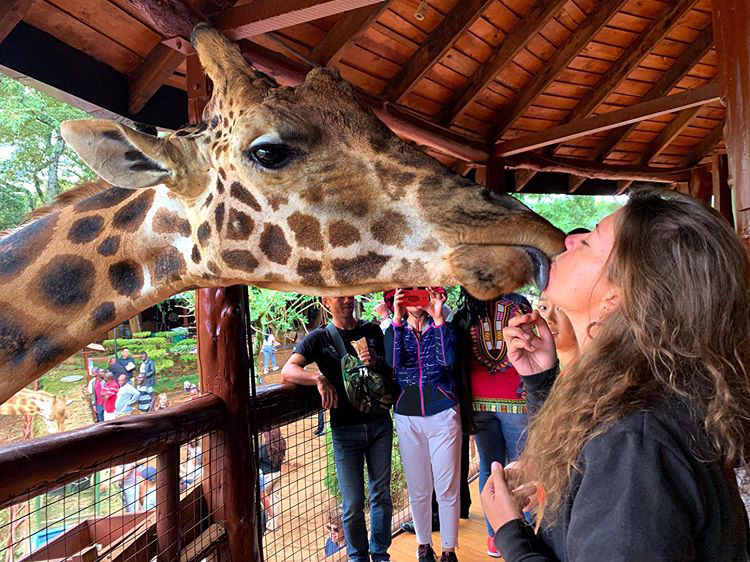
The Giraffe Centre is one of Nairobi’s most beloved conservation attractions, dedicated to protecting the endangered Rothschild’s giraffe.
Families especially enjoy this interactive experience.
David Sheldrick Wildlife Trus
Known worldwide for its elephant conservation work, the David Sheldrick Wildlife Trust offers visitors the opportunity to observe rescued orphaned elephants during their daily feeding sessions.
Advance booking is usually required due to limited visitor numbers.
Karen Blixen Museum
Fans of history and literature will appreciate visiting the former home of Danish author Karen Blixen, whose memoir Out of Africa introduced many readers to colonial-era Kenya.
Nairobi Safari Walk
Adjacent to Nairobi National Park, the Safari Walk provides an educational introduction to Kenya’s ecosystems.
It’s particularly suitable for families with young children.
Kazuri Beads Women’s Factory
Founded to empower disadvantaged women, Kazuri Beads is famous for producing hand-crafted ceramic jewellery exported worldwide.
Every bead is individually handcrafted and painted.
Frequently Asked Questions About Bomas of Kenya
1. Is Bomas of Kenya worth visiting?
Yes. Bomas of Kenya is one of the premier Nairobi cultural attractions, offering visitors an immersive introduction to Kenya’s diverse traditions through reconstructed villages, live cultural performances, music, dance, and educational exhibits.
2. How much is the entrance fee to Bomas of Kenya?
Because prices may change, visitors should confirm the latest rates before travelling or book through a trusted tour operator such as Crystal Tours Kenya, where entrance fees can often be included in a package.
3. Where is Bomas of Kenya located?
Bomas of Kenya is located along Lang’ata Road, approximately 10 kilometres southwest of Nairobi’s Central Business District.
4. How long should I spend at Bomas of Kenya?
Most visitors spend between 3 and 4 hours exploring the traditional villages, attending a cultural performance, shopping for souvenirs, and enjoying a guided tour.
5. What are the opening hours?
Bomas of Kenya is generally open daily. Cultural performances usually take place on weekends, public holidays, and selected weekdays. As schedules can change, it’s advisable to verify opening hours and performance times before your visit.
Conclusion
A visit to Bomas of Kenya is more than a sightseeing stop, it’s an opportunity to discover the traditions, stories, and cultural diversity that define Kenya.
While the country’s spectacular wildlife attracts millions of visitors every year, its rich heritage is equally deserving of exploration, and Bomas of Kenya provides one of the most accessible and engaging ways to experience it.
Its convenient location near Nairobi National Park, the Giraffe Centre, the Karen Blixen Museum, and other iconic attractions also makes it an ideal addition to any Nairobi itinerary.
At Crystal Tours Kenya, we’re passionate about creating journeys that showcase the very best of Kenya. Reach out today and let us help you plan your Bomas of Kenya Nairobi tour.
Our expertly guided Nairobi city tours combine wildlife, conservation, history, and culture to deliver memorable experiences tailored to your interests.
Whether you have a few hours or several days to explore, we’ll help you experience Kenya beyond the ordinary.