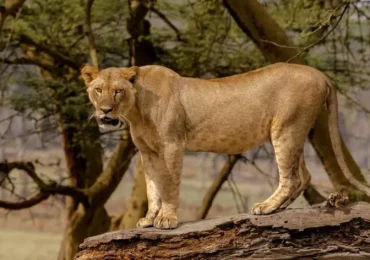
The Ultimate Tsavo West Travel Guide is one of Kenya’s most spectacular safari destinations, combining dramatic volcanic landscapes, lush springs, rugged hills, open savannah, wildlife-rich plains, and some of the country’s most fascinating conservation areas. While its sister park, Tsavo East, is famous for vast open landscapes and red elephants, Tsavo West has a more rugged and varied character, with lava flows, volcanic craters, natural springs, hills, wetlands, and scenic viewpoints creating a completely different safari atmosphere.
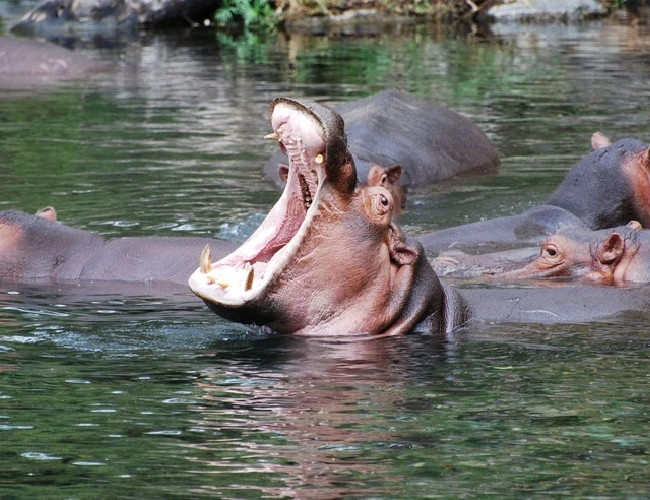
From the crystal-clear waters of Mzima Springs and the black volcanic landscape of the Shetani Lava Flows to the dramatic Chaimu Crater, panoramic Poacher’s Lookout, wildlife-rich Ngulia region, and peaceful shores of Lake Jipe, Tsavo West offers far more than traditional game drives. It is a destination where wildlife, geology, history, and conservation come together to create an unforgettable Kenya safari experience.
For travelers looking for a safari destination that combines wildlife viewing with remarkable scenery and unusual natural attractions, Tsavo West National Park deserves a place on the itinerary.
Where Is Tsavo West National Park?
The Ultimate Tsavo West Travel Guide is located in southeastern Kenya, mainly within Taita-Taveta County, between Nairobi and the Kenyan coast. Its location along the Nairobi–Mombasa corridor makes it particularly convenient for travelers combining a safari with a coastal holiday.
The park covers approximately 9,065 square kilometres and forms part of the much larger Tsavo Conservation Area together with Tsavo East National Park and surrounding wildlife areas. Its enormous size allows for a wide variety of habitats, from volcanic hills and lava fields to springs, rivers, grasslands, woodlands, and wetlands.
Because of its location, visitors can reach Tsavo West from Nairobi, Mombasa, Amboseli, or other destinations in southeastern Kenya. This makes it an especially flexible destination for travelers building longer Kenya safari routes.
A Brief History of Tsavo West
The history of Tsavo West National Park is closely connected to the development of Kenya’s railway and the wider history of wildlife conservation in the Tsavo region. The area became internationally famous during the construction of the Kenya–Uganda Railway in the late nineteenth century because of attacks on railway workers by two maneless male lions.
The story of the so-called Tsavo man-eaters became one of the most famous wildlife stories in Africa and helped give the Tsavo region its distinctive place in safari history. Today, however, the park is better known for its conservation achievements, diverse wildlife, spectacular volcanic scenery, and important water systems.
The history of conservation in Tsavo has also been shaped by the severe decline of black rhinos caused by poaching. The crisis eventually contributed to the establishment of the Kenya Wildlife Service in 1989 and led to major conservation efforts across the Tsavo ecosystem.
Why Visit Tsavo West National Park?
The biggest attraction of Tsavo West is its extraordinary variety. Within a single safari, travelers can move from open wildlife plains to volcanic landscapes, walk around a natural spring, look across the wilderness from a rocky viewpoint, and explore the shores of a lake near the Tanzania border.
The park is also particularly appealing to travelers who enjoy combining wildlife with scenery. Mzima Springs, Shetani Lava Flows, Chaimu Crater, and Poacher’s Lookout each provide a completely different experience, making the destination ideal for photographers, nature lovers, families, couples, birdwatchers, and adventure travelers.
The park is also home to important wildlife populations, including elephants, buffaloes, lions, leopards, giraffes, hippos, crocodiles, and black rhinos. KWS highlights the park’s rich biodiversity, more than 600 recorded bird species, volcanic attractions, scenic viewpoints, and the Ngulia Rhino Sanctuary and Lake Jipe among its major attractions.
Mzima Springs
Mzima Springs is arguably the most famous attraction in Tsavo West National Park. The name means “alive” or “living” in Swahili, and the springs certainly justify their name. Crystal-clear water emerges from underground sources and creates a series of beautiful pools surrounded by lush vegetation, palms, and wildlife.
The springs are particularly famous for their hippos and crocodiles. Visitors can follow walking trails around the springs and observe wildlife in a much greener environment than the surrounding dry landscape. The contrast between the lush spring vegetation and the volcanic terrain makes Mzima Springs one of the most photogenic places in Tsavo West.
One of the most memorable experiences is the underwater viewing chamber, where visitors can sometimes observe fish and aquatic wildlife beneath the clear water. The springs therefore offer a completely different perspective from a conventional game drive.
The importance of Mzima Springs extends beyond tourism. The water system provides a crucial source of freshwater for wildlife and contributes to the ecological richness of the surrounding area.
Shetani Lava Flows
The Shetani Lava Flows are among the most dramatic geological attractions in Tsavo West National Park. The extensive field of dark volcanic rock creates an almost otherworldly landscape, providing a striking contrast to the green vegetation and open savannah elsewhere in the park.
The word “Shetani” means “devil” in Swahili, and local traditions surrounding the appearance of the lava helped give the formation its memorable name. The black rocks, rugged surface, and surrounding volcanic scenery make this one of the most distinctive stops on a Tsavo West safari.
.
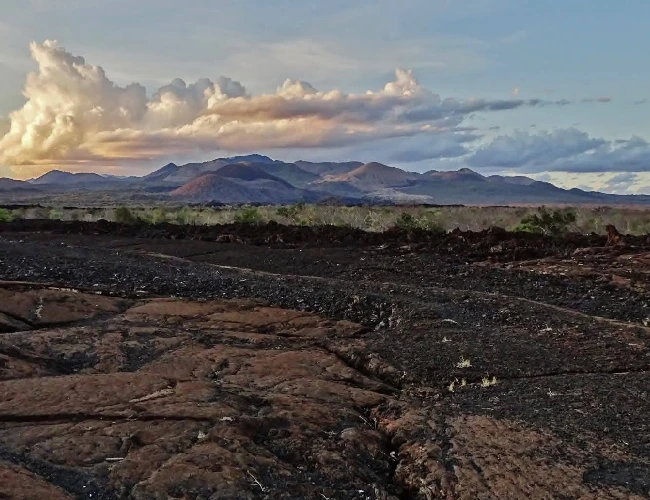
Visitors can explore parts of the area with a knowledgeable guide, learning about the volcanic history that shaped the region. The lava landscape is also an excellent location for photography, particularly when sunlight creates strong contrasts across the dark rocks.
For travelers interested in geology, the Shetani Lava Flows demonstrate that a Kenya safari can be about much more than wildlife. The landscape itself tells an ancient story of volcanic activity and geological change
Chaimu Crater
Chaimu Crater is another remarkable volcanic feature within Tsavo West National Park. Rising from the surrounding landscape, the crater provides an opportunity to explore the volcanic side of the park more closely.
Visitors who are comfortable with a short hike can climb toward the crater viewpoint, where the elevated position provides impressive views across the surrounding landscape. The experience is particularly rewarding because it allows travelers to leave the safari vehicle and experience Tsavo from a different perspective.
The dark volcanic rocks, vegetation, distant hills, and wide skies create a dramatic setting for photography. Chaimu Crater is therefore an excellent addition to a Tsavo West safari itinerary, especially for travelers who enjoy combining wildlife viewing with light adventure.
Poacher’s Lookout
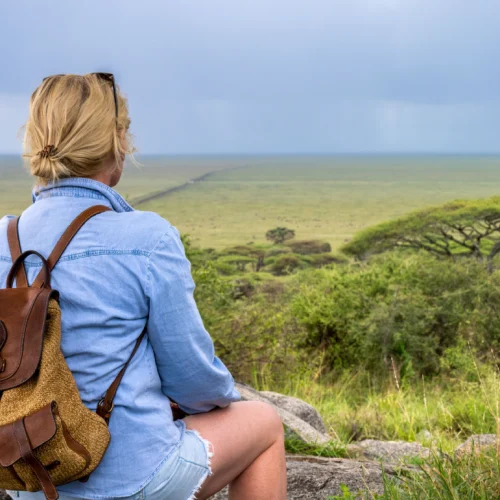
Poacher’s Lookout is one of the scenic viewpoints that gives travelers an opportunity to appreciate the enormous scale of Tsavo West National Park. From an elevated position, visitors can look across the surrounding plains, hills, and wildlife habitats.
The viewpoint also provides a chance to understand the terrain from above. Tsavo West is not simply a flat savannah park; its hills, volcanic formations, and valleys create a much more complex landscape.
For photographers, Poacher’s Lookout can be especially rewarding around sunrise or sunset when the changing light emphasizes the contours of the surrounding wilderness. KWS identifies Poacher’s Lookout among the park’s key scenic viewpoints, alongside Roaring Rocks.
Ngulia and the Ngulia Hills
The Ngulia area is one of the most distinctive parts of Tsavo West National Park. The landscape here becomes more rugged, with hills, rocky terrain, bushland, and valleys creating an environment that differs considerably from the more open sections of the park.
The Ngulia Hills also provide important habitat for wildlife and create spectacular scenery. Their rugged appearance makes them a memorable backdrop during game drives and contributes to the unique character of western Tsavo.
Ngulia is particularly important for conservation because of its connection to black rhino protection. Travelers visiting this part of the park therefore experience both the scenic and conservation importance of the wider Tsavo ecosystem.
Ngulia Rhino Sanctuary
The Ngulia Rhino Sanctuary has long been one of the most important black rhino conservation areas in Kenya. Historically, the sanctuary covered about 92 square kilometres and played a major role in protecting and breeding endangered black rhinos within Tsavo West.
There has been an important conservation development in recent years. In December 2025, Kenya officially opened an expanded Tsavo West Rhino Sanctuary, covering approximately 3,200 square kilometres and incorporating the former Ngulia sanctuary area. The expansion was designed to provide more space for the growing black rhino population and strengthen long-term conservation.
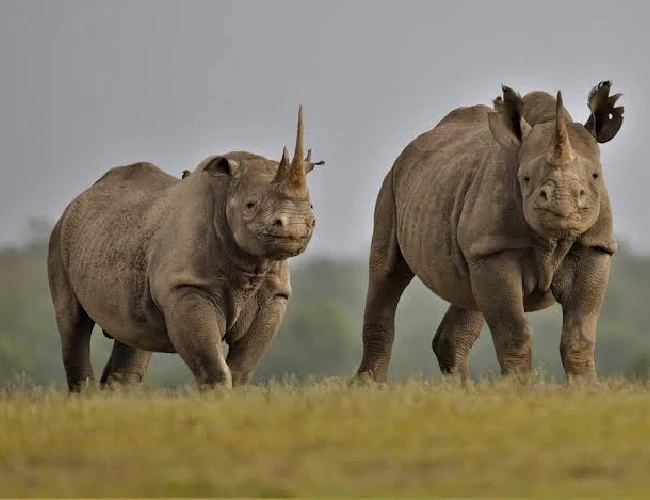
For travelers, the Ngulia Rhino Sanctuary remains an important name when planning a Tsavo West safari, particularly for visitors interested in rhino conservation. Seeing a black rhino in its natural environment is an extraordinary experience, although wildlife sightings can never be guaranteed.
The story behind the sanctuary is equally important. The greater Tsavo ecosystem once supported thousands of black rhinos, but poaching and other pressures reduced their numbers dramatically. Conservation programmes have since helped rebuild and protect the population.
Lake Jipe
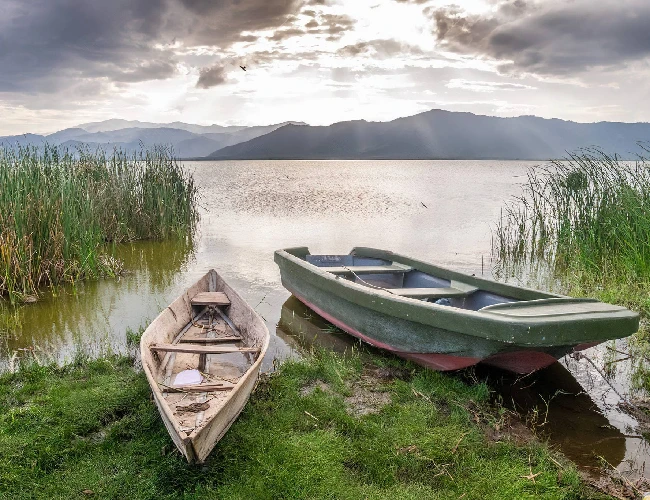
Lake Jipe offers one of the most peaceful and beautiful experiences in Tsavo West National Park. Located near the Kenya–Tanzania border, the lake provides a striking contrast to the volcanic landscapes and dry plains found elsewhere in the park.
The lake supports aquatic wildlife and abundant birdlife, making it particularly appealing to birdwatchers and travelers looking for a quieter side of Tsavo. Hippos, crocodiles, and numerous waterbirds may be encountered around the lake and its wetlands.
Lake Jipe is also known for its scenic surroundings, with views extending toward the distant mountains on clear days. KWS identifies the lake as an important transboundary water body shared with Tanzania and a significant destination for birdwatching and aquatic wildlife.
For travelers with additional time, a visit to Lake Jipe adds another dimension to a Tsavo West safari, particularly because the environment feels so different from the lava fields and rocky hills farther north.
Wildlife You Can See in Tsavo West
Tsavo West wildlife is remarkably diverse, with the park providing habitat for elephants, lions, leopards, buffaloes, giraffes, zebras, hippos, crocodiles, antelopes, and many other species.
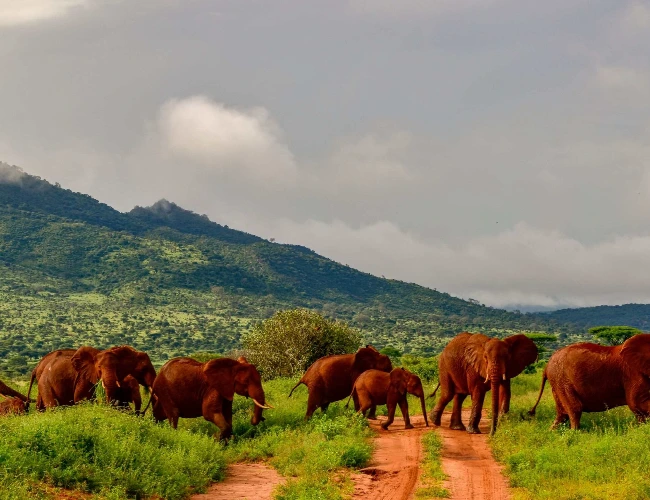
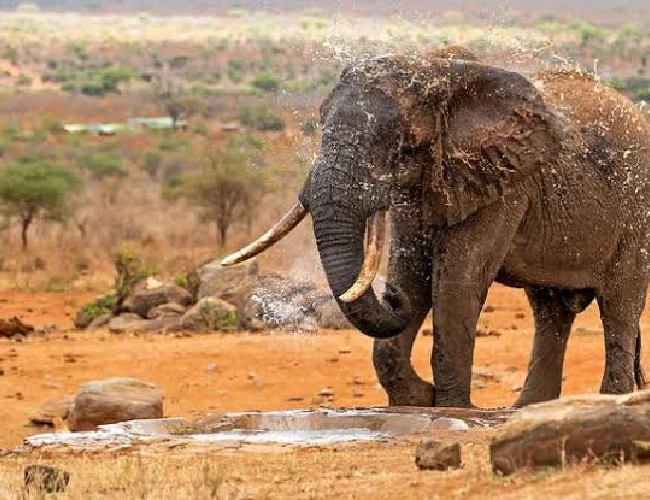
Elephants are among the most commonly associated animals with the wider Tsavo ecosystem. Large herds can sometimes be seen moving through the bushland, crossing open areas, or gathering around water sources.
The park also provides habitat for predators, although sightings are never guaranteed. Lions and leopards are present, while cheetahs and other carnivores may also be encountered depending on the area and conditions.
The presence of Ngulia Rhino Sanctuary and the expanded Tsavo West Rhino Sanctuary also makes the park especially significant for black rhino conservation.
The Big Five in Tsavo West
Travelers interested in seeing the Big Five in Kenya can include Tsavo West in their safari plans. The park provides habitat for elephant, buffalo, lion, leopard, and black rhino.
However, because Tsavo West National Park is enormous and wildlife moves freely through different habitats, sightings vary from one safari to another. A good guide, sufficient time, and patience are important when searching for wildlife.
The combination of traditional game drives and specialized areas such as the rhino conservation landscape makes Tsavo West an interesting destination for travelers who want more than a simple checklist of animals.
Bird Watching in Tsavo West
Bird watching in Tsavo West is another rewarding activity, with the park supporting hundreds of recorded bird species. Its diverse habitats include springs, rivers, wetlands, woodlands, open plains, rocky hills, and lake environments.
Lake Jipe is particularly attractive to birdwatchers because its wetlands and aquatic environment support numerous waterbirds. The Ngulia region is also notable for bird migration and research, adding another dimension to the park’s birding appeal.
Bird enthusiasts should carry binoculars and allow extra time during game drives. Some of the most interesting sightings can occur away from the main wildlife-viewing areas.
Things to Do in Tsavo West National Park
Go on a Game Drive
A Tsavo West game drive is the best way to explore the park’s extensive wildlife habitats. Early morning drives provide opportunities to see animals when temperatures are cooler and wildlife is generally more active.
Afternoon drives offer another chance to explore different areas and experience the changing appearance of the landscape as the sun moves across the sky.
Visit Mzima Springs
A visit to Mzima Springs should be included in most Tsavo West safari experiences. The walking trails, clear water, hippos, crocodiles, birds, and lush vegetation create an experience completely different from a conventional game drive.
Explore the Shetani Lava Flows
The Shetani Lava Flows are ideal for travelers who want to experience Tsavo’s volcanic landscape. The black rocks provide excellent photographic opportunities and demonstrate the geological forces that shaped the region.
Hike Around Chaimu Crater
For travelers who enjoy light adventure, Chaimu Crater provides an opportunity to explore Tsavo’s volcanic terrain on foot. The elevated views are a rewarding addition to the wildlife experience.
Enjoy the Views from Poacher’s Lookout
Poacher’s Lookout provides panoramic views across the park and is an excellent place to appreciate Tsavo West’s rugged topography.
Search for Rhinos
A visit to the Ngulia Rhino Sanctuary area provides an opportunity to learn about one of Kenya’s most important black rhino conservation efforts and, with luck, observe these endangered animals.
Visit Lake Jipe
A trip to Lake Jipe is particularly rewarding for birdwatchers and travelers who have additional time. The lake provides a peaceful environment with aquatic wildlife, wetlands, and beautiful scenery.
Photography in Tsavo West
Tsavo West photography offers an unusual combination of wildlife and landscapes. Instead of photographing animals against only open grasslands, visitors can capture elephants against volcanic hills, hippos in crystal-clear water, rhinos within rugged terrain, and birds around the wetlands of Lake Jipe.
The Shetani Lava Flows are particularly striking for landscape photography because of their dark volcanic textures. Chaimu Crater and Poacher’s Lookout offer elevated perspectives, while Mzima Springs provides lush vegetation and reflective water scenes.
Sunrise and sunset can transform the volcanic landscape into dramatic shades and shadows, making early morning and late afternoon ideal periods for photographers.
Best Time to Visit Tsavo West
For a practical Tsavo West safari, June, July, October, and February are four excellent months to consider.
June and July generally offer dry conditions that can make wildlife easier to locate around dependable water sources. October can also provide rewarding wildlife viewing before the wetter period, while February combines warm conditions with opportunities for wildlife viewing and vibrant scenery.
If your main interest is wildlife, these months provide a strong balance between accessibility and game viewing. Travelers interested primarily in birds may also find other periods rewarding because seasonal changes bring different birdlife to the park.
How to Get to Tsavo West
Tsavo West National Park is conveniently located along the Nairobi–Mombasa travel corridor, making it accessible from both major cities.
Travelers coming from Nairobi can approach the park through routes around Mtito Andei, while visitors from Mombasa can travel inland toward the Tsavo area. The park also has several access points and airstrips serving different parts of the destination.
For travelers combining destinations, Tsavo West can also be linked with Tsavo East, Amboseli, the Taita Hills region, and the Kenyan coast. A private safari vehicle provides the greatest flexibility because it allows visitors to stop at attractions such as Mzima Springs, Shetani Lava Flows, and viewpoints along the route.
Where to Stay in Tsavo West
Accommodation in Tsavo West National Park ranges from luxury safari camps and lodges to guesthouses and campsites. Staying inside or close to the park allows travelers to maximize their time in the wilderness and begin game drives without long transfers.
Popular accommodation areas include those around Mzima Springs, Kilaguni, Ngulia, and other parts of the park. Options include safari lodges, tented camps, public campsites, and special campsites.
The best choice depends on your budget and the attractions you want to prioritize. Travelers focusing on Mzima Springs and the volcanic attractions may prefer accommodation in the central part of the park, while those interested in the Ngulia region or Lake Jipe may want to choose accommodation that minimizes driving time to those areas.
Food and Dining During a Tsavo West Safari
Most safari lodges and camps in Tsavo West provide meals for guests, usually offering a combination of Kenyan and international dishes. Breakfast is often arranged around morning game drives, while lunch and dinner are typically served at the lodge or camp.
Some properties also organize special outdoor dining experiences when conditions allow. Enjoying a meal surrounded by the sounds of the African wilderness can become one of the memorable parts of a safari.
During long game drives, travelers should carry sufficient drinking water and follow their safari guide’s advice about snacks and meal arrangements.
Tsavo West for Families
Tsavo West National Park can be an excellent family safari destination because it combines wildlife with educational and geological attractions.
Children can learn about elephants, rhinos, hippos, crocodiles, birds, volcanic activity, springs, and conservation. Visiting Mzima Springs, Shetani Lava Flows, and Lake Jipe adds variety to the traditional game-drive experience.
Families should choose accommodation carefully and plan activities according to the children’s ages. Shorter game drives combined with scenic attractions can help keep younger travelers engaged and comfortable.
Tsavo West for Couples and Honeymooners
For couples, Tsavo West safari holidays provide a combination of adventure, scenery, wildlife, and peaceful wilderness experiences.
Couples can enjoy game drives through the park, watch hippos around Mzima Springs, explore volcanic landscapes, or enjoy spectacular sunsets from scenic viewpoints. The park can also be combined with Kenya’s coast to create a wildlife-and-beach honeymoon.
The contrast between a few days in the rugged wilderness of Tsavo West and several relaxing nights along the Indian Ocean makes for an especially memorable Kenya honeymoon.
Tsavo West vs Tsavo East
Although Tsavo East and Tsavo West form part of the same enormous ecosystem, they offer noticeably different safari experiences.
Tsavo East is generally associated with expansive open plains, red elephants, the Galana River, Aruba Dam, Yatta Plateau, Lugard Falls, and Mudanda Rock. Tsavo West, on the other hand, is characterized by volcanic hills, lava flows, springs, rocky terrain, Lake Jipe, and the rhino conservation landscape.
Travelers who want dramatic geological scenery and attractions such as Mzima Springs and Shetani Lava Flows may particularly enjoy Tsavo West. Those looking for wide-open landscapes and famous red elephants may prefer Tsavo East.
For travelers with enough time, combining both parks provides one of the best ways to experience the full diversity of the Tsavo ecosystem.
Tsavo West vs Maasai Mara
The Maasai Mara and Tsavo West offer very different safari experiences. The Maasai Mara is famous for its high concentrations of wildlife and the Great Migration, while Tsavo West is distinguished by its enormous scale, volcanic landscapes, springs, rhino conservation, and varied terrain.
If your priority is witnessing huge concentrations of wildlife in relatively open grasslands, the Mara may be the better choice. If you want a safari that combines wildlife with geology, water systems, scenic viewpoints, and conservation attractions, Tsavo West offers something very different.
Both destinations can be included in a longer Kenya safari itinerary, giving travelers the opportunity to experience contrasting ecosystems.
How Many Days Do You Need in Tsavo West?
A two-day Tsavo West safari can provide a good introduction to the park, especially for travelers coming from the coast or continuing toward another destination.
However, three days or more gives you considerably more flexibility. With additional time, you can combine game drives with Mzima Springs, Shetani Lava Flows, Chaimu Crater, Poacher’s Lookout, and the Ngulia region without making every day feel rushed.
Travelers who want to include Lake Jipe should ideally allow additional time because the lake is located away from some of the park’s central attractions.
What to Pack for Tsavo West
Pack lightweight, comfortable clothing suitable for warm safari conditions, together with a light jacket or sweater for early mornings and evenings. Neutral colors are practical for game drives and outdoor activities.
A wide-brimmed hat, sunglasses, sunscreen, insect repellent, comfortable shoes, binoculars, and a camera are useful additions to your safari luggage.
If you plan to explore Chaimu Crater or walk around Mzima Springs, comfortable closed shoes are especially useful. Travelers visiting the volcanic areas should also protect cameras and other electronics from dust.
Safety Tips for a Tsavo West Safari
Always follow the instructions of your safari guide and park authorities. Wild animals should never be approached, fed, or deliberately disturbed.
Remain inside the safari vehicle unless your guide has confirmed that it is safe to leave. This is particularly important around elephants, hippos, buffaloes, lions, and other potentially dangerous wildlife.
When visiting volcanic areas such as Shetani Lava Flows and Chaimu Crater, stay on safe routes and follow your guide’s instructions. At Mzima Springs and Lake Jipe, visitors should also maintain a safe distance from hippos and crocodiles.
Responsible Tourism in Tsavo West
Responsible tourism is essential for protecting the wildlife and landscapes of Tsavo West National Park. Visitors should avoid littering, respect wildlife viewing distances, follow park regulations, and avoid disturbing animals for photographs.
Supporting conservation-focused lodges, local communities, guides, and responsible tourism operators also helps ensure that tourism contributes to the long-term protection of the Tsavo ecosystem.
The story of the Ngulia Rhino Sanctuary and the wider rhino conservation programme demonstrates why responsible tourism matters. The survival of endangered species depends on continued conservation work, habitat protection, monitoring, and public support.
Frequently Asked Questions About Tsavo West
Is Tsavo West National Park worth visiting?
Yes. Tsavo West National Park is particularly rewarding for travelers who want a combination of wildlife, volcanic scenery, springs, lakes, hills, and conservation experiences.
What is Tsavo West famous for?
Tsavo West is famous for Mzima Springs, Shetani Lava Flows, Chaimu Crater, Poacher’s Lookout, the Ngulia Rhino Sanctuary area, Lake Jipe, elephants, black rhinos, and the historic Tsavo man-eating lions.
Can I see rhinos in Tsavo West?
Yes. The Ngulia Rhino Sanctuary has historically been one of Kenya’s important black rhino conservation areas, and the sanctuary has now been incorporated into the expanded Tsavo West Rhino Sanctuary. Wildlife sightings are never guaranteed, but the conservation landscape is an important part of the park’s identity.
Is Mzima Springs worth visiting?
Absolutely. Mzima Springs is one of the highlights of Tsavo West, offering clear water, hippos, crocodiles, birds, lush vegetation, walking trails, and an underwater viewing experience.
What makes Tsavo West different from Tsavo East?
Tsavo West is more strongly associated with volcanic landscapes, springs, rugged hills, Lake Jipe, and rhino conservation, while Tsavo East is famous for its expansive plains, red elephants, Yatta Plateau, Galana River, Aruba Dam, and Lugard Falls.
Can I visit Tsavo West from Mombasa?
Yes. Tsavo West is conveniently located for travelers combining a Kenya safari with a Mombasa or coastal holiday.
How many days should I spend in Tsavo West?
Two days can provide a good introduction, while three or more days allow travelers to explore the park more thoroughly and include attractions such as Mzima Springs, Shetani Lava Flows, Chaimu Crater, Ngulia, and potentially Lake Jipe.
Is Lake Jipe part of Tsavo West?
Yes. Lake Jipe is associated with the southern part of Tsavo West near the Kenya–Tanzania border and is particularly important for birdwatching and aquatic wildlife.
Plan Your Tsavo West Safari with Crystal Tours Kenya
Tsavo West National Park is a destination where Kenya’s wildlife and geology come together in an extraordinary way. From the crystal-clear waters of Mzima Springs and the black volcanic landscape of the Shetani Lava Flows to the dramatic Chaimu Crater, panoramic Poacher’s Lookout, rugged Ngulia Hills, important rhino conservation areas, and peaceful waters of Lake Jipe, every part of the park offers a different experience.
Whether you are planning a short safari from Mombasa, a longer Kenya wildlife adventure from Nairobi, or a combined Tsavo East and Tsavo West safari, this remarkable wilderness offers plenty to discover. Its wildlife, landscapes, geological formations, history, and conservation story make it one of Kenya’s most rewarding destinations.
Start planning your Tsavo West adventure with Crystal Tours Kenya and discover the volcanic, wildlife-rich side of Tsavo.