Introduction
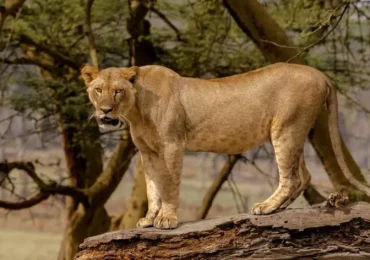
Amazing Laikipia Kenya Travel Guide: Laikipia Kenya is one of the country’s most diverse safari regions, offering a completely different experience from the large national parks traditionally associated with Kenyan wildlife. Located between Mount Kenya and the Great Rift Valley, Laikipia is a vast landscape of wildlife conservancies, ranches, community lands, forests, grasslands and dramatic northern landscapes. The region has developed a distinctive conservation model in which wildlife, livestock, communities, research and tourism exist across a connected landscape.
A Laikipia safari is therefore not simply a visit to one national park. Instead, tourists choose different conservancies and experiences depending on what they want to see and do. Ol Pejeta is particularly strong for rhino conservation and Big Five experiences, Lewa Wildlife Conservancy combines wildlife with major conservation and mountain scenery, Borana Conservancy offers a quieter and highly scenic northern foothill safari, while Solio Reserve is particularly associated with rhino conservation. Farther north, Loisaba is known for wilderness, dramatic landscapes and its famous Star Beds, while Mugie, Segera, Lekurruki and Il Ngwesi each offer very different combinations of wildlife, community conservation and wilderness experiences.
For travellers, this diversity is Laikipia’s greatest strength. Instead of visiting several destinations that all offer similar game drives, you can build a Laikipia safari around conservation, rhinos, walking, horseback riding, cultural experiences, research, photography, birdwatching, forest adventures and classic wildlife viewing.
Where Is Laikipia Kenya?
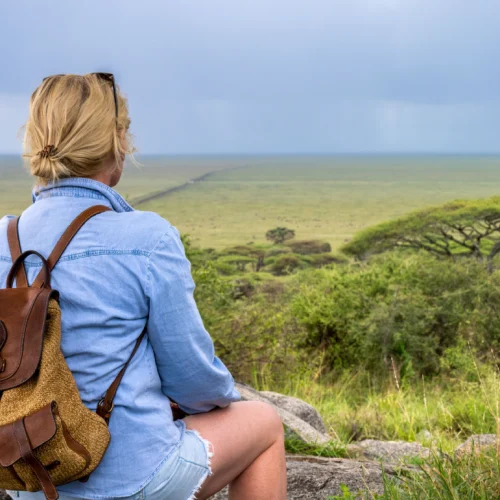
Laikipia Kenya lies on a high plateau between Mount Kenya to the southeast and the Great Rift Valley to the west. The landscape gradually changes from the wetter highlands around Mount Kenya to drier grasslands and bush country towards northern Kenya. This geographical position helps explain why Laikipia supports such a remarkable mixture of wildlife habitats.
The region is also unusual because wildlife conservation is spread across many different types of land. There are private conservancies, community conservancies, ranches and research areas, creating a large connected conservation landscape rather than one single protected area. The Laikipia Conservancies Association lists a wide range of participating conservancies, including Ol Pejeta, Ol Jogi, Loisaba, Mugie, Segera, Mpala, Lekurruki and Il Ngwesi, among others.
Nanyuki: The Gateway to Laikipia
Nanyuki is the most important starting point for many Laikipia safaris. Located close to Mount Kenya, the town provides access to several of the region’s major conservancies and is also a convenient base for travellers combining wildlife with Mount Kenya experiences.
Unlike the conservancies themselves, Nanyuki is a working town rather than a wilderness destination. It offers hotels, restaurants, shops, supplies, transport connections and access to an airstrip used by safari travellers. From Nanyuki, visitors can travel towards Ol Pejeta, Lewa, Ol Jogi, Borana, Solio and other destinations depending on their itinerary.
For tourists, the easiest way to remember Nanyuki is “the gateway and base for Laikipia.” It is particularly useful for travellers who want to combine a safari with the Mount Kenya foothills, hiking, cultural experiences or several nearby conservancies.
Ol Pejeta Conservancy: Best for Rhinos, Big Five and Conservation
Ol Pejeta Conservancy is one of the best-known destinations in Laikipia Kenya and is particularly suitable for travellers who want a combination of excellent wildlife viewing and major conservation experiences. The conservancy covers approximately 364 square kilometres and is located close to Nanyuki.
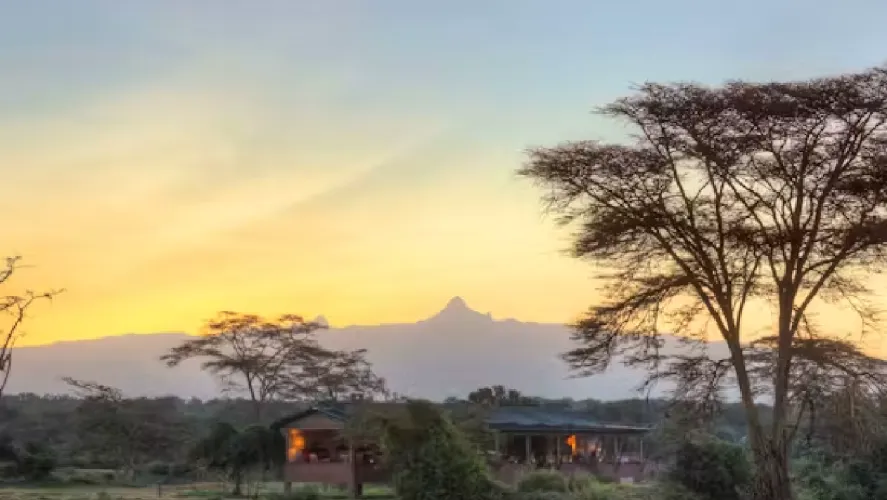
What makes Ol Pejeta different is its strong focus on conservation. It is famous for rhino conservation and is home to the world’s last two northern white rhinos, as well as a sanctuary for rescued chimpanzees. Visitors can also enjoy game drives and wildlife tracking experiences across a landscape supporting a wide range of species.
For a tourist, Ol Pejeta = rhinos + Big Five + conservation + chimpanzees. It is one of the strongest choices in Laikipia for a first-time visitor who wants a traditional safari experience combined with meaningful conservation encounters.
Lewa Wildlife Conservancy: Best for Rhinos, Grevy’s Zebra and Mount Kenya Scenery
Lewa Wildlife Conservancy offers a different style of safari from Ol Pejeta. Located in the foothills of Mount Kenya, Lewa combines wildlife conservation with spectacular highland scenery and a strong focus on endangered species. It is particularly recognised for its rhino conservation work and efforts to protect Grevy’s zebra.
The conservancy is also connected ecologically with neighbouring Borana Conservancy, creating a larger landscape for wildlife movement. Its location near the Mount Kenya foothills means visitors experience a mixture of open grasslands, bush, woodland and mountain scenery.
For tourists, Lewa = rhinos + Grevy’s zebra + conservation + Mount Kenya foothills. It is especially attractive to visitors who want wildlife combined with a more exclusive and conservation-focused safari.
Borana Conservancy: Best for Scenic Wilderness and Rhino Conservation
Borana Conservancy sits alongside Lewa and is part of the wider wildlife landscape around the northern slopes of Mount Kenya. Its conservation approach combines wildlife protection with sustainable land management and tourism.
Borana is particularly attractive for travellers who want a quieter and more private safari atmosphere. Wildlife includes rhinos and a variety of plains animals, while the landscape provides excellent views and opportunities for photography. Its connection with Lewa also makes the two conservancies particularly interesting when considered as part of the same broader conservation landscape.
For tourists, Borana = scenic private-conservancy safari + rhinos + quieter wilderness. It is a good option for travellers who prefer a more intimate safari experience.
Ol Jogi Conservancy: Best for Exclusive Wildlife and Conservation
Ol Jogi Conservancy is a large private conservation area in Laikipia, covering approximately 58,000 acres. It combines wildlife conservation with a highly private safari experience and is known for its expansive landscapes and conservation work.
The conservancy is particularly suited to travellers looking for exclusivity, privacy and a more personalised experience. Instead of the feeling of a busy public safari park, Ol Jogi provides a private-conservancy atmosphere where visitors can enjoy wildlife while learning about conservation.
For tourists, Ol Jogi = private luxury + wildlife + conservation + exclusivity.
Solio Reserve: Best for Rhino Safaris
Solio Reserve, also known as Solio Ranch, is one of the most important rhino conservation destinations in Laikipia. The reserve is particularly associated with rhino breeding and protection, making it a strong choice for travellers whose main interest is seeing and learning about rhinos.
The landscape also supports other wildlife, so visitors can enjoy a genuine safari rather than simply visiting a conservation facility. However, rhino conservation remains the feature that most clearly distinguishes Solio from many other Laikipia destinations.
For tourists, Solio = rhino country. If someone tells you they are particularly interested in rhinos, Solio should be one of the first Laikipia destinations you consider.
Loisaba Conservancy: Best for Wilderness, Adventure and Star Beds
Loisaba Conservancy is located in northern Laikipia and covers approximately 58,000 acres. Its landscape is more rugged and increasingly arid compared with the greener Mount Kenya foothills, giving visitors a stronger feeling of northern Kenya wilderness.
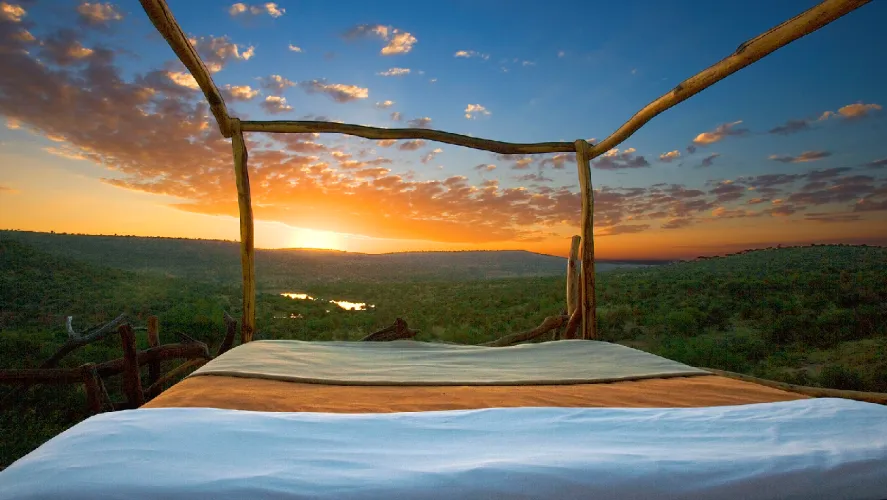
Loisaba is famous for its distinctive Star Beds, where visitors can sleep beneath the African night sky, but the experience extends beyond accommodation. The conservancy offers wildlife viewing, conservation experiences, community engagement and adventure activities. Loisaba also plays an important role in connecting Laikipia with the wider Ewaso ecosystem and neighbouring northern landscapes.
For tourists, Loisaba = rugged wilderness + Star Beds + adventure + conservation. It is particularly suitable for travellers looking for something more adventurous and remote than a conventional lodge safari.
Mugie Conservancy: Best for a Private Safari and Diverse Wildlife
Mugie Conservancy provides another distinct Laikipia experience, combining wildlife conservation, ranching and tourism across a large private landscape. The conservancy’s open grasslands and wildlife areas provide opportunities to see species associated with Laikipia, while its relatively private setting gives visitors a more relaxed safari experience.
Mugie is also interesting for travellers who want to combine wildlife with unusual activities and a quieter conservancy atmosphere. It has become increasingly recognised as an emerging Laikipia safari destination, particularly for wildlife such as wild dogs and Grevy’s zebra.
For tourists, Mugie = private wilderness + wildlife diversity + relaxed safari experience.
Segera Conservancy: Best for Conservation, Art and Luxury Wilderness
Segera Conservancy offers a distinctive combination of wildlife conservation, luxury hospitality, environmental restoration and creative experiences. Rather than simply focusing on traditional game drives, Segera is designed around the idea of conservation and sustainable tourism.
Visitors can experience wildlife while also appreciating the landscapes, vegetation and conservation work that maintain the area. Its position within the wider Laikipia conservation landscape makes it an interesting choice for travellers who want a more contemporary approach to safari tourism.
For tourists, Segera = conservation + luxury + art + wilderness.
Lekurruki Conservancy: Best for Community Conservation and Maasai Culture
Lekurruki Conservancy represents a different side of Laikipia Kenya because it is part of the region’s community conservation landscape. Community conservancies are particularly important in Laikipia because they bring together wildlife conservation, livestock production, tourism and local livelihoods.
Visitors interested in community-based tourism can learn how local communities participate in protecting wildlife and managing their land. The conservancy also provides access to landscapes that are less associated with conventional lodge-based safari tourism.
For tourists, Lekurruki = community conservation + culture + wilderness.
Il Ngwesi Conservancy: Best for Maasai Community Tourism
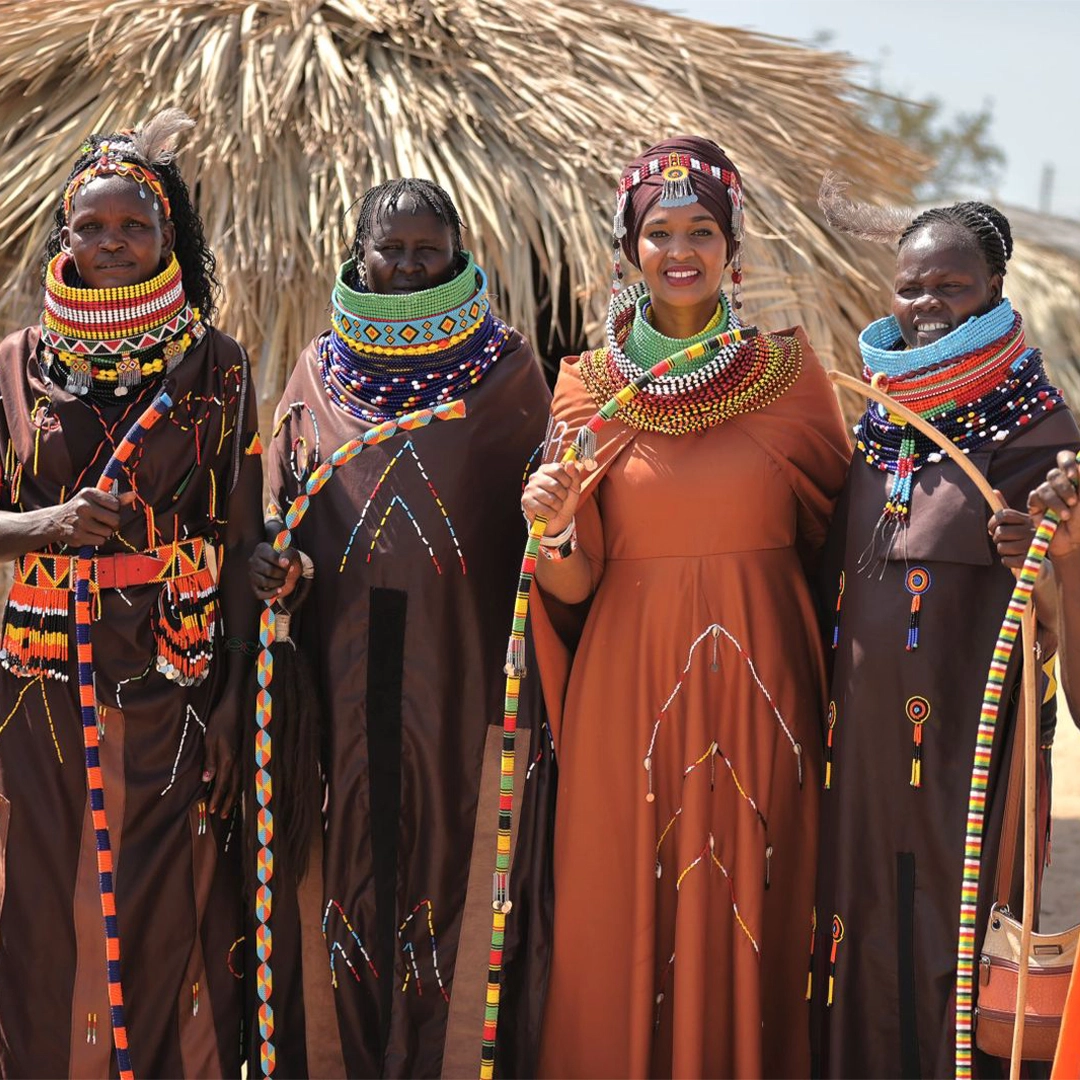
Il Ngwesi Conservancy is another important community-owned conservation area and is particularly well suited to travellers interested in authentic community experiences. It is managed by the Laikipiak Maasai and is recognised for combining conservation with community tourism.
A visit here can provide a deeper understanding of how Maasai communities participate in wildlife conservation while maintaining their cultural identity and livelihoods. The experience is therefore different from visiting a privately managed luxury conservancy.
For tourists, Il Ngwesi = Maasai community + culture + conservation + eco-tourism.
Mpala Research Centre: Best for Science and Wildlife Research
Mpala Research Centre is one of the most interesting places in Laikipia for visitors fascinated by wildlife science and conservation research. Rather than being primarily a traditional safari destination, Mpala is associated with long-term ecological research and scientific study.
The area provides an opportunity to understand the science behind wildlife conservation, rangeland management and ecological research. Its location within the wider Laikipia landscape also makes it useful for understanding how wildlife and livestock interact across the region.
For tourists, Mpala = research + science + ecology + conservation. It is particularly interesting for students, researchers, conservation enthusiasts and visitors who want to understand what happens behind the scenes of wildlife conservation.
Ngare Ndare Forest: Best for Forest Adventures and Blue Pools
Ngare Ndare Forest provides one of the strongest contrasts to Laikipia’s open savannah. Located near the foothills of Mount Kenya, this indigenous forest is characterised by tall trees, waterfalls, natural pools and rich birdlife. Laikipia County describes the forest as a lush indigenous environment with blue pools beneath waterfalls and ancient trees supporting a variety of wildlife and bird species.
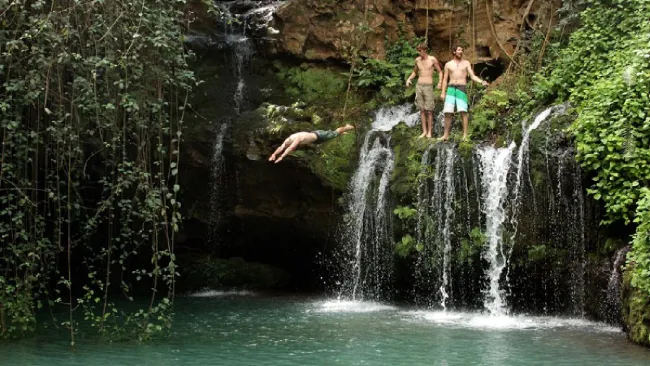
Activities can include forest walks, canopy experiences, photography and exploring the waterfalls and natural pools. The forest is especially attractive to travellers who want to add an adventure and nature experience to their Laikipia safari.
For tourists, Ngare Ndare = forest + waterfalls + blue pools + adventure.
Mount Kenya Foothills: Best for Mountain Scenery and Outdoor Adventures
The Mount Kenya foothills provide a completely different setting from the drier northern areas of Laikipia. The landscape around the mountain is greener, cooler and more heavily influenced by altitude.
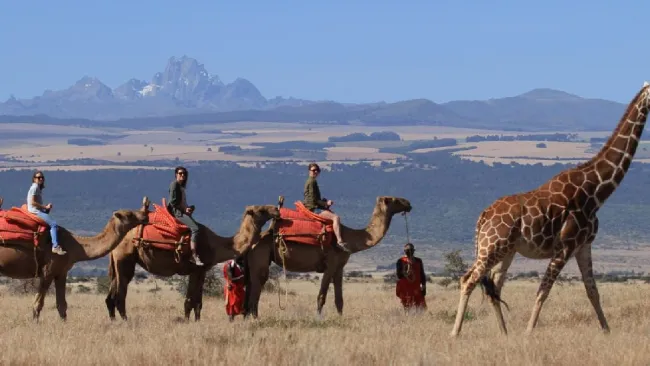
Travellers can combine a Laikipia safari with hiking, nature walks, mountain experiences and visits to forested areas. The foothills also provide dramatic views of Mount Kenya and create a transition between the highland agricultural areas and the wildlife landscapes of Laikipia.
For tourists, Mount Kenya foothills = mountain scenery + hiking + forests + cooler highland landscapes.
Other Important Laikipia Destinations
Laikipia contains many other conservancies and wildlife areas that can complement the better-known destinations. Borana, Lolldaiga, Sosian, Suyian, Ol Maisor, Mukutan and El Karama are among the other conservation areas within the wider Laikipia landscape. The diversity of private and community conservancies is one of the defining characteristics of the region.
This is important when planning a trip because two tourists can both say they visited Laikipia but have completely different experiences depending on which conservancy they selected.
Major Activities in Laikipia
Game Drives
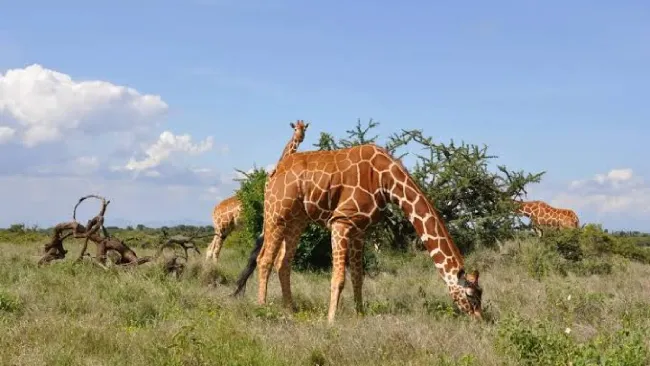
Game drives remain one of the main activities on a Laikipia safari, but the experience can vary considerably between conservancies. Visitors can encounter elephants, lions, leopards, buffaloes, giraffes, zebras, antelopes, rhinos and other wildlife.
The major advantage of conservancy-based safari is that different properties can offer different activities and approaches. Some emphasise traditional game viewing, while others focus more heavily on conservation, walking, horseback riding or cultural experiences.
Rhino Experiences
Rhino conservation is one of Laikipia’s strongest tourism themes. Ol Pejeta, Lewa, Borana and Solio all have strong connections to rhino conservation, although each offers a different experience.
Ol Pejeta is particularly notable for the northern white rhinos and its wider conservation programme, while Lewa and Borana are important parts of a larger rhino landscape. Solio is especially associated with rhino breeding and protection.
Walking Safaris
Walking provides a slower and more intimate way to experience Laikipia wildlife. Instead of concentrating only on large animals, visitors can learn about tracks, plants, insects, birds and the smaller details of the ecosystem.
Walking opportunities depend on the conservancy and local regulations, so they should be arranged with an authorised guide.
Horseback Safaris
Horseback riding can provide an unusual way to experience Laikipia’s open landscapes. It allows visitors to move through the environment more quietly and can create a different perspective from a traditional safari vehicle.
Where offered, horseback experiences are particularly attractive to travellers looking for adventure and a more active safari.
Camel Experiences
Some of the more northern Laikipia conservancies offer camel-based experiences that reflect the transition towards northern Kenya. These can provide a distinctive cultural and wilderness experience rather than simply another game drive.
Birdwatching
Laikipia Kenya is also an excellent destination for birdwatching because its habitats range from highland forests and grasslands to dry northern landscapes. Ngare Ndare adds forest species, while the more northern conservancies provide species adapted to drier environments.
Cultural Experiences
Community conservancies such as Il Ngwesi and Lekurruki provide opportunities to learn about local communities and the relationship between people, livestock, wildlife and conservation.
These experiences are particularly valuable because they demonstrate that Laikipia’s wildlife conservation story is not limited to privately owned safari areas. Community land plays an important role in maintaining the wider ecosystem.
Conservation Experiences
One of the best reasons to visit Laikipia Kenya is the opportunity to see conservation in action. From rhino protection at Ol Pejeta and Solio to community conservation at Il Ngwesi and Lekurruki and scientific research at Mpala, the region provides many different examples of how wildlife is protected.
This makes Laikipia especially rewarding for travellers who want their safari to be educational as well as recreational.
Where to Stay in Laikipia
Accommodation in Laikipia Kenya ranges from comfortable lodges and camps to exclusive luxury properties within private conservancies. Nanyuki offers convenient accommodation for travellers who want to explore several attractions from one base, while staying inside a conservancy provides a more immersive wilderness experience.
For travellers interested in rhinos and classic wildlife, properties around Ol Pejeta, Lewa, Borana and Solio are strong choices. Those looking for remote luxury and unusual experiences may prefer Loisaba or Segera, while community-focused travellers can look towards Il Ngwesi and Lekurruki.
The choice of accommodation should therefore depend on the experience you want rather than simply the price of the lodge.
Best Time to Visit Laikipia
Laikipia Kenya can be visited throughout the year, although the experience changes with the seasons. The drier periods are generally good for wildlife viewing because animals tend to concentrate around reliable water sources and vegetation becomes less dense.
The greener periods can provide beautiful landscapes, excellent photography and good birdwatching conditions. Visitors interested in a quieter experience may also prefer travelling outside the busiest safari periods.
Because Laikipia consists of many different conservancies, the ideal time can also depend on the specific destination and activities you want to experience.
How to Get to Laikipia
Most travellers begin their Laikipia safari by travelling from Nairobi towards Nanyuki. The journey can be made by road, while domestic flights provide a faster alternative for visitors heading directly to Nanyuki or specific conservancies.
Nanyuki is particularly convenient because several major wildlife destinations are accessible from the town. More remote conservancies such as Loisaba can also be accessed by scheduled or private flights, with Loisaba confirming direct flights from Nairobi as well as road access from Nanyuki and Nyahururu.
How Many Days Do You Need in Laikipia?
A 2-day Laikipia safari can work well for travellers focusing on one major destination such as Ol Pejeta, particularly when combined with Nanyuki.
Three to four days allows visitors to explore one major conservancy more deeply or combine nearby experiences such as Ol Pejeta, Nanyuki and the Mount Kenya foothills.
Five to seven days is ideal for travellers who want to experience the diversity of Laikipia Kenya. This could involve combining a rhino-focused destination such as Ol Pejeta or Solio with Lewa or Borana, followed by a completely different experience at Loisaba, Il Ngwesi, Lekurruki or Ngare Ndare.
Which Laikipia Destination Should You Choose?
If you are mainly interested in rhinos and Big Five wildlife, choose Ol Pejeta.
If you want rhinos, Grevy’s zebra and Mount Kenya scenery, consider Lewa Wildlife Conservancy.
If you prefer a quiet, scenic private conservancy, consider Borana Conservancy.
If you want exclusive luxury and private wildlife experiences, consider Ol Jogi.
If your main interest is rhino conservation, consider Solio Reserve.
If you want remote wilderness, adventure and sleeping under the stars, choose Loisaba Conservancy.
If you want a private wildlife experience with a quieter atmosphere, consider Mugie Conservancy.
If you want luxury combined with conservation and a contemporary wilderness experience, consider Segera Conservancy.
If you want community conservation and Maasai culture, consider Lekurruki Conservancy.
If you want a community-owned Maasai safari experience, consider Il Ngwesi Conservancy.
If you are interested in wildlife science and research, look towards Mpala Research Centre.
If you want forest, waterfalls, blue pools and adventure, visit Ngare Ndare Forest.
If you want mountain scenery, hiking and highland experiences, explore the Mount Kenya foothills.
Responsible Tourism in Laikipia
Responsible tourism is particularly important in Laikipia Kenya because the region’s conservation model depends on wildlife, communities and tourism working together. Visitors should follow the rules of each conservancy, maintain appropriate distances from wildlife, avoid leaving waste behind and respect local communities.
Supporting community conservancies and locally owned tourism initiatives can help ensure that tourism provides tangible benefits to the people who live alongside wildlife. The conservation model in Laikipia increasingly links wildlife protection with community development, sustainable land management and tourism revenue.
Planning Your Laikipia Safari with Crystal Tours Kenya
Crystal Tours Kenya can help travellers design a Laikipia safari around the specific experience they want rather than simply choosing a destination at random. This is particularly important in Laikipia because every conservancy has its own character.
A wildlife-focused itinerary can combine Nanyuki, Ol Pejeta, Solio, Lewa and Borana for a journey centred on rhinos, Big Five wildlife and conservation. An adventure-focused trip can combine Loisaba, Ngare Ndare Forest and the Mount Kenya foothills. Travellers interested in culture and community conservation can explore Il Ngwesi and Lekurruki, while those interested in research and conservation can incorporate Mpala Research Centre.
For visitors seeking luxury and exclusivity, destinations such as Ol Jogi, Borana, Segera and Loisaba provide very different high-end experiences. The important thing is to match the conservancy to the traveller rather than treating all of Laikipia as one uniform safari destination.
Conclusion
Laikipia Kenya is one of the country’s most diverse and rewarding safari regions because it offers far more than traditional game drives. Its network of private and community conservancies creates a landscape where wildlife conservation, tourism, livestock, scientific research and local communities interact.
The region’s greatest advantage is its variety. Ol Pejeta is the destination for rhinos, Big Five wildlife and major conservation stories. Lewa combines rhino conservation, Grevy’s zebra and Mount Kenya scenery, while Borana offers a quieter private-conservancy experience. Ol Jogi is associated with exclusivity, while Solio stands out for rhino conservation.
Farther north, Loisaba delivers rugged wilderness and its famous Star Beds, Mugie offers a distinctive private safari environment and Segera combines conservation with luxury and creativity. Lekurruki and Il Ngwesi demonstrate the importance of community conservation, while Mpala Research Centre brings science into the safari experience. Meanwhile, Ngare Ndare Forest and the Mount Kenya foothills provide forests, waterfalls, hiking and mountain scenery.
This variety makes a Laikipia safari ideal for travellers who want to go beyond the standard Kenyan safari. With Crystal Tours Kenya, visitors can combine the destinations that best match their interests and create a Laikipia journey that is focused on wildlife, rhinos, conservation, culture, adventure, luxury or a mixture of all of them.