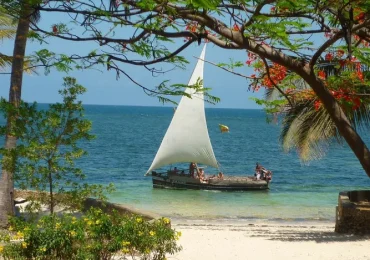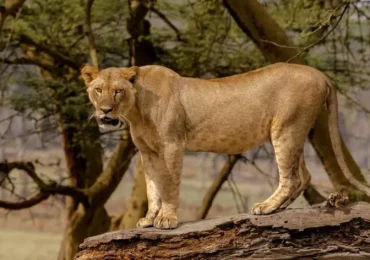
The Ultimate Great Rift Valley Kenya Travel guide: The Great Rift Valley Kenya is one of the country’s most spectacular and diverse travel regions, stretching through a dramatic landscape of escarpments, volcanic mountains, crater formations, freshwater and alkaline lakes, national parks, wildlife conservancies, forests, farmlands and traditional communities. For travelers searching for the best places to visit in the Great Rift Valley, the region offers far more than a scenic viewpoint. It is a destination where wildlife safaris, hiking, birdwatching, photography, cultural experiences, road trips and lakeside relaxation can all be combined into one memorable journey.
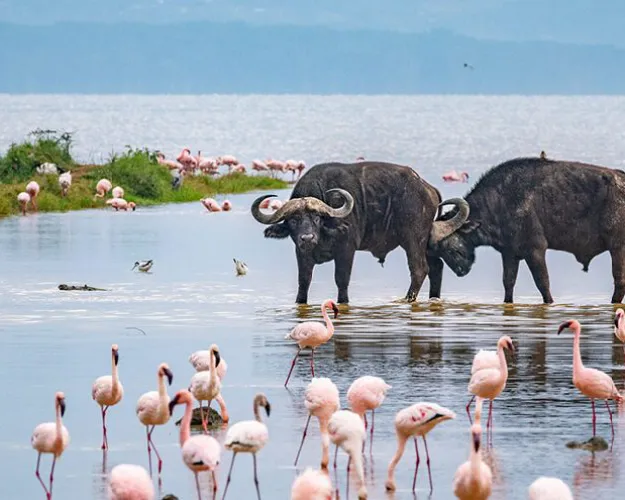
From the freshwater shores of Lake Naivasha and the volcanic landscapes of Hell’s Gate to the wildlife-rich surroundings of Lake Nakuru, the flamingo habitats of Lake Elementaita, the geothermal wonders of Lake Bogoria, and the peaceful waters of Lake Baringo, the Great Rift Valley destinations offer a remarkable variety of experiences. The region is also easily incorporated into a wider Kenya safari, making it possible to connect the Rift Valley with destinations such as the Maasai Mara, Laikipia and other parts of the country.
For travelers planning a Great Rift Valley tour, road trip, safari, family holiday, romantic escape or adventure trip, Crystal Tours Kenya can create a customized itinerary based on the number of days available, preferred accommodation, budget and travel interests.
Where Is the Great Rift Valley in Kenya?
The Great Rift Valley Kenya forms part of the larger East African Rift System, a vast geological feature created by tectonic activity over millions of years. In Kenya, the Rift Valley stretches from the northern parts of the country toward the south, creating a dramatic geographical corridor characterized by escarpments, volcanic mountains, crater formations, lakes and fertile highland areas.
Some of Kenya’s most famous natural attractions are found within this region, including Lake Naivasha, Lake Elementaita, Lake Nakuru, Lake Bogoria and Lake Baringo, together with national parks and conservation areas such as Hell’s Gate National Park, Mount Longonot National Park, Lake Nakuru National Park and Soysambu Conservancy. This concentration of attractions makes the region particularly valuable for travelers who want to experience several different sides of Kenya without having to travel to completely separate parts of the country.
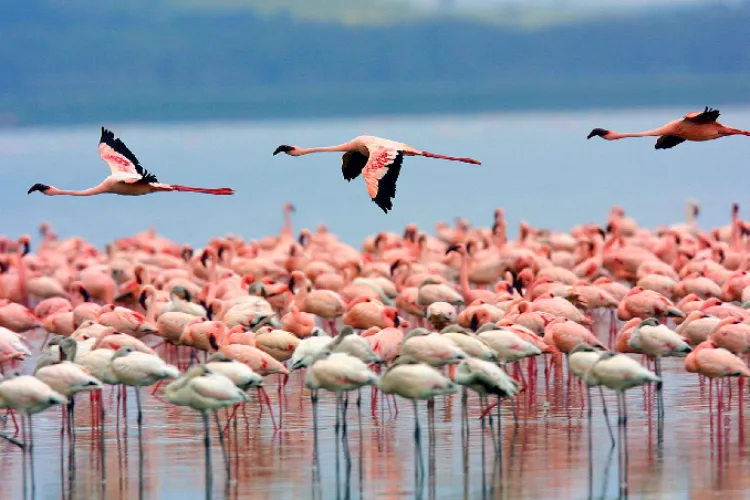
The central Rift Valley lakes are also ecologically significant. Lake Elementaita, Lake Nakuru and Lake Bogoria form part of an interconnected alkaline lake system that supports important bird populations and distinctive ecosystems. Their shallow waters, alkaline conditions and surrounding landscapes contribute to the unique character of the Kenyan Rift Valley.
The Great Rift Valley Viewpoint
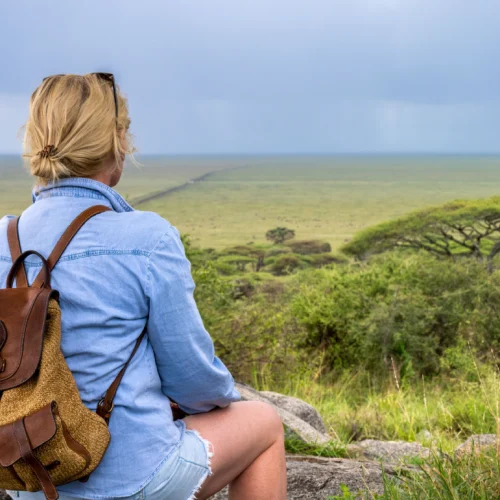
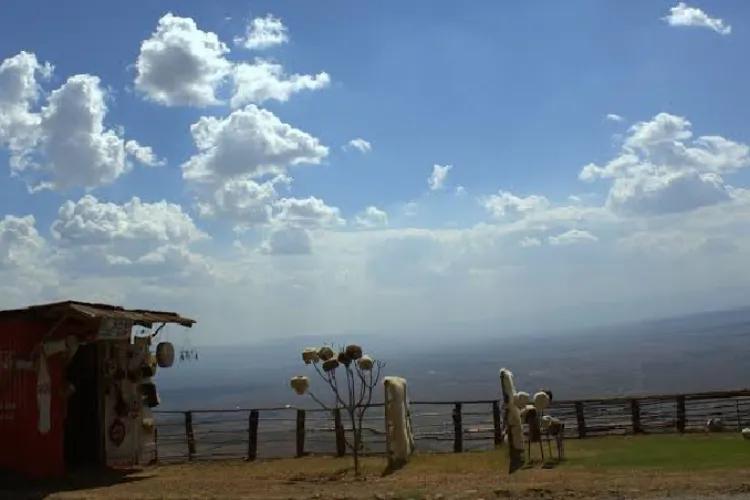
For many visitors traveling from Nairobi toward Naivasha and Nakuru, the first major introduction to the Great Rift Valley comes from one of the viewpoints along the escarpment. From these elevated locations, the valley opens dramatically below, revealing expansive plains, distant hills and volcanic landscapes.
The Great Rift Valley Viewpoint is an excellent place to stop for photographs and appreciate the scale of the geological landscape before continuing into the valley. However, travelers should not consider the viewpoint the main attraction. It is simply the beginning of a much larger journey through some of the most fascinating Great Rift Valley attractions in Kenya.
Best Places to Visit in the Great Rift Valley Kenya
There are many places to visit in the Great Rift Valley, and each offers a different experience. Some destinations are best for wildlife, others for hiking, birdwatching, boating, photography, geology or relaxation. The following destinations can be combined into different circuits depending on how much time you have.
Lake Naivasha
Lake Naivasha is one of the most popular destinations in the Great Rift Valley Kenya and one of the easiest Rift Valley destinations to reach from Nairobi. Unlike several of the alkaline lakes farther north, Lake Naivasha is a freshwater lake surrounded by acacia woodland, farmland, wildlife areas and dramatic escarpment scenery.
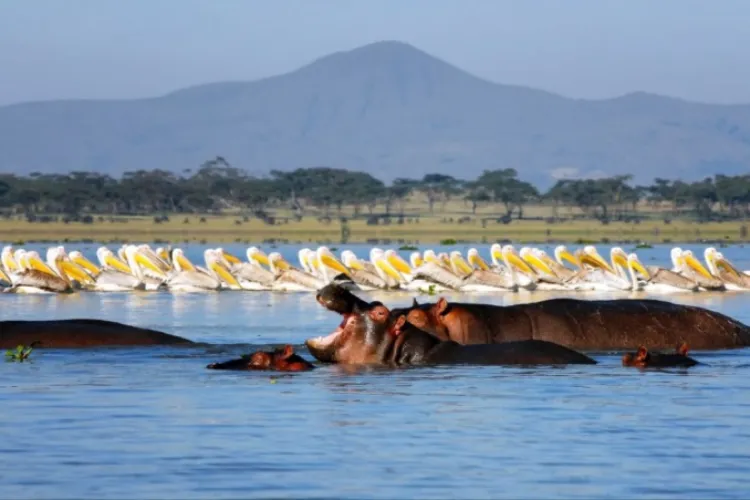
One of the best experiences around the lake is taking a boat ride across the water. Visitors can observe hippos in the lake, watch fish eagles and other waterbirds, and enjoy views of the surrounding landscape. The lake is also close to Hell’s Gate National Park and Mount Longonot, making it possible to combine relaxation with hiking and adventure.
Lake Naivasha is particularly suitable for families, couples, weekend travelers and travelers who want to add a few relaxing days to a longer Rift Valley Kenya safari.
Accommodation around the lake ranges from budget-friendly properties to luxury resorts. Popular options include Enashipai Resort & Spa, Lake Naivasha Sopa Resort, Lake Naivasha Country Club, Lake Naivasha Resort, Naivasha Simba Lodge, Great Rift Valley Lodge & Golf Resort, Chui Lodge, Kiangazi House, Naivasha Kongoni Lodge, Crater Lake Camp, Kiboko Luxury Camp, Sweet Lake Resort and Fina Gardens Resort Naivasha. These properties provide different experiences, from traditional safari accommodation and lakeside stays to luxury resort holidays.
Hell’s Gate National Park
Hell’s Gate National Park is one of the most unusual Great Rift Valley attractions because it offers a more active experience than many traditional Kenyan safari destinations. The park is known for its towering cliffs, deep gorges, volcanic formations and geothermal landscapes.
Wildlife in Hell’s Gate includes zebra, giraffe, buffalo, warthogs and several antelope species. However, the major attraction is the ability to explore parts of the park through activities such as cycling, walking and hiking where permitted. This makes Hell’s Gate particularly popular with adventure travelers and visitors who want to experience Kenya’s landscape away from a vehicle.
Because Hell’s Gate is close to Lake Naivasha, it is easy to combine the park with a boat ride, lakeside accommodation and other nearby attractions.
Mount Longonot National Park
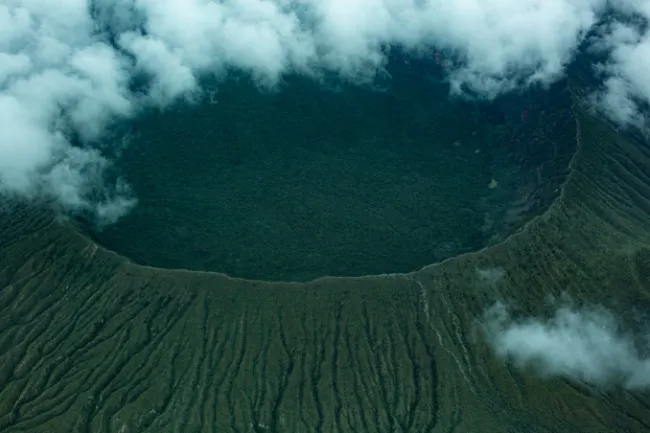
Mount Longonot National Park protects a spectacular dormant volcanic mountain rising above the Rift Valley floor. The mountain’s distinctive profile is one of the most recognizable landscapes along the Nairobi–Naivasha route.
The main activity is hiking Mount Longonot toward the crater rim. The climb can be demanding, particularly in the heat, but the views from higher sections provide an impressive perspective over the surrounding Rift Valley landscape.
For travelers looking for things to do in the Great Rift Valley, Mount Longonot is one of the strongest options for hiking and adventure. It can easily be combined with Lake Naivasha and Hell’s Gate to create a two- or three-day adventure-focused trip.
Lake Elementaita
Lake Elementaita is one of the most scenic destinations in the central Great Rift Valley Kenya. The shallow alkaline lake is surrounded by hills, open landscapes and conservation areas and is especially important for birdlife.
The lake forms part of the important Kenya Rift Valley lake system and provides habitat for numerous waterbirds. Its peaceful surroundings also make it an excellent destination for travelers who want to slow down after a busy safari.
Activities around Lake Elementaita include birdwatching, photography, nature walks, visiting nearby conservation areas and exploring attractions such as Kariandusi Archaeological Site. Its location between Naivasha and Nakuru also makes it a natural stop on a Great Rift Valley road trip.
Accommodation options include Lake Elementaita Mountain Lodge, Lake Elementaita Manor, Lake Elementaita Serena Camp, Jacaranda Lake Elementaita Lodge, Lake Elementaita Country Lodge, Sentrim Elementaita Lodge, Pelican Lodge and Lake Elementaita Nature Pebbles. These properties provide a mixture of safari-style accommodation, lakeside stays, lodges and more affordable options.
Soysambu Conservancy
Soysambu Conservancy lies around the Lake Elementaita area and provides an important conservation landscape within the Great Rift Valley. The conservancy demonstrates how wildlife protection can coexist with tourism, livestock activities and community interests.
Visitors can experience wildlife viewing, birdwatching, nature walks and conservation-oriented activities depending on the arrangements available. Soysambu is especially useful for travelers who want to experience a more private and conservation-focused side of Rift Valley Kenya rather than visiting only national parks.
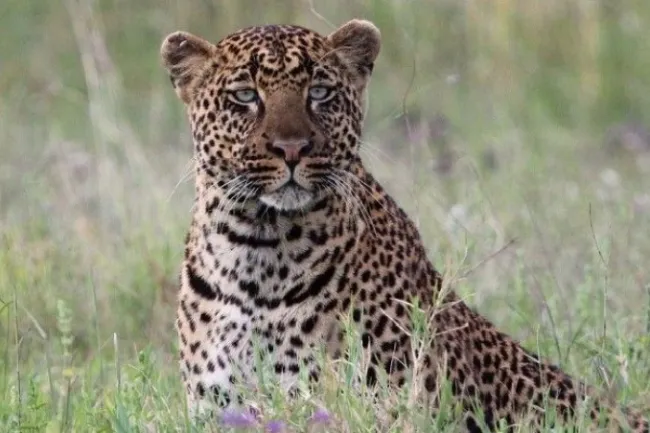
Lake Nakuru National Park
Lake Nakuru National Park is one of the most important wildlife destinations in the Great Rift Valley Kenya. The park surrounds Lake Nakuru and contains a combination of grasslands, woodlands, rocky areas and lake habitats.
The park is particularly well known for rhino conservation and provides opportunities to see wildlife including rhinoceros, buffalo, lion, leopard, giraffe, zebra, warthog, waterbuck and various antelope species.
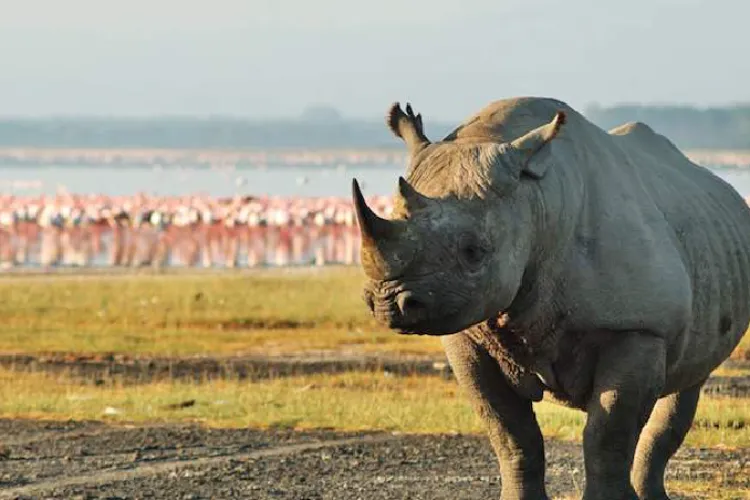
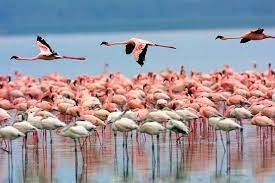
Lake Nakuru is also famous for birdlife, including flamingos, although the number of flamingos present can vary according to lake conditions and food availability. Travelers should therefore visit Lake Nakuru for its complete ecosystem and wildlife experience rather than expecting a particular number of flamingos on every visit.
The main activity is a game drive through Lake Nakuru National Park, complemented by photography, birdwatching and scenic viewpoints.
There are numerous accommodation options around the park and in Nakuru town. They include Sarova Lion Hill Game Lodge, Lake Nakuru Sopa Lodge, The Cliff Nakuru, Lake Nakuru Lodge, Sarova Woodlands Hotel & Spa, Hotel Waterbuck, The Alps Hotel, Maili Saba Camp, Deloraine House, Punda Milias Nakuru Camp and Legacy Hotel.
Nakuru City
Nakuru is an important urban center within the Rift Valley and is more than simply a gateway to Lake Nakuru National Park. The city provides restaurants, shopping, accommodation and transport connections, making it a practical base for travelers exploring several Great Rift Valley destinations.
From Nakuru, travelers can easily access Lake Nakuru National Park, Menengai Crater, Lake Elementaita and several attractions farther north. Staying in Nakuru can also be useful for budget travelers who prefer city hotels rather than safari lodges.
Menengai Crater
Menengai Crater is a spectacular volcanic feature located near Nakuru. The crater provides visitors with panoramic views and an opportunity to appreciate the volcanic forces that helped shape the Great Rift Valley.
The area is particularly interesting for travelers who enjoy geology, landscape photography and scenic viewpoints. It can easily be combined with a visit to Nakuru and Lake Nakuru National Park.
Lake Bogoria National Reserve
Further north, Lake Bogoria National Reserve offers one of the most distinctive landscapes in the Great Rift Valley Kenya. The lake is famous for its hot springs, geysers and geothermal activity, creating a landscape that looks very different from the surroundings of Lake Naivasha or Lake Baringo.
Lake Bogoria is also associated with large concentrations of flamingos and other birdlife when conditions are favorable. Its geothermal features and volcanic surroundings make it an excellent destination for photographers and nature enthusiasts.
Visitors can explore the reserve, view hot springs and geysers, observe birds and enjoy the dramatic Rift Valley landscape.
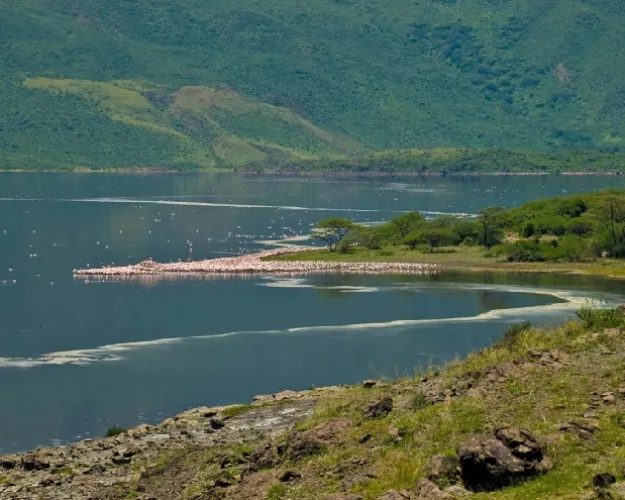
Accommodation is available at properties such as Lake Bogoria Spa Resort, while travelers can also stay around the wider Baringo region when combining Lake Bogoria with Lake Baringo.
Lake Baringo
Lake Baringo offers a very different experience from the alkaline lakes of the central Rift Valley. It is a freshwater lake and is particularly attractive to birdwatchers, photographers and travelers looking for a quieter destination.
Boat trips are among the main experiences, allowing visitors to explore the lake while observing birds, hippos and the surrounding scenery. The region also provides opportunities for cultural experiences and can be combined with Lake Bogoria and the northern Rift Valley.
Lake Baringo is an excellent destination for travelers who want to move beyond the more frequently visited Naivasha and Nakuru circuits.
Kerio Valley and Iten
The northern Great Rift Valley becomes increasingly dramatic around Kerio Valley, where steep escarpments and highland landscapes create some of the most impressive scenery in Kenya.
Kerio Valley is ideal for scenic drives, photography, hiking and cultural experiences. Nearby Iten is internationally famous as a center of Kenyan distance running and offers visitors an opportunity to experience the high-altitude sporting culture of the Rift Valley.
For travelers exploring beyond the traditional safari circuit, Kerio Valley and Iten can add an entirely different dimension to a Great Rift Valley tour.
Things to Do in the Great Rift Valley
The variety of things to do in the Great Rift Valley is one of the region’s greatest strengths. Travelers can begin with a boat ride on Lake Naivasha, where hippos and waterbirds are among the highlights, and then continue to Hell’s Gate for cycling, hiking and exploring volcanic scenery.
Hiking is another major attraction. Mount Longonot provides one of the region’s most rewarding climbs, while Hell’s Gate offers a more accessible combination of walking, cycling and scenic exploration.
Wildlife enthusiasts can enjoy game drives in Lake Nakuru National Park, while birdwatchers can explore the lakes of Naivasha, Elementaita, Nakuru, Bogoria and Baringo. Travelers interested in geology can visit Menengai Crater and Lake Bogoria’s geothermal features.
The Rift Valley is also excellent for photography. The combination of escarpments, volcanic mountains, lakes, wildlife, birds and changing landscapes provides opportunities for both landscape and wildlife photography.
Wildlife in the Great Rift Valley
The Great Rift Valley wildlife experience varies considerably between destinations. Lake Nakuru National Park provides some of the strongest opportunities for viewing rhinos and other large mammals, while Hell’s Gate offers encounters with giraffes, zebras, buffaloes and other wildlife in a more open and active environment.
Around Lake Naivasha, hippos and waterbirds are major attractions, while conservancies around Elementaita provide additional wildlife habitat.
This diversity means that a Rift Valley Kenya safari should not be viewed as one single safari ecosystem. Instead, it is a collection of different habitats that can be combined to create a varied Kenya travel experience.
Birdwatching in the Great Rift Valley
The Great Rift Valley Kenya is one of the country’s most rewarding regions for birdwatching because its lakes, wetlands, grasslands and forests create habitats for a remarkable variety of bird species.
Lake Nakuru, Lake Elementaita and Lake Bogoria are particularly famous for their birdlife, while Lake Naivasha and Lake Baringo provide excellent freshwater birdwatching environments.
Flamingos are among the most recognizable birds of the Rift Valley lakes, but travelers can also look for pelicans, fish eagles, herons, egrets, kingfishers and numerous other resident and migratory species.
Where to Stay in the Great Rift Valley
The Great Rift Valley Kenya has accommodation for almost every type of traveler. Luxury travelers can choose from high-end safari camps and resorts, while mid-range travelers have numerous lodges and hotels. Budget travelers can use city hotels, guesthouses, campsites and affordable lodges.
Around Naivasha, options include Enashipai Resort & Spa, Lake Naivasha Sopa Resort, Lake Naivasha Country Club, Lake Naivasha Resort, Naivasha Simba Lodge, Great Rift Valley Lodge & Golf Resort, Chui Lodge, Kiangazi House and Naivasha Kongoni Lodge.
Around Elementaita, travelers can consider Lake Elementaita Serena Camp, Lake Elementaita Mountain Lodge, Lake Elementaita Manor, Jacaranda Lake Elementaita Lodge, Lake Elementaita Country Lodge, Sentrim Elementaita Lodge and Pelican Lodge.
Around Nakuru, popular choices include Sarova Lion Hill Game Lodge, Lake Nakuru Sopa Lodge, The Cliff Nakuru, Lake Nakuru Lodge, Sarova Woodlands Hotel & Spa, Hotel Waterbuck, The Alps Hotel and Maili Saba Camp.
For travelers heading toward Bogoria, Lake Bogoria Spa Resort is one of the main accommodation options in the area, while travelers continuing toward Baringo can choose from accommodation around Lake Baringo and Marigat.
Because accommodation prices and availability change according to season and demand, travelers should confirm current rates before booking. Crystal Tours Kenya can also help travelers select accommodation that fits their preferred budget and travel style.
Luxury Travel in the Great Rift Valley
A luxury Great Rift Valley safari can combine premium accommodation, private transport, guided excursions and exclusive experiences. Properties such as Enashipai Resort & Spa, The Cliff Nakuru, Lake Elementaita Serena Camp and Chui Lodge provide different interpretations of high-end Rift Valley travel.
Luxury travel in the region works particularly well for honeymooners, couples, families and travelers who want to combine safari experiences with relaxation, spa treatments, scenic accommodation and private activities.
Budget Travel in the Great Rift Valley
The Great Rift Valley is also accessible to travelers working with smaller budgets. Nakuru and Naivasha have numerous affordable hotels, while camping and budget lodges can reduce accommodation costs.
Travelers can also build a shorter itinerary around destinations that are close together instead of attempting to cover the entire region. A two- or three-day Naivasha and Hell’s Gate trip, for example, can provide a rewarding Great Rift Valley tour without requiring a large budget.
Great Rift Valley Road Trips
A Great Rift Valley road trip is one of the best ways to experience the region because the landscape changes dramatically as you travel between destinations.
A popular route starts in Nairobi and descends through the escarpment toward Naivasha. From Naivasha, travelers can continue to Lake Elementaita and then Nakuru, combining Lake Naivasha, Hell’s Gate, Lake Elementaita, Soysambu and Lake Nakuru National Park.
Travelers with additional time can continue north from Nakuru toward Lake Bogoria and Lake Baringo. This route introduces geothermal landscapes, hot springs, birdwatching, freshwater lakes and dramatic northern Rift Valley scenery.
A longer journey can continue toward Kerio Valley and Iten, creating a much more comprehensive Great Rift Valley Kenya itinerary.
How Many Days Do You Need in the Great Rift Valley?
A one- or two-day trip is enough for travelers who want a quick Naivasha and Hell’s Gate escape from Nairobi. This option works particularly well for weekend travelers.
Three to four days provide enough time to combine Naivasha, Hell’s Gate, Lake Elementaita and Lake Nakuru. This is one of the most balanced short Great Rift Valley safari itineraries.
Five to seven days allow travelers to continue toward Lake Bogoria and Lake Baringo and experience a much wider section of the Rift Valley.
Travelers with eight days or more can add Kerio Valley, Iten, the Maasai Mara or other Kenyan destinations to create a larger Kenya safari circuit.
Best Time to Visit the Great Rift Valley
The best time to visit the Great Rift Valley is generally July, August and September. These months are particularly suitable for combining wildlife viewing, hiking, road travel, sightseeing and photography.
July is a good month for exploring Lake Nakuru, Lake Elementaita, Naivasha and Hell’s Gate, with generally favorable conditions for outdoor activities and road travel.
August is well suited to travelers combining wildlife, birdwatching and hiking. It is a good period for activities such as exploring Hell’s Gate and hiking Mount Longonot.
September continues to provide favorable conditions for a Great Rift Valley safari, photography and multi-destination road trips. It is particularly suitable for travelers planning to combine Naivasha, Elementaita, Nakuru and Bogoria.
Responsible Tourism in the Great Rift Valley
Responsible tourism is essential to protecting the natural environments that make the Great Rift Valley Kenya special. Travelers should avoid littering around lakes, wetlands, national parks and hiking trails and should always follow park regulations and guide instructions.
Wildlife should be observed from appropriate distances, while cultural experiences should be approached respectfully. Visitors can also contribute to conservation by supporting responsible lodges, community conservancies, locally owned businesses and tourism operators committed to protecting the environment.
The Rift Valley’s lakes and wetlands are particularly sensitive ecosystems, making responsible water use, waste management and conservation important for the long-term future of tourism in the region.
What to Pack for a Great Rift Valley Tour
Travelers planning a Great Rift Valley tour should pack comfortable clothing, walking shoes, a light jacket, sun protection, sunscreen, sunglasses, a hat, insect repellent and a reusable water bottle.
Binoculars are highly recommended for birdwatching, while a camera is useful for the region’s wildlife and dramatic landscapes. Travelers planning to hike Mount Longonot or spend considerable time walking should bring proper hiking footwear and a small daypack.
A waterproof jacket is also useful because weather can change, particularly in the higher areas of the Rift Valley.
Great Rift Valley for Different Types of Travelers
The Great Rift Valley is suitable for many different types of travelers. Families can enjoy Lake Naivasha, Hell’s Gate and selected wildlife destinations, while couples can combine lakeside accommodation with private excursions and scenic experiences.
Adventure travelers will find plenty to enjoy through Mount Longonot hiking, Hell’s Gate cycling and other outdoor activities. Birdwatchers can build an itinerary around the Rift Valley lakes, while wildlife enthusiasts can prioritize Lake Nakuru and nearby conservation areas.
Photographers will appreciate the combination of volcanic landscapes, lakes, wildlife, birds and escarpments. Budget travelers can focus on Naivasha and Nakuru, while luxury travelers can select high-end lodges and resorts.
Great Rift Valley Compared With Other Kenya Destinations
The Great Rift Valley Kenya offers a different travel experience from many of Kenya’s better-known safari destinations.
The Maasai Mara is particularly famous for big-game safari and the Great Migration, while Amboseli is renowned for elephants and views of Mount Kilimanjaro. Tsavo East is known for its expansive landscapes and red elephants, while Tsavo West combines wildlife with volcanic scenery, lava formations and Mzima Springs.
The Great Rift Valley, however, combines wildlife with lakes, hiking, geology, birdwatching, cultural experiences, road trips and relaxation. This makes it one of Kenya’s most versatile regions and an excellent complement to a traditional safari.
Planning Your Great Rift Valley Tour With Crystal Tours Kenya
A Great Rift Valley tour can be designed around a traveler’s interests and available time. A short trip can focus on Nairobi, Naivasha and Hell’s Gate, while a longer safari can connect Naivasha, Elementaita, Nakuru, Bogoria and Baringo.
Travelers who want a more adventurous journey can continue toward Kerio Valley and Iten, while those planning a wider Kenya safari can connect the Rift Valley with the Maasai Mara, Laikipia, Western Kenya or the coast.
Crystal Tours Kenya can customize a Great Rift Valley Kenya itinerary around your preferred accommodation, budget, activities and travel schedule. Whether you are planning a family holiday, romantic getaway, road trip, birdwatching adventure, hiking trip or full Kenya safari, the Rift Valley provides an exceptional starting point.
Frequently Asked Questions About the Great Rift Valley Kenya
What is the Great Rift Valley in Kenya?
The Great Rift Valley Kenya is part of the East African Rift System and is characterized by dramatic escarpments, volcanic formations, lakes, wildlife areas, highlands and diverse communities.
What are the best places to visit in the Great Rift Valley?
The best places to visit in the Great Rift Valley include Lake Naivasha, Hell’s Gate National Park, Mount Longonot, Lake Elementaita, Soysambu Conservancy, Lake Nakuru National Park, Lake Bogoria, Lake Baringo and Kerio Valley.
How many days do I need for a Great Rift Valley safari?
Three to four days are ideal for a central Rift Valley circuit covering Naivasha, Elementaita and Nakuru. Five to seven days allow travelers to continue toward Bogoria and Baringo.
Which is the best Rift Valley lake to visit?
Each lake offers a different experience. Lake Naivasha is excellent for boat trips and relaxation, Lake Nakuru for wildlife, Elementaita for birdwatching and scenery, Bogoria for geothermal attractions, and Baringo for freshwater experiences and birdlife.
Is the Great Rift Valley good for a safari?
Yes. Lake Nakuru National Park and several conservation areas provide excellent wildlife experiences, while the Rift Valley lakes add birdwatching, scenery and other activities to the safari.
What is the best time to visit the Great Rift Valley?
July, August and September are among the best months for exploring the Great Rift Valley because they generally provide favorable conditions for wildlife viewing, hiking, road trips and outdoor activities.
Can I visit the Great Rift Valley from Nairobi?
Yes. Naivasha is one of the easiest Rift Valley destinations to reach from Nairobi, and travelers can continue north toward Elementaita, Nakuru, Bogoria and Baringo.
Can I combine the Great Rift Valley with the Maasai Mara?
Yes. The Rift Valley can be incorporated into a broader Kenya safari connecting destinations such as Naivasha, Nakuru and the Maasai Mara.
Is the Great Rift Valley suitable for families?
Yes. Destinations such as Lake Naivasha, Hell’s Gate and Lake Nakuru can work well for families, although more demanding activities such as Mount Longonot hiking should be planned according to the fitness and age of participants.
Is the Great Rift Valley expensive?
The region can accommodate different budgets. Travelers can choose from campsites and affordable hotels to mid-range lodges and luxury safari properties.
Final Thoughts
The Great Rift Valley Kenya is far more than a scenic landscape viewed from the roadside. It is an extensive travel region where lakes, wildlife, volcanoes, escarpments, conservation areas, communities and adventure experiences come together.
From the peaceful waters of Lake Naivasha and the dramatic cliffs of Hell’s Gate National Park, to the bird-rich environment of Lake Elementaita, wildlife of Lake Nakuru National Park, geothermal attractions of Lake Bogoria, freshwater scenery of Lake Baringo and dramatic landscapes of Kerio Valley, there is an impressive variety of Great Rift Valley attractions to explore.
For travelers searching for the best places to visit in the Great Rift Valley, the answer is not necessarily one destination. The real appeal lies in combining several destinations into a carefully planned journey.
With Crystal Tours Kenya, travelers can create a personalized Great Rift Valley tour, road trip or safari that connects the destinations, activities and accommodation styles that best suit their interests.