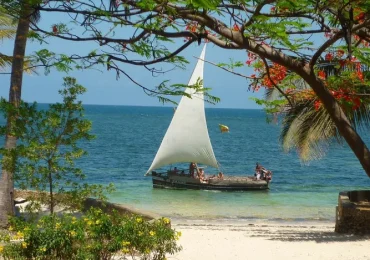
The Ultimate & Unforgettable Lamu Kenya Travel Guide: Lamu is one of Kenya’s most distinctive coastal destinations, offering a combination of ancient Swahili culture, historic architecture, beautiful beaches, traditional dhows, island life and a remarkably relaxed atmosphere. Unlike many modern beach destinations, Lamu has retained much of its historic character, with narrow streets, carved wooden doors, coral-stone buildings and a strong connection to Swahili and Islamic traditions.
At the centre of the destination is Lamu Old Town, a UNESCO World Heritage Site and one of the oldest and best-preserved Swahili settlements in East Africa. UNESCO notes that the town has remained continuously inhabited for more than 700 years and that its architecture reflects centuries of interaction between African, Arab, Persian, Indian and European cultures.
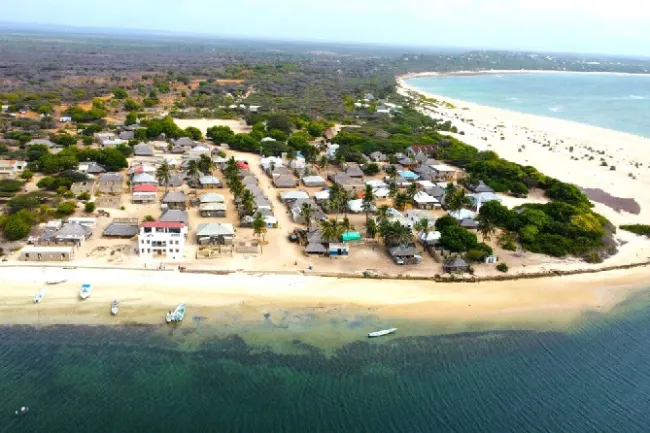
A trip to Lamu can therefore be much more than a beach holiday. Travellers can walk through historic streets, visit museums and forts, explore Shela Village, sail on traditional dhows, discover ancient ruins on Manda Island, relax on quiet beaches, experience Swahili cuisine and explore the wider islands of the Lamu Archipelago. With Crystal Tours Kenya, visitors can build a Lamu experience around history, culture, beaches, relaxation, marine activities or a combination of all four.
Lamu Kenya Travel Guide: History, Culture and the Character of the Island
Lamu’s history is deeply connected to the development of Swahili civilization and Indian Ocean trade. The town grew as an important trading and cultural centre, with commercial and cultural links extending across the East African coast, Arabia, Persia and India. These influences can still be seen in the architecture, religion, food, language and traditions of the destination.
The most remarkable part of the historic town is Lamu Old Town. Its narrow winding streets were designed around the traditional Swahili urban environment, with coral stone walls, mangrove timber, internal courtyards, verandas and elaborately carved doors. UNESCO recognizes the town as the oldest and best-preserved Swahili settlement in East Africa and inscribed it onto the World Heritage List in 2001.
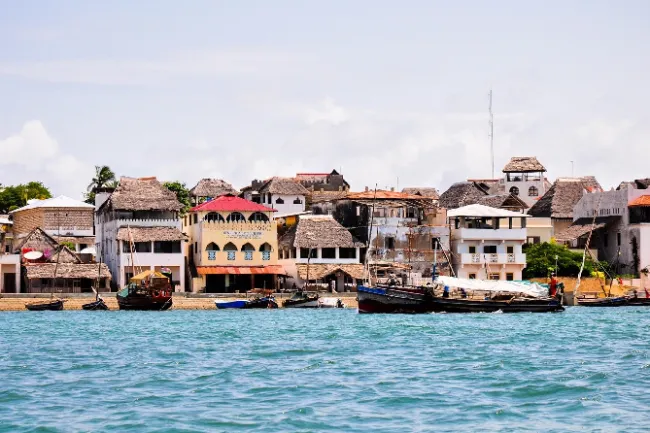
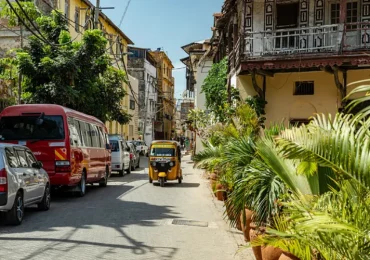
Walking through Lamu Old Town is one of the best ways to understand the destination. Rather than experiencing the town as a collection of isolated attractions, visitors can simply walk through its streets and observe the traditional architecture, markets, mosques, waterfront buildings, shops and everyday life. The absence of conventional vehicle traffic in much of the historic island environment makes the experience particularly distinctive.
The culture of Lamu is also strongly connected to Islam and Swahili traditions. UNESCO identifies Lamu as an important centre for Islamic and Swahili cultural learning and notes the continuing significance of religious and cultural festivals such as Maulidi.
Best Places to Visit in Lamu
Lamu Old Town should be the starting point for almost every first visit. The town contains centuries of history within a relatively compact area, making it ideal for walking tours. Visitors can explore the waterfront, old houses, traditional shops and historic streets while learning about the development of Swahili society.
The Lamu Museum is one of the most useful places for understanding that history. The National Museums of Kenya describes it as the flagship museum among the museums located in Lamu Old Town, with collections covering Swahili cultural heritage, clothing, jewellery, furniture, manuscripts, musical instruments, maritime and dhow traditions, archaeological discoveries and household objects.
Lamu Fort is another important historical landmark. Located within the Old Town, the fort has played different roles throughout Lamu’s history and now forms part of the town’s heritage experience. Its location also makes it convenient to combine with a walking tour of the surrounding streets and market areas.
The Lamu German Post Office Museum provides another glimpse into the island’s more recent history. Together with the Lamu Museum, Lamu Fort and other heritage buildings, it helps demonstrate how many layers of history exist within the relatively small Old Town.
Shela Village provides a contrasting experience. Located south of Lamu Old Town, Shela is known for its traditional Swahili houses, quieter atmosphere, sandy paths and proximity to the beach. The village is an excellent place to slow down and experience another side of island life.
Shela Beach stretches along the southern part of Lamu Island and is one of the destination’s most attractive areas for swimming, walking and relaxation. The beach is particularly appealing to travellers who want a quieter coastal experience away from busy urban environments.
Lamu Kenya Travel Guide: Islands, Ruins and Coastal Adventures
The wider Lamu Archipelago adds another layer to the destination. Lamu Island is only one part of an island environment that includes Manda Island, Pate Island, Kiwayu and other smaller islands and coastal settlements.
Manda Island is particularly important for travellers interested in history. The island is home to the Takwa Ruins, the remains of a Swahili trading settlement that flourished during the fifteenth and sixteenth centuries before being abandoned in the seventeenth century. The National Museums of Kenya identifies the site’s Friday Mosque and other remains as important features of the archaeological landscape.
A visit to Takwa Ruins is normally reached by boat from Lamu Town and can be combined with a dhow excursion. The journey itself becomes part of the experience because visitors travel through the archipelago before arriving at the archaeological site. The ruins were gazetted as a National Monument in 1982.
Pate Island provides another opportunity to explore the historical and cultural depth of the archipelago. The island contains old Swahili settlements and heritage sites, including Siyu, while the wider region retains strong traditional cultural connections. KWS conservation planning documents identify Pate, Takwa and Siyu Fort among the area’s historical and cultural attractions.
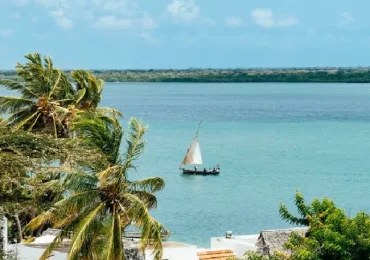
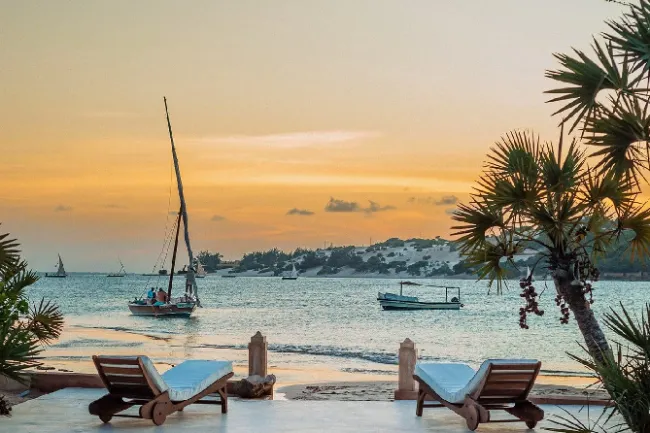
For travellers who want to spend more time on the water, a Lamu dhow safari is one of the destination’s signature experiences. Traditional sailing boats can be used for sunset cruises, island excursions, fishing trips and journeys through the surrounding archipelago.
Things to Do in Lamu
One of the best activities in Lamu is simply taking a walking tour of Lamu Old Town. The historic streets are compact enough to explore on foot, and walking allows visitors to notice architectural details that can easily be missed from a vehicle.
A guided tour is particularly valuable because many of the buildings and traditions have historical significance that is not immediately obvious. Guides can explain the meaning of carved doors, the development of Swahili architecture, local traditions and the role of Lamu as an Indian Ocean trading centre.
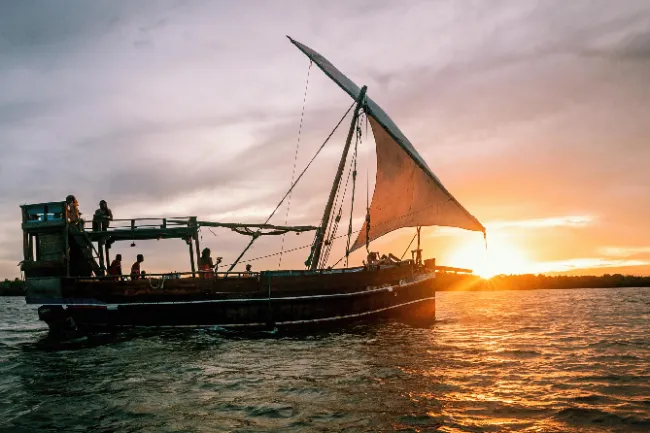
A dhow cruise is another essential experience. Dhows have been associated with Indian Ocean trade and coastal culture for centuries, and sailing around the Lamu Archipelago provides a completely different perspective of the islands. Sunset cruises are particularly popular, while longer excursions can include beaches, snorkeling, fishing or visits to neighbouring islands.
Travellers can also enjoy snorkeling and swimming in suitable coastal areas. The surrounding waters offer opportunities to see tropical marine life, although activities should always be undertaken with reputable operators and according to sea and weather conditions.
Fishing in Lamu can range from traditional local fishing experiences to organized sport-fishing excursions. The archipelago’s marine environment provides a variety of opportunities for visitors interested in spending time on the water.
For a more relaxed experience, spending a day at Shela Beach can be enough. The long sandy coastline is suitable for walking, swimming, sunbathing and enjoying the quieter side of Lamu.
Cultural experiences are another major part of the destination. Visitors can explore traditional Swahili food, architecture, local crafts, dhow-building traditions and community life. The best experiences are those that allow travellers to engage respectfully with local residents rather than simply treating the community as a tourist attraction.
Lamu Beaches and Island Life
Lamu’s beaches are among the reasons travellers choose the destination for longer stays. Shela Beach is the best-known beach directly associated with Lamu Island and provides a long stretch of sand between the village and the open Indian Ocean.
The beach environment is considerably quieter than the heavily developed beach areas found in some other parts of Kenya’s coast. This makes Lamu particularly attractive to travellers who prefer walking, swimming, reading, sailing and slow-paced holidays rather than large resort complexes.
The islands around Lamu also provide opportunities for more secluded coastal experiences. Depending on the itinerary, travellers can take boats to nearby islands and beaches, combining swimming with snorkeling, fishing or a traditional seafood lunch.
The key to enjoying Lamu’s beaches is not trying to rush through them. The destination works particularly well for travellers who want to slow down and spend several hours simply enjoying the coast.
Lamu Marine and Wildlife Experiences
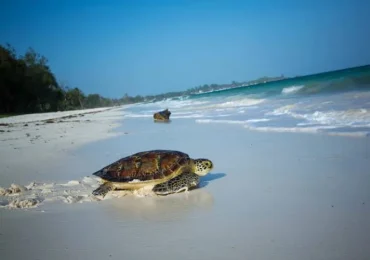
The waters around the Lamu Archipelago support a variety of marine life and coastal ecosystems. Travellers may encounter dolphins, sea turtles, reef fish and other marine species depending on the location and season.

Further north, the Kiunga Marine National Reserve forms part of the broader northern coastal conservation landscape. KWS identifies pristine coral reef ecosystems, sea turtles, dugongs and exceptional birdlife among its features. Access to Kiunga can involve travelling by boat from the Lamu area.
For visitors whose main interest is marine conservation, these ecosystems provide an opportunity to understand why responsible tourism is so important along the northern Kenyan coast.
Visitors should avoid touching coral, chasing marine animals, removing shells or other marine life and leaving plastic waste behind. Using responsible boat operators is also important, particularly when visiting sensitive marine habitats.
Food to Try in Lamu
Food is an important part of the Lamu experience, particularly for travellers interested in Swahili culture. The cuisine reflects centuries of interaction between African, Arab, Indian and Persian communities.
Visitors should try Swahili biryani, pilau, grilled fish, seafood curries, samosas, bhajias and coconut-based dishes. Fresh seafood is naturally an important part of the island’s food culture, with fish, prawns, crab and other seafood appearing in many restaurants.
Mahamri is another coastal favourite worth trying, particularly with tea. Coconut, cardamom and other spices feature prominently in many local dishes, giving Lamu cuisine a distinctive flavour.
Eating in Lamu can also be part of the cultural experience. Rather than limiting meals to hotel restaurants, travellers can explore local establishments and ask guides or residents about traditional dishes and where they are commonly prepared.
Where to Stay in Lamu
Accommodation in Lamu ranges from historic boutique properties and luxury resorts to guesthouses, villas and more affordable stays. The most important decision is whether you want to stay in Lamu Old Town, Shela, or across the water on Manda Island.
For a luxury experience, options include The Majlis Resort, Peponi Hotel, Kizingo and other high-end island properties. These types of accommodation are particularly suitable for travellers looking for privacy, beach access, excellent dining and a slower-paced holiday.
Peponi Hotel in Shela is especially associated with the destination’s long-standing boutique hospitality tradition and provides convenient access to both the village and beach.
For mid-range travellers, Lamu and Shela have a selection of boutique hotels, guesthouses and villas that provide comfortable accommodation without necessarily carrying the price of the largest luxury properties.
Budget travellers can find guesthouses and smaller locally operated accommodation around Lamu Old Town and nearby areas. These options can be useful for travellers whose priority is exploring the destination rather than spending most of their time at the hotel.
Shela is particularly attractive for visitors seeking a peaceful holiday atmosphere, while Lamu Old Town is more suitable for travellers whose priority is culture, history and easy access to the town’s heritage attractions.
Best Time to Visit Lamu
For a beach-focused Lamu holiday, January and February are excellent months to consider because of their generally warm and dry conditions, making them suitable for beach activities, walking tours and dhow excursions.
August and September can also be attractive for travellers who want warm coastal conditions while exploring the islands and cultural attractions. As always, sea conditions and weather can affect boat excursions, so travellers planning dhow trips should retain some flexibility in their itinerary.
How to Get to Lamu
Lamu is most conveniently accessed by air. Flights can reach Manda Airport, located on neighbouring Manda Island, after which travellers continue by boat to Lamu Island or their accommodation.
KWS also describes Manda airstrip as an access point for the northern coastal conservation areas, with visitors connecting onward by sea.
Road travel is possible but involves a longer journey followed by a boat transfer. This makes flying particularly convenient for travellers who want to maximize their time in Lamu.
One of the interesting characteristics of Lamu Island is that conventional vehicle traffic is extremely limited within the historic environment. Walking and boats are therefore central to getting around, while donkeys remain an important traditional form of transport. Kenya’s tourism information similarly describes Lamu as an island where the winding streets are best explored on foot and where dhows provide connections between Lamu Town, Shela and surrounding islands.
How Many Days Do You Need in Lamu?
A two-day visit can provide an introduction to Lamu Old Town, Shela and the beaches, but it may feel rushed if you want to explore the wider archipelago.
Three to four days is a more comfortable amount of time for most travellers. This allows time for Old Town, the museums, Shela Beach, a dhow cruise and at least one excursion to places such as Takwa.
Five days or more works particularly well for travellers who want a slower holiday involving several boat excursions, beach days, cultural experiences and plenty of time to explore without rushing.
Lamu Travel Costs
The cost of visiting Lamu varies considerably depending on accommodation and the type of activities chosen. Luxury beachfront properties and private villas can make the destination relatively expensive, particularly when private boat transfers and exclusive excursions are included.
Mid-range travellers can control costs by choosing boutique hotels or guesthouses and joining shared dhow excursions rather than booking private boats.
Budget travellers can stay in smaller guesthouses, eat at local restaurants and use shared transport and boat services where available. However, travellers should remember that many experiences in Lamu involve boats, meaning transfers and excursions can form a noticeable part of the overall budget.
Responsible Tourism in Lamu
Responsible tourism is particularly important in Lamu because the destination’s greatest attractions are closely connected to its cultural heritage, traditional architecture and marine environment.
Lamu Old Town is a UNESCO World Heritage Site, and UNESCO notes that its authenticity can be vulnerable to inappropriate development and inadequate infrastructure. Visitors should therefore respect historic buildings, avoid damaging architectural features and follow local guidance when photographing homes and residents.
The marine environment also requires careful treatment. Travellers should avoid damaging coral, disturbing turtles and other marine animals, or leaving plastic waste on beaches.
Supporting locally owned accommodation, restaurants, guides, boat operators and craft businesses can help ensure that tourism contributes directly to the communities that maintain Lamu’s cultural landscape.
Respect for local customs is equally important. Lamu has a strong Islamic and Swahili cultural identity, so visitors should dress respectfully when moving through traditional neighbourhoods and religious areas.
Lamu Travel Tips for First-Time Visitors
First-time visitors should expect Lamu to operate at a slower pace than many conventional tourist destinations. Boat transfers, walking and local schedules are part of the experience rather than inconveniences to be avoided.
Comfortable walking shoes or sandals are useful because much of Lamu Old Town is explored on foot. Lightweight clothing, sunscreen, sunglasses, insect repellent and a reusable water bottle are also practical.
Visitors should carry some cash because smaller businesses may not always offer the same payment options as large hotels. It is also worth confirming boat transfer arrangements before arrival, particularly if travelling with significant luggage.
Photography should be approached respectfully. Lamu is a living community rather than an open-air museum, and visitors should ask permission before photographing people closely, particularly in residential or religious settings.
Planning Your Lamu Holiday with Crystal Tours Kenya
Lamu works especially well for travellers looking for a destination built around history, culture, beaches and slow travel. A well-planned itinerary can combine Lamu Old Town with Shela, dhow sailing, Takwa Ruins, traditional food and several days of beach relaxation.
Crystal Tours Kenya can help organize flights, boat transfers, accommodation, guided heritage tours, dhow excursions and customized Lamu itineraries based on your preferred travel style.
Whether the goal is a romantic island escape, cultural holiday, family trip, beach break or a longer exploration of the Lamu Archipelago, the destination offers enough variety to build a memorable Kenya coastal experience.
Frequently Asked Questions About Lamu
Is Lamu worth visiting?
Lamu offers a combination of UNESCO-listed heritage, Swahili culture, beaches, traditional dhows, island landscapes and marine experiences, making it a distinctive coastal destination.
What is Lamu famous for?
Lamu is particularly famous for Lamu Old Town, Swahili architecture, traditional dhow culture, Shela Beach, Swahili cuisine and its long history as an Indian Ocean trading centre.
How many days should I spend in Lamu?
Three to four days is a good starting point for most visitors, while five or more days allows a much slower experience with additional island excursions and beach time.
What are the best things to do in Lamu?
Popular experiences include exploring Lamu Old Town, visiting Lamu Museum and Lamu Fort, walking around Shela, relaxing on Shela Beach, taking dhow cruises and visiting Takwa Ruins.
Can you visit Takwa Ruins from Lamu?
Yes. Takwa Ruins are located on Manda Island and are accessible by boat from Lamu Town. The National Museums of Kenya describes the ruins as the remains of a fifteenth- and sixteenth-century Swahili trading town.
Is Lamu suitable for a honeymoon?
Lamu can work particularly well for couples seeking a slower, quieter coastal experience, with boutique accommodation, beaches, dhow cruises, seafood and historic surroundings.
How do you get around Lamu?
Lamu Old Town and Shela are largely explored on foot, while boats and dhows connect the islands and coastal areas. The traditional lack of conventional vehicle traffic is one of the distinctive characteristics of the destination.