The Ultimate & Unforgettable Kilifi Kenya Travel Guide: Kilifi is one of Kenya’s most attractive coastal destinations for travellers looking for a combination of beautiful beaches, calm waters, historic sites, local culture and a more relaxed atmosphere. Located along the Kenyan coast between Mombasa and Watamu, Kilifi has developed into a destination in its own right, known particularly for Kilifi Creek, white-sand beaches, water sports, dhow experiences and historic Swahili heritage.
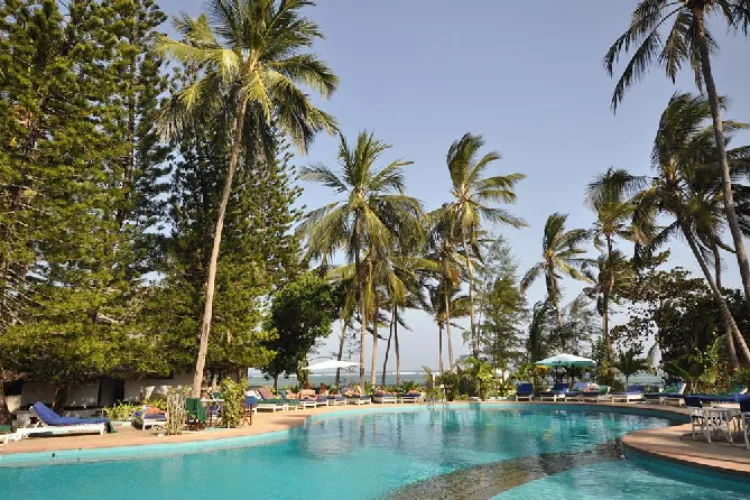
The destination offers a different atmosphere from the larger coastal resorts. Instead of focusing entirely on large beachfront hotels, Kilifi combines small boutique properties, beach resorts, villas, restaurants, local communities and outdoor experiences. This makes it suitable for couples, families, adventure travellers, groups and visitors looking for a slower coastal escape.
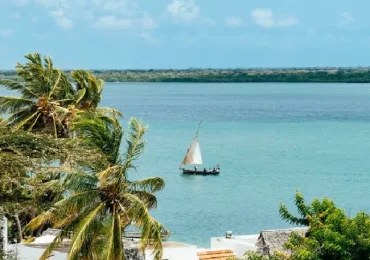
One of the defining features of the area is Kilifi Creek, a large tidal inlet surrounded by mangroves, beaches and coastal vegetation. The creek provides opportunities for kayaking, paddleboarding, sailing, fishing and boat excursions, while the surrounding coastline offers excellent opportunities for swimming, relaxation and water sports.
For travellers planning a coastal itinerary, Crystal Tours Kenya can organize Kilifi as a dedicated beach holiday or include it within a wider Kenya coastal journey, depending on the traveller’s interests, budget and available time.
Kilifi Kenya Travel Guide: Why Visit Kilifi?
The biggest attraction of Kilifi is the combination of beaches, creek landscapes, water activities and coastal culture. The destination has enough activities for adventurous travellers while also providing plenty of opportunities to simply relax by the ocean.
Kilifi Creek is at the centre of many experiences. Its relatively sheltered waters make it suitable for activities such as kayaking, stand-up paddleboarding and sailing. The surrounding landscape is also attractive for photography, especially around sunrise and sunset.
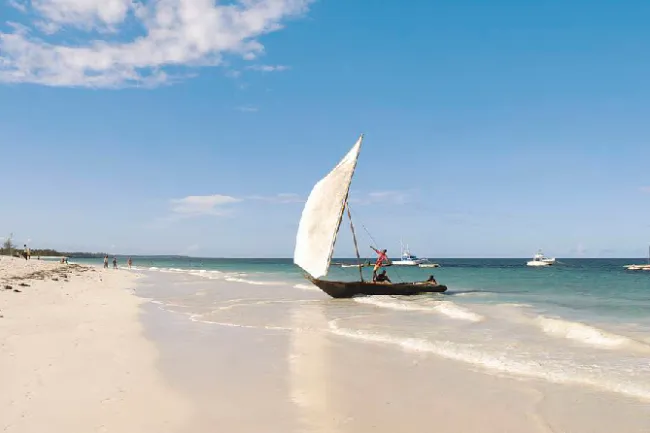
Bofa Beach is one of Kilifi’s best-known beaches. It provides long stretches of sand and a relatively peaceful environment compared with some of the busier coastal resorts. Visitors can swim, walk along the shoreline, relax under the sun or simply enjoy the Indian Ocean scenery.
Kilifi also has a strong historical connection to the Swahili coast. Mnarani Ruins provide an opportunity to explore archaeological remains associated with an earlier Swahili settlement, while the wider Kilifi area contains traditional villages, historic sites and communities whose culture remains connected to the coast.
The destination is also known for its relaxed creative and social atmosphere. Restaurants, boutique accommodation, beach establishments and outdoor experiences have helped establish Kilifi as a popular destination for travellers looking for something less conventional than a large resort holiday.
Best Places to Visit in Kilifi
Kilifi Creek should be one of the first places on your itinerary. The creek extends inland from the Indian Ocean and creates a scenic environment of mangroves, tidal channels, beaches and coastal vegetation. Visitors can explore it by kayak, paddleboard, sailing boat or traditional dhow.
Bofa Beach is another major attraction. The beach is particularly suitable for travellers who want a quieter coastal experience. Long walks along the sand, swimming, sunbathing and watching the sunset are among the simplest ways to enjoy the area.
Mnarani Ruins are important for visitors interested in history and archaeology. The site contains the remains of a historic Swahili settlement, including mosque structures and tombs. Visiting the ruins provides a useful connection between modern Kilifi and the centuries of Swahili civilization that developed along the East African coast.
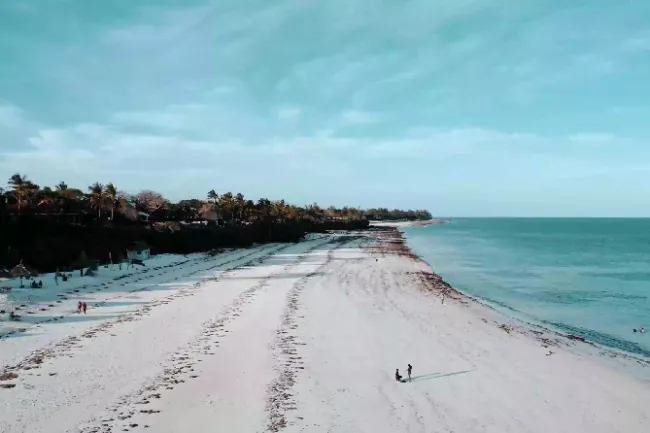
Mnarani Beach offers another coastal setting close to the creek and historic area. Its location makes it convenient to combine with a visit to the ruins and other nearby attractions.
Takaungu provides another glimpse into the traditional coastal environment. The historic settlement lies north of Kilifi and is associated with Swahili culture, traditional architecture and the coastal trading history of the region. It is particularly interesting for travellers who want to explore beyond conventional beach tourism.
The Kilifi Bridge and surrounding creek viewpoints also provide attractive places for photography. The bridge crosses the creek and gives visitors an opportunity to appreciate the scale of the waterway and surrounding landscape.
Kilifi Kenya Travel Guide: Beaches, Creek and Water Activities
Kilifi’s coastline provides opportunities for both relaxation and adventure. Bofa Beach is particularly popular for swimming, beach walks and relaxing beside the Indian Ocean.
The sheltered waters of Kilifi Creek create excellent conditions for kayaking and paddleboarding. These activities allow visitors to explore the creek at a slower pace while enjoying the mangroves, tidal waters and surrounding landscape.
Sailing in Kilifi is another popular experience. Visitors can arrange sailing excursions around the creek and nearby coastline, with sunset sailing being particularly attractive for couples and photographers.
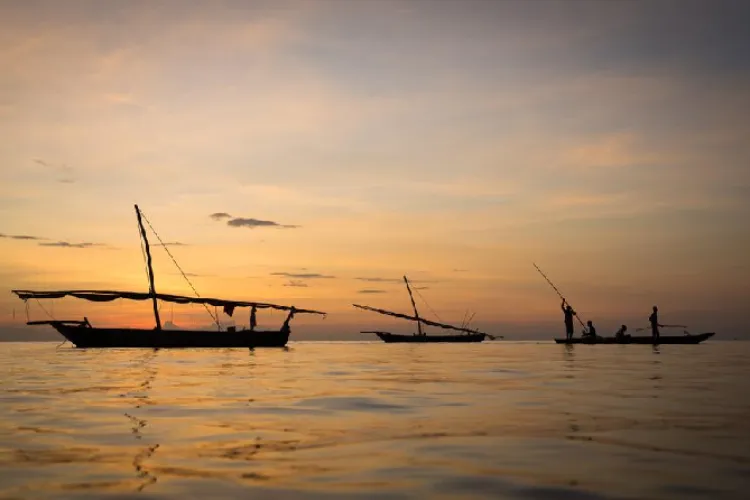
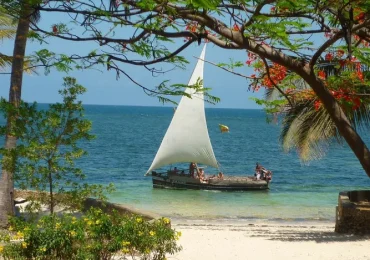
Traditional dhow trips provide a more cultural way of experiencing the water. Dhows have been an important part of coastal life for centuries, and sailing on one provides an opportunity to appreciate the maritime traditions of the Swahili coast.
Fishing is another activity available around Kilifi Creek and the wider coastal waters. Depending on the operator, travellers can participate in local fishing experiences or arrange more specialized fishing trips.
For visitors interested in marine life, snorkeling and other water-based activities can also be arranged when conditions are suitable. The exact activities available depend on the season, tides and local operators.
Things to Do in Kilifi
There are plenty of things to do in Kilifi beyond spending the day on the beach. A creek excursion can form the centre of an active itinerary, particularly for visitors interested in kayaking, sailing or paddleboarding.
Exploring Mnarani Ruins is one of the best cultural activities. The archaeological site provides insight into the history of coastal settlements and can be combined with nearby beaches and creek viewpoints.
A visit to Takaungu provides another cultural experience. Travellers can explore the settlement, observe traditional coastal architecture and learn about local life away from the major tourism centres.
Beach lovers can spend an entire day at Bofa Beach, combining swimming with long walks and relaxation. Because Kilifi has a relatively relaxed atmosphere, the destination works particularly well for travellers who do not want a packed itinerary.
Sunset experiences are another highlight. The creek and ocean provide excellent settings for watching the sun disappear over the water, particularly from a boat or one of the area’s beachfront properties.
Cycling and nature walks can also be incorporated into a Kilifi itinerary, especially around quieter rural and coastal areas. These experiences provide a different perspective of the landscape and can be arranged through local operators.
Kilifi Beaches
Bofa Beach is the best-known beach associated with Kilifi and is a major reason visitors choose the destination. The coastline combines soft sand, warm Indian Ocean water and relatively undeveloped sections that allow travellers to enjoy a quieter beach environment.
Mnarani Beach provides another option closer to Kilifi Creek and the historic attractions. Its location makes it particularly useful for travellers who want to combine sightseeing with beach time.
The coastline around Kilifi also includes smaller and less-developed stretches of beach. These can be ideal for travellers seeking privacy, photography or peaceful walks.
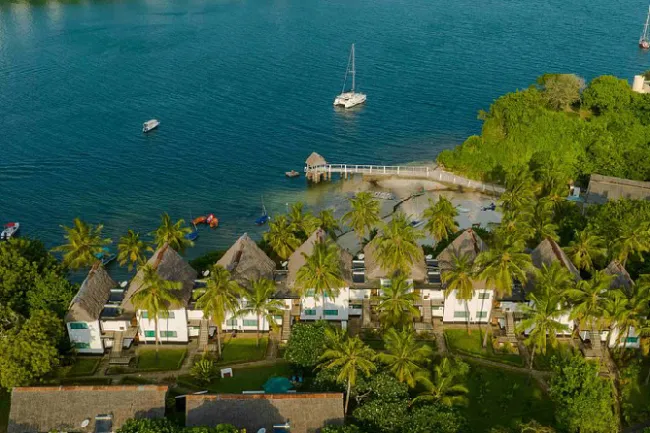
Beach conditions vary according to tides and weather, so visitors should follow local advice when swimming or participating in water sports.
Kilifi Culture and History
Kilifi forms part of the wider Swahili cultural landscape of the Kenyan coast. The region’s history has been influenced by centuries of Indian Ocean trade, with African, Arab, Persian and Indian connections shaping coastal architecture, food and traditions.
The Mnarani Ruins are particularly important because they provide physical evidence of earlier Swahili settlement. The remains include mosques, tombs and other structures associated with the historic community.
Modern Kilifi retains strong connections to traditional coastal life. Visitors can experience Swahili food, local markets, fishing traditions, crafts and community life while exploring the area.
Responsible cultural tourism is important. Travellers should respect local customs, ask permission before photographing people and use local guides where appropriate.
Where to Stay in Kilifi
Kilifi has accommodation ranging from boutique beach properties and luxury resorts to mid-range hotels, villas and budget guesthouses. Your choice should depend on whether you prefer to stay directly beside the beach, near Kilifi Creek or closer to Kilifi town.

For a luxury coastal experience, Vipingo Ridge offers high-end accommodation and a golf-oriented coastal setting north of Kilifi. Travellers should note that it is a wider Kilifi coastal-area experience rather than being in central Kilifi town.
Kilifi Bay Beach Resort is another established beachfront option, offering direct access to the coast and a resort-style environment.
For boutique and mid-range travellers, Mnarani Beach Club is located close to Kilifi Creek and provides a convenient base for exploring the creek, beach and nearby attractions.
There are also smaller boutique properties, villas and guesthouses around Kilifi that can be suitable for travellers looking for more privacy or self-catering options.
Budget travellers can find simpler guesthouses and affordable accommodation in and around Kilifi town. These properties can be particularly practical for travellers who plan to spend most of their days exploring the beaches and creek.
For couples and travellers seeking a quieter atmosphere, staying around the creek or in a beachfront boutique property can provide a more relaxed experience. Families may prefer accommodation with swimming pools, larger rooms and easy beach access.
Food to Try in Kilifi
Kilifi’s food reflects the wider traditions of Swahili cuisine, with seafood, coconut, spices and rice featuring prominently.
.

Fresh fish is one of the obvious choices. Depending on the restaurant and season, visitors can find grilled fish, prawns, crab and other seafood prepared with coastal spices
Travellers should also try dishes such as pilau, biryani, samosas, bhajia, mahamri and coconut-based curries. These foods reflect the centuries of cultural exchange that have shaped Kenya’s coast.

For a more local experience, visitors can explore small restaurants and food establishments around Kilifi town rather than relying exclusively on resort restaurants.
Best Time to Visit Kilifi
For a Kilifi beach holiday, January and February are among the best months to consider. Warm conditions generally make this period suitable for swimming, beach activities, sailing and exploring the creek.
August and September are another useful period for travellers looking for a combination of beach relaxation and outdoor activities.
Because Kilifi’s marine activities depend on wind, tides and sea conditions, travellers should keep some flexibility in their schedules, particularly when planning sailing, kayaking and boat excursions.
How to Get to Kilifi
Kilifi is located between Mombasa and Watamu and is accessible by road from both directions. Travellers coming from Nairobi can drive directly to Kilifi, while those arriving by air can fly to Moi International Airport in Mombasa and continue north by road.
The journey from Mombasa makes Kilifi relatively easy to incorporate into a coastal itinerary. Travellers can also connect from Watamu or other nearby destinations by road.
Private transfers are particularly convenient for visitors travelling with luggage or groups. Public transport and shared vehicles provide more affordable alternatives.
Once in Kilifi, tuk-tuks, taxis and other local transport options can be used for shorter journeys. For excursions to beaches and attractions outside the town centre, arranging transport in advance can make the day easier.
How Many Days Do You Need in Kilifi?
Two days can provide a good introduction to Kilifi, including time at Bofa Beach, an excursion around Kilifi Creek and a visit to Mnarani Ruins.
Three to four days is more comfortable for travellers who want to combine beach relaxation with water activities, cultural experiences and slower exploration.
A longer stay works particularly well for couples, families or travellers who want to use Kilifi as a base for several days rather than moving between destinations every day.
Kilifi Travel Costs
Kilifi can accommodate different travel budgets. Budget travellers can reduce expenses by staying in guesthouses, eating at local restaurants and using shared transport.
Mid-range visitors can choose comfortable hotels or boutique properties while paying separately for activities such as kayaking, boat trips and cultural excursions.
Luxury travellers can choose beachfront resorts, private villas, private transfers and customized boat experiences.
Water activities can form a significant part of the budget, so travellers should ask operators for complete prices before booking. This is especially important for private boat trips, sailing and specialized excursions.
Responsible Tourism in Kilifi
Responsible tourism is essential to protecting Kilifi’s beaches, creek and cultural heritage. Visitors should avoid leaving plastic waste on beaches, damaging marine ecosystems or disturbing wildlife.
The mangrove environment around Kilifi Creek is particularly important. Travellers participating in kayaking or boat excursions should follow local guidance and avoid damaging mangroves or other sensitive habitats.
Supporting local guides, restaurants, accommodation providers, boat operators and craft businesses helps ensure that tourism contributes directly to the local economy.
Visitors exploring historic sites such as Mnarani Ruins should avoid climbing on fragile structures or removing archaeological materials. These sites are part of the region’s heritage and should be preserved for future generations.
Kilifi Travel Tips for First-Time Visitors
First-time visitors should pack light coastal clothing, sunscreen, sunglasses, swimwear, insect repellent and comfortable walking shoes.
A reusable water bottle is useful for day excursions, particularly when spending several hours around the creek or beaches.
If you plan to participate in kayaking, sailing or boat excursions, check weather and tide conditions and use established operators.
Travellers should also leave some free time in the itinerary. Kilifi is a destination where part of the experience is simply slowing down, enjoying the beach and watching life around the creek.
Planning Your Kilifi Holiday with Crystal Tours Kenya
Kilifi is particularly suitable for travellers who want a quieter Kenya coastal holiday combining beaches, water activities, history and local culture. A well-designed itinerary can include Bofa Beach, Kilifi Creek, Mnarani Ruins, Takaungu and several relaxed days by the ocean.
Crystal Tours Kenya can help arrange accommodation, transfers, beach experiences, creek excursions, cultural visits and customized Kilifi itineraries according to your interests and budget.
Whether you are planning a romantic getaway, family beach holiday, water-sports trip or relaxed coastal escape, Kilifi offers enough variety to create a complete holiday without the pace of a major resort destination.
Frequently Asked Questions About Kilifi
Is Kilifi worth visiting?
Kilifi combines beaches, creek landscapes, water sports, Swahili heritage and a relaxed coastal atmosphere, making it an attractive destination for travellers looking beyond conventional beach resorts.
What is Kilifi famous for?
Kilifi is particularly known for Kilifi Creek, Bofa Beach, water sports, sailing, coastal culture and Mnarani Ruins.
What are the best things to do in Kilifi?
Popular activities include kayaking, paddleboarding, sailing, dhow trips, swimming, beach walks, visiting Mnarani Ruins and exploring Takaungu.
How many days should I spend in Kilifi?
Three to four days provides enough time to combine beach relaxation, water activities and cultural exploration.
What is the best beach in Kilifi?
Bofa Beach is one of the most popular beaches in the area, while Mnarani Beach provides another convenient option close to Kilifi Creek.
Can I visit Kilifi from Mombasa?
Yes. Kilifi is easily accessible by road from Mombasa and can be included in a wider coastal itinerary.
Is Kilifi good for families?
Yes. Families can enjoy beaches, swimming, kayaking, boat trips and relaxed accommodation, with activities selected according to the children’s ages and safety requirements.