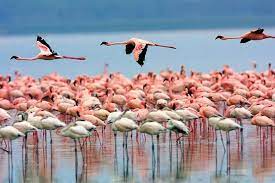
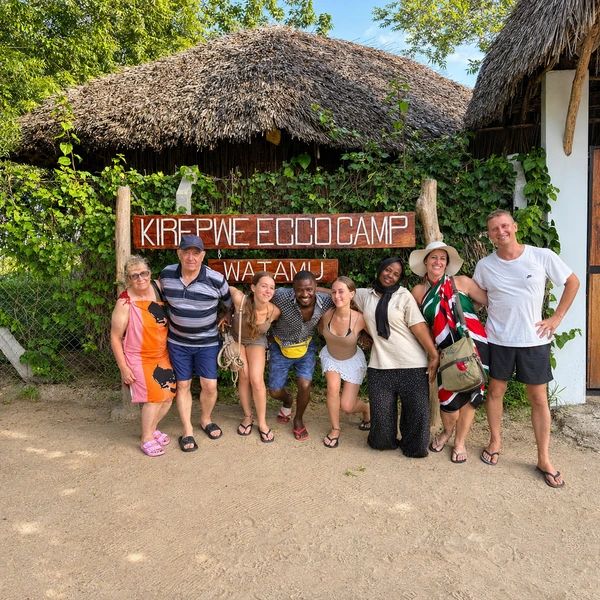
Kirepwe Eco Camp Watamu offers an island chapter in a coastal holiday: time around Mida Creek, accommodation with individual character and days that can revolve around meals, nature and gentle exploration. The attraction is the setting and the change of pace it invites.
For couples, that might mean an afternoon with no departure deadline. For friends, it could be a shared meal after exploring the creek. For travellers arriving from a safari, it provides a different perspective on Kenya, with the drama of wildlife drives giving way to island life.
Leave space for these quieter moments when shaping your itinerary, with time to linger over meals, enjoy the surroundings and settle into the slower rhythm of island life.
Crystal Tours Kenya can help shape the stay around your dates, interests and accommodation needs. Start with our Malindi and Watamu holiday packages, then use this guide to explore five reasons to consider the camp and the practical details that make an island visit work comfortably.
Kirepwe Eco Camp Watamu: Quick Facts
| Detail | What to know |
|---|---|
| Setting | Kirepwe Island, in the Mida Creek area near Watamu |
| Holiday character | An island retreat with themed accommodation and a nature-focused setting |
| Energy | The camp describes itself as solar powered |
| Accommodation | Several individually named houses; compare the actual room proposed |
| Dining | Restaurant and bar, with a published menu spanning seafood and other choices |
| Recreation | Kayaking, boat outings, relaxed communal spaces and an advertised shared pool |
| Final access | A boat connection needs to be coordinated with the property |
| Best booking approach | Request the room, meals, activities and arrival arrangements in one clear quotation |
1. Find a Slower Rhythm at Kirepwe Eco Camp Watamu
The official Kirepwe Eco Camp website presents a retreat shaped by island life, traditional building influences and contemporary comfort. It is worth considering when you want the surroundings to influence how you spend your time.
Mida Creek creates a different holiday atmosphere from a busy town base. The appeal may lie in watching the water, enjoying the outdoor spaces or choosing an outing because it interests you rather than because the day needs filling. An island stay makes those simple decisions feel more deliberate.
Let the setting become part of the experience
Begin with a little time to settle in. Look around the shared areas, understand the meal arrangements and discover where you would like to spend a quiet hour. If you plan kayaking or a boat trip, place it within the wider stay rather than making arrival day an immediate rush.
Couples may appreciate a slower morning together. Solo travellers can balance guided exploration with time to read or reflect. Friends can agree one shared activity while leaving the rest of the day open to different preferences.
The Kenya Tourism Board’s Watamu information offers broader coastal inspiration. Use it to explore the destination, while keeping the island itself at the centre of your accommodation choice.
Enjoy an island stay with realistic expectations
Solar-powered accommodation can still offer useful comforts, but guests should understand the practical arrangements before arriving. Ask about charging points, cooling, hot water and any power-use limitations relevant to your needs.
If connectivity matters for work, confirm the service and backup options. The camp advertises phone and internet access, but does not establish a guaranteed speed. Let the holiday feel unhurried while ensuring essential requirements have been discussed beforehand.
Ask where the connection is strongest, whether it reaches your accommodation and if it can support calls or online tasks, especially when access is essential during your stay.
2. Kirepwe Eco Camp accommodation
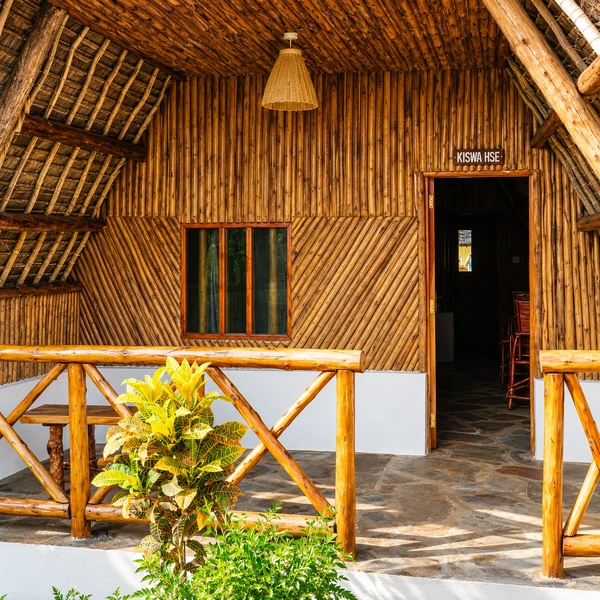
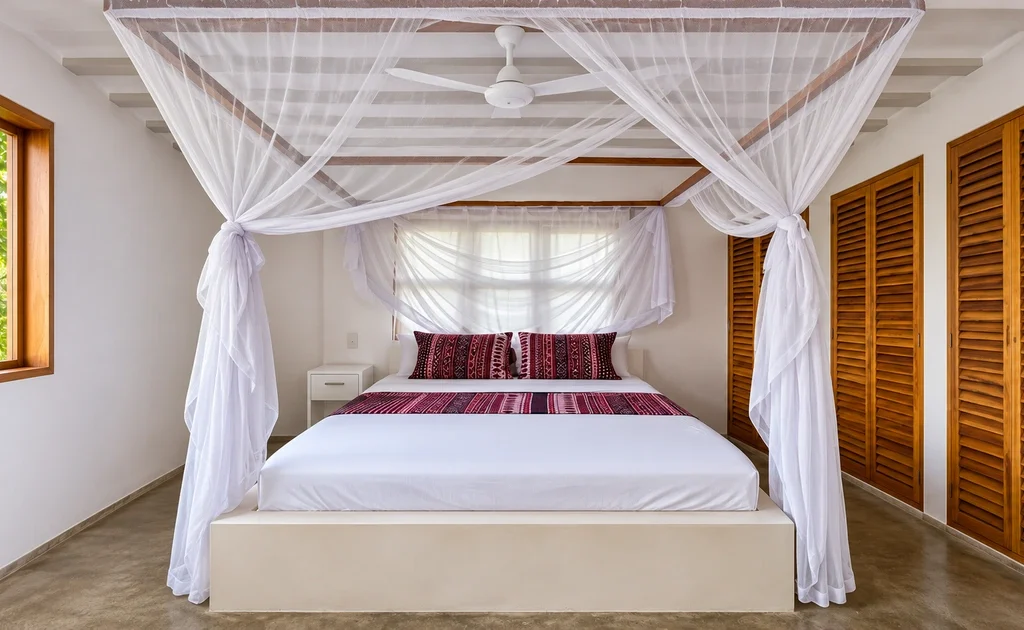
Kirepwe Eco Camp Watamu accommodation is presented through a collection of named houses rather than a simple list of standard room categories. When comparing Kirepwe Eco Camp Watamu rooms, use the official website’s nine listed names, photography and selected design explanations as a starting point. These names identify the advertised choices; they should not be read as a confirmed count of buildings or available rooms.
The most useful approach is to shortlist the style that appeals to you, then compare the actual room layout, beds, bathroom and position offered for your dates.
| House name and official page | What the website helps you explore |
|---|---|
| Giryama House | A rounded thatched exterior in the gallery and makuti design references |
| Safari House | A canvas-style frontage and shaded seating in the photographs |
| Jahazi House | A high thatched roof, canopy bed and outdoor sitting space in the gallery |
| Kirepwe House | A tall A-frame exterior in the gallery |
| Mgema House | A covered timber veranda and bedroom photographs |
| Mijikenda House | A white-walled frontage with red curtains in the gallery |
| Coconut House | Coconut-wood construction and textured timber interiors |
| Lamu House | A two-level exterior with sheltered balconies in the photographs |
| Kisiwa House | A thatched A-frame exterior and bed-space photographs |
Choose character and comfort together
The themed approach makes the accommodation part of the trip’s interest. You might be drawn to a thatched exterior, a particular arrangement of indoor and outdoor space or the overall appearance of one house. Use the photographs to explain your preferences when enquiring.
Then look beyond the name. Ask which room is being quoted, what sleeping arrangement it provides and whether the bathroom is private. A house name does not establish the number of bedrooms, an exclusive-use booking or a guaranteed view.
The published cultural descriptions are best treated as the camp’s explanation of its design inspiration. A stay can encourage curiosity about the coast without requiring every decorative reference to become a sweeping historical claim.
The photographs make the differences easier to understand. Safari House introduces a canvas-led appearance, while Coconut House emphasises textured wood. Lamu House presents a more substantial two-level exterior, and the A-frame forms offer another visual character. That variety gives you a useful way to describe the atmosphere you want. Ask for recent photographs of the room available for your stay, particularly if a veranda, outdoor seat or particular architectural style is central to your choice.
Couples and individual travellers
For a couple, privacy and the room’s daily atmosphere may matter most. Consider where you will sit between activities, whether the sleeping arrangement meets your preferences and how the room relates to shared areas.
For a solo traveller, clarity about occupancy and the complete rate is equally useful. Ask whether the quotation is for one guest in the proposed room and what meals or activities it includes. A smaller party should still receive a complete description of the stay.
Families, friends and accessibility
Send the number of adults and every child’s age before comparing rooms. Ask whether your party would share one unit or use separate accommodation, and confirm how additional beds or cots are handled.
For friends, decide how much privacy everyone wants before choosing a layout. Separate sleeping spaces, bathroom access and different bedtimes can affect comfort more than a visually impressive exterior.
Anyone with mobility needs should discuss the whole journey, including boat boarding, landing access, paths and bathrooms. Ask practical questions and request current photographs where useful. The right accommodation should support the way you will actually move through the stay.
3. Make Island Dining Part of the Holiday
Kirepwe Eco Camp Watamu dining brings a welcome point of connection to an island visit. The published menu includes seafood, meat dishes, vegetarian choices, pizzas and drinks. This variety gives you a starting point for discussing meals that suit your party.
Seafood and coastal flavours
Among the advertised dishes are grilled fish, prawns, crab, calamari and seafood pasta, with accompaniments such as coconut rice. Treat the menu as inspiration for the stay, with the current selection confirmed when booking or ordering.
A relaxed lunch can be an occasion in itself, particularly after an activity on the water. Leave enough time to enjoy the meal rather than arranging a departure immediately afterwards. If seafood is a priority, ask about availability and suitable portions for your group.
Options for different appetites
Vegetarian dishes and familiar choices such as pizza broaden the conversation beyond seafood. Tell the team about dietary requirements, allergies and children’s preferences before arrival. General menu variety does not answer every question about ingredients or kitchen preparation.
For a longer stay, discuss how meals will fit around excursions. You may want an earlier breakfast on an activity day and a later, leisurely meal on a quiet day. Agree the practical arrangements rather than assuming every serving time can be changed at short notice.
Understand the meal plan before comparing prices
Ask which board bases are available for your dates and what each includes. Breakfast-only, half-board or full-board arrangements have different implications for your daily routine, while drinks and special dishes may be charged separately.
Island access also makes meal planning more relevant. A casual decision to eat elsewhere may involve an additional journey, so choose a package that matches how often you expect to leave the camp. The most useful quotation makes the included meals, supplements and optional experiences easy to understand.
4. Explore Mida Creek Through Kayaking and Boat Outings
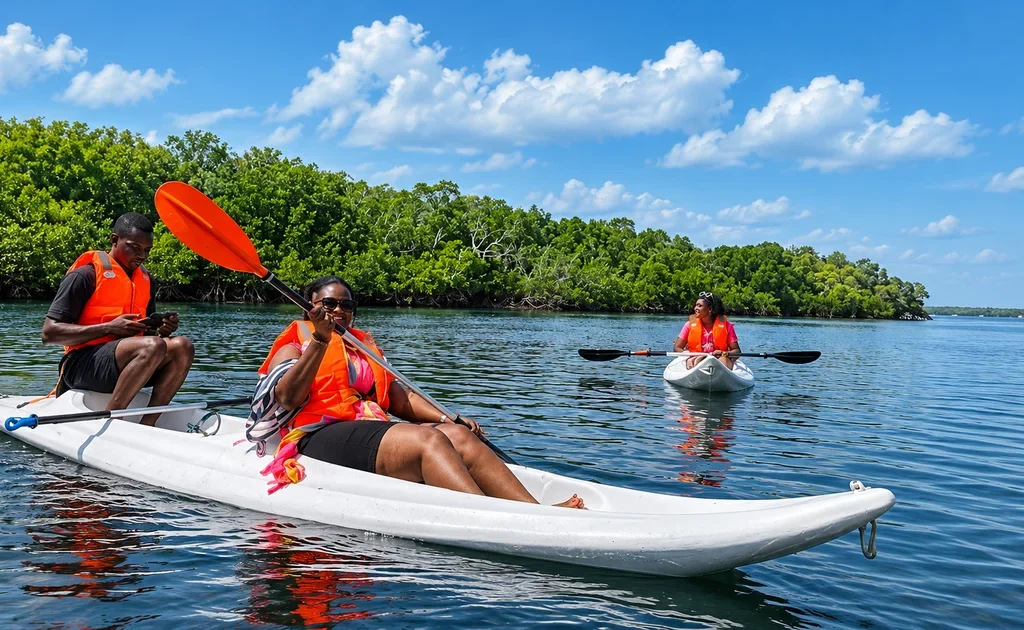
The water around the island is a major reason to consider Kirepwe Eco Camp Watamu. Its kayaking information introduces the mangrove setting and birdlife of Mida Creek, giving an outing a natural-history dimension as well as an active one.
Choose an outing that suits your confidence
A short paddle may suit someone seeking a first introduction, while a more experienced guest may want a longer guided route. Share your ability and any concerns before choosing the format. Ask about flotation equipment, guidance, single or double kayaks and the intended duration.
The reward need not depend on distance covered. Moving slowly and listening to a guide can reveal details that are easy to miss from a faster journey. A carefully paced excursion leaves time to notice the habitat and enjoy the setting.
Let tides and local knowledge determine the plan
Mida Creek is tidal, so timing affects routes and access. Kenya Marine and Fisheries Research Institute tide predictions provide regional context, while the guide’s local knowledge should shape the actual outing.
Consult Kenya Meteorological Department marine information when planning time on the water. Tide tables and seasonal descriptions do not replace a current assessment of conditions, equipment and the group’s ability.
Carry suitable sun protection, secure small valuables and choose footwear appropriate to the advised boarding arrangements. A dry bag can be useful, but check what the provider supplies before packing unnecessary equipment.
Look beyond the paddle
The camp also describes a Safari Blu mangrove and marine outing. Its published itinerary combines coastal experiences, but the actual route, meals and inclusions should be confirmed for your visit.
For wider marine context, use the Kenya Wildlife Service guide to Watamu Marine National Park and Reserve. Choose an outing for its overall experience rather than a promise of particular wildlife. Dolphins, turtles and other animals follow natural patterns, not a holiday timetable.

5. Enjoy the Quiet Hours at Kirepwe Eco Camp Watamu
The quieter parts of an island stay can be as memorable as its excursions. After a paddle or a meal, allow time simply to enjoy where you are. A book, a conversation or an afternoon rest can give the holiday a rhythm that feels different from daily life.
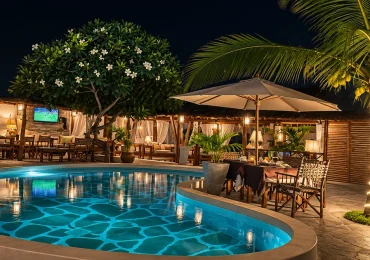
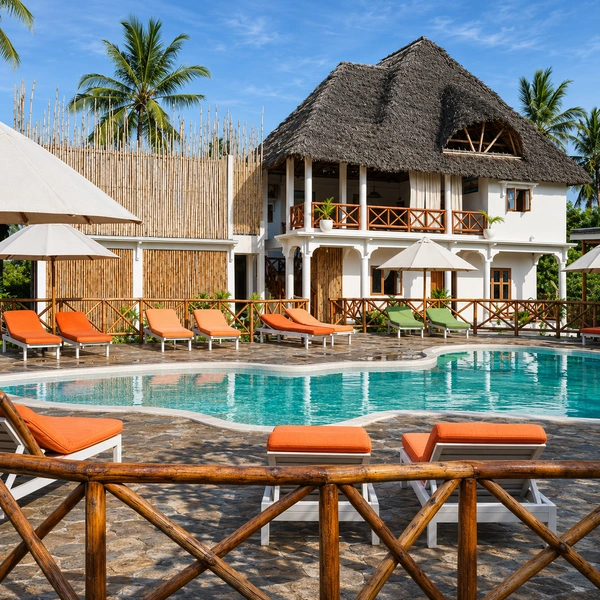
The camp’s gallery shows a swimming pool with surrounding loungers, also reflected in its advertised accommodation information. If pool time is important, confirm its current operation, depth and access before booking. Parents should agree supervision arrangements rather than assuming that family accommodation includes childcare.
Give the evening room to unfold
The camp advertises bar and bonfire time, providing a setting for an easy evening together. Ask which arrangements are planned during your stay. Stargazing depends on the weather and sky conditions, but an evening outdoors can still be enjoyable without a particular spectacle.
For couples, this may be the most appealing part of the visit: enough privacy, a shared meal and no pressure to rush elsewhere. For friends, it offers time to reconnect after a day of different activities.
Choose the pace deliberately. One full excursion day followed by a quieter day can work better than arranging departures every morning. The accommodation should be somewhere you enjoy spending time, not merely the place you return to sleep.
Getting to Kirepwe Eco Camp Watamu
An island booking needs a complete arrival plan. First establish your route to the Watamu area, then coordinate the landing point and boat connection with the camp. Camp-hosted accommodation information identifies access from the Dabaso/Crab Shack area, but the current meeting point and timings should be confirmed for your journey.
If flying, compare Malindi with the wider routing options available through Mombasa. Our flight booking assistance can help with the broader trip. Avoid choosing an arrival solely by airfare without considering the remaining journey and island connection.

Share your arrival details and ask about luggage, weather-dependent timing and possible travel delays. Returning, allow time for boat and onward travel. Include all arrangements in your plan; a mainland pin is not an arrival instruction.
Keep the coordinator’s contact details handy so you can communicate changes along the way, confirm meeting points and receive updated instructions if delays or disruptions affect your arrival or onward journey.
Explore Heritage, Forest and Conservation Around Watamu
A longer Kirepwe Eco Camp Watamu stay can include experiences beyond the creek. Select a few interests and plan the mainland journey sensibly, leaving time to return and enjoy the island.
Gedi and coastal culture
The UNESCO account of Gedi explains the historic Swahili settlement’s place within Indian Ocean trade and cultural exchange. A guided visit helps connect the surviving architecture with the coast’s wider history.
The camp lists a Gedi and Malindi excursion, while our cultural travel experiences can help shape broader interests. Ask before photographing people and approach visits with curiosity and respect.
Arabuko-Sokoke and marine conservation
The Kenya Forest Service guide to Arabuko-Sokoke introduces forest habitats, trails and birdwatching. Choose a guided route suited to your walking ability rather than trying to cover too much in limited time.
For conservation education, consider Local Ocean’s day visits. Confirm current visitor arrangements and understand that turtles may not be present in rehabilitation because recovered animals are released. The value is learning about the work, rather than expecting a guaranteed encounter.
Add a Safari Before Your Island Stay
A wildlife itinerary followed by Kirepwe Eco Camp Watamu offers two distinct perspectives on Kenya. Game drives reward early starts and patience; island days create room to slow down afterwards.
Explore our Tsavo safari packages alongside the official Tsavo East information when discussing the route. Allow enough time for game drives and relaxation while ensuring a comfortable transition to the coast without disrupting your holiday itinerary.
For a larger itinerary, compare Amboseli safari options or Masai Mara safaris. These are separate stages requiring deliberate routing, not casual local outings from the island.

Our wider Kenya holiday packages provide inspiration for planning Kirepwe Eco Camp Watamu packages. Start with your available days and interests, then choose a combination that leaves enough time to enjoy both experiences.
Give the first island afternoon after a safari a light schedule. A meal, time in the room and an easy evening may be enough after an early start or lengthy journey. You can add a creek activity on another day, when everyone has had time to settle in. This approach lets the island stage provide the change of pace that made you choose it in the first place.
Celebrations and Small Group Stays
The camp promotes wedding parties, private parties and birthdays. For a celebration, begin with your date, guest numbers, accommodation needs and intended meal or gathering.
Ask for an itemised proposal covering space, food, decorations, entertainment and island access. If the occasion involves a legal ceremony, establish current requirements with the relevant authorities and coordinator. For a working retreat, request confirmation of a suitable meeting space, connectivity and equipment rather than assuming that a private-party venue includes conference facilities.
Plan Your Kirepwe Eco Camp Watamu Holiday
A proposed three-night island break
| Stage | Suggested approach |
|---|---|
| Arrival | Coordinate the island connection, settle in and enjoy an easy meal |
| First full day | A suitable guided creek activity, followed by a relaxed afternoon |
| Second full day | Choose a mainland outing or remain at the camp, according to your priorities |
| Departure | Allow time for the boat connection and the complete onward journey |
This is a planning idea rather than a fixed offer. Add nights if you want several outings without giving up the quieter hours that make an island stay appealing.

Considering a day visit instead?
A Kirepwe Eco Camp Watamu day visit may appeal if you already have accommodation elsewhere and want an island meal or activity. Request availability before travelling, then agree the meeting point, boat timing, meal arrangements and return journey. Ask whether pool use or other facilities form part of the proposal.
For an overnight visit, the experience changes: you gain the quieter evening and the following morning. Compare those extra hours with your wider itinerary before deciding which format gives you what you want from the island.
Pack for the complete island journey
Choose luggage you can handle comfortably through the advised boarding arrangements. Keep essentials, sun protection and a light layer accessible, and protect electronics from splashes. Ask the camp what footwear suits the landing point and what equipment it supplies for planned activities.
A reusable water bottle, a hat and something to read are practical additions to a slower holiday. Bring any personal items you cannot easily replace, and discuss essential equipment needs beforehand. Packing thoughtfully helps you enjoy the setting without turning every small requirement into an extra mainland journey.
Compare the complete quotation
Request dates, occupancy, the actual house or room, bathroom arrangements, meals, activity inclusions and the final-access arrangements. Identify any separately charged drinks, excursions or supplements. Read the Crystal Tours Kenya booking terms together with the specific reservation conditions.
Review travel insurance options against your proposed activities. International visitors should consult the official Kenya eTA portal for current eligibility and application guidance.
Travel thoughtfully in a creek environment
Follow our responsible travel guidance and UN Tourism’s traveller tips. Reduce waste, respect local communities and follow guidance around mangroves and wildlife. Solar power is a meaningful feature to discuss, but it does not by itself establish a certified sustainability standard or a zero-impact holiday.
Kirepwe Eco Camp Watamu FAQs
Where is Kirepwe Eco Camp Watamu located?
Kirepwe Eco Camp Watamu is on Kirepwe Island in the Mida Creek area near Watamu, on Kenya’s coast. Its appeal centres on an island and creek environment, with accommodation and activities that connect guests to the setting.
Ask for the current location pin and complete arrival instructions with your reservation. Confirm both the mainland meeting point and the island connection, because navigating to a broad Watamu address does not complete the journey to the camp.
How do guests reach the camp?
Guests need a coordinated boat connection for the island stage. Camp-hosted accommodation information refers to access from the Dabaso/Crab Shack area. The actual landing point, departure time, luggage arrangements and charges should be confirmed for your dates rather than assumed from a general description.
Share your arrival details early and discuss delays or mobility requirements. On departure, allow time for the island stage and onward travel so a flight or other connection does not depend on an unrealistically tight schedule.
What accommodation does Kirepwe Eco Camp Watamu offer?
The official website lists named houses including Giryama, Safari, Jahazi, Kirepwe, Mgema, Mijikenda, Coconut, Lamu and Kisiwa. Several pages explain design themes, while others primarily show photographs. These names provide a visual shortlist rather than a complete statement of room capacity or amenities.
Request the current room description, sleeping arrangement and bathroom details with your quotation. Send children’s ages and practical requirements so the proposed accommodation can be matched to your party rather than chosen by name alone.
Is Kirepwe Eco Camp Watamu suitable for couples and families?
It is worth considering for couples or families who enjoy nature and are comfortable with an island journey. Suitability depends on the proposed room, children’s ages, access arrangements and the activities you want to enjoy. A peaceful setting can appeal to different travellers for different reasons.
Families should check sleeping arrangements, water supervision and meal choices. Couples may prioritise privacy and the room’s position. Share those preferences before booking so the quotation addresses the features that matter most.
What food is available at the camp?
The camp publishes a menu covering seafood, meat dishes, vegetarian choices, pizza and drinks. It provides a useful starting point for planning meals, but the current selection, availability and quoted meal plan should guide your stay. Island logistics make it helpful to discuss dining before arrival.
Mention allergies and dietary requirements in advance. Ask which meals and drinks are included, whether specific dishes require notice and how meals will fit around any excursions you are planning.
Does the camp have a pool, Wi-Fi or air conditioning?
A shared pool appears in advertised accommodation information, while the official website mentions phone and internet access. Confirm current pool arrangements and connectivity if either is important to your decision. Internet availability does not guarantee a particular speed or uninterrupted service.
Cooling and other room amenities need category-specific confirmation; do not assume air conditioning from a general reference to modern comfort. Ask about fans, charging points, hot water and any essential equipment before committing to a room.
Which activities can I enjoy during a stay?
Kayaking and boat outings are central options to discuss, alongside relaxed island time and possible mainland excursions. You could explore heritage, forest or conservation interests around Watamu, depending on the available days and the complete journey involved. Choose a manageable number of experiences rather than filling every morning.
Ask about guidance, equipment, duration and inclusions for each outing. Tides and weather can affect arrangements, and wildlife sightings should remain possibilities rather than promises attached to a booking.
Can I book a day visit, celebration or safari combination?
You can request a proposal for a day visit, meal, celebration or wider holiday, with availability established before travelling. The camp promotes private occasions, while safari combinations can be planned as a separate stage before or after the island stay. Each format needs its own clear inclusions.
Send dates, party numbers and your priorities. Confirm whether the proposal includes accommodation, dining, activities and island access, and request written details for any special arrangement that is essential to the occasion.
Book Kirepwe Eco Camp Watamu with Crystal Tours Kenya
Tell us your preferred dates, number of nights, adults, children’s ages and accommodation preferences. Add the experiences that interest you, whether a creek outing, a quiet island break, a celebration or a safari combination. Crystal Tours Kenya can prepare a tailored quotation for you to review.
Request your Kirepwe Eco Camp Watamu quotation.
WhatsApp: Plan my Kirepwe Eco Camp Watamu holiday
Email: info@crystaltourskenya.com
Visit us: Vision Towers, Muthithi Road, Westlands, Nairobi, Kenya.