Summary
Amazing Amboseli and Southern Kenya Travel Guide: Amboseli and Southern Kenya form one of the most fascinating safari regions in Kenya, combining dramatic landscapes, abundant wildlife, Maasai culture, community conservancies, volcanic hills, wetlands and spectacular views of Mount Kilimanjaro. While Amboseli National Park is the best-known destination in the region, the wider Amboseli ecosystem extends far beyond the national park and offers travellers many different experiences.
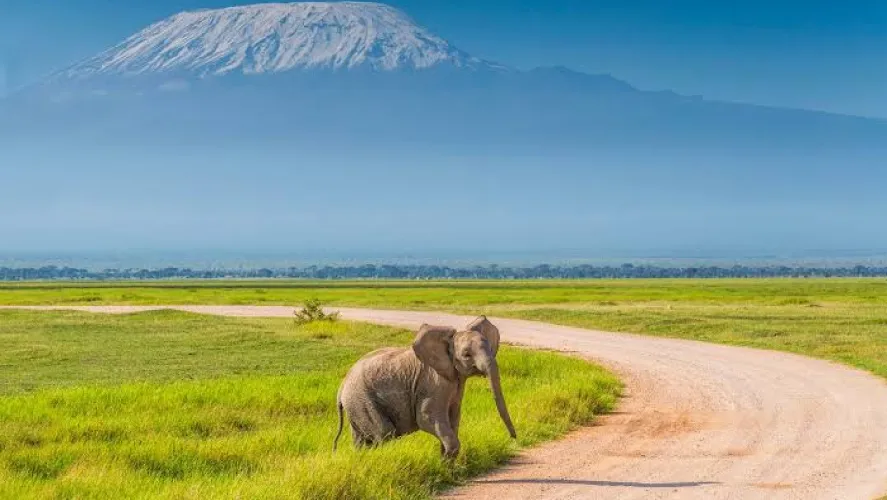
An Amboseli safari is particularly famous for large elephant herds moving across open plains with Mount Kilimanjaro rising in the background. However, travellers who explore beyond the park can discover places such as Kimana Conservancy, Kimana Sanctuary, Chyulu Hills National Park, Eselenkei Conservancy, Shompole Conservancy, Lake Amboseli, the Amboseli wetlands, Loitoktok, Namanga and Kajiado.
For travellers looking for more than a traditional game drive, a Southern Kenya safari can combine wildlife, conservation, culture, hiking, volcanic landscapes and community experiences into one memorable journey. This makes Amboseli and Southern Kenya an excellent destination for both first-time safari travellers and visitors who want to explore a less conventional side of Kenya.
Where Are Amboseli and Southern Kenya?
The Amboseli ecosystem is located in southern Kenya close to the Tanzania border, with Mount Kilimanjaro dominating the landscape. The region extends across a mixture of national parks, community lands, wildlife corridors, conservancies, wetlands and semi-arid landscapes. Amboseli National Park is the main wildlife destination, but the wider region includes important conservation areas such as Kimana Conservancy, Kimana Sanctuary and Eselenkei Conservancy.
Further west and southwest, the landscape changes dramatically around the Chyulu Hills, while areas around Kajiado, Namanga and Loitoktok provide important connections between communities, wildlife areas and cross-border travel routes. Farther south, Shompole and Shompole Conservancy offer a more remote wilderness experience. This diversity is what makes a Southern Kenya safari much broader than simply visiting Amboseli National Park.
Why Visit Amboseli and Southern Kenya?
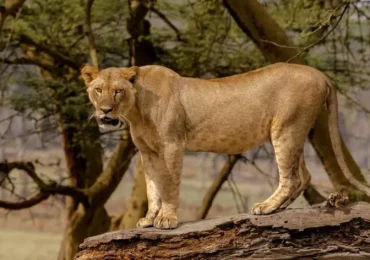
The biggest attraction of Amboseli and Southern Kenya is the combination of wildlife and scenery. Amboseli National Park provides some of Kenya’s most recognisable safari landscapes, with elephants, lions, buffaloes, giraffes, zebras, wildebeest and other wildlife moving across open plains and wetland areas. The presence of Mount Kilimanjaro creates an exceptional backdrop, particularly during clear mornings when the mountain can be seen rising above the horizon.
The region is also ideal for travellers who want to experience conservation outside the boundaries of a national park. Community conservancies such as Kimana Conservancy and Eselenkei Conservancy demonstrate how wildlife protection, tourism and local livelihoods can work together. Travelling through these areas gives visitors a broader understanding of the Amboseli ecosystem and the importance of maintaining wildlife corridors between different habitats.
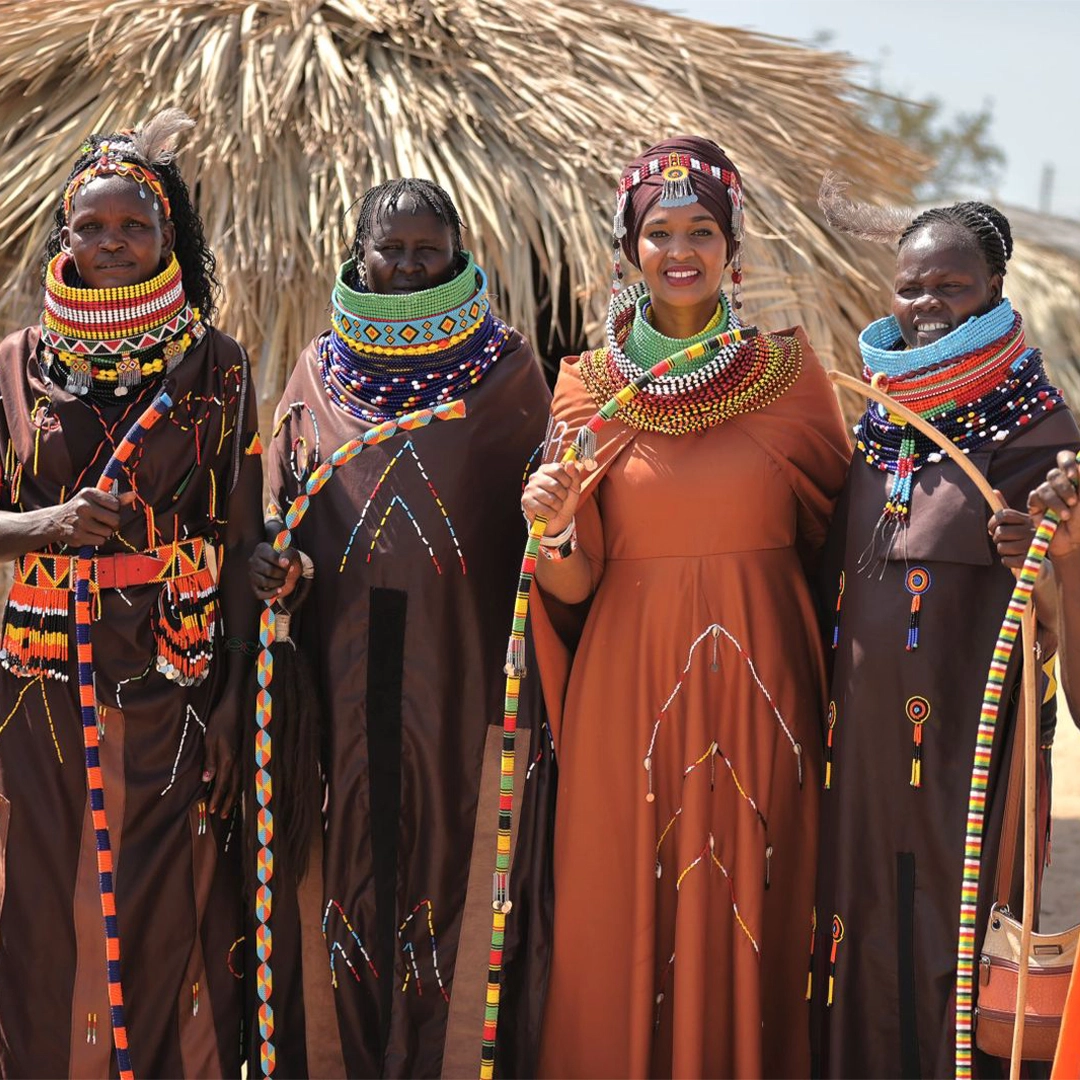
Culture is another major reason to visit. The wider Southern Kenya region is home to Maasai communities whose traditional way of life remains closely connected to livestock, land and wildlife. Responsible cultural experiences can provide opportunities to learn about traditional homes, beadwork, music, dance, food and community life while supporting local communities.
Amboseli National Park
Amboseli National Park is the centrepiece of tourism in the region and the main destination for a classic Amboseli safari. The park is known for its open plains, seasonal wetlands, acacia woodland and large elephant populations. The combination of wildlife and Mount Kilimanjaro makes the park particularly popular with photographers and travellers looking for iconic African safari scenery.
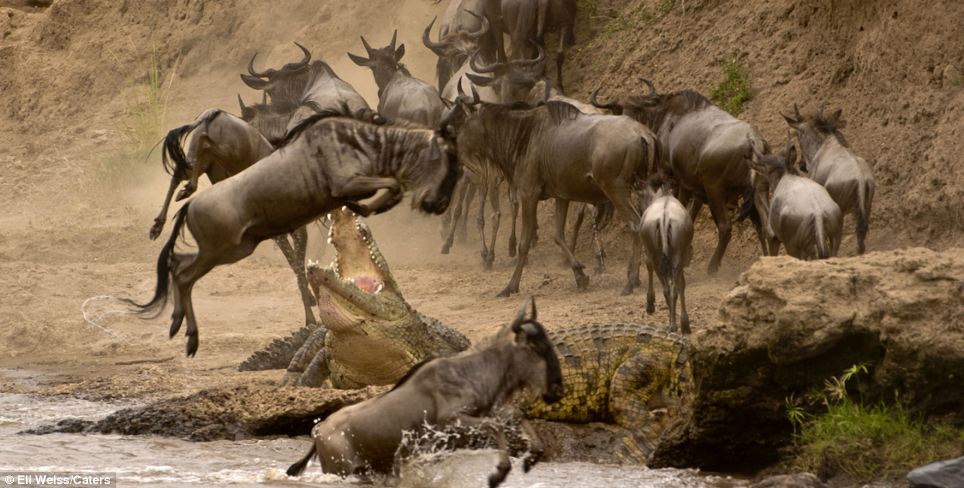
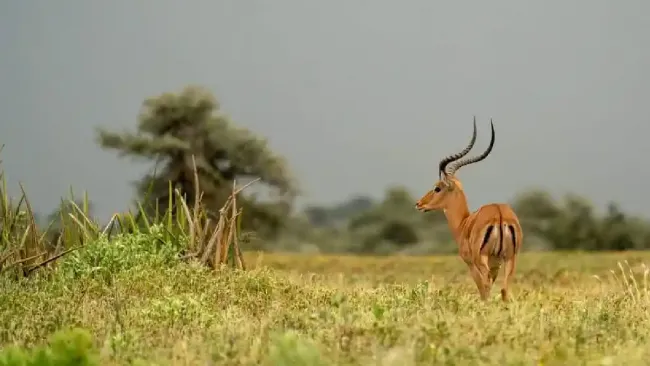
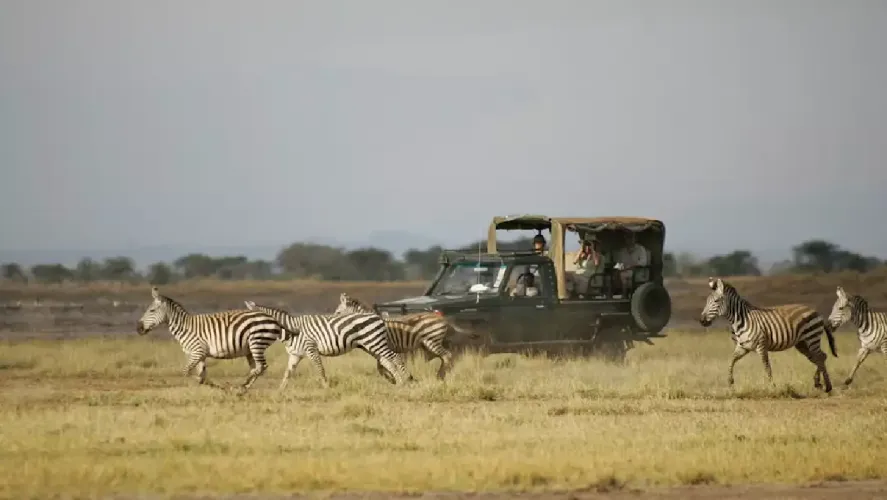
Game drives provide opportunities to see elephants, lions, buffaloes, giraffes, zebras, wildebeest, hyenas, gazelles and numerous bird species. Predators can be encountered across the plains, although wildlife sightings are naturally dependent on season, weather and animal movements. The park’s open landscapes also make it easier to appreciate the scale of the Amboseli ecosystem.
One of the most memorable experiences is watching elephants moving through the wetlands with Mount Kilimanjaro in the distance. These scenes have helped make Amboseli one of Kenya’s most recognisable safari destinations.
Amboseli Wetlands and Lake Amboseli
The Amboseli wetlands are among the most important ecological features of the region. Water flowing from underground and surrounding areas creates green habitats that contrast sharply with the dry plains. During dry periods, these wetlands become particularly important because wildlife can gather around areas where water and vegetation remain available.
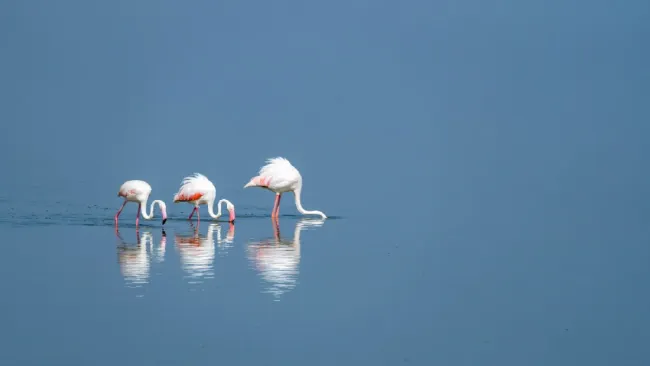
Lake Amboseli is a seasonal lake whose appearance changes depending on rainfall. When water is present, it can attract birds and create dramatic reflections and landscapes. When dry, the lakebed becomes part of the expansive Amboseli landscape. Together, Lake Amboseli and the surrounding wetlands demonstrate how water availability shapes wildlife movements throughout the Amboseli ecosystem.
Kimana Conservancy
Kimana Conservancy is an important community conservation area near Amboseli. Its location makes it particularly valuable for maintaining connections between wildlife habitats and supporting animal movement beyond the national park.
Visitors can experience wildlife, landscapes and community conservation while gaining a different perspective from the traditional national park safari. The conservancy is especially relevant for travellers interested in understanding how local communities contribute to protecting wildlife while also benefiting from tourism.
Including Kimana Conservancy in an Amboseli safari can therefore provide a more comprehensive experience of the region rather than focusing entirely on the national park.
Kimana Sanctuary
Located within the wider Amboseli landscape, Kimana Sanctuary provides another opportunity to experience wildlife and community conservation. The sanctuary is particularly associated with elephant conservation and offers an alternative wildlife experience away from some of the busier areas of the region.
For travellers planning a Southern Kenya safari, Kimana can be combined with Amboseli National Park and other nearby attractions. Its conservation importance also makes it a valuable destination for visitors who want their safari to include both wildlife viewing and an understanding of local conservation efforts.
Chyulu Hills and Chyulu Hills National Park
The landscape changes dramatically as you move towards the Chyulu Hills. Instead of the broad, flat plains associated with Amboseli, the hills offer rolling volcanic landscapes, forests, grasslands and caves. The area is one of the most scenic and geologically interesting parts of Southern Kenya.
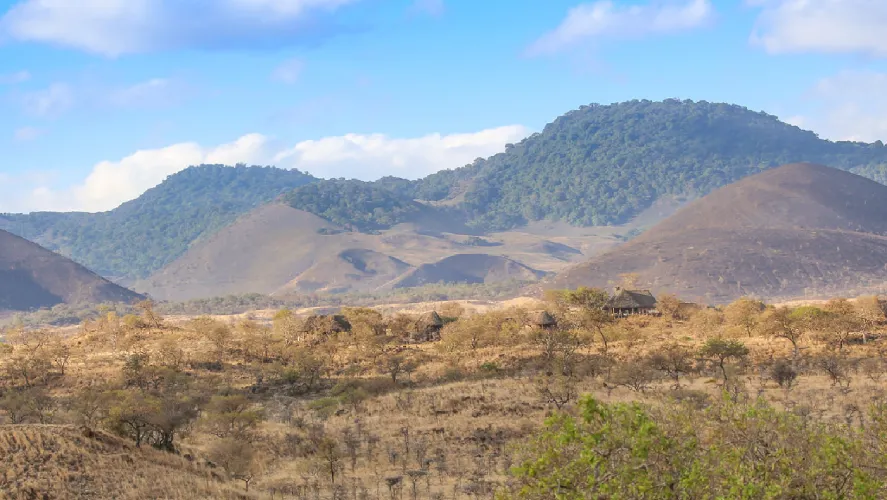
Chyulu Hills National Park protects part of this remarkable landscape and offers opportunities for game viewing, hiking, nature walks, birdwatching and exploring volcanic formations. The hills are particularly attractive to travellers who want to add adventure and scenery to their Southern Kenya safari.
The volcanic origins of the hills have also created extensive cave systems. Exploring the caves with appropriate guides can provide an unusual experience for visitors interested in geology, adventure and natural history. The combination of wildlife, hills and volcanic scenery makes Chyulu Hills very different from the open plains of Amboseli.
Loitoktok
Loitoktok is an important town in the southern Amboseli region and can serve as a gateway for exploring the surrounding landscape. Its location near the Kenya-Tanzania border makes it relevant to travellers combining Amboseli with wider East African itineraries.
Beyond its role as a travel and service centre, Loitoktok provides an opportunity to see everyday life outside the main safari lodges and parks. Travellers exploring the area can experience local communities, markets and landscapes while connecting to attractions around the Amboseli ecosystem.
Namanga
Namanga is another important destination in Southern Kenya, particularly because of its position on the Kenya-Tanzania border. It serves as a major crossing point for travellers moving between Kenya and Tanzania and can form part of an itinerary connecting Nairobi, Amboseli, Arusha and northern Tanzania.

The surrounding area also offers opportunities to experience Maasai culture and the landscapes of southern Kajiado. For travellers combining Kenya and Tanzania, Namanga can therefore play an important role in connecting different stages of an East African safari.
Kajiado
Kajiado is one of the main gateways into Southern Kenya and provides access to a landscape characterised by savannah, livestock communities, conservancies and Maasai culture. Although it is not normally considered a traditional safari destination in the same way as Amboseli National Park, the wider Kajiado region contains several interesting cultural and natural attractions.
A Kajiado safari can therefore be designed around a combination of cultural experiences, community conservation and scenic landscapes. The area is particularly useful for travellers who want to understand the relationship between local communities, livestock, wildlife and tourism in Southern Kenya.
Eselenkei Conservancy
Eselenkei Conservancy is another important community conservation area within the broader Southern Kenya landscape. Community conservancies such as Eselenkei play an important role in protecting wildlife habitat outside national parks while providing economic opportunities for local communities.
Visiting a conservancy provides a different type of safari experience. Instead of concentrating only on traditional game drives, travellers can learn more about conservation, community livelihoods and wildlife corridors. This makes Eselenkei an interesting addition for travellers looking to experience the wider Amboseli ecosystem.
Shompole and Shompole Conservancy
For travellers looking for a more remote experience, Shompole offers a completely different side of Southern Kenya. Located in the southern Rift Valley close to the Tanzania border, the area features rugged landscapes, open plains, hills, seasonal waterways and Maasai communities.
Shompole Conservancy combines wilderness and community conservation, creating opportunities for wildlife viewing, guided walks, birdwatching, cultural experiences and scenic exploration. The experience here is generally more focused on wilderness, conservation and immersion than the classic vehicle-based safari found in Amboseli National Park.
Adding Shompole to a longer Southern Kenya safari can therefore provide a strong contrast to the more familiar landscapes of Amboseli.
Lake Magadi
Another worthwhile destination in the wider Southern Kenya region is Lake Magadi, a striking soda lake in the Great Rift Valley. The lake is surrounded by dramatic landscapes and is known for its mineral-rich waters, birdlife and geothermal features.
The area can be particularly interesting for travellers who enjoy photography, geology and landscapes. When combined with Kajiado and other destinations, Lake Magadi can add a completely different environment to a Southern Kenya safari.
Maasai Cultural Experiences
The Maasai culture of Southern Kenya is an important part of the region’s identity. Cultural experiences can include visits to communities, learning about traditional homes, seeing beadwork, listening to local stories and experiencing traditional music and dance.
These experiences should be organised responsibly, with respect for local customs and with benefits reaching the communities involved. A well-organised cultural visit can add depth to an Amboseli safari by helping visitors understand the people who share this landscape with wildlife.
Birdwatching in Amboseli and Southern Kenya
Birdwatching is another rewarding activity throughout the Amboseli ecosystem. The wetlands, seasonal lake, grasslands and surrounding conservancies provide habitats for a wide variety of birds.
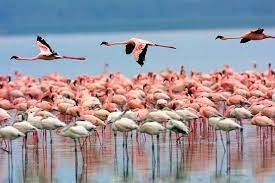
Depending on the location and season, visitors may encounter flamingos, pelicans, herons, egrets, raptors, ostriches, secretary birds, vultures, kingfishers and migratory species. The Amboseli wetlands can be particularly productive for birdwatchers because water attracts both resident and seasonal birdlife.
Photography
Photography is one of the strongest reasons to visit Amboseli and Southern Kenya. The classic image of elephants moving across the plains with Mount Kilimanjaro in the background is one of Kenya’s most recognisable wildlife scenes.
Beyond elephants, photographers can capture lions, giraffes, zebras, birds, Maasai culture, wetlands, volcanic landscapes and dramatic sunsets. The contrasting environments of Amboseli National Park, Chyulu Hills National Park, Kimana and Shompole mean that a longer trip can produce a much wider variety of photographs.
Walking and Nature Experiences
While game drives remain the main activity in Amboseli National Park, some conservancies and wilderness areas provide opportunities for guided walking and nature experiences. Walking allows visitors to slow down and pay attention to details that are often missed from a safari vehicle.
Guides can explain animal tracks, plants, insects, birds, geology and traditional uses of different natural resources. Walking experiences can be particularly rewarding around the Chyulu Hills and suitable conservancy areas where they are permitted and professionally guided.
Where to Stay in Amboseli and Southern Kenya
Accommodation across Amboseli and Southern Kenya ranges from simple campsites and guesthouses to comfortable safari lodges and luxury tented camps. Budget travellers can find camps and simpler accommodation around Amboseli and nearby towns, while mid-range travellers can choose from comfortable safari camps and lodges.
Luxury travellers can choose high-end lodges and exclusive camps, including properties located within or close to community conservancies. These often provide private game drives, guided walks, cultural experiences, bush meals and more personalised service.
Staying within or near a conservancy can also provide a more exclusive experience with fewer vehicles and greater opportunities to participate in conservation and community-focused activities.
Best Time to Visit Amboseli and Southern Kenya
The best time for an Amboseli safari depends on what you want to experience. June to October is generally one of the strongest periods for wildlife viewing because the weather is usually drier and animals are easier to locate around available water sources.
January and February can also provide good safari conditions, while the greener months can be attractive to photographers and birdwatchers. The exact visibility of Mount Kilimanjaro is never guaranteed because clouds and weather can change quickly, even during otherwise good safari periods.
How to Get to Amboseli and Southern Kenya
Most visitors travelling to Amboseli National Park from Nairobi travel by road, with the journey taking several hours depending on the route, traffic and destination within the Amboseli region. A suitable 4×4 safari vehicle is recommended when travelling inside the park and on more remote roads.
Domestic flights provide a faster alternative, particularly for luxury travellers or those combining Amboseli with other Kenyan safari destinations. Travellers arriving from or continuing into Tanzania can also incorporate Namanga, Loitoktok and other southern border areas into a wider East African itinerary.
How Many Days Do You Need?
A 2-day Amboseli safari can provide a good introduction to the national park, including game drives, elephant viewing, Mount Kilimanjaro scenery and the wetlands.
Three to four days allows more time for multiple game drives and the possibility of adding experiences around Kimana Conservancy, Kimana Sanctuary or nearby communities.
For a more comprehensive Amboseli and Southern Kenya experience, five to seven days provides enough time to combine Amboseli with destinations such as Chyulu Hills National Park, Eselenkei, Kajiado or even the more remote landscapes of Shompole Conservancy.
Responsible Tourism in Amboseli and Southern Kenya
Responsible tourism is essential because wildlife, communities and livestock share much of the same landscape throughout Southern Kenya. Visitors should follow park regulations, remain on designated roads where required, maintain appropriate distances from wildlife and never feed or harass animals.
Travellers can also contribute by supporting community conservancies, choosing responsible accommodation, purchasing locally produced crafts and using local guides where appropriate. Respecting Maasai customs and asking permission before photographing people is equally important.
Supporting conservation and community initiatives helps ensure that the Amboseli ecosystem remains protected while tourism continues to provide benefits to the people living alongside wildlife.
Planning Your Amboseli and Southern Kenya Safari with Crystal Tours Kenya
A trip with Crystal Tours Kenya can go beyond a conventional visit to Amboseli National Park by incorporating the wider attractions of the Southern Kenya region. Depending on your interests and available time, an itinerary can combine wildlife drives in Amboseli with community conservation at Kimana Conservancy, wildlife experiences at Kimana Sanctuary, volcanic scenery in Chyulu Hills National Park, cultural experiences around Kajiado and Namanga, or the remote wilderness of Shompole Conservancy.
Whether you are looking for a short Amboseli safari, a Mount Kilimanjaro-focused wildlife trip, a family holiday, a cultural adventure or a longer Southern Kenya safari, Crystal Tours Kenya can help create an itinerary that combines the region’s major attractions with lesser-known experiences.
Conclusion
Amboseli and Southern Kenya offer far more than the iconic image of elephants beneath Mount Kilimanjaro. Amboseli National Park provides exceptional wildlife viewing, while the wider Amboseli ecosystem introduces travellers to wetlands, community conservancies and important wildlife corridors.
Beyond Amboseli, Kimana Conservancy, Kimana Sanctuary, Chyulu Hills National Park, Eselenkei Conservancy, Shompole Conservancy, Lake Amboseli, Loitoktok, Namanga and Kajiado reveal a diverse region where wildlife, culture, conservation and dramatic landscapes come together.
For travellers willing to explore beyond the traditional safari route, a Southern Kenya safari offers an opportunity to experience one of Kenya’s most diverse landscapes while supporting the communities and conservation initiatives that help protect it. With Crystal Tours Kenya, visitors can combine the famous attractions of Amboseli with the hidden gems of Southern Kenya to create a richer and more complete Kenyan safari experience.