Did you know that Serengeti National Park is larger than some countries, covering nearly 15,000 square kilometers?
Stretching across the vast plains of northern Tanzania, this world-famous UNESCO World Heritage Site, represents the very essence of the African safari experience.
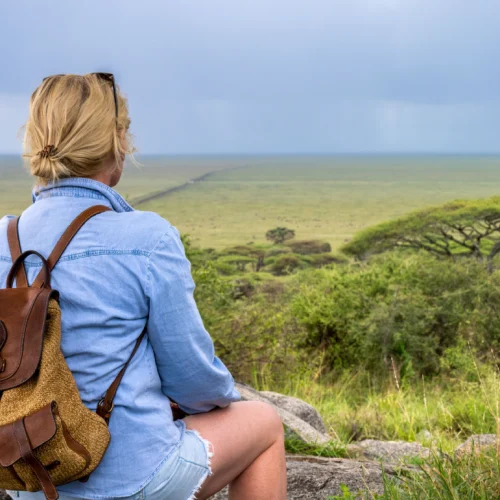
Endless golden grasslands meet distant horizons, acacia trees dot the landscape, and wildlife roams freely in numbers rarely seen anywhere else on the planet.
The park’s name comes from the Maasai word “Siringet,” meaning “the place where the land runs forever,” a fitting description of the seemingly endless plains that define this remarkable landscape.
The Serengeti forms the heart of the larger Serengeti-Mara ecosystem, which extends into neighboring Kenya and encompasses a network of wildlife corridors, conservation areas, and migration routes.
For travelers seeking an authentic Tanzania Safari, the Serengeti offers an unmatched combination of breathtaking scenery, extraordinary wildlife encounters, and one of nature’s greatest spectacles, the Great Wildebeest Migration.
Contact Crystal Tours Kenya today by emailing info@crystaltourskenya.com or through +254 727 039 513 for your Serengeti safari today because Serengeti is more than a safari destination, it is a living ecosystem.
The Creation of Serengeti National Park
As wildlife populations across Africa faced increasing pressure from hunting, habitat loss, and expanding human settlement, concerns grew about the future of the Serengeti ecosystem.
In 1951, the Tanzanian government officially established Serengeti National Park to protect its extraordinary wildlife and natural habitats. The creation of the park marked a major milestone in African conservation history.
Initially, the park covered a large portion of the ecosystem, including areas now incorporated into the nearby Ngorongoro Conservation Area. Over time, management plans evolved to balance wildlife protection with the needs of local communities.
The establishment of the park helped safeguard critical migration routes and ensured that future generations would continue to witness the spectacular wildlife events that make the Serengeti famous.
Today, Serengeti National Park Tanzania remains one of the most successful examples of large-scale ecosystem conservation in the world.
Conservation Milestones Through the Decades
- Protection of critical migration corridors.
- Significant reductions in commercial poaching.
- Expansion of wildlife research programs.
- Growth of sustainable tourism initiatives.
- Increased collaboration with local communities.
- Improved anti-poaching technology and monitoring systems.
- Enhanced predator conservation programs.
These efforts have helped maintain healthy populations of lions, cheetahs, elephants, buffaloes, and countless other species.
The Serengeti remains one of the few places where ecological processes continue much as they did thousands of years ago.
Why Serengeti National Park Is Famous
Few wildlife destinations have captured the imagination of travelers, photographers, filmmakers, and conservationists quite like Serengeti National Park. Mention the word “Serengeti” anywhere in the world, and images of endless golden plains, thundering herds of wildebeest, majestic lions, and breathtaking African sunsets instantly come to mind.
But what exactly makes Serengeti National Park Tanzania so famous? Why do millions of people dream of experiencing a Serengeti Safari at least once in their lifetime?
The answer lies in a remarkable combination of natural wonders that cannot be replicated anywhere else on Earth. From hosting the largest land animal migration in history to supporting one of the highest concentrations of predators in Africa, the Serengeti represents nature at its most spectacular.
1.Home of the Great Wildebeest Migration
The biggest reason Serengeti National Park is famous worldwide is the legendary Great Wildebeest Migration.
Every year, approximately two million wildebeest, zebras, and gazelles move across the Serengeti-Mara ecosystem in search of fresh grass and water. This epic journey, often referred to as the “Greatest Wildlife Show on Earth,” is considered one of the most extraordinary natural phenomena on the planet.
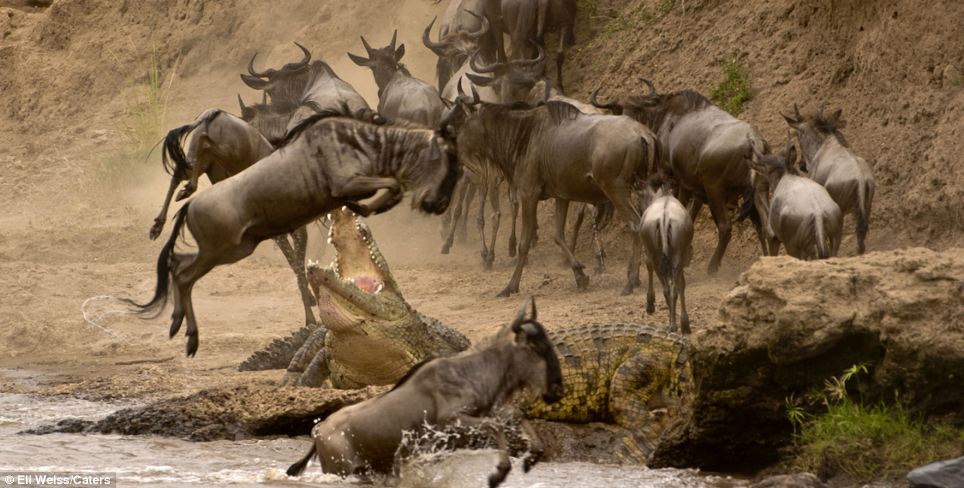
Unlike many wildlife events that occur during a specific season, the Serengeti Migration is a continuous cycle that takes place throughout the year. The animals follow rainfall patterns, creating a never-ending journey across Tanzania and Kenya.
Visitors can witness dramatic scenes that seem straight out of a wildlife documentary. Massive herds stretch as far as the eye can see, predators stalk the migrating animals, and crocodiles wait patiently at river crossings.
For many travelers planning a Tanzania Wildlife Safari, witnessing the migration is the primary reason for visiting the Serengeti.
2. One of the Best Places to See the Big Five
Another reason Serengeti National Park consistently ranks among Africa’s top safari destinations is its exceptional Big Five wildlife viewing.
The famous Big Five include:
- Lion
- Leopard
- Elephant
- Buffalo
- Rhino
While many safari destinations offer opportunities to see some of these species, few provide the abundance and diversity found within the Serengeti ecosystem.
The park’s vast protected landscapes allow wildlife populations to thrive naturally. Visitors frequently encounter elephants wandering through woodlands, buffalo herds grazing on open plains, and lions resting under acacia trees.
Although black rhinos are relatively rare, conservation efforts continue to support their recovery within protected areas of the ecosystem.
For safari enthusiasts seeking an authentic Big Five Safari, the Serengeti remains one of Africa’s premier destinations.
3. Africa’s Predator Capital
The Serengeti is often referred to as Africa’s predator capital.
Its immense populations of grazing animals support extraordinary numbers of carnivores, creating one of the most dynamic predator-prey ecosystems in the world.
The park is home to:
- More than 3,000 lions
- Hundreds of cheetahs
- Numerous leopards
- Large spotted hyena clans
- Jackals and servals
- African wild dogs in surrounding ecosystem areas
The abundance of predators means visitors frequently witness dramatic wildlife interactions during game drives.
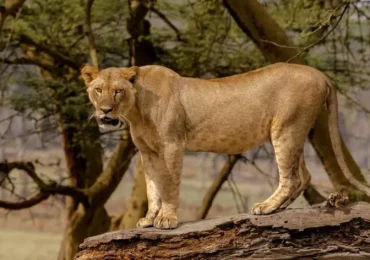
Lions patrol territories across the plains, cheetahs sprint after gazelles at remarkable speeds, and leopards quietly observe their surroundings from tree branches.
Few safari destinations offer such consistent opportunities to observe predator behavior in the wild.
4. The Endless Plains of Serengeti
The landscape itself is another reason why Serengeti National Park Tanzania has become iconic.
The park’s sweeping grasslands appear to stretch endlessly toward the horizon, creating some of the most recognizable safari scenery in the world.
These vast plains are not only beautiful but also essential to the ecosystem. The nutrient-rich grasses provide food for millions of grazing animals, supporting the migration cycle that defines the Serengeti.
The openness of the landscape also allows visitors to spot wildlife from great distances, making game viewing exceptionally rewarding.
Sunrise and sunset transform the plains into a canvas of gold, orange, and crimson, creating unforgettable moments for photographers and nature lovers alike.
It is this sense of scale and wilderness that gives the Serengeti its timeless appeal.
5. A UNESCO World Heritage Site
The international significance of Serengeti National Park was formally recognized when it was designated a UNESCO World Heritage Site in 1981.
UNESCO acknowledged the park as one of the world’s most important natural ecosystems due to its exceptional biodiversity and ecological processes.
The migration alone is considered a phenomenon of global importance, while the park’s predator populations and diverse habitats further enhance its conservation value.
Today, the Serengeti serves as a living laboratory where scientists study animal behavior, migration patterns, ecosystem dynamics, and conservation strategies.
Its UNESCO status reinforces its importance not only to Tanzania but to humanity as a whole.
6. A Wildlife Documentary Legend
Many people first discover the Serengeti through wildlife documentaries.
For decades, filmmakers from around the world have traveled to the park to capture its extraordinary wildlife stories.
The Serengeti has featured prominently in productions by:
- BBC Natural History Unit
- National Geographic
- Discovery Channel
- Netflix wildlife series
- DisneyNature documentaries
These films have introduced millions of viewers to the migration, predator hunts, and remarkable biodiversity of the Serengeti ecosystem.
The Academy Award-winning documentary Serengeti Shall Not Die played a particularly important role in raising awareness about conservation and helping secure international support for protecting the park.
As a result, the Serengeti has become one of the most recognized wildlife destinations on Earth.
7. Incredible Wildlife Diversity
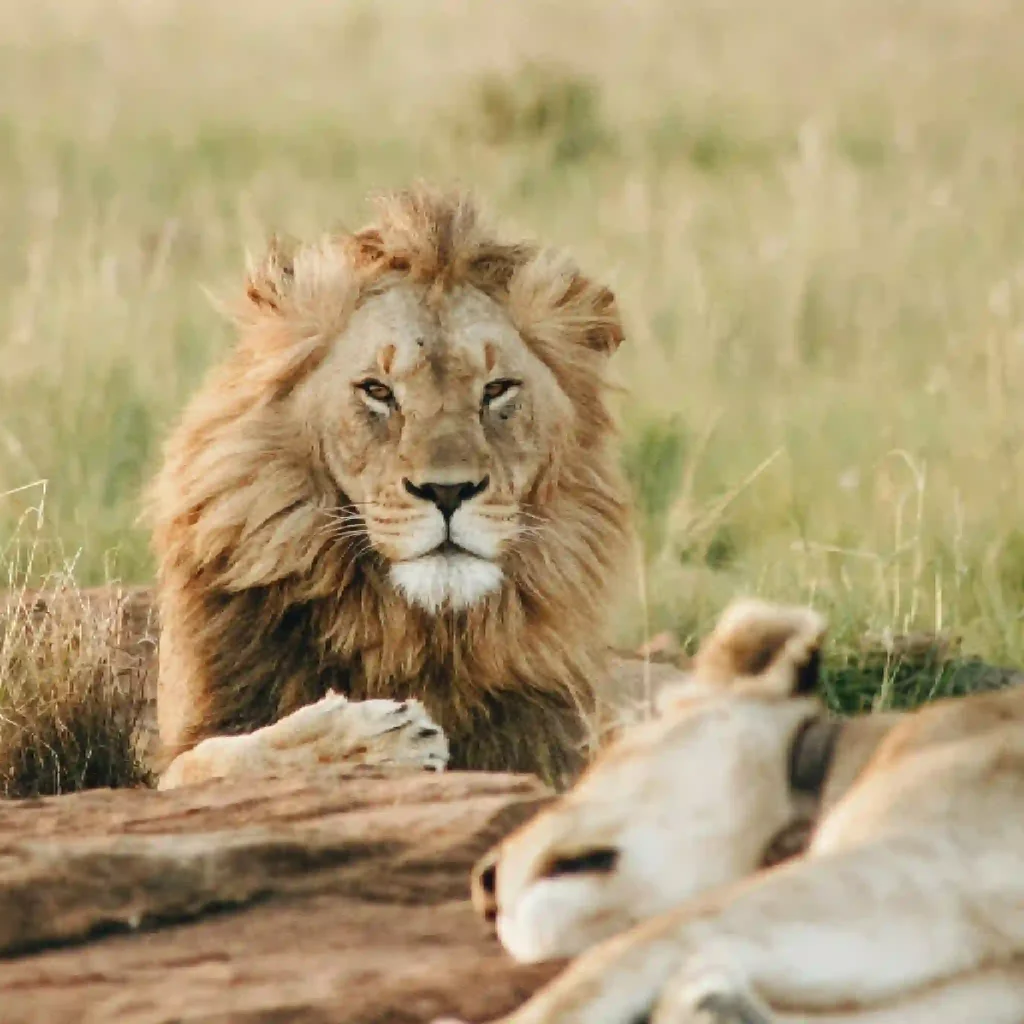
While the migration receives most of the attention, the overall biodiversity of Serengeti Wildlife is equally impressive.
The park supports:
- More than 70 large mammal species
- Over 500 bird species
- Numerous reptiles and amphibians
- Hundreds of plant species
This diversity creates exceptional safari experiences year-round.
Whether visitors are interested in birds, predators, herbivores, reptiles, or rare species, the Serengeti offers opportunities to observe wildlife in a thriving natural ecosystem.
No two safari experiences are ever exactly the same.
8. One of Africa’s Most Photogenic Destinations
Photographers often consider Serengeti National Park one of the most photogenic wildlife destinations in the world.
Several factors contribute to this reputation:
- Dramatic landscapes
- Spectacular sunsets
- Large wildlife populations
- Open grasslands
- Iconic acacia trees
- Rocky kopjes
- Seasonal migration scenes
Whether capturing a lion silhouetted against the horizon or a river crossing filled with thousands of wildebeest, photographers find endless inspiration throughout the park.
The Serengeti’s visual beauty has helped make it one of the most photographed protected areas in Africa.
9. A Bucket-List Safari Destination
Perhaps the greatest measure of the Serengeti’s fame is its place on travel bucket lists around the world.
For many travelers, a Luxury Serengeti Safari represents the ultimate African adventure.
The chance to witness millions of animals moving across the plains, hear lions roaring at dawn, or watch elephants wandering through ancient landscapes creates memories that last a lifetime.
Unlike many destinations that rely on a single attraction, the Serengeti offers a complete safari experience combining:
- Wildlife abundance
- Conservation significance
- Spectacular scenery
- Cultural heritage
- Luxury and adventure
- Year-round safari opportunities
This combination ensures that visitors leave with a deeper appreciation for nature and a desire to return again.
Top 8 Things to Do in Serengeti National Park
A visit to Serengeti National Park offers far more than simply spotting wildlife. Every day brings new adventures, from tracking predators across the plains to floating above the savannah in a hot air balloon.
Whether you are a first-time visitor or a seasoned safari enthusiast, the Serengeti provides unforgettable experiences that showcase the beauty and diversity of Serengeti Wildlife.
1. Game Drives
Game drives are the most popular activity in the Serengeti and provide the best opportunity to explore the park’s vast landscapes. Morning and evening drives offer excellent chances of spotting lions, leopards, elephants, cheetahs, giraffes, and countless other Serengeti Animals.
Experienced guides help visitors locate wildlife while sharing fascinating insights about the ecosystem.

2. Great Wildebeest Migration Safaris
For many travelers, witnessing the Great Wildebeest Migration is the highlight of their Tanzania Safari.
Specialized migration safaris follow the movement of the herds throughout the year, providing opportunities to witness calving season, predator action, and the famous Mara River crossings.
3. Hot Air Balloon Safaris
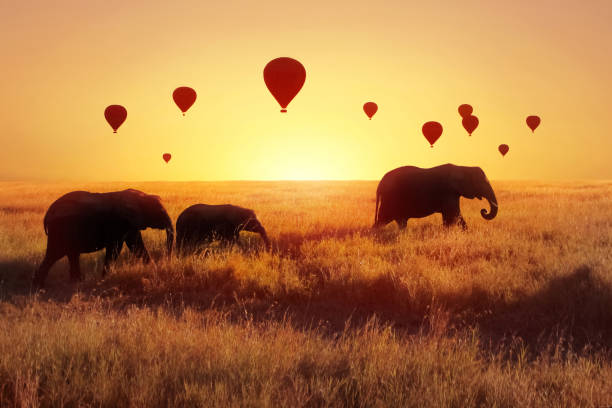
A hot air balloon safari offers one of the most breathtaking perspectives of Serengeti National Park Tanzania. As the sun rises over the plains, guests drift silently above landscapes before enjoying a bush breakfast in the wilderness.
4. Photography Safaris
The Serengeti is a dream destination for photographers. From dramatic predator encounters and migration scenes to stunning sunsets and iconic acacia trees, every moment presents a unique photographic opportunity.
5. Bird Watching
With more than 500 bird species recorded, birdwatching is a rewarding activity throughout the year. Visitors can spot ostriches, secretary birds, crowned cranes, eagles, vultures, and colorful bee-eaters.
6. Cultural Maasai Village Visits
Many safari itineraries include visits to Maasai communities located near the park. These cultural experiences provide insight into traditional Maasai customs, lifestyles, and their historical connection to the Serengeti ecosystem.
7. Walking Safaris
Available in select conservation areas, guided walking safaris allow visitors to experience nature on foot while learning about animal tracks, plants, insects, and the smaller details often missed during vehicle safaris.
8. Sunrise and Sunset Safaris
Few experiences compare to watching the African sun rise or set over the endless plains of the Serengeti. These golden hours provide exceptional wildlife viewing and photography opportunities.
Serengeti Conservation Efforts
The global reputation of Serengeti National Park extends beyond tourism. It is also one of Africa’s most important conservation success stories.
The park protects a large portion of the Serengeti-Mara ecosystem, ensuring that critical migration routes remain open for millions of animals. Conservation efforts focus on preserving biodiversity while supporting local communities and sustainable tourism initiatives.
1. Anti-Poaching Programs
Anti-poaching units patrol the park daily, helping protect elephants, rhinos, and other vulnerable species. Modern surveillance technology, ranger training, and intelligence networks have significantly strengthened wildlife protection efforts.
2. Wildlife Monitoring
Scientists continuously monitor animal populations, migration patterns, predator behavior, and ecosystem health. This research provides valuable information that helps guide conservation decisions.
3. Community Conservation
Conservation success depends on strong partnerships with local communities. Revenue generated from tourism supports education, healthcare, employment, and development projects that improve livelihoods while reducing pressure on wildlife habitats.
4. Sustainable Tourism
Tourism plays a vital role in funding conservation activities. Responsible safari operations contribute directly to wildlife protection, infrastructure maintenance, and environmental education programs.
5. Ecosystem Protection
The Serengeti remains one of the few ecosystems where large-scale wildlife migrations continue largely undisturbed. Protecting these migration routes is essential for the survival of millions of animals and the long-term health of the ecosystem.
Frequently Asked Questions About Serengeti National Park
1. When is the best time to visit Serengeti National Park?
The best time depends on your interests. July to October is ideal for river crossings, while January to March is best for calving season.
2. What is the best month to see the Mara River crossings?
The best period is typically from July through October, although timing varies depending on rainfall patterns.
3. Is a Serengeti safari worth it?
Absolutely. The combination of wildlife, scenery, conservation significance, and migration experiences makes it one of the world’s greatest safari destinations.
4. What are the top things to do in Serengeti?
Game drives, migration safaris, hot air balloon rides, bird watching, photography safaris, cultural visits, and walking safaris are among the most popular activities.
5. Is Serengeti better than Maasai Mara?
Both are exceptional safari destinations. The Serengeti offers a larger ecosystem and year-round migration experiences, while the Maasai Mara is renowned for its dramatic river crossings and dense wildlife concentrations.
Conclusion
In conclusion, Serengeti National Park stands as one of the last great wildernesses on Earth, a place where nature still follows ancient rhythms largely untouched by time.
At the heart of its global fame is the Great Wildebeest Migration, an awe-inspiring cycle of survival that transforms the entire Serengeti-Mara ecosystem throughout the year.
Few natural events on the planet can match the scale, drama, and beauty of this migration, where millions of animals move in search of life-sustaining grazing while predators follow closely behind.
Beyond the migration, the Serengeti offers an unmatched diversity of experiences. From thrilling Serengeti Safaris and hot air balloon rides to intimate encounters with the Big Five, every journey into the park reveals something extraordinary. Every safari visit contributes to preserving this fragile ecosystem for future generations.
Ultimately, the Serengeti is more than a destination, it is an experience that stays with you long after you leave. It is the sound of hooves echoing across golden plains, the sight of a lion silhouetted at sunrise, and the feeling of witnessing life in its most authentic form.
For anyone dreaming of an unforgettable Tanzania Safari, there is no place quite like it. The Serengeti does not just meet expectations, it exceeds them, inspires them, and redefines what a wildlife adventure can be.
For a journey that is not just travel but a return to nature’s greatest story, contact Crystal Tours Kenya today today by emailing info@crystaltourskenya.com or through +254 727 039 513.