1. Introduction to Sleeping Under the Stars in Maasai Mara
Sleeping under the stars in Maasai Mara is a unique safari experience that allows visitors to spend a night surrounded by the beauty of the African wilderness. Instead of staying inside a traditional hotel room, guests can sleep in a specially prepared outdoor setting where they can enjoy the open sky, peaceful surroundings, and natural sounds of the Mara.
Maasai Mara is a perfect destination for this experience because of its beautiful landscapes, abundant wildlife, breathtaking sunsets, and incredible night skies. As darkness falls, the atmosphere changes from the excitement of daytime game drives to a peaceful evening filled with stars and the sounds of nature.
The experience is ideal for couples, honeymooners, families, photographers, and adventurous travelers looking for something different from a traditional safari. From enjoying a sunset and campfire to waking up to the African sunrise, sleeping under the stars can become one of the most memorable parts of a Maasai Mara safari.
2. What Is Sleeping Under the Stars in maasai mara ?
Sleeping under the stars in the Maasai Mara is a unique safari experience where you spend the night outdoors on a comfortable, raised bed or special sleeping platform, surrounded by the sounds of the African wilderness.
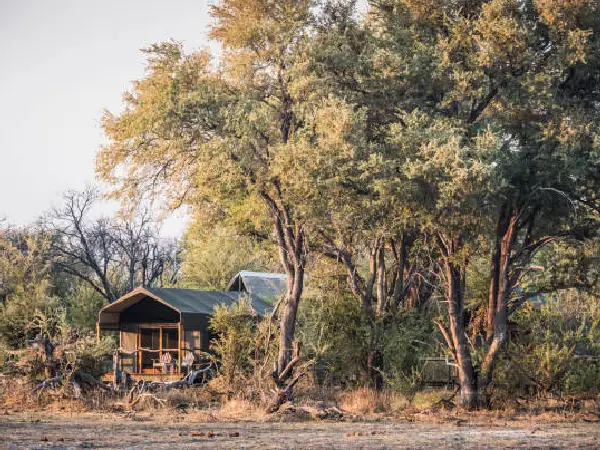
Unlike ordinary camping, this experience can combine the comfort of safari accommodation with the feeling of being close to nature. After an evening game drive or dinner around the campfire, you can relax in your sleeping area, look up at the stars, and listen to the peaceful sounds of the wilderness.
The experience is usually arranged in a safe and designated area, with trained camp staff available to assist guests. Visitors should always follow the camp’s safety instructions and never walk around the wilderness alone at night.
3. What Does the Experience Look Like?
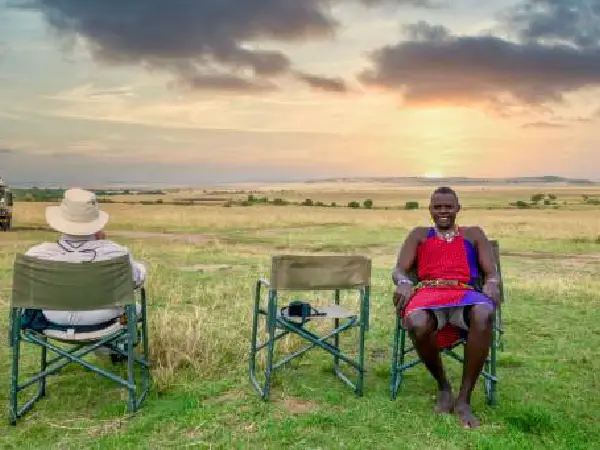
The experience of sleeping under the stars in Maasai Mara usually begins with arriving at your safari camp and settling into your comfortable sleeping area. As the evening approaches, you may head out for a sunset or evening game drive, enjoying the beautiful scenery and wildlife before returning to camp.
After the game drive, you can enjoy a delicious dinner under the stars followed by time around a warm campfire. You may relax, share safari stories, enjoy the peaceful surroundings, and admire the night sky. When it is time to sleep, you settle into your prepared outdoor sleeping area and enjoy the sounds of nature around you.
The following morning, you can wake up early to the sounds of birds, enjoy a cup of tea or coffee, watch the sunrise over the Maasai Mara, and prepare for an exciting morning game drive. It is a simple but unforgettable way to experience the wilderness.
4. Where Can You Sleep Under the Stars in Maasai Mara?
There are several accommodation options for travelers who want to experience sleeping under the stars in Maasai Mara. The experience is usually offered by selected safari camps, private conservancies, and luxury bush camps that have designated outdoor sleeping areas.
Luxury Safari Camps
Luxury safari camps in the Maasai Mara offer the perfect combination of comfort, privacy, and wilderness. Guests can enjoy spacious safari tents, comfortable beds, private bathrooms, delicious meals, and stunning views of the savannah.
Many camps also offer game drives, sundowners, bush dinners, and special experiences such as sleeping under the stars.
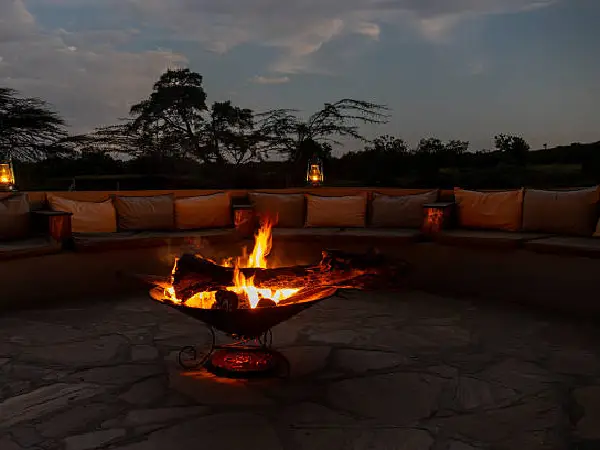
Perfect for: Couples, honeymooners, families, and travelers looking for a comfortable and unforgettable safari experience.
Private Conservancies
Private conservancies can provide a more exclusive safari experience, with fewer vehicles and opportunities for private activities depending on the conservancy’s rules.
Tented Camps
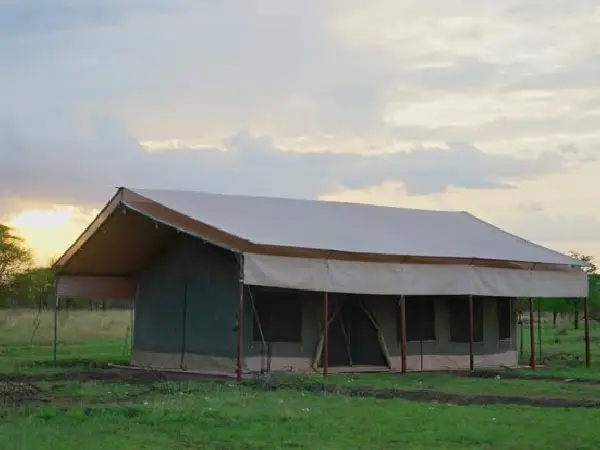
Tented camps combine the feeling of being close to nature with the comfort of a proper bed and safari accommodation. Some camps may offer a special outdoor sleeping experience in addition to their normal tents.
Exclusive camps
Bush camps can provide a more intimate wilderness experience, often with campfires, outdoor dining, and close connections to the surrounding environment.
Mobile Safari Camps
Mobile camps move between different locations and can offer a more traditional safari atmosphere. They are suitable for travelers who want to experience the wilderness in a more adventurous way.
Before booking, confirm with the camp that they specifically offer sleeping under the stars, as not every safari camp provides an open-air sleeping arrangement.
Best Areas for a Starry-Night Safari
There isn’t one single “best” location for everyone.
Your ideal location depends on what you want from your trip, whether you’re looking for privacy, wildlife, romance, conservation, or a quieter safari experience.
Naboisho Conservancy
Naboisho is a strong option for travelers who want a combination of wildlife, privacy, and a classic conservancy safari.
The area has several small camps and emphasizes low-impact tourism. Walking safaris and night drives can also be part of the experience, depending on the camp and current conditions.
Best for: Couples, photographers, repeat safari travelers, and people seeking a quieter experience.
Olare Motorogi Conservancy
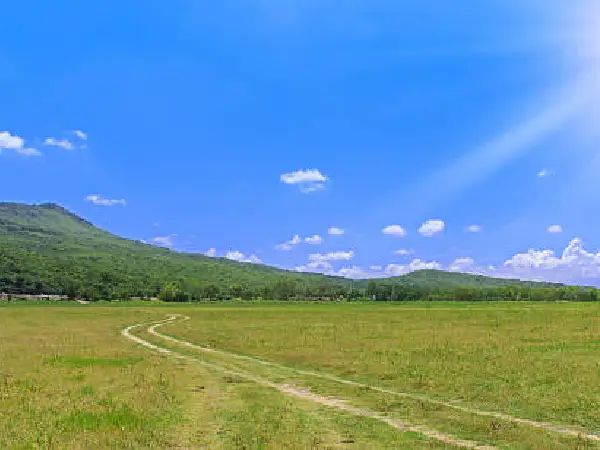
Olare Motorogi is another excellent option, particularly for travelers interested in predators and a more exclusive safari atmosphere.
The conservancy has a limited number of partner camps, helping maintain a lower-density environment and a more intimate wilderness experience.
Best for: Luxury travelers, honeymooners, and serious wildlife enthusiasts.
Mara North Conservancy
Mara North is known for its community-based conservation model and relatively low tourist density.
Its approach combines tourism, wildlife protection, and benefits for local Maasai landowners. The area offers travelers an opportunity to experience the Mara in a quieter and more natural setting.
Best for: Travelers interested in conservation, authentic safari experiences, and fewer crowds.
Ol Kinyei Conservancy
Ol Kinyei is a community-owned conservancy and one of the pioneering conservancies in the Mara ecosystem.
Best for: Conservation-minded travelers, couples, and travelers looking for an intimate bush experience.
5. Sleeping Under the Stars vs Traditional Safari Camping
Sleeping under the stars in Maasai Mara is different from traditional safari camping because it gives travelers a more open and direct connection with nature. Instead of sleeping inside a fully enclosed tent, guests may sleep in a specially prepared outdoor area beneath the night sky, depending on the camp and weather conditions.
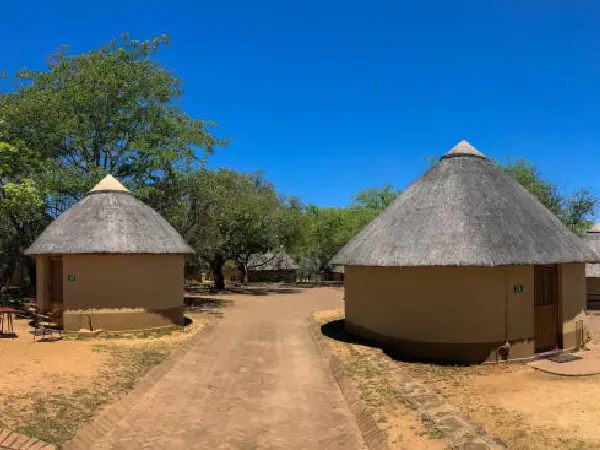
Traditional safari camping usually provides a tent with walls and better protection from rain, wind, and insects. It can be a great choice for travelers who want a classic camping experience. Sleeping under the stars, on the other hand, focuses more on the feeling of being outdoors and enjoying the peaceful African night.
Both options can be comfortable and exciting. The best choice depends on your comfort level, budget, privacy, weather conditions, and the type of safari experience you want.
6. What Happens During the Night?
The night begins with the beautiful Maasai Mara sunset, as the sky changes color and the day’s safari activities come to an end. After returning to camp, guests can enjoy a delicious dinner in a peaceful outdoor setting before gathering around the campfire.
As darkness settles over the Mara, the atmosphere becomes calm and peaceful. You can relax by the fire, share stories, listen to the sounds of the wilderness, and enjoy the incredible African night sky. When it is time to sleep, you can settle into your prepared sleeping area and enjoy the unique feeling of being surrounded by nature.
In the early morning, camp staff may wake you for tea or coffee before sunrise. You can then watch the landscape come alive as the sun rises and prepare for an exciting morning game drive.
7. Wildlife Around Your Camp
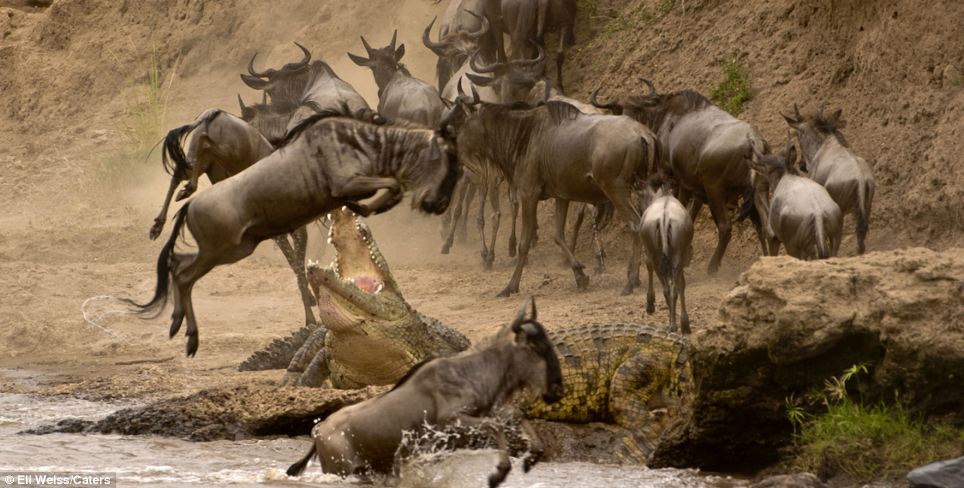
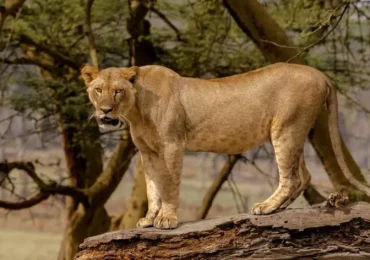
One of the most exciting parts of sleeping under the stars in Maasai Mara is being surrounded by a natural wilderness where wildlife may be active nearby. During your safari, you may see animals such as lions, elephants, buffaloes, zebras, wildebeest, hippos, and hyenas. At night, you may also hear different animal calls and other natural sounds around the camp.
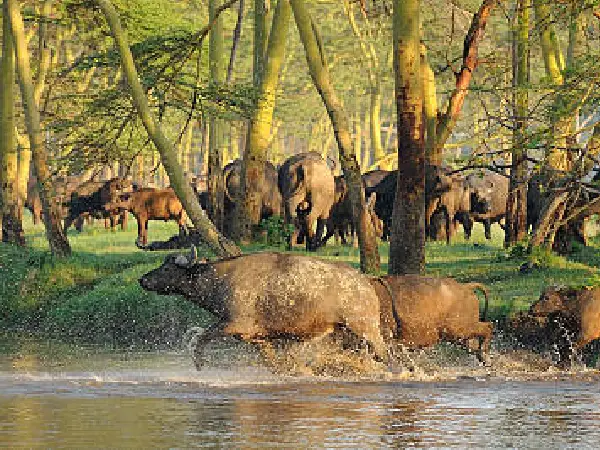
However, wildlife sightings and sounds are unpredictable, and animals should always be observed from a safe distance. Safari camps have safety procedures to protect both guests and wildlife. Never approach animals, leave your sleeping area alone at night, or attempt to feed wildlife. Always follow the instructions of your guide and camp staff to enjoy the experience safely and responsibly.
8. Is Sleeping Under the Stars in Maasai Mara Safe?
Sleeping under the stars in Maasai Mara can be a safe and enjoyable experience when it is properly organized by a reputable safari camp. The sleeping areas are selected with safety in mind, and trained camp staff are available to guide and assist guests throughout the night.
To stay safe, visitors should always follow the instructions of camp staff and safari guides. Never walk around alone at night, approach wild animals, or leave food where animals can reach it. If you need to move around after dark, ask the camp staff whether you need an escort. Keeping your sleeping area tidy and respecting wildlife also helps create a safe environment.
The key is to remember that you are staying in a wildlife environment. Enjoy the sounds and beauty of the Maasai Mara, but allow trained guides and camp staff to handle safety around wildlife.
What Should You Pack?
You don’t need to bring a lot of special equipment for a night under the stars in the Maasai Mara. Most safari camps provide the bed, mattress, bedding, towels, and other basic essentials.
However, packing the right personal items will make your experience more comfortable, especially during cool evenings and early mornings.
Essential Things to Pack
- Warm layers: Evenings and early mornings can be chilly, so bring a fleece, sweater, or light jacket.
- Comfortable safari clothing: Choose lightweight, breathable clothes that are easy to move around in.
- A light waterproof jacket: Weather can change quickly, so having a rain jacket is useful.
- Closed shoes: Comfortable walking shoes or lightweight boots are ideal for moving around camp.
- Headlamp or small flashlight: Useful when moving around after dark.
- Insect repellent: Helpful for keeping mosquitoes and other insects away, particularly in the evenings.
- Sunscreen: The African sun can be strong, even on cooler days.
- Binoculars: A must-have for wildlife watching and spotting birds during game drives.
- Camera and spare batteries: You’ll want your camera ready for sunrise, wildlife, landscapes, and the night sky.
- Power bank: Useful for keeping your phone and other devices charged when you’re away from regular power outlets.
- Personal toiletries: Bring your usual essentials, although many camps provide basic toiletries.
- Reusable water bottle: Staying hydrated is important during safari activities.
- Small overnight bag: If your star-bed experience is separate from your main tent, a small bag can make it easier to carry only what you need for the night.
Don’t Overpack
One of the biggest mistakes first-time safari travelers make is bringing too much luggage.
You generally don’t need several pairs of shoes, formal clothes, or large amounts of equipment. Safari camps are designed to provide most of the essentials you’ll need during your stay.
Focus on comfortable, practical, and lightweight clothing. Neutral colors such as beige, khaki, brown, and olive are popular for safari because they blend naturally with the surroundings and are practical for game drives.
Most importantly, leave a little space in your bag for the memories you’ll bring home—not just souvenirs, but photographs and stories from your night beneath the Mara sky.
What Is a Typical Night Like?
A night under the stars in the Maasai Mara is about more than simply going to bed outdoors. From an evening game drive to waking up with the first light of day, every part of the experience feels connected to the rhythm of the African wilderness.
Your exact experience will depend on the camp, but a typical evening may look something like this.
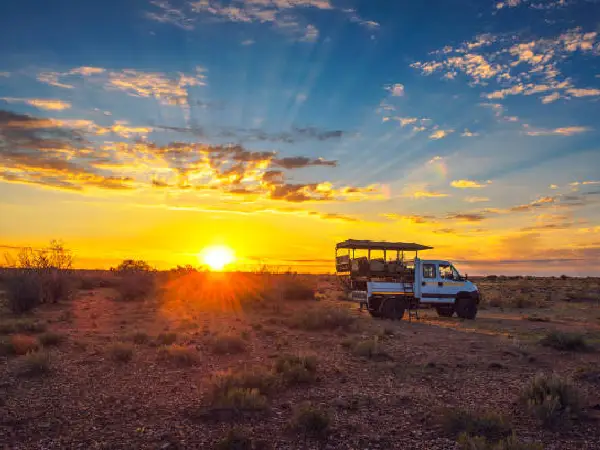
4:00–6:00 PM — Evening Game Drive
Your evening usually begins with a game drive as the afternoon heat starts to fade and the light becomes softer.
This is one of the best times for photography. The warm golden light creates beautiful views across the savannah, while animals often become more active as temperatures cool.
Keep your camera ready—you never know what you might encounter before sunset.
Around Sunset — Enjoy a Sundowner
As the sun begins to disappear over the plains, your guide may stop at a scenic location for a traditional safari sundowner.
You can step out, stretch your legs, enjoy a drink, and watch the sky change from bright gold to shades of orange, pink, and purple.
It is one of those moments when it is worth putting the camera down for a few minutes and simply enjoying where you are.
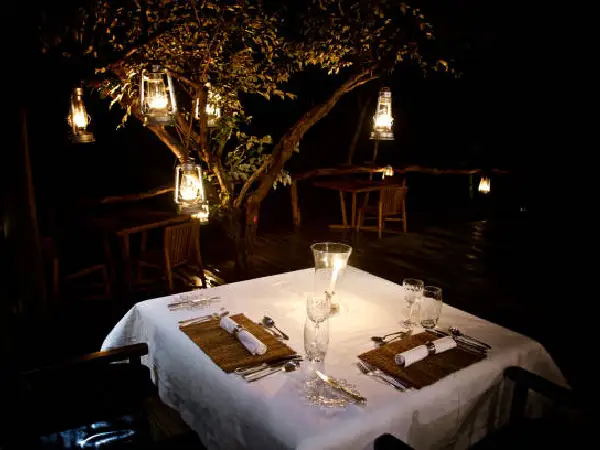
Evening — Dinner Under the African Sky
After sunset, you’ll return to camp for dinner.
Depending on your accommodation, dinner may be served in the main dining area, around a campfire, or as a private bush dining experience.
Some camps can also arrange a special dinner beneath the stars, adding another memorable touch to the evening.
After Dinner — Return to Your Sleeping Area
Once dinner is finished, a member of the camp team or a guide may accompany you back to your tent or star bed.
Walking through the camp at night is very different from moving around during the day.
The sounds of the wilderness become much more noticeable, and the darkness makes even a short walk feel like part of the safari adventure.
Always follow the camp’s instructions and never walk around the property alone after dark.
Night — Sleep Beneath the Stars
If the weather is clear and conditions are suitable, your bed can be prepared for an open-air sleeping experience.
You settle beneath your blankets, look up at the night sky, and listen to the sounds of the Mara around you.
You may hear insects, birds, hyenas calling in the distance, or other sounds from the surrounding wilderness.
And then comes the difficult part: trying to fall asleep when the African sky is this beautiful.
Early Morning — Wake Up With the Savannah
One of the most magical parts of the experience comes in the morning.
Wake before or around sunrise and watch the darkness slowly give way to the first golden light of day.
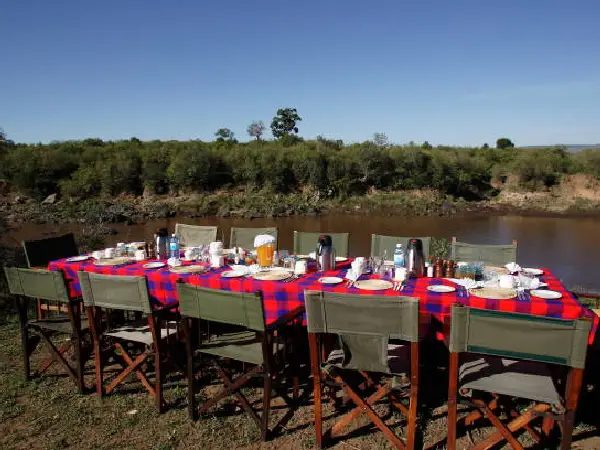
The temperature begins to rise, birds start calling, and the savannah gradually comes alive.
After breakfast or a quick refresh, you can head out for an early morning game drive while wildlife is still active.
The Experience Doesn’t End When You Go to Sleep
That’s what makes sleeping under the stars in the Maasai Mara so special.
A normal safari might end when the sun goes down. A star-bed experience allows you to continue experiencing the wilderness long after the day’s final game drive.
From sunset and sundowners to dinner, nighttime sounds, stargazing, and sunrise, the entire night becomes part of your safari.
How Much Does Sleeping Under the Stars in Maasai Mara Cost?
There is no single price for sleeping under the stars in the Maasai Mara. The cost can vary considerably depending on the camp, time of year, accommodation style, and what is included in your safari package.
A star-bed experience is often offered as part of a wider safari stay rather than as a separate accommodation product, so it is important to look at the total cost of your safari when comparing options.
What Affects the Price?
Several factors can influence how much you pay:
- The camp or lodge: Luxury camps and exclusive conservancy properties generally cost more than simpler accommodation options.
- Location: Staying inside the reserve and staying in a private or community conservancy can have different pricing structures and fees.
- Season: Prices are often higher during popular travel periods, particularly around peak wildlife-viewing seasons.
- Number of nights: Longer stays may offer better overall value than a single-night visit.
- Accommodation type: A luxury tent, private suite, family accommodation, and star-bed experience can all have different rates.
- Private vehicle: A private safari vehicle and guide will usually increase the overall cost but provide more flexibility.
- Meals and drinks: Check whether full board, selected drinks, or special dining experiences are included.
- Game drives: Some packages include scheduled game drives, while others may charge separately.
- Park or conservancy fees: These can be additional costs depending on where you stay and how your safari is arranged.
- Transfers: Road transfers or flights from Nairobi to the Mara can add significantly to the overall budget.
Luxury vs Budget Options
Luxury conservancy camps can be considerably more expensive than basic camps and lodges outside the main reserve.
However, the higher price may include much more than just a place to sleep. Some luxury safari packages include meals, guided game drives, transfers, conservation or conservancy fees, sundowners, bush dining, and other experiences.
On the other hand, a more affordable accommodation option may charge separately for several of these services.
Compare the Complete Package
When planning your trip, don’t choose a camp based solely on its advertised nightly rate.
Instead, ask for a clear breakdown of what you’ll actually pay.
Before booking, check whether the price includes:
- Accommodation
- Meals
- Drinks
- Game drives
- Park or conservancy fees
- Airport or airstrip transfers
- Sundowners
- Bush meals
- The star-bed experience
- Taxes and service charges
A slightly more expensive package can sometimes offer better value if it includes experiences and fees that would otherwise be added separately.
Is Sleeping Under the Stars Worth the Cost?
For many travelers, yes.
A night beneath the Mara sky is not simply another place to sleep. It is an experience that combines accommodation, nature, wildlife, and the unique atmosphere of the African wilderness.
If it is within your budget, consider making the star-bed experience part of a multi-night Maasai Mara safari rather than planning an entire trip around just one night.
That way, you can enjoy the wildlife during the day and experience the magic of the Mara after dark without rushing the adventure.
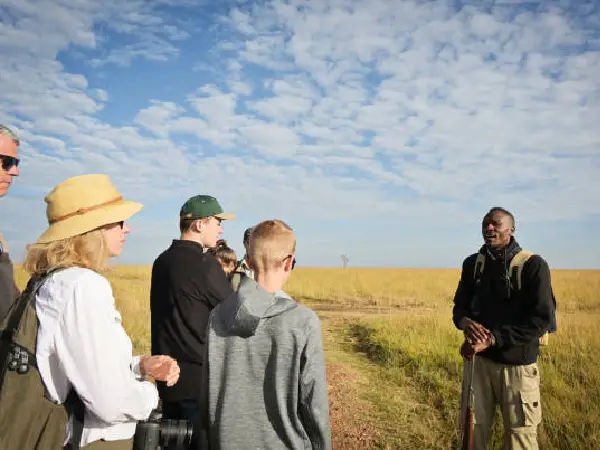
Can Children Sleep Under the Stars in Maasai Mara?
Yes, children can enjoy a night under the stars in the Maasai Mara, but whether they can sleep on a star bed depends on the camp’s age restrictions and safety policies.
Families should always check the minimum age requirement before booking. Some camps are specifically designed for families, while others may restrict outdoor sleeping experiences to older children or adults.
For younger children, a traditional safari tent may be a more comfortable option. Older children who are confident in the outdoors can enjoy the excitement of sleeping beneath the African sky while listening to the sounds of the wilderness around them.
Yes, children can sometimes sleep under the stars in the Maasai Mara, but it depends on the camp and the child’s age.
Some camps welcome families, while others set a minimum age for star-bed or outdoor sleeping experiences because you’re in a genuine wildlife environment.
For families, check these things before booking:
- Minimum age: Some camps may not allow young children on star beds.
- Safety arrangements: Ask whether a staff member escorts children and parents around camp after dark.
- Sleeping setup: A raised, secure star bed is preferable to an informal outdoor campsite.
- Weather: Outdoor sleeping should only happen when conditions are suitable.
- Distance from other tents: Ask how the sleeping area is positioned within the camp.
- Backup accommodation: Make sure there is a normal tent or room available if the weather changes.
With the right camp and proper safety arrangements, a night beneath the stars can be a wonderful family safari memory.
Best Time to Sleep Under the Stars in Maasai Mara
The best time to sleep under the stars in the Maasai Mara is generally during the drier months, from June to October, when nights are more likely to be clear and outdoor activities are easier to enjoy.
However, each season has something different to offer:
- June to October: Best overall choice — drier weather, clearer skies, and excellent wildlife viewing. July to October is also the peak period for the Great Migration.
- January to February: Excellent alternative — generally drier conditions, good wildlife viewing, and potentially clearer nights.
- November to December: Fresh green landscapes and fewer visitors, but occasional rain can make outdoor sleeping less predictable.
- March to May: The long-rain period. The Mara can be beautifully green, but rain and cloudy conditions can make a star-bed night less reliable.
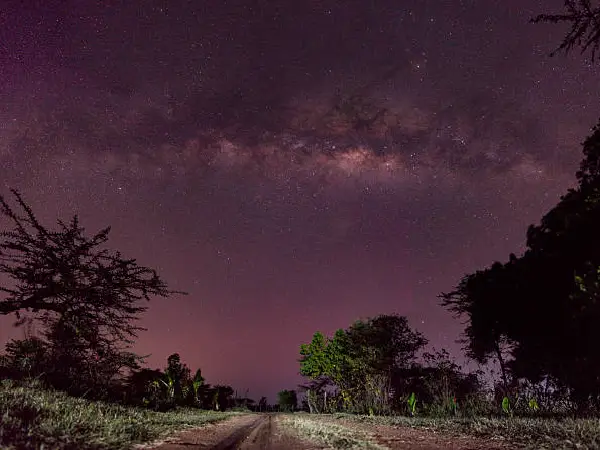
Best Months for Stargazing
If your main goal is clear skies and a better chance of seeing the stars, I’d recommend July, August, September, January, or February.
September can be particularly appealing because you can combine good wildlife viewing with the possibility of beautiful clear evenings.
Keep the Weather in Mind
Even during the dry season, a star-bed experience is never guaranteed every night. Weather conditions can change, and camps may move guests under shelter if rain or strong winds are expected.
Tip: If sleeping under the stars is one of the highlights of your trip, stay for at least 3 nights. This gives you more opportunities to enjoy a clear evening rather than relying on one particular night.
How to Choose the Right Star-Bed Experience
Not every star-bed experience in the Maasai Mara is the same. Some are designed as luxurious outdoor sleeping platforms, while others may simply offer an opportunity to sleep outside under certain conditions.
Before making a booking, take a few minutes to understand exactly what the experience includes.
Questions to Ask Before Booking
- Is the sleeping platform actually open to the sky?
Some properties use the term “star bed” for a partially covered platform, so confirm what the sleeping arrangement looks like. - Is the star-bed experience included in the room rate?
Some camps include it as part of the accommodation package, while others may charge an additional fee. - Is it available every night?
Find out whether you can sleep under the stars every night or whether the experience must be requested in advance. - Is the experience weather-dependent?
Ask what happens if it rains or strong winds are expected. - Is there a backup indoor sleeping arrangement?
A sheltered alternative is important in case weather conditions make outdoor sleeping unsuitable. - What safety procedures are in place?
Ask how the camp manages guests at night and what precautions are taken around wildlife. - Is a staff escort provided after dark?
Find out whether you will be accompanied when walking between your tent, dining area, and star bed. - Are there age restrictions?
If you’re traveling with children, confirm the minimum age for the outdoor sleeping experience. - Are meals included?
Check whether breakfast, lunch, dinner, drinks, and special bush meals are included in your package. - Are park or conservancy fees included?
These charges can make a significant difference to the final cost of your safari. - How far is the camp from the main wildlife areas?
Location can affect the amount of time you spend traveling to and from popular game-viewing areas. - Is the camp inside the reserve or in a conservancy?
This can affect the safari experience, available activities, fees, and overall atmosphere.
Don’t Book Based on the Name Alone
The words “star bed” can mean different things at different properties.
Before paying a deposit, ask for photographs or a detailed description of the actual sleeping setup. Make sure you understand what is included, how the experience works, and what happens if the weather changes.
A little research before your trip can help you avoid unpleasant surprises and ensure that your night under the Maasai Mara sky is exactly what you imagined.
Inside the Reserve or in a Conservancy?
Choosing between staying inside the Maasai Mara National Reserve and staying in a nearby conservancy is one of the most important decisions when planning your safari.
Both options offer an incredible wildlife experience, but they provide slightly different atmospheres, activities, and accommodation choices.
Staying Inside the Reserve
Staying inside the reserve can be a great choice if your main priority is spending as much time as possible in the main wildlife areas.
Advantages include:
- Direct access to the reserve.
- Convenient game drives.
- Potentially shorter drives to certain wildlife-viewing areas.
- Good access to areas that can be popular during the Great Migration.
- The opportunity to spend more time exploring the reserve during your safari.
One potential disadvantage is that popular areas can become busy, particularly during peak travel periods when more safari vehicles are present.
Staying in a Conservancy
A conservancy can offer a quieter and more private safari experience.
Many conservancies surrounding the Maasai Mara have smaller camps and fewer visitors, creating a more intimate atmosphere.
Advantages include:
- Lower visitor density.
- More intimate safari camps.
- Walking safaris where permitted.
- Night drives where permitted.
- Opportunities to support community conservation.
- A quieter and more peaceful overall experience.
For travelers interested in sleeping under the stars, a conservancy can be particularly appealing because many of the smaller camps focus on creating immersive wilderness experiences.
Which One Should You Choose?
There is no single right answer.
Choose inside the reserve if your priority is convenient access to the main reserve and maximizing your time in key wildlife areas.
Choose a conservancy if you prefer privacy, fewer crowds, smaller camps, and a more relaxed wilderness experience.
When comparing prices, remember to look at the complete package. Conservancy fees, reserve-entry fees, accommodation, meals, game drives, and transfers can all affect the final cost.
Ultimately, the best choice depends on what matters most to you: wildlife viewing, migration access, privacy, activities, comfort, or budget.
Here’s a polished version with all references removed and a more natural flow for your blog: Responsible Tourism: Why Your Choice Matters
Responsible Tourism: Why Your Choice Matters
Sleeping under the stars in the Maasai Mara isn’t only about luxury, adventure, and beautiful views. The choices you make as a traveler can also have an impact on the people, wildlife, and landscapes that make the Mara so special.
Many community conservancies use tourism as part of a wider approach to conservation. Tourism can provide income for local landowners and communities while helping protect important wildlife habitats and migration routes.
Choosing where you stay therefore gives you an opportunity to support businesses that care about the long-term future of the Maasai Mara.
What to Look for in a Responsible Safari Camp
Before booking your stay, consider asking:
- Does the camp employ local people?
- Does it support nearby communities?
- Does it contribute to wildlife conservation?
- Does it use water and energy responsibly?
- Does it minimize plastic and other waste?
- Does it respect wildlife and maintain a safe distance from animals?
- Does it follow responsible safari and tourism practices?
- Does it work with local communities rather than simply operating around them?
You don’t have to sacrifice comfort to travel responsibly. Many safari camps combine luxury with conservation, community involvement, and environmentally conscious practices.
Leave the Mara Better Than You Found It
As a visitor, you are only a temporary guest in this remarkable ecosystem.
Avoid littering, don’t feed or disturb wildlife, follow your guide’s instructions, and respect local communities and their traditions.
Most importantly, remember that the beauty of sleeping beneath the Mara sky depends on keeping the wilderness healthy and protected.
A truly memorable safari isn’t just about what you experience. It’s also about helping ensure that the Maasai Mara remains wild for the travelers, communities, and wildlife of the future.
For a Maasai Mara safari that includes sleeping under the stars, I’d recommend 3–4 nights. One or two nights can feel rushed, while three or four nights give you enough time to enjoy game drives, relax at camp, and have a better chance of getting a clear night for the star-bed experience.
How Many Nights Should You Stay?
If sleeping under the stars is one of the highlights of your Maasai Mara trip, staying for 3–4 nights is a good choice.
One night can give you a taste of the experience, but it may feel too short, especially if you are traveling a long distance to reach the Mara.
With two nights, you have more time for game drives and a chance to enjoy the camp, but your schedule can still feel fairly tight.
Three to Four Nights: The Sweet Spot
Three to four nights gives you enough time to experience the Maasai Mara without feeling rushed.
You can enjoy:
- Morning and afternoon game drives.
- A sunset sundowner.
- Time to relax at your camp.
- A bush breakfast or dinner.
- A night beneath the stars.
- More opportunities to see different wildlife.
- Time to enjoy the landscape beyond the game drives.
Staying several nights also gives you more flexibility if the weather doesn’t cooperate on your planned star-bed night.
Is More Than Four Nights Worth It?
Absolutely, especially if you are a serious wildlife enthusiast, photographer, or simply prefer slow travel.
A longer stay allows you to explore different areas of the Mara, spend more time observing wildlife, and enjoy your accommodation without constantly feeling like you need to move on.
For most travelers, however, 3–4 nights offers a comfortable balance between safari experiences, relaxation, and budget.
If sleeping under the stars is your main reason for visiting, don’t make the trip too short. Give yourself enough time to enjoy the Mara at its own pace.
Tips for First-Time Visitors to Maasai Mara
If this is your first visit to the Maasai Mara, a little preparation can make your safari more comfortable, enjoyable, and memorable. From choosing the right accommodation to preparing for cool mornings and exciting game drives, these simple tips can help you get the most out of your trip.
1. Give Yourself Enough Time
Don’t try to experience the Mara in just one night if you can avoid it. Staying for 3–4 nights gives you enough time for several game drives, relaxation, and a chance to enjoy a night under the stars.
2. Choose Your Accommodation Carefully
Don’t choose a camp based only on photographs or the price.
Check its location, facilities, safety procedures, included activities, and whether it actually offers a star-bed or outdoor sleeping experience.
3. Bring Layers
The Mara can be warm during the day and surprisingly cool in the early morning and evening.
Pack lightweight clothing for daytime and warmer layers for early morning and nighttime.
4. Carry Binoculars.
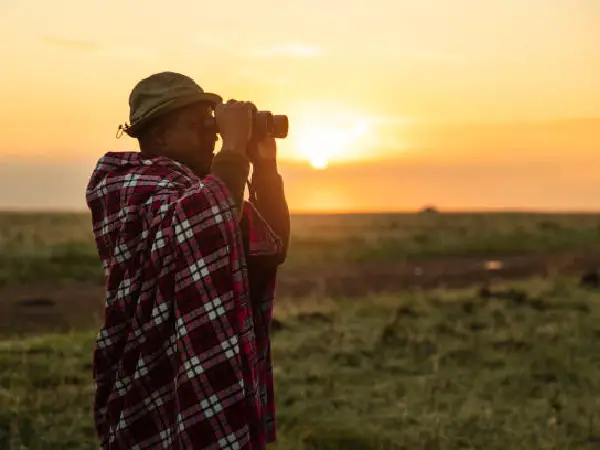
You don’t always need to be close to an animal to enjoy watching it.
A good pair of binoculars can help you spot birds, distant wildlife, and smaller animals that you might otherwise miss.
5. Listen to Your Guide
Your safari guide knows the area, wildlife, roads, and safety procedures.
Follow their instructions, particularly when you’re outside the vehicle or moving around camp after dark.
6. Don’t Expect to See Everything
The Maasai Mara is a wild ecosystem, not a wildlife park where animals appear on schedule.
You may see lions, elephants, cheetahs, giraffes, zebras, and many other animals, but every game drive is different.
Enjoy the experience rather than trying to complete a checklist.
7. Wake Up Early
Some of the best safari moments happen early in the morning.
The air is cooler, the light is beautiful, and many animals are active before the heat of the day arrives.
If you’re sleeping under the stars, waking up before sunrise can be one of the most memorable parts of the experience.
8. Respect the Wilderness
Never feed animals, leave rubbish behind, or attempt to approach wildlife.
When staying at a camp, follow all instructions about moving around after dark. Remember that you are visiting a genuine wilderness environment.
9. Keep Your Camera Ready
You’ll never know when a memorable moment will happen.
Keep your camera or phone charged and carry spare batteries or a power bank. But don’t spend the entire safari looking through a screen—sometimes the best moments are the ones you simply watch.
10. Be Flexible
Safari plans can change because of weather, wildlife movements, road conditions, or other unexpected circumstances.
Don’t worry if your day doesn’t go exactly according to plan. Some of the most unforgettable safari experiences happen when you least expect them.
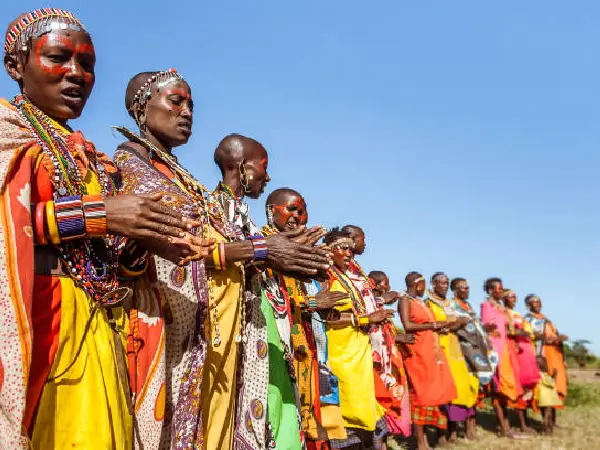
11. Respect Local Communities
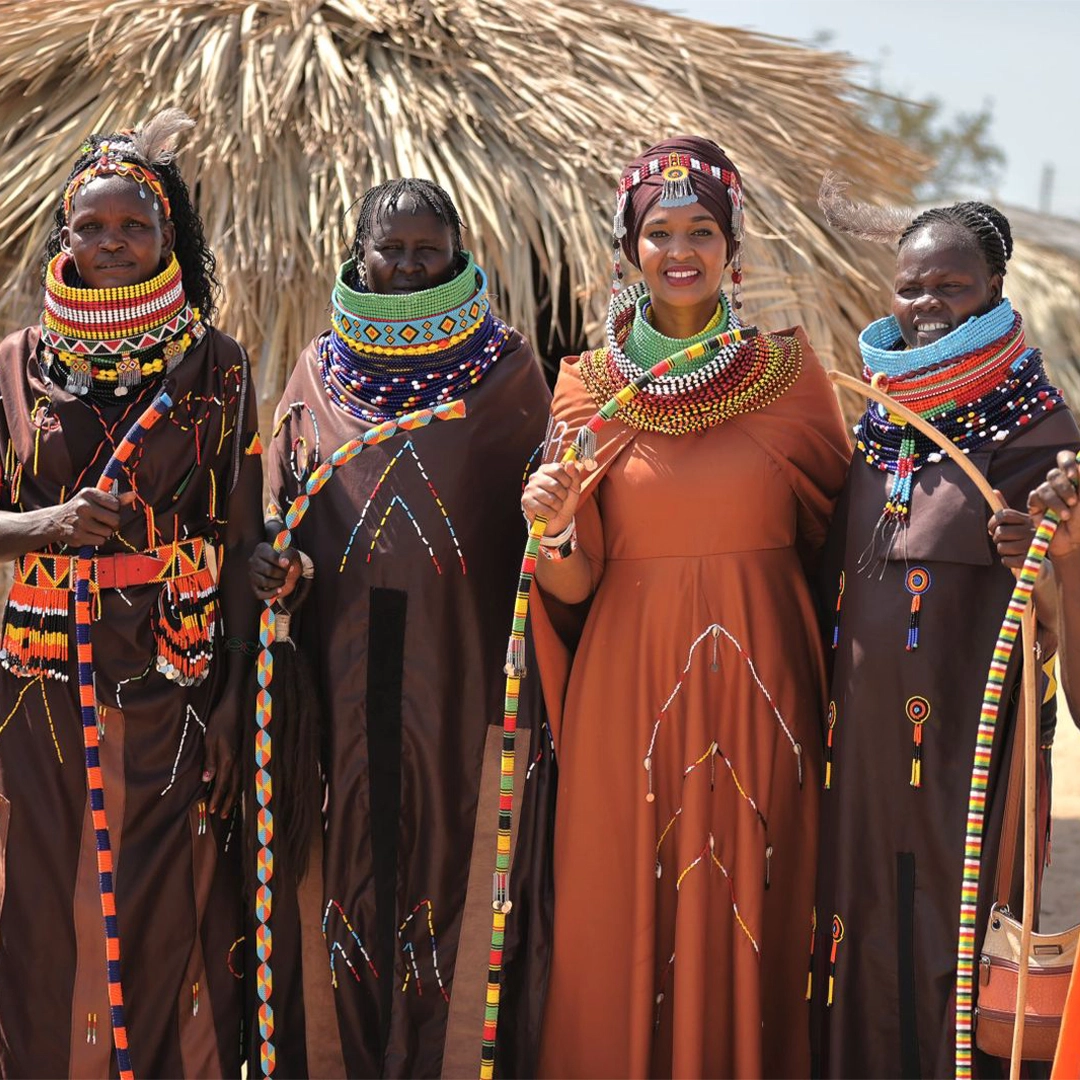
The Maasai Mara is not only a wildlife destination. It is also home to local communities with deep cultural connections to the land.
Be respectful when interacting with local people, visiting communities, or taking photographs.
12. Slow Down and Enjoy It
Perhaps the most important tip for a first-time visitor is to slow down.
Don’t spend the entire trip worrying about the next game drive or the next animal sighting.
Take time to watch the sunset, listen to the sounds of the bush, enjoy your meals, look at the stars, and appreciate where you are.
The Maasai Mara is an experience to be felt, not simply a destination to be checked off a list.
Frequently Asked Questions
Is sleeping under the stars in Maasai Mara safe?
Yes, when the experience is arranged by a properly managed safari camp and you follow the camp’s safety instructions. Never walk around the bush alone at night and always use a staff escort when one is required.
Can children sleep under the stars in Maasai Mara?
Some camps allow children, while others have minimum age requirements for outdoor sleeping. Families should confirm the camp’s policy before booking.
What is the best time to sleep under the stars in Maasai Mara?
The dry months from June to October are generally a good time because of the higher chance of clear nights. January and February can also be excellent for outdoor sleeping and stargazing.
How many nights should I stay in Maasai Mara?
For a good balance of wildlife viewing and relaxation, 3–4 nights is recommended. This also gives you more opportunities to enjoy a clear night under the stars.
What should I bring for a night under the stars?
Pack warm layers, comfortable safari clothing, closed shoes, insect repellent, sunscreen, a flashlight or headlamp, binoculars, a camera, spare batteries, a power bank, and personal toiletries.
Do I need to bring a sleeping bag?
Usually not. Most camps offering a star-bed experience provide a proper bed, mattress, blankets, and other bedding. However, it is always best to confirm with your chosen camp before traveling.
What happens if it rains?
Outdoor sleeping is weather-dependent. If rain or strong winds are expected, the camp may move you to a sheltered or enclosed sleeping area.
Can I see wildlife while sleeping under the stars?
You are staying in a genuine wildlife environment, so animals may be active in the surrounding area. However, wildlife sightings from your sleeping platform are never guaranteed, and you should never attempt to attract or approach animals.
Is sleeping under the stars expensive?
The cost varies depending on the camp, season, location, accommodation type, and what is included in the safari package. Luxury conservancy camps generally cost more than simpler accommodation options.
Is it better to stay inside the reserve or in a conservancy?
Both have advantages. Staying inside the reserve can provide convenient access to wildlife areas, while conservancies can offer more privacy, fewer vehicles, and additional activities depending on the area and camp.
Is sleeping under the stars suitable for honeymooners?
Yes. A private star-bed experience can be a memorable addition to a honeymoon, especially when combined with a sunset sundowner, private dinner, and early morning game drive.
Can I sleep under the stars every night?
Not necessarily. Some camps offer the experience only on request, and weather conditions can affect availability. Confirm the arrangements with your camp before booking.
Do I need to book a star-bed in advance?
Yes, especially during busy travel periods. If sleeping under the stars is an important part of your safari, mention it when making your reservation so the camp can confirm availability.
Is sleeping under the stars the same as camping?
No. A star-bed experience is usually designed to provide the feeling of sleeping outdoors while maintaining a high level of comfort and professional camp support. It is very different from traditional camping.
What makes sleeping under the stars in Maasai Mara special?
It allows you to experience the Mara beyond the daytime game drives. You can listen to the sounds of the wilderness at night, watch the stars above the savannah, and wake up to the first light of an African sunrise.
Is it worth sleeping under the stars in Maasai Mara?
For travelers who enjoy nature, adventure, and unique safari experiences, it can be one of the most memorable parts of a Maasai Mara trip. The experience combines the comfort of a safari camp with the feeling of being immersed in the wilderness.
Plan Your Maasai Mara Safari with Crystal Tours Kenya
Planning a Maasai Mara safari should be exciting, not stressful. From choosing the right accommodation and deciding how many nights to stay to finding the perfect time to sleep under the stars, having the right travel plan can make your experience even more memorable.
At Crystal Tours Kenya, we help travelers plan unforgettable Kenya holidays based on their budget, interests, and travel schedule. Whether you’re planning a Maasai Mara safari, a Great Migration adventure, a romantic getaway, a family holiday, or a customized Kenya itinerary, our team is ready to help you plan your journey from start to finish.
Ready to Experience the Maasai Mara?
Have questions about star-bed experiences, accommodation, safari packages, transport, game drives, or the best time to visit?
Contact Crystal Tours Kenya today and let us help you turn your Maasai Mara safari plans into an unforgettable experience.
Crystal Tours Kenya
📍 Office: Vision Towers, Muthithi Rd, Westlands, Nairobi, Kenya
📞 Call/WhatsApp: +254 727 039 513
📧 Email: info@crystaltourskenya.com
Your Maasai Mara adventure starts here — let Crystal Tours Kenya help you plan it.