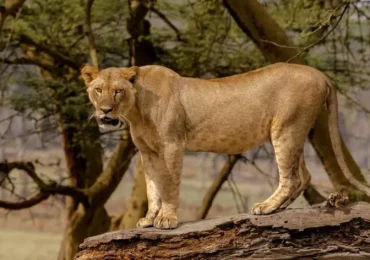
The Ultimate Central Kenya Travel Guide: Central Kenya is one of the country’s most diverse travel regions, combining dramatic mountain scenery, highland farms, wildlife conservancies, waterfalls, forests, cultural attractions, historic towns and some of Kenya’s most important national parks. Dominated by Mount Kenya, the second-highest mountain in Africa, the region stretches across the fertile Central Highlands and includes destinations such as Nanyuki, Nyeri, Nyandarua, Murang’a, Kiambu, Kirinyaga, Embu and parts of Laikipia.
For travellers looking beyond the traditional Kenya safari circuit, Central Kenya tourism offers a completely different experience. You can climb or trek around Mount Kenya, explore the Aberdare National Park, visit tea and coffee farms, discover waterfalls and forests, experience Kikuyu and Embu culture, enjoy wildlife in Laikipia’s conservancies, or combine the region with a longer Kenya safari.
For travellers planning a Central Kenya tour, the region is also particularly convenient because of its proximity to Nairobi. Several destinations can be reached within a few hours by road, making Central Kenya ideal for weekend escapes, family holidays, mountain adventures, luxury retreats and multi-day safari circuits.
Where Is Central Kenya?
Central Kenya lies immediately north and northwest of Nairobi and covers much of Kenya’s central highland region. Its landscapes rise from the lower agricultural areas around Kiambu, Murang’a and Kirinyaga into the cooler highlands around Nyeri, Nyandarua and Mount Kenya.
The region is geographically diverse. The eastern and southern sections are heavily cultivated, with tea, coffee, dairy farming, vegetables and fruit production forming an important part of the local economy. Further north, the landscape becomes more dramatic around Mount Kenya and Laikipia, where high-altitude ecosystems transition into wildlife-rich plains and private conservancies.
This diversity makes places to visit in Central Kenya much broader than a single national park or mountain. A traveller can move from coffee-growing countryside to alpine landscapes, bamboo forests, waterfalls, wildlife conservancies and traditional highland communities within the same regional journey.
Mount Kenya
Mount Kenya is the defining attraction of Central Kenya and one of Africa’s most spectacular mountain destinations. Rising to 5,199 metres above sea level, the mountain has rugged volcanic peaks, glaciers, alpine vegetation, forests and high-altitude valleys.
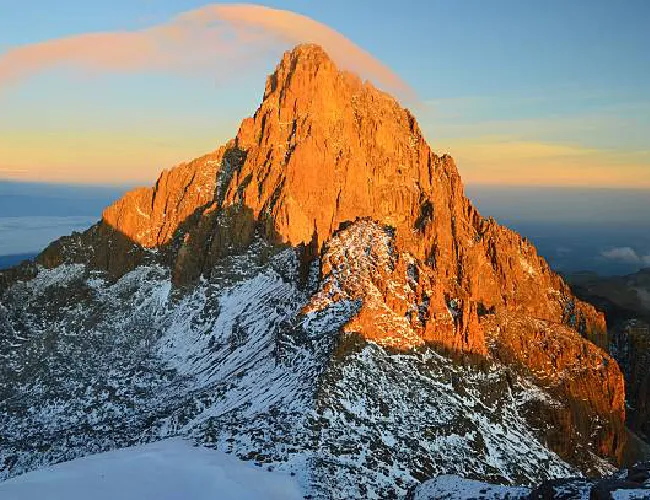
For adventurous travellers, a Mount Kenya hiking or climbing expedition is one of the region’s most rewarding experiences. The mountain has several routes, including Naro Moru, Sirimon and Chogoria. The Chogoria side is particularly famous for spectacular scenery, while Sirimon is often preferred for gradual acclimatisation.
You do not necessarily need to climb to the summit to experience Mount Kenya. Lower-altitude hikes, forest walks, viewpoints and day excursions allow visitors to enjoy the mountain without undertaking a demanding multi-day expedition.
The mountain is also culturally important to communities living around it, particularly the Kikuyu and Embu people. Traditional beliefs historically associated Mount Kenya with spirituality and sacred landscapes, making the mountain both a natural and cultural landmark.
Mount Kenya National Park
Mount Kenya National Park protects much of the mountain’s upper ecosystem and is one of Kenya’s most important high-altitude protected areas. Together with the surrounding forest reserve, the mountain forms a remarkable transition from montane forest to bamboo, moorland and alpine ecosystems.
Wildlife around the lower slopes includes elephant, buffalo, leopard, bushbuck, colobus monkeys and numerous smaller forest species. Birdlife is particularly rewarding, with species adapted to the mountain’s forest and high-altitude habitats.
The national park is best suited to travellers interested in hiking, mountain scenery, wildlife, photography and nature rather than conventional vehicle-based game viewing alone.
Nanyuki
Nanyuki is one of the most important tourism centres in Central Kenya and serves as a gateway to Mount Kenya, Laikipia and several private wildlife conservancies.
The town has developed into a popular base for safari travellers, climbers and visitors seeking luxury countryside experiences. Its location near the equator also makes it an interesting stop for travellers exploring northern and central Kenya.
Nanyuki is particularly useful for travellers combining destinations. From here, you can travel toward Mount Kenya, Ol Pejeta, Lewa, Laikipia’s conservancies or continue north toward Samburu.
The town itself has restaurants, cafés, accommodation and travel services, making it a convenient overnight base before or after a safari.
Ol Pejeta Conservancy
Ol Pejeta Conservancy is one of the most important wildlife conservation destinations in Central Kenya and one of the best places to combine safari with conservation education.
Located near Nanyuki, the conservancy is famous for its rhino conservation programmes and is home to both black and white rhinos. It also supports lions, elephants, buffaloes, giraffes, zebras, cheetahs and numerous other species.
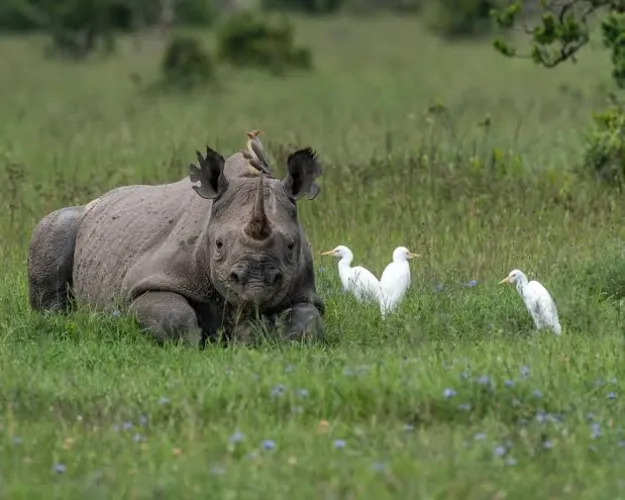
One of the major attractions is the opportunity to learn about rhino conservation and the challenges facing endangered species. The conservancy is therefore particularly suitable for travellers who want their Central Kenya safari to include both wildlife and meaningful conservation experiences.
Ol Pejeta can easily be combined with Mount Kenya, Nanyuki and Laikipia, making it one of the strongest additions to a Central Kenya itinerary.
Laikipia
Although Laikipia extends beyond what many people traditionally consider Central Kenya, its southern and eastern areas form an important part of the wider Central Kenya safari circuit.
Laikipia is famous for large private and community conservancies where wildlife conservation is combined with tourism, livestock management and community development. The landscape is different from the classic Maasai Mara savannah, with open plains, rocky areas, woodland and dramatic views toward Mount Kenya.
Wildlife experiences can include elephant, lion, leopard, cheetah, wild dog, buffalo, giraffe and zebra. Some conservancies also offer activities that are difficult to experience in traditional national parks, including guided walking, horseback riding, night drives and community experiences.
Lewa Wildlife Conservancy
Lewa Wildlife Conservancy is one of the region’s most prestigious conservation areas and is particularly renowned for rhino conservation.
The conservancy protects an important population of black and white rhinos while also supporting elephants, lions, leopards, giraffes, zebras and many other species. Its landscapes provide a striking combination of open plains and views toward Mount Kenya.
Lewa is especially suitable for travellers looking for a more exclusive Kenya wildlife safari, with accommodation and activities focused on conservation, wildlife and low-impact tourism.
Aberdare National Park
Aberdare National Park is another major attraction and one of the best destinations for travellers seeking forests, waterfalls and mountain landscapes.
The park covers the higher sections of the Aberdare Range and contains dense forests, bamboo zones, moorlands, valleys and dramatic waterfalls. The landscape is considerably different from the open plains of the Maasai Mara and Tsavo.
Wildlife includes elephant, buffalo, leopard, hyena, bushbuck, waterbuck and several monkey species. The park is also associated with unique highland wildlife experiences where animals can sometimes be observed around waterholes from specially designed lodges.
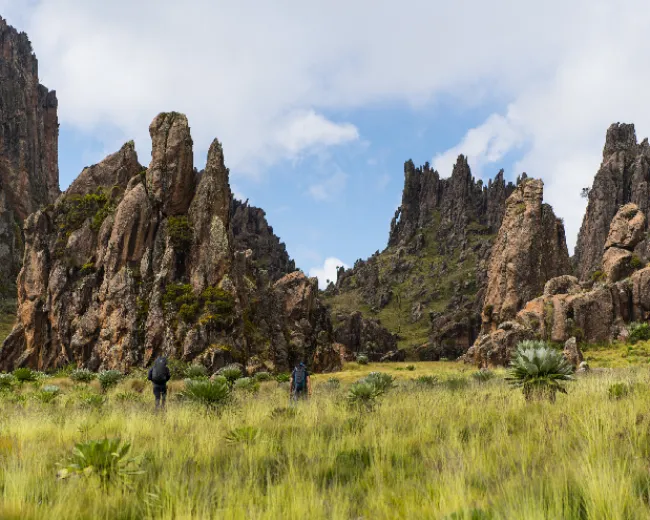
Karuru Falls
Karuru Falls is one of the most spectacular waterfalls in Aberdare National Park. The waterfall drops dramatically through the forested mountain landscape and is particularly impressive after periods of rain.
The surrounding scenery makes the falls a major photography attraction and one of the highlights of an Aberdare safari.
Other important waterfalls and scenic features in the Aberdares include Gura Falls, Chania Falls and the mountain valleys and moorlands found throughout the park.
Nyeri
Nyeri is one of the historic towns of Central Kenya and an excellent base for exploring the Aberdares, Mount Kenya and surrounding agricultural landscapes.
The town is closely associated with the colonial history of Kenya and is also connected with Lord Baden-Powell, founder of the Scout movement, who spent his final years in Nyeri.
Today, Nyeri is a practical base for travellers interested in history, nature, agriculture and nearby national parks. Its location makes it particularly useful for combining Aberdare National Park with Mount Kenya or other Central Kenya destinations.
Nyandarua
Nyandarua County is one of Central Kenya’s most scenic highland areas. The region is characterised by cool temperatures, rolling farmland, forests, hills and views toward the Aberdare Range.
Nyandarua is ideal for travellers looking for rural landscapes, hiking, agriculture and quiet countryside experiences. The area can also serve as a gateway toward Aberdare National Park.
For travellers interested in a slower form of Central Kenya travel, Nyandarua offers an opportunity to experience the highland countryside away from the larger tourist centres.
Kinangop and the Aberdare Highlands
The Kinangop Highlands are known for their cool climate, green agricultural landscapes and dramatic mountain scenery. Dairy farming and horticulture are important activities in the area, creating a landscape of fields, farms and rolling hills.
The region is particularly attractive for road trips because the scenery changes constantly as the road crosses the highlands.
Kiambu
Kiambu lies immediately north of Nairobi and is one of Kenya’s most important coffee and tea-growing areas. Its proximity to the capital makes it one of the easiest parts of Central Kenya to visit on a day trip or weekend excursion.
Visitors can explore coffee farms, agricultural estates, waterfalls, countryside restaurants and historical sites. The landscape also provides a striking contrast to Nairobi’s urban environment.
A Kiambu day trip can therefore be a simple introduction to Central Kenya for travellers who do not have enough time for a longer safari.
Limuru
Limuru is famous for its tea plantations, cool highland climate and rolling green landscapes. The area is particularly attractive for travellers interested in agricultural tourism and scenic countryside.
Tea estates create some of the most recognisable landscapes around the southern Central Highlands, while the area’s cooler temperatures make it a popular escape from Nairobi.
Tigoni
Tigoni is another popular countryside destination near Nairobi, known for tea farms, gardens, restaurants, forests and rural retreats.
Its proximity to the capital makes it particularly suitable for weekend breaks, romantic getaways and day excursions. Visitors can combine a Tigoni experience with Kiambu, Limuru and other nearby Central Kenya attractions.
Murang’a
Murang’a County is one of the country’s most important coffee-growing areas and provides a strong agricultural and cultural dimension to Central Kenya tourism.
The county’s landscapes include rolling hills, farms, rivers and waterfalls. Coffee tourism is one of the most interesting experiences available here, allowing visitors to understand how Kenyan coffee is grown, processed and prepared for international markets.
Murang’a can also be included in road trips connecting Nairobi with the central highlands and Mount Kenya.
Chania Falls
Chania Falls is located within the broader Central Kenya highland landscape and is associated with the rivers and forested terrain around the Aberdare region.
Waterfalls such as Chania demonstrate that Central Kenya’s appeal extends beyond wildlife. The combination of rivers, forests, agricultural landscapes and mountains makes the region particularly attractive to nature lovers and photographers.
Kirinyaga
Kirinyaga County lies on the eastern slopes of Mount Kenya and is strongly associated with agriculture. Tea, coffee, rice, horticulture and other crops are cultivated in the fertile volcanic soils.
The county offers an opportunity to experience the agricultural side of Mount Kenya tourism, particularly for travellers interested in coffee and tea production.
The mountain dominates the landscape, creating spectacular views on clear days.
Embu
Embu lies on the southeastern side of Mount Kenya and is another important gateway to the mountain and its surrounding agricultural areas.
The region is known for tea, coffee, fruits and fertile farmland. Embu also provides access toward the Mount Kenya ecosystem and is useful for travellers interested in combining mountain scenery with cultural and agricultural experiences.
Mwea and Mwea National Reserve
The Mwea region provides a different landscape from the cool mountain highlands. It is known particularly for rice cultivation and the irrigation schemes around Mwea.
Nearby Mwea National Reserve provides opportunities for wildlife viewing in a quieter setting than Kenya’s major safari parks. The reserve supports species such as elephant, buffalo, hippo, giraffe, zebra and numerous bird species.
Mwea can therefore be included in a wider Central Kenya safari itinerary, particularly when travelling between Nairobi and the Mount Kenya region.
Things to Do in Central Kenya
One of the biggest advantages of things to do in Central Kenya is the sheer variety of experiences available within a relatively compact region. Mountain enthusiasts can hike Mount Kenya, while wildlife lovers can explore Ol Pejeta, Lewa, Laikipia and Aberdare.
Nature lovers can explore forests, waterfalls, caves, rivers and highland landscapes. Agricultural tourism is another major attraction, with coffee and tea farms providing opportunities to learn about two of Kenya’s most important agricultural products.
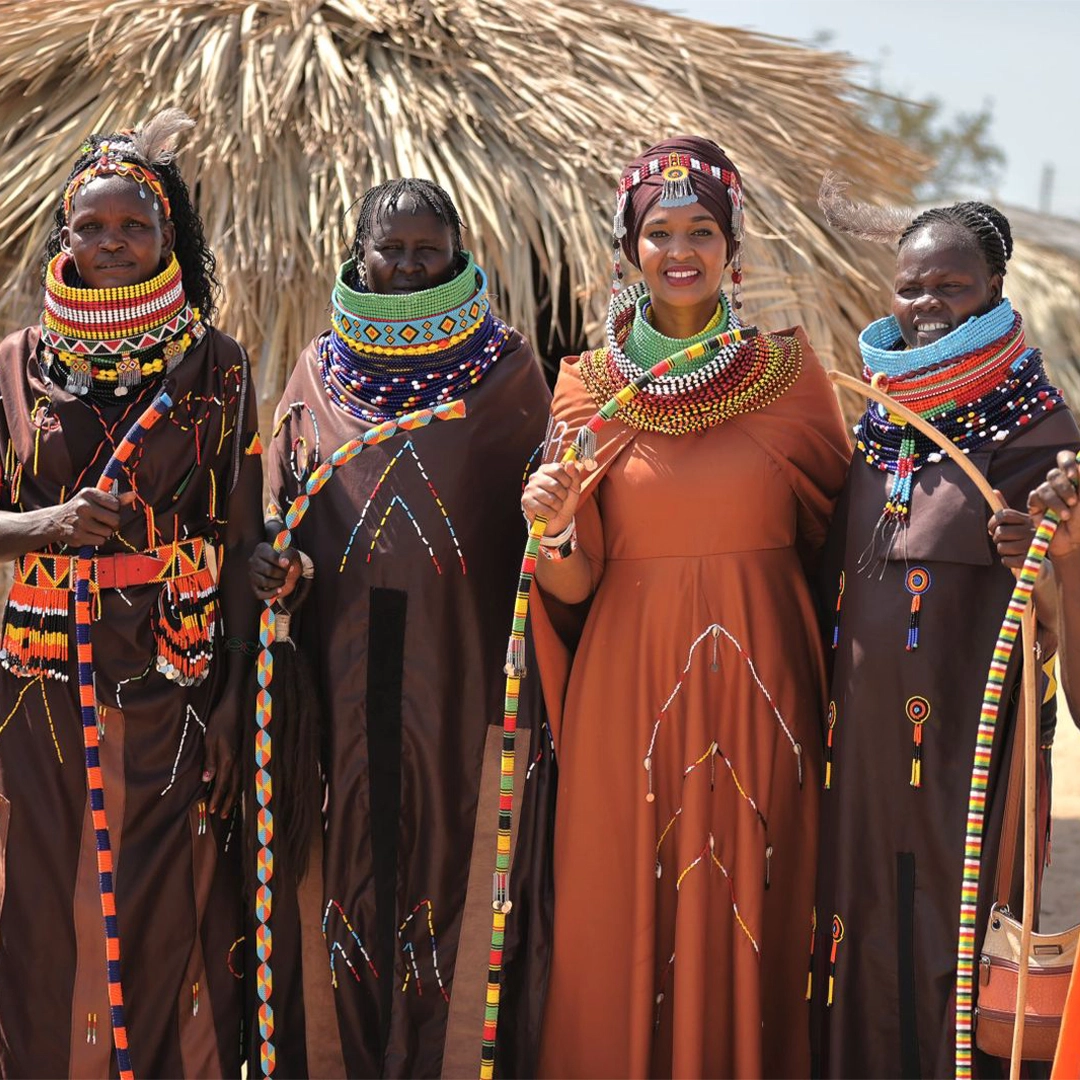
Central Kenya is also suitable for cultural experiences. Travellers can learn about Kikuyu, Embu and other local communities, visit farms and markets, taste regional food and experience rural highland life.
For adventure travellers, activities can include hiking, mountain trekking, cycling, horse riding, wildlife drives, birdwatching and guided nature walks.
Wildlife in Central Kenya
Wildlife is one of the strongest reasons to visit the region. Central Kenya wildlife ranges from mountain and forest species to large mammals found in Laikipia’s open landscapes.
Mount Kenya and the Aberdares provide forest ecosystems for elephants, buffaloes, leopards, bushbucks, monkeys and numerous bird species. Ol Pejeta and Laikipia offer stronger opportunities for viewing rhino, lion, elephant, cheetah, giraffe, zebra and other plains wildlife.
This makes Central Kenya particularly interesting for travellers who want a safari experience that differs from the classic Mara-style savannah.
Birdwatching in Central Kenya
The region is excellent for birdwatching because of its wide range of habitats. Forests, wetlands, mountain slopes, farmland, rivers and open plains all support different bird species.
The Mount Kenya and Aberdare ecosystems are especially important for highland forest birds, while Laikipia and Mwea provide different habitats for raptors, waterbirds and savannah species.
Birdwatching can therefore be incorporated into almost any Central Kenya itinerary, rather than treated as a separate activity.
Central Kenya Food and Culture
Food is an important part of experiencing Central Kenya. Traditional highland cuisine commonly features dishes based on maize, beans, potatoes, vegetables, bananas and locally produced dairy products.
Visitors should also look for Kenyan coffee, especially around the coffee-growing areas of Kiambu, Murang’a, Kirinyaga and the Mount Kenya region. Tea is equally important in areas such as Limuru, Nyeri, Murang’a and the Mount Kenya highlands.
Local markets provide opportunities to sample fresh fruit, vegetables and regional snacks while learning more about everyday life in Central Kenya.
Where to Stay in Central Kenya
Accommodation ranges from luxury safari lodges and mountain resorts to town hotels, cottages, camps and budget guesthouses. The best place to stay depends heavily on whether your priority is wildlife, Mount Kenya, the Aberdares, agricultural tourism or simply a countryside getaway.
Luxury Hotels and Lodges
For a luxury Central Kenya safari, travellers can consider properties such as Fairmont Mount Kenya Safari Club, Sasaab, Ol Pejeta Bush Camp, Sweetwaters Serena Camp, Segera Retreat, Lewa Wilderness, Solio Lodge, Treetops and The Ark.
These properties provide very different experiences, ranging from classic Mount Kenya luxury and wildlife conservancies to forest lodges and exclusive private retreats.
Around Nanyuki and Mount Kenya, Fairmont Mount Kenya Safari Club is particularly well known for its mountain setting and extensive grounds.
Mid-Range Accommodation
Mid-range travellers have a wide selection of hotels and lodges around Nanyuki, Nyeri, Naivasha-facing routes and the Mount Kenya region. Options include Sweetwaters Serena Camp, Nanyuki Simba Lodge, Maiyan, Le Rustique and various independent hotels and cottages around Nanyuki.
Nyeri also provides several practical hotels for travellers using the town as a base for Aberdare excursions.
Budget Accommodation
Budget travellers can find guesthouses, small hotels, campsites and cottages in Nanyuki, Nyeri, Embu, Murang’a and other Central Kenya towns.
Staying in a town rather than inside a conservancy or national park can significantly reduce accommodation costs, especially for travellers using their own vehicle or joining day excursions.
Best Time to Visit Central Kenya
The best months for a Central Kenya holiday are January, February and September.
January and February generally provide good conditions for hiking, wildlife viewing and sightseeing, with relatively favourable weather for exploring Mount Kenya, the Aberdares and surrounding highlands.
September is another strong month, particularly for travellers combining wildlife, mountain scenery and countryside experiences. Conditions can vary considerably across the region because of differences in altitude, so mountain trekking should always be planned around current trail and weather conditions.
How to Get to Central Kenya
Central Kenya is one of the easiest regions to reach from Nairobi. The major road network connects the capital with Thika, Murang’a, Nyeri, Nanyuki, Embu, Kiambu and other destinations.
Nanyuki is particularly important for travellers heading toward Mount Kenya and Laikipia. The town also has an airstrip used by scheduled and charter flights.
Travellers can reach the region by private safari vehicle, rental car, public transport, shuttle services or domestic flights depending on the destination.
For a multi-destination Central Kenya road trip, private transport is usually the most convenient because it allows travellers to stop at viewpoints, farms, waterfalls, towns and attractions along the way.
How Many Days Do You Need in Central Kenya?
A short Central Kenya tour can be completed in three days, but five to seven days allows for a much richer experience.
A three-day trip could focus on Mount Kenya, Nanyuki and Ol Pejeta. Five days could incorporate Aberdare National Park, Nyeri and Mount Kenya, while a seven-day journey could combine Mount Kenya, Ol Pejeta, Laikipia, Aberdare and agricultural or cultural experiences.
Travellers with more time can connect Central Kenya with Samburu, Nairobi, the Great Rift Valley or the northern Kenya circuit.
Central Kenya Road Trip
A Central Kenya road trip is one of the best ways to experience the region because the journey itself is part of the attraction.
A route from Nairobi through Kiambu and Limuru can introduce travellers to tea-growing landscapes before continuing toward Nyeri and the Aberdares. From there, the journey can continue toward Nanyuki and Mount Kenya before entering Laikipia for a wildlife experience.
Another route can take travellers through Thika and Murang’a before continuing toward the Mount Kenya region and Embu.
The best route depends on whether the focus is wildlife, mountains, agriculture, culture or a combination of all four.
Approximate Central Kenya Travel Costs
Central Kenya can accommodate a wide range of budgets. Budget travellers staying in local guesthouses and travelling by public transport can keep costs relatively low, while luxury conservancy stays and private safaris can cost considerably more.
The largest expenses are usually accommodation, transport, national park or conservancy fees, mountain guides and activities. Mount Kenya climbing expeditions can also become significantly more expensive because of guides, porters, park fees, equipment and several nights on the mountain.
For an accurate quotation, Crystal Tours Kenya can structure the trip according to your preferred accommodation level, number of travellers, activities and transport style.
Responsible Tourism in Central Kenya
Responsible tourism is particularly important in Central Kenya because the region contains fragile mountain ecosystems, forests, wildlife conservancies, agricultural communities and important water catchments.
Visitors should avoid littering, follow designated trails, respect wildlife distances and avoid purchasing products made from protected wildlife materials. On Mount Kenya and in the Aberdares, travellers should follow guide instructions and avoid damaging vegetation.
When visiting farms or communities, travellers should respect local customs and ask permission before photographing people. Choosing locally owned accommodation, guides and experiences can also help ensure tourism income remains within the destination.
Wildlife conservancies such as Ol Pejeta and Lewa demonstrate how tourism can contribute directly to conservation and community programmes, making responsible travel an important part of the region’s tourism model.
What to Pack for Central Kenya
Packing depends on the itinerary because Central Kenya covers several different climates. Warm daytime clothing is useful at lower elevations, while evenings in Nanyuki, Nyeri, the Aberdares and Mount Kenya can be surprisingly cold.
Travellers should carry comfortable walking shoes, a light waterproof jacket, warm layers, sunscreen, sunglasses, insect repellent, a hat and a reusable water bottle.
Anyone planning a Mount Kenya trek will need substantially more specialised equipment, including proper hiking boots, thermal layers, gloves, head protection, a sleeping system and other mountain-specific gear.
Who Should Visit Central Kenya?
Central Kenya is suitable for almost every type of traveller. Adventure travellers can concentrate on Mount Kenya trekking and hiking, while families can combine wildlife with comfortable lodges and easy nature experiences.
Couples can choose luxury Mount Kenya or Laikipia properties, while photographers can explore mountain landscapes, forests, waterfalls and wildlife.
The region is also excellent for repeat visitors to Kenya who have already experienced the Maasai Mara or coastal destinations and want to discover a less predictable side of the country.
Central Kenya vs Maasai Mara
The Maasai Mara is primarily associated with open savannah, big cats and the Great Migration, while Central Kenya offers a broader combination of mountain landscapes, forests, wildlife conservancies and highland agriculture.
Central Kenya is therefore a stronger choice for travellers who want variety and mountain scenery, while the Mara is generally the better option for a classic big-cat safari and migration-focused experience.
Central Kenya vs Tsavo
Tsavo offers enormous semi-arid landscapes and famous red elephants, while Central Kenya is greener, cooler and more mountainous.
A Central Kenya safari is particularly attractive for travellers who want Mount Kenya, conservancies and highland scenery alongside wildlife. Tsavo is better suited to travellers seeking vast wilderness, large landscapes and a traditional national park safari.
Planning Your Central Kenya Trip with Crystal Tours Kenya
Planning a trip across such a diverse region is easier when the route is designed around the experiences you actually want. Crystal Tours Kenya can combine Mount Kenya trekking, wildlife safaris, Aberdare experiences, Ol Pejeta, Laikipia conservancies, coffee and tea experiences, cultural visits and countryside stays into one customised itinerary.
Instead of treating Central Kenya as a single destination, a well-designed trip can connect several landscapes and experiences while avoiding unnecessary driving. This is particularly valuable for travellers who want to combine Central Kenya with Nairobi, the Great Rift Valley, Samburu or other parts of Kenya.
Whether you are looking for a Mount Kenya safari, a Central Kenya road trip, a wildlife holiday around Nanyuki and Laikipia, or a relaxing highland getaway, Crystal Tours Kenya can tailor the route around your available time and budget.
Frequently Asked Questions About Central Kenya
1. What are the best places to visit in Central Kenya?
The major destinations include Mount Kenya, Mount Kenya National Park, Nanyuki, Ol Pejeta Conservancy, Laikipia, Lewa Wildlife Conservancy, Aberdare National Park, Nyeri, Nyandarua, Kiambu, Limuru, Murang’a, Kirinyaga and Embu.
2. Is Central Kenya good for a safari?
Yes. Central Kenya offers excellent wildlife experiences, particularly around Ol Pejeta, Lewa, Laikipia, Solio and Aberdare. It provides a different safari experience from the open savannah of the Maasai Mara.
3. Can I visit Mount Kenya without climbing to the summit?
Yes. Visitors can enjoy Mount Kenya through forest walks, day hikes, viewpoints, wildlife experiences and lower-altitude excursions without attempting a summit climb.
4. How far is Central Kenya from Nairobi?
It depends on the destination. Kiambu and Limuru are very close to Nairobi, while Nyeri, Nanyuki and Mount Kenya require longer journeys. This makes Central Kenya suitable for both day trips and extended holidays.
5. What is the best wildlife destination in Central Kenya?
Ol Pejeta is one of the strongest all-round wildlife and conservation destinations, while Laikipia and Lewa provide excellent private-conservancy experiences. Aberdare offers a very different forest and mountain wildlife environment.
6. Is Central Kenya suitable for families?
Yes. Families can combine wildlife, farms, nature walks, comfortable lodges and scenic road trips. The region offers activities suitable for both children and adults.
7. Can Crystal Tours Kenya organise a Central Kenya safari?
Yes. Crystal Tours Kenya can organise customised Central Kenya trips combining Mount Kenya, Aberdare, Ol Pejeta, Laikipia, Nanyuki and other destinations according to your preferred travel style, budget and number of days.