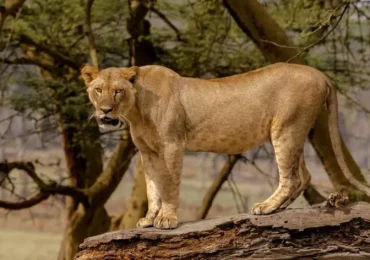
The Ultimate Western Kenya Travel Guide: Western Kenya is one of the country’s most diverse and rewarding travel regions, combining lush highlands, ancient forests, dramatic mountains, waterfalls, tea plantations, wildlife sanctuaries, traditional communities, vibrant towns and the shores of Lake Victoria. While many international visitors associate Kenya mainly with the Maasai Mara, Amboseli and the coast, Western Kenya tourism offers a completely different side of the country.
From the green landscapes of the Western Highlands and the slopes of Mount Elgon to the tropical forests of Kakamega Forest, the cultural attractions around Kakamega and Bungoma, and the lakeside experiences of Kisumu and Lake Victoria, the region offers an impressive range of things to see and do.
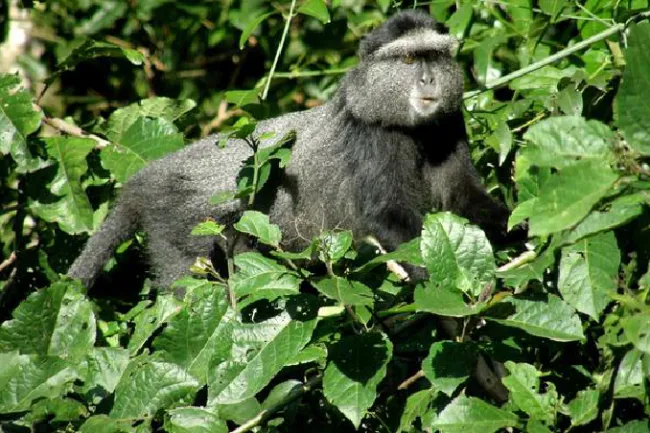
A journey through Western Kenya can include hiking, forest walks, birdwatching, cultural tourism, wildlife viewing, cycling, waterfalls, tea tourism, fishing, boat trips and relaxing at lakeside resorts. It is also an excellent region for travelers who want to experience Kenya away from the country’s busiest safari routes.
For travelers planning a Western Kenya tour, Western Kenya safari, Mount Elgon adventure, highland holiday or Lake Victoria circuit, Crystal Tours Kenya can create a customized itinerary connecting the destinations that best match your interests, budget and available time.
Where Is Western Kenya?
Western Kenya generally refers to the western part of the country around the Lake Victoria basin and the highland areas toward the Uganda border. The region includes counties and destinations such as Kakamega, Vihiga, Bungoma, Busia, Siaya, Kisumu, Homa Bay and parts of the western highlands and Mount Elgon area.
The geographical character of Western Kenya changes considerably as you travel across the region. Around Kisumu and Lake Victoria, the landscape becomes warmer and lower-lying, while Kakamega and the surrounding highlands are greener and more forested. Further north, the slopes of Mount Elgon rise dramatically toward the Kenya-Uganda border.
This variety makes Western Kenya destinations particularly interesting for travelers who want to combine several types of experiences in one journey.
Why Visit Western Kenya?
One of the biggest reasons to visit Western Kenya is its diversity. Instead of concentrating entirely on conventional game drives, travelers can spend time walking through ancient rainforest, hiking on Mount Elgon, exploring waterfalls, visiting tea-growing regions, discovering local cultures and enjoying the shores of Lake Victoria.
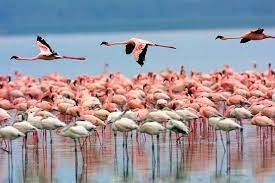
The region is also an excellent choice for travelers interested in birdwatching. Kakamega Forest, Lake Victoria and several wetlands support a wide variety of bird species.
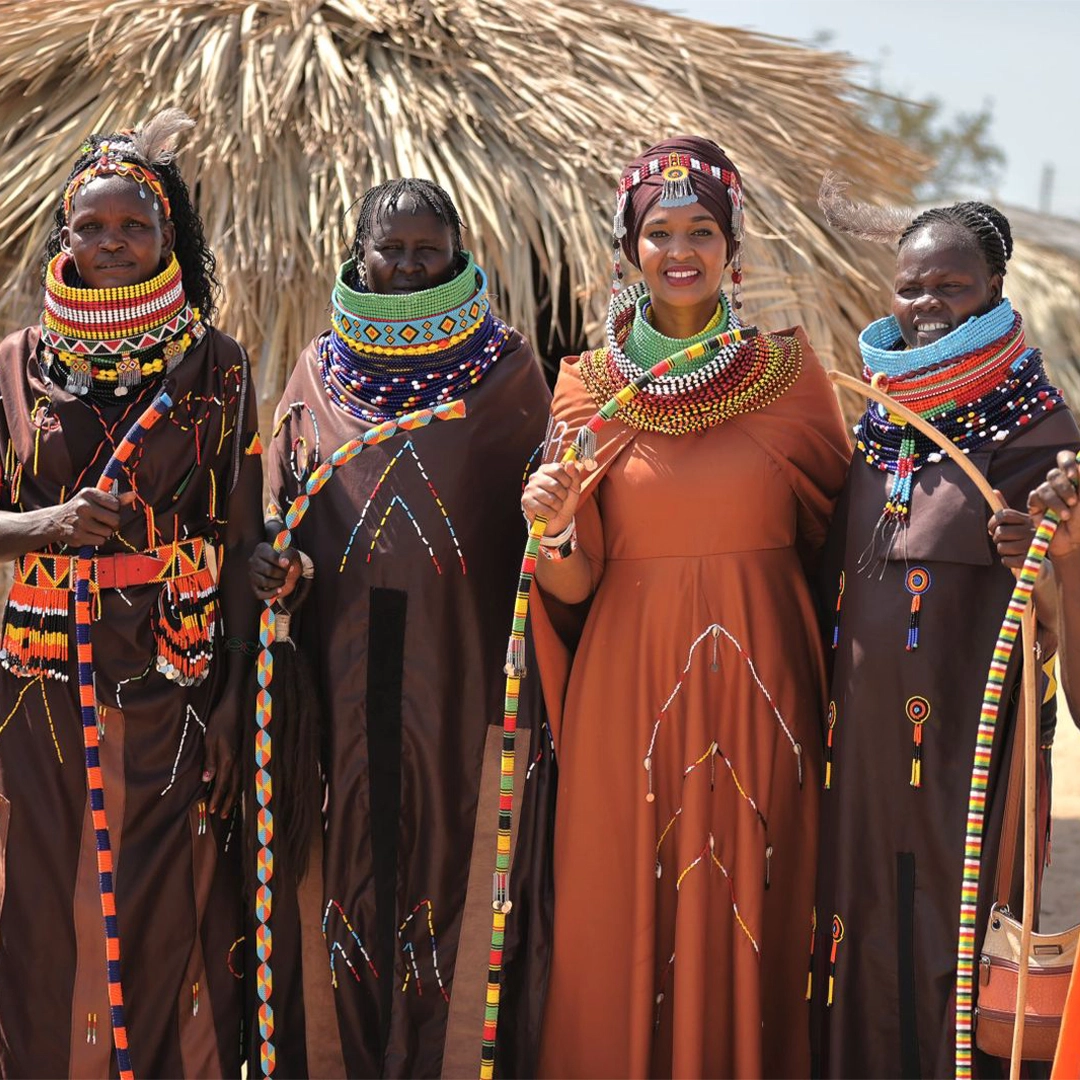
Western Kenya tourism also provides opportunities to experience some of the country’s important cultural traditions. The Luhya, Luo, Kisii, Teso and other communities contribute to the region’s diverse food, music, traditions and cultural heritage.
For adventurous travelers, Mount Elgon provides hiking and cave exploration, while the highlands around Kakamega and Bungoma offer scenic drives, waterfalls and rural landscapes.
Best Places to Visit in Western Kenya
There are many places to visit in Western Kenya, and the best itinerary depends on whether you are more interested in forests, mountains, wildlife, culture, lakes or adventure.
Kakamega Forest
Kakamega Forest is one of the most important natural attractions in Western Kenya and is often considered the region’s premier destination for forest tourism.
The forest is a remnant of the ancient tropical rainforest that once extended across much of Central and East Africa. Today, it provides a remarkable environment for nature walks, birdwatching, photography and guided forest exploration.
Walking through Kakamega Forest feels completely different from exploring Kenya’s dry savannah parks. The dense vegetation, tall trees, vines, streams and abundant birdlife create a cooler and greener environment.
The forest is particularly important for birdwatchers, with numerous forest species making it one of Kenya’s leading birding destinations.
Visitors can explore trails with local guides, look for monkeys and other forest wildlife, observe butterflies and insects, and learn about the ecological importance of the forest.
For travelers searching for things to do in Western Kenya, a guided Kakamega Forest walk should be high on the list.
Hotels and accommodation near Kakamega Forest
Travelers can stay in and around Kakamega town or closer to the forest.
Popular accommodation options include Rondo Retreat Centre, Kakamega Forest Guest House, Isukuti Guest House, Golf Hotel Kakamega, Sheywe Hotel, Sabasaba Resort and Malava Forest Lodge.
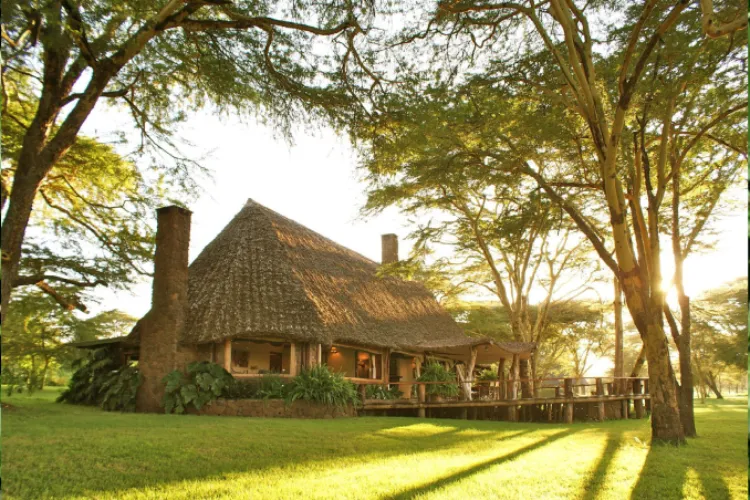
Rondo Retreat Centre is particularly attractive for travelers who want a peaceful forest environment, while Kakamega town provides a wider selection of hotels for travelers looking for convenience.
Mount Elgon
Mount Elgon is one of the most spectacular mountain destinations in Western Kenya. The extinct volcanic mountain sits along the Kenya-Uganda border and rises dramatically above the surrounding landscape.
The Kenyan side of Mount Elgon provides opportunities for hiking, forest exploration, wildlife viewing, birdwatching and cultural experiences.
Unlike Mount Kenya or Mount Kilimanjaro, Mount Elgon offers a quieter mountain experience and is particularly appealing to travelers who want to explore a less crowded part of Kenya.
One of the most fascinating attractions is the network of caves associated with elephants that venture into the mountain’s forested areas. Kitum Cave is the best known and has become one of Mount Elgon’s most distinctive natural attractions.
The mountain also contains diverse vegetation zones, changing from lower forest areas to bamboo and higher-altitude landscapes.
For adventure travelers, Mount Elgon hiking provides an opportunity to explore a spectacular volcanic environment while experiencing a different side of Kenya’s highlands.
Mount Elgon National Park
Mount Elgon National Park protects the Kenyan side of the mountain and provides a combination of forest, caves, cliffs, waterfalls and wildlife habitats.
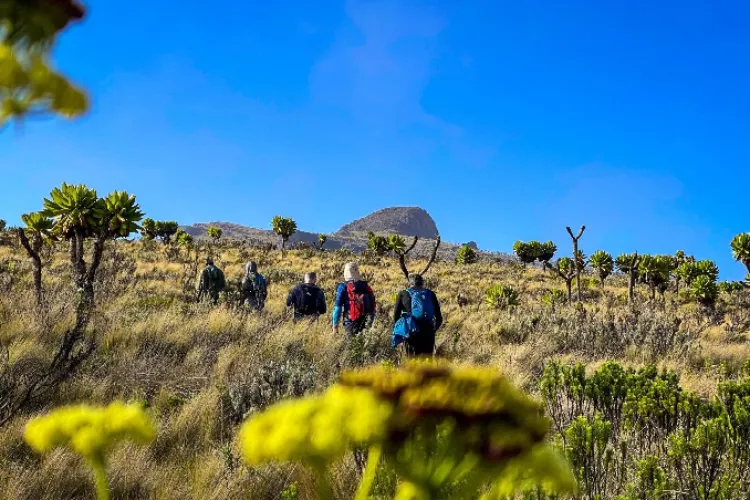
Visitors can explore the park through hiking and guided nature experiences. Wildlife can include elephants, buffaloes, duikers, bushbucks and various smaller forest species.
Birdwatching is another important activity, particularly for travelers interested in highland and forest species.
The park is best experienced with adequate preparation because mountain weather can change quickly and trails can become challenging in wet conditions.
Where to stay around Mount Elgon
Accommodation options around the Mount Elgon region include Mount Elgon Hotel & Spa, Kapsowar Guest House, Chwele Guest House and accommodation facilities around Kitale and Bungoma that can be used as bases for longer regional itineraries.
Travelers can also combine Mount Elgon with nearby attractions around Bungoma and Kitale.
Bungoma
Bungoma is an important town in western Kenya and a useful base for exploring the Mount Elgon region.
The surrounding area is known for fertile agricultural landscapes, sugarcane farming, rural communities and views toward Mount Elgon.
Bungoma also provides access to cultural attractions and scenic areas.
For travelers interested in Western Kenya tourism, Bungoma can be incorporated into a route connecting Kakamega, Mount Elgon and Kitale.
Nabuyole Falls
Nabuyole Falls, located along the Nzoia River in the Bungoma area, is one of the region’s notable natural attractions.
The waterfalls and surrounding river environment provide opportunities for sightseeing, photography and cultural experiences.
The falls are particularly suitable for travelers looking for less commercialized Western Kenya attractions and can be incorporated into a broader Bungoma and Mount Elgon itinerary.
Kitale and the Western Highlands
Kitale is located in the fertile Western Highlands and provides a gateway to several attractions in western Kenya.
The surrounding countryside is characterized by agricultural land, farms, forests and views toward Mount Elgon.
Kitale is particularly useful as a base for travelers exploring Mount Elgon, Saiwa Swamp and the wider Trans-Nzoia region.
The town also provides accommodation and restaurants suitable for travelers making longer journeys through the western highlands.
Hotels in Kitale
Accommodation options include Kitale Club, Aturukan Hotel, The Noble Hotel & Conference Centre, West View Hotel and Villa Serene Hotel.
Kitale Club is particularly suitable for travelers looking for a more established property, while the town’s other hotels provide practical accommodation for road trips and regional tours.
Saiwa Swamp National Park
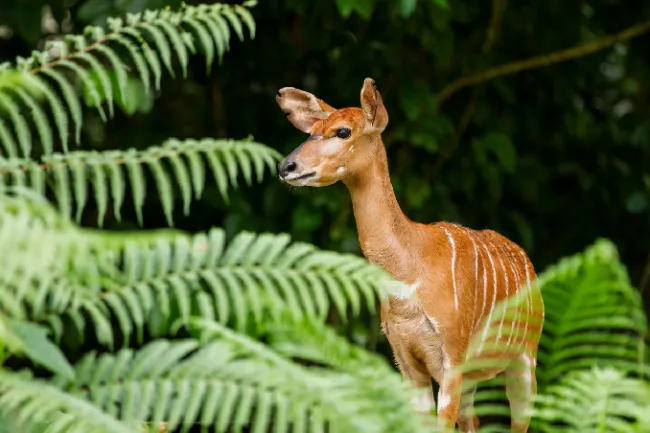
Saiwa Swamp National Park is one of the smallest national parks in Kenya but is highly distinctive because it protects wetland and forest habitat rather than the classic open savannah landscapes associated with Kenyan safaris.
The park is particularly famous for the sitatunga, a rare semi-aquatic antelope adapted to swamp environments.
Visitors can explore boardwalks and walking trails through the wetland and surrounding forest while looking for birds, monkeys and other wildlife.
Saiwa Swamp is an excellent destination for travelers who want a quieter nature experience and is easily combined with Kitale and Mount Elgon.
Cherangany Hills
The Cherangany Hills form part of the highland landscapes of western Kenya and provide dramatic scenery, forests, farms and opportunities for hiking and nature exploration.
The area is less developed for mainstream tourism than destinations such as the Maasai Mara, making it attractive to travelers who prefer quieter landscapes.
The high-altitude environment also contributes to the agricultural richness of the Western Highlands.
For travelers interested in Western Kenya hiking, scenic drives and highland experiences, the Cherangany Hills can be incorporated into a longer regional itinerary.
Kakamega Town
Kakamega is the main urban center of the western forest region and is an important base for exploring Kakamega Forest and nearby attractions.
The town provides hotels, restaurants, shops and transport connections.
Travelers can use Kakamega as an overnight base before exploring the forest, or as part of a wider Western Kenya tour connecting Kakamega, Bungoma and Kisumu.
Kisumu
Kisumu is one of the most important destinations in Western Kenya and the main urban gateway to the Kenyan side of Lake Victoria.
The city combines lakeside scenery, museums, wildlife, markets, restaurants and cultural attractions.
One of the highlights is Kisumu Impala Sanctuary, where visitors can experience wildlife close to the city. The sanctuary provides habitat for impalas, zebras, giraffes, hippos and various bird species.
Another important attraction is the Kisumu Museum, which provides insights into the cultural and natural heritage of western Kenya.
Travelers can also visit Dunga Beach, Dunga Wetland, Hippo Point and nearby cultural attractions.
For travelers planning a Western Kenya safari, Kisumu is a useful base for connecting the Lake Victoria region with Kakamega, Siaya and Homa Bay.
Hotels in Kisumu
Kisumu has one of the widest accommodation selections in western Kenya.
Popular options include Acacia Premier Hotel, Sarova Imperial Hotel, Sovereign Hotel, Ciala Resort, The Vic Hotel, Best Western Kisumu Hotel, Imperial Hotel Express, Parkview Safari Hotel, Jumuia Hotel Kisumu and Kisumu Hotel.
For travelers seeking a luxury experience, Acacia Premier Hotel and Sovereign Hotel are among the leading options, while the city also has numerous mid-range and budget properties.
Lake Victoria
Lake Victoria is one of the defining natural attractions of Western Kenya and the largest lake in Africa by surface area.
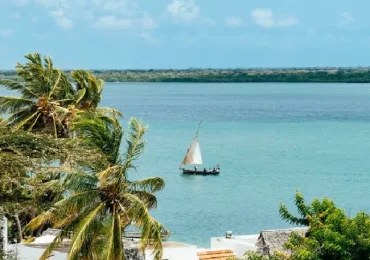
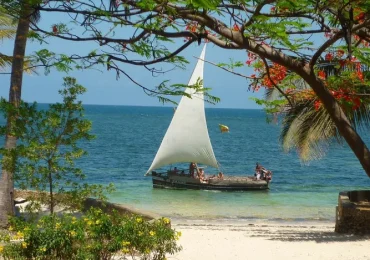
The Kenyan shoreline offers a completely different travel experience from the country’s savannah safari destinations. Visitors can enjoy boat excursions, fishing experiences, birdwatching, lakeside dining, cultural tourism and beautiful sunsets.
The lake also plays an important role in the lives and economies of communities throughout western Kenya.
Dunga Beach near Kisumu is one of the most accessible places to experience the lake. Boat rides can provide opportunities to explore the shoreline, wetlands and nearby fishing communities.
Dunga Beach and Dunga Wetland
Dunga Beach is one of the most popular lakeside attractions around Kisumu.
The area is known for its fishing community, lake views, birdlife, boat rides and local restaurants.
Nearby Dunga Wetland provides important habitat for birds and aquatic ecosystems.
A visit to Dunga is especially rewarding in the late afternoon when visitors can enjoy the changing colors over Lake Victoria.
Kisumu Impala Sanctuary
Kisumu Impala Sanctuary provides an opportunity to experience wildlife without leaving the Kisumu area.
The sanctuary is located along the shores of Lake Victoria and protects a variety of animals and birds.
Visitors can see impalas, zebras, giraffes, hippos and other species while exploring the sanctuary.
It is particularly suitable for families and travelers who want to add a short wildlife experience to a Western Kenya holiday.
Siaya and the Luo Cultural Landscape
The region around Siaya provides an opportunity to explore Luo culture and the rural landscapes of western Kenya.
Cultural tourism can include traditional food, music, storytelling, community experiences and visits to sites associated with local history.
Travelers should always choose responsible cultural experiences where communities benefit directly and where traditions are presented respectfully.
Kit Mikayi
Kit Mikayi is one of the most significant cultural and geological attractions in western Kenya.
The site consists of a dramatic formation of large rocks and is associated with Luo cultural traditions and beliefs.
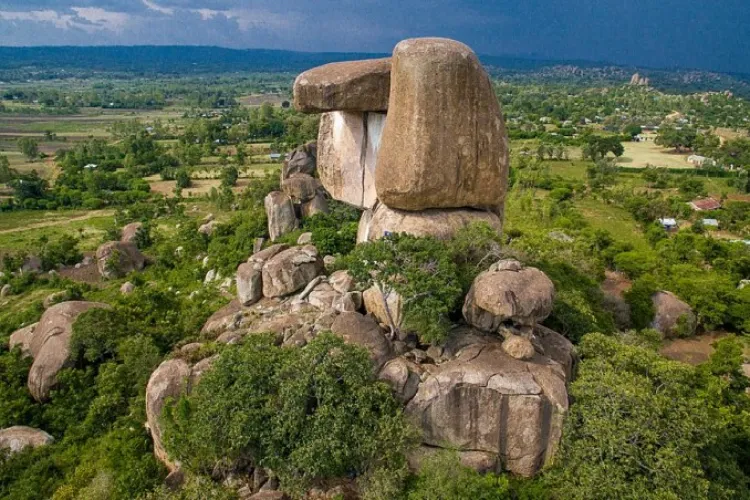
Visitors can explore the rock formation with local guides and learn about its cultural significance.
Kit Mikayi is particularly interesting because it combines geology, landscape and cultural heritage in one destination.
Rusinga Island
Rusinga Island, located in Lake Victoria, offers a quieter experience for travelers exploring the western lake region.
The island is known for its scenic landscapes, birdlife, archaeological importance and peaceful atmosphere.
It can be incorporated into a longer Western Kenya itinerary that includes Kisumu, Homa Bay and other Lake Victoria destinations.
Homa Bay and Lake Victoria
Homa Bay provides another gateway to the Kenyan side of Lake Victoria.
The town and surrounding region are suitable for travelers interested in lakeside landscapes, fishing communities, islands, birdwatching and cultural tourism.
The area can also serve as a base for exploring nearby islands and attractions.
Ruma National Park
Ruma National Park is one of the less frequently visited wildlife destinations in western Kenya.
The park protects a beautiful combination of rolling grasslands, hills, woodland and riverine habitats.
It is particularly notable for the roan antelope, one of Kenya’s less commonly encountered large antelope species.
Other wildlife can include giraffes, zebras, buffaloes, impalas and other species.
For travelers searching for a quieter Western Kenya safari, Ruma National Park provides an alternative to the country’s heavily visited safari parks.
Kakamega, Mount Elgon and Lake Victoria: A Complete Western Kenya Circuit
One of the best ways to experience Western Kenya is to combine several destinations rather than focusing on one town.
A journey can begin in Kisumu, where travelers explore Lake Victoria, Dunga Beach, Kisumu Impala Sanctuary and Kisumu Museum. The route can then continue toward Kakamega Forest for forest walks and birdwatching.
From Kakamega, travelers can continue toward Bungoma and Mount Elgon, where hiking, caves, waterfalls and highland scenery become the focus.
The journey can then continue toward Kitale and Saiwa Swamp before returning toward the Rift Valley or continuing to other parts of Kenya.
This circuit provides an excellent combination of lakes, forests, mountains, wildlife, culture and highland landscapes.
Things to Do in Western Kenya
There are many things to do in Western Kenya, making the region suitable for travelers who want something beyond the traditional safari.
Forest walks in Kakamega Forest are among the most rewarding experiences, particularly for nature lovers and birdwatchers. Mount Elgon provides opportunities for hiking, cave exploration and mountain scenery, while Saiwa Swamp offers a chance to search for sitatunga in a wetland environment.
Around Kisumu, travelers can take boat trips on Lake Victoria, visit Dunga Beach, explore Kisumu Impala Sanctuary and learn about local heritage at Kisumu Museum.
Travelers can also explore Kit Mikayi, visit waterfalls around Bungoma, discover rural highland landscapes and experience local food and cultural traditions.
Wildlife in Western Kenya
The Western Kenya wildlife experience is different from the Maasai Mara or Tsavo.
Kakamega Forest is more focused on forest wildlife, birds, monkeys and smaller species, while Saiwa Swamp is known for the sitatunga.
Ruma National Park offers a more conventional game-drive experience, with opportunities to see roan antelope, giraffes, zebras, buffaloes and other wildlife.
Around Lake Victoria, hippos and numerous bird species are among the highlights.
This diversity means that a Western Kenya safari is best approached as a combination of different ecosystems rather than as a single safari destination.
Birdwatching in Western Kenya
Western Kenya birdwatching is particularly rewarding because of the region’s forests, wetlands, highlands and lake ecosystems.
Kakamega Forest is one of the major birding destinations, while Saiwa Swamp, Lake Victoria, Dunga Wetland and Ruma National Park offer additional habitats.
Birdwatchers can encounter forest species, waterbirds, raptors and numerous other resident and migratory species.
Travelers interested specifically in birds can work with specialist guides who know the local forest trails and habitats.
Western Kenya Food and Culture
Food is an important part of the Western Kenya travel experience.
The region is particularly known for dishes associated with Luhya and Luo communities. Traditional meals can include ugali served with vegetables, fish, beef, chicken and other locally prepared foods.
Around Lake Victoria, freshly prepared fish is one of the culinary highlights. Tilapia is particularly popular and can be served with ugali, vegetables and local sauces.
Travelers should take the opportunity to eat at reputable local restaurants and community-based establishments to experience regional cuisine while supporting local businesses.
Where to Stay in Western Kenya
Accommodation in Western Kenya ranges from luxury city hotels and resorts to forest retreats, countryside lodges, guesthouses and budget hotels.
In Kisumu, travelers can choose from Acacia Premier Hotel, Sarova Imperial Hotel, Sovereign Hotel, Ciala Resort, The Vic Hotel, Best Western Kisumu Hotel, Imperial Hotel Express, Parkview Safari Hotel and Jumuia Hotel Kisumu.
Around Kakamega, options include Rondo Retreat Centre, Golf Hotel Kakamega, Sheywe Hotel, Sabasaba Resort and Kakamega Forest Guest House.
Travelers exploring Kitale can consider Kitale Club, Aturukan Hotel, The Noble Hotel & Conference Centre, West View Hotel and Villa Serene Hotel.
Around Mount Elgon, travelers can use accommodation in Bungoma, Kitale and nearby towns as bases for exploring the mountain, depending on the exact hiking route and itinerary.
Luxury Travel in Western Kenya
Luxury travel in Western Kenya is particularly attractive around Kisumu and the Lake Victoria region.
Properties such as Acacia Premier Hotel, Sovereign Hotel and Ciala Resort provide higher-end accommodation for travelers who want comfort after exploring the region.
A luxury itinerary can combine premium accommodation with private transport, guided forest walks, Lake Victoria boat excursions, cultural experiences and Mount Elgon adventures.
Budget Travel in Western Kenya
Western Kenya is relatively accessible for budget travelers because cities such as Kisumu, Kakamega, Bungoma and Kitale have a broad selection of affordable hotels and guesthouses.
Travelers can also reduce costs by choosing a smaller number of destinations and using one town as a base for nearby excursions.
For example, Kisumu can be used as a base for Lake Victoria attractions, while Kakamega can serve as a base for Kakamega Forest.
Best Time to Visit Western Kenya
The best time to visit Western Kenya is generally June, July and August, when conditions are often favorable for road trips, hiking, forest walks, wildlife viewing and sightseeing.
June is a good month for exploring the Western Highlands and starting a regional road trip before continuing toward Kakamega, Mount Elgon or Lake Victoria.
July offers favorable conditions for outdoor activities, including hiking Mount Elgon, exploring Kakamega Forest and visiting Lake Victoria attractions.
August is also a strong month for combining the major Western Kenya destinations, particularly for travelers planning a multi-destination road trip.
How to Get to Western Kenya
The easiest way to reach Western Kenya depends on your starting point.
From Nairobi, travelers can drive west through the Great Rift Valley toward Nakuru, Kericho and Kisii before continuing toward Kisumu, or take routes through the central highlands and Rift Valley.
Kisumu is also accessible by domestic flights, making it convenient for travelers who want to combine Western Kenya with a safari elsewhere in the country.
Road travel is particularly rewarding because it allows visitors to experience the changing landscapes from the highlands toward Lake Victoria.
Travelers coming from the Maasai Mara can also connect through Kisii or other western routes depending on the chosen itinerary.
How Many Days Do You Need in Western Kenya?
Two to three days can provide a good introduction to Kisumu and Lake Victoria, including Dunga Beach, Kisumu Impala Sanctuary and Kisumu Museum.
Four to five days allow travelers to add Kakamega Forest and experience the region’s forest environment.
Six to seven days provide enough time to combine Kisumu, Kakamega, Bungoma and Mount Elgon or Saiwa Swamp.
Travelers with more than a week can create a broader Western Kenya tour incorporating Kisumu, Kakamega, Mount Elgon, Kitale, Saiwa Swamp, Ruma National Park and selected Lake Victoria destinations.
Western Kenya Road Trip
A Western Kenya road trip is an excellent way to experience the region because the landscapes change considerably as you travel.
One route can run from Nairobi through the Rift Valley toward Kericho and Kisumu before continuing to Kakamega and Bungoma.
Another circuit can begin in Kisumu, continue to Kakamega Forest, move toward Mount Elgon and Bungoma, and then proceed to Kitale and Saiwa Swamp.
Travelers with more time can continue south toward Homa Bay and Ruma National Park before returning toward Nairobi or connecting with the Maasai Mara.
Western Kenya for Different Travelers
Western Kenya is particularly suitable for travelers who enjoy nature and cultural experiences.
Families can enjoy Kisumu, Lake Victoria and selected forest attractions, while couples can combine lakeside resorts with scenic road trips and private excursions.
Adventure travelers should prioritize Mount Elgon, while birdwatchers should spend time in Kakamega Forest and the Lake Victoria wetlands.
Travelers interested in cultural tourism can explore Kit Mikayi, local communities and regional food traditions.
Photographers will find plenty of opportunities in the highlands, forests, waterfalls, lakes and rural landscapes.
Western Kenya Compared With Other Kenya Destinations
The Western Kenya travel experience differs significantly from the traditional safari circuit.
The Maasai Mara is famous for large concentrations of wildlife and the Great Migration. Amboseli is known for elephants and Mount Kilimanjaro, while Tsavo East and Tsavo West provide expansive safari landscapes.
Western Kenya is greener, more varied and more focused on forests, lakes, mountains, culture and community experiences.
It is therefore an excellent addition to a Kenya itinerary for travelers who want to see a side of the country that many conventional safari itineraries overlook.
Responsible Tourism in Western Kenya
Responsible tourism is particularly important in Western Kenya because many of its attractions depend on forests, wetlands, lakes and community-managed environments.
Visitors should avoid littering in Kakamega Forest, Mount Elgon, Lake Victoria and other natural areas. Hiking should be undertaken using established trails and local guides where appropriate.
Travelers should also support local businesses, community-based tourism initiatives and locally owned accommodation.
Cultural experiences should be approached respectfully, with visitors asking permission before photographing people or participating in ceremonies and traditional activities.
Protecting Lake Victoria and the region’s forests and wetlands is particularly important because these ecosystems support both biodiversity and local communities.
What to Pack for a Western Kenya Tour
A Western Kenya tour requires slightly different packing from a traditional dry-season safari.
Pack comfortable walking shoes, lightweight clothing, a warm layer for the highlands, rain protection, sunscreen, insect repellent and a reusable water bottle.
Travelers hiking Mount Elgon should bring suitable hiking boots, warm clothing and a reliable daypack.
Binoculars are highly recommended for Kakamega Forest, Lake Victoria and Saiwa Swamp, while photographers should bring additional batteries or a power bank.
Planning a Western Kenya Tour With Crystal Tours Kenya
A well-designed Western Kenya tour can reveal a completely different side of Kenya.
Travelers can begin around Lake Victoria and Kisumu before moving into the forests of Kakamega, the highlands around Bungoma and the volcanic landscapes of Mount Elgon.
A longer journey can continue toward Kitale, Saiwa Swamp, Kericho or Ruma National Park, creating a diverse itinerary that combines wildlife, forests, mountains, lakes and culture.
Crystal Tours Kenya can design a customized Western Kenya itinerary based on your preferred destinations, accommodation level, activities, budget and number of days.
Whether you are interested in a Western Kenya safari, Mount Elgon hiking adventure, Lake Victoria holiday, birdwatching trip, cultural journey or highland road trip, the region offers experiences that are very different from the traditional Kenya safari circuit.
Frequently Asked Questions About Western Kenya
What are the best places to visit in Western Kenya?
The best places to visit in Western Kenya include Kisumu, Lake Victoria, Kakamega Forest, Mount Elgon, Mount Elgon National Park, Saiwa Swamp National Park, Bungoma, Kitale, Ruma National Park, Kit Mikayi and the wider Lake Victoria region.
Is Western Kenya good for a safari?
Yes. While it is not primarily known for large-scale safari tourism like the Maasai Mara, destinations such as Ruma National Park, Saiwa Swamp and Kisumu Impala Sanctuary provide rewarding wildlife experiences.
What is the main attraction in Western Kenya?
There is no single main attraction. Kakamega Forest, Mount Elgon, Lake Victoria and Kisumu are among the region’s most important attractions.
Is Mount Elgon worth visiting?
Yes. Mount Elgon is an excellent choice for travelers interested in hiking, caves, forests, waterfalls, wildlife and quieter mountain experiences.
How many days do you need in Western Kenya?
Four to five days provide a good introduction, while six to seven days allow travelers to combine Kisumu, Kakamega, Mount Elgon and other destinations.
What is the best time to visit Western Kenya?
June, July and August are among the best months for exploring Western Kenya, particularly for hiking, road trips, forest walks and outdoor activities.
Can I combine Western Kenya with the Maasai Mara?
Yes. Western Kenya can be connected with the Maasai Mara to create a broader Kenya itinerary combining wildlife, forests, mountains, culture and Lake Victoria.
Is Western Kenya suitable for families?
Yes. Kisumu, Lake Victoria, Kakamega Forest and selected cultural attractions can work well for families, while more demanding Mount Elgon hikes should be planned according to the fitness levels of participants.
What food is Western Kenya famous for?
Western Kenya is particularly known for fish, especially tilapia around Lake Victoria, as well as ugali, vegetables, beef, chicken and other traditional dishes associated with local communities.
Final Thoughts
Western Kenya is one of the country’s most underrated travel regions. Its combination of forests, mountains, lakes, wildlife, highlands and cultural heritage makes it remarkably different from the traditional Kenya safari destinations.
From the ancient greenery of Kakamega Forest and the dramatic slopes of Mount Elgon, to the wildlife of Ruma National Park, the wetland environment of Saiwa Swamp, the cultural significance of Kit Mikayi, and the expansive waters of Lake Victoria, the region offers a rich variety of experiences.
For travelers searching for things to do in Western Kenya, the region provides opportunities for hiking, birdwatching, wildlife viewing, forest walks, boat trips, cultural tourism, photography and scenic road trips.
A carefully planned Western Kenya tour can therefore become much more than a stopover. It can be a complete journey through one of Kenya’s most beautiful and culturally diverse regions.
With Crystal Tours Kenya, travelers can create a personalized Western Kenya itinerary that combines the destinations and experiences that interest them most, whether that means exploring Mount Elgon, walking through Kakamega Forest, discovering Lake Victoria or building a longer journey connecting western Kenya with the Maasai Mara and other parts of the country.