Northern Kenya and Far North Travel Guide
Ultimate Northern Kenya & Far North Travel Guide, is one of the country’s most extraordinary travel regions, stretching from the wildlife-rich landscapes around Samburu, Buffalo Springs and Shaba into the remote deserts, mountains and communities of the far north. It is a region where the character of Kenya changes dramatically. The green savannah and dense wildlife concentrations of southern Kenya gradually give way to dry riverbeds, rocky mountains, desert plains, volcanic landscapes and enormous open skies.
For travellers looking for something beyond the traditional Kenya safari, Northern Kenya offers a completely different experience. You can follow elephants along the Ewaso Nyiro River in Samburu National Reserve, search for the unusual wildlife known as the Samburu Special Five, explore the forested highlands of Marsabit National Park, cross the vast Chalbi Desert, experience the communities of northern Kenya and eventually reach the shores of Lake Turkana, one of the most remote and dramatic destinations in the country.
This is also a region where conservation and culture are closely connected. Samburu, Turkana, Rendille, Borana, El Molo and other communities have developed ways of living in some of Kenya’s most demanding environments. For visitors, this creates opportunities for cultural tourism, community conservancy experiences, guided walks, camel experiences, traditional storytelling and responsible tourism.
For Crystal Tours Kenya, Northern Kenya is particularly valuable because it allows travellers to experience a side of Kenya that is very different from the classic Maasai Mara safari, Amboseli safari or coastal holiday.
Understanding Northern Kenya and the Far North
It helps to divide the region into several distinct travel areas rather than treating Northern Kenya as one destination.
The Samburu–Buffalo Springs–Shaba area is the easiest starting point for a Northern Kenya safari and offers excellent wildlife viewing, dramatic scenery and cultural experiences.
Further north, Marsabit National Park provides an unexpected contrast: instead of endless dry plains, travellers encounter a green, forested mountain oasis with crater lakes and large elephants. KWS describes Marsabit as a montane oasis rising dramatically from the surrounding arid landscape.
Beyond Marsabit lies the Chalbi Desert, where the scenery becomes increasingly remote and desert-like. From here, routes lead toward North Horr, Loiyangalani and Lake Turkana.
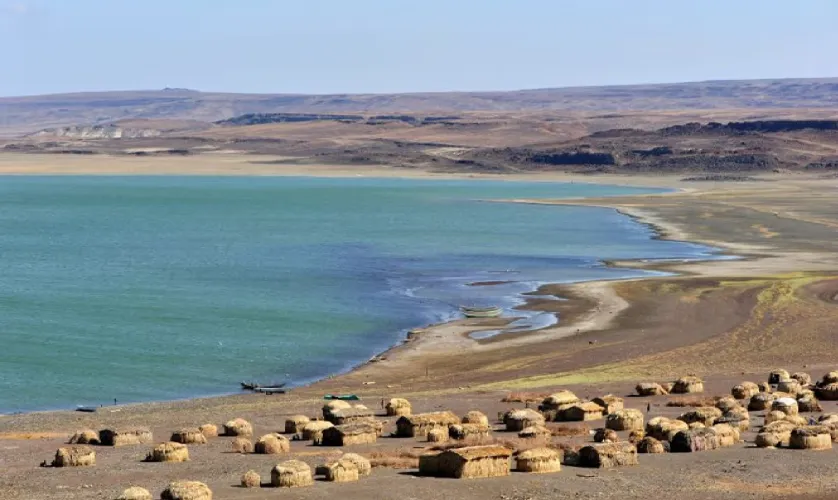
The Lake Turkana region is the true Far North experience. It combines desert scenery, volcanic islands, archaeological importance, fishing communities and some of Kenya’s most isolated landscapes. The journey itself becomes part of the adventure.
Samburu National Reserve
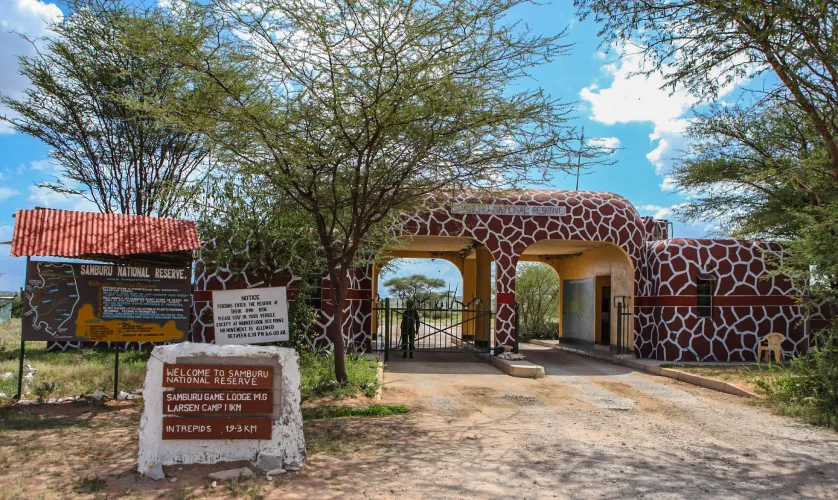
Samburu National Reserve is one of the best-known wildlife destinations in Northern Kenya and is usually the foundation of a first Northern Kenya safari.
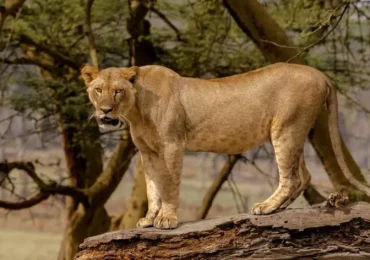
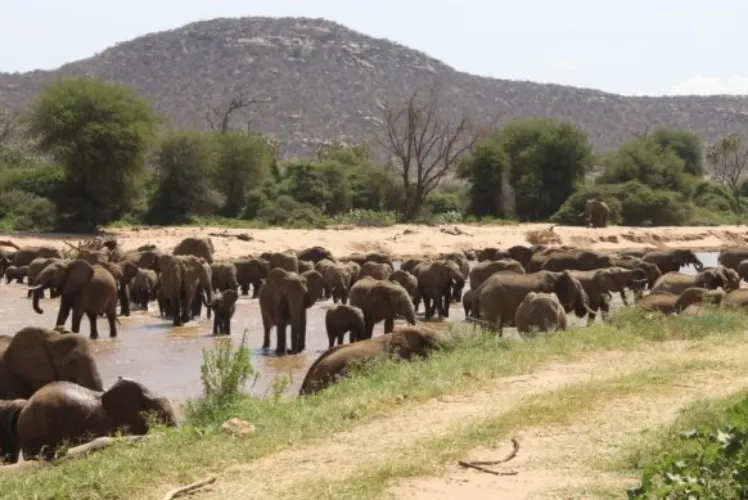
The reserve lies along the Ewaso Nyiro River, creating a valuable source of water in an otherwise dry landscape. The river attracts elephants, giraffes, buffalo, lions, leopards and many other species, while the surrounding dry plains support several animals that are particularly associated with northern Kenya.
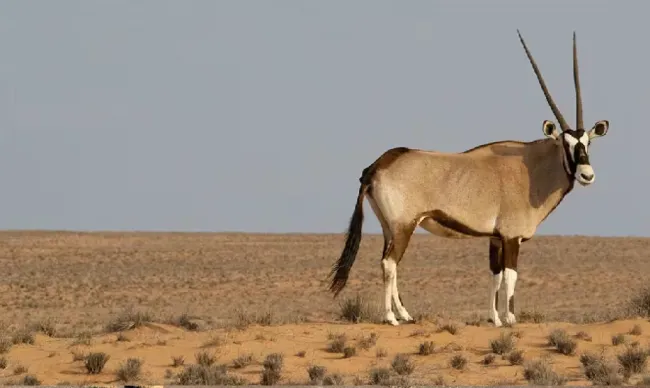
One of Samburu’s biggest attractions is the famous Samburu Special Five: Grevy’s zebra, reticulated giraffe, gerenuk, Beisa oryx and Somali ostrich. These species give Samburu a very different wildlife identity from the Maasai Mara. The county government also identifies elephants, lions, leopards, cheetahs and abundant birdlife among the reserve’s attractions.
The scenery is equally important. Doum palms line sections of the Ewaso Nyiro River, while rocky hills, dry savannah and acacia vegetation create dramatic photographic backgrounds.
Buffalo Springs National Reserve
Across the Ewaso Nyiro River from Samburu is Buffalo Springs National Reserve. Together with Samburu and Shaba, it forms one of the most important wildlife areas in Northern Kenya.
Buffalo Springs offers similar northern wildlife but has its own landscape character, with open plains, rocky areas, springs and riverine habitats. The reserve is particularly useful for travellers who want to spend several days exploring the northern ecosystem rather than limiting themselves to a single park.
Combining Samburu National Reserve and Buffalo Springs National Reserve gives travellers a broader view of the Ewaso ecosystem and increases opportunities for wildlife photography.
Shaba National Reserve
Shaba National Reserve provides another dimension to the Samburu region.
The reserve is more rugged and dry, with volcanic-looking hills, rocky terrain and the Ewaso Nyiro River supporting pockets of vegetation. It is an excellent destination for travellers who appreciate scenery as much as wildlife.
Shaba is also associated with conservation history and the story of Elsa the lioness, made famous through Born Free. The reserve therefore combines wildlife, landscape and a fascinating connection to Kenya’s conservation heritage.
Samburu Culture
A Northern Kenya safari is not complete without understanding the people who have lived in these landscapes for generations.
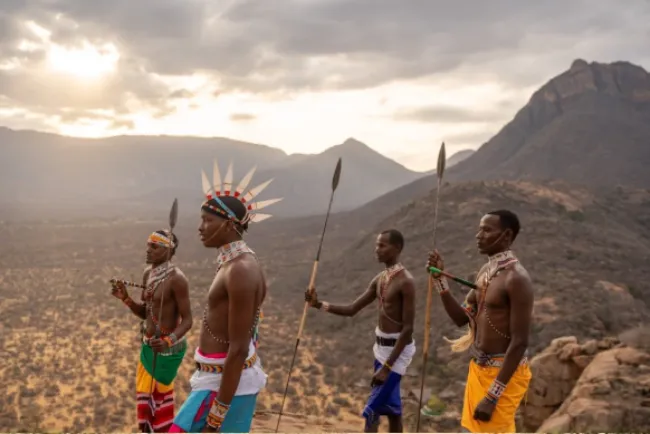
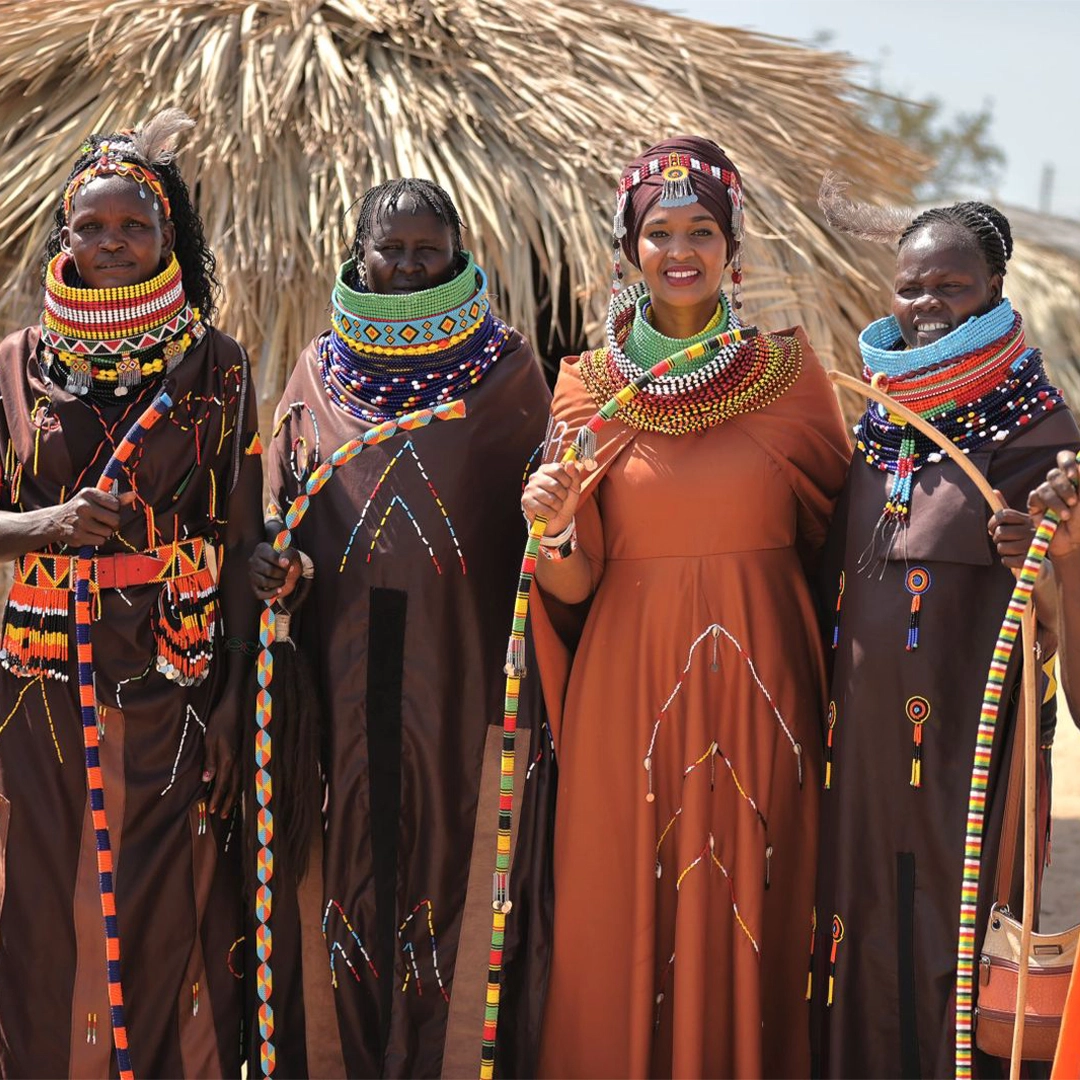
The Samburu people are strongly associated with the region and cultural experiences can introduce visitors to traditional architecture, livestock keeping, clothing, music, dance, storytelling and relationships with the environment.
A responsible cultural visit should focus on genuine community interaction rather than staged performances alone. Travellers can learn about pastoralist life, water management, livestock, traditional knowledge and how communities participate in modern conservation.
Ololokwe and the Northern Mountains
Northern Kenya is not only about game drives.
Mount Ololokwe is one of the region’s most recognizable mountains and is particularly attractive to travellers interested in hiking, photography and dramatic landscapes.
The surrounding Matthews Range, Ndoto Mountains and other northern highlands create spectacular contrasts with the surrounding dry plains. Samburu County describes the region as containing mountains and forested highlands surrounded by semi-desert landscapes.
These mountains are particularly valuable for travellers who want to add adventure and walking experiences to a traditional safari.
Marsabit National Park
Marsabit National Park is one of the most surprising destinations in Northern Kenya.
After travelling through increasingly dry landscapes, visitors suddenly encounter a heavily forested mountain rising from the desert. The park contains volcanic crater lakes and montane forest, creating a completely different ecosystem from the surrounding lowlands.
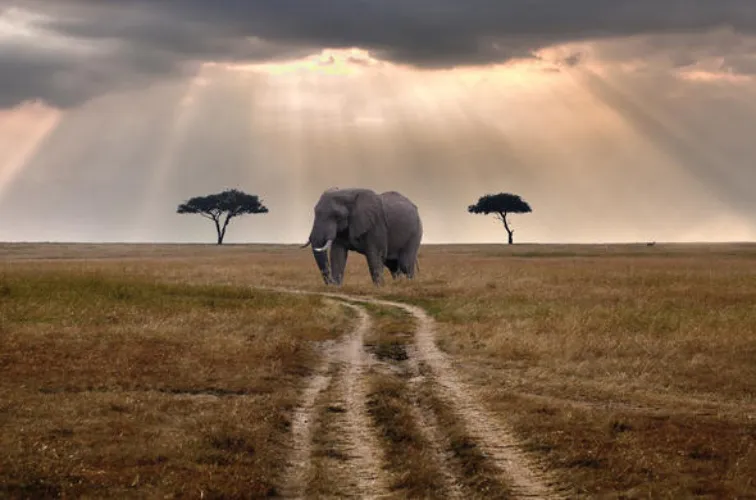
Marsabit is particularly famous for its elephants, including the legendary giant-tusked elephant Ahmed, whose story has become an important part of Kenya’s conservation history. KWS describes the park as a refuge for large-tusked elephants and highlights its forests and crater lakes.
The park is therefore ideal for travellers interested in wildlife, birdwatching, forests, geology and conservation history.
Marsabit Crater Lakes
The crater lakes around Marsabit add another layer to the experience.
These water bodies provide habitat for wildlife and birds while creating beautiful scenery inside an otherwise arid region. The contrast between the surrounding desert and the green volcanic highlands makes Marsabit one of the most unusual landscapes in Kenya.
Chalbi Desert
The Chalbi Desert is where the Northern Kenya experience becomes truly adventurous.
Often described as Kenya’s true desert, Chalbi is an immense landscape of sand, salt, gravel and open horizons. The National Tourism Service Portal specifically promotes Chalbi as a major desert tourism destination and highlights its vast plains, sand dunes and opportunities for camel experiences and cultural encounters.
This is not the type of destination where visitors simply arrive for a few hours and return to a luxury lodge. The journey, road conditions, weather, vehicle preparation and logistics are all part of the experience.
For photographers, overlanders and adventure travellers, Chalbi Desert offers some of the most dramatic landscapes in Kenya.
North Horr
North Horr is an important settlement on the route through the northern desert region.
It provides travellers with a glimpse into life in an extremely arid environment and acts as a useful waypoint when travelling between Marsabit, Chalbi and Lake Turkana.
The surrounding landscape is dominated by desert, livestock, dry riverbeds and expansive horizons, making the area particularly interesting for travellers seeking an authentic northern expedition rather than a conventional lodge-based safari.
Ngurunit
Ngurunit is another fascinating northern destination, especially for travellers interested in combining mountains, culture and adventure.
The area is surrounded by dramatic rocky landscapes and mountains, while seasonal water sources create striking contrasts with the dry environment.
It can work particularly well as part of an adventure route through the Samburu and Marsabit region.
South Horr
South Horr lies within a spectacular northern landscape surrounded by mountains and dry plains.
It is particularly useful as part of routes linking Samburu, Marsabit and Lake Turkana. Travellers can experience remote landscapes and community life while gradually moving deeper into the Far North.
Lake Turkana
Lake Turkana is one of the defining attractions of Far North Kenya.
Known for its striking blue-green colour and surrounding volcanic and desert landscapes, the lake is the world’s largest permanent desert lake. The National Tourism Service Portal identifies Lake Turkana as one of the principal destinations within Kenya’s desert tourism circuit.
The lake is enormous, remote and dramatically different from Kenya’s better-known safari destinations.
It offers travellers an opportunity to experience fishing communities, volcanic islands, desert landscapes, cultural heritage and archaeological sites in one journey.
Loiyangalani
Loiyangalani is one of the most important tourism bases on the southeastern shore of Lake Turkana.
The town developed around a freshwater spring and provides a surprising oasis within the surrounding desert. It is also an important centre for experiencing the cultures of the Lake Turkana region.
The Loiyangalani Desert Museum, operated by the National Museums of Kenya, provides an excellent introduction to the area’s cultural and environmental diversity. The museum showcases the heritage of communities including the Turkana, El Molo, Rendille, Samburu, Gabra, Watta, Borana and Dassanach.
El Molo Culture
The El Molo are one of Kenya’s smallest indigenous communities and have a strong historical connection with Lake Turkana.
Traditional livelihoods have been closely associated with fishing and the lake environment. A cultural experience should focus on learning directly from community members, understanding traditional livelihoods and supporting locally owned initiatives.
This makes the Lake Turkana cultural experience fundamentally different from a conventional wildlife safari.
Turkana Culture
Further north and west, travellers encounter the Turkana people, one of the most recognizable communities of northern Kenya.
Turkana culture is strongly connected with pastoralism, livestock, traditional clothing, music, dance, craftsmanship and adaptation to an extremely dry environment.
Cultural tourism here can be particularly rewarding because the landscape and lifestyle are inseparable. Visitors gain a better understanding of how communities survive and maintain traditions in one of Kenya’s harshest environments.
Sibiloi National Park
Sibiloi National Park lies on the eastern shores of Lake Turkana and is particularly important for archaeology, palaeontology and human evolution.
The region around Lake Turkana has produced major discoveries relating to early human history, giving the area global scientific importance.
Sibiloi therefore appeals to travellers who want something beyond wildlife. It combines desert scenery, fossil discoveries, wildlife, geology and the story of human origins.
Central Island National Park
Central Island National Park is one of the most unusual protected areas in Kenya.
The park sits in the middle of Lake Turkana and is a volcanic island containing crater lakes. KWS identifies three crater lakes—Crocodile Lake, Flamingo Lake and Tilapia Lake—and describes Central Island as an important breeding area for Nile crocodiles.
Because of its remoteness, Central Island is suited to experienced travellers and carefully planned expeditions rather than casual day trips.
The island also offers extraordinary opportunities for photography, geology, birdwatching, crocodile viewing and even astro-tourism. KWS highlights its exceptionally dark skies and volcanic landscapes as suitable for stargazing and night experiences.
Lake Turkana Boat Experiences
Boat trips provide a completely different perspective of the Far North.
Travellers can explore sections of the lake, visit islands, observe birdlife and experience fishing communities. The enormous scale of Lake Turkana makes even a simple boat journey feel like an expedition.
Boat operations should always take local weather and lake conditions seriously because Lake Turkana can be challenging.
Birdwatching in Northern Kenya
Northern Kenya is an underrated destination for birdwatchers.
The region’s combination of deserts, rivers, wetlands, mountains, forests and Lake Turkana creates several different habitats.
Samburu provides riverine and dryland birding, Marsabit adds montane forest species, while Lake Turkana and Central Island introduce lake and wetland birds.
For serious birdwatchers, a northern circuit can therefore provide a very different species mix from Kenya’s southern safari parks.
Camel Experiences
A Northern Kenya camel safari is one of the most distinctive ways to experience the region.
Camel experiences can be particularly appropriate around Samburu and the more arid northern communities. Rather than simply viewing the landscape from a safari vehicle, travellers can experience the slower pace of movement traditionally associated with pastoralist communities.
These experiences are best organised through responsible local operators and community partnerships.
Hiking and Adventure
Northern Kenya is excellent for adventurous travellers.
Possible experiences include hiking Mount Ololokwe, exploring mountain landscapes around the Matthews Range, walking in selected conservancies, visiting waterfalls and springs, camel trekking and undertaking longer desert expeditions.
This makes Northern Kenya particularly attractive to travellers who find traditional vehicle safaris too passive.
Conservation Tourism
One of the strongest reasons to visit Northern Kenya is the relationship between wildlife conservation and local communities.
The region contains numerous conservancies where tourism contributes to wildlife protection, employment and community development.
Visitors should prioritize locally owned accommodation, community conservancies, responsible guides and operators that contribute directly to conservation and local economies.
Best Time to Visit Northern Kenya
For a conventional Northern Kenya safari, the best periods are generally June to October and January to February, when conditions are often more favourable for wildlife viewing and travel.
The desert and Far North require more careful planning because extreme heat, rainfall and road conditions can significantly affect travel.
For Chalbi Desert and Lake Turkana expeditions, the exact timing should be selected according to the route, vehicle, road conditions and local weather rather than simply following a generic safari calendar.
How to Get Around Northern Kenya
Northern Kenya can be explored by road, air or a combination of both.
Samburu is relatively accessible by road from Nairobi and also has scheduled and charter flight options. The journey becomes progressively more demanding as you move toward Marsabit, Chalbi and Lake Turkana.
For example, KWS notes that Central Island can involve a two-day road journey from Nairobi to Kalokol before continuing by boat, while alternative approaches through Marsabit and North Horr can take around three days by road.
This is why a Far North Kenya expedition requires considerably more logistical planning than a normal three-day safari.
How Many Days Do You Need?
A short Northern Kenya safari can work in 3–4 days, particularly if the focus is Samburu and Buffalo Springs.
For a broader northern circuit including Samburu, Marsabit and the Chalbi Desert, around 6–9 days provides a much better experience.
Travellers wanting to reach Lake Turkana, Loiyangalani or Sibiloi should consider approximately 8–12+ days, depending on the route and transport.
A serious Far North Kenya expedition can easily require two weeks or more.
Accommodation in Northern Kenya
Accommodation ranges from established safari lodges and tented camps around Samburu to community camps, eco-lodges and simple accommodation farther north.
Samburu and Buffalo Springs provide the greatest range of safari accommodation, making them suitable for budget-conscious travellers as well as luxury safari guests.
Marsabit offers a simpler wilderness experience, while the more remote desert and Lake Turkana routes require travellers to be more flexible.
Around Lake Turkana, accommodation can include camps and lodges in areas such as Loiyangalani and the western shores, while Central Island itself is primarily an expedition-style destination. KWS lists options around the Lake Turkana region including Eliye Springs Resort, Lobolo Camp, Cradle Tented Camp and Desert Rose Lodge.
What to Pack for Northern Kenya
A Northern Kenya trip requires more preparation than an ordinary safari.
Pack lightweight breathable clothing, a warm layer for cooler evenings, comfortable walking shoes, sunglasses, sunscreen, a hat, insect repellent, binoculars, a camera, personal medication, reusable water bottles and sufficient personal supplies.
For Chalbi Desert and Far North expeditions, additional preparation may include extra water, emergency supplies, power banks, vehicle recovery equipment and appropriate camping equipment depending on the itinerary.
Responsible Tourism in Northern Kenya
Responsible tourism is particularly important in Northern Kenya because many communities live in environments where tourism can have a significant economic and social impact.
Travellers should respect local customs, ask before photographing people, purchase crafts directly from communities where possible, avoid plastic waste, conserve water and choose operators that employ local guides and support conservation.
Cultural visits should also be approached respectfully. Communities should not be treated as attractions; instead, tourism should create genuine opportunities for learning, exchange and local income.
Northern Kenya for Different Types of Travellers
Wildlife travellers should focus on Samburu, Buffalo Springs, Shaba and Marsabit.
Luxury safari travellers can concentrate on Samburu and private conservancies where high-end camps combine wildlife, scenery and cultural experiences.
Adventure travellers should consider Ololokwe, the Matthews Range, camel experiences, Chalbi Desert and Lake Turkana.
Photographers will find exceptional opportunities in Samburu, Marsabit, Chalbi and Lake Turkana.
Culture-focused travellers should explore Samburu, Rendille, Turkana and El Molo communities through responsible community-based experiences.
History and archaeology enthusiasts should prioritize Lake Turkana, Sibiloi and the Loiyangalani Desert Museum.
Birdwatchers can combine Samburu, Marsabit and Lake Turkana to experience several distinct habitats.
Northern Kenya vs Far North Kenya
The distinction is important when planning a trip.
Northern Kenya usually works better for travellers wanting a mixture of wildlife, culture, comfort and adventure. Samburu, Buffalo Springs, Shaba and Marsabit can provide a relatively conventional safari structure while still feeling very different from the Maasai Mara or Amboseli.
Far North Kenya, particularly Chalbi Desert and Lake Turkana, is much more remote and expedition-oriented. The scenery becomes harsher, distances increase and infrastructure becomes more limited.
In simple terms:
- Samburu = Northern Kenya wildlife + Samburu Special Five
- Buffalo Springs = wildlife + Ewaso Nyiro ecosystem
- Shaba = rugged scenery + wildlife + conservation history
- Marsabit = forest oasis + crater lakes + giant-tusked elephants
- Ololokwe = mountain scenery + hiking
- Matthews Range = mountains + wilderness + adventure
- Ngurunit = mountains + culture + remote landscapes
- Chalbi Desert = desert expedition + photography + camel experiences
- North Horr = remote desert + northern community life
- Loiyangalani = Lake Turkana + culture + oasis
- El Molo communities = lake culture + fishing heritage
- Turkana communities = pastoral culture + desert life
- Sibiloi National Park = archaeology + palaeontology + Lake Turkana
- Central Island = volcanoes + crocodiles + crater lakes + extreme wilderness
Planning Northern Kenya with Crystal Tours Kenya
For travellers who want to explore beyond the traditional safari circuit, Crystal Tours Kenya can structure Northern Kenya around the type of experience you want rather than simply creating a standard park-to-park itinerary.
A first-time visitor could combine Samburu, Buffalo Springs and Shaba for a classic northern wildlife experience. More adventurous travellers could continue toward Marsabit and Chalbi Desert, while those looking for the ultimate expedition can extend the journey toward Loiyangalani, Lake Turkana and Sibiloi National Park.
Northern Kenya works particularly well as a longer Kenya journey combining wildlife, culture, conservation and adventure. Instead of seeing the north as one destination, the best approach is to build a route where every stage offers something different.
Conclusion
Northern Kenya and Far North Kenya represent some of the country’s most extraordinary travel territory. From the wildlife-rich banks of the Ewaso Nyiro River to the forests of Marsabit, the endless horizons of the Chalbi Desert and the volcanic shores of Lake Turkana, the region offers experiences that are difficult to find anywhere else in Kenya.
The greatest attraction is its diversity. You can spend one morning searching for a reticulated giraffe in Samburu, explore a forested crater landscape in Marsabit, cross desert plains by 4WD, meet northern communities and eventually stand beside Lake Turkana beneath an enormous open sky.
For travellers who want to go beyond the usual safari routes, Northern Kenya is not simply another destination—it is an expedition into one of Kenya’s most remote, culturally rich and visually spectacular regions.