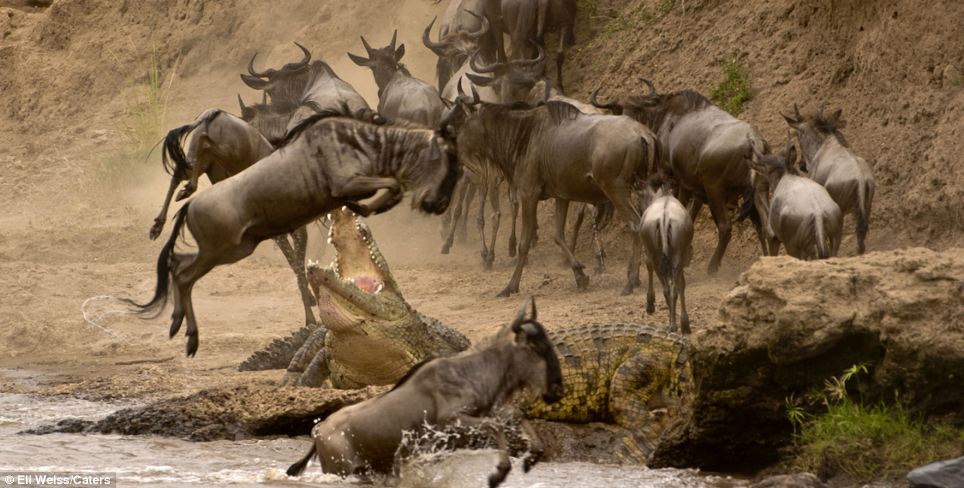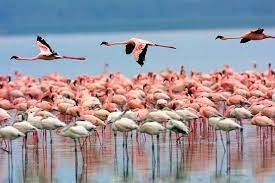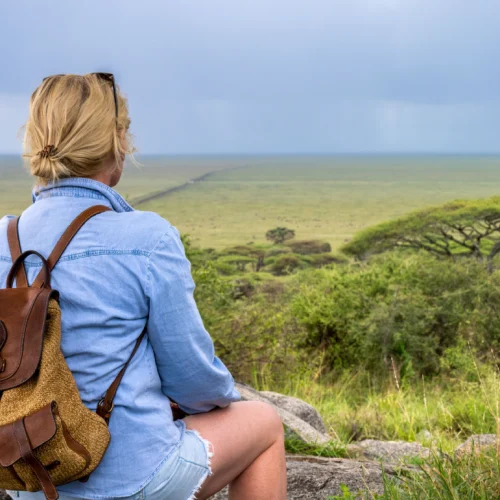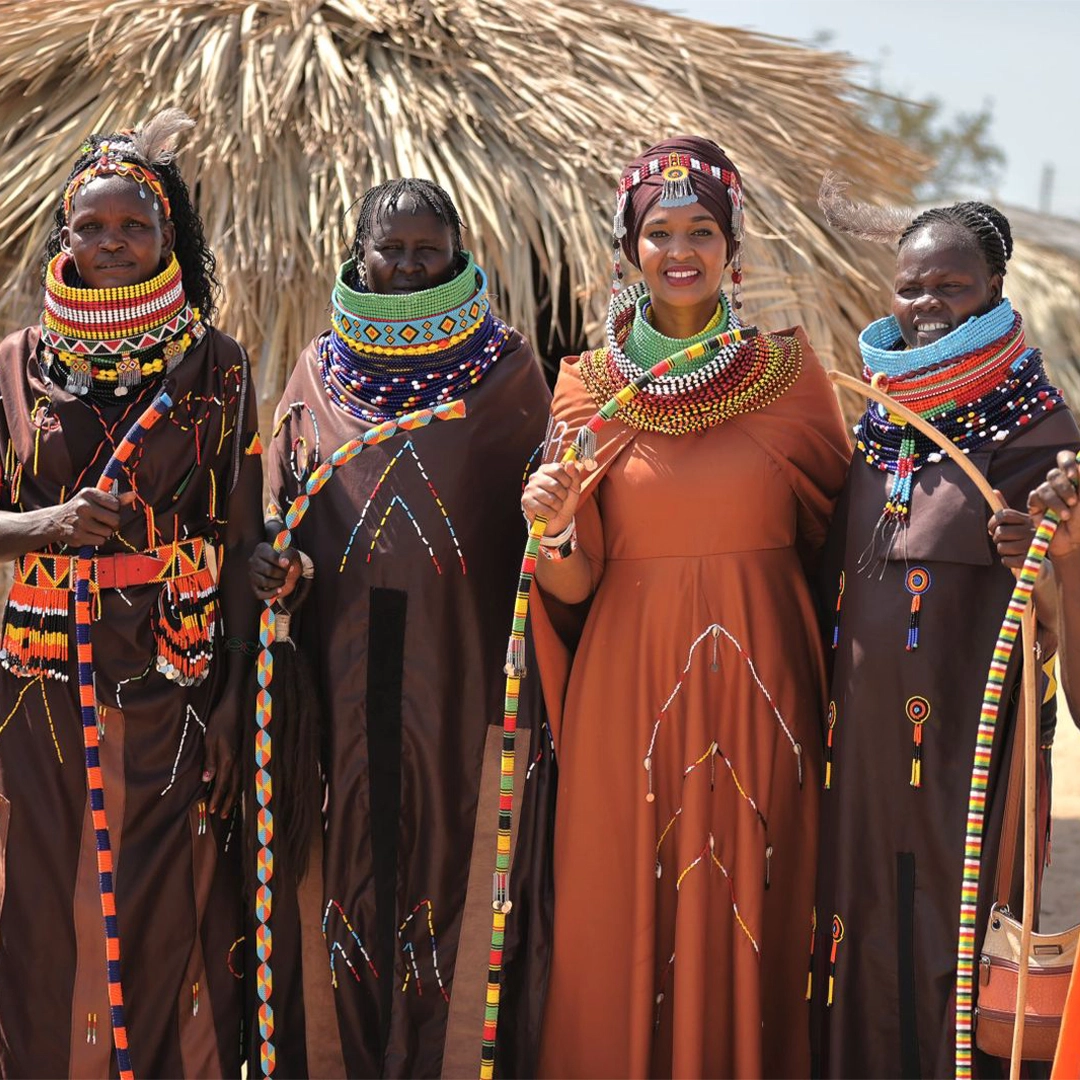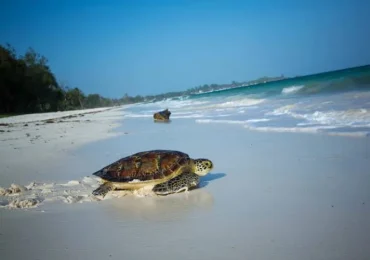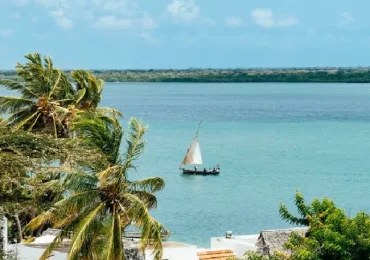
Kenya is one of Africa’s most iconic safari destinations, renowned for its breathtaking landscapes, diverse ecosystems, and extraordinary wildlife. From the vast plains of the Maasai Mara to the elephant-rich Amboseli National Park and the rugged wilderness of Samburu, the country is home to some of the world’s most remarkable wildlife experiences.
However, these incredible natural treasures face growing threats from habitat loss, climate change, human-wildlife conflict, and poaching. This is why wildlife conservation in Kenya is more important than ever.
At Crystal Tours, we believe every safari should not only create unforgettable memories but also contribute to protecting Kenya’s wildlife for future generations. Here’s why conservation matters and how every traveler can make a positive impact.
What Is Wildlife Conservation?
Wildlife conservation is the protection, restoration, and sustainable management of wild animals and their natural habitats. It involves governments, conservation organizations, local communities, researchers, and responsible tourism operators working together to preserve biodiversity.
Kenya’s conservation efforts are built around protecting the country’s extraordinary biodiversity while ensuring that local communities benefit from preserving nature. These initiatives help safeguard wildlife, restore fragile ecosystems, and promote responsible tourism for future generations. Key areas of focus include:
- Protecting endangered species
- Conserving natural habitats
- Preventing illegal wildlife trade
- Promoting sustainable tourism
- Supporting community-led conservation
- Restoring degraded ecosystems
- Reducing human-wildlife conflict
- Protecting wildlife migration corridors
- Supporting wildlife research and monitoring
- Strengthening climate change resilience
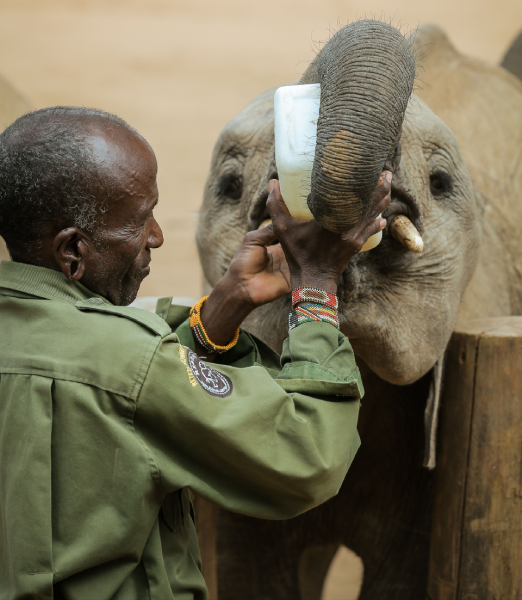
These efforts ensure that wildlife continues to thrive while creating opportunities for local communities through tourism.
1. Wildlife Conservation Protects Kenya’s Incredible Biodiversity
Kenya is home to more than 1,000 bird species and hundreds of mammals, reptiles, amphibians, and plants.
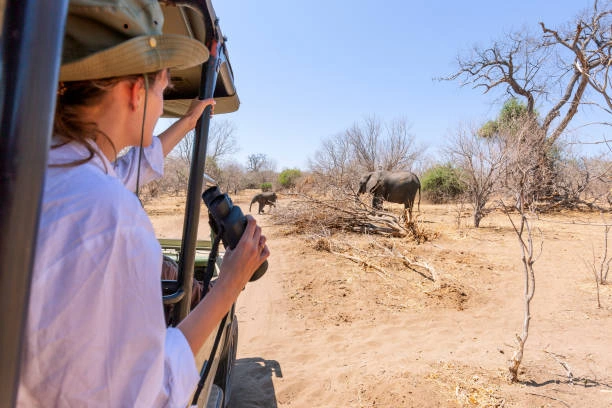
Visitors travel from around the world to see iconic wildlife including:
- Lions
- African elephants
- Leopards
- Black and white rhinos
- Buffalo
- Cheetahs
- Grevy’s zebra
- Reticulated giraffe
- African wild dogs
Many of these species are under increasing pressure from habitat loss and environmental changes.
Conservation programs help protect breeding grounds, migration routes, and ecosystems that are essential for wildlife survival.
2. Conservation Supports Sustainable Tourism
Kenya’s safari industry depends on healthy wildlife populations and protected natural landscapes.
When travelers choose responsible tour operators like Crystal Tours, their safari contributes to:
- Park conservation fees
- Wildlife research
- Habitat restoration
- Anti-poaching initiatives
- Community conservation projects
Sustainable tourism creates a cycle where tourism revenue helps preserve the very attractions visitors come to experience.
3. National Parks and Conservancies Protect Wildlife Habitats
Kenya has an impressive network of national parks, reserves, and private conservancies that safeguard important ecosystems.
Some of the country’s leading conservation areas include:
- Maasai Mara National Reserve
- Amboseli National Park
- Tsavo East National Park
- Tsavo West National Park
- Samburu National Reserve
- Lake Nakuru National Park
- Ol Pejeta Conservancy
- Lewa Wildlife Conservancy
These protected areas provide safe habitats where wildlife can breed, migrate, and thrive with reduced human disturbance.
4. Conservation Benefits Local Communities
Wildlife conservation is not only about animals- it is also about people.
Across Kenya, many communities earn livelihoods through tourism by working as:
- Safari guides
- Lodge staff
- Rangers
- Cultural ambassadors
- Drivers
- Conservation officers
- Local artisans
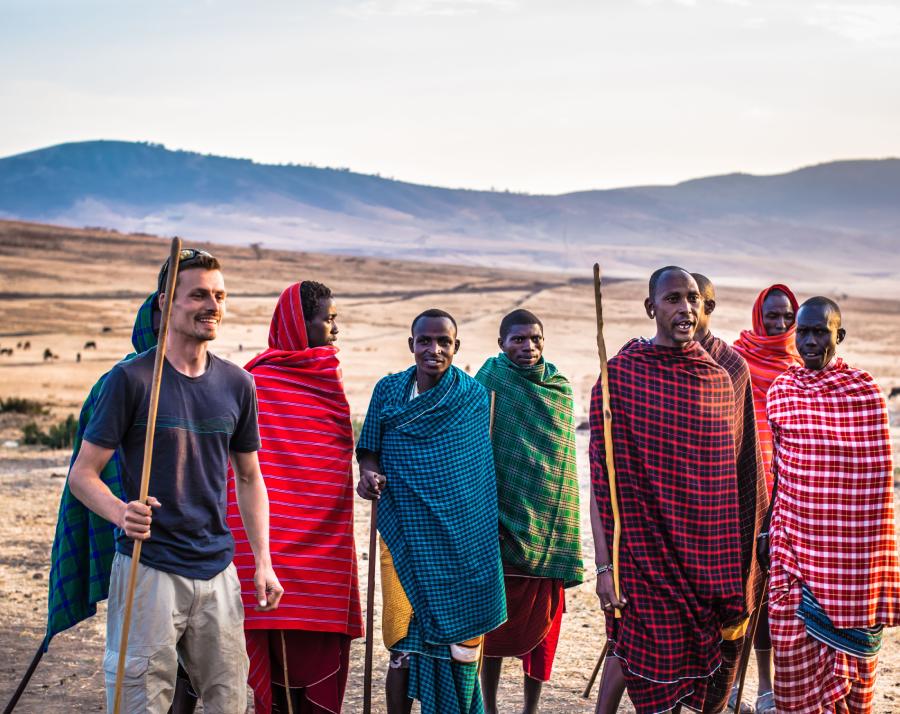
Community conservancies also generate income through tourism while encouraging sustainable land management.
When communities benefit from wildlife, they become active partners in protecting it.
5. Conservation Helps Protect Endangered Species
Kenya has become a global leader in protecting endangered wildlife.
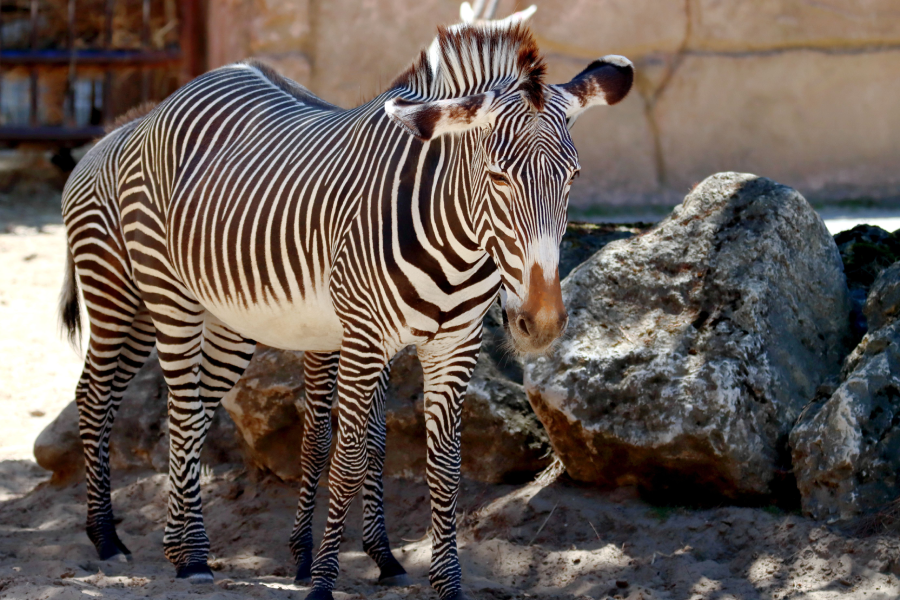
Successful conservation programs have helped safeguard species such as:
- Black rhino
- Grevy’s zebra
- Mountain bongo
- African elephant
- Rothschild’s giraffe
Organizations work alongside government agencies and local communities to monitor populations, reduce poaching, and restore habitats.
Many visitors have the opportunity to see these remarkable animals during a safari while learning about ongoing conservation efforts.
6. Healthy Ecosystems Benefit Everyone
Wildlife plays an essential role in maintaining healthy ecosystems.
For example:
- Elephants help shape forests and grasslands.
- Predators maintain balanced prey populations.
- Birds disperse seeds and control insects.
- Wetlands improve water quality and support biodiversity.
Protecting wildlife also protects forests, rivers, grasslands, and other natural resources that people depend on every day.
7. Every Traveler Can Make a Difference
One of the easiest ways to support wildlife conservation in Kenya is by making responsible travel choices.
When planning your safari:
- Choose ethical tour operators.
- Stay in eco-conscious lodges.
- Respect wildlife viewing guidelines.
- Never purchase products made from wildlife.
- Follow park regulations.
- Reduce plastic waste.
- Support local businesses and communities.
Even small decisions can have a lasting positive impact on conservation.
How Crystal Tours Supports Wildlife Conservation
At Crystal Tours, responsible tourism is at the heart of everything we do.
We are committed to creating safari experiences that respect nature, support conservation initiatives, and benefit local communities.
Our approach includes:
- Promoting responsible wildlife viewing
- Partnering with eco-conscious lodges and camps
- Supporting community-based tourism experiences
- Encouraging sustainable travel practices
- Educating travelers about Kenya’s unique ecosystems
By traveling responsibly, our guests help ensure Kenya’s spectacular wildlife remains protected for generations to come.
Tips for Being a Responsible Safari Traveler
To make your safari as sustainable as possible:
- Keep a respectful distance from wildlife.
- Never feed wild animals.
- Avoid single-use plastics where possible.
- Stay on designated roads during game drives.
- Carry reusable water bottles.
- Support locally owned businesses.
- Leave no trace in protected areas.
- Follow your guide’s instructions at all times.
Responsible travel helps preserve Kenya’s extraordinary natural heritage.
Frequently Asked Questions
Why is wildlife conservation important in Kenya?
Wildlife conservation protects endangered species, preserves ecosystems, supports sustainable tourism, and creates employment opportunities for local communities.
How does tourism help wildlife conservation?
Tourism generates revenue through park entry fees, conservancy fees, accommodation, and guided safaris. These funds support habitat protection, wildlife research, ranger programs, and community conservation initiatives.
What threats does Kenya’s wildlife face?
Wildlife faces challenges such as habitat loss, poaching, climate change, human-wildlife conflict, pollution, and illegal wildlife trade.
What are community conservancies?
Community conservancies are protected areas managed by local communities that balance wildlife conservation with sustainable livelihoods through tourism and conservation partnerships.
Can tourists contribute to wildlife conservation?
Yes. By choosing responsible tour operators, respecting wildlife, staying in eco-friendly accommodations, and supporting local communities, travelers directly contribute to conservation efforts.
Which endangered animals can be seen in Kenya?
Visitors may encounter species such as the black rhino, Grevy’s zebra, mountain bongo, Rothschild’s giraffe, and African elephant, depending on the destination and conservation area.
Protect Kenya’s Wildlife Through Responsible Travel
Kenya’s wildlife is one of the country’s greatest treasures, attracting millions of visitors while supporting conservation, local communities, and the national economy. By choosing responsible safari experiences, every traveler plays a role in protecting these extraordinary landscapes and the species that call them home.
Whether you’re witnessing the Great Migration, photographing elephants beneath Mount Kilimanjaro, or exploring a community conservancy, your journey can help secure a brighter future for Kenya’s wildlife.
At Crystal Tours, we’re proud to offer safari experiences that combine unforgettable adventures with a commitment to conservation- because protecting nature today ensures that future generations can experience the same wonder tomorrow.