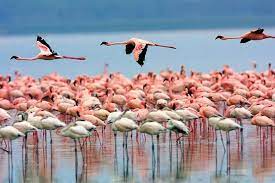

Kenya visitor health insurance is an important requirement for eligible international travellers planning to visit Kenya.
From 5 October 2026, Kenya introduced a mandatory inbound travel health insurance requirement for most foreign visitors staying in the country for less than 12 months. The measure is intended to ensure that visitors have financial protection for specified medical emergencies during their stay.
Whether you are planning a wildlife safari in the Maasai Mara, a beach holiday in Diani, a business trip to Nairobi or a family visit, understanding the new requirements can help you prepare before departure. This guide explains who needs insurance, the required coverage, the application process, exemptions and other important details to check before travelling.
What Is Kenya Visitor Health Insurance?
Kenya visitor health insurance refers to the inbound travel health insurance required under Kenya’s Social Health Insurance Act, 2023, and the Social Health Insurance Regulations, 2024.
The requirement is supported by Gazette Notice No. 11492, issued in July 2026, which establishes minimum benefit limits for eligible visitors.

The policy is designed to provide financial protection for specified medical expenses and emergencies, including medical treatment, emergency medical transportation, prescribed medicines and repatriation of mortal remains.
According to current travel guidance, the requirement took effect on 5 October 2026. Travellers arriving after that date should check the latest official instructions and ensure that they comply before beginning their journey.
Who Needs Kenya Visitor Health Insurance?
The requirement generally applies to non-Kenyan visitors entering Kenya for a stay of less than 12 months, subject to the applicable exemptions.
This may include:

Tourism and wildlife safaris.
Beach holidays and leisure travel.
Business meetings and conferences.
Family visits and visiting friends.
Educational trips and student exchange programmes.
Medical consultations and treatment. Some categories are exempt, including Kenyan citizens, holders of valid Kenyan residence status and citizens of East African Community partner states Transit passengers who remain within the airport transit area without passing through Kenyan immigration control are also exempt under current guidance.
Because immigration and Kenya visitor health insurance rules can change, visitors should verify their individual circumstances through official government channels before departure.
How Long Is the Policy Valid?
The Kenya visitor health insurance policy is reported to be valid for 90 days (three months). During this period, the policy may support multiple entries into Kenya, provided it remains valid and the traveller meets the applicable entry requirements.
Visitors should check the start date, expiry date and entry conditions stated on their insurance certificate before travelling. Travellers planning several visits to Kenya should ensure their policy remains valid for each arrival.
Before departure, confirm the latest validity rules through the official Kenya eCitizen insurance portal, particularly if you intend to stay for several months or make multiple trips to Kenya.

If the 90-day validity period expires, travellers may need to purchase a new policy before returning to Kenya or continuing their stay, depending on the applicable rules. Visitors planning a longer trip should confirm whether an extension, renewal or alternative arrangement is available through the official Kenyan insurance portal.
It is also important to remember that insurance validity and permission to remain in Kenya are separate matters. Having valid health insurance does not automatically extend a visitor’s authorised stay or replace any immigration requirements.
How Much Coverage Is Required?
The prescribed minimum cumulative benefit limit is US$50,000 per person. This is the amount of potential insurance benefits, not the price paid to purchase the policy.
The minimum benefit framework includes:
- Medical expenses: US$20,000.
- Emergency medical transportation: US$25,000.
- Repatriation of mortal remains: US$5,000.
- Mental health treatment: US$1,000.
- Prescription medicines: US$300.

These benefits form part of the prescribed coverage framework. They should not be added together as though they create a total limit above US$50,000.
Medical expenses may include eligible emergency inpatient and outpatient treatment. Emergency medical transportation can help with qualifying transport or evacuation to a medical facility, while repatriation benefits address eligible costs associated with returning a deceased traveller’s remains to their country of origin.
The actual benefits payable depend on the policy terms, conditions, exclusions and applicable limits.
How Much Does the Insurance Cost?
The Kenya visitor health insurance purchase price is separate from the US$50,000 coverage limit.
Recent travel-industry guidance published in October 2026 has reported a price of approximately US$44, although some sources mention additional charges or slightly different totals. Travellers should check the current amount displayed on the official payment portal before completing their applications.
Do not assume that the policy costs US$50,000. That figure represents the prescribed minimum benefit limit rather than the premium.
Visitors should also confirm the policy’s validity period and whether any additional payment is required for a longer stay.
How to Obtain the Insurance Before Travelling
Travellers visiting Kenya should arrange the required Kenya visitor health insurance before departure to help ensure they meet the country’s entry requirements. The process involves checking eligibility, completing the application, paying the applicable fee and keeping proof of insurance.
Step 1: Check Your Eligibility
Confirm whether you are required to obtain inbound travel health insurance or qualify for an exemption under Kenya’s current regulations.
Step 2: Complete the Application
Provide the required personal information, passport details and travel information through the designated official application process. Ensure that all details match your travel documents.
Step 3: Review the Coverage and Cost

Check the policy’s benefit limits, premium, validity period, exclusions and conditions before proceeding with payment.
Step 4: Make the Payment
Follow the official payment instructions and retain your payment confirmation for reference.

Step 5: Receive and Save Your Insurance Certificate

Once your application is processed, keep a copy of your insurance certificate and payment confirmation. Check that your personal details and policy dates are correct.
Step 6: Confirm Your Travel Requirements
Before departure, verify that your insurance arrangements meet the latest Kenyan entry requirements. Travellers who require an Electronic Travel Authorisation (eTA) should also ensure that they have completed the relevant immigration procedures.
Preparing these documents in advance can help visitors avoid unnecessary delays and enjoy a smoother arrival in Kenya.
Does Existing Travel Insurance Count?
Visitors should not automatically assume that a policy purchased in their home country will satisfy Kenya visitor health insurance.
Current UK government travel guidance states that foreign travel insurance is not accepted as a substitute for the required cover. However, industry reports have described differences in the implementation guidance concerning qualifying overseas policies.
Travellers should therefore check the latest official Kenyan requirements before deciding whether their existing policy is sufficient.
Even when mandatory cover is arranged, comprehensive travel insurance remains worth considering. It may provide additional benefits for trip cancellation, travel delays, lost luggage, personal belongings and certain activities, depending on the policy.
How Does the Policy Affect Safari and Beach Holidays?

Visitors planning a safari in Kenya should arrange the required insurance before travelling to destinations such as the Maasai Mara, Amboseli National Park and Lake Nakuru National Park.
Medical evacuation benefits can be particularly relevant when travelling in remote areas, although the circumstances in which evacuation is covered depend on the policy terms.
Travellers visiting Diani Beach, Watamu or Malindi should also review their medical protection and consider additional insurance for activities such as diving, snorkelling or other water sports.

Business travellers and people visiting relatives should check the requirement too, because the rule is not limited to holidaymakers.
For anyone booking a Kenya holiday, checking Kenya visitor health insurance requirements early can help avoid last-minute complications.
Airline and Arrival Checks
Travellers should be prepared to provide proof of Kenya visitor health insurance during their journey to Kenya.
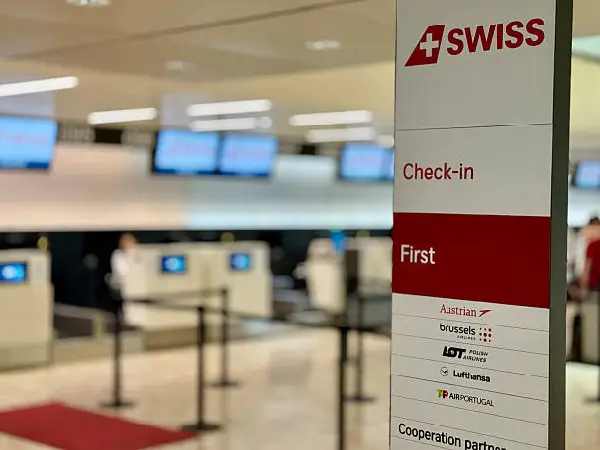
At Airline Check-in: Airline staff may check whether passengers meet Kenya’s applicable health insurance requirements before boarding. Travellers who do not have the required cover may be directed to complete the necessary arrangements before departure.
On Arrival in Kenya: Immigration officers may verify a traveller’s insurance details as part of the entry process. Having valid insurance does not automatically guarantee entry, as the final decision remains subject to Kenya’s immigration requirements.
Prepare Before Departure: Arrange your Kenya visitor health insurance before leaving your home country, keep your certificate accessible and ensure that the policy details match your passport. Preparing in advance can help reduce the risk of delays at check-in or on arrival.
Does Health Insurance Replace the Kenya eTA?
No. Health insurance and the Electronic Travel Authorisation are separate requirements.
Visitors who need an eTA must follow the applicable immigration application process. Having health insurance does not guarantee permission to enter Kenya, and an approved eTA does not automatically exempt someone from the insurance requirement.
Travellers should also review passport validity, entry conditions and any relevant vaccination requirements. For example, a yellow fever vaccination certificate may be required for travellers arriving from countries identified as yellow fever transmission risks.
Always consult official government guidance for the latest information.
Practical Tips for Smooth Travel
- Arrange Insurance Early: Obtain the required health insurance before departure, ideally while preparing your other travel documents.
- Check Your Details: Ensure your name, passport number and other personal details match across your Kenya visitor health insurance documents and Electronic Travel Authorisation (eTA), where applicable.
- Keep Proof Accessible: Download your insurance certificate and save a digital copy on your phone. Keep an offline copy so you can access it without an internet connection.
- Check Policy Validity: Review the start date, expiry date, coverage limits and conditions to ensure the policy meets your travel needs.
- Consider Additional Travel Insurance: If you are planning a longer trip or have specific medical needs, consider comprehensive travel insurance for additional protection. Kenya visitor health insurance may not cover trip cancellations, lost baggage or every medical expense.
- Inform Travelling Companions: Make sure family members and other travellers understand the insurance requirements before departure.
- Consult Your Tour Operator: Travellers booking through a tour operator or travel agent should confirm the applicable insurance requirements during the booking process.
- Verify Requirements Before Departure: Check the latest official guidance, especially if you are making multiple visits or planning an extended stay in Kenya.
Preparing these details in advance can help you avoid unnecessary complications and enjoy a smoother travel experience.
Frequently Asked Questions About Kenya Visitor Health Insurance
1. Is health insurance mandatory for visitors to Kenya?
Kenya has introduced a mandatory inbound travel health insurance requirement for eligible foreign visitors. Travellers should confirm whether the requirement applies to them and check the latest entry regulations before departure.
2. How much coverage is required for visitors to Kenya?
The prescribed minimum cumulative benefit limit is US$50,000 per person, covering specified benefits such as medical expenses, emergency medical transportation and repatriation of mortal remains.
3. How much does Kenya visitor health insurance cost?
The cost depends on the applicable policy and current official pricing. Travellers should confirm the latest premium and any additional charges before making payment.
4. How long is the insurance policy valid?
The policy has been reported to provide 90 days of coverage. However, travellers should verify the validity period stated on their insurance certificate and confirm the latest official rules before travelling.
5. Can I use my existing travel insurance?
Do not assume that an overseas travel insurance policy automatically satisfies Kenya visitor health insurance. Check the latest official guidance to determine whether your existing cover is accepted.
6. How can I obtain the required health insurance?
Eligible travellers should follow the designated official application process, provide the required personal and passport details, pay the applicable premium and keep their insurance certificate as proof of cover.
7. Does the insurance replace the Kenya eTA?
No. Kenya visitor health insurance and the Electronic Travel Authorisation (eTA) are separate requirements. Travellers who need an eTA must complete the relevant immigration procedures as well.
8. Are children required to have health insurance?
The requirement may apply to eligible children and other minors. Parents and guardians should confirm the applicable rules and exemptions for every family member travelling to Kenya.
9. Does the policy cover medical emergencies during a safari?
The prescribed benefits include emergency medical transportation, subject to the policy’s terms and conditions. Travellers should check the applicable limits, exclusions and emergency assistance procedures before participating in safari activities.
10. What happens if my insurance expires while I am in Kenya?
Contact the relevan tKenya visitor health insurance provider or official authority to confirm whether renewal, replacement or another arrangement is required. Remember that insurance validity and permission to remain in Kenya are separate matters.
11. Can I purchase the insurance when I arrive in Kenya?
Arranging the required cover before departure is advisable. Travellers should not rely on being able to obtain insurance at the airport, as procedures and availability may vary.
12. Should I purchase additional travel insurance?
Additional comprehensive Kenya visitor health insurance is worth considering because the mandatory policy may not cover trip cancellation, lost baggage, travel delays or every medical expense. Review the policy terms to identify any gaps in protection.
Kenya visitor health insurance is an important consideration for eligible international travellers planning a trip in 2026. Understanding the coverage limits, eligibility rules, application process and policy conditions can help you prepare before departure.
Before travelling, check the official Kenyan insurance portal, review your entry requirements and keep your insurance documentation accessible. For safari holidays, beach escapes and other visits, arranging the appropriate cover in advance can make travel preparation more straightforward.
Crystal Tours Kenya encourages travellers to review current entry requirements before confirming their travel arrangements and to consider comprehensive travel insurance that suits their individual needs.
Plan Your Kenya Trip with Crystal Tours Kenya
Planning a trip to Kenya should be exciting, not stressful. Understanding the Kenya visitor health insurance requirements before departure can help you prepare the necessary documents and travel with greater peace of mind. Once your travel arrangements are in order, you can focus on experiencing Kenya’s incredible wildlife, beautiful beaches, rich culture and unforgettable safari destinations.
At Crystal Tours Kenya, we help travellers plan memorable Kenyan holidays tailored to their budgets, interests and schedules. Whether you are planning a Masai Mara safari, an Amboseli adventure, a beach holiday, a family trip, a romantic getaway or a customised Kenya itinerary, our team is ready to help you organise your journey.
Ready to Visit Kenya?
Have questions about visitor health insurance, Kenya eTA requirements, entry procedures, accommodation, transport or safari packages? Contact Crystal Tours Kenya for assistance with planning your holiday and organising your travel arrangements.
Crystal Tours Kenya
Office: Vision Towers, Muthithi Road, Westlands, Nairobi, Kenya
Call/WhatsApp: +254 727 039 513
Email: info@crystaltourskenya.com
Explore our Kenya holiday packages and start planning your next adventure.
Your Kenya adventure starts here — let Crystal Tours Kenya help you plan it.