The Ngorongoro Conservation Area is one of Africa’s most spectacular wildlife destinations and a UNESCO World Heritage Site that combines breathtaking landscapes, abundant wildlife, and rich cultural heritage.
Located in northern Tanzania, it is best known for the famous Ngorongoro Crater, the world’s largest intact volcanic caldera and one of the best places on Earth to see the Big Five in a single day.
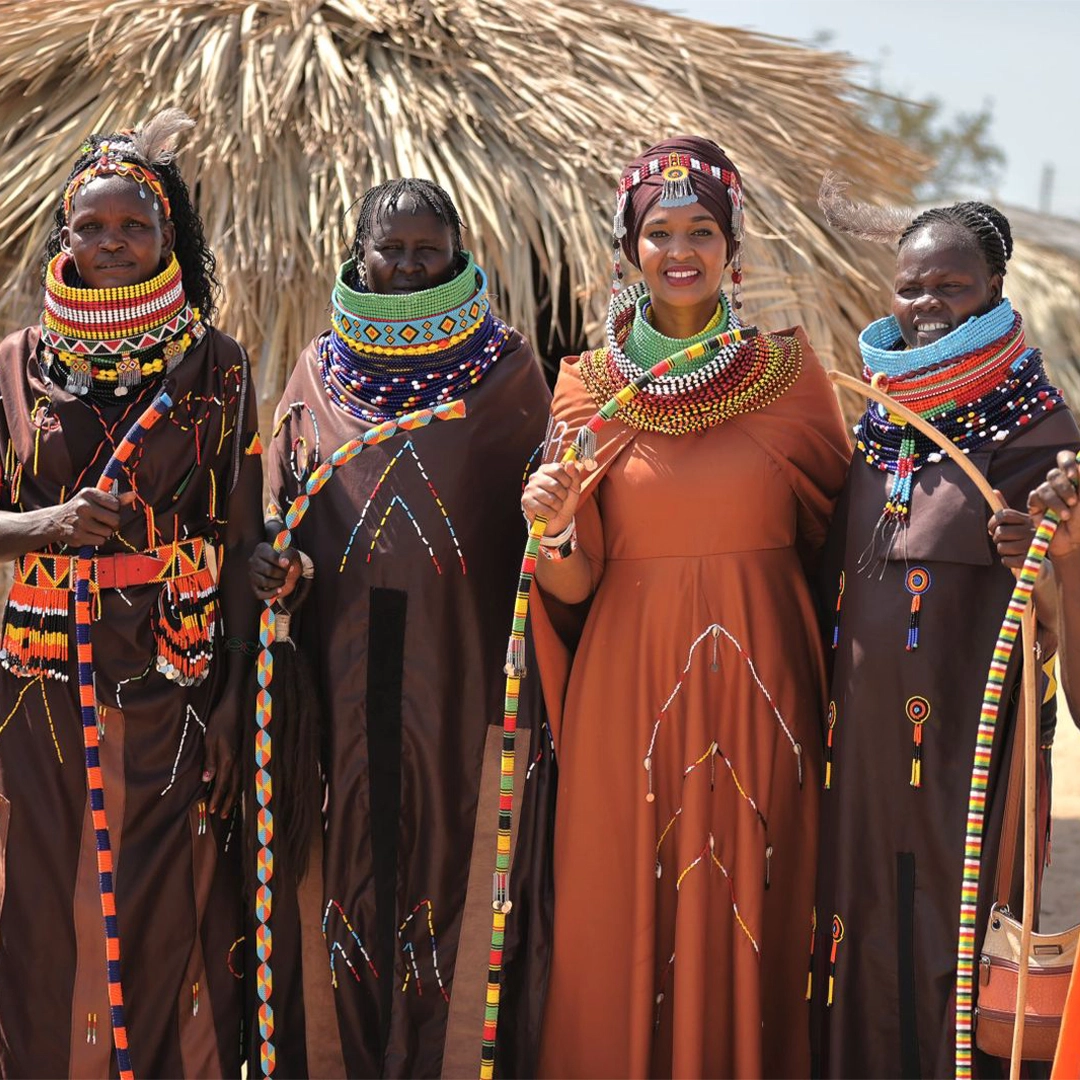
Unlike traditional national parks, Ngorongoro Conservation Area is a unique multiple-land-use area where wildlife and the Maasai people coexist.
It’s balance between conservation and human habitation makes it one of Tanzania’s most extraordinary safari destinations and a must-visit stop on the Northern Safari Circuit alongside Serengeti National Park, Tarangire National Park, and Lake Manyara National Park.
The conservation area is approximately a three to four-hour drive from Arusha.
Most visitors arrive by road as part of a safari itinerary, although charter flights to nearby airstrips are also available.
Its strategic location makes it one of the most accessible and rewarding safari destinations in East Africa.
Ngorongoro Conservation Area was established in 1959 after it was separated from Serengeti National Park.
The goal was to create a protected area where wildlife conservation and traditional Maasai pastoralism could coexist.
The name “Ngorongoro” is believed to originate from the sound made by cowbells worn by Maasai cattle. The area gained UNESCO World Heritage status in 1979 and was later recognized as a mixed cultural and natural heritage site due to its archaeological significance and living Maasai culture.
The region is also home to some of the world’s most important paleoanthropological sites, including Olduvai Gorge, where some of the earliest human remains were discovered.
For more details on Ngorongoro Conservation area, contact Crystal Tours Kenya at +254 727 039 513 or send an email to info@crystaltourskenya.com.
The Ngorongoro Crater
The Ngorongoro Crater is the centerpiece of the conservation area and one of Africa’s greatest natural wonders.
Formed approximately two to three million years ago when a giant volcano collapsed inward, the crater measures about 19 kilometers in diameter and covers roughly 260 square kilometers.
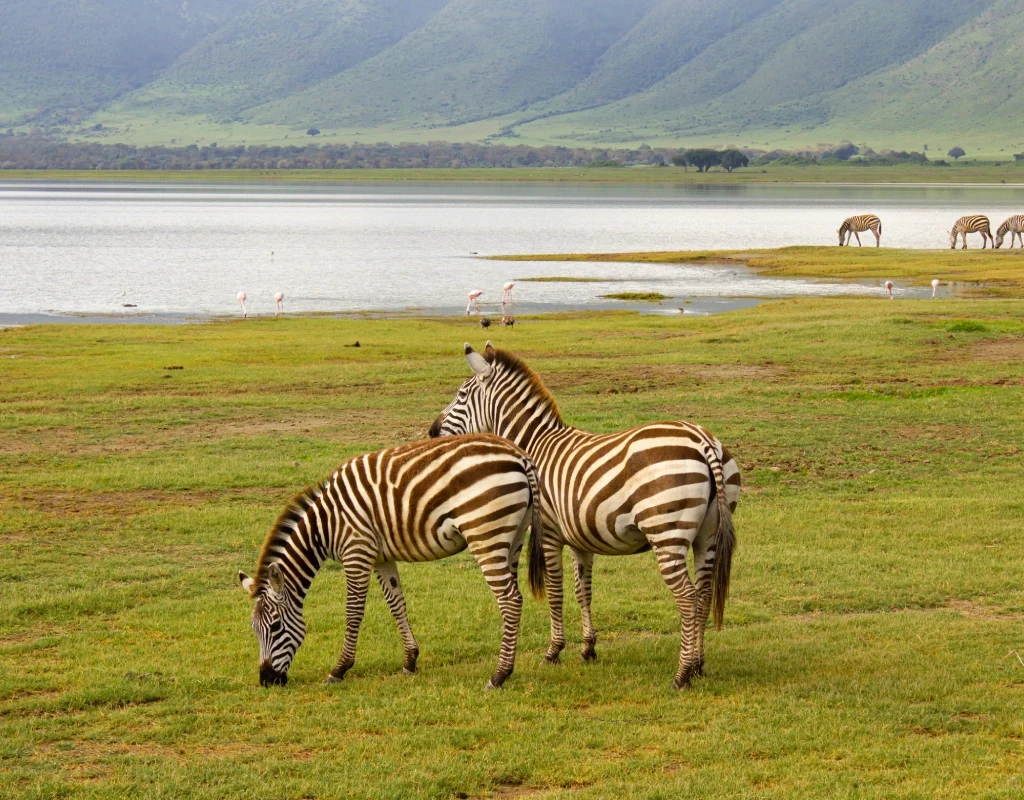
The crater floor supports a remarkable concentration of wildlife thanks to its permanent water sources and fertile grasslands. Often called the world’s largest intact volcanic caldera, it functions like a natural enclosure where animals thrive year-round.
The combination of lakes, forests, grasslands, and swamps creates one of the most diverse ecosystems in Africa.
Reasons Why You Should Visit Ngorongoro Conservation Area
1. Exceptional Big Five Viewing
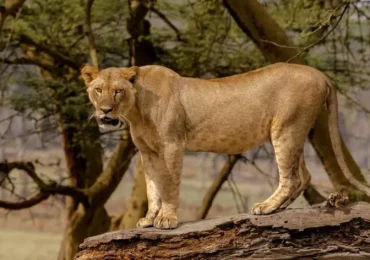
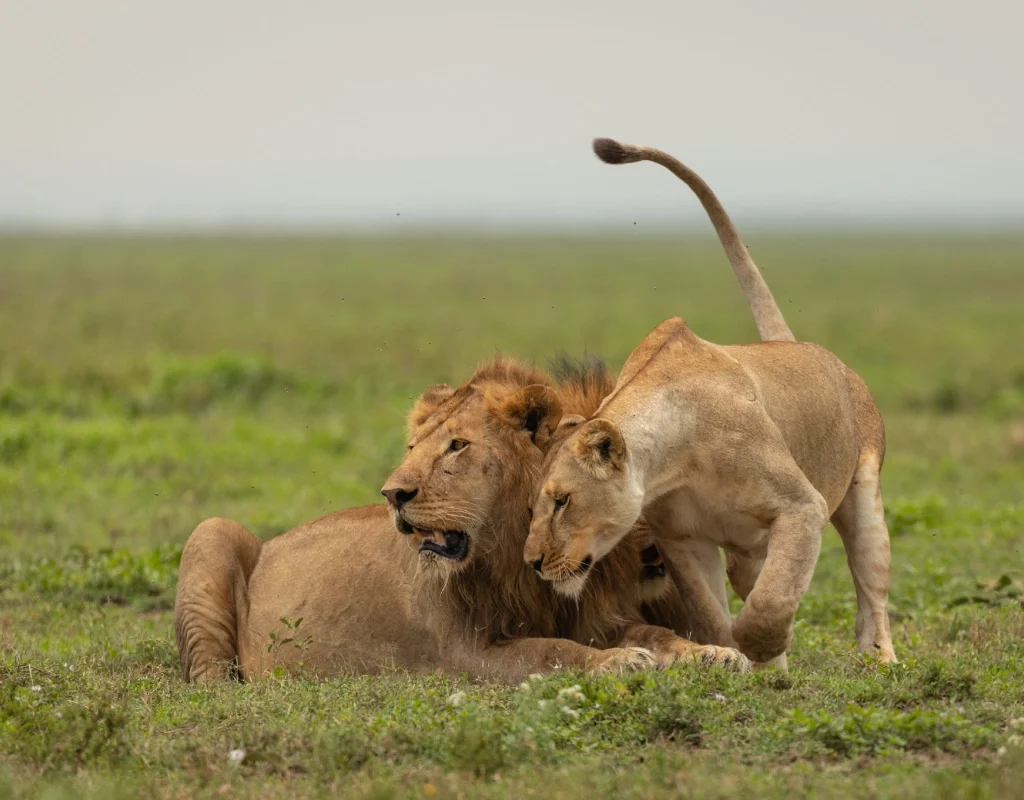
Ngorongoro offers some of the best opportunities in Africa to see:
- Lions
- Leopards
- Elephants
- Buffaloes
- Black rhinos
2. All Year-Round Wildlife
Ngorongoro provides excellent game viewing throughout the year.
3. UNESCO World Heritage Status
Its unique blend of natural beauty, wildlife, archaeology, and culture has earned international recognition.
4. Maasai Culture
The presence of Maasai communities adds a rich cultural dimension to the safari experience.
5. Diverse Landscapes
Visitors encounter volcanic craters, forests, grasslands, lakes, and highland scenery within a single destination.
Top Attractions in Ngorongoro Conservation Area
Ngorongoro Crater
The world’s largest intact volcanic caldera and the area’s most famous attraction.
Lerai Forest
A beautiful yellow-barked acacia forest known for elephants and leopards.
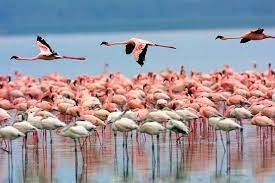
Lake Magadi
A shallow alkaline lake that attracts flamingos and waterbirds.
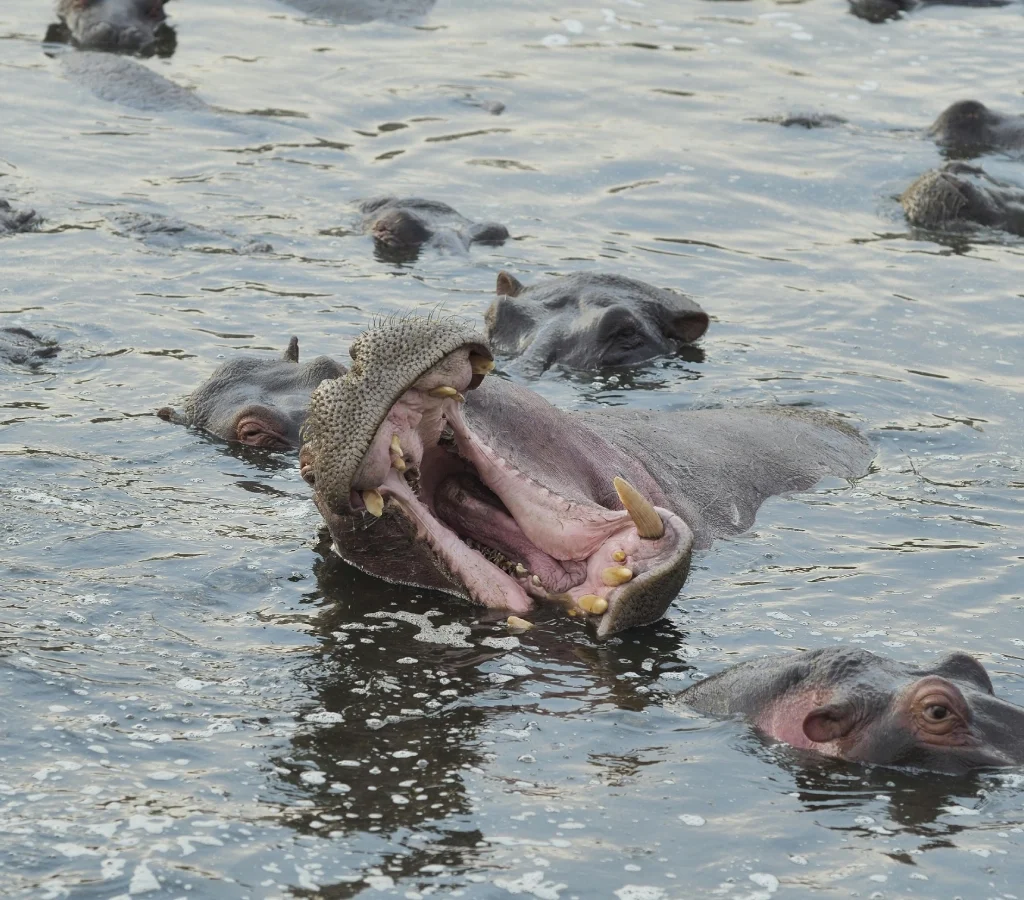
Hippo Pool
One of the best locations to observe hippos up close.
Empakaai Crater
A scenic volcanic crater with a deep lake and excellent hiking opportunities.
Olmoti Crater
Known for waterfalls and spectacular views.
Olduvai Gorge
One of the world’s most important archaeological sites, often called the “Cradle of Mankind.”
Shifting Sands
A unique volcanic ash dune that slowly moves across the landscape.
Maasai Villages
Visitors can learn about traditional Maasai culture and lifestyle.
Best Things to Do in Ngorongoro Conservation Area
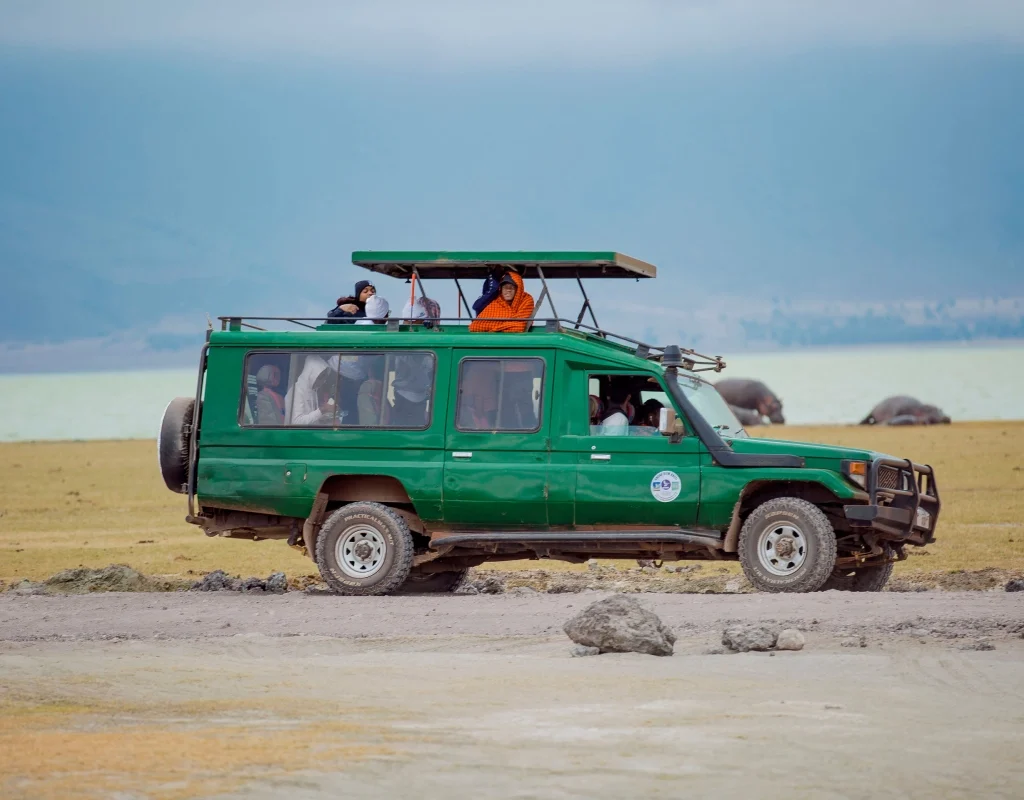
Crater Game Drives
The most popular activity, offering unmatched wildlife viewing opportunities.
Wildlife Photography
Capture iconic African wildlife against stunning crater landscapes.
Birdwatching
The area’s diverse habitats attract hundreds of bird species.
Cultural Tours
Visit Maasai communities and learn about traditional customs and pastoral life.
Hiking
Explore Empakaai and Olmoti craters on guided walks.
Olduvai Gorge Visits
Discover fascinating insights into human evolution.
Scenic Viewpoints
Enjoy breathtaking views from the crater rim and surrounding highlands.
Ngorongoro and the Great Migration
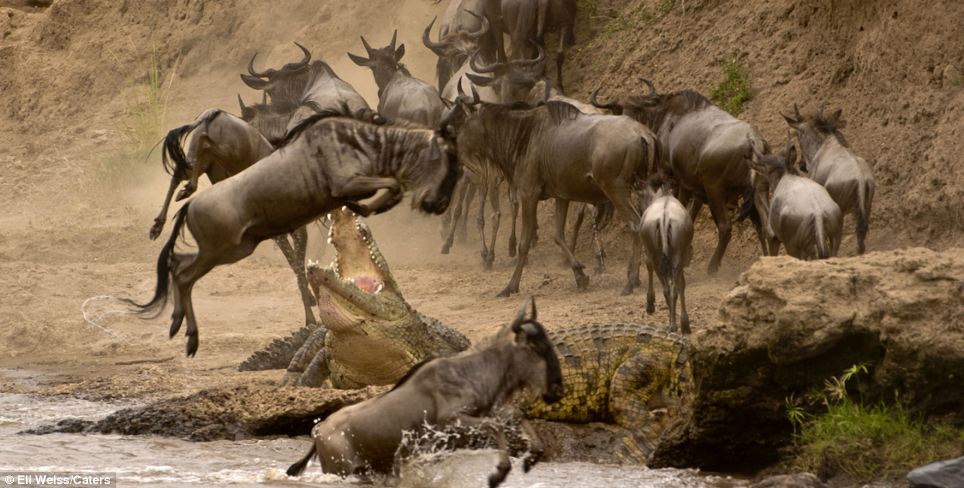
Ngorongoro plays an important role in the Greater Serengeti ecosystem. During the calving season from January to March, large numbers of wildebeest gather in the Ndutu region, located within the conservation area.
This period attracts predators such as lions, cheetahs, and hyenas, making it one of the best times for wildlife viewing and photography.
Conservation and Sustainability
Ngorongoro Conservation Area is a global model for integrated conservation.
Key initiatives include:
- Wildlife protection programs
- Habitat conservation
- Anti-poaching operations
- Community-based conservation
- Sustainable tourism management
- UNESCO heritage preservation
The area’s unique management approach allows wildlife conservation while supporting Maasai livelihoods.
Frequently Asked Questions
1. What is Ngorongoro Conservation Area famous for?
It is famous for the Ngorongoro Crater, Big Five wildlife viewing, and Maasai cultural heritage.
2. Can you see the Big Five in Ngorongoro?
Yes, Ngorongoro is one of the best places in Africa to see all members of the Big Five.
3. How deep is the Ngorongoro Crater?
The crater is approximately 600 meters deep.
4. What is the best time to visit Ngorongoro?
June to October offers excellent wildlife viewing, while January to March is ideal for the calving season.
5. Are Maasai people allowed to live in Ngorongoro?
Yes. The conservation area was designed to allow coexistence between wildlife and Maasai communities.
Conclusion
In conclusion, the Ngorongoro Conservation Area is one of Africa’s most extraordinary safari destinations. Combining the iconic Ngorongoro Crater, abundant wildlife, rich Maasai culture, and remarkable landscapes, it offers an experience unlike any other in Tanzania.
Whether you want to see the Big Five, photograph breathtaking scenery, explore archaeological wonders, or learn about Maasai traditions, Ngorongoro delivers unforgettable memories.
Its unique blend of conservation, culture, and wildlife makes it an essential stop on any Tanzania safari itinerary.
For an expertly planned adventure to Ngorongoro Conservation Area and Tanzania’s top safari destinations, Crystal Tours Kenya can help create a personalized safari experience tailored to your interests and travel style.
Get in touch via +254 727 039 513 or send an email to info@crystaltourskenya.com.