The Ultimate & Unforgettable Watamu Kenya Travel Guide: Watamu is one of Kenya’s most beautiful coastal destinations, combining white-sand beaches, turquoise Indian Ocean waters, coral reefs, marine wildlife, mangrove forests, ancient Swahili history and one of the most important coastal forests in Kenya. Unlike larger coastal cities, Watamu has a more relaxed atmosphere, making it particularly appealing to travellers looking for a combination of beach relaxation, nature, marine adventures and cultural experiences.
The heart of the destination is the Watamu Marine National Park and Reserve, an internationally recognized marine conservation area established in 1968. The protected area includes coral gardens, reef-protected lagoons, mangrove ecosystems and rich marine life. KWS identifies sea turtles, whale sharks, dolphins, whales and billfish among Watamu’s celebrated “Marine Big Five.”
A Watamu holiday can therefore be much more than a beach escape. Travellers can spend their mornings snorkeling or diving, explore Mida Creek by boat, visit the ancient Gede Ruins, walk through Arabuko-Sokoke Forest, watch turtles, enjoy fresh seafood and finish the day with a sunset over the Indian Ocean. With Crystal Tours Kenya, Watamu can also be incorporated into a customized Kenya itinerary based on whether your priority is relaxation, marine wildlife, nature, adventure or culture.
Watamu Kenya Travel Guide: Why Visit Watamu?
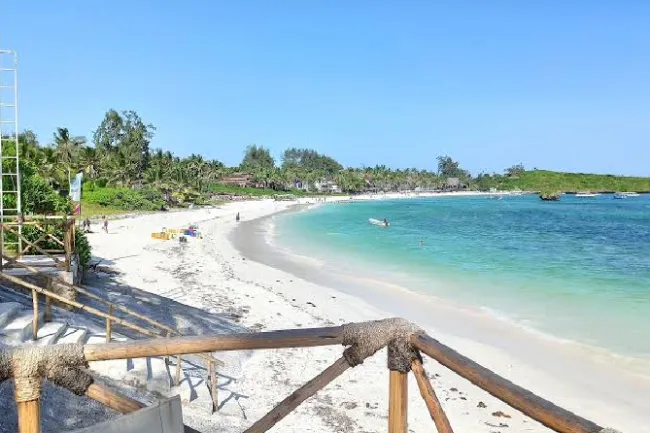
The biggest attraction of Watamu is the remarkable combination of beach and marine environments found within a relatively compact destination. The coastline is characterized by white sands, shallow turquoise waters, coral reefs and protected lagoons, creating excellent conditions for swimming, snorkeling and other water-based activities.
The Watamu Marine National Park and Reserve is central to the destination’s identity. KWS describes it as one of Kenya’s oldest marine protected areas, with the park itself covering approximately 10 square kilometres and functioning as a no-take zone, while the surrounding reserve permits controlled and sustainable resource use.
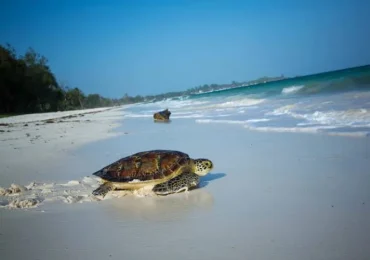
The marine environment is particularly important for sea turtles. Watamu is known for turtle conservation and is home to several turtle species. Visitors may also encounter dolphins, reef fish and other marine life depending on the season and conditions. Whale watching is seasonal, with humpback whales passing through the area during their migration period.
Watamu is also attractive because of its connection to terrestrial conservation. Arabuko-Sokoke Forest, located close to the destination, provides a completely different environment from the beach. The forest is important for birds, mammals, butterflies and other coastal biodiversity and can be combined with a Watamu beach stay for travellers who want more than an ocean experience.
The cultural side of Watamu is represented particularly well by the Gede Ruins, an ancient Swahili settlement surrounded by vegetation. Exploring the ruins gives visitors an opportunity to understand the history of coastal communities and the trading networks that once connected the East African coast with the wider Indian Ocean world.
Best Places to Visit in Watamu
Watamu Marine National Park is the destination’s main attraction for travellers interested in marine life. Its coral gardens and clear waters create opportunities for snorkeling and diving, while boat excursions provide another way of exploring the protected ecosystem. KWS currently lists snorkeling, diving, swimming, guided boat excursions, deep-sea sport fishing, glass-bottom boat rides, birdwatching, canoeing and dolphin watching among the experiences available in the Watamu marine area.
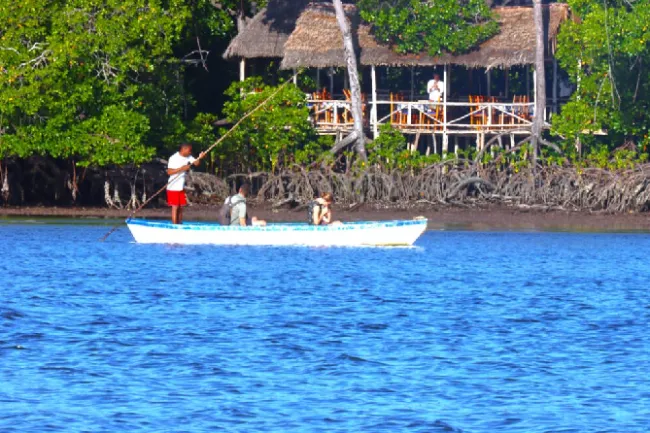
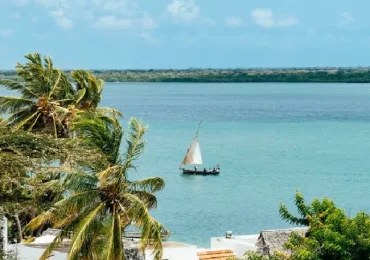
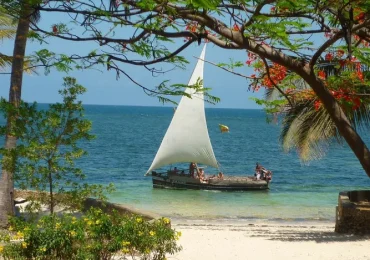
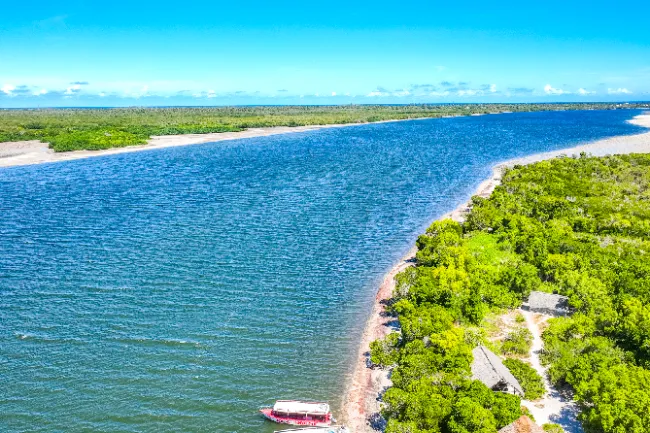
Mida Creek offers a completely different coastal experience. Instead of open ocean and coral reefs, the creek is characterized by extensive mangrove ecosystems and tidal waterways. A traditional dhow excursion is one of the best ways to experience the area, particularly around sunset. The creek is also important for birdlife, with local and migratory species using its mangroves and surrounding wetlands.
For history lovers, Gede Ruins is one of the most important attractions near Watamu. The ruins represent the remains of a historic Swahili settlement and provide an interesting contrast to Watamu’s beaches and marine activities. The archaeological site is surrounded by dense vegetation, giving the experience a distinctive atmosphere.
Arabuko-Sokoke Forest is another major attraction within the immediate Watamu area. It is the largest remaining indigenous coastal forest in East Africa and provides opportunities for guided nature walks, birdwatching and wildlife observation. KWS specifically identifies Arabuko-Sokoke Forest alongside Gede Ruins and Mida Creek as key attractions associated with the Watamu marine destination.
The beaches themselves are also a major reason to visit. Watamu Beach, Turtle Bay and the surrounding coastline provide long stretches of sand and shallow turquoise water. Some sections are particularly attractive for swimming and relaxation, while others are better suited to water sports and marine excursions.
Things to Do in Watamu
One of the first activities to consider is snorkeling in Watamu Marine National Park. The protected reefs support a wide variety of fish and coral species, giving visitors an opportunity to see the marine environment without needing extensive diving experience. Guided excursions are preferable because local operators understand the tides, reef conditions and appropriate areas for visitors.
Scuba diving offers a deeper look at Watamu’s underwater environment. Divers can explore coral formations, tropical fish habitats and other marine environments while accompanied by qualified operators. Watamu’s marine ecosystem has faced significant environmental pressure over the years, making responsible diving particularly important.
Visitors can also take glass-bottom boat trips, which are useful for families and travellers who want to see the reef without entering the water. Depending on sea conditions and the operator, boat excursions may also provide opportunities for dolphin watching.
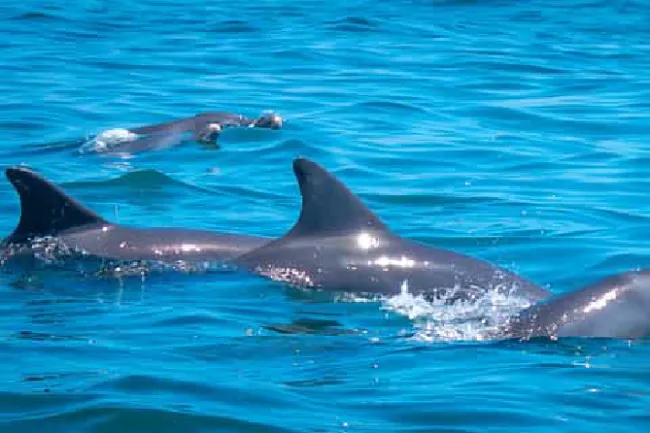
Dolphin watching is another popular marine activity. Sightings are naturally not guaranteed because dolphins are wild animals, but the waters around Watamu provide opportunities for encounters when conditions are suitable.
For a more relaxed experience, a Mida Creek dhow cruise is difficult to beat. The traditional sailing boats move through the mangrove channels while visitors can enjoy birdwatching and coastal scenery. A sunset dhow experience can be particularly memorable because of the changing colours over the creek.
Watamu also provides opportunities for deep-sea sport fishing, kayaking, canoeing and other water activities. KWS lists these among the recreational experiences associated with the marine protected area.
Another memorable experience is visiting Gede Ruins. The archaeological site can be incorporated into a half-day excursion from a Watamu hotel, allowing visitors to combine beach relaxation with history and culture.
For nature lovers, a guided excursion into Arabuko-Sokoke Forest can add another dimension to the trip. Birdwatching is particularly rewarding because the forest contains species associated with Kenya’s coastal habitats that are not commonly encountered in typical beach environments.
Watamu Beaches and Coastal Experiences
The beaches of Watamu are among the destination’s biggest attractions. Soft white sand, warm water and reef-protected lagoons create a setting suitable for both active travellers and visitors who simply want to relax.
Turtle Bay is one of the best-known beach areas, with accommodation and marine activities concentrated around the coastline. The beach environment is particularly suitable for travellers who want easy access to snorkeling, swimming and other ocean experiences.
Other stretches of the Watamu coastline provide quieter areas where travellers can simply walk along the beach, read, swim or enjoy the views. The character of the coast changes with tides, and some areas reveal shallow sandbanks and lagoons at particular times of day.
The marine environment should always be treated carefully. Visitors should avoid standing on coral, touching marine animals unnecessarily or removing shells and other marine materials from protected areas.
Watamu Marine Wildlife
Watamu’s marine wildlife is one of the strongest reasons to visit. The protected waters support coral reefs, fish, sea turtles and other marine organisms, while seasonal whale movements add another wildlife experience.
KWS currently describes Watamu as home to a marine “Big Five” consisting of sea turtles, whale sharks, dolphins, whales and billfish. The marine park also contains coral gardens and supports a diverse reef ecosystem.
Sea turtles are particularly important to the destination. Visitors should never chase, touch or feed turtles and should maintain appropriate distances when encountering them.
Watamu’s marine environment is also undergoing conservation work. In 2026, KWS reported a coral restoration campaign involving transplantation, algae removal and scientific monitoring after decades of coral bleaching and environmental stress. This makes responsible tourism especially important for visitors exploring the reefs.
Where to Stay in Watamu
Watamu has accommodation ranging from luxury beachfront resorts and villas to mid-range hotels, boutique properties and more affordable guesthouses. Choosing where to stay depends largely on whether you want direct beach access, proximity to marine activities, privacy or access to restaurants and local businesses.
For a luxury Watamu holiday, well-known options include Hemingways Watamu, Medina Palms and Kobe Suite Resort. These properties provide a more upscale coastal experience, with access to the beach and facilities designed around longer leisure stays. KWS also lists Hemingway’s Watamu and Medina Palms among the privately owned accommodation options associated with the marine park.
For mid-range accommodation in Watamu, options include AHG Lion Beach Resort & SPA and other beach properties around Turtle Bay Road and the central Watamu area. These can provide a good balance between comfort, location and price.
Travellers looking for more affordable accommodation can choose smaller hotels, guesthouses, apartments and self-catering properties around Watamu village and the beach areas. These can be particularly useful for travellers who plan to spend most of their time outside the hotel exploring the marine park, Mida Creek, Gede and Arabuko-Sokoke.
The best area to stay depends on the type of trip. Beachfront properties are ideal for travellers prioritizing relaxation and ocean activities, while accommodation closer to Watamu village can provide easier access to restaurants, shops and local experiences.
Food to Try in Watamu
Watamu’s food scene reflects the wider Swahili coast, with seafood playing an important role. Fresh fish, prawns, crab and other seafood are common menu choices, particularly at restaurants near the beach.
Travellers should also try Swahili dishes such as pilau, biryani, samosas, bhajia and mahamri. Coconut is frequently used in coastal cooking, adding a distinctive flavour to seafood dishes, curries and sauces.
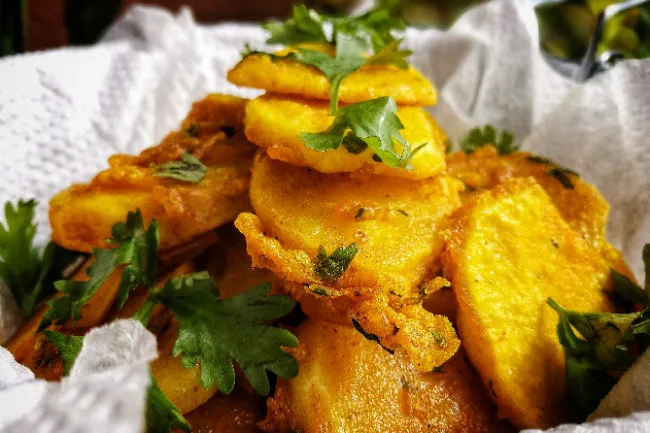
For a more relaxed dining experience, visitors can combine dinner with a sunset or beach setting. Watamu has restaurants and beach establishments offering both local and international cuisine, making it easy for longer-stay travellers to vary their meals.
Best Time to Visit Watamu
For a Watamu beach holiday, January and February are excellent months to consider because they generally provide warm conditions suitable for beach activities and marine excursions.
August and September are also useful months, particularly for travellers interested in combining beach activities with wildlife and marine experiences. Whale migration is seasonal, so travellers specifically interested in whale watching should check current local information before booking because sightings depend on migration timing and sea conditions. KWS confirms the seasonal humpback whale migration in the Watamu marine protected area.
How to Get to Watamu
Watamu is located on Kenya’s north coast, approximately 120 kilometres north of Mombasa and about 28 kilometres south of Malindi. From the main Mombasa–Malindi road, travellers turn towards the ocean at Gede and continue approximately 11 kilometres to Watamu.
Travellers flying from Nairobi can use Malindi Airport and continue to Watamu by road. KWS also notes that visitors can travel by SGR from Nairobi to Mombasa and then continue by road to Watamu.
For travellers coming directly from Nairobi by road, the journey is considerably longer but provides flexibility for those building a wider Kenya itinerary.
Once in Watamu, taxis, tuk-tuks and local transport can be used for shorter journeys, while organized transfers are convenient for airport connections and excursions.
How Many Days Do You Need in Watamu?
Two days can provide enough time for a beach experience, a marine excursion and one cultural or nature attraction. However, three to four days is more comfortable because it allows travellers to experience the destination without rushing.
A four-day Watamu stay could combine snorkeling or diving, a Mida Creek excursion, Gede Ruins, Arabuko-Sokoke Forest and several periods of relaxed beach time.
Travellers who are particularly interested in marine activities, photography, birdwatching or conservation can comfortably spend five days or more in the area.
Watamu Travel Costs
The cost of a Watamu holiday depends heavily on accommodation and activities. Budget travellers can reduce costs by choosing guesthouses or self-catering accommodation, eating at local restaurants and using shared or local transport.
Mid-range travellers can combine comfortable accommodation with organized marine excursions, restaurant meals and selected cultural or nature experiences.
Luxury travellers will spend considerably more on beachfront resorts, private transfers, premium dining, private boat trips and diving or fishing excursions.
Marine activities should be included separately in your budget because snorkeling trips, diving, private boats and sport-fishing experiences can significantly change the total cost of a Watamu holiday.
Responsible Tourism in Watamu
Responsible tourism is extremely important in Watamu because the destination depends heavily on healthy marine and coastal ecosystems. The Watamu Marine National Park protects coral reefs, marine species and other habitats, while Mida Creek protects important mangrove ecosystems.
Visitors should never stand on coral, collect marine life, feed wildlife or leave plastic and other waste behind. KWS specifically emphasizes responsible behaviour in protected areas and notes that single-use plastic is prohibited in national parks.
Supporting community-based conservation, using responsible tour operators and buying locally produced goods can also help ensure that tourism benefits people living around Watamu.
The conservation story is particularly relevant today because KWS reported ongoing coral restoration work in 2026. Visitors therefore have an opportunity not only to enjoy Watamu’s marine environment but also to contribute to protecting it through responsible behaviour.
Watamu Travel Tips for First-Time Visitors
First-time visitors should carry sunscreen, sunglasses, insect repellent, comfortable walking shoes and appropriate beachwear. A reusable water bottle is useful, particularly when spending long periods outdoors.
If you plan to snorkel or dive, use established operators and listen carefully to marine guides. Sea conditions can change, and activities may sometimes be adjusted according to tides and weather.
Visitors exploring Gede Ruins or Arabuko-Sokoke should carry water, insect repellent and comfortable footwear. Birdwatchers should also consider bringing binoculars.
It is useful to leave some flexibility in your itinerary because marine activities depend on tides, weather and sea conditions. This is particularly important when planning snorkeling, diving, fishing and boat excursions.
Planning Your Watamu Holiday with Crystal Tours Kenya
Watamu works particularly well for travellers who want to combine beaches, marine wildlife, nature and culture in one destination. Instead of spending the entire trip at a resort, visitors can build a balanced itinerary around the marine park, Mida Creek, Gede Ruins, Arabuko-Sokoke Forest and beach activities.
Crystal Tours Kenya can help organize accommodation, transfers, marine excursions, nature experiences and customized Watamu itineraries depending on your travel style, budget and available time.
Whether you are planning a family holiday, romantic beach escape, nature trip, diving holiday or a longer Kenya coastal itinerary, Watamu provides enough variety to make the destination much more than a simple beach stop.
Frequently Asked Questions About Watamu
Is Watamu worth visiting?
Watamu offers a combination of beaches, marine wildlife, coral reefs, mangroves, historical attractions and coastal forest, making it suitable for travellers who want more than a conventional beach holiday.
What is Watamu famous for?
Watamu is particularly famous for its marine national park, white-sand beaches, coral reefs, sea turtles, Mida Creek and proximity to Gede Ruins and Arabuko-Sokoke Forest.
How many days should I spend in Watamu?
Three to four days is a comfortable amount of time for most visitors, although marine enthusiasts, birdwatchers and nature lovers can stay longer.
What are the best things to do in Watamu?
Popular activities include snorkeling, diving, boat trips, dolphin watching, Mida Creek dhow cruises, beach relaxation, visiting Gede Ruins and exploring Arabuko-Sokoke Forest.
Can I see turtles in Watamu?
Watamu is well known for sea turtles and turtle conservation, although sightings of wild animals cannot be guaranteed.
When can I see whales in Watamu?
Humpback whales migrate seasonally through the area. The exact timing and sightings vary, so visitors specifically interested in whale watching should check current local conditions before travelling.
Is Watamu good for families?
Yes. Families can combine beach time with glass-bottom boat trips, swimming, nature experiences, cultural excursions and other activities, depending on the ages of the children.