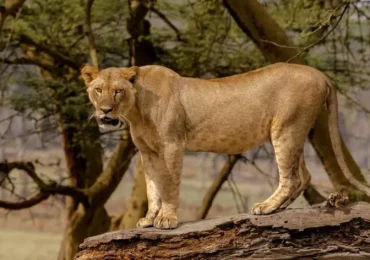
Amazing Eastern Kenya Travel Guide: Eastern Kenya is one of the country’s most diverse and underrated travel regions, stretching from the fertile eastern slopes of Mount Kenya into the drier landscapes of Isiolo and the transition zones leading toward northern Kenya. The region combines wildlife-rich national parks, dramatic mountain scenery, forests, waterfalls, agricultural landscapes, rivers, cultural experiences and some of Kenya’s most interesting off-the-beaten-path destinations.
For travellers looking beyond the better-known Maasai Mara and coastal destinations, Eastern Kenya tourism offers a fascinating combination of safari and highland experiences. Meru, Embu, Isiolo, Tharaka-Nithi, Chuka, Chogoria, Igembe and the surrounding Mount Kenya landscapes each have a distinct character.
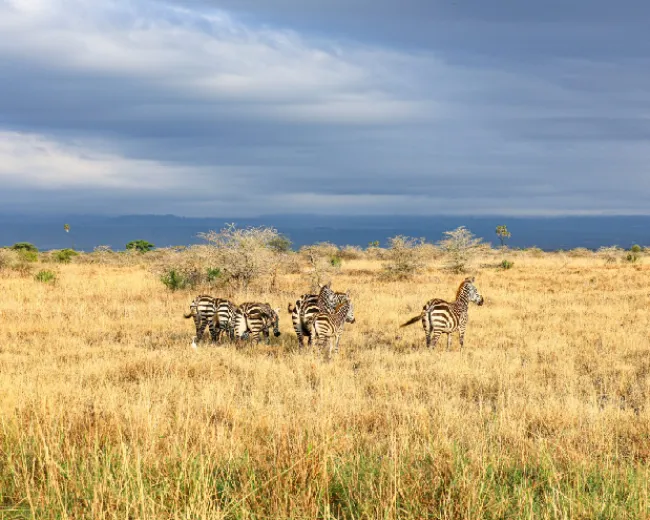
The region is particularly valuable for travellers planning an Eastern Kenya safari, a Mount Kenya circuit or a longer journey connecting Central Kenya with Samburu and northern Kenya. With the right route, visitors can move from lush tea and coffee-growing highlands to dry savannah, wildlife parks, traditional communities and spectacular mountain landscapes.
Where Is Eastern Kenya?
Eastern Kenya covers a large and geographically varied area. The western sections around Embu, Tharaka-Nithi, Chuka and the eastern slopes of Mount Kenya are relatively green and fertile, while the landscape becomes progressively drier toward Isiolo.
The region therefore contains several ecological zones. The Mount Kenya foothills are characterised by forests, farms, rivers and highland vegetation, while lower elevations around Meru and Isiolo transition into savannah, bushland and semi-arid landscapes.
This variation makes places to visit in Eastern Kenya extremely diverse. A traveller can combine mountain scenery, waterfalls, forest walks, coffee and tea experiences, wildlife safaris and cultural tourism within a single regional itinerary.
Meru
Meru is one of the most important tourism centres in Eastern Kenya and the gateway to several of the region’s major attractions.
The town and surrounding area sit on the northeastern slopes of Mount Kenya, creating a landscape of fertile farmland, rolling hills and river valleys. Meru is particularly famous for agriculture, with tea, coffee, miraa, bananas, fruits and other crops forming an important part of the local economy.
For travellers, Meru provides access to Meru National Park, the Nyambene Hills, Lewa-facing conservation landscapes and the eastern side of Mount Kenya.
Its location also makes it an excellent stop when travelling between Mount Kenya, Isiolo and northern Kenya.
Meru National Park
Meru National Park is the flagship attraction of Eastern Kenya and one of the country’s most rewarding safari destinations for travellers looking for a less crowded alternative to the major parks.
The park contains a remarkable mixture of savannah, woodland, rivers, grasslands and semi-arid landscapes. Several permanent rivers cross the park, creating green corridors and supporting a diverse range of wildlife.
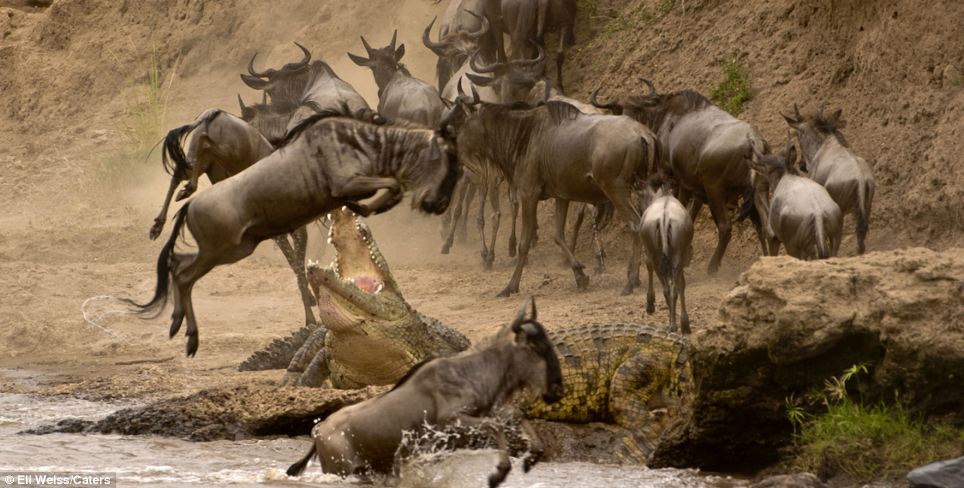
Visitors can encounter elephant, lion, leopard, buffalo, giraffe, zebra, hippo, crocodile and numerous antelope species. The park is also famous for its association with conservationists George and Joy Adamson and the lioness Elsa.
The combination of rivers, open plains and relatively low visitor numbers makes a Meru National Park safari particularly attractive to photographers, wildlife enthusiasts and travellers who prefer quieter safari environments.
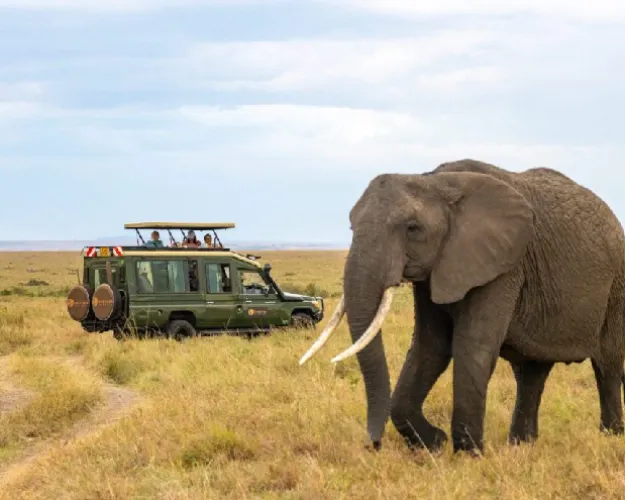
Rhino Sanctuary in Meru
The protected rhino areas associated with Meru provide an important conservation component to the region’s wildlife tourism.
Rhino conservation has played an important role in restoring populations of these endangered animals, and visitors may have opportunities to see rhinos alongside other large mammals during safari drives.
This adds another dimension to the Eastern Kenya safari experience, particularly for travellers interested in conservation.
Elsa’s Kopje
Elsa’s Kopje is one of the best-known luxury safari properties in the Meru region and is closely associated with the history of Elsa the lioness and the Adamsons.
The lodge sits in a dramatic rocky setting overlooking Meru National Park and provides an excellent base for exploring the park.
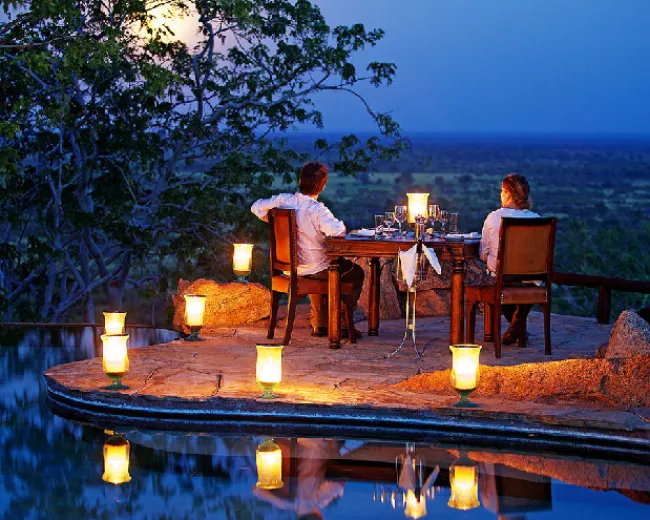
For travellers looking for a high-end Meru safari, the property represents the combination of wildlife, history, scenery and luxury that makes this part of Kenya distinctive.
Nyambene Hills
The Nyambene Hills rise across the landscape around Meru and provide some of the most scenic countryside in Eastern Kenya.
The hills are surrounded by fertile agricultural areas and are strongly associated with the communities of the Meru region. Tea, coffee, miraa and fruit farming are important components of the local economy.
The area is suitable for travellers interested in rural scenery, hiking, agriculture and cultural experiences rather than conventional wildlife tourism alone.
Igembe
Igembe is located in the northern part of Meru County and is particularly known for its agricultural landscapes and miraa-growing areas.
Visitors interested in understanding the social and economic importance of agriculture in Eastern Kenya can explore the region through guided cultural and farm experiences.
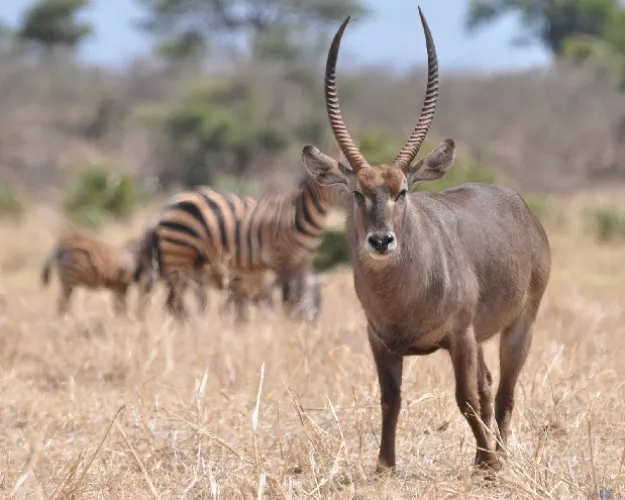
Igembe can also be incorporated into a wider Meru and Mount Kenya itinerary for travellers who want to explore beyond the national park.
Embu
Embu lies on the southeastern slopes of Mount Kenya and is one of the most attractive highland destinations in Eastern Kenya.
The area is known for tea, coffee, fruits, vegetables and fertile agricultural land. The combination of Mount Kenya scenery and lush farmland gives Embu a very different appearance from the drier landscapes farther east.
The town is also a useful base for exploring the eastern side of Mount Kenya and travelling toward Tharaka-Nithi and Chuka.
For travellers interested in Embu tourism, the region offers nature, agriculture, culture and access to mountain landscapes.
Chuka
Chuka lies on the eastern side of Mount Kenya and is surrounded by fertile agricultural land and forested mountain landscapes.
The town provides access to the Mount Kenya forest ecosystem and the eastern approaches to the mountain. It is particularly attractive to travellers interested in hiking, nature and rural tourism.
Chuka can also be incorporated into a route linking Embu, Chogoria and the Mount Kenya region.
Chogoria
Chogoria is one of the most scenic gateways to Mount Kenya and is particularly famous for the spectacular landscapes found along the Chogoria route.
The route provides access to high-altitude mountain scenery, forests, moorlands, valleys and viewpoints. It is often considered one of the most beautiful approaches to Mount Kenya.
Travellers who do not intend to summit the mountain can still enjoy sections of the route through day hikes and scenic excursions.
Mount Kenya’s Eastern Slopes
The eastern slopes of Mount Kenya offer a combination of forest, farmland, rivers and dramatic mountain views.
Compared with the more heavily visited western approaches, this side of the mountain can feel quieter and more rural. Visitors can experience agricultural communities alongside the mountain ecosystem, making the region ideal for travellers interested in combining nature and culture.
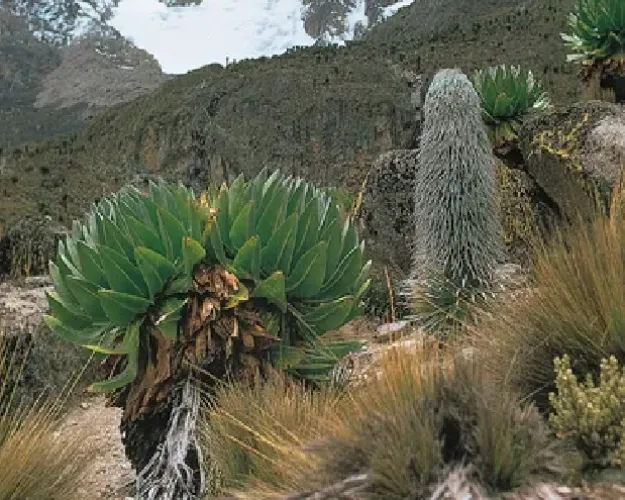
The eastern Mount Kenya circuit can be connected with Embu, Chuka, Chogoria and Meru.
Mount Kenya Forest
The forests surrounding Mount Kenya are among the most important ecosystems in Eastern Kenya. They act as water catchments and provide habitat for elephants, buffaloes, monkeys, birds and numerous smaller species.
Forest experiences can include guided walks, birdwatching, photography and nature excursions. Travellers should always use authorised guides and follow conservation rules when entering forest areas.
Tharaka-Nithi
Tharaka-Nithi County sits between the Mount Kenya highlands and the drier eastern landscapes.
The county contains agricultural areas, forests, rivers, hills and rural communities. Its position makes it particularly interesting for travellers wanting to explore the transition between the humid Mount Kenya ecosystem and the semi-arid eastern lowlands.
The region also provides opportunities for cultural tourism and scenic road trips.
Chania and Thuci River Landscapes
The rivers flowing from Mount Kenya and the surrounding highlands create some of the region’s most attractive landscapes.
The Thuci River and other waterways support agriculture and communities across the eastern slopes. River valleys, waterfalls and forested areas provide opportunities for nature walks and photography.
These landscapes are particularly appealing during scenic road trips through the eastern Mount Kenya region.
Isiolo
Isiolo is the major transition point between the highlands of Central and Eastern Kenya and the drier landscapes of northern Kenya.
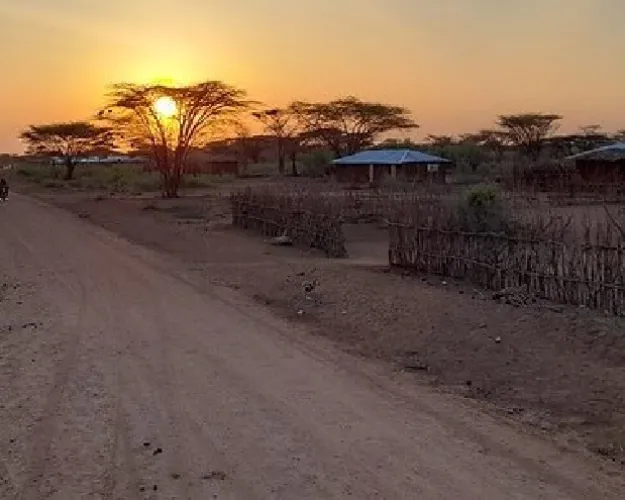
The town is strategically important because several major safari routes pass through it. Travellers heading toward Samburu, Buffalo Springs, Shaba and northern Kenya often pass through Isiolo.
The surrounding landscape is dramatically different from Meru and Embu, with dry bushland, open plains and semi-arid terrain.
Isiolo therefore acts as a bridge between Eastern Kenya safari destinations and the northern safari circuit.
Buffalo Springs National Reserve
Buffalo Springs National Reserve lies north of Isiolo and forms part of the wider Samburu ecosystem.
The reserve is characterised by dry savannah, rocky landscapes and the Ewaso Nyiro River, which provides an important source of water for wildlife.
Visitors can encounter elephant, lion, leopard, buffalo, giraffe, zebra, oryx, gerenuk and numerous other species. The dry environment also provides a completely different safari atmosphere from the wetter landscapes around Meru.
Shaba National Reserve
Shaba National Reserve lies within the same broader ecosystem as Buffalo Springs and Samburu but has its own distinctive landscapes.
The reserve is more rugged and arid, with volcanic terrain, dry riverbeds, springs and open bushland. It is associated with the conservation history of Joy Adamson and is an important habitat for wildlife adapted to northern Kenya’s dry environment.
For travellers continuing north from Isiolo, Shaba provides an excellent addition to a wider Northern Kenya safari.
Samburu Connection
Although Samburu National Reserve is generally considered part of northern Kenya rather than Eastern Kenya, Isiolo serves as one of its most important access points.
This makes Eastern Kenya particularly valuable when planning a combined itinerary. A journey can begin around Mount Kenya and Meru, continue through Isiolo and then proceed toward Samburu, Buffalo Springs and Shaba.
This creates a natural transition from lush highlands to dry northern landscapes.
Lewa and the Eastern Conservation Circuit
The broader region around Mount Kenya and Isiolo connects several important conservation landscapes, including Lewa and other private conservancies.
These areas are particularly significant for rhino and elephant conservation and provide opportunities for high-quality wildlife experiences.
Travellers interested in conservation can therefore combine national parks with private conservancies rather than relying entirely on conventional game drives.
Things to Do in Eastern Kenya
The range of things to do in Eastern Kenya is one of the region’s biggest strengths. Wildlife safaris are the main attraction around Meru, Buffalo Springs and Shaba, while the Mount Kenya foothills offer hiking, forest walks and mountain scenery.
Agricultural tourism is also important. Visitors can explore tea and coffee farms, learn about farming methods and experience rural highland communities.
Other activities include birdwatching, photography, cultural visits, scenic drives, mountain trekking, nature walks and visits to rivers and waterfalls.
Travellers interested in less conventional Kenyan experiences can also explore local markets, food traditions and community-based tourism.
Wildlife in Eastern Kenya
Eastern Kenya wildlife varies dramatically with altitude and habitat.
Meru National Park provides opportunities to see elephant, lion, leopard, buffalo, giraffe, zebra, hippo and many antelope species. The northern reserves around Isiolo add species adapted to dry environments, while Mount Kenya forests support forest wildlife.
The region is particularly attractive to repeat safari travellers because it can provide a quieter experience than some of Kenya’s more heavily visited parks.
Birdwatching in Eastern Kenya
Eastern Kenya is an excellent birdwatching region because of its diverse habitats.
Mount Kenya forests and highland farms support forest and high-altitude species, while Meru’s rivers, woodlands and savannah create habitat for a much wider range of birds.
The Isiolo and northern ecosystems add dry-country species, making a journey across the region particularly rewarding for serious birdwatchers.
Eastern Kenya Food and Culture
Food and culture form an important part of travelling through Eastern Kenya. The highland areas around Embu and Meru are known for agricultural production, and visitors can encounter fresh bananas, avocados, vegetables, fruits, dairy products, tea and coffee.
Traditional foods vary between communities, but travellers can expect dishes based around maize, beans, potatoes, vegetables and meat.
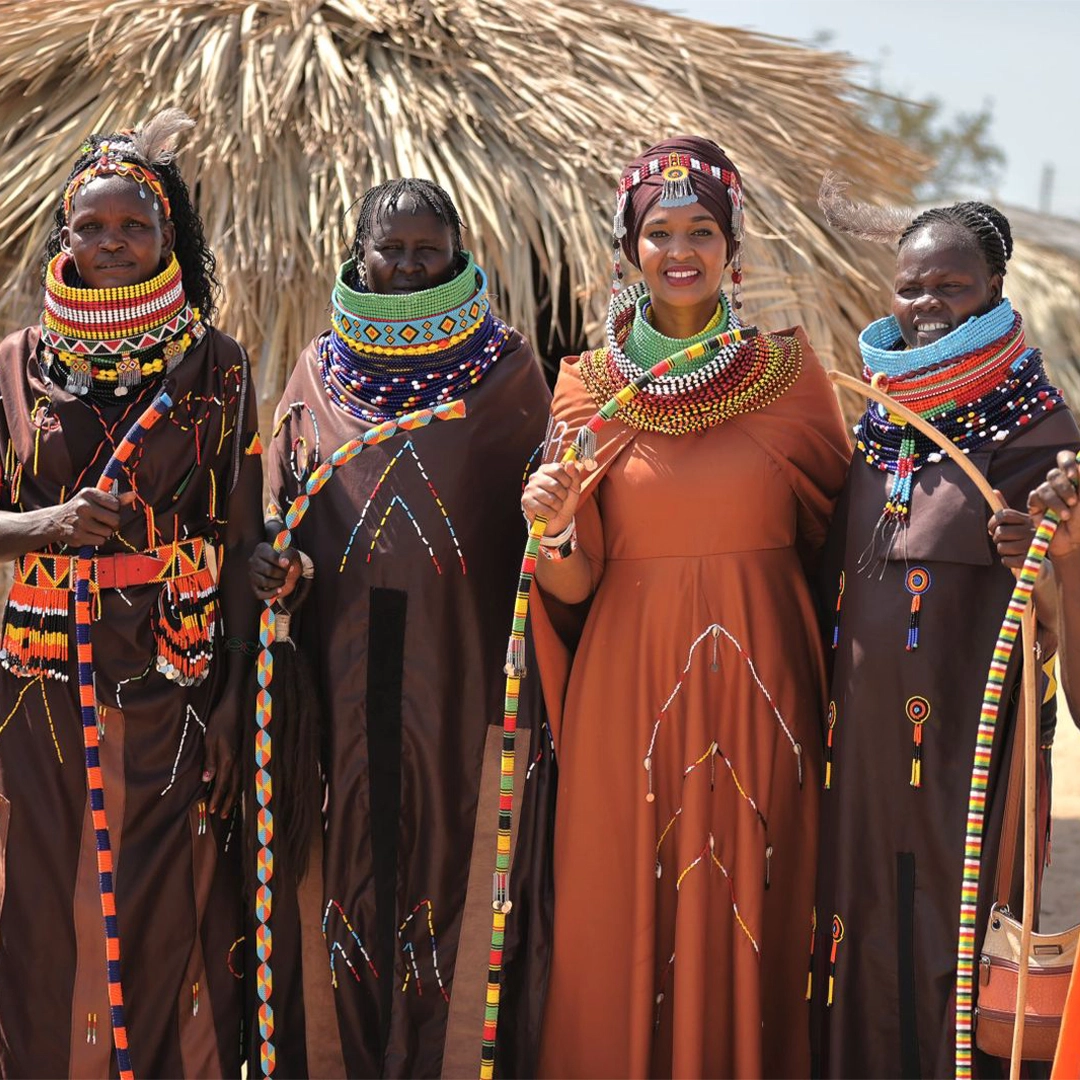
The Meru, Embu and Tharaka communities each have distinct cultural traditions, making cultural tourism an important complement to wildlife experiences.
Visitors should use local guides and approach cultural experiences respectfully, particularly when visiting villages, farms and community-owned attractions.
Where to Stay in Eastern Kenya
Accommodation in Eastern Kenya ranges from luxury safari lodges inside or near wildlife reserves to town hotels, mountain lodges, camps and budget guesthouses.
Luxury Safari Lodges
Travellers looking for luxury can consider properties such as Elsa’s Kopje, Rhino River Camp, Elewana Lewa Safari Camp, Samburu Intrepids, Sarova Shaba Game Lodge and Samburu Simba Lodge depending on the exact route.
These properties offer very different experiences, from luxury bush camps and conservation-focused lodges to larger safari properties.
Mid-Range Accommodation
Around Meru and Isiolo, travellers can find a variety of mid-range lodges and hotels suitable for families, couples and safari groups.
Options around the wider Meru circuit include Murera Springs Eco Lodge, Leopard Rock Lodge and other safari camps and lodges near Meru National Park.
Embu and Meru towns also provide practical hotel accommodation for travellers who want to explore the region while keeping costs moderate.
Budget Accommodation
Budget travellers can find guesthouses, small hotels, campsites and affordable lodges in Meru, Embu, Isiolo and Chuka.
Staying in towns rather than inside national parks or private conservancies is generally the more affordable option. Travellers can then use private vehicles or organised day trips to reach the main attractions.
Best Time to Visit Eastern Kenya
The best months for an Eastern Kenya safari are January, February and September.
January and February are particularly useful for wildlife viewing, hiking and exploring the Mount Kenya highlands, while September can provide a strong combination of safari conditions and mountain-region travel.
Because Eastern Kenya covers major differences in altitude and climate, conditions can vary significantly between Mount Kenya, Meru and Isiolo. Mountain trekking should always be planned with current trail and weather conditions in mind.
How to Get to Eastern Kenya
Eastern Kenya is accessible by road and domestic air services.
From Nairobi, travellers can drive toward Embu, Meru and Isiolo using the major highways connecting the capital with eastern and northern Kenya.
Meru is a major road destination, while Isiolo is an important transport hub for travellers continuing toward Samburu and northern Kenya.
Domestic flights can also be used for safari destinations, especially when travellers want to save driving time. Private safari vehicles remain the most flexible option for travellers combining several destinations.
How Many Days Do You Need in Eastern Kenya?
A short Eastern Kenya tour can be completed in three days by concentrating on Meru National Park and the surrounding region.
Five days allows travellers to combine Meru with Embu, Chogoria or parts of the Mount Kenya eastern circuit.
For a more comprehensive journey, seven to ten days allows the inclusion of Meru, Mount Kenya, Embu, Isiolo and the Samburu-facing reserves.
Travellers with additional time can continue north toward Samburu, Laikipia and other northern Kenya destinations.
Eastern Kenya Road Trip
An Eastern Kenya road trip is one of the best ways to experience the region because the scenery changes dramatically along the route.
One route can travel from Nairobi through Embu and Chuka toward Meru before continuing to Isiolo. From Isiolo, travellers can proceed toward Buffalo Springs, Shaba and Samburu.
Another route can focus more heavily on Mount Kenya by combining Embu, Chogoria and the eastern mountain approaches before continuing toward Meru.
This flexibility makes the region ideal for private road trips and customised safari itineraries.
Approximate Eastern Kenya Travel Costs
Eastern Kenya can accommodate different travel budgets. Budget trips using town accommodation and public transport can be relatively affordable, while private safaris, luxury lodges, conservancy experiences and mountain expeditions can substantially increase the total cost.
The main expenses are accommodation, transport, park or reserve fees, guides, activities and meals.
Meru National Park and northern reserves should be budgeted separately when planning a multi-park itinerary because each destination can have different entry and conservation charges.
Crystal Tours Kenya can build the itinerary around your preferred accommodation level and budget while reducing unnecessary transfers between destinations.
Responsible Tourism in Eastern Kenya
Responsible tourism is essential because Eastern Kenya contains important forests, rivers, wildlife habitats, community lands and conservation areas.
Visitors should avoid littering, remain on designated routes, respect wildlife distances and follow instructions from guides and park authorities.
When visiting forests and mountain environments, travellers should avoid damaging vegetation and should carry reusable water bottles instead of relying on single-use plastics.
Community tourism should also be approached respectfully. Visitors should ask permission before taking photographs of people and should support locally owned guides, accommodation providers, farms and cultural experiences where possible.
Wildlife conservation is another major consideration. Choosing responsible safari operators and conservation-focused accommodation can help tourism contribute to habitat protection and local communities.
What to Pack for Eastern Kenya
Packing depends on the route. Meru, Embu and Mount Kenya can be cooler, particularly in the evenings and at higher elevations, while Isiolo and the northern reserves can be considerably hotter and drier.
Essential items include comfortable walking shoes, lightweight clothing, warm layers, a waterproof jacket, sunscreen, sunglasses, a hat, insect repellent, binoculars and a reusable water bottle.
Travellers planning Mount Kenya hikes should carry appropriate mountain equipment, while safari travellers should prioritise comfortable neutral-coloured clothing and suitable footwear.
Who Should Visit Eastern Kenya?
Eastern Kenya is ideal for travellers who want to explore beyond Kenya’s most famous destinations.
Wildlife enthusiasts will enjoy Meru and the northern reserves, while hikers and nature lovers can explore Mount Kenya and the surrounding forests.
Families can combine comfortable safari lodges with shorter nature activities, while couples can choose luxury lodges and private conservancy experiences.
The region is also excellent for photographers because of its variety of landscapes, from green mountain slopes to dry northern plains.
Eastern Kenya vs Central Kenya
Central Kenya is generally greener and more strongly associated with the main Mount Kenya highlands, Aberdare landscapes, Nanyuki and Laikipia.
Eastern Kenya provides a stronger transition between Mount Kenya’s fertile slopes and the dry landscapes around Meru and Isiolo.
The two regions work particularly well together rather than being treated as competitors. A traveller can explore Central Kenya’s Aberdares and Nanyuki before continuing through the eastern side of Mount Kenya toward Meru and Isiolo.
Eastern Kenya vs Maasai Mara
The Maasai Mara is famous for open savannah, big cats and the Great Migration, while Eastern Kenya provides more varied landscapes and a quieter safari atmosphere.
Meru National Park offers rivers, woodland and savannah, while the Mount Kenya region adds forests and mountain scenery.
Travellers seeking the Great Migration should prioritise the Mara, while those seeking a less conventional combination of wildlife, mountain scenery and culture should consider Eastern Kenya.
Planning Your Eastern Kenya Trip with Crystal Tours Kenya
A well-designed Eastern Kenya safari can combine wildlife, mountains, culture and rural landscapes without requiring travellers to spend the entire journey driving.
Crystal Tours Kenya can create customised itineraries connecting Meru National Park, Meru, Embu, Chogoria, Mount Kenya, Isiolo, Buffalo Springs, Shaba and, where appropriate, Samburu and other northern Kenya destinations.
The region is particularly rewarding when planned as a circuit rather than a collection of isolated destinations. A route can begin in Nairobi, move through the Mount Kenya highlands, continue to Meru and then enter the drier Isiolo and northern landscapes.
Whether you are looking for a Meru National Park safari, a Mount Kenya adventure, an Eastern Kenya road trip, a cultural journey through Meru and Embu or a combined Eastern and Northern Kenya safari, Crystal Tours Kenya can tailor the itinerary around your available time, accommodation preference and budget.
Frequently Asked Questions About Eastern Kenya
1. What are the best places to visit in Eastern Kenya?
The major destinations include Meru National Park, Meru, Embu, Chuka, Chogoria, Mount Kenya, Nyambene Hills, Isiolo, Buffalo Springs and Shaba. Samburu can also be added when creating a wider Eastern and Northern Kenya circuit.
2. Is Eastern Kenya good for a safari?
Yes. Meru National Park is the region’s main safari destination, while Buffalo Springs and Shaba provide access to the wider northern ecosystem. The region offers elephants, lions, leopards, buffaloes, giraffes, zebras, rhinos and many other species.
3. What is Meru National Park famous for?
Meru National Park is known for its rivers, diverse wildlife, relatively low visitor numbers and its connection with conservationists George and Joy Adamson and the famous lioness Elsa.
4. Can I combine Meru with Samburu?
Yes. Isiolo provides a natural connection between Meru and the Samburu ecosystem. Combining Meru, Isiolo, Buffalo Springs, Shaba and Samburu can create an excellent multi-day safari.
5. Is Eastern Kenya suitable for families?
Yes. Families can combine wildlife drives, comfortable lodges, cultural activities, farm experiences and easier nature walks. A private vehicle can make the journey considerably more comfortable for families.
6. Can I visit Mount Kenya from Eastern Kenya?
Yes. Embu, Chuka and Chogoria provide access to the eastern side of the Mount Kenya ecosystem. Travellers can choose between full trekking expeditions and shorter mountain and forest experiences.
7. Can Crystal Tours Kenya organise an Eastern Kenya safari?
Yes. Crystal Tours Kenya can organise customised itineraries covering Meru, Mount Kenya, Embu, Chogoria, Isiolo, Buffalo Springs, Shaba and connected northern Kenya destinations according to your preferred travel style and budget.