Climbing Mount Kenya: An Adventure of a Lifetime offers an unforgettable trekking experience through dramatic peaks, alpine scenery, and diverse wildlife on Africa’s second-highest mountain. Perfect for adventure seekers, it combines challenging climbs with breathtaking views and rich natural beauty. Mount Kenya, the highest peak in Kenya and the second-highest in Africa, is a dream destination for many adventure seekers and nature lovers. Standing tall at 5,199 meters (17,057 feet), this majestic mountain offers a thrilling climb, stunning landscapes, and an opportunity to experience the diverse ecosystems of one of the most remarkable places on earth. Whether you’re an experienced mountaineer or a passionate hiker, climbing Mount Kenya is a journey that promises unforgettable memories.
At Crystal Tours Kenya, we are here to guide you through this once-in-a-lifetime adventure. Here’s everything you need to know about climbing Mount Kenya, from its fascinating features to the best routes for reaching the summit.
The Majesty of Mount Kenya: A Mountain Like No Other
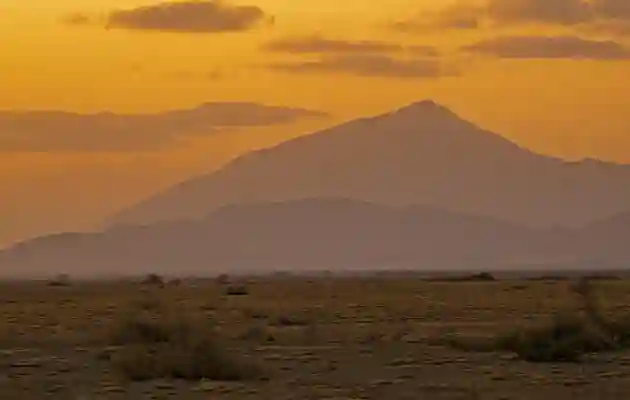
Mount Kenya is a stratovolcano that erupted over three million years ago and features multiple peaks, glaciers, and expansive alpine meadows. The mountain is a UNESCO World Heritage Site, celebrated for its dramatic landscapes and biodiversity. It holds spiritual significance for the Kikuyu people, who believe it to be the home of their god, Ngai.
The mountain has three main summits:
- Batian Peak (5,199m) – The highest point and the ultimate challenge for climbers.
- Nelion Peak (5,188m) – Just below Batian, it’s another technical climb.
- Point Lenana (4,985m) – A non-technical climb and the most accessible of the three summits, often reached by trekkers who want to experience the beauty of the mountain without the technical difficulty.
The varied terrain of Mount Kenya features glaciers, dense forests, alpine meadows, and rocky ridgelines. Whether you’re a mountaineer or a casual trekker, there’s something on this mountain for everyone.
The Best Routes for Climbing Mount Kenya
Several routes lead to the summit of Mount Kenya, each offering its own experience. The difficulty of the climb can vary depending on the route you choose, and the best route for you will depend on your fitness level and experience.
1. Naro Moru Route (Fastest Route)
The Naro Moru route is one of the most popular and quickest ways to reach Point Lenana. Known for its relatively gentle ascent, this route is favored by many trekkers who aim to summit in a shorter period. It takes about 4-5 days to reach the peak, making it a great option for those with limited time.
- Highlights: The famous Vertical Bog, expansive views of the mountain’s eastern slopes, and the possibility of seeing wildlife such as elephants and buffaloes.
- Difficulty: Moderate to challenging, but less technical than the other routes.
2. Sirimon Route (Best for Scenic Views)
For those looking to enjoy stunning views, the Sirimon route is the best choice. It’s less crowded compared to the Naro Moru route and offers a more gradual ascent, making it suitable for trekkers who prefer a more relaxed pace. The Sirimon route takes 5-6 days to reach the summit.
- Highlights: Beautiful scenery, including the Old Moses Camp, rich alpine vegetation, and the Gorges Valley.
- Difficulty: Moderate. It’s a good balance of scenic beauty and challenge.
3. Chogoria Route (Most Scenic)
The Chogoria route is often regarded as the most scenic of all the routes on Mount Kenya. This route takes you through lush forests, bamboo zones, and wild moorlands before reaching the summit. It’s the longest route, taking 5-7 days, and provides a more remote experience.
- Highlights: Stunning panoramic views of the mountain, including Lake Michaelson, Gorges Valley, and the Temple of Doom.
- Difficulty: Moderate to challenging, depending on the pace.
4. Burguret Route (For Experienced Climbers)
The Burguret route is the least traveled, offering a more adventurous and less crowded ascent. This route is best suited for experienced climbers looking for a challenging and less-commercialized experience. The climb takes around 6 days.
- Highlights: Seclusion, pristine wilderness, and stunning scenery.
- Difficulty: Challenging. It’s a more rugged route with tougher climbs.
Climbing Mount Kenya: What to Expect
Climbing Mount Kenya is an unforgettable experience that offers more than just a physical challenge; it’s a journey through diverse ecosystems, captivating wildlife, and breathtaking views. Here’s what you can expect during your climb:
- Alpine Flora and Fauna: As you ascend, you’ll pass through different ecological zones, from tropical rainforests at the base to high-altitude moorlands and rocky terrain near the summit. The mountain is home to unique plant species such as the giant lobelias, Senecio, and groundsel.
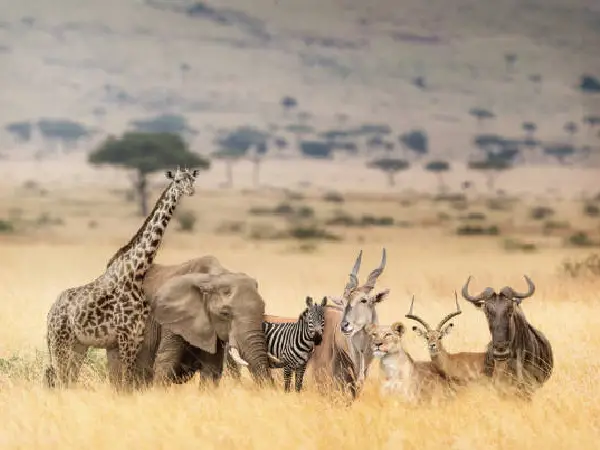
- Diverse Wildlife: The slopes of Mount Kenya are rich in wildlife, including elephants, buffaloes, and various bird species. If you’re lucky, you might also spot the elusive Bongo antelope in the forests.
- Unpredictable Weather: The weather on Mount Kenya can be quite unpredictable. Temperatures can vary widely, with chilly mornings and nights and warmer afternoons. Be prepared for rain, snow, or fog, especially as you approach the higher altitudes.
- Physical Challenge: The climb is physically demanding, especially if you’re attempting to summit one of the higher peaks. It’s important to be prepared with good physical conditioning, proper gear, and the right mental attitude.
Summit Day: Reaching the Peak
For those aiming for the summit of Mount Kenya, Point Lenana is the most accessible and rewarding summit for trekkers. The summit day begins early, often around 3:00 a.m., to catch the spectacular sunrise at the top. The final ascent is a steep, rocky climb, but the panoramic views from the summit make every effort worth it. From the peak, you’ll witness awe-inspiring views of glaciers, ridgelines, and the surrounding landscape.
For those looking to challenge themselves further, summiting Batian or Nelion Peak requires technical mountaineering skills, including rock climbing and the use of specialized equipment.
Preparing for Your Climb
Before embarking on your Mount Kenya adventure, it’s important to be well-prepared. Here are a few tips to help you get ready:
- Physical Fitness: Hiking and climbing Mount Kenya requires endurance, so it’s advisable to prepare physically by hiking in similar terrain and building stamina before the climb.
- Clothing and Gear: Be sure to pack appropriate clothing for varying temperatures. Waterproof jackets, warm layers, sturdy boots, gloves, and a hat are essential.
- Acclimatization: Spend a day or two at a lower altitude to acclimatize to the altitude before heading up to the higher camps. This helps to reduce the risk of altitude sickness.
- Guides and Porters: Hiring a professional guide and porters is highly recommended. They know the mountain well, and their expertise ensures a safe and enjoyable experience.
Why Choose Crystal Tours Kenya?
At Crystal Tours Kenya, we specialize in creating unforgettable experiences, including the ultimate challenge of climbing Mount Kenya. Our expert guides, custom itineraries, and attention to detail ensure that your journey to the top is not only safe but also enjoyable. Whether you’re climbing for the thrill or seeking a connection with nature, we’ll help you make the most of this amazing adventure.
Contact us today to plan your Mount Kenya adventure and take your first step towards one of the most rewarding climbs in Africa.
Special Offers on Kenya Safari Packages
Discover special discounts on Kenya safari packages. Explore top destinations like Maasai Mara, Amboseli, and more at great value prices.