Corporate Social Responsibility in Tourism has become one of the most important pillars shaping the future of the global travel industry.
It is no longer optional and it is a necessity for modern travel companies that want to protect destinations while delivering meaningful travel experiences.
Today’s travelers are increasingly seeking ethical, environmentally conscious, and community-focused travel experiences that positively impact destinations while minimizing harm to local ecosystems and cultures.
At Crystal Tours Kenya, CSR is at the heart of how we design, operate, and deliver safari and travel experiences.
Through conservation partnerships, eco-conscious safari experiences, support for local businesses, and ethical tourism practices, Crystal Tours Kenya aims to create meaningful travel experiences that benefit both travelers and destinations.
You can reach out to us by sending an email to info@crystaltourskenya.com or simply calling +254 727 039 513.
What Is Corporate Social Responsibility in Tourism?
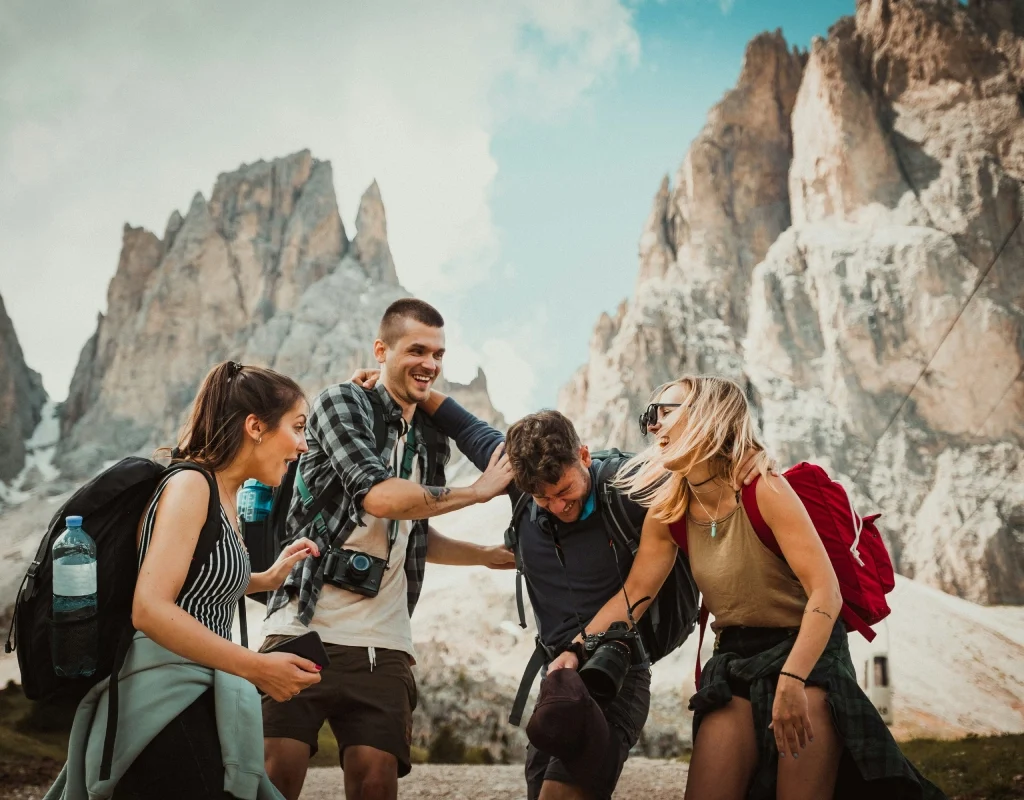
Corporate Social Responsibility in Tourism refers to the ethical responsibility tourism businesses have toward the environment, local communities, employees, and future generations.
It involves integrating sustainability into tourism operations while minimizing negative environmental and social impacts.
The tourism industry has a significant influence on ecosystems, wildlife habitats, local economies, and cultural heritage. Because of this, responsible tourism businesses must adopt practices that support conservation, sustainability, and community well-being.
CSR in the travel industry is generally built around three core pillars:
Environmental Responsibility
Tourism companies must reduce environmental harm by:
- Conserving natural resources
- Reducing waste and pollution
- Protecting biodiversity
- Supporting conservation initiatives
- Promoting eco-friendly travel experiences
Social Responsibility
Social responsibility focuses on improving the well-being of local communities through:
- Fair employment opportunities
- Cultural preservation
- Community partnerships
- Supporting local entrepreneurs
- Respecting indigenous communities
Economic Responsibility
Economic sustainability ensures tourism benefits local economies through:
- Local sourcing
- Fair wages
- Community investment
- Supporting local businesses
- Creating long-term employment opportunities
According to sustainable tourism frameworks promoted by organizations such as the United Nations World Tourism Organization (UNWTO), tourism companies can achieve long-term success while contributing positively to society and the environment.
Why Corporate Social Responsibility Matters in the Tourism Industry
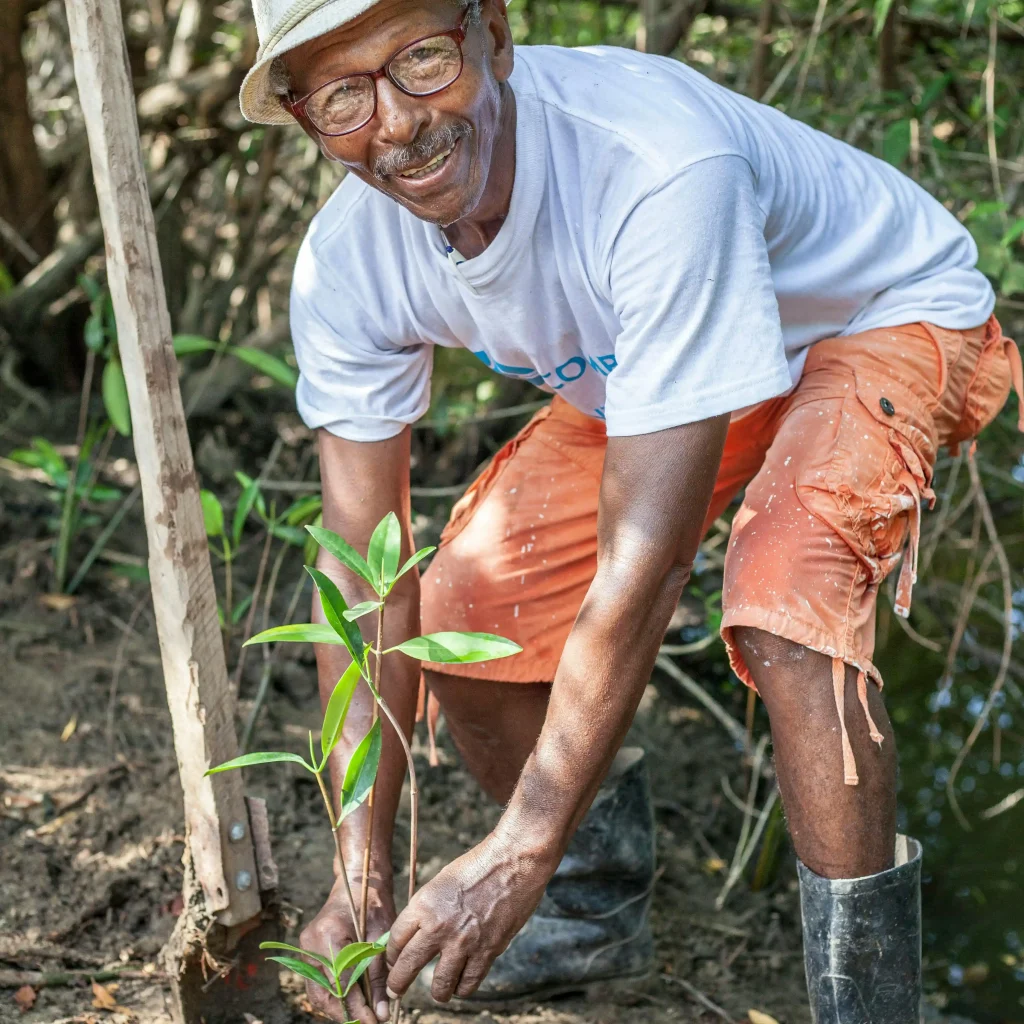
Protecting Natural Resources
Tourism depends heavily on healthy ecosystems, wildlife, beaches, forests, and natural landscapes. Without environmental protection, many tourism destinations risk long-term degradation.
Responsible tourism practices help:
Promote sustainable resource management
Reduce pollution
Preserve biodiversity
Protect fragile ecosystems
Support climate resilience
Supporting Local Communities
Tourism can create jobs and economic opportunities when communities actively participate in the tourism value chain.
Responsible tourism businesses contribute by:
- Hiring local staff
- Supporting local suppliers
- Investing in education and healthcare initiatives
- Promoting community tourism projects
Preserving Wildlife and Biodiversity
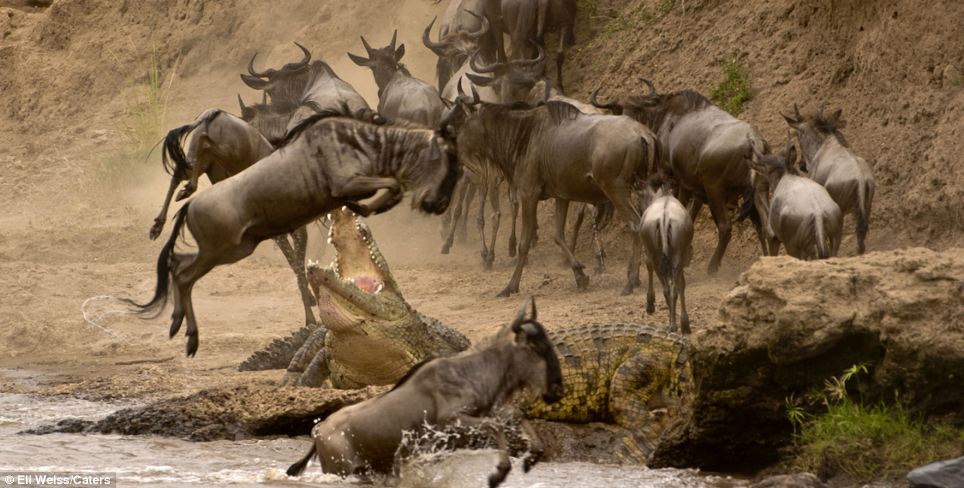
Kenya’s wildlife is one of the country’s greatest tourism assets. Sustainable tourism supports:
- Anti-poaching programs
- Habitat conservation
- Wildlife research
- Conservation funding
- Responsible wildlife viewing
Promoting Ethical Tourism
Ethical tourism encourages travelers to respect local traditions, cultures, and environments while minimizing negative impacts.
This includes:
- Respectful cultural interactions
- Ethical wildlife experiences
- Fair trade tourism practices
- Responsible photography and storytelling
Strengthening Brand Trust
Travelers increasingly support brands aligned with sustainability values. Companies that embrace Corporate Social Responsibility in Tourism often enjoy:
- Stronger customer loyalty
- Improved brand reputation
- Greater traveler trust
- Competitive differentiation
Crystal Tours Kenya’s Approach to Corporate Social Responsibility
At Crystal Tours Kenya, sustainability and responsible tourism are integrated into every stage of the travel experience.
Environmental Sustainability

Crystal Tours Kenya promotes eco-friendly tourism by encouraging low-impact travel experiences that protect Kenya’s natural ecosystems.
Eco-Friendly Travel Experiences
The company promotes:
Responsible wildlife viewing practices
Sustainable safari itineraries
Eco-conscious accommodations
Small-group travel experiences
Supporting Conservation Initiatives
Crystal Tours Kenya supports tourism models that contribute to:
- Wildlife conservation
- Habitat restoration
- Conservation funding
- Community conservancies
Minimizing Environmental Impact
Responsible operational practices include:
- Encouraging reduced plastic use
- Supporting eco-certified lodges
- Promoting sustainable transport solutions
- Educating travelers on conservation ethics
Community Development
Community empowerment is central to sustainable tourism.
Crystal Tours Kenya contributes by:
- Supporting local guides and drivers
- Partnering with local businesses
- Promoting community-owned tourism enterprises
- Encouraging locally sourced products and services
These efforts ensure tourism revenue remains within local communities while improving livelihoods and economic resilience.
Cultural Preservation
Tourism should celebrate and preserve cultural heritage rather than exploit it.
Crystal Tours Kenya promotes:
- Authentic cultural experiences
- Respectful engagement with local communities
- Indigenous cultural preservation
- Responsible community tourism
Travelers are encouraged to appreciate local traditions while supporting cultural sustainability.

Help Protect Wildlife and Empower Communities
At Crystal Tours Kenya, every journey goes beyond tourism. Your travels help protect wildlife through conservation efforts and support local communities by creating jobs, boosting small businesses, and preserving culture. By choosing responsible travel, you help wildlife thrive while ensuring communities benefit in a lasting, meaningful way.
The Role of Conservancies in Corporate Social Responsibility
Community conservancies are among Kenya’s most successful sustainable tourism models.
Conservancies combine wildlife conservation with community empowerment by allowing local communities to benefit directly from tourism revenue.
Olare Motorogi Conservancy
Olare Motorogi Conservancy supports:
- Wildlife protection
- Low-impact tourism
- Community employment
- Habitat conservation
The conservancy model reduces overcrowding while improving conservation outcomes.
Mara North Conservancy
Mara North Conservancy promotes:
- Sustainable safari management
- Controlled tourism activities
- Conservation funding
- Anti-poaching initiatives
Revenue generated through tourism directly supports local Maasai communities.
Naboisho Conservancy
Naboisho Conservancy is recognized for:
- Community-led conservation
- Wildlife monitoring
- Sustainable tourism partnerships
- Human-wildlife conflict reduction
Conservancies demonstrate how Corporate Social Responsibility in Tourism can create positive environmental and social impacts simultaneously.
How National Parks Support Corporate Social Responsibility
Kenya’s national parks play a major role in sustainable tourism and conservation.
Maasai Mara National Reserve
The Maasai Mara supports:
- Wildlife conservation
- Sustainable safari tourism
- Local employment
- Conservation education
Tourism revenue contributes significantly to conservation and community programs.

Amboseli National Park
Amboseli promotes:
- Elephant conservation
- Community tourism
- Ecosystem protection
- Environmental education
Tsavo National Park
Tsavo National Park contributes through:
- Habitat restoration
- Anti-poaching initiatives
- Wildlife conservation programs
- Sustainable tourism management
National parks help preserve biodiversity while supporting Kenya’s tourism economy.
How Hotels Contribute to CSR in Tourism
Hotels and lodges play a major role in promoting sustainable tourism practices.
Inspired by sustainable hospitality frameworks such as Ecobnb’s CSR principles, many tourism properties now prioritize environmentally and socially responsible operations.
Renewable Energy Adoption
Hotels increasingly use:
- Solar energy
- Energy-efficient lighting
- Renewable energy systems
Water Conservation
Sustainable hotels reduce water consumption through:
- Water recycling systems
- Low-flow fixtures
- Linen reuse programs
Waste Reduction
Many eco-lodges implement:
- Recycling initiatives
- Composting systems
- Plastic reduction programs
Sustainable Food Sourcing
Hotels support local economies by sourcing:
- Local produce
- Organic foods
- Sustainable seafood
- Fair-trade products
Employee Training and Inclusion
CSR-focused hotels invest in:
- Staff development
- Diversity and inclusion
- Fair employment practices
How Airlines Contribute to Corporate Social Responsibility
Airlines also play an important role in tourism sustainability.

Emirates supports CSR through:
- Sustainable aviation initiatives
- Fuel efficiency programs
- Wildlife conservation partnerships
- Community development projects
The airline also participates in carbon reduction efforts and environmental awareness campaigns.
Jambojet contributes through:
- Regional connectivity
- Community engagement
- Local economic development
- Accessible domestic travel
Affordable domestic travel helps distribute tourism benefits across Kenya while improving regional tourism growth.
Airline sustainability efforts contribute to broader responsible tourism goals by improving operational efficiency and supporting conservation initiatives.
Corporate Social Responsibility and Sustainable Tourism in Kenya
Kenya is becoming one of Africa’s leading sustainable tourism destinations.
The country’s tourism sector increasingly prioritizes:
- Eco-tourism development
- Conservation partnerships
- Community-based tourism
- Responsible safari tourism
Kenya’s conservation-focused tourism model demonstrates how tourism can protect wildlife while creating economic opportunities for communities.
Responsible tourism also helps preserve Kenya’s globally important ecosystems, including:
- Maasai Mara
- Amboseli
- Tsavo
- Samburu
- Coastal marine parks
Challenges of Implementing CSR in Tourism
Funding Constraints
Sustainability initiatives often require long-term financial investment.
Greenwashing Concerns
Some companies market themselves as sustainable without meaningful action.
Measuring Impact
Tracking environmental and social outcomes can be difficult.
Balancing Growth and Sustainability
Tourism businesses must balance profitability with environmental responsibility.
Despite these challenges, sustainable tourism remains essential for the future of the travel industry.
The Future of Corporate Social Responsibility in Tourism
Regenerative Tourism
Regenerative tourism focuses on improving ecosystems and communities rather than simply minimizing harm.
Carbon-Neutral Travel
Travel companies are increasingly investing in carbon offsetting and cleaner transport solutions.
Sustainable Safari Operations
The future of safaris includes:
- Low-impact tourism
- Electric safari vehicles
- Eco-certified camps
- Conservation-driven tourism
Community-Led Tourism
Communities are becoming more involved in tourism ownership and decision-making.
Technology and Sustainability
Digital technologies are improving:
- Energy efficiency
- Waste management
- Sustainable booking systems
- Visitor management
Frequently Asked Questions
1. What is corporate social responsibility in tourism?
Corporate social responsibility in tourism refers to sustainable and ethical practices that benefit communities, the environment, and local economies.
2. Why is CSR important for tour companies?
CSR helps tourism companies protect destinations, support communities, and build long-term trust with travelers.
3. How do conservancies support sustainable tourism?
Conservancies protect wildlife while generating income and employment for local communities.
4. What is sustainable tourism?
Sustainable tourism balances environmental, social, and economic impacts for long-term destination preservation.
5. How does Crystal Tours Kenya support CSR?
Crystal Tours Kenya supports conservation, community empowerment, cultural preservation, and responsible tourism initiatives.
In conclusion, Crystal Tours Kenya remains committed to responsible tourism practices that create positive environmental, social, and economic impacts across Kenya’s tourism sector.
Through partnerships with conservancies, support for local communities, sustainable safari experiences, and conservation-focused tourism initiatives, Crystal Tours Kenya continues helping shape a more sustainable future for tourism in Kenya.
As sustainable tourism continues evolving, the role of tourism companies, hotels, airlines, conservancies, and travelers will become even more important in protecting destinations and ensuring tourism benefits future generations.
Travel responsibly with Crystal Tours Kenya and become part of a growing movement that protects wildlife, empowers communities, and supports sustainable tourism across Kenya.
You can reach out to us by sending an email to info@crystaltourskenya.com or simply calling +254 727 039 513.
Discover eco-friendly safari experiences, community-based tourism, and conservation-focused adventures designed to create lasting positive impacts for both travelers and destinations.