Lake Manyara National Park is one of Tanzania’s most scenic and fascinating wildlife destinations, offering visitors a unique combination of breathtaking landscapes, diverse ecosystems, and incredible wildlife. Famous for its tree-climbing lions and large flocks of flamingos, the park is an excellent destination for experiencing Lake Manyara wildlife in its natural habitat. From elephants and giraffes to zebras, buffaloes, and numerous bird species, there are plenty of Lake Manyara animals to discover. A Lake Manyara safari provides unforgettable opportunities for game viewing, photography, and exploring the park’s beautiful surroundings. With attractions ranging from the alkaline lake and lush forests to spectacular viewpoints, Lake Manyara attractions make this destination a memorable part of any Tanzania safari. For travelers seeking an authentic African adventure, Lake Manyara Tanzania offers a remarkable blend of nature, wildlife, and scenic beauty.
History of Lake Manyara
Lake Manyara is a shallow, alkaline lake in northern Tanzania, situated within the Great Rift Valley. The lake and its surrounding woodland, grassland, and wetland habitats have supported diverse wildlife and birdlife for generations. Its striking scenery and rich ecosystem eventually led to formal protection of the area.
Lake Manyara National Park was established in 1960, helping protect the lake and surrounding habitats. The park became particularly known for its large elephant population, abundant birdlife, and the famous tree-climbing lions occasionally seen resting in the branches of acacia trees.
Over time, Lake Manyara has become an important destination within Tanzania’s northern safari circuit, often visited alongside the Serengeti and Ngorongoro Crater. Its combination of groundwater forests, open plains, wetlands, and the lake itself creates a varied environment where visitors can experience a wide range of wildlife within a relatively compact area.
Culture of Lake Manyara
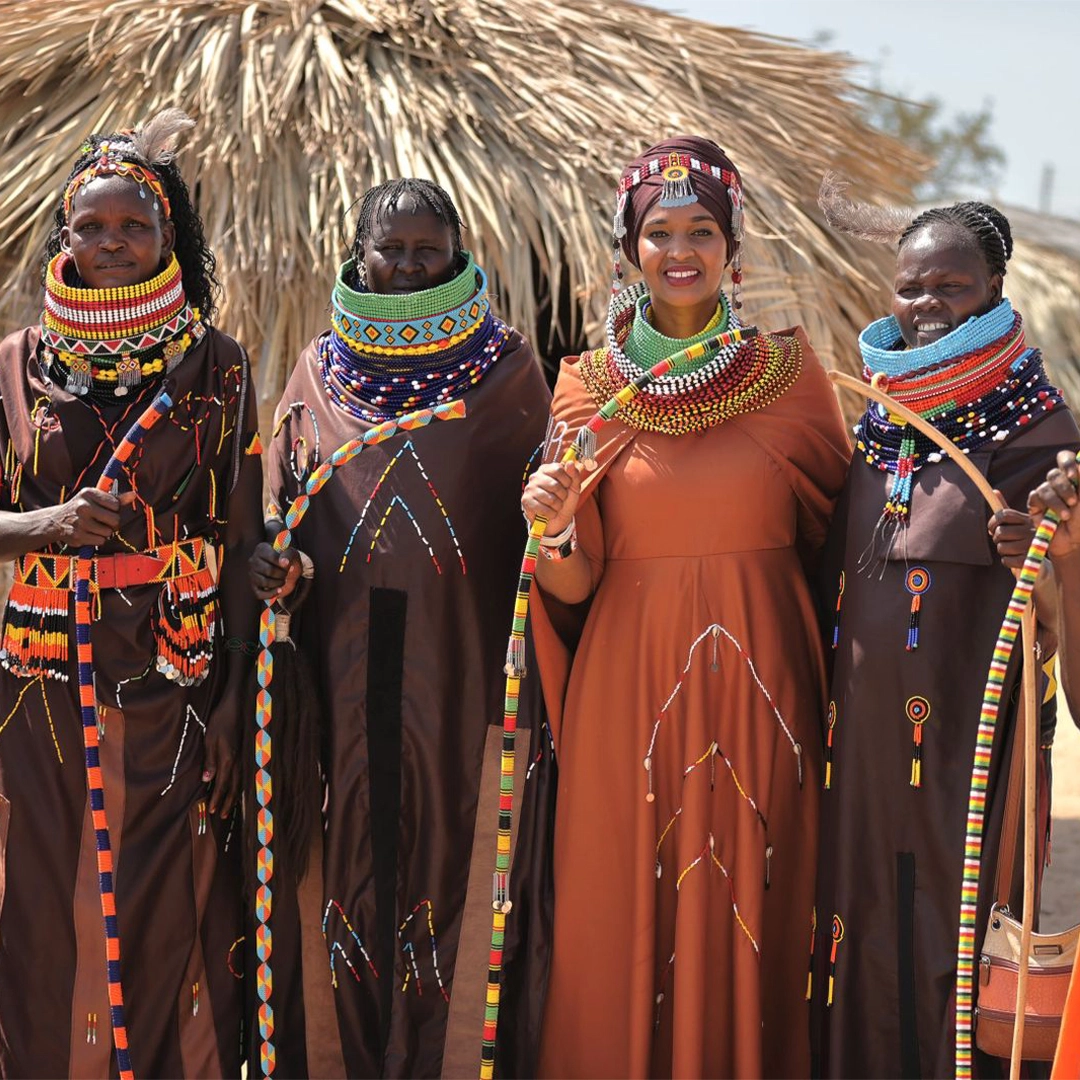
The culture around Lake Manyara is closely linked to local communities, especially the Maasai and Iraqw people. Visitors can experience traditional beadwork, clothing, dances, crafts, farming, and pastoral lifestyles. A Lake Manyara safari can therefore offer more than wildlife, providing insight into the traditions and daily life of northern Tanzania.
Wildlife in Lake Manyara
1. Elephants
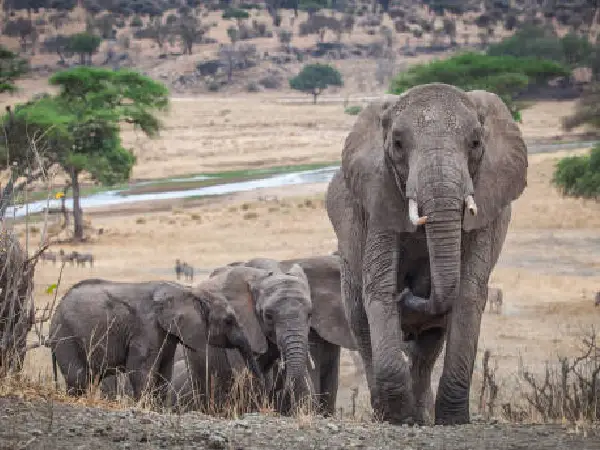
Lake Manyara is well known for its large elephant population. They can often be seen moving through the woodland and around water sources.
2. Lions
The park is famous for its tree-climbing lions, which may be spotted resting on branches during the heat of the day.
3. Giraffes
Giraffes are commonly seen browsing on acacia trees across the park’s open areas and woodland.
4. Buffaloes
Large herds of buffalo can be encountered grazing in the grasslands and near the lake.
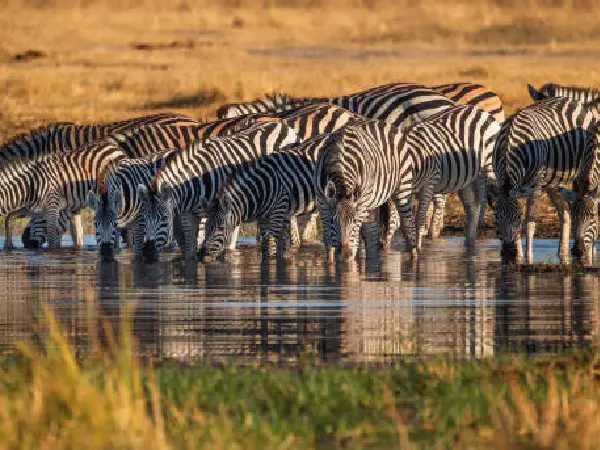
5. Zebras
Zebras are frequently seen in the open plains, often sharing the grasslands with wildebeest and other herbivores.
6. Hippos
Hippos gather in the park’s wetlands and water areas, where they spend much of the day partially submerged.
7. Wildebeest
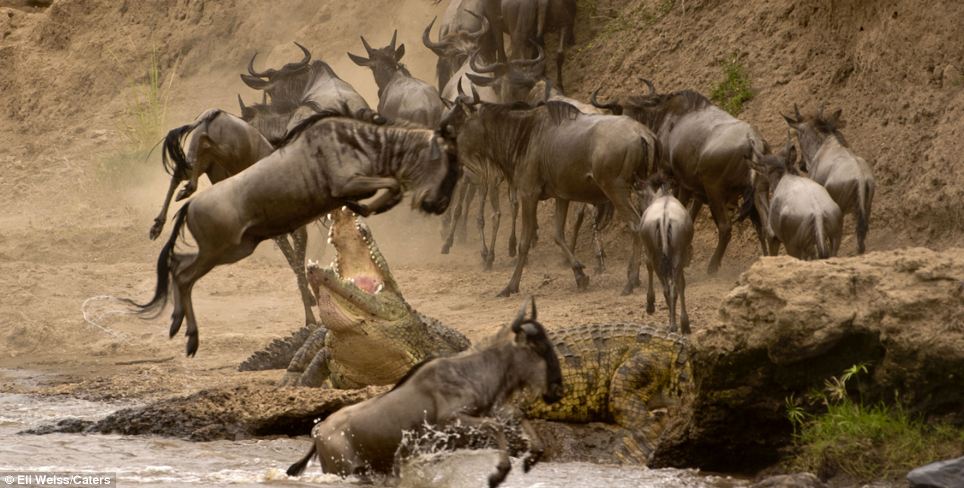
Wildebeest can be spotted grazing across the open grasslands, particularly alongside other plains animals.
8. Baboons
Large troops of baboons are commonly encountered in the forest and along the park’s roads.
9. Antelopes
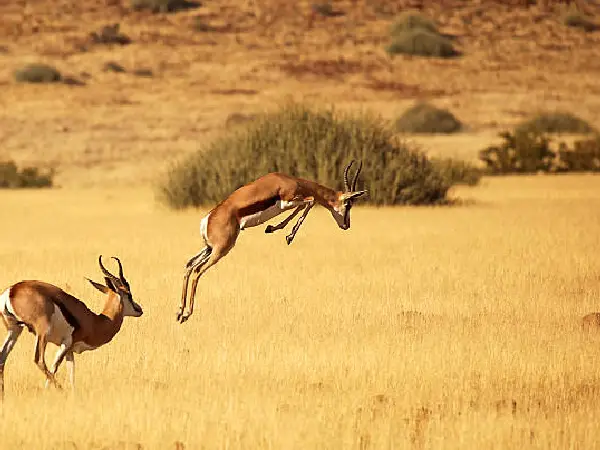
Lake Manyara National Park supports several antelope species, including impalas and dik-diks, which can be seen browsing or grazing throughout the park.
10. Leopards
Leopards inhabit the park but are more elusive, making sightings less predictable than those of elephants, giraffes, or buffaloes.
Birdlife in Lake Manyara
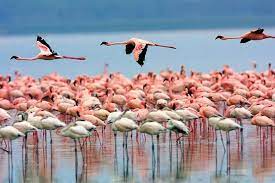
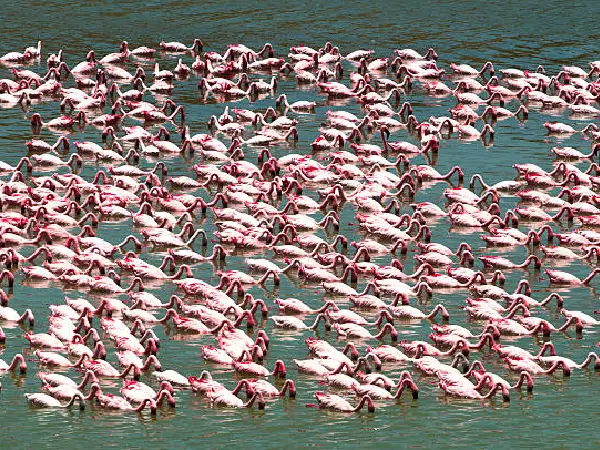
Lake Manyara is one of northern Tanzania’s excellent birdwatching destinations, with a wide variety of resident and migratory species. The lake and surrounding wetlands attract flamingos, pelicans, storks, herons, egrets, and kingfishers, while the woodland and grassland support birds such as hornbills, eagles, and rollers.
During a Lake Manyara safari, visitors can enjoy birdwatching alongside wildlife viewing, with the changing habitats providing opportunities to spot different species throughout the park. The lake’s seasonal conditions can also influence the number and variety of birds present.

Travel Insurance and Visa for Lake Manyara
Before visiting Lake Manyara, travelers should make sure they have the necessary travel documents, including a valid passport and the appropriate Tanzania visa. Depending on your nationality, you may be eligible to apply for a visa online or obtain one through a Tanzanian embassy or consulate.It is also highly recommended to have comprehensive travel insurance covering medical emergencies, trip cancellations, lost luggage, and unexpected travel disruptions. Having the correct visa and reliable travel insurance ensures a smoother and more secure journey while exploring Lake Manyara and other destinations in Tanzania.
Airport and Travel to Lake Manyara
The main airport for travelers visiting Lake Manyara is Kilimanjaro International Airport (JRO), which provides convenient access to northern Tanzania’s safari destinations. From the airport, visitors can travel by road to Lake Manyara National Park, with the journey offering beautiful views of Tanzania’s countryside and local communities. Travelers can also fly to Arusha Airport (ARK) and arrange a private transfer or safari vehicle to the park. Most visitors explore Lake Manyara as part of a guided safari, making it easy to combine the park with nearby destinations such as the Serengeti and Ngorongoro Crater.

Lake Manyara Safari Cost
The cost of a Lake Manyara safari depends on the duration, accommodation, transport, group size, and activities included. Budget safaris are more affordable, while mid-range and luxury options offer upgraded accommodation and more personalized experiences.
A typical Lake Manyara safari package may include park fees, a safari vehicle and guide, accommodation, meals, and transfers. Prices can also vary depending on the season and availability. For an accurate cost, request a quotation based on your travel dates and preferred safari style.
What to Pack for a Lake Manyara Safari
For a Lake Manyara safari, pack light, comfortable clothing suitable for warm days and cool mornings. Essential items include:
- Lightweight, neutral-colored clothing
- Warm layers for early morning game drives
- Comfortable walking shoes
- Hat, sunglasses, and sunscreen
- Insect repellent
- Binoculars for wildlife and birdwatching
- Camera and spare batteries
- Reusable water bottle
- Personal toiletries and medication
- Small daypack
- Light rain jacket, especially during the wetter months
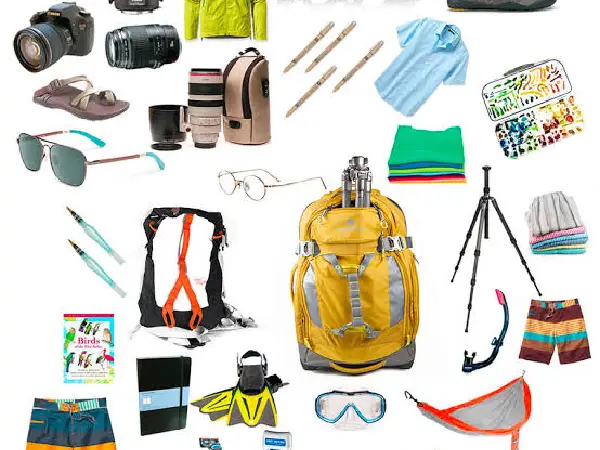
Pack practical and breathable clothing, as you may spend several hours outdoors exploring Lake Manyara National Park.
Things to Do in Lake Manyara
1. Game Drives
Explore Lake Manyara National Park on a guided game drive and look for elephants, lions, giraffes, buffaloes, zebras, and other wildlife.
2. Birdwatching
Enjoy excellent birdwatching around the lake and wetlands, with opportunities to see flamingos, pelicans, herons, storks, egrets, and other species.
3. Tree-Climbing Lions
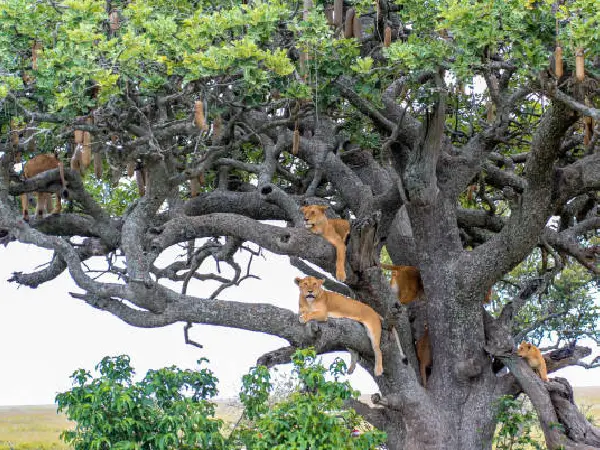
Look for the famous tree-climbing lions of Lake Manyara, often seen resting in the branches of large trees.
4. Nature Walks
Explore the park’s forests and natural surroundings on a guided walking experience and discover the smaller details of the ecosystem.
5. Cultural Experiences
Visit nearby communities to learn about local traditions, crafts, lifestyles, and the culture of northern Tanzania.
6. Wildlife Photography
Capture memorable images of Lake Manyara’s wildlife, landscapes, forests, wetlands, and spectacular Rift Valley scenery.
7. Canoeing
Where conditions and park regulations permit, enjoy a canoeing experience on the lake and see the landscape from a different perspective.
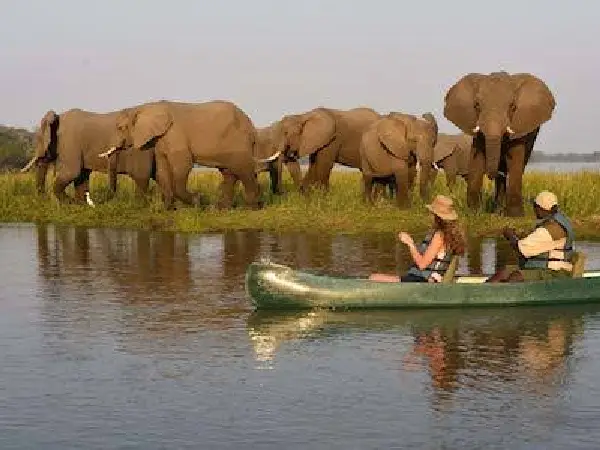
8. Canopy Walk
Experience the forest from above on the Lake Manyara Tree Top Walkway, offering elevated views of the surrounding woodland and wildlife habitat.
Best Time to Visit Lake Manyara
The best time to visit Lake Manyara is during the dry season, from June to October, when the weather is pleasant, roads are easier to navigate, and wildlife is easier to spot around water sources. The months of January to February are also excellent for birdwatching, especially when large numbers of flamingos and other migratory birds can be seen.
Lake Manyara vs Serengeti
Lake Manyara and the Serengeti offer very different safari experiences. Lake Manyara is a compact park known for its diverse habitats, elephants, abundant birdlife, tree-climbing lions, and beautiful Rift Valley scenery. It is ideal for a shorter safari stop and combines wildlife viewing with forest, wetland, and lake landscapes.
The Serengeti, by contrast, is much larger and is famous for its vast open plains, abundant predators, large herds of wildebeest and zebra, and the spectacular Great Migration. A Serengeti safari is particularly suited to travelers looking for extensive game drives and major wildlife encounters, while Lake Manyara is a great choice for visitors seeking varied scenery, birdwatching, and a more compact wildlife experience.
Where to Stay During Your Visit
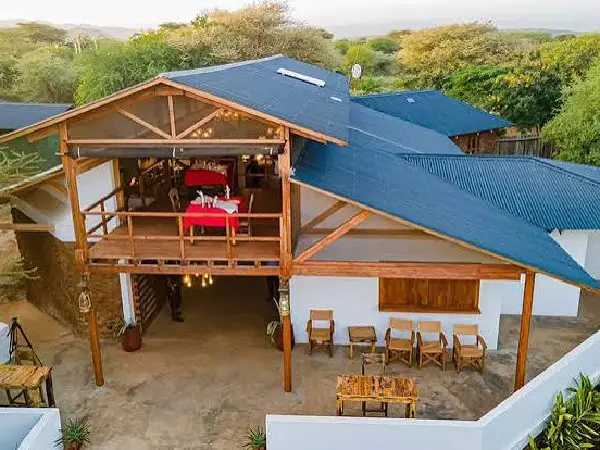
Visitors to Lake Manyara can choose from luxury lodges, comfortable hotels, and safari camps near the park. Mto wa Mbu and Karatu are popular areas for accommodation, offering convenient access to Lake Manyara National Park and nearby attractions. For an authentic safari experience, staying at a lodge or tented camp close to nature is a great choice. Crystal Tours Kenya can help you find suitable accommodation based on your budget and travel preferences.
Food in Lake Nakuru
Visitors to Lake Nakuru National Park can enjoy a variety of Kenyan and international dishes at nearby lodges, hotels, and restaurants. Common meals include nyama choma (roasted meat), ugali, sukuma wiki, chapati, rice, fresh vegetables, and fresh fruits. Safari lodges also often serve continental and vegetarian meals, making it easy for travelers to find food that suits their preferences
Tips for First-Time Visitors to Lake Nakuru
- Plan your visit early: Start your Lake Nakuru safari early in the morning when wildlife is often more active and temperatures are cooler.
- Bring binoculars: Lake Nakuru National Park is well known for its birdlife, so binoculars are useful for spotting flamingos, pelicans, eagles, and other species.
- Carry layers: Mornings can be cool while afternoons become warmer. Lightweight layers make it easier to adjust throughout the day.
- Pack sun protection: Bring sunscreen, sunglasses, a hat, and plenty of drinking water for your game drive.
- Follow park rules: Remain inside the safari vehicle unless your guide indicates that it is safe to leave, and keep a respectful distance from wildlife.
- Bring a camera: Keep your camera ready for sightings of rhinos, lions, giraffes, buffaloes, zebras, and flamingos.
- Allow enough time: Give yourself several hours to explore the park rather than rushing through the main viewpoints.
- Listen to your guide: Experienced safari guides know the park well and can help you locate wildlife while explaining animal behavior and the surrounding ecosystem.
- Check conditions before travelling: Weather and road conditions can affect game drives, so it is useful to confirm arrangements before your Lake Nakuru safari.
- Respect the environment: Avoid littering, do not feed animals, and help keep Lake Nakuru National Park clean and protected.
Frequently Asked Questions About Lake Manyara
What is Lake Manyara known for?
Lake Manyara is known for its diverse wildlife, scenic landscapes, alkaline lake, large elephant populations, and impressive birdlife, including flamingos.
Where is Lake Manyara located?
Lake Manyara National Park is located in northern Tanzania, near the town of Mto wa Mbu and along the route between Arusha and the Ngorongoro Conservation Area.
What animals can I see at Lake Manyara?
A Lake Manyara safari can offer sightings of elephants, giraffes, zebras, buffalo, hippos, baboons, wildebeest, and various antelope species. Lions may also be seen in the park.
Is Lake Manyara suitable for a luxury safari?
Yes. A Lake Manyara luxury safari can be combined with destinations such as the Serengeti and Ngorongoro Crater, offering a varied Tanzania safari experience with high-quality accommodation and guided game drives.
What is the best time to visit Lake Manyara?
Lake Manyara can be visited throughout the year. The dry season generally provides good wildlife viewing, while the wetter months bring lush scenery and excellent birdwatching opportunities.
How long should I spend at Lake Manyara?
A Lake Manyara safari can be enjoyed as a full-day visit or as part of a longer Tanzania itinerary. One day is often sufficient to experience the park’s main wildlife and landscapes.
Conclusion
Lake Manyara National Park is a remarkable destination that combines beautiful landscapes, diverse wildlife, and unforgettable safari experiences. From exciting game drives and flamingo viewing to nature walks and scenic viewpoints, there is something for every traveler to enjoy. With Crystal Tours Kenya, you can explore Lake Manyara comfortably and safely with well-planned safari experiences and expert guidance. Whether you are visiting for wildlife, photography, or adventure, Lake Manyara offers a memorable taste of Tanzania’s natural beauty.
Plan Your Lake Manyara Adventure
Plan Your Lake Manyara Adventure with Crystal Tours Kenya
A Lake Manyara safari offers an exciting blend of wildlife, birdwatching, beautiful landscapes, and unforgettable game drives in northern Tanzania. From spotting elephants, giraffes, buffaloes, and tree-climbing lions to exploring the lake’s rich birdlife and diverse habitats, Lake Manyara National Park is a rewarding destination for nature and wildlife enthusiasts.
At Crystal Tours Kenya, we make planning your Lake Manyara safari simple and convenient. Whether you are planning a family holiday, romantic getaway, wildlife photography trip, or a longer Tanzania safari, our team can help create an itinerary that suits your interests, budget, and travel plans.
Ready to Plan Your Lake Manyara Safari?
Have questions about Lake Manyara safari packages, accommodation, transport, or customized itineraries? Contact Crystal Tours Kenya and let our travel team help you plan a memorable Tanzania safari from start to finish.
Crystal Tours Kenya
📍 Vision Towers, Muthithi Rd, Westlands, Nairobi, Kenya
📞 Call/WhatsApp: +254 727 039 513
📧 info@crystaltourskenya.com
Whether you are planning a short Lake Manyara safari or combining Manyara with the Serengeti and Ngorongoro Crater, we are ready to help create an unforgettable East African adventure.
Your Lake Manyara adventure starts here — contact Crystal Tours Kenya today!