Introduction to Ngorongoro
Ngorongoro Crater is one of Tanzania’s most spectacular safari destinations, located within the Ngorongoro Conservation Area in northern Tanzania. Famous for its dramatic landscapes, abundant wildlife, and unique natural environment, the crater offers visitors the opportunity to see lions, elephants, rhinos, buffaloes, zebras, wildebeest, and many other animals in their natural habitat. A Ngorongoro Crater safari allows travelers to enjoy game drives, scenic viewpoints, birdwatching, and Maasai cultural experiences while exploring this remarkable part of Tanzania. Whether you are planning a dedicated Ngorongoro Crater tour or combining the crater with the Serengeti and other northern Tanzania destinations, a visit to Ngorongoro Crater offers an unforgettable African safari experience.
Ngorongoro Crater: A Natural Wonder of Tanzania
Ngorongoro Crater is one of Tanzania’s most beautiful and unique safari destinations. Located in the Ngorongoro Conservation Area, the crater is famous for its breathtaking scenery, rich wildlife, and spectacular views. Visitors can enjoy game drives and see animals such as lions, elephants, zebras, wildebeest, buffaloes, hippos, and rhinos in their natural environment.
The crater was formed millions of years ago when a large volcano collapsed, creating a vast natural enclosure where wildlife now lives. Its grasslands, forests, lakes, and surrounding highlands make it a special place for both wildlife and nature lovers.
A visit to Ngorongoro Crater is more than just a safari. It is an opportunity to experience the beauty of Tanzania, take amazing photographs, and learn about the importance of protecting wildlife and the environment.
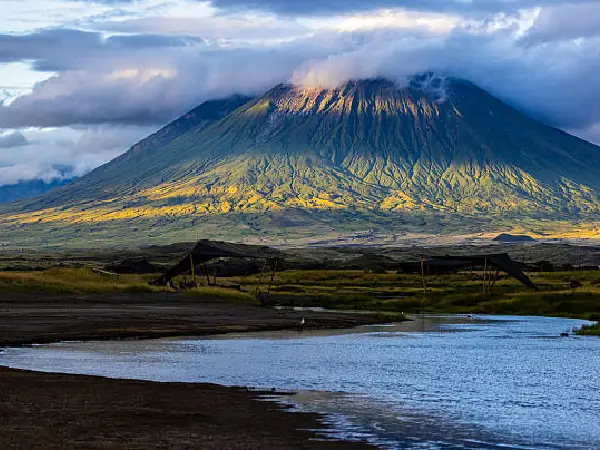
Where Is Ngorongoro Crater?
Ngorongoro Crater is located in northern Tanzania within the Ngorongoro Conservation Area, approximately 180 km west of Arusha. The crater is part of Tanzania’s northern safari circuit and is surrounded by spectacular highland landscapes and abundant wildlife. From Arusha, the journey to Ngorongoro Crater generally takes around 3–4 hours by road, depending on road and weather conditions
Ngorongoro Conservation Area
The Ngorongoro Conservation Area is a protected area in northern Tanzania that surrounds the famous Ngorongoro Crater and combines wildlife conservation, tourism, cultural heritage, and local livelihoods. Unlike a traditional national park, the conservation area allows wildlife and people to share the landscape, with Maasai pastoralist communities continuing to live and practice traditional livestock keeping in designated areas.
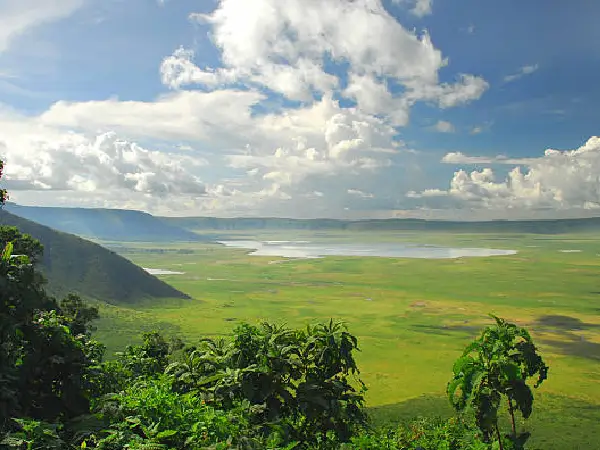
Conservation efforts focus on protecting the area’s wildlife, habitats, archaeological sites, and natural landscapes while supporting responsible tourism. The area is home to diverse wildlife and forms an important part of Tanzania’s northern safari circuit. Ngorongoro Crater and the wider conservation area are also internationally recognized for their outstanding natural and cultural importance, with the Ngorongoro Conservation Area listed as a UNESCO World Heritage Site.
Wildlife in Ngorongoro Crater: A Complete Safari Guide
Ngorongoro Crater is one of the most incredible places in Tanzania to experience wildlife. The crater’s enclosed landscape provides a natural home for a large variety of animals, making it an exciting destination for anyone who loves nature and safari adventures. From powerful lions and massive elephants to graceful zebras and colorful birds, every game drive can bring a new wildlife encounter.
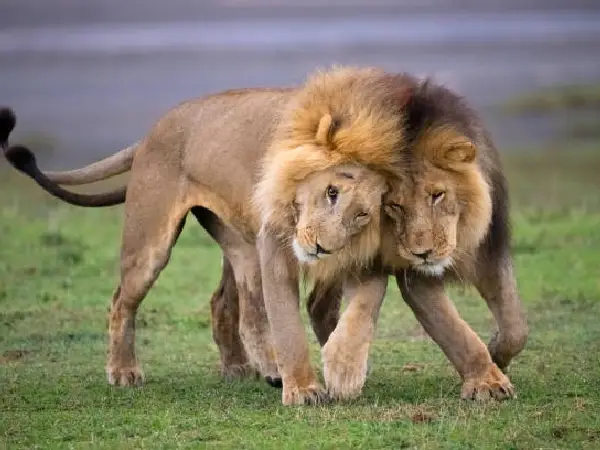
Lions
Lions are among the most exciting animals to see in Ngorongoro Crater. They can often be spotted resting in the grasslands, moving through the plains, or watching their surroundings from a distance. Seeing a lion in its natural environment is one of the unforgettable moments of a Ngorongoro safari.
Elephants
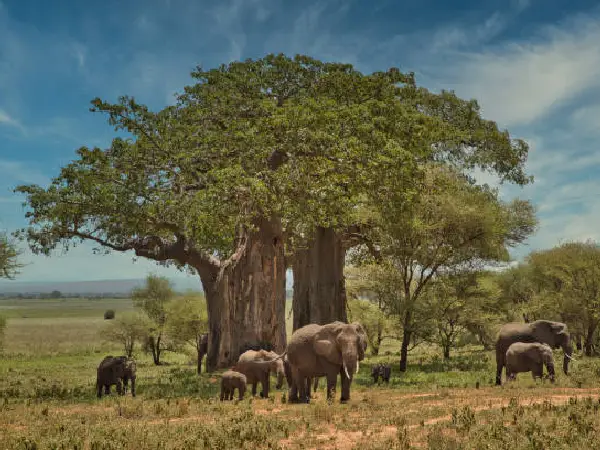
Elephants are another impressive sight in the Ngorongoro area. These large animals can sometimes be seen moving across the grasslands or near areas where they can find food and water. Watching a family of elephants together can be a memorable experience for visitors.
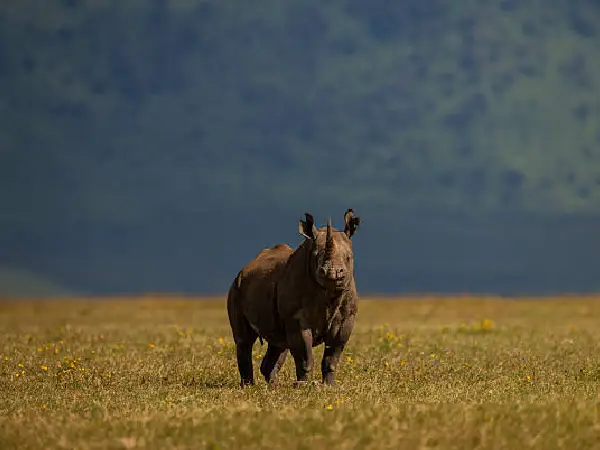
Black Rhinos
Ngorongoro is also known for its population of black rhinoceroses. These animals are endangered, making a sighting particularly special. Visitors should keep a respectful distance and allow them to move naturally without disturbance.
Zebra
Zebras are commonly associated with the African savanna, and Ngorongoro provides an excellent opportunity to see them. Their distinctive black-and-white stripes stand out against the green and golden grasslands, especially when they gather in groups.
Wildebeest
Wildebeest are another important part of the crater’s wildlife. They can often be seen grazing across the open grasslands, sometimes alongside zebras and other herbivores. Their presence contributes to the rich and diverse ecosystem of the area.
Buffaloes
African buffaloes can also be found in Ngorongoro Crater. They are powerful animals that often move in groups while grazing. Although they may appear calm, visitors should remember that they are wild animals and should always maintain a safe distance.
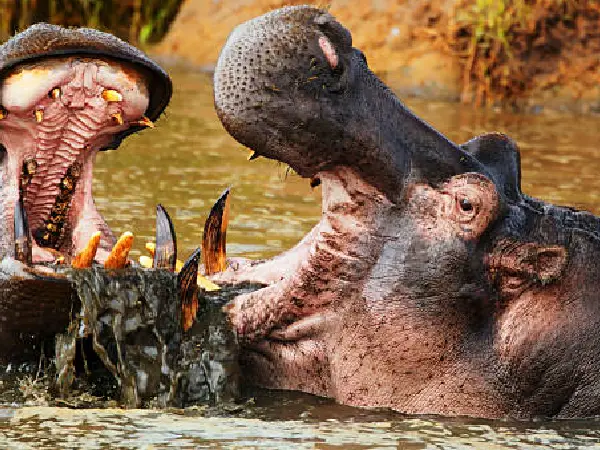
Hippos
Hippos can be seen in some of the crater’s water areas. They spend much of their time in water during the day and may be seen resting or swimming. Despite their calm appearance, hippos are powerful wild animals and should never be approached.
Hyenas
Spotted hyenas are another fascinating animal to look out for during a game drive. They are skilled hunters and scavengers and play an important role in keeping the ecosystem healthy by helping clean up remains left by other predators.
Flamingos and Other Birds
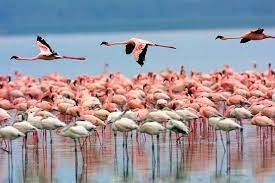
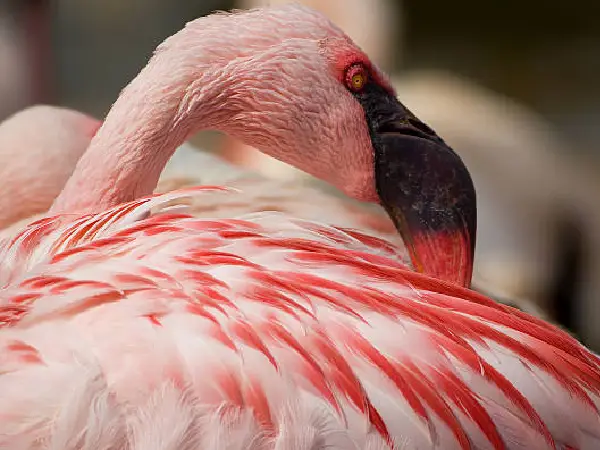
Ngorongoro is not only about large mammals. The area also attracts many species of birds. Flamingos can sometimes be seen around the crater’s alkaline lakes, creating beautiful scenes against the water. Bird lovers may also spot eagles, vultures, ostriches and many other species.
Why Ngorongoro Is Special for Wildlife
The crater is more than just a place to see animals. It is a unique ecosystem where wildlife, nature and local communities are connected. Visitors can help protect this special environment by following their guide’s instructions, keeping a safe distance from animals, avoiding litter and respecting the natural surroundings.
Final Thoughts
A wildlife safari in Ngorongoro Crater offers much more than taking photographs. It gives visitors the chance to observe animals in their natural environment and appreciate the beauty of Tanzania’s landscapes. Whether you are hoping to see a lion resting in the grass, a rhino in the distance or a group of zebras crossing the plains, Ngorongoro can provide memories that last a lifetime.
The Great Wildbeast migration.
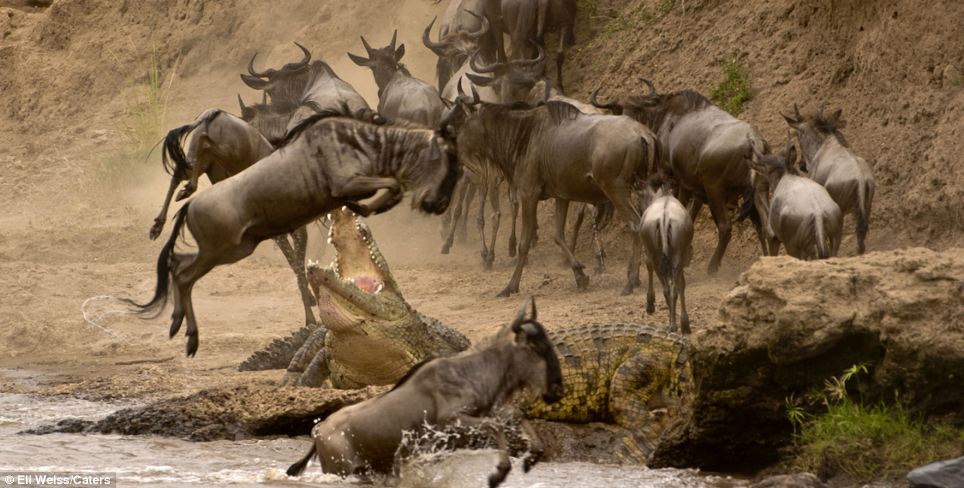
The Great Wildebeest Migration is one of Africa’s most amazing wildlife experiences. Every year, millions of wildebeest, along with zebras and gazelles, travel between Tanzania’s Serengeti and Kenya’s Masai Mara in search of fresh grass and water.
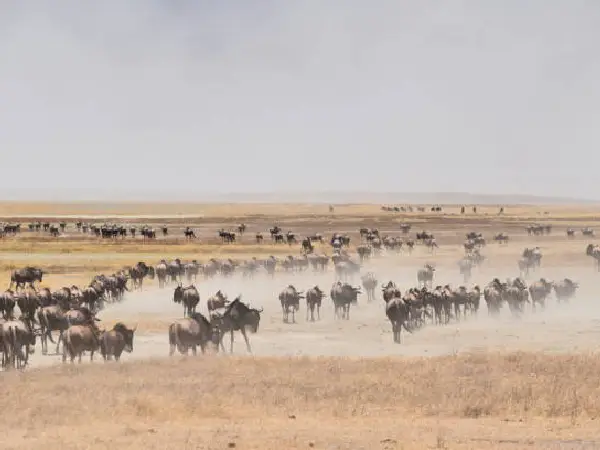
One of the most exciting moments is the river crossing, where large herds cross rivers while facing dangers such as crocodiles and predators. Visitors may also see lions, cheetahs, hyenas and other wildlife following the herds.
Plan your safari, bring your camera, and get ready to witness one of nature’s greatest journeys.
Maasai People and Culture in Ngorongoro
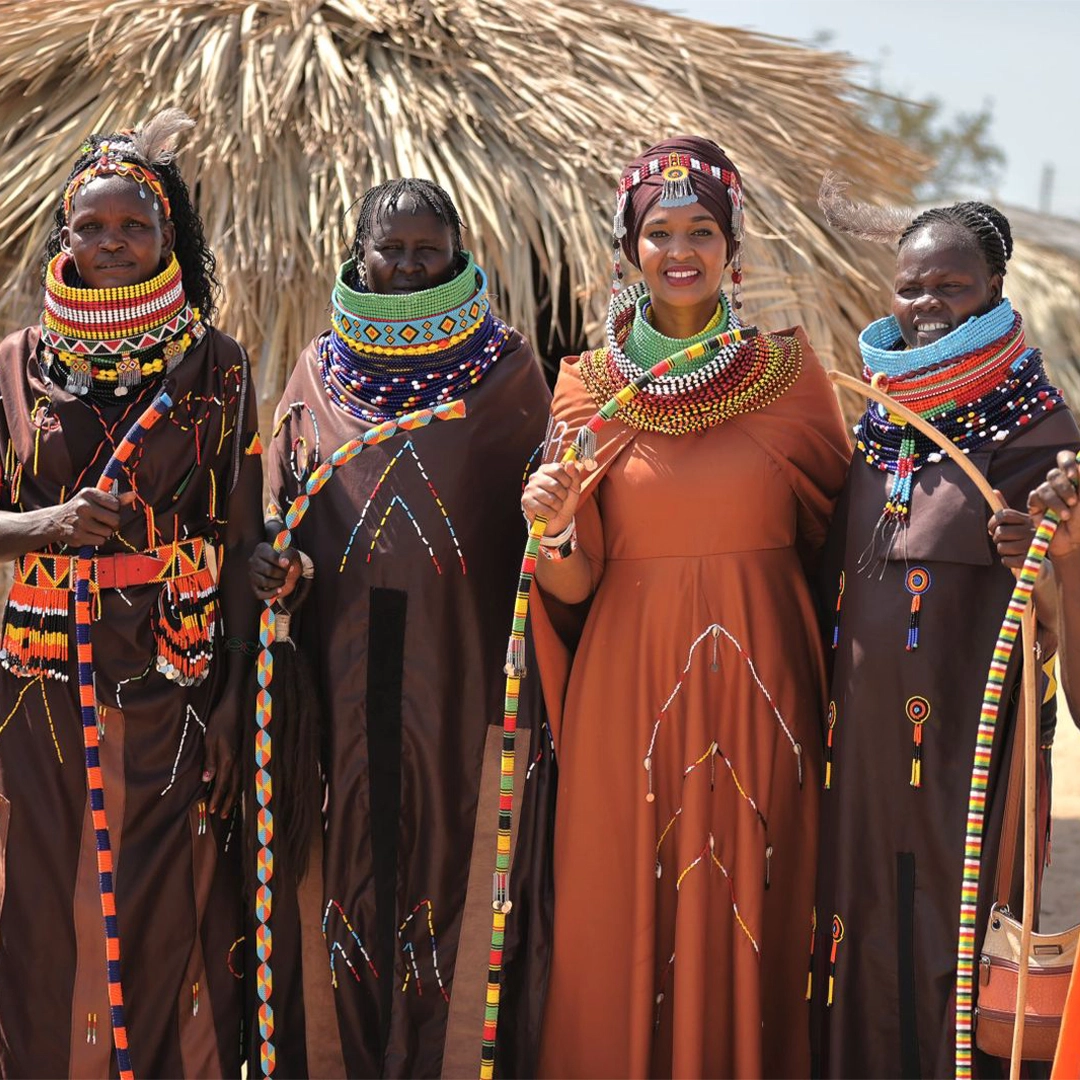
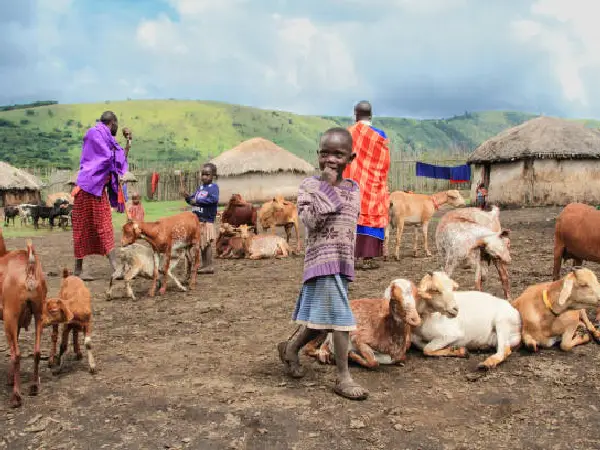
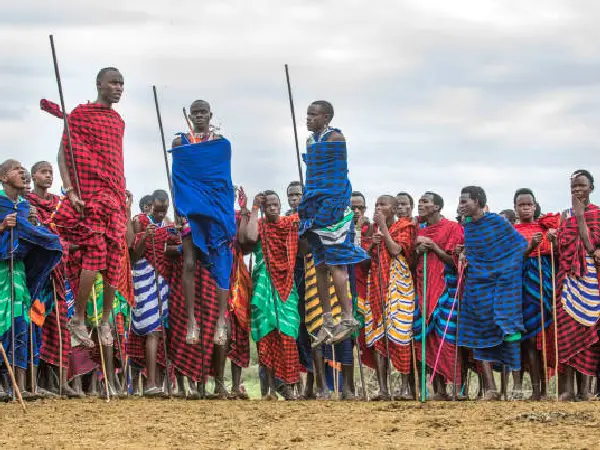
The Maasai people are an important part of the cultural landscape of the Ngorongoro Conservation Area, where pastoral communities have lived alongside wildlife for generations. Traditionally, many Maasai communities have depended on livestock such as cattle, goats, and sheep for their livelihoods while maintaining strong cultural traditions and social practices. Visitors to the Ngorongoro area may have opportunities to learn about Maasai culture through community visits and cultural experiences, including traditional homes, ceremonies, crafts, music, and daily pastoral life.
These experiences can provide a deeper understanding of the relationship between local communities, livestock, wildlife, and conservation. When visiting Maasai communities, travelers should respect local customs, ask permission before taking photographs, and choose responsible cultural experiences that provide meaningful benefits to local resident.
How Much Does a Trip to Ngorongoro Crater Cost?
The cost of visiting Ngorongoro Crater depends on several factors, including the type of safari you choose, the number of days you stay, transportation, guide fees, conservation fees, food and the season you travel. A private safari with a dedicated vehicle and guide will usually cost more than joining a shared group safari. You should also consider transport to and from the crater, meals and any additional activities you plan to enjoy. Tourism and conservation fees can change, so it is important to check the latest prices before booking your trip. By planning your expenses in advance, you can choose a safari that fits your budget while still enjoying the incredible wildlife and scenery of Ngorongoro Crater.
Things to Do in Ngorongoro
Ngorongoro offers a variety of experiences for travelers, with the Ngorongoro Crater game drive being the main attraction. Beyond wildlife viewing, visitors can enjoy birdwatching, photography, cultural experiences, scenic viewpoints, nature walks, and visits to important archaeological and natural sites.
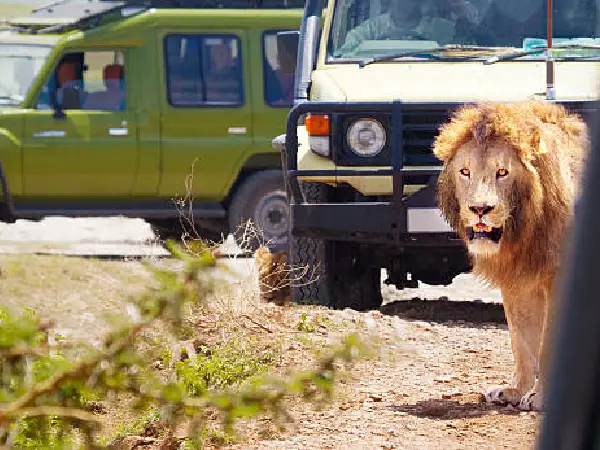
Ngorongoro Crater Game Drive
A game drive on the Ngorongoro Crater floor is the highlight of most visits. The crater’s diverse habitats provide opportunities to see lions, elephants, buffaloes, zebras, wildebeest, hippos, hyenas, and endangered black rhinos.
Wildlife Photography and Birdwatching
The concentration of wildlife and dramatic crater scenery make Ngorongoro Crater an excellent destination for photography. Birdwatchers can also look for flamingos and many other species around the crater’s lakes, wetlands, and grasslands.
Maasai Cultural Experiences
Visitors can learn about the traditions and daily lives of Maasai communities living within the wider Ngorongoro Conservation Area. Depending on the experience arranged, travelers may learn about traditional homes, livestock keeping, crafts, music, and local customs.
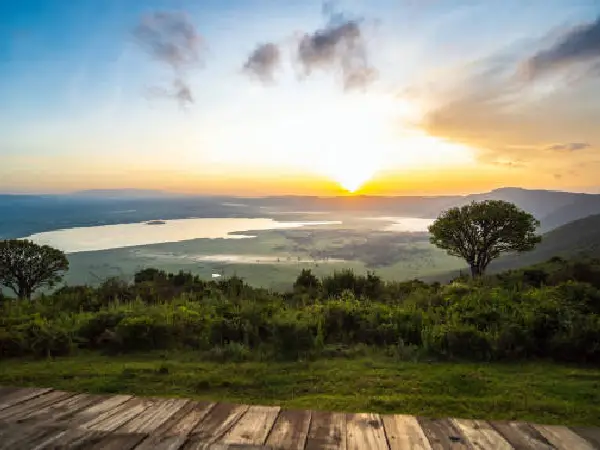
Scenic Views, Nature Walks and Hiking
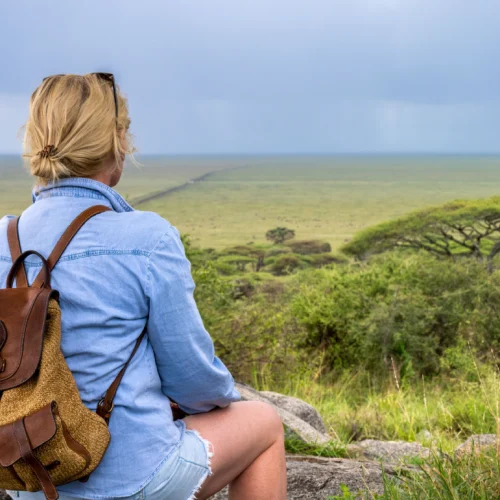
The Ngorongoro Crater rim offers spectacular views across the caldera and surrounding highlands. Guided nature walks and hiking experiences may also be available in permitted areas, offering a different way to appreciate the landscape beyond a traditional game drive.
Nearby Attractions
Ngorongoro can be combined with visits to Olduvai Gorge, an important archaeological site, and Empakai Crater, known for its scenic landscape and hiking opportunities. Many travelers also combine Ngorongoro with the Serengeti, Lake Manyara, or Tarangire as part of a longer northern Tanzania safari.
Best Time to Visit Ngorongoro Crater
The best time to visit Ngorongoro Crater depends on what you want to experience, although the destination can be visited throughout the year. The dry season, generally from June to October, offers pleasant weather, clearer skies, and excellent conditions for wildlife viewing because animals are easier to spot around water sources and shorter vegetation.
The wet seasons bring greener landscapes, fewer visitors, and excellent opportunities for birdwatching and photography, with migratory and resident birds adding color to the crater. July to October is typically a popular period for safari travelers, while the wetter months can offer a quieter and often more affordable experience. For wildlife viewing, the dry months are ideal; for lush scenery and birdwatching, the rainy seasons can be particularly rewarding. December to February can also be a good period for combining wildlife viewing with the wider northern Tanzania safari circuit.
How to Get to Ngorongoro Crater
Getting to Ngorongoro Crater is relatively straightforward, especially as it is part of Tanzania’s popular northern safari circuit. From Arusha, the crater is usually reached by road in a safari vehicle or private transfer, making it easy to combine with other destinations. Travelers arriving at Kilimanjaro International Airport can arrange a road transfer to Arusha before continuing to Ngorongoro. If you are already on safari, Ngorongoro can be reached by road from the Serengeti, Lake Manyara, or Tarangire, making it convenient to include in a multi-day itinerary. Safari vehicles are the most common option for exploring the area, while private transfers offer greater flexibility.
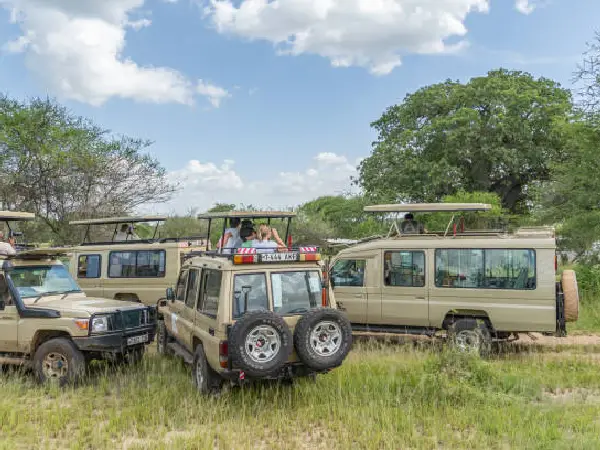
Travelers can also fly to nearby airstrips and continue by road, although availability and schedules should be confirmed in advance. If driving yourself, check current road conditions, entry requirements, and conservation area regulations before your journey.
Where to Stay When Visiting Ngorongoro Crater
Finding the right place to stay can make your Ngorongoro Crater experience even more enjoyable. There are different types of accommodation available, ranging from comfortable luxury lodges to simple campsites. Your choice will depend on your budget, comfort, and the kind of safari experience you want.
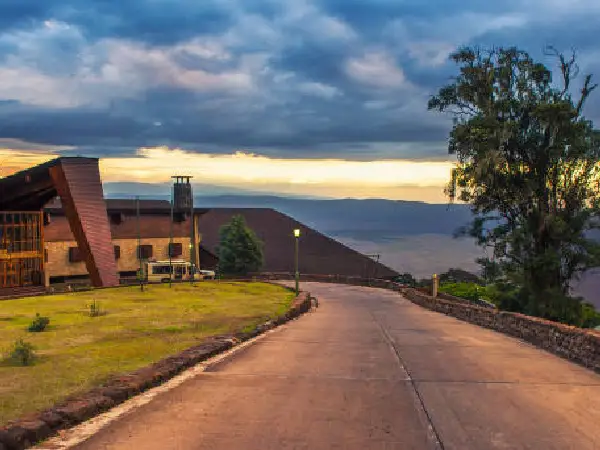
Luxury Lodges – For a Special Experience
If you want comfort and beautiful views, luxury lodges are a great choice. Many are located around the crater rim, giving visitors amazing views of the surrounding landscape. They usually offer comfortable rooms, restaurants, warm hospitality and other facilities. Luxury accommodation is ideal for travelers who want to relax after a long day of exploring.
Mid-Range Safari Lodges and Camps – Comfort at a Reasonable Price
For travelers who want a balance between comfort and cost, mid-range lodges and safari camps are a good option. These accommodations usually provide comfortable rooms or tents, meals and basic facilities while keeping prices more affordable than luxury lodges. They are a popular choice for couples, families and first-time safari visitors.
Budget Accommodation – Save Money and Explore More
Travelers on a smaller budget can choose affordable guesthouses, lodges or accommodation in nearby towns and villages. Staying farther from the crater can sometimes help reduce accommodation costs. This option allows you to spend more of your budget on activities and other parts of your Tanzania trip.
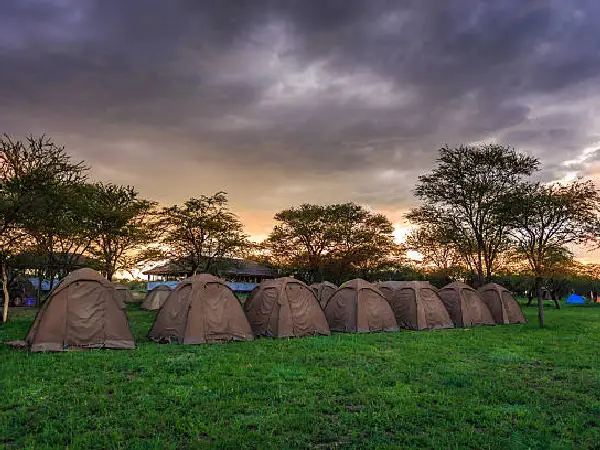
Campsites – For an Authentic Safari Experience
For adventurous travelers, camping can be an exciting way to experience the natural surroundings. Campsites offer a simpler experience and allow visitors to spend the night closer to nature. Depending on the campsite, facilities may be basic, so it is important to check what is provided before booking.
Which Accommodation Should You Choose?
Your choice mainly depends on your travel style:
| Budget | Accommodation | Best for |
|---|---|---|
| High | Luxury lodges | Comfort and unforgettable views |
| Medium | Safari lodges & camps | Comfort at a reasonable price |
| Low | Budget lodges & guesthouses | Saving money |
| Adventure | Campsites | Travelers who love nature |
Final tip: If this is your first visit to Ngorongoro, staying near the crater can save you travel time and allow you to start your safari early. Whichever option you choose, book your accommodation in advance, especially during busy travel seasons.
What to Pack for a Trip to Ngorongoro Crater
Packing the right things can make your trip to Ngorongoro Crater much more comfortable and enjoyable. Before starting your safari, make sure you have everything you need for the day.
Camera: Bring a camera or smartphone to capture the beautiful landscapes and wildlife. You may have the chance to see lions, elephants, zebras and other animals, so keep your camera ready.
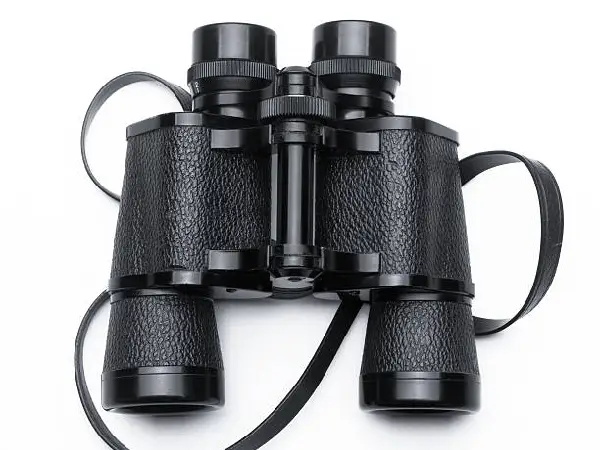
Binoculars: Binoculars are useful when animals are far away. They allow you to see wildlife more clearly without getting too close to the animals.
Sunscreen and a hat: The sun can be strong during the day, so sunscreen can help protect your skin. A hat can also provide protection from the sun.
Comfortable shoes: If you plan to walk around your accommodation or take part in activities outside the vehicle, comfortable shoes are important.

Light jacket: Mornings around Ngorongoro can be cold, especially because of the crater’s high elevation. A light jacket or warm sweater can help keep you comfortable before the day becomes warmer.
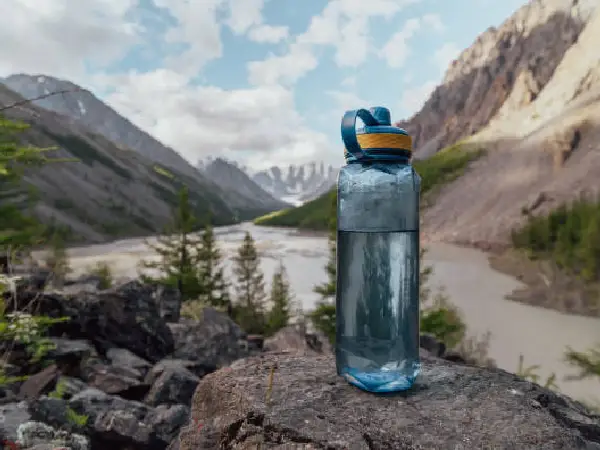
Water bottle: Carry enough drinking water to stay hydrated during your safari, especially when spending several hours outdoors.
Insect repellent: Insect repellent can help protect you from mosquito bites and other insects, particularly around camps and lodges.
Phone and charger: Your phone can be useful for taking photos, staying in contact with family, checking information and handling emergencies. Remember to bring your charger or a power bank.
Extra camera batteries: A safari can last several hours, and taking many photographs can quickly use your battery. Carrying an extra battery or power bank helps ensure you don’t miss an exciting wildlife mo

Quick Packing Checklist
- Camera or smartphone
- Binoculars
- Sunscreen
- Hat
- Comfortable shoes
- Light jacket
- Reusable water bottle
- Insect repellent
- Phone and charger
- Extra camera batteries or power bank
Tip: Pack light and keep your important items easy to reach. You don’t want to be searching through your bag just when a lion appears in the distance!
Common Mistakes Tourists Make at Ngorongoro Crater
A visit to Ngorongoro Crater can be an unforgettable experience, especially when you see lions, elephants, zebras, buffaloes and other wildlife in their natural environment. However, first-time visitors sometimes make mistakes that can affect their safety and the experience of others. Here are some common mistakes to avoid when visiting the crater.
1. Getting Too Close to Wildlife
One of the biggest mistakes tourists make is forgetting that the animals are wild. Seeing a lion or elephant up close can be exciting, but visitors should never try to approach an animal or leave the safari vehicle without permission. It is always safer to keep a respectful distance and listen to the safari guide.
2. Making Too Much Noise
It is easy to get excited when you spot an animal, but shouting, playing loud music or making sudden noises can disturb wildlife. Keeping quiet also gives you a better chance of watching animals behaving naturally.
3. Trying to Feed the Animals
Some tourists may be tempted to give food to animals, but this should never be done. Wild animals need to find their own food, and feeding them can change their natural behavior and create dangerous situations.
4. Forgetting Warm Clothes
Many people imagine Tanzania as being hot all the time. However, the area around Ngorongoro can be quite cool, particularly in the early morning. Bringing a light jacket or warm clothing can make your safari much more comfortable.
5. Littering
Leaving plastic bottles, food wrappers or other rubbish behind is another mistake visitors should avoid. The crater is a beautiful natural environment, and every tourist has a responsibility to help keep it clean.
6. Ignoring the Guide’s Instructions
Your safari guide knows the area, the wildlife and the safety rules. Ignoring their instructions can put you and others at risk. Always listen carefully and follow the guidance given during the safari.
7. Focusing Only on Taking Photos
Taking photographs is a great way to remember your trip, but don’t spend the entire safari looking through your camera. Sometimes the best part of visiting Ngorongoro is simply putting the camera down and enjoying the wildlife and scenery with your own eyes.
8. Not Respecting Local Communities
Ngorongoro is not only about wildlife. Local communities have a strong connection to the area. Tourists should be respectful when interacting with local people, asking permission before taking photographs and learning about local customs and traditions.
Final Thoughts
Avoiding these simple mistakes can make your Ngorongoro Crater experience safer, more enjoyable and more responsible. The goal is not just to see the wildlife, but to appreciate the natural environment and leave it as beautiful as you found it. A respectful visitor can enjoy an incredible safari while also helping protect Ngorongoro for future generations.
Frequently Asked Questions About Ngorongoro Crater
1. Where is Ngorongoro Crater located?
Ngorongoro Crater is located in northern Tanzania, within the Ngorongoro Conservation Area. It is a popular destination for travelers visiting Tanzania for wildlife and safari experiences.
2. What can I see at Ngorongoro Crater?
Visitors can see a wide variety of wildlife, including lions, elephants, zebras, wildebeest, buffaloes, hippos, hyenas and gazelles. The area is also home to many different bird species.
3. What is the best time to visit Ngorongoro Crater?
Ngorongoro can be visited throughout the year. The best time depends on what you want to experience. The dry months can make wildlife viewing easier, while the rainy seasons bring green landscapes and beautiful scenery.
4. How many days do I need at Ngorongoro Crater?
Many visitors spend one or two days exploring the crater, although you can stay longer if you want to explore more of the surrounding Ngorongoro Conservation Area.
5. Is Ngorongoro Crater safe for tourists?
Yes, Ngorongoro is a popular safari destination, but visitors should always follow their guide’s instructions. Do not approach wild animals, feed them, or leave the safari vehicle where it is not permitted.
6. Where can I stay when visiting Ngorongoro Crater?
There are different accommodation options, including luxury lodges, mid-range lodges, safari camps, budget accommodation and campsites. Your choice will depend on your budget and preferred level of comfort.
7. What should I pack for a Ngorongoro safari?
It is useful to bring comfortable clothing, a light jacket, sunscreen, a hat, comfortable shoes, binoculars, a camera, drinking water, insect repellent and a phone or camera charger.
8. How much does a trip to Ngorongoro Crater cost?
The cost varies depending on your accommodation, transportation, safari vehicle, guide, conservation fees, food, number of days and the season you visit. It is best to check current prices before booking because tourism fees can change.
9. Can children visit Ngorongoro Crater?
Yes, families can visit Ngorongoro Crater. However, parents should make sure children understand the importance of staying close to adults, following the guide’s instructions and respecting the wildlife.
10. Why should I visit Ngorongoro Crater?
Ngorongoro Crater offers a unique opportunity to experience wildlife, spectacular landscapes and the natural beauty of Tanzania in one destination. For many travelers, seeing wild animals in such a remarkable setting makes Ngorongoro a memorable part of a Tanzania safari.
Plan Your Ngorongoro Crater Adventure with Crystal Tours Kenya
Ngorongoro Crater is one of Tanzania’s most remarkable safari destinations, offering incredible wildlife, breathtaking landscapes, and unforgettable game-drive experiences. From spotting lions, elephants, zebras, buffaloes, and rhinos to enjoying the spectacular views of the crater, there are countless experiences waiting to be discovered.
At Crystal Tours Kenya, we make planning your Ngorongoro Crater safari simple by helping you create a trip that matches your interests, budget, and travel plans. Whether you are looking for a family safari, romantic getaway, wildlife photography trip, weekend adventure, or a customized Tanzania safari itinerary, our travel experts are ready to help you discover the best of Ngorongoro Crater and beyond.
Ready to Plan Your Ngorongoro Crater Safari?
Have questions about your Ngorongoro Crater trip, accommodation, transport, safari packages, or customized itinerary? Contact Crystal Tours Kenya today and let our experienced travel team help you plan a smooth and memorable safari from start to finish.
Crystal Tours Kenya
📍 Office: Vision Towers, Muthithi Rd, Westlands, Nairobi, Kenya
📞 Call/WhatsApp: +254 727 039 513
📧 Email: info@crystaltourskenya.com
Whether you’re planning a Ngorongoro Crater safari or a longer Tanzania adventure, we’re here to help turn your travel ideas into unforgettable experiences.
Your Ngorongoro Crater adventure starts here — contact Crystal Tours Kenya today!