Summary
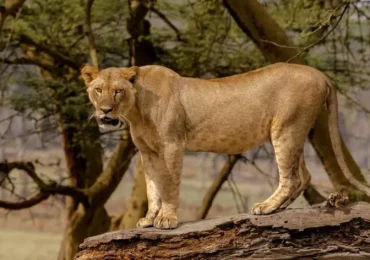
When most people hear the words Maasai Mara, they immediately picture golden savannahs, lions resting beneath acacia trees, huge herds of wildebeest crossing the Mara River and safari vehicles watching elephants, cheetahs and giraffes in the distance. The Maasai Mara is undoubtedly one of Kenya’s most famous safari destinations, but there is far more to discover than the boundaries of the main reserve.
A complete Maasai Mara safari can take you through the famous Maasai Mara National Reserve, the dramatic Mara Triangle, privately managed wildlife conservancies, Maasai community lands, forested landscapes and spectacular viewpoints. Beyond the traditional safari circuit, Narok County opens the door to places such as Lemek, Olare Orok, Siana, Oloisinyai, Loita Hills, Loita Forest and Mount Suswa. These areas reveal another side of Kenya, where wildlife conservation, Maasai culture, forests, mountains, traditional pastoralism and adventure come together.
This makes a Maasai Mara and Narok travel guide much more than a list of game drives. It is an introduction to one of Kenya’s most fascinating landscapes and the communities that have lived alongside wildlife for generations.
Whether you are planning your first Maasai Mara safari Kenya, a family holiday, a luxury safari, a honeymoon, a photography trip or a longer exploration of Narok County, this guide will help you understand where to go, what to see, what to do and how to plan a memorable journey.
Where Are Maasai Mara and Narok?
The Maasai Mara National Reserve is located in southwestern Kenya within Narok County. It forms part of the enormous Mara-Serengeti ecosystem that stretches across Kenya and northern Tanzania.
The reserve covers approximately 1,510 square kilometres, but the wildlife landscape surrounding it extends considerably farther through a network of community conservancies and conservation areas. This wider region is commonly referred to as the Greater Maasai Mara ecosystem.
Narok Town is the administrative centre of Narok County and an important gateway to the Maasai Mara. Travellers driving from Nairobi commonly pass through Narok before continuing towards the Mara. However, Narok should not simply be viewed as a place to refuel before heading to the reserve.
Narok County contains a remarkable variety of landscapes, from the open plains around the Mara to forests, escarpments, hills, volcanic formations and traditional Maasai settlements. This diversity makes it possible to combine a classic Maasai Mara safari with cultural, hiking, nature and adventure experiences.
The History of Maasai Mara and Narok
The history of the Maasai Mara is closely connected with the Maasai people and their traditional relationship with the land. For generations, Maasai communities have used the wider landscape for pastoralism, moving livestock according to the availability of water and pasture.
The name “Mara” is commonly associated with the Maa word describing the landscape as spotted or patterned, reflecting the appearance created by scattered trees, shrubs, shadows and open grassland.
As wildlife conservation developed in Kenya, parts of this ecosystem were progressively protected for wildlife and tourism. The Maasai Mara became one of Kenya’s most important wildlife destinations, attracting travellers from across the world.
The story of the Mara, however, did not end with the creation of the reserve. Increasing recognition of the importance of community land led to the development of wildlife conservancies around the reserve. These conservancies created a model in which local landowners could benefit financially from wildlife conservation while maintaining important habitats and wildlife corridors.
Today, the wider Greater Mara landscape contains numerous conservancies involving thousands of landowners. The conservancy model has become one of the most important developments in the modern history of the Maasai Mara because wildlife does not recognize reserve boundaries.
Animals move between the national reserve, conservancies, forests, grazing areas and other community lands. Protecting only the reserve would therefore leave many important wildlife habitats and migration routes vulnerable.
The Geography and Landscape of the Maasai Mara
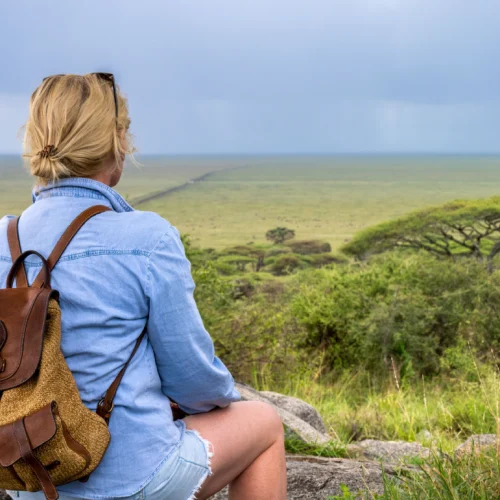
The scenery of the Maasai Mara is one of the major reasons travellers return again and again. The landscape is dominated by wide grasslands, rolling hills, seasonal streams, riverine vegetation and scattered acacia trees.
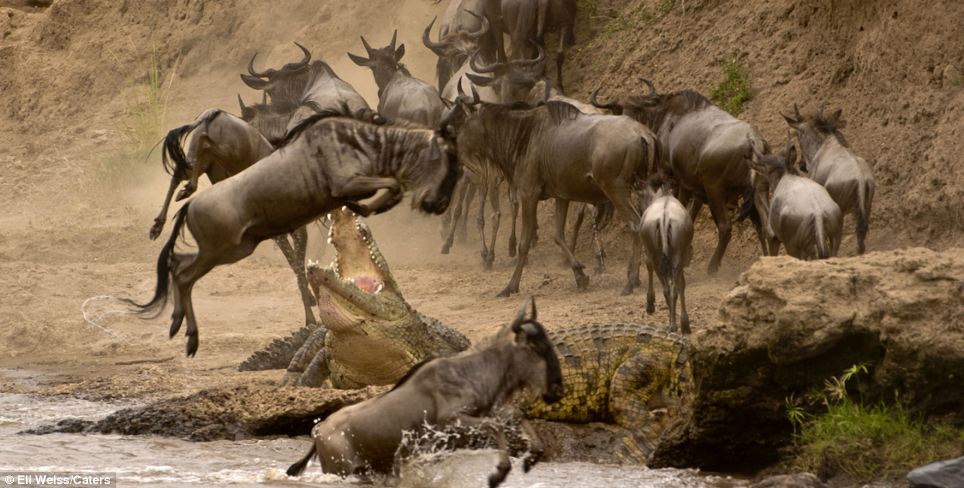
The Mara River is one of the most important geographical features in the ecosystem. It provides water for wildlife and becomes especially famous during the Great Wildebeest Migration when huge herds attempt to cross the river.
The western side of the Mara is dramatically shaped by the Siria or Oloololo Escarpment, which rises above the plains and provides some of the most spectacular viewpoints in the region.
Towards the east and north, the landscape changes into community conservancies, hills, woodland, seasonal rivers and traditional Maasai rangelands.
Further away from the classic safari plains are the Loita Hills and Loita Forest, which provide a completely different experience from the open savannah. To the northeast, Mount Suswa introduces another volcanic landscape characterized by dramatic rock formations, caves and a huge caldera.
This geographical diversity is one of the strongest reasons to explore Narok beyond the traditional safari route.
Why Visit Maasai Mara and Narok?
The biggest attraction is, of course, wildlife. The Maasai Mara offers exceptional opportunities to see lions, leopards, cheetahs, elephants, buffalo, giraffes, zebras, wildebeest, hippos, crocodiles and many other species.
However, wildlife is only one part of the experience.
A visit to the Mara can also introduce you to Maasai culture, community conservation, walking safaris, night drives in selected conservancies, bush breakfasts, birdwatching, photography and luxury wilderness experiences.
Narok adds another dimension through places such as Loita Hills, Loita Forest and Mount Suswa. These destinations are ideal for travellers who want hiking, landscapes, cultural experiences and less conventional adventures alongside their safari.
For repeat visitors to Kenya, this wider approach can be particularly rewarding. Instead of returning simply for another game drive, you can explore a different part of the Mara ecosystem and experience the region from another perspective.
Maasai Mara National Reserve
The Maasai Mara National Reserve remains the heart of the region’s safari experience. It is one of the world’s most celebrated wildlife destinations and forms the northern section of the Mara-Serengeti ecosystem.
The reserve is famous for its extraordinary concentrations of wildlife and its open landscapes, which make animals relatively easy to observe.
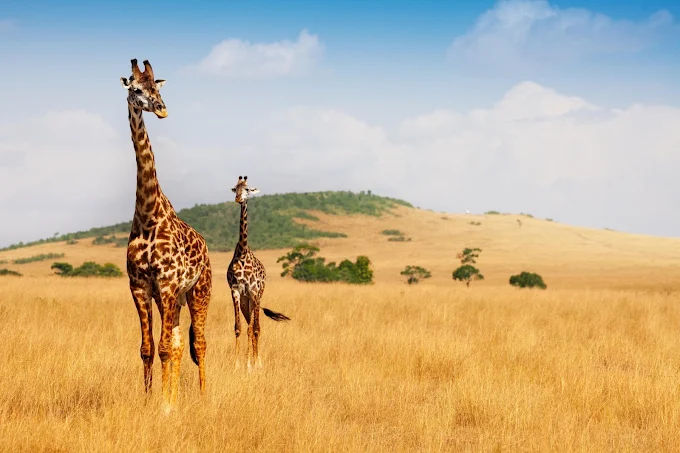
A typical game drive may reveal large herds of zebra and wildebeest, giraffes moving across the plains, elephants feeding beneath trees, buffalo gathering near water and predators watching from the grass.
The reserve is particularly famous for big cats. Lions are commonly encountered, while cheetahs can often be found hunting or resting in open grassland. Leopards are more elusive and usually require patience and an experienced guide.
The Mara is also home to many antelope species, hippos, crocodiles, hyenas, jackals and an impressive variety of birds.
For a first-time visitor, the national reserve is an essential part of a Maasai Mara safari Kenya itinerary. But it should not be the only place you consider.
The Mara Triangle
The Mara Triangle deserves its own place on almost every serious Maasai Mara itinerary.
Located on the western side of the Maasai Mara National Reserve, the Mara Triangle covers approximately 510 square kilometres. It is defined by the Mara River, the Oloololo Escarpment and the international boundary with Tanzania, giving it the distinctive triangular shape from which it gets its name.
The landscape here is spectacular. The escarpment rises dramatically above the plains, while the Mara River cuts through the ecosystem below.
The Mara Triangle is renowned for excellent wildlife viewing and is an important part of the wider migration landscape. During migration season, large numbers of wildebeest and zebra move through the region, although the exact timing and location of animals varies from year to year.
The Triangle is also known for strong conservation and wildlife-management efforts. Its management model places significant emphasis on security, habitat protection, responsible tourism and cooperation with surrounding communities.
For photographers, the combination of open plains, escarpment views, riverine habitats and wildlife makes the Mara Triangle especially attractive.
A Mara Triangle safari can therefore feel different from a safari focused primarily on the eastern sections of the reserve. Travellers who have already visited the Mara can explore the Triangle to experience a different landscape and wildlife-viewing environment.
Lemek Conservancy
Lemek Conservancy is one of the important community conservation areas in the northern Maasai Mara ecosystem.
The conservancy represents the growing role of community-owned and community-managed land in protecting wildlife outside the national reserve. Rather than viewing conservation as something that happens only inside a national park, Lemek demonstrates how local landowners can participate directly in protecting wildlife habitat.
The landscape combines open grasslands, bushland and wildlife corridors. The area is particularly important because animals move through the wider northern Mara landscape rather than remaining inside the reserve.
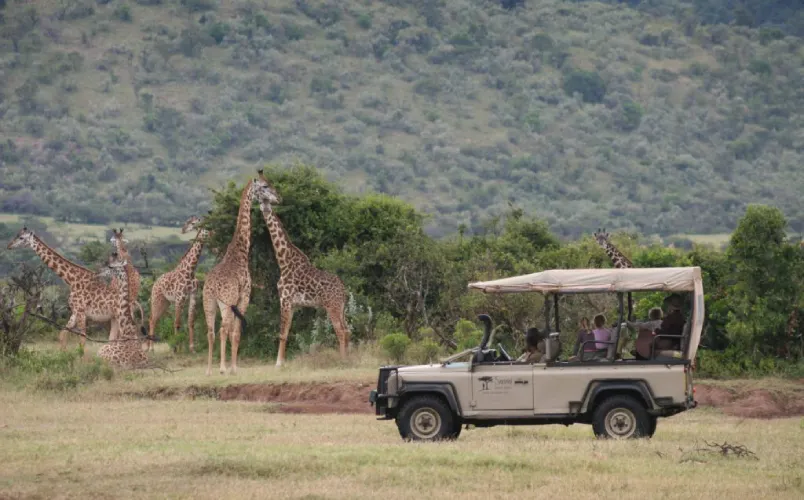
Lemek can provide a more intimate safari atmosphere than some of the busier sections of the national reserve. Depending on the camp and conservancy arrangements, visitors may have access to experiences such as guided walks and night drives that are not normally available inside the national reserve.
This makes Lemek particularly attractive for travellers who want to combine traditional game viewing with a deeper understanding of community conservation.
A stay in Lemek Conservancy can also bring visitors closer to the communities whose land forms an essential part of the Greater Mara ecosystem.
Olare Orok Conservancy
For travellers looking for an exclusive and wildlife-rich safari experience, Olare Orok Conservancy is one of the most notable areas to consider.
The conservancy is located on the northern side of the Maasai Mara ecosystem and is known for its excellent wildlife habitat and high-quality safari experiences.
One of the major advantages of staying in a conservancy such as Olare Orok is the possibility of enjoying a quieter wilderness environment. There are generally fewer vehicles compared with the busiest areas of the main reserve, allowing guests to spend more time observing wildlife without the same concentration of safari vehicles.
The conservancy is especially attractive for travellers interested in big cats, elephants, giraffes, buffalo and other plains wildlife.
Olare Orok is also associated with high-end safari camps, making it an excellent choice for travellers seeking a luxury Maasai Mara safari.
The conservancy experience is about more than luxury, however. Its importance comes from the relationship between tourism, landowners, wildlife and habitat protection.
Siana Conservancy
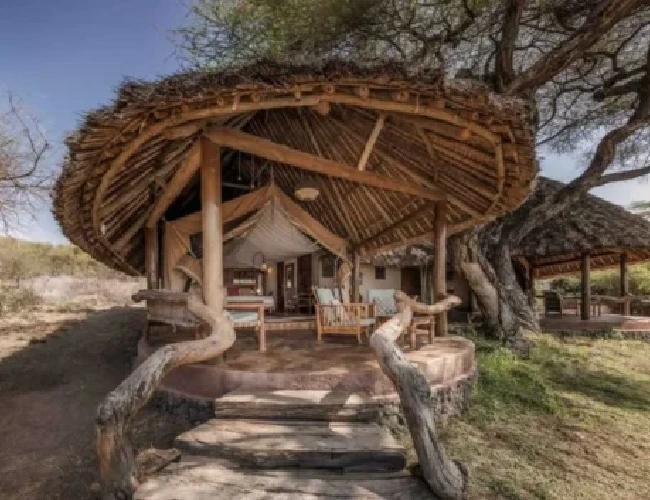
Located on the eastern side of the Maasai Mara ecosystem, Mara Siana Conservancy provides another excellent example of community-led conservation.
Siana developed through partnerships between Maasai landowners, conservation organizations and tourism partners. Today, the conservancy protects a large landscape that functions as wildlife habitat and a corridor beyond the boundaries of the national reserve.
The area supports a variety of wildlife, including elephants, giraffes, lions, leopards, cheetahs, buffalo, zebra, wildebeest, antelope and many bird species.
One of the most interesting aspects of Siana is the relationship between wildlife conservation and local communities. Landowners receive benefits through conservation agreements, while tourism contributes to employment and community development.
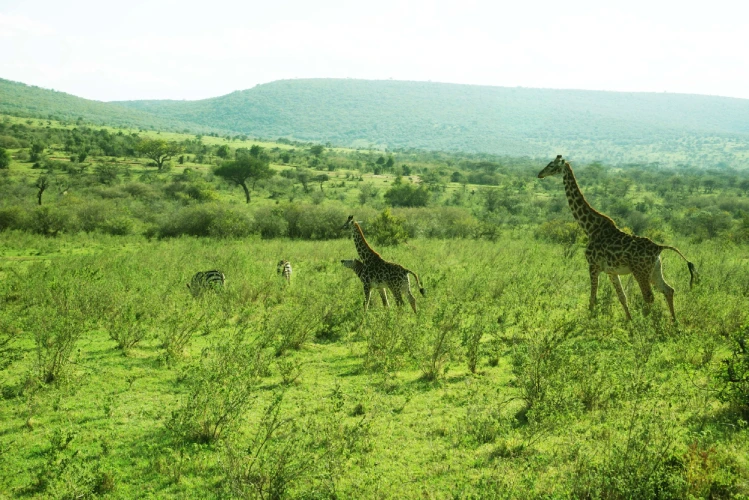
Visitors staying in or around Siana can experience the Mara away from some of the busiest safari routes. Depending on the accommodation and activities available, experiences may include game drives, guided walks, cultural visits and other community-based activities.
Siana is therefore an excellent option for travellers who want their Maasai Mara holidays to include conservation and community experiences.
Oloisinyai and the Eastern Mara Landscape
Oloisinyai and the surrounding eastern Mara landscape provide another opportunity to explore the wider ecosystem beyond the main reserve.
This part of the Mara is particularly interesting for travellers who want to understand how wildlife habitats connect with community land. The eastern side of the ecosystem contains a mixture of grassland, bushland, hills and settlement areas.
Wildlife movement through these landscapes is essential because animals regularly move between feeding grounds, water sources, breeding areas and safer habitats.
The surrounding community conservancies therefore perform an important ecological function. They create additional space where wildlife can move while also providing economic opportunities for landowners.
A visit to the eastern Mara can be especially rewarding when combined with cultural experiences. Travellers can learn about Maasai traditions, livestock keeping, beadwork, traditional homes and the changing relationship between communities and wildlife.
Other Important Maasai Mara Conservancies
The Mara contains far more conservancies than the few names most visitors hear about.
Among the wider network are Mara North, Mara Naboisho, Ol Kinyei, Enonkishu, Nashulai, Olarro, Oloisukut, Pardamat, Olderkesi, Olerai, Nyekweri and other conservation areas.
Each has its own landscape, management structure, tourism partners and community relationships.
Mara North is particularly well known for its large wilderness landscape and collection of safari camps.
Mara Naboisho has developed a reputation for combining excellent wildlife viewing with conservation and low-density tourism.
Ol Kinyei offers another example of community conservation and exclusive safari experiences.
Oloisukut, along the Siria Escarpment, is notable for its combination of grassland, woodland and forest habitats and its importance as a wildlife corridor.
Pardamat is also important because of its position within wildlife movement routes connecting different parts of the Greater Mara.
The important lesson is that the Maasai Mara is not one single safari destination. It is an interconnected landscape made up of the national reserve, the Mara Triangle, conservancies, community lands, forests, rivers and wildlife corridors.
Loita Hills
If you want to discover one of the less conventional sides of Narok County, make time for the Loita Hills.
The Loita Hills rise southeast of the Maasai Mara and provide a dramatic contrast to the open savannah plains.
The hills are characterized by rolling terrain, forest, valleys and traditional Maasai landscapes. The area has retained strong cultural connections and provides an opportunity to experience a part of Maasailand that feels considerably removed from the mainstream safari circuit.
Hiking is one of the best ways to explore the Loita Hills. Rather than sitting inside a safari vehicle all day, visitors can walk through the landscape, observe plants and birds, discover viewpoints and learn about the area’s traditional uses.
The hills are also important for wildlife movement. Elephants and other animals use parts of this broader landscape as they move between habitats.
For adventurous travellers, Loita Hills can become a completely different chapter of a Maasai Mara and Narok safari.
Instead of spending the entire holiday on game drives, you can combine several days of wildlife viewing with hiking, cultural experiences and nature exploration.
Loita Forest
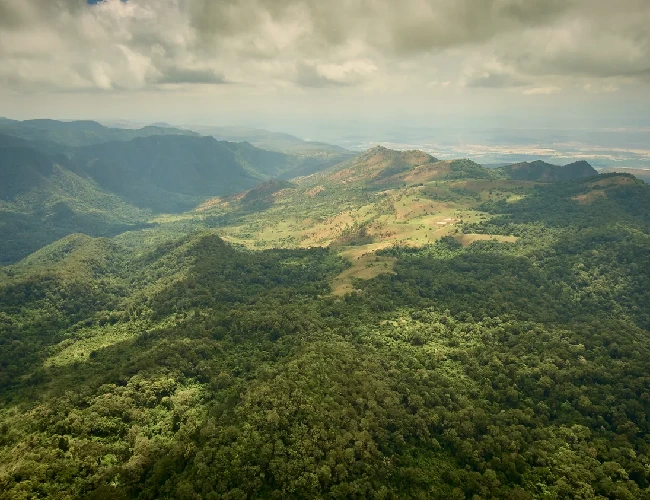
Hidden within the Loita Hills is the remarkable Loita Forest, one of the most culturally and ecologically significant forest landscapes in Narok County.
The forest is very different from the open grasslands of the Maasai Mara. Dense vegetation, ancient trees, cool temperatures, birdlife and winding trails create a completely different atmosphere.
Walking through Loita Forest allows visitors to experience the landscape slowly. Instead of focusing exclusively on large mammals, you begin to notice birds, insects, plants, trees, streams and signs of wildlife.
The forest is also deeply connected with the traditional Maasai communities of the Loita region.
For visitors interested in indigenous knowledge and culture, the forest provides an opportunity to learn about traditional relationships with plants, water, forests and sacred places.
Because forest ecosystems are sensitive environments, visits should be organized responsibly with local guides and communities.
A Loita Forest experience works particularly well for travellers looking for something beyond conventional Kenya safari holidays.
Mount Suswa
Another fascinating destination to add to a Narok itinerary is Mount Suswa, a dramatic volcanic mountain located in the Rift Valley landscape.
Mount Suswa is known for its enormous volcanic caldera, lava formations and extensive cave systems.
The mountain offers a completely different experience from the Maasai Mara. Instead of endless plains, visitors encounter volcanic rock, steep slopes, caves and elevated viewpoints.
Hiking is one of the main attractions. Depending on the route and conditions, visitors can explore sections of the mountain, enjoy views across the Rift Valley and discover the unusual volcanic formations.
The caves are among the most fascinating features of Mount Suswa. Some are associated with local traditions and wildlife, while the wider mountain supports a mixture of vegetation and animal species.
Mount Suswa is particularly suitable for adventure travellers, hikers, photographers and travellers who want to combine a Maasai Mara safari with Kenya’s geological and volcanic landscapes.
Because Mount Suswa stretches across the Narok and Kajiado region, it also provides an excellent way to understand the geographical diversity of the wider Rift Valley.
Best Places to Visit in Narok County
Narok County is much larger than the Maasai Mara. Travellers who have additional time can explore a range of destinations beyond the reserve.
Narok Town is an important starting point for understanding the county. It is a commercial and cultural centre where visitors can observe everyday life, local markets and the movement of people and livestock.
The Loita Hills are ideal for hiking, culture and nature.
Loita Forest provides forest walks, birdwatching and opportunities to learn about traditional ecological knowledge.
Mount Suswa is perfect for hiking, caves, volcanic landscapes and adventure.
The wider countryside around Narok also offers opportunities for cultural tourism, photography and scenic drives.
These destinations can turn a standard safari into a much broader Narok travel experience.
Things to Do in Maasai Mara
Go on a Game Drive
The classic game drive remains the most important activity in the Maasai Mara.
Early morning drives are especially rewarding because predators are often active before the heat of the day. The soft morning light is also excellent for photography.
Afternoon game drives provide another opportunity to explore the plains before sunset.
A full-day safari allows you to travel farther into the ecosystem, carry a picnic lunch and spend more time searching for wildlife.
Experience the Great Wildebeest Migration
The Great Wildebeest Migration is one of the greatest wildlife spectacles on Earth.
Hundreds of thousands of wildebeest, accompanied by zebra and other herbivores, move through the Mara-Serengeti ecosystem in search of fresh grazing.
The Mara is particularly famous for the river crossings that occur when herds encounter the Mara and other rivers.
However, migration timing is influenced by rainfall and grazing conditions. A responsible travel plan should therefore avoid guaranteeing a particular crossing on a particular day.
The migration is about much more than crossing scenes. The movement of enormous herds across the ecosystem affects predators, scavengers, birds and the entire food chain.
Take a Hot-Air Balloon Safari
A hot-air balloon safari offers one of the most memorable ways to experience the Mara.
As the balloon rises above the plains, the landscape appears completely different. Rivers, wildlife trails, herds and forests become visible from the air.
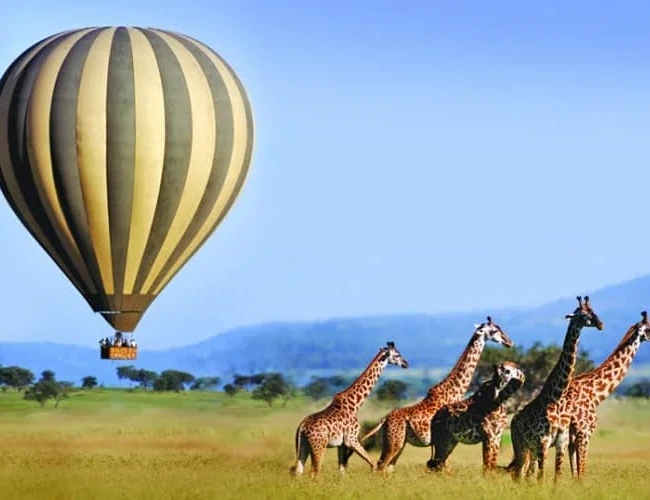
The experience usually takes place around sunrise and is followed by a bush breakfast.
Enjoy a Walking Safari
Walking experiences are particularly attractive in conservancies where they are permitted.
Walking changes the way you experience the environment. Instead of looking only for large animals, you begin noticing animal tracks, dung, insects, birds, plants and smaller signs of life.
Go on a Night Game Drive
Night drives are another major advantage of selected conservancies.
After sunset, the Mara becomes a different world. Nocturnal animals become active, while predators such as lions and leopards may behave differently from their daytime routines.
Night drives should always follow the rules of the relevant conservancy and be conducted with experienced guides.
Visit a Maasai Community
A cultural visit can provide valuable insight into the people whose land surrounds the Mara.
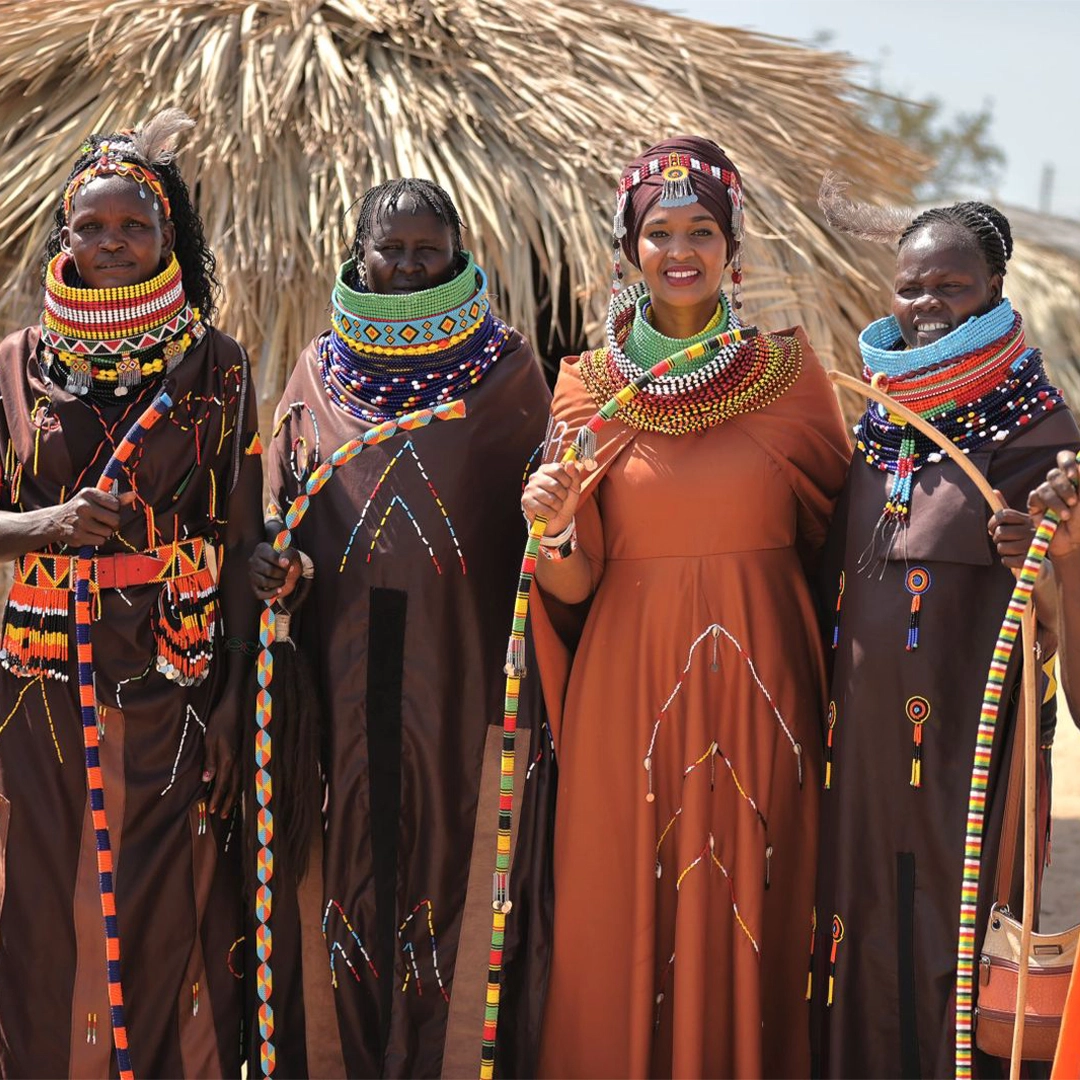
Visitors may learn about traditional homes, beadwork, livestock, songs, dances, food, history and contemporary Maasai life.
The best cultural experiences are those that are community-led and respectful rather than staged simply for photographs.
Things to Do in Loita Hills and Narok
Narok offers a completely different collection of activities.
You can hike through the Loita Hills, walk in Loita Forest, explore Mount Suswa’s volcanic landscape, visit local communities, experience Maasai culture, enjoy scenic drives and explore the countryside.
Travellers interested in photography will find enormous opportunities here because the landscapes change dramatically from one destination to another.
One morning you can be photographing elephants in the Mara and the following day you can be walking through a forest or standing above a volcanic caldera.
This variety makes Narok particularly valuable for travellers who have more than three or four days available.
Maasai Culture and Community Experiences
The Maasai are an essential part of the identity of Narok and the Mara region.
Traditional Maasai life has historically been closely associated with livestock, particularly cattle, goats and sheep. Today, communities are adapting to changing economic and environmental conditions while maintaining important cultural traditions.
Visitors can learn about Maasai beadwork, traditional homes, ceremonies, food, livestock keeping and local history.
Community conservancies have also created new economic opportunities through tourism. Landowners can receive lease payments, while conservation creates employment for guides, rangers and other local workers.
When planning a cultural experience, choose operators who work directly with communities and ensure that local people benefit from tourism.
Food to Eat in Maasai Mara and Narok
Food is another part of the travel experience.
Most safari camps and lodges serve a mixture of Kenyan and international cuisine. Meals may include nyama choma, grilled meats, vegetables, rice, potatoes, ugali, fresh salads, soups and locally inspired dishes.
Breakfasts at safari camps often include fresh fruit, eggs, bread, cereals and hot drinks.
Some luxury camps offer bush breakfasts in carefully selected locations where guests can enjoy a meal surrounded by the wilderness.
In Narok Town, visitors can experience a more everyday Kenyan food environment, including local restaurants and traditional dishes.
If you want to understand the destination beyond wildlife, trying local food is an easy way to connect with the culture.
Where to Stay in Maasai Mara and Narok
Budget Accommodation
Budget travellers can find campsites, simple tented camps and affordable lodges around the main access areas.
These options are useful for travellers who want to spend more of their budget on activities and game drives rather than accommodation.
However, location matters. A very cheap property far from the areas you want to explore may increase transport costs and reduce the amount of time available for safari.
Mid-Range Accommodation
Mid-range lodges and tented camps provide a balance between comfort and cost.
Many offer private rooms or tents, restaurants, hot showers, guided game drives and attractive views.
They are suitable for couples, families and first-time safari travellers.
Luxury Accommodation
Luxury safari camps focus on privacy, personalized service, excellent food and premium wilderness experiences.
Many are located within conservancies, giving guests access to quieter landscapes and activities such as walking safaris and night drives where permitted.
Conservancy Accommodation
For travellers who want a deeper experience, staying inside a conservancy can be one of the best choices.
The advantage is not simply the accommodation itself. Your stay contributes to a system in which tourism revenue supports landowners, conservation and local employment.
Lemek, Olare Orok, Siana, Mara North, Naboisho and other conservancies offer different experiences, so the best option depends on your interests and budget.
Best Time to Visit Maasai Mara and Narok
January and February
These months can offer excellent wildlife viewing, relatively warm weather and green landscapes.
They are often suitable for travellers who prefer a quieter safari experience compared with the peak migration period.
March to May
The long rains bring greener scenery and can produce dramatic landscapes.
Some roads may become challenging, particularly during heavy rainfall. Travellers should therefore choose accommodation and vehicles carefully.
The advantage is that the Mara can be quieter and photographers can enjoy beautiful skies and lush vegetation.
June
June can be an excellent transition period as the landscape begins moving toward the drier season.
Wildlife viewing can be very good, and visitor numbers may still be lower than during the busiest months.
July to October
This is the most famous period for the Great Wildebeest Migration and one of the busiest times to visit.
Large numbers of visitors arrive hoping to witness river crossings and enormous herds.
However, migration is controlled by natural conditions, not a tourist calendar. The exact location of the herds changes from year to year.
November and December
The short rains can refresh the landscape and produce beautiful green scenery.
Wildlife remains present throughout the ecosystem, and visitor numbers may be lower than during peak migration.
For travellers interested in photography, landscapes and a quieter atmosphere, this period can be very rewarding.
How to Get to Maasai Mara
From Nairobi by Road
Most travellers driving from Nairobi follow the route through the Great Rift Valley and Narok before continuing toward the Maasai Mara.
The journey can take approximately five to six hours or longer depending on traffic, weather, road conditions and the final destination within the Mara.
A road safari has the advantage of allowing you to see changing landscapes along the way.
By Air
Domestic flights operate from Nairobi and other destinations to several airstrips serving the Mara ecosystem.
Flying is convenient for travellers who have limited time or want to combine the Mara with another safari destination or the Kenyan coast.
Your accommodation can usually help arrange transfers from the relevant airstrip.
From Other Safari Destinations
The Mara can also be combined with destinations such as Lake Nakuru, Amboseli, Lake Naivasha, Samburu and the Kenyan coast.
The best route depends on how much time you have and whether you prefer road travel or domestic flights.
Road Safari vs Flying to Maasai Mara
Driving is ideal for travellers who enjoy road journeys and want to experience the countryside.
It also gives you flexibility to stop at viewpoints, towns and attractions along the route.
Flying saves time and is particularly attractive for luxury travellers, honeymooners and visitors with short itineraries.
For a longer holiday, a combination can work well. You could drive into the Mara and fly out, or use flights for the longest connections while exploring Narok by road.
How Many Days Should You Spend in Maasai Mara and Narok?
Two Days and One Night
This is suitable for travellers with very limited time.
You can have an afternoon game drive on arrival and an early morning game drive before departure.
However, this does not allow much time for exploring the wider Narok destinations.
Three Days and Two Nights
Three days is a much better minimum for a classic Maasai Mara safari.
You can enjoy several game drives without feeling rushed.
Four Days and Three Nights
Four days allows you to slow down and potentially combine the national reserve with a conservancy.
This is an excellent option for first-time visitors.
Five Days or More
Five or more days opens up the possibility of combining the Mara with conservancies, cultural experiences and Narok attractions.
You can spend several days on safari and then explore Loita Hills, Loita Forest or Mount Suswa.
For travellers interested in both wildlife and culture, this is one of the best approaches.
Approximate Maasai Mara Travel Expenses
The cost of a Maasai Mara holiday depends heavily on the season, accommodation, number of travellers, vehicle type and activities.
Your main expenses are likely to include:
- Park or conservation fees
- Accommodation
- Transport
- Safari vehicle and driver-guide
- Meals
- Domestic flights where applicable
- Cultural experiences
- Walking safaris
- Balloon safaris
- Tips and personal expenses
Budget travellers can reduce costs by travelling in groups and choosing affordable accommodation.
Mid-range travellers can achieve a comfortable safari without paying for the most exclusive camps.
Luxury travellers can choose private vehicles, premium camps, flights and specialized experiences.
Because fees and accommodation rates can change, it is best to request a current quotation when booking your safari.
What to Pack for Maasai Mara, Loita and Narok
Pack light, practical clothing suitable for both warm days and cool mornings.
Important items include:
- Comfortable walking shoes
- Light trousers and shirts
- Warm jacket or fleece
- Hat
- Sunglasses
- Sunscreen
- Insect repellent
- Binoculars
- Camera
- Extra batteries or power bank
- Reusable water bottle
- Small day bag
- Personal medication
- Lightweight rain jacket
- Neutral-coloured clothing
If you plan to hike in Loita Hills, Loita Forest or Mount Suswa, bring proper hiking shoes and clothing rather than relying only on standard safari footwear.
First-Time Maasai Mara Travel Tips
Book early if you are travelling during the busiest migration months.
Choose your accommodation based on the areas you actually want to explore. Staying in the wrong part of the ecosystem can mean spending considerable time driving to the places you want to visit.
Consider spending at least one night in a conservancy if your budget allows.
Do not plan your entire trip around seeing one specific animal. Wildlife is unpredictable, and some of the best safari moments happen unexpectedly.
Use a knowledgeable guide. An experienced guide can identify animal tracks, understand wildlife behaviour and know the roads and habitats.
If you are visiting during migration season, remember that sightings cannot be guaranteed. Nature does not follow an exact itinerary.
Most importantly, give yourself enough time. The Mara is not a destination that should be rushed.
Safety and Safari Etiquette
Always listen to your safari guide.
Do not leave the vehicle unless your guide confirms that it is safe and permitted.
Never approach or feed wildlife.
Keep your voice low around animals.
Do not pressure guides to drive dangerously or leave designated tracks simply to get a closer photograph.
Respect other safari vehicles and visitors.
When visiting Maasai communities, ask before taking photographs of people.
In conservancies and community areas, remember that the landscape is also home to people and livestock. Respect local customs and private property.
Responsible Tourism in Maasai Mara and Narok
Responsible tourism is essential to the future of the Mara.
Wildlife conservation depends on maintaining habitats and ensuring that communities living alongside wildlife receive meaningful benefits.
One of the strongest examples is the growth of community conservancies. Landowners lease or dedicate land for conservation, while tourism provides revenue, employment and other community benefits.
Travellers can support this model by choosing reputable camps and tour operators, respecting wildlife rules and participating in community-led experiences.
Avoid purchasing wildlife products or souvenirs made from protected species.
Reduce plastic waste and use refillable water bottles where possible.
Follow designated roads and trails.
Support locally owned businesses, guides, craftspeople and community initiatives.
When visiting Loita Forest and other sensitive natural areas, stay with local guides and avoid damaging vegetation.
A successful safari should benefit not only the traveller but also the people and ecosystems that make the experience possible.
Maasai Mara for Families
The Mara can be an excellent family destination when the itinerary is planned carefully.
Families can choose comfortable lodges or tented camps, private safari vehicles and shorter game drives suited to children’s attention spans.
Cultural experiences can also help children understand conservation and Kenyan culture.
For older children, walking safaris in suitable conservancies can be educational and exciting.
Families staying longer can combine the Mara with easier nature experiences before attempting more demanding activities such as Loita Hills or Mount Suswa.
Maasai Mara for Honeymoons and Luxury Travel
The Maasai Mara is one of Kenya’s most romantic safari destinations.
Luxury camps in conservancies can offer private tents, beautiful views, bush dinners, sundowners, spa treatments and personalized safari experiences.
Couples can combine game drives with a hot-air balloon safari, private bush breakfast and cultural experiences.
For a honeymoon itinerary, consider staying in a luxury conservancy rather than spending the entire trip inside the national reserve.
The quieter atmosphere can provide greater privacy while still offering excellent wildlife viewing.
Photography in Maasai Mara, Loita and Suswa
The Mara is a dream destination for photographers.
Early mornings provide soft light and active wildlife, while late afternoons create dramatic golden landscapes.
Use a telephoto lens for wildlife and a wider lens for landscapes.
Do not forget to photograph the environment itself. The Mara is not only about close-up animal portraits. Acacia trees, hills, clouds, rivers, silhouettes and long grass can create some of the most memorable photographs.
The Mara Triangle is particularly attractive for landscape photography because of the Oloololo Escarpment.
Loita Hills offers opportunities for mountain and cultural photography.
Loita Forest is ideal for atmospheric forest images, birds and plants.
Mount Suswa provides dramatic volcanic landscapes and panoramic views.
Maasai Mara National Reserve vs Mara Conservancies
The national reserve offers classic safari experiences and access to some of the Mara’s most famous wildlife areas.
Conservancies provide another model of conservation and can offer more exclusive experiences, fewer vehicles and activities such as walking and night drives where permitted.
Neither experience completely replaces the other.
For a first visit, combining the reserve with a conservancy can provide the best understanding of the Mara.
You get the famous wildlife landscapes of the reserve while also experiencing how community conservation works beyond its boundaries.
Maasai Mara vs Loita Hills and Loita Forest
These destinations serve different purposes.
The Maasai Mara is primarily a wildlife and safari destination.
Loita Hills is better suited to hiking, cultural experiences, scenery and nature exploration.
Loita Forest provides a forest ecosystem and deeper cultural connection with the Loita Maasai.
Combining them creates a much richer holiday because you experience both the famous safari landscapes and the less-visited cultural and natural landscapes of Narok.
Maasai Mara vs Mount Suswa
The Mara and Mount Suswa are also dramatically different.
The Mara is dominated by grasslands and wildlife.
Mount Suswa is a volcanic landscape of calderas, caves, rocks and hiking trails.
If you have already visited the Mara and want something different, Suswa can be an excellent addition to a Narok itinerary.
For adventure travellers, combining safari with Mount Suswa creates a holiday that includes both wildlife and geology.
Why You Should Explore More Than the Main Reserve
One of the biggest mistakes visitors make is thinking that a Maasai Mara trip means spending every day inside the national reserve.
The wider ecosystem tells a much bigger story.
The Mara Triangle reveals the western side of the reserve and the dramatic Oloololo Escarpment.
Lemek demonstrates the importance of community conservation.
Olare Orok offers exclusive wildlife experiences and important habitat.
Siana demonstrates how landowners and tourism can work together to protect wildlife corridors.
Oloisinyai and the eastern Mara reveal another side of community land and wildlife movement.
Loita Hills introduces mountain landscapes and traditional Maasai culture.
Loita Forest provides a rare forest experience and deeper ecological and cultural encounters.
Mount Suswa introduces the volcanic side of Narok and the Rift Valley.
Together, these places show why Narok should be considered a destination in its own right rather than simply a road leading to the Maasai Mara.
7 Frequently Asked Questions About Maasai Mara and Narok
1. What is the best time to visit Maasai Mara?
The best time depends on what you want to experience. July to October is especially popular because of the Great Wildebeest Migration, while January and February can offer excellent wildlife viewing with fewer visitors. November and December provide greener landscapes, while the rainy season can be attractive for photographers and travellers looking for lower visitor numbers.
2. How many days do I need in Maasai Mara?
Three days and two nights is a good minimum for a classic safari. Four to five days is better if you want to explore different areas, stay in a conservancy and include cultural experiences.
3. Can I visit Maasai Mara conservancies?
Yes. Several conservancies surrounding the reserve offer safari accommodation and activities. The exact experiences depend on the conservancy and accommodation you choose.
4. Is Mara Triangle worth visiting?
Absolutely. The Mara Triangle offers excellent wildlife viewing, dramatic scenery around the Oloololo Escarpment and the Mara River, and a strong conservation-management model.
5. Can I visit Loita Hills during a Maasai Mara safari?
Yes, particularly if you have additional days. Loita Hills is best added to a longer Narok itinerary because hiking and cultural experiences require more time than a standard game drive.
6. Is Loita Forest open to tourists?
The forest can be explored through appropriate local arrangements and guided experiences. Because it is a sensitive ecological and cultural landscape, visitors should use knowledgeable local guides and follow conservation guidelines.
7. Can I combine Maasai Mara, Loita Hills and Mount Suswa?
Yes. A longer itinerary can combine all three, although the route and activities should be planned carefully. This type of trip is ideal for travellers who want a combination of wildlife, culture, hiking, forests and volcanic landscapes rather than a conventional safari alone.
Start Planning Your Ultimate Masai Mara Luxury Safari
If you’ve been dreaming of waking up to sweeping savannah views, encountering the Big Five on expertly guided game drives, and returning each evening to refined comfort, the Ritz-Carlton Masai Mara promises an experience unlike any other.
Whether you’re planning a once-in-a-lifetime honeymoon, an unforgettable family adventure, or an exclusive wildlife photography expedition, this extraordinary retreat offers the perfect blend of elegance, personalized service, and authentic safari experiences.
Ready to experience the magic of the Masai Mara in unparalleled luxury?
Contact Crystal Tours Kenya today to create a tailor-made itinerary that includes The Ritz-Carlton Masai Mara Safari Camp, along with Kenya’s most iconic destinations. Let us help you design a journey that exceeds every expectation and leaves you with memories to treasure for a lifetime.