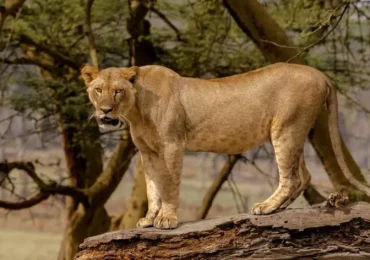
The Ultimate Tsavo East Travel Guide is one of Kenya’s most remarkable safari destinations, offering vast open plains, dramatic landscapes, powerful rivers, ancient rock formations, and some of the country’s most iconic wildlife. Covering a huge wilderness area in southeastern Kenya, the park is famous for its red-dust elephants, lions, buffaloes, giraffes, zebras, antelopes, and an impressive variety of birdlife. Yet Tsavo East is much more than a place to see animals. Its landscapes tell their own story, from the enormous Yatta Plateau and the winding Galana River to the spectacular Lugard Falls and the viewpoints around Mudanda Rock.
The park also provides access to fascinating destinations outside the main wildlife-viewing circuits. Voi serves as an important gateway to Tsavo East, while attractions such as Aruba Dam, Ngutuni Wildlife Conservancy, Mudanda Rock, and the Galana River provide different perspectives of the Tsavo ecosystem. Whether you are planning your first Kenyan safari, combining Tsavo with the coast, or looking for a quieter alternative to some of Kenya’s busier parks, Tsavo East offers an unforgettable wilderness experience.
Where Is Tsavo East National Park?
The Ultimate Tsavo East Travel Guide: Tsavo East National Park is located in southeastern Kenya, mainly within Taita-Taveta County, between Nairobi and the Kenyan coast. Its strategic location makes it one of the most accessible major safari destinations for travelers visiting Mombasa, Diani, Malindi, or Nairobi.
The park is part of the larger Tsavo ecosystem, which together with Tsavo West forms one of the largest protected wilderness areas in Kenya. Tsavo East is particularly known for its expansive landscapes, relatively open terrain, and the red-colored soil that gives many of its elephants their distinctive appearance.
For travelers coming from the coast, Tsavo East can be an excellent addition to a beach holiday. Visitors staying in Mombasa or Diani can travel inland for a safari before returning to the coast, creating a combination of wildlife, adventure, and relaxation.
A Brief History of Tsavo East
Tsavo East has a long and fascinating history that extends far beyond modern tourism. The wider Tsavo region has traditionally been used by local communities and has long been an important landscape for wildlife movement. The creation of the Tsavo protected areas helped safeguard the region’s extraordinary wildlife and vast natural habitats.
The park became particularly famous during the construction of the railway linking the coast with the interior of Kenya. During the late nineteenth century, two maneless male lions became notorious for attacking railway workers in what became one of the most famous wildlife stories associated with Tsavo. Their story has contributed significantly to the international reputation of the region.
Today, Tsavo East is valued not only for its wildlife but also for its role in conserving one of Kenya’s great wilderness landscapes. Conservation efforts continue to focus on protecting wildlife, maintaining habitats, supporting communities, and allowing animals to move through the wider Tsavo ecosystem.
Why Visit Tsavo East National Park?
One of the biggest reasons to visit Tsavo East is its sense of space. The park feels enormous, wild, and open, with long stretches of savannah interrupted by rocky hills, river systems, bushland, and isolated geological features. Compared with smaller parks, Tsavo provides a strong feeling of being surrounded by wilderness.
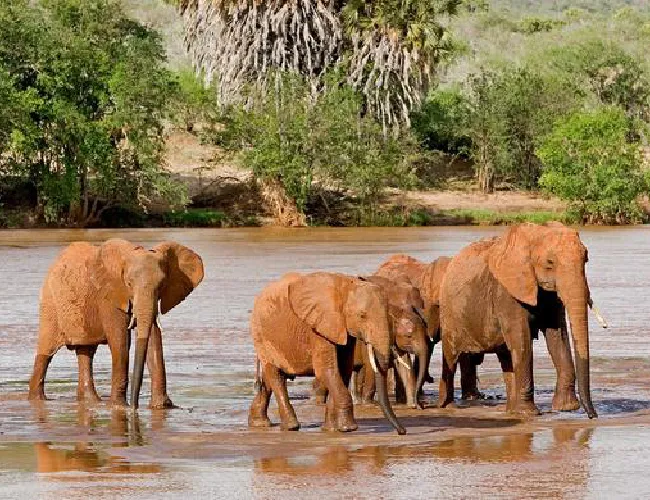
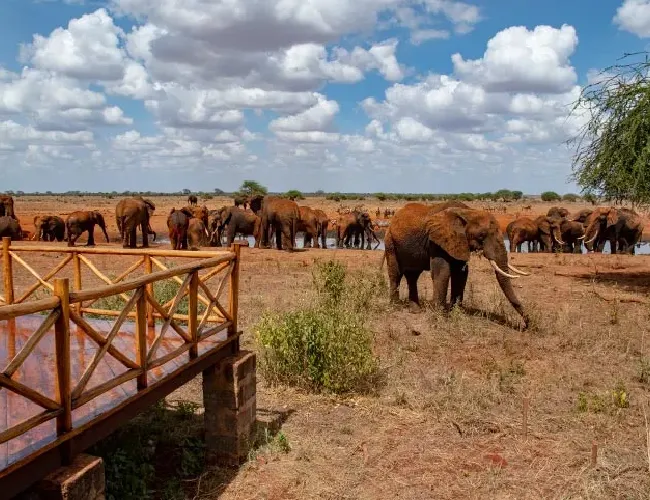
The park is also particularly rewarding for travelers who want to see elephants. Tsavo’s elephants are famously associated with the park’s red soil, which they often cover themselves with during dust baths. Seeing a large herd moving across an open plain or gathering around water is one of the defining experiences of a Tsavo safari.
Another reason to visit is the variety of landscapes. A game drive can take you from dry open plains to riverine vegetation, rocky viewpoints, dams, and dramatic geological formations. Places such as Yatta Plateau, Lugard Falls, Galana River, Aruba Dam, and Mudanda Rock make Tsavo East feel like far more than a conventional game-viewing destination.
Voi: The Gateway to Tsavo East
Voi is one of the most important towns associated with Tsavo East and serves as a major gateway for travelers entering the park. Its location along the Nairobi–Mombasa route makes it especially convenient for visitors traveling between the capital and the coast.
Although Voi is primarily known as a gateway to the park, it can also be useful as a base for travelers looking for accommodation outside the main park. The town provides access to hotels, restaurants, transport services, and other basic facilities before or after a safari.
For travelers arriving from Nairobi, Voi marks an important transition from urban and agricultural landscapes into the expansive wilderness of Tsavo. For those coming from the coast, it offers a convenient entry point before heading deeper into the park.
Aruba Dam
Aruba Dam is one of the most important wildlife-viewing areas in Tsavo East. The dam provides a dependable water source, particularly valuable during drier periods when natural water sources become less reliable.
The presence of water attracts a wide range of animals, making the area a popular stop during game drives. Elephants, buffaloes, antelopes, zebras, and numerous bird species may be seen around the dam and its surrounding vegetation.
Aruba Dam is particularly enjoyable because visitors can sometimes spend time observing animals as they approach the water, drink, bathe, or move through the surrounding landscape. It is also a good location for photography, especially when wildlife gathers in larger numbers.
Galana River
The Galana River is one of Tsavo East’s most important natural features. The river cuts through the dry landscape and supports a greener corridor of vegetation, creating an important habitat for wildlife.
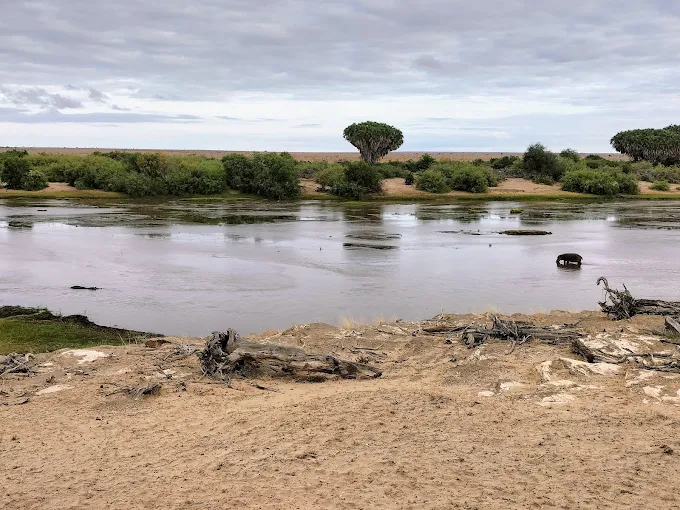
Its presence adds variety to the otherwise dry-looking scenery of Tsavo East. Along the river, visitors may encounter elephants, crocodiles, hippos, buffaloes, and a variety of birds depending on the season and location.
The Galana River also demonstrates the importance of water in Tsavo’s ecosystem. Even within an enormous dry landscape, riverine areas provide food, shelter, and drinking water that help sustain wildlife. Exploring these areas gives visitors a deeper appreciation of how animals survive in one of Kenya’s more arid environments.
Yatta Plateau
The Yatta Plateau is one of the most spectacular geological features associated with Tsavo East. Stretching for hundreds of kilometres along the western side of the park, it is widely recognized as one of the world’s longest lava flows.
The plateau creates an extraordinary backdrop for safari drives. Its dark volcanic surface contrasts with the surrounding vegetation and plains, creating a landscape that looks completely different from the classic grassland scenery found in other Kenyan parks.
Travelers interested in geology will find Yatta Plateau particularly fascinating, but even visitors primarily interested in wildlife can appreciate its enormous scale. The formation is a reminder that Tsavo’s story is not only about animals but also about ancient volcanic activity and the forces that shaped the landscape.
Lugard Falls
Lugard Falls is one of the most dramatic attractions in Tsavo East. Despite its name, the feature is not a traditional waterfall. Instead, it consists of a series of rapids, channels, pools, and sculpted rocks where the Galana River passes through the landscape.
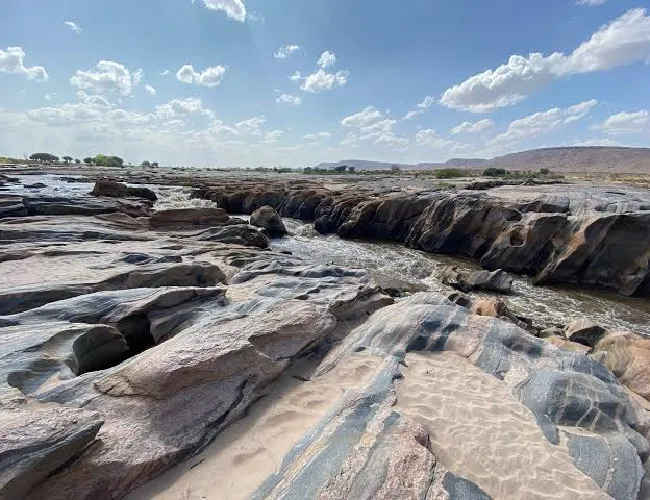
The water has carved unusual shapes into the rocks over time, creating a striking natural scene. Depending on water levels, the appearance of the falls can change significantly, making each visit somewhat different.
Lugard Falls is a particularly rewarding stop for photographers and travelers who want to experience the landscape beyond traditional game drives. The combination of flowing water, rugged rocks, and surrounding vegetation creates a memorable contrast with Tsavo’s dry plains.
Mudanda Rock
Mudanda Rock is another outstanding attraction in and around the Tsavo East landscape. This enormous rocky formation rises above the surrounding area and provides impressive views across the wilderness.
One of the most appealing aspects of Mudanda Rock is the opportunity to see the landscape from a higher viewpoint. Looking across the plains from the rock gives visitors a better sense of the scale of Tsavo and the relationship between its water sources, vegetation, and wildlife habitats.
Wildlife may also gather around the water source below the rock, particularly when conditions are dry. This makes Mudanda Rock interesting not only for its scenery but also for wildlife observation and photography.
Ngutuni Wildlife Conservancy
Ngutuni Wildlife Conservancy provides another way to experience the Tsavo ecosystem. Located near Tsavo East, the conservancy protects wildlife habitat outside the main national park while supporting conservation and tourism.
The area is particularly appealing to travelers who want to combine a safari experience with a more intimate conservancy setting. Wildlife can move through the wider ecosystem, and the landscape provides opportunities for game viewing against a backdrop of hills, plains, and bushland.
Staying or visiting within a conservancy can also provide a different perspective on conservation. Rather than viewing protected areas as isolated islands, conservancies demonstrate how wildlife protection can extend beyond national park boundaries and involve surrounding communities and landowners.
Wildlife You Can See in Tsavo East
Tsavo East is home to a remarkable range of wildlife. Elephants are among the park’s most famous residents, but they are far from the only animals visitors can encounter.
Lions, leopards, cheetahs, buffaloes, giraffes, zebras, hippos, crocodiles, warthogs, and numerous antelope species inhabit the park. Sightings are never guaranteed because Tsavo is a vast wilderness, but the size and diversity of the ecosystem provide excellent opportunities for wildlife encounters.
Birdwatchers will also find plenty to enjoy. Tsavo’s combination of rivers, open plains, woodland, and seasonal water sources creates habitat for many bird species. The variety becomes particularly noticeable when driving through different parts of the park.
The Famous Red Elephants of Tsavo
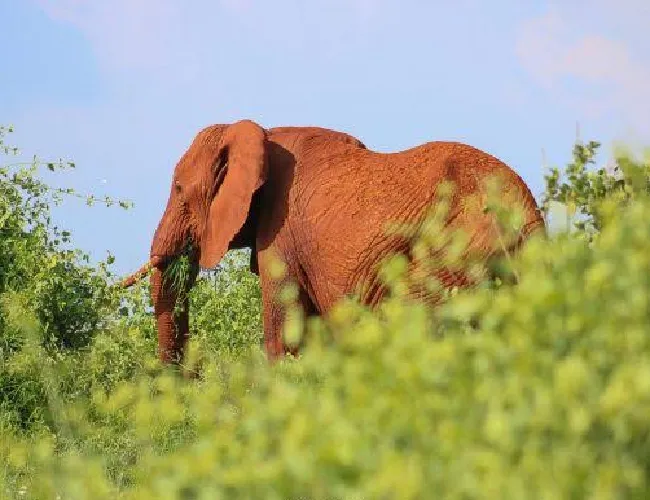
The red elephants of Tsavo are one of the park’s most recognizable symbols. Their distinctive color does not mean that they are a separate species. Instead, the elephants acquire their reddish appearance by covering themselves with Tsavo’s red-colored dust and soil.
Dust bathing helps elephants protect their skin from the sun and insects while also helping them regulate their body temperature. When elephants emerge from a dust bath, the red soil sticks to their bodies, producing the appearance that has become closely associated with Tsavo.
Seeing these elephants in their natural environment is one of the highlights of a Tsavo East safari. Large herds can sometimes be observed moving across the plains, feeding near vegetation, or gathering around water.
Things to Do in Tsavo East National Park
Go on a Game Drive
Game drives are the main activity in Tsavo East and offer the best opportunity to explore the park’s enormous landscapes. Early morning drives are particularly rewarding because animals are often more active before the heat of the day becomes intense.
Afternoon drives provide another opportunity to explore the park and may produce different sightings as animals become active again. Experienced guides can help identify tracks, animal behavior, and less obvious wildlife that visitors might otherwise miss.
Explore Tsavo’s Rivers and Waterholes
Water sources such as Aruba Dam and the Galana River are important places to include in a safari. Animals naturally concentrate around water, especially when the surrounding landscape becomes dry.
Spending time at these areas can be just as rewarding as driving continuously through the park because visitors get an opportunity to observe animal behavior rather than simply searching for sightings.
Visit Lugard Falls
Lugard Falls is ideal for travelers who want to add a scenic and geological attraction to their safari. The unusual rock formations and flowing river create a very different experience from a standard game drive.
Enjoy Scenic Views from Mudanda Rock
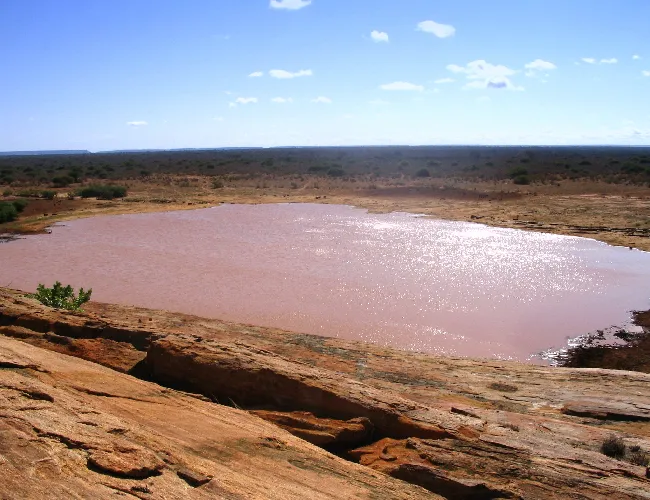
Mudanda Rock provides an excellent opportunity to appreciate Tsavo’s landscape from above. The elevated viewpoint makes it possible to see the surrounding plains and understand just how extensive the wilderness is.
Explore the Wider Tsavo Ecosystem
A Tsavo safari does not necessarily have to be limited to the national park itself. Nearby conservancies such as Ngutuni provide opportunities to understand how wildlife conservation continues beyond the official park boundary.
Bird Watching in Tsavo East
Tsavo East is an excellent destination for bird enthusiasts because its diverse habitats support a wide variety of birdlife. Riverine areas, open savannah, woodland, rocky terrain, and waterholes each attract different species.
Visitors may encounter birds of prey, colorful woodland species, waterbirds, ground-dwelling birds, and migratory species depending on the season. Carrying binoculars is therefore worthwhile even for travelers whose primary interest is large mammals.
Photography in Tsavo East
Tsavo East provides outstanding opportunities for wildlife and landscape photography. The red elephants, open savannah, volcanic formations, rivers, and rocky viewpoints create a diverse collection of photographic subjects.
Morning and late afternoon light can transform the landscape, creating dramatic shadows and warm tones. Patience is important, particularly when photographing wildlife around water sources. Rather than rushing between sightings, spending several minutes observing animal behavior often results in better photographs.
Mudanda Rock, Yatta Plateau, Lugard Falls, and the Galana River are particularly valuable for travelers who want photographs beyond the typical safari scenes.
Best Time to Visit Tsavo East
If you want to focus on comfortable weather and good wildlife viewing, June, July, October, and February are excellent months to consider.
June and July offer generally dry conditions, making it easier to explore the park and increasing the likelihood of animals gathering around dependable water sources. October is another strong choice because wildlife viewing can be rewarding as dry conditions encourage animals to concentrate around remaining water. February can also be a good month for safari, with warm conditions and opportunities to see wildlife before some of the heavier seasonal rains.
The best month ultimately depends on what you want from your safari, but these four provide a practical starting point without requiring you to plan around the entire calendar.
How to Get to Tsavo East
Tsavo East is accessible by road from both Nairobi and the Kenyan coast. Travelers from Nairobi can drive southeast toward Voi before entering the park through one of the main gates.
Visitors coming from Mombasa have a relatively convenient journey to Tsavo East, making the park a popular safari option for beach travelers. This makes it possible to combine a few days of wildlife viewing with time at the coast.
The park can also be reached by train, with travelers using the railway network toward the Tsavo area and continuing by road to their accommodation or park entrance. For many visitors, however, a private safari vehicle remains the most convenient option because it provides flexibility for game drives and sightseeing.
Where to Stay in Tsavo East
Accommodation around Tsavo East ranges from safari lodges and tented camps to campsites and accommodation around Voi. The right choice depends on your budget, preferred level of comfort, and whether you want to stay inside the park or outside its boundaries.
Lodges within or close to the park can provide a more immersive safari experience, allowing guests to wake up surrounded by wilderness. Accommodation around Voi can be convenient for travelers who want easier access to town facilities or are combining Tsavo with a longer road journey.
For a more intimate conservation experience, travelers can also consider accommodation associated with nearby conservancies such as Ngutuni.
Food and Dining During a Tsavo Safari
Most safari lodges and camps provide meals as part of their accommodation packages, with menus generally designed to suit both local and international travelers. Breakfasts may be served before morning game drives, while lunch and dinner are usually enjoyed at the lodge or camp.
Some safari experiences also include bush breakfasts or special outdoor dining arrangements where conditions and location permit. These meals can turn an ordinary safari day into a memorable experience.
Travelers should carry drinking water during game drives and consider bringing light snacks for longer excursions, especially when spending several hours exploring the park.
Tsavo East for Families
Tsavo East can be a wonderful destination for families looking for a combination of wildlife, nature, and adventure. Children can learn about elephants, lions, giraffes, birds, rivers, and the geological features of the landscape while experiencing a real African wilderness.
Families should choose accommodation carefully and consider properties that are comfortable for children. Game drives should also be planned around the children’s ages and ability to remain comfortable in a safari vehicle for several hours.
The variety of Tsavo’s attractions can make family trips particularly interesting because there is more to see than wildlife alone. Yatta Plateau, Lugard Falls, Mudanda Rock, rivers, and dams add educational and scenic experiences to the safari.
Tsavo East for Couples and Honeymooners
Couples looking for an African safari honeymoon can combine Tsavo East with Kenya’s coast for a memorable wildlife-and-beach holiday. Days can be spent exploring the park before relaxing in a lodge or continuing to a coastal destination for several nights.
The vastness of Tsavo also provides a sense of privacy and escape. Watching elephants against an open sunset, enjoying a quiet meal in the wilderness, or waking up to the sounds of nature can create unforgettable moments for couples.
Tsavo East vs Tsavo West
Tsavo East and Tsavo West form part of the greater Tsavo ecosystem, but they offer noticeably different experiences. Tsavo East is generally associated with expansive open landscapes, red elephants, the Galana River, Yatta Plateau, Aruba Dam, Lugard Falls, and Mudanda Rock.
Tsavo West is known for more rugged scenery, volcanic landscapes, springs, hills, and denser vegetation in many areas. Choosing between them depends on what type of landscape and safari experience you prefer.
Travelers with enough time can combine both parks. Doing so provides a broader understanding of the enormous Tsavo ecosystem and its diverse habitats.
Tsavo East vs Maasai Mara
The Maasai Mara is particularly famous for its large concentrations of wildlife and the annual wildebeest migration, while Tsavo East offers a much more expansive wilderness atmosphere and distinctive landscapes.
Tsavo is an excellent choice for travelers interested in elephants, geological features, rivers, dramatic scenery, and a quieter sense of wilderness. The Maasai Mara is often favored by travelers whose priority is high-density game viewing and the migration experience.
Neither destination is necessarily better than the other. They simply provide different safari experiences, and including both in a longer Kenya itinerary can create an exceptionally varied trip.
How Many Days Do You Need in Tsavo East?
A two-day safari can provide a good introduction to Tsavo East, especially for travelers coming from the coast. However, spending three or more days allows you to explore a larger area and include more of the park’s distinctive attractions.
With additional time, you can combine wildlife drives with visits to Aruba Dam, Galana River, Lugard Falls, Mudanda Rock, and other scenic areas without making the experience feel rushed.
Travelers combining Tsavo East with Tsavo West or the Kenyan coast should allow enough time for travel between destinations rather than trying to fit too many activities into a single day.
What to Pack for Tsavo East
Pack lightweight and comfortable clothing suitable for warm safari conditions, along with a light jacket or sweater for early morning and evening drives. Neutral-colored clothing is generally practical for safari environments.
A hat, sunglasses, sunscreen, insect repellent, comfortable walking shoes, binoculars, and a camera are useful additions. A reusable water bottle is also recommended to help reduce unnecessary plastic waste.
If photography is important to you, bring spare batteries, memory cards, and any necessary charging equipment. Dust can be common on safari roads, so protecting cameras and other electronics is also sensible.
Safety Tips for a Tsavo Safari
Always follow your safari guide’s instructions while inside the park. Wild animals should never be approached on foot unless you are in an area where walking is specifically permitted and accompanied by qualified guides.
Remain inside the safari vehicle during game drives unless your guide has confirmed that it is safe to leave. Do not feed animals, make unnecessary loud noises, or attempt to attract wildlife for photographs.
Because Tsavo is vast and some areas are remote, it is important to carry sufficient water, follow planned routes, and travel with a reliable safari operator who understands the park.
Responsible Tourism in Tsavo East
Responsible tourism plays an important role in protecting Tsavo for future generations. Visitors can contribute by respecting park rules, avoiding litter, keeping a safe distance from wildlife, and supporting conservation-focused accommodation and activities.
Travelers can also contribute to local communities by using local guides and services where appropriate and purchasing locally produced crafts responsibly.
The goal of responsible safari tourism is not simply to see wildlife but to ensure that the landscapes, animals, and communities connected to them continue to benefit from tourism.
Frequently Asked Questions About Tsavo East
Is Tsavo East worth visiting?
Yes. Tsavo East is one of Kenya’s most distinctive safari destinations, especially for travelers interested in elephants, vast wilderness, dramatic landscapes, rivers, geological formations, and a less crowded safari atmosphere.
What is Tsavo East famous for?
Tsavo East is famous for its red elephants, expansive wilderness, diverse wildlife, Yatta Plateau, Galana River, Aruba Dam, Lugard Falls, and Mudanda Rock.
Can I visit Tsavo East from Mombasa?
Yes. Tsavo East is one of the most convenient major safari destinations to combine with a coastal holiday in Mombasa or nearby beach destinations.
How long should I stay in Tsavo East?
Two days can provide a good introduction, while three or more days allow travelers to explore more of the park and include several of its major attractions.
Can I see elephants in Tsavo East?
Yes. Elephants are among Tsavo East’s most famous wildlife species, and seeing the park’s red-dusted elephants is one of the highlights of visiting the region.
Is Tsavo East suitable for families?
Yes. Families can enjoy game drives, wildlife viewing, scenic attractions, and educational experiences throughout the Tsavo ecosystem. The safari should be planned according to the children’s ages and comfort.
What makes Tsavo East different from other Kenyan parks?
Its enormous scale, red elephants, volcanic landscapes, river systems, geological attractions, and distinctive sense of wilderness make Tsavo East particularly unique.
Plan Your Tsavo East Safari with Crystal Tours Kenya
Tsavo East is a destination where wildlife and landscape come together to create an extraordinary Kenyan safari. From the red elephants moving across the plains to the waters of Aruba Dam and the Galana River, every part of the park offers something different. The dramatic Yatta Plateau, rugged Lugard Falls, elevated views from Mudanda Rock, and nearby conservation areas such as Ngutuni add even more depth to the experience.
Whether you are traveling from Nairobi, Mombasa, or combining your safari with a Kenyan beach holiday, Tsavo East offers an unforgettable opportunity to explore one of the country’s great wilderness areas. With the right planning, you can experience its wildlife, landscapes, culture, and conservation story without rushing through the destination.
Start planning your Tsavo East adventure with Crystal Tours Kenya and discover Tsavo beyond the ordinary.