A driving safari is one of the most exciting and immersive ways to explore Africa’s stunning landscapes and incredible wildlife. Whether you’re driving through the vast savannas of East Africa, the dense forests of Central Africa, or the arid deserts of Southern Africa, the experience of witnessing wildlife up close while traveling by car or 4×4 is truly unforgettable.
Here’s everything you need to know to make the most of your driving safari in Africa.
1. Why Choose a Driving Safari?
- Freedom and Flexibility: Driving safaris offer the freedom to explore at your own pace. You can decide when and where to stop, whether it’s for a scenic view, a wildlife sighting, or a picnic. This is especially valuable for photography enthusiasts.
- Cost-Effective: While private guided safaris can be expensive, driving safaris are more affordable, especially if you’re traveling in a group and sharing the costs of fuel and vehicle hire.
- Closer Connection with Nature: Unlike guided tours, where you’re often in a group or vehicle with other travelers, a self-drive safari allows you to connect with the environment more intimately. You get the chance to navigate through the terrain and track wildlife, which can be a thrilling experience.
- Wildlife Viewing at Your Own Pace: You can stay longer at the places that interest you, whether it’s watching a lion pride on a hunt or observing a herd of elephants drinking at a waterhole.
2. Where to Go on a Driving Safari
Africa is home to some of the world’s best safari destinations, and many of these can be explored via self-drive.
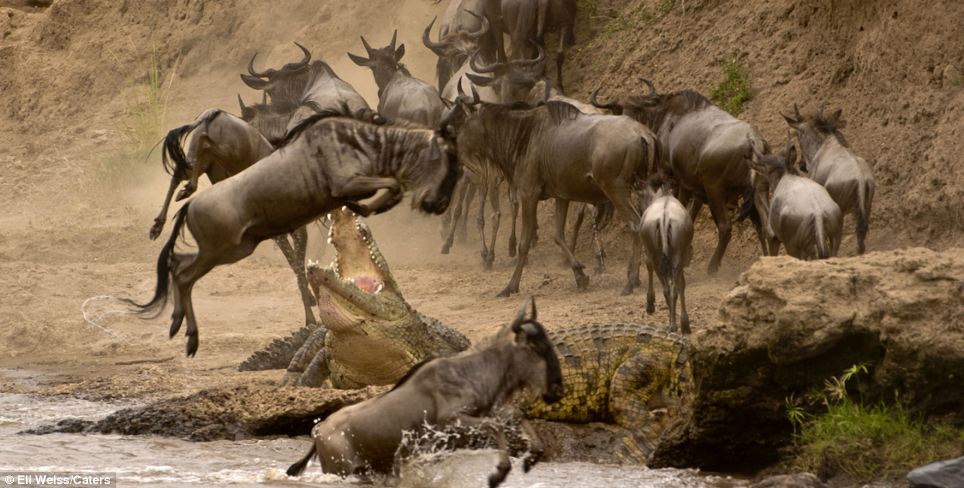
- Kenya: Kenya offers excellent self-drive safari options in national parks like Masai Mara, Amboseli National Park, and Tsavo National Park. The roads in popular areas are well-maintained, making it easier for drivers to navigate. The Masai Mara, in particular, is a must-see for the Great Migration (in season) and abundant wildlife.
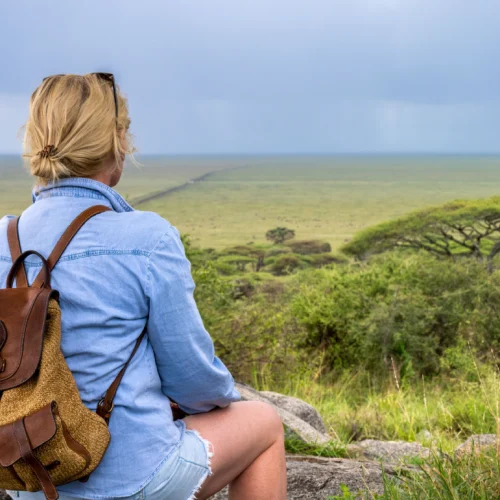
- Tanzania: Tanzania is famous for its vast landscapes and incredible wildlife, especially in places like Serengeti National Park and Ngorongoro Crater. The Serengeti’s expansive terrain is perfect for a self-drive adventure, as you can enjoy its dramatic landscapes while spotting the “Big Five.”
- South Africa: South Africa is ideal for self-drive safaris, particularly in Kruger National Park and Addo Elephant Park. The country has some of the best infrastructure for self-driving, with well-maintained roads and easily accessible accommodation options.
- Namibia: Known for its otherworldly landscapes, Namibia is perfect for adventurous travelers. A self-drive safari through Etosha National Park or Sossusvlei in the Namib Desert offers a unique combination of wildlife and stunning desert scenery.
- Botswana: Botswana offers a more rugged self-drive safari experience, particularly in areas like the Okavango Delta and Makgadikgadi Pans. Some parts of Botswana are quite remote, making for an unforgettable off-the-beaten-path adventure.
3. What to Expect on a Driving Safari
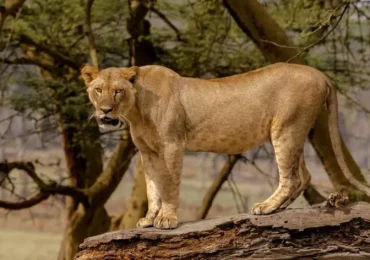
- Wildlife Encounters: Expect to see a variety of wildlife, including the Big Five (lion, elephant, buffalo, leopard, and rhino), as well as a multitude of birds, antelope, zebras, and more. Keep your eyes peeled and always have your camera ready!
- Bumpy Roads: Driving in national parks or reserves often means navigating rough, unpaved roads. In many safari destinations, a 4×4 vehicle is essential, especially during the rainy season or when visiting more remote areas. Expect some bumpy rides, but they are part of the adventure!
- Long Distances: Some parks are vast, and driving from one area to another can take a few hours. However, the journey itself is rewarding, as it allows you to experience the landscapes and wildlife along the way.
- Guided or Self-Drive: While self-driving is an option in many national parks, many travelers opt for guided safaris due to the knowledge of local guides. However, a self-drive safari offers the chance to explore at your own pace without being part of a group.
4. Essential Tips for a Successful Driving Safari
- Get a 4×4 Vehicle: In most African national parks, especially in remote areas, a 4×4 vehicle is essential. Some parks may have specific vehicle requirements, so be sure to rent a suitable vehicle with high ground clearance.
- Know the Road Rules: Driving laws vary from country to country, so familiarize yourself with local road regulations. In countries like South Africa, Kenya, and Tanzania, vehicles typically drive on the left side of the road. Make sure you have a valid international driver’s permit.
- Prepare for Long Hours Behind the Wheel: Depending on the size of the park, driving distances can be long. Be prepared to spend many hours in the vehicle, so bring along snacks, water, a good playlist, and entertainment for the kids if you’re traveling with family.
- Carry Enough Fuel: Fuel stations can be scarce in remote areas. Make sure you have a full tank of gas before entering national parks or more isolated regions. It’s also a good idea to carry extra fuel just in case.
- Pack the Right Gear: Apart from your essentials (clothes, toiletries, camera), be sure to bring binoculars, a flashlight, a GPS device or map, a first-aid kit, and a power bank for your electronics. If you’re driving during the hot months, ensure your vehicle has air conditioning or bring fans.
- Respect Wildlife and Stay Safe: Always follow the park rules regarding wildlife. Stay inside your vehicle when near dangerous animals (like lions and elephants) and never approach them. It’s essential to maintain a safe distance. Your safety is paramount.
5. Best Time for a Driving Safari
- Dry Season (June to October): This is the best time for a driving safari as wildlife tends to gather around water sources, making it easier to spot animals. The weather is also more predictable, with less rain and more sunshine.
- Wet Season (November to April): While this is considered the low season, it has its advantages. The landscape is lush and green, and there are fewer tourists. However, some roads can become impassable, and certain areas may be closed due to flooding.
6. Accommodation Options During a Driving Safari
- Campsites and Lodges: Many national parks offer campsites and lodges where you can stay overnight, often in the heart of the park. This is a fantastic way to immerse yourself in nature and wake up to the sounds of wildlife.
- Self-Catering: Some parks have self-catering campsites or lodges that allow you to cook your own meals, making it a more budget-friendly option. Be sure to pack all necessary supplies if you choose this route.
- Luxury Safari Lodges: If you’re looking for a more comfortable safari experience, many luxury lodges and tented camps offer top-notch amenities with stunning views of the wilderness.
7. How to Plan Your Driving Safari
- Do Your Research: Learn about the parks you’re planning to visit, including road conditions, permits, and local wildlife. This helps you set realistic expectations and plan your trip accordingly.
- Book in Advance: National parks and popular lodges can get busy, especially during peak seasons, so it’s best to book your accommodation and vehicle in advance.
- Hire a Guide or Tracker: While driving yourself can be rewarding, consider hiring a local guide or tracker to help with spotting wildlife and provide valuable insights into the ecosystem.
Conclusion
A driving safari is one of the most adventurous and fulfilling ways to explore Africa’s iconic landscapes and wildlife. Whether you’re venturing into the heart of the Serengeti, exploring the lush rainforests of Uganda, or driving across the vast dunes of Namibia, the experience offers unmatched freedom and the opportunity to witness Africa’s natural beauty up close. With careful planning, the right gear, and an adventurous spirit, a driving safari will undoubtedly be one of the most memorable journeys of your life.