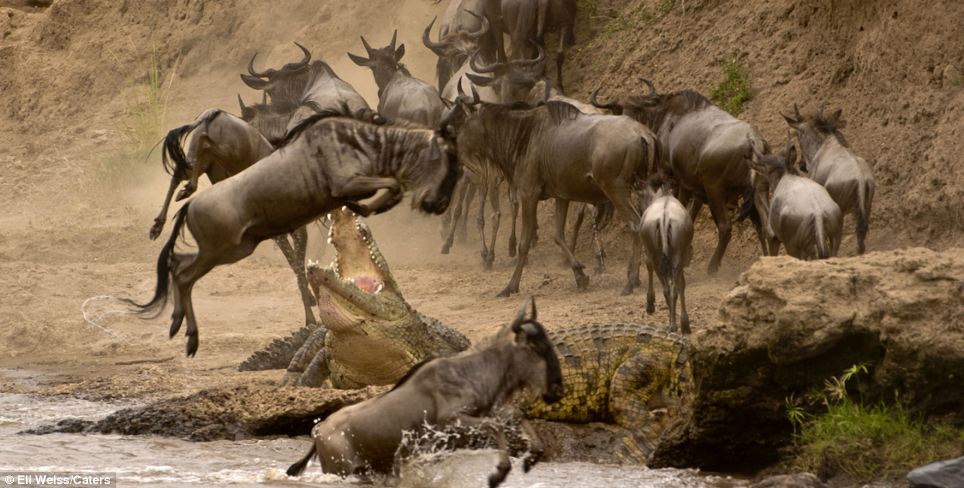
Imagine watching a pride of lions stalk through golden savannah grass while skyscrapers rise on the horizon behind them. It sounds impossible, yet this extraordinary scene unfolds every day at Nairobi National Park.
Located just a few kilometers from Kenya’s bustling capital, Nairobi National Park is the only national park in the world situated within a capital city.
This remarkable wildlife sanctuary offers travelers an authentic African safari experience without leaving the city limits, making it one of the most unique wildlife destinations on Earth.
While many visitors rush from Nairobi to famous safari destinations such as Maasai Mara, Amboseli, or Tsavo, they often overlook one of Kenya’s greatest treasures. Nairobi National Park is more than just a convenient day trip, it is a thriving ecosystem, a conservation success story, and a place where nature and urban development exist side by side.
Home to lions, rhinos, buffaloes, giraffes, cheetahs, zebras, and more than 400 bird species, Nairobi National Park offers some of the best wildlife viewing opportunities in East Africa. Whether you’re visiting Kenya for a few days or beginning a longer safari adventure, this iconic park deserves a place on your itinerary.
Contact Crystal Tours Kenya today by calling +254 727 039 513 or send an email to info@crystaltourskenya.com for an experience where Africa’s wilderness meets a modern city.
Kenya’s First National Park
Nairobi National Park was established in 1946, making it Kenya’s first national park. At a time when Nairobi was still a relatively small colonial town, conservationists recognized the importance of protecting the wildlife-rich plains that stretched south of the city.
The park was created through the vision and determination of conservation pioneers who feared that rapid urban expansion would threaten Kenya’s wildlife heritage.
Their foresight ensured that future generations would continue to experience Africa’s wild landscapes close to the country’s capital.
Covering approximately 117 square kilometers, Nairobi National Park may be smaller than many of Kenya’s famous safari destinations, but its biodiversity and conservation value are immense.
A Symbol of Conservation
Over the decades, Nairobi National Park has become one of Africa’s most important conservation areas. The park serves as a refuge for endangered species, particularly the black rhino, and plays a vital role in wildlife research, education, and environmental awareness.
One of its most significant contributions has been rhino conservation. Today, Nairobi National Park is recognized as one of Kenya’s most successful rhino sanctuaries and provides a safe habitat for both black and white rhinos.
The park has also become a symbol of Kenya’s commitment to wildlife conservation, demonstrating that economic growth and environmental protection can coexist.
The Historic Ivory Burning Site
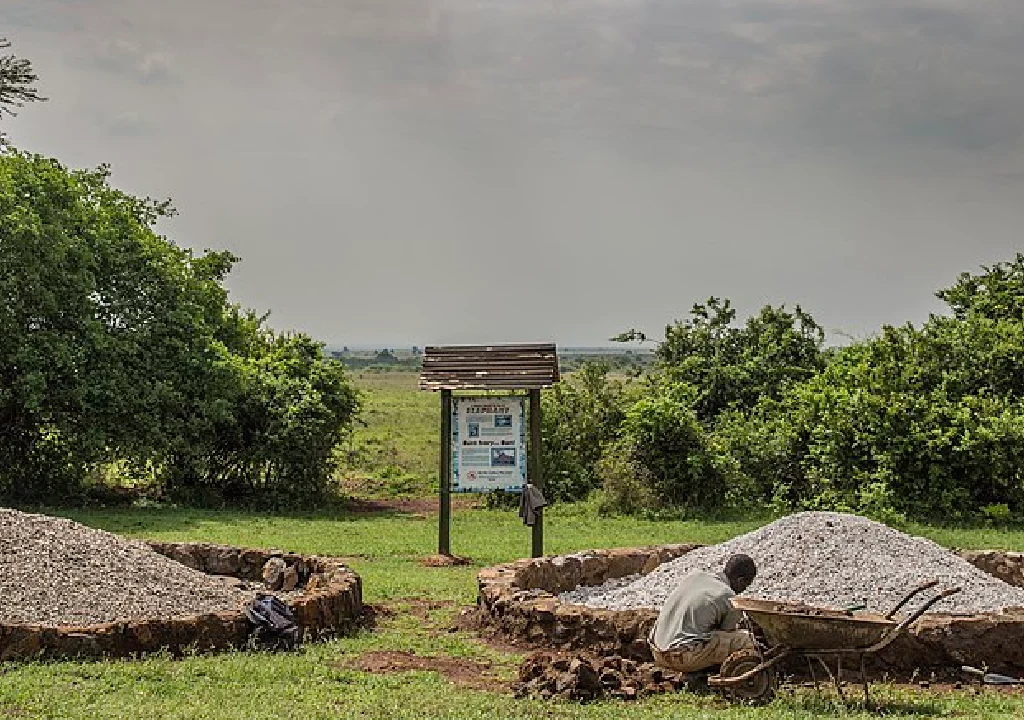
Within the park lies the famous Ivory Burning Site Monument, a landmark of global conservation history.
In 1989, Kenya sent a powerful message to the world when then-President Daniel arap Moi ordered the public burning of ivory confiscated from poachers. The event attracted international attention and highlighted the devastating impact of elephant poaching across Africa.
Visitors can learn about Kenya’s ongoing fight against illegal wildlife trade.
Reasons Why Nairobi National Park Is a Must-Visit Gem
1. A Safari Unlike Anywhere Else on Earth
Few places in the world can offer the dramatic contrast found at Nairobi National Park.
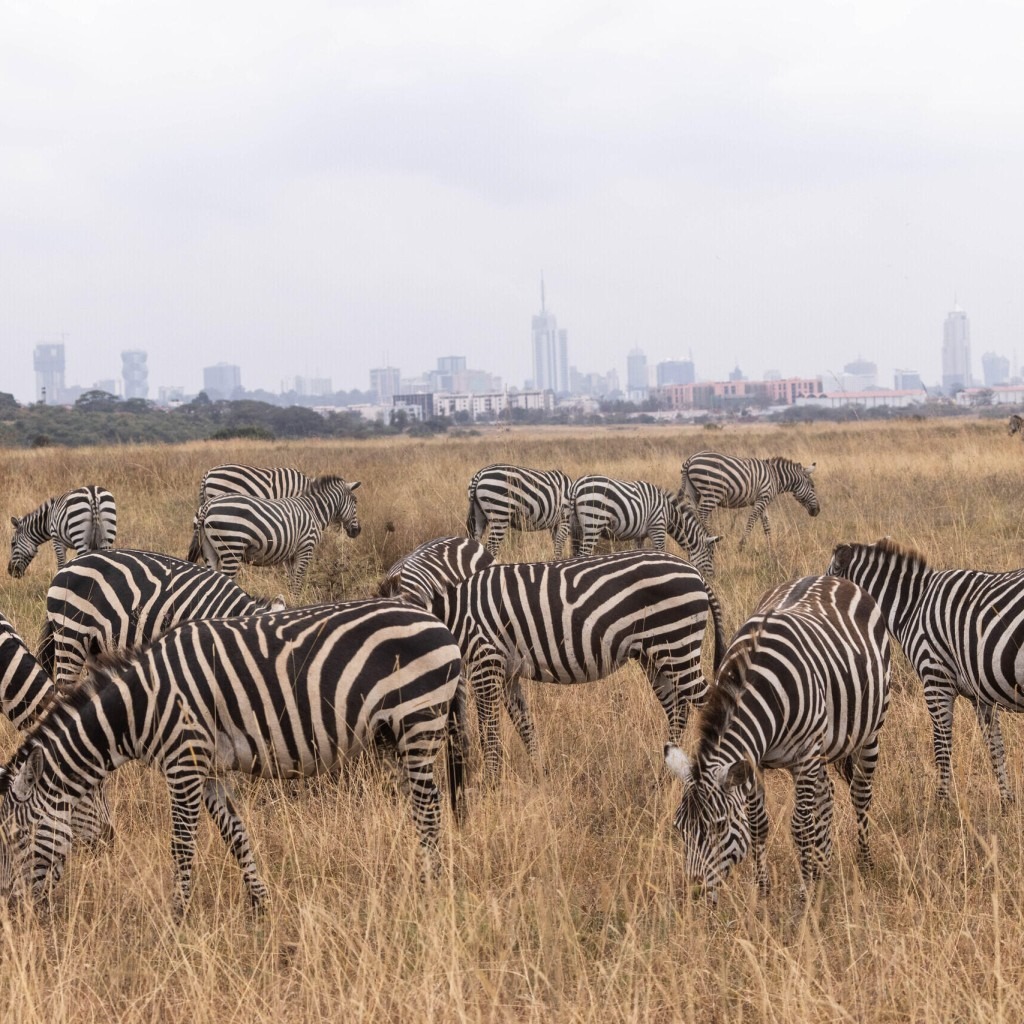
One moment, visitors are immersed in untouched grasslands dotted with acacia trees. The next, they glance toward the horizon and see Nairobi’s modern skyline rising above the wilderness.
This striking juxtaposition creates incredible photography opportunities and serves as a powerful reminder of the delicate balance between urban development and wildlife conservation.
2. Perfect for Travelers with Limited Time
Many travelers arriving in Kenya assume they need several days to enjoy a safari. Nairobi National Park proves otherwise.
Because the park is located just minutes from Nairobi’s city center and the international airport, visitors can enjoy a rewarding safari experience in only a few hours.
Business travelers, conference attendees, transit passengers, and tourists with tight schedules can all experience Kenya’s iconic wildlife without embarking on a long journey.
3. An Affordable Safari Experience
Compared to multi-day safaris that require flights or long road transfers, a Nairobi National Park safari is often one of the most cost-effective ways to experience African wildlife.
Visitors can enjoy game drives, photography excursions, birdwatching adventures, and conservation experiences while staying within a reasonable budget.
Wildlife in Nairobi National Park
The Famous Big Four
Although elephants are not found in Nairobi National Park, visitors regularly encounter the Big Four:
- Lions
- Leopards
- Rhinos
- Buffaloes
The park’s healthy populations of black and white rhinos make it one of the best places in Kenya to see these endangered animals.
Lions Against the Skyline
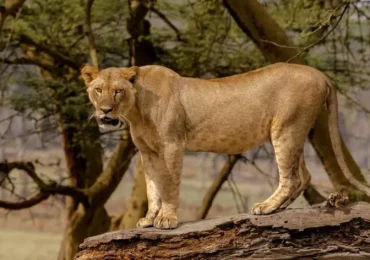
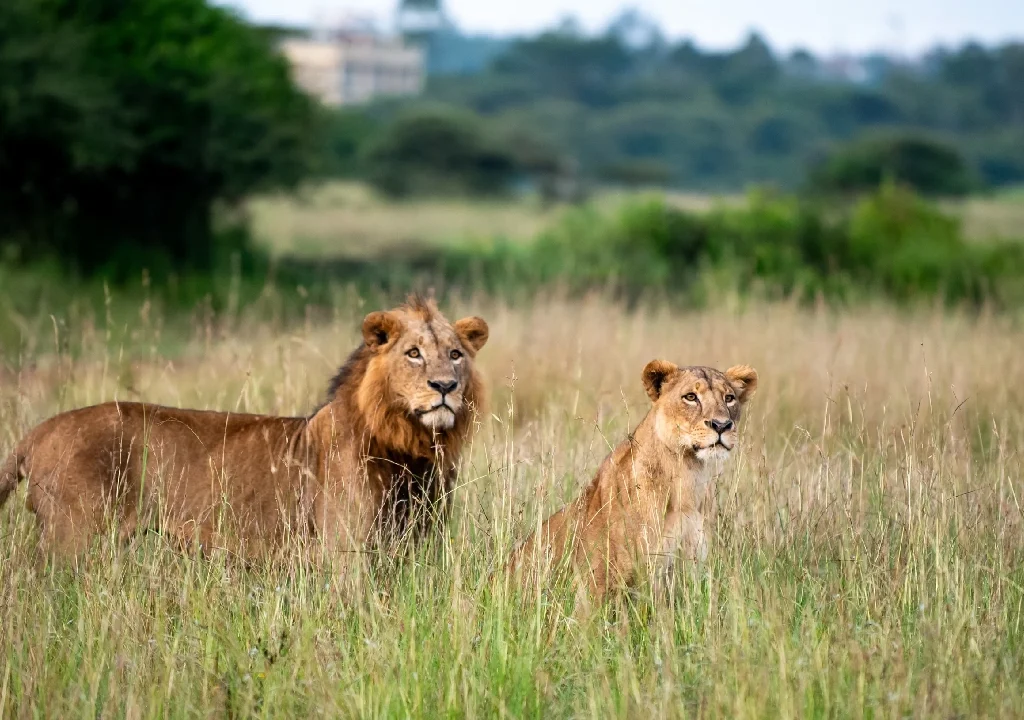
One of the most iconic images associated with Nairobi National Park is that of lions roaming with Nairobi’s skyline visible in the background.
Early morning game drives often provide excellent opportunities to spot prides resting in the grass or becoming active before the heat of the day.
Witnessing these magnificent predators against the backdrop of a modern city creates an unforgettable safari experience.
Cheetahs, Giraffes, and Zebras
The park supports an impressive diversity of wildlife.
Visitors frequently encounter:
- Masai giraffes
- Plains zebras
- Elands
- Impalas
- Hartebeests
- Waterbucks
- Warthogs
- Ostriches
- Spotted hyenas
- Cheetahs
The open grasslands provide excellent visibility, making wildlife viewing easier than in heavily forested parks.
A Paradise for Bird Lovers
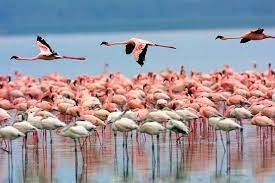
Birdwatchers are often surprised by the diversity of species found within Nairobi National Park.
More than 400 recorded bird species inhabit the park, including:
- Secretary birds
- Crowned cranes
- Martial eagles
- Vultures
- Kingfishers
- Ostriches
- African fish eagles
Seasonal migratory birds further enhance the park’s reputation as one of Kenya’s premier birdwatching destinations.
Best Things to Do in Nairobi National Park
1. Experience an Early Morning Game Drive
The most popular activity in Nairobi National Park is undoubtedly the game drive.
As dawn breaks over the savannah, wildlife becomes active, creating exceptional viewing opportunities. The golden morning light also provides ideal conditions for photography.
Many visitors describe sunrise game drives as the most memorable part of their Nairobi safari experience.
2. Capture Incredible Wildlife Photography
Photographers are drawn to Nairobi National Park for its unique scenery.
Few places allow photographers to capture images of rhinos, lions, giraffes, and zebras with an urban skyline visible in the distance.
The contrast between wilderness and city life creates photographs that are instantly recognizable and uniquely Kenyan.
3. Visit the Ivory Burning Site Monument
A visit to the Ivory Burning Site Monument offers valuable insight into Kenya’s conservation history.
The monument stands as a powerful reminder of the global effort to protect elephants and combat wildlife crime.
4. Enjoy Bird Watching
Birdwatching enthusiasts can spend hours exploring the park’s diverse habitats, from grasslands and wetlands to riverine forests.
Every season offers new opportunities to observe resident and migratory species.
5. Explore Nearby Conservation Attractions
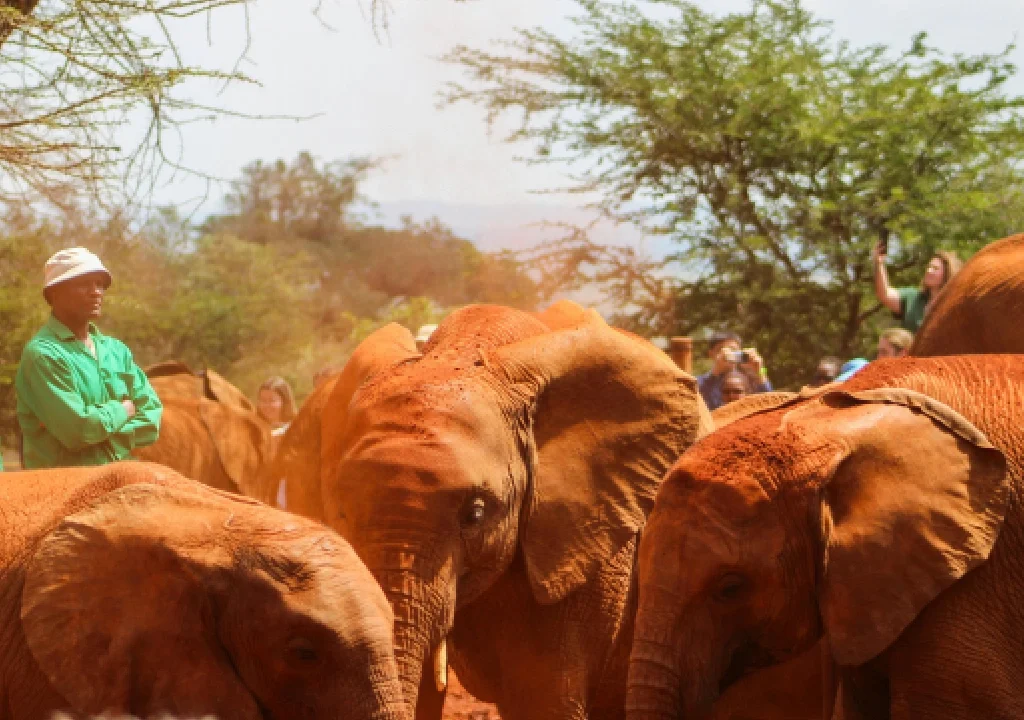
A visit to Nairobi National Park pairs perfectly with nearby attractions, including:
- David Sheldrick Wildlife Trust
- Giraffe Centre
- Nairobi Safari Walk
- Nairobi Animal Orphanage
Together, these attractions provide a deeper understanding of Kenya’s conservation efforts and wildlife heritage.
Best Time to Visit Nairobi National Park
One of the greatest advantages of visiting Nairobi National Park is that wildlife viewing is excellent throughout the year. Unlike some safari destinations that are heavily influenced by seasonal migrations, the park’s resident wildlife population ensures rewarding game drives in every season.
Dry Season (June to October)
The dry season is widely considered the best time to visit Nairobi National Park. During these months, vegetation becomes thinner and animals gather around available water sources, making wildlife easier to spot.
The cooler temperatures and clear skies also create ideal conditions for photography. Early morning game drives during this period often provide excellent opportunities to see lions, rhinos, buffaloes, and giraffes against the backdrop of Nairobi’s skyline.
For travelers seeking the classic Nairobi National Park safari experience, the dry season offers some of the most reliable wildlife sightings.
Green Season (November to May)
The rainy season transforms the park into a lush green paradise. While wildlife may be slightly more dispersed, the scenery becomes spectacular, with vibrant grasslands and flourishing vegetation.
This season is particularly attractive for birdwatchers as migratory bird species arrive from Europe and other regions. Photographers also appreciate the dramatic skies, colorful landscapes, and fewer visitor crowds.
For those interested in birdlife and landscape photography, the green season can be just as rewarding as the dry season.
Best Time for a Game Drive
The most productive game drives typically take place:
- Early Morning: 6:00 AM to 10:00 AM
- Late Afternoon: 3:00 PM to sunset
During these cooler hours, animals are more active, increasing the chances of memorable wildlife encounters.
The Nairobi National Park Safari Experience
A Morning Unlike Any Other
As the first rays of sunlight illuminate the savannah, Nairobi National Park awakens with remarkable energy. The distant calls of birds echo across the plains while herds of zebras and antelopes begin grazing in the golden light.
Visitors often describe their first game drive as surreal. One moment, they are navigating the busy streets of Nairobi, and less than thirty minutes later, they are watching wildlife roam freely in a protected wilderness.
This dramatic transition is what makes the park so extraordinary.
Wildlife Encounters Around Every Corner
A typical safari may begin with sightings of grazing giraffes silhouetted against the sunrise. Further along the route, buffaloes gather in small groups while impalas leap gracefully across open grasslands.
Lucky visitors may encounter a pride of lions resting beneath acacia trees or witness a cheetah scanning the plains for prey.
Rhino sightings are particularly common compared to many other parks in East Africa, making Nairobi National Park one of the best places in Kenya to see these endangered giants.
Every game drive offers something different, ensuring that no two visits are ever the same
A Photographer’s Dream
The combination of wildlife and urban scenery creates photographic opportunities unavailable anywhere else in the world.
Capturing a giraffe, lion, or rhino with Nairobi’s skyscrapers in the background tells a uniquely Kenyan story—one of coexistence between modern development and natural heritage.
For wildlife photographers, few locations offer such distinctive compositions.
Conservation and Community Impact
Protecting Endangered Species
Nairobi National Park plays a crucial role in protecting some of Africa’s most threatened wildlife species.
The park serves as one of Kenya’s most important rhino sanctuaries, providing a secure environment for both black and white rhinos. Intensive monitoring and anti-poaching measures have helped maintain healthy populations and support national conservation goals.
These efforts have made the park a model for wildlife protection across the continent.
Fighting Wildlife Crime
Kenya has become a global leader in conservation, and Nairobi National Park has been central to this success.
Park authorities work tirelessly to combat poaching, illegal wildlife trafficking, and habitat degradation. Advanced surveillance systems, ranger patrols, and conservation partnerships help safeguard wildlife for future generations.
The nearby Ivory Burning Site Monument continues to symbolize Kenya’s unwavering commitment to ending the illegal ivory trade.
Supporting Environmental Education
Thousands of students visit Nairobi National Park every year to learn about wildlife conservation and environmental stewardship.
Educational programs, guided tours, and conservation initiatives help inspire future generations to value and protect Kenya’s natural heritage.
For many young Kenyans, the park serves as their first introduction to wildlife conservation.
Community Benefits
Sustainable tourism generated by Nairobi National Park contributes to local employment, supports conservation programs, and strengthens Kenya’s tourism industry.
The park demonstrates how responsible tourism can create economic opportunities while preserving ecosystems and biodiversity.
Its success serves as an example of how wildlife conservation and community development can work hand in hand.
Frequently Asked Questions About Nairobi National Park
1. Is Nairobi National Park Worth Visiting?
Absolutely. Nairobi National Park offers one of the most unique safari experiences in the world. Its combination of abundant wildlife, conservation significance, and proximity to the city makes it an essential stop for travelers visiting Kenya.
2. What Animals Are Found in Nairobi National Park?
The park is home to lions, leopards, rhinos, buffaloes, giraffes, zebras, cheetahs, hyenas, ostriches, antelopes, crocodiles, and more than 400 bird species.
3. Can You Visit Nairobi National Park in One Day?
Yes. In fact, a Nairobi National Park day-trip is one of the most popular destinations in Kenya and can easily be explored within a few hours.
4. How much is entry?
Non-resident adult fees are generally $60 USD, while children are $20 USD. For citizens and residents, local rates apply.
5. What are the park hours?
The park is open daily from 6:00 AM to 6:00 PM.
Conclusion: Why Nairobi National Park Deserves a Place on Every Traveler’s Bucket List
Few destinations capture the spirit of Kenya quite like Nairobi National Park. It is a place where wild lions roam beneath the shadow of skyscrapers, where endangered rhinos find refuge just minutes from a bustling metropolis, and where travelers can experience an authentic African safari without leaving the city.
Beyond its remarkable wildlife, the park represents one of Africa’s greatest conservation success stories. It showcases Kenya’s commitment to protecting its natural heritage while demonstrating that urban development and wildlife conservation can coexist.
Whether you’re planning your first safari in Kenya, looking for an unforgettable Nairobi day trip, or seeking unique photography opportunities, Nairobi National Park delivers an experience unlike any other. From thrilling game drives and exceptional wildlife encounters to inspiring conservation stories and breathtaking landscapes, this urban wilderness continues to surprise and captivate visitors from around the world.
For anyone visiting Nairobi, a journey into Nairobi National Park is more than just a safari, it’s an opportunity to witness one of the world’s most extraordinary wildlife destinations and discover why it remains one of Kenya’s most treasured natural gems.
Contact Crystal Tours Kenya today by calling +254 727 039 513 or send an email to info@crystaltourskenya.com.