Green Safaris in Kenya: Your Ultimate Guide to Eco-Friendly Wildlife Adventures
Kenya is a top destination for safari lovers, but for travelers seeking a more conscious and environmentally friendly experience, eco safaris provide the perfect blend of adventure and sustainability. An eco safari not only immerses you in Kenya’s stunning wildlife and landscapes, but also ensures that you minimize your impact on the environment, support local communities, and contribute to conservation efforts.
In this blog, we explore what eco safaris in Kenya entail, the benefits of traveling sustainably, and how you can embark on an unforgettable, guilt-free adventure.
What is an Eco Safari?
An eco safari is a form of responsible travel designed to minimize environmental harm and maximize positive social and ecological impacts. These safaris focus on preserving the natural environment, protecting wildlife, and supporting local communities.
Unlike traditional safaris, eco safaris emphasize:
- Sustainable accommodations: Lodges and camps that use eco-friendly practices such as solar power, rainwater harvesting, and waste reduction.
- Low-impact tourism: Activities that minimize the carbon footprint and disrupt the wildlife and habitats as little as possible.
- Conservation support: Partnerships with conservation projects that work to protect Kenya’s diverse ecosystems and endangered species.
- Community engagement: Tours that benefit and respect local cultures, providing employment and educational opportunities for indigenous communities.
Why Choose an Eco Safari in Kenya?
Kenya’s incredible landscapes and wildlife are a treasure trove for travelers, but with great beauty comes the responsibility of protecting it for future generations. Choosing an eco safari helps ensure that your journey leaves a positive impact on the environment and the people who call Kenya home.
Here are some key reasons to opt for an eco safari:
1. Conservation of Wildlife
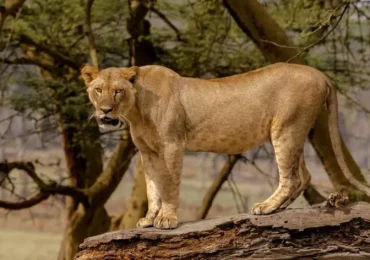
Kenya is home to some of the most iconic wildlife species on Earth, including the Big Five—lion, leopard, elephant, rhino, and buffalo. Eco safaris help fund conservation projects that protect these animals from threats such as poaching, habitat destruction, and climate change.
Through eco safari initiatives, you can directly contribute to the protection of endangered species, including black rhinos and African elephants, and help preserve delicate ecosystems for the future.
2. Support for Local Communities
Many eco lodges and safari operators collaborate with local communities, offering them economic opportunities through tourism. When you choose an eco safari, a portion of the money you spend goes towards community development, education, and healthcare.
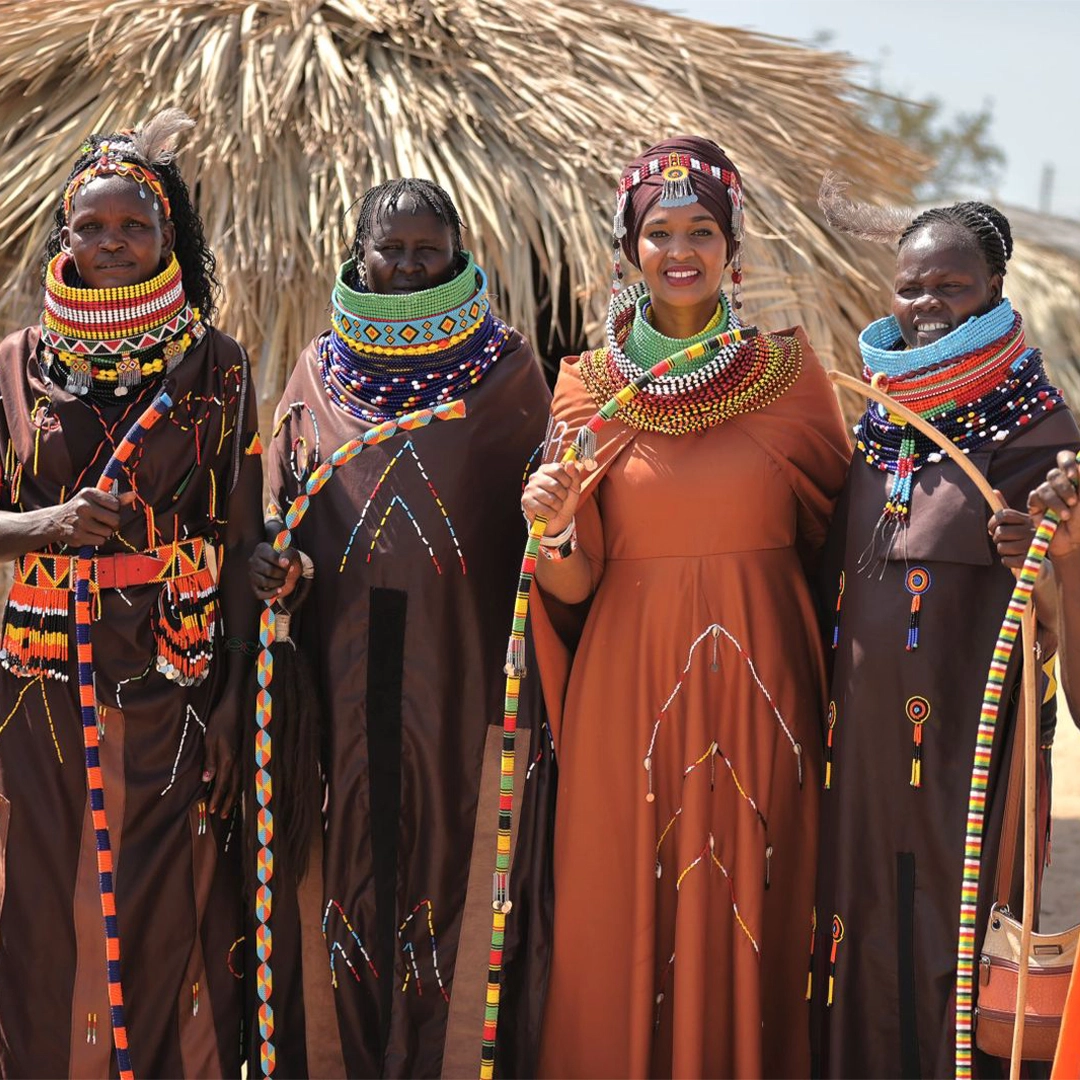
Additionally, these safaris provide immersive cultural experiences, allowing travelers to engage with indigenous communities like the Maasai or Samburu, learning about their traditions and way of life in a respectful and ethical manner.
3. Minimized Environmental Footprint
From eco-friendly lodges that use renewable energy sources to safari vehicles designed to reduce emissions, eco safaris strive to reduce the environmental impact of tourism. By staying at camps that recycle waste, conserve water, and utilize sustainable energy, you can enjoy your safari knowing that you’re doing your part to protect Kenya’s natural beauty.
Top Eco Safari Destinations in Kenya
Kenya offers a wide range of eco-friendly destinations that allow you to enjoy the country’s natural beauty while adhering to sustainable practices. Here are some top spots for an eco safari:
1. Maasai Mara National Reserve
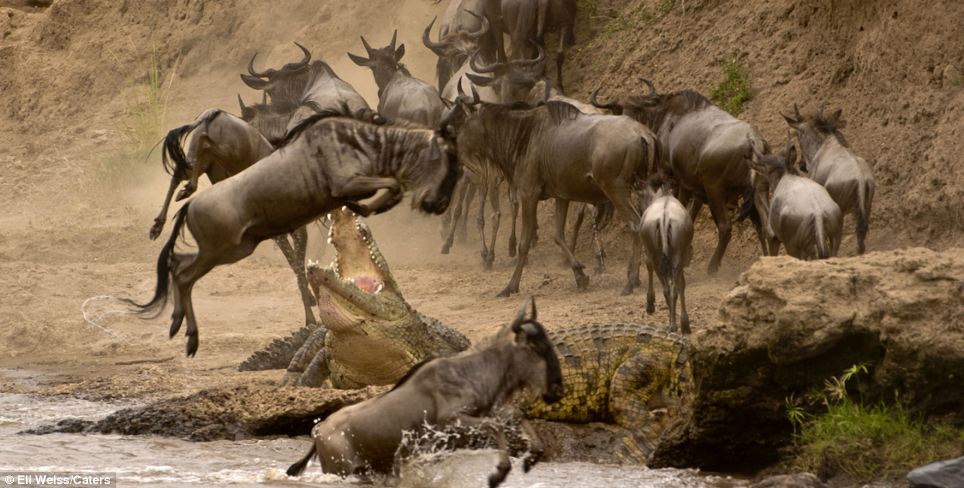
The Maasai Mara is famed for its wildlife, especially the annual Great Migration. Many camps in this area focus on low-impact tourism and are involved in local Maasai community projects. These camps use renewable energy and promote responsible wildlife viewing, ensuring the protection of the fragile ecosystem.
2. Amboseli National Park
Known for its large elephant herds and stunning views of Mount Kilimanjaro, Amboseli is another top eco safari destination. Eco-lodges here emphasize conservation efforts, particularly in relation to protecting elephants from poaching and securing water sources for wildlife.
3. Ol Pejeta Conservancy
This private conservancy in Laikipia County is at the forefront of conservation in Kenya. Ol Pejeta is home to the world’s last two northern white rhinos and is involved in groundbreaking efforts to save rhinos from extinction. Visitors to Ol Pejeta can stay in eco-friendly lodges and participate in educational programs that raise awareness about wildlife conservation.
4. Samburu National Reserve
Samburu is a remote and less-visited reserve that offers a more exclusive and peaceful safari experience. The eco-friendly lodges in this region work closely with the local Samburu people to provide sustainable tourism options while preserving the park’s unique ecosystem.
5. Lewa Wildlife Conservancy
Lewa is a leader in sustainable tourism and conservation, known for its rhino population and efforts to protect endangered species. Staying in eco-lodges in Lewa ensures that your safari directly supports wildlife protection and community initiatives.
Eco-Friendly Safari Activities
Eco safaris offer a variety of low-impact activities that allow you to experience Kenya’s incredible wildlife and landscapes while treading lightly on the environment.
1. Walking Safaris
Led by expert guides, walking safaris offer an intimate way to explore Kenya’s wilderness. You can learn about the smaller creatures, flora, and ecosystems that are often overlooked on traditional game drives, all while leaving a minimal footprint.
2. Cycling Safaris
For the adventurous, cycling safaris offer a unique way to explore Kenya’s landscapes. This eco-friendly option allows you to traverse the savannah on two wheels, getting up close to wildlife while minimizing pollution.
3. Cultural Experiences
Engaging with local communities in an eco-conscious way is a key aspect of an eco safari. Join responsible cultural tours that respect the traditions of indigenous groups and contribute to their wellbeing through tourism revenue.
4. Wildlife Conservation Projects
Many eco safari operators provide opportunities for travelers to get involved in conservation work. Whether it’s visiting a rhino sanctuary or participating in anti-poaching patrols, these experiences offer a hands-on way to support Kenya’s wildlife.
Eco-Friendly Lodges in Kenya
Some lodges and camps go above and beyond to ensure that their operations are sustainable. Here are a few top eco-lodges that set the standard for green tourism in Kenya:
- Campi ya Kanzi: Nestled in the Chyulu Hills, this eco-lodge is powered entirely by solar energy and rainwater, supporting the Maasai Wilderness Conservation Trust.
- Eagle View, Mara Naboisho: Situated in the Mara Naboisho Conservancy, Eagle View offers luxurious eco-living and is deeply committed to wildlife conservation and community involvement.
- Sarara Camp: Located in the remote Mathews Range, Sarara Camp works with the Samburu community to protect wildlife while providing sustainable income through tourism.
Eco safaris in Kenya offer an unparalleled way to experience the country’s wildlife and culture while prioritizing sustainability. By choosing eco-friendly accommodations, low-impact activities, and responsible tourism practices, you can enjoy an unforgettable safari that leaves a positive legacy for future generations.
Whether you’re a first-time visitor or a seasoned traveler, an eco safari in Kenya is the perfect way to connect with nature, support conservation efforts, and make a meaningful contribution to the local communities. Let Crystal Tours and Travel help you plan a sustainable, memorable adventure today!