Nestled on the northeastern edge of the Maasai Mara ecosystem, Mara Naboisho Conservancy is one of Kenya’s most successful community conservancies and among the best safari destinations in Africa.
Renowned for its exceptional wildlife viewing, low tourist density, luxurious safari camps, and groundbreaking conservation model, the conservancy offers a more exclusive and intimate safari experience than the neighboring Maasai Mara National Reserve.
Covering more than 50,000 acres of pristine savannah, acacia woodland, and seasonal river valleys, Mara Naboisho Conservancy is a haven for wildlife enthusiasts, photographers, birdwatchers, and travelers seeking authentic encounters with nature.
Whether you want to track lions on a morning game drive, enjoy a guided walking safari, or witness spectacular African sunsets from a hilltop sundowner, Naboisho delivers unforgettable experiences.
Contact Crystal Tours Kenya for the ultimate Mara Naibosho conservancy safari. Send an email to info@crystaltourskenya.com or call +254 727 039 513.
Unlike many wildlife destinations where tourism and conservation often compete, Mara Naboisho Conservancy has successfully integrated both. The conservancy protects wildlife while generating sustainable income for local Maasai landowners, making it a global model for community-led conservation.
Where Is Mara Naboisho Conservancy?
Mara Naboisho Conservancy is located within the Greater Maasai Mara ecosystem in southwestern Kenya, bordering the famous Maasai Mara National Reserve.
The conservancy lies approximately 240 kilometers from Nairobi and can be accessed either by road or by scheduled and charter flights.
By road, the journey from Nairobi takes about five to six hours depending on road conditions. Many visitors combine their trip with a broader Maasai Mara safari.
For those seeking convenience, daily flights operate from Nairobi’s Wilson Airport to nearby airstrips such as Ol Seki and Mara Naboisho Airstrip. The flight takes approximately 45 minutes.
History of Mara Naboisho Conservancy
The word “Naboisho” means “coming together” in the Maa language, reflecting the conservancy’s collaborative spirit.
Established in 2010, Mara Naboisho Conservancy emerged through a partnership between more than 500 Maasai landowners, conservation organizations, and safari operators.
The initiative aimed to create a sustainable conservation model that would protect wildlife while providing direct economic benefits to local communities.
Before the conservancy was formed, increasing land subdivision, overgrazing, and human-wildlife conflict threatened the ecosystem. By leasing their land to the conservancy, Maasai families gained a reliable source of income while helping preserve one of Africa’s most important wildlife habitats.
Today, Mara Naboisho Conservancy is recognized globally as a leading example of successful community-based conservation.
Why Mara Naboisho Conservancy Is Special
Low Tourist Density
One of the biggest advantages of visiting Mara Naboisho Conservancy is the absence of crowds. Naboisho limits visitor numbers..
Walking Safaris
Unlike the Maasai Mara National Reserve, guided walking safaris are permitted in the conservancy. These experiences provide a deeper understanding of animal tracks, plants, insects, and ecosystem dynamics.
Exceptional Predator Sightings
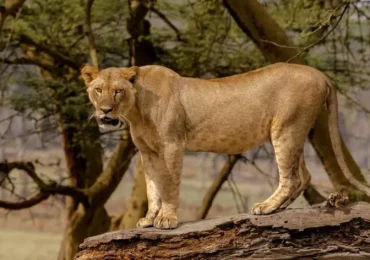
The conservancy has one of the highest densities of lions in Africa. Visitors frequently encounter:
- Lions
- Leopards
- Cheetahs
- Hyenas
- Jackals
Predator sightings are often more intimate due to fewer safari vehicles.
Night Game Drives
Night drives are another unique advantage. Visitors can observe elusive nocturnal species rarely seen during daytime safaris.
Community Conservation
Every safari directly supports local Maasai families through lease payments, employment opportunities, and community development projects.
Wildlife in Mara Naboisho Conservancy
Mara Naboisho Conservancy supports remarkable biodiversity.
The conservancy is particularly famous for its predators including;
Lions
Naboisho has one of the highest lion densities in the Greater Mara ecosystem. Large prides frequently patrol the grasslands and river valleys.
Leopards
Leopards are commonly spotted resting in acacia trees or hunting near riverine forests.
Cheetahs
The open plains provide excellent hunting grounds for cheetahs, making sightings relatively common.
Other Predators
- Spotted hyenas
- Black-backed jackals
- Bat-eared foxes
- Serval cats
Herbivores
Visitors can expect to see:
Thomson’s gazelles
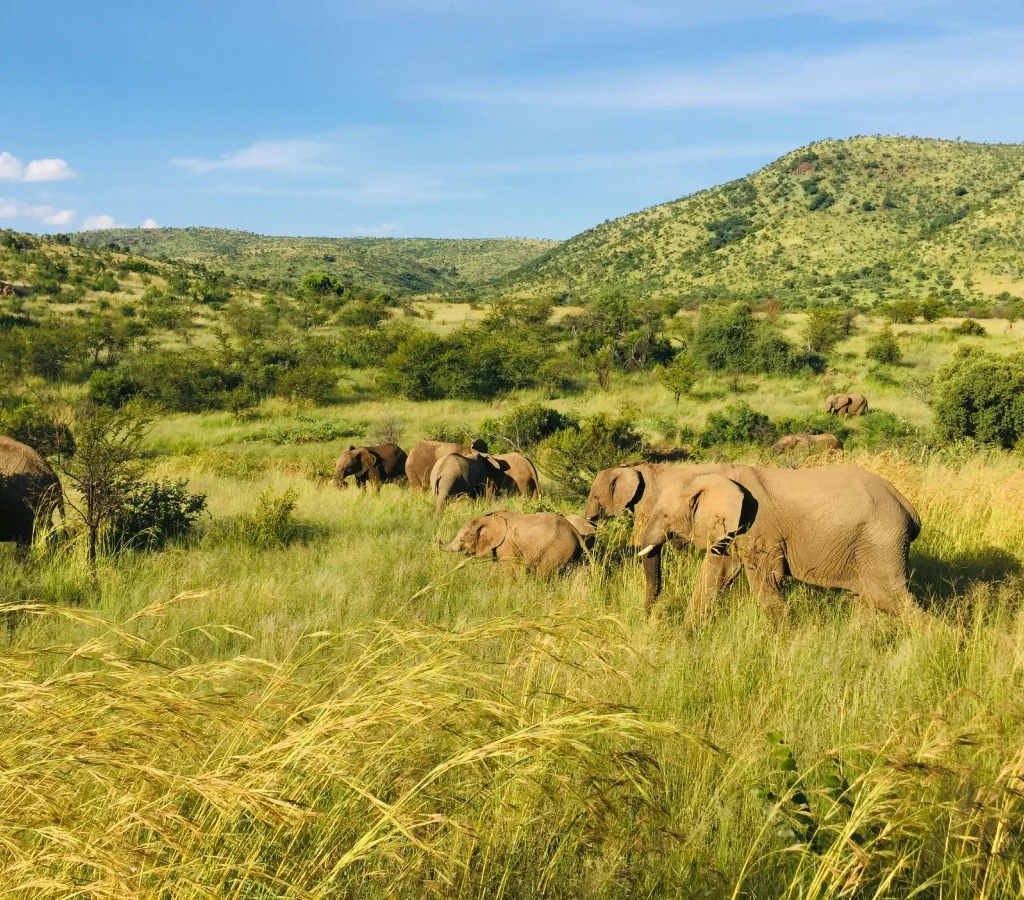
African elephants
Buffalo
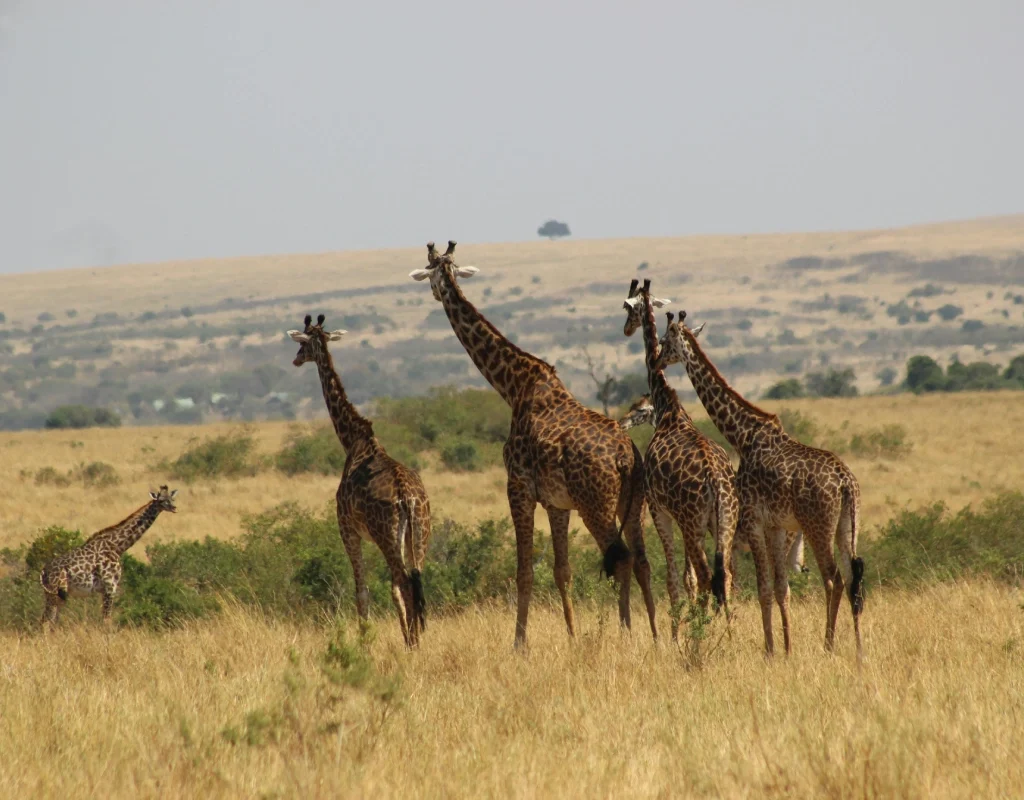
Giraffes
Zebras
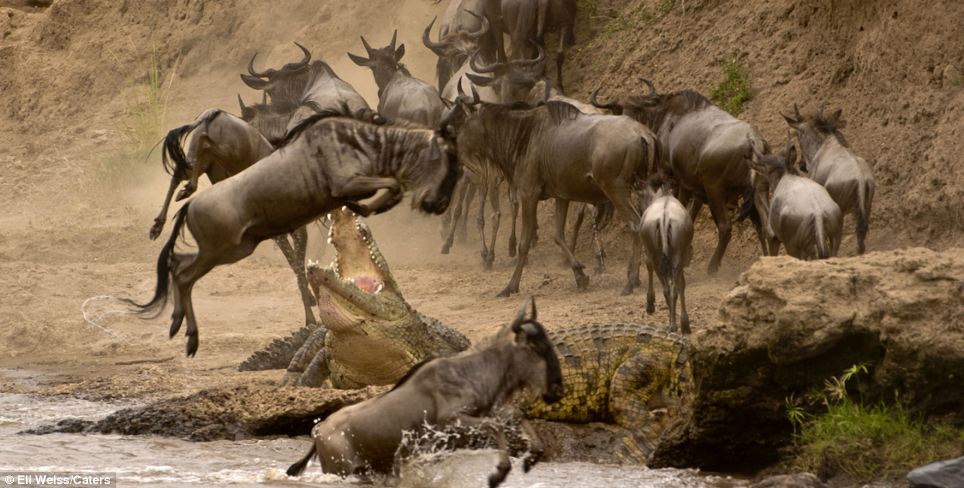
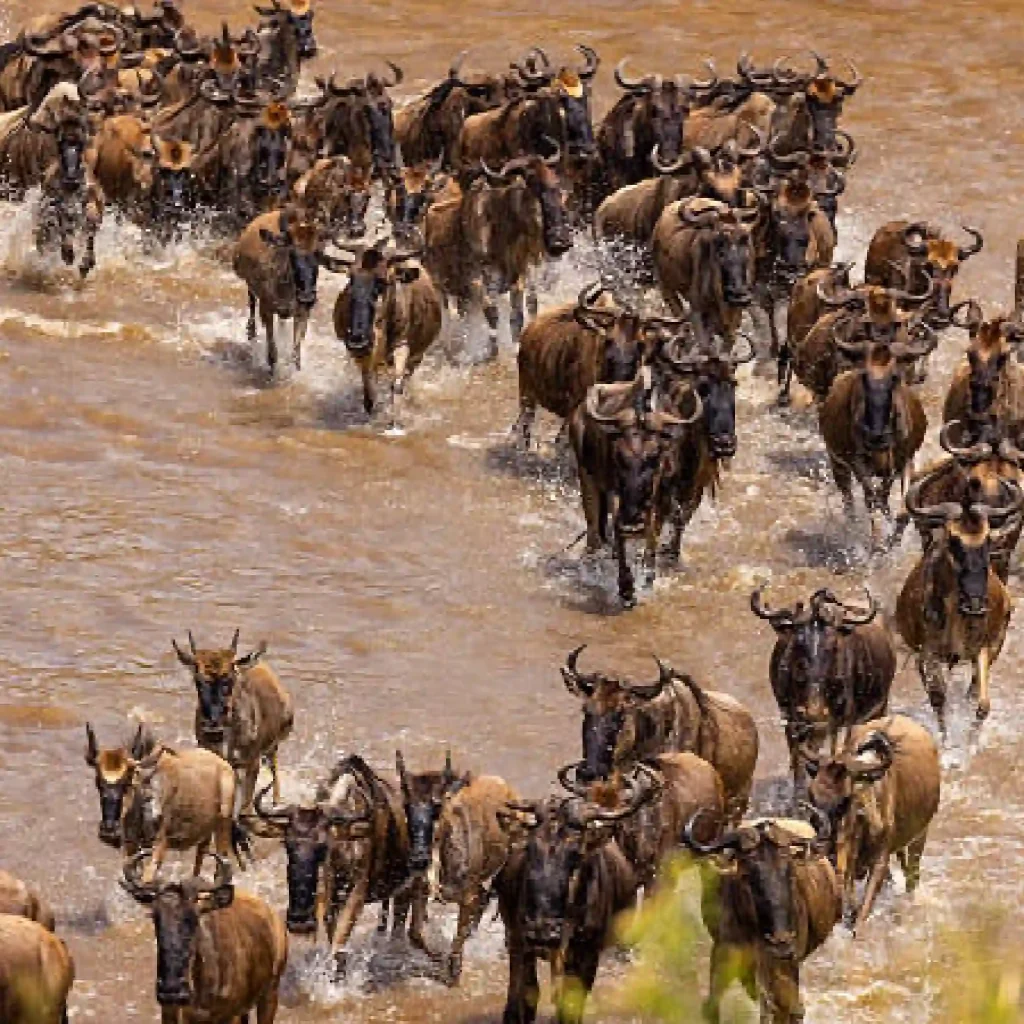
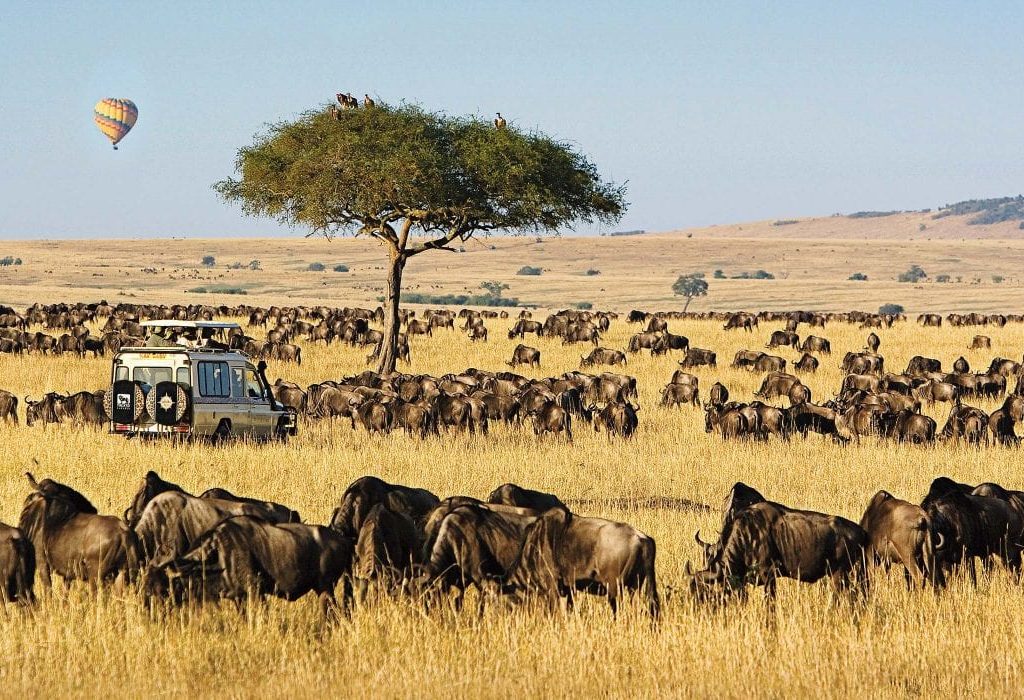
Wildebeest
Impalas
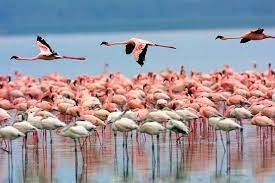
Birdlife
Birdwatchers can spot over 300 species including:
- Secretary birds
- Martial eagles
- Lilac-breasted rollers
- Kori bustards
- Crowned cranes
- Vultures
- Hornbills
Rare Species
Rare sightings may include:
- Aardwolves
- Caracals
- Pangolins
- African wildcats
Top Attractions in Mara Naboisho Conservancy
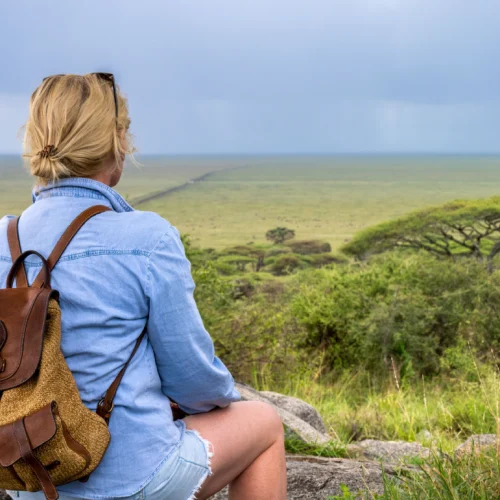
Rolling Savannah Landscapes
The conservancy features breathtaking grasslands ideal for wildlife viewing and photography.
Acacia Woodlands
These habitats support diverse birdlife and provide shelter for leopards.
Seasonal Rivers
River corridors attract wildlife throughout the year and serve as important migration routes.
Predator Hotspots
Several regions of the conservancy are known for frequent lion and cheetah sightings.
Spectacular Sunsets
The elevated hills provide stunning panoramic views of the Mara ecosystem.
Best 10 Things to Do in Mara Naboisho Conservancy
1. Game Drives
Morning and afternoon game drives offer exceptional wildlife viewing opportunities.
2. Night Game Drives
These exhilarating night safari drives reveal a completely different side of the ecosystem, showcasing nocturnal animals including: porcupines, aardvarks, bush babies, hyenas, and genets.
3. Walking Safaris
Guided nature walks allow visitors to explore the ecosystem on foot with experienced Maasai guides.
4. Birdwatching
The conservancy is a paradise for bird enthusiasts.
5. Wildlife Photography
Low vehicle numbers and abundant wildlife make Naboisho ideal for photographers.
6. Hot Air Balloon Safaris
Floating above the Mara plains at sunrise provides unforgettable aerial views.
7. Cultural Visits
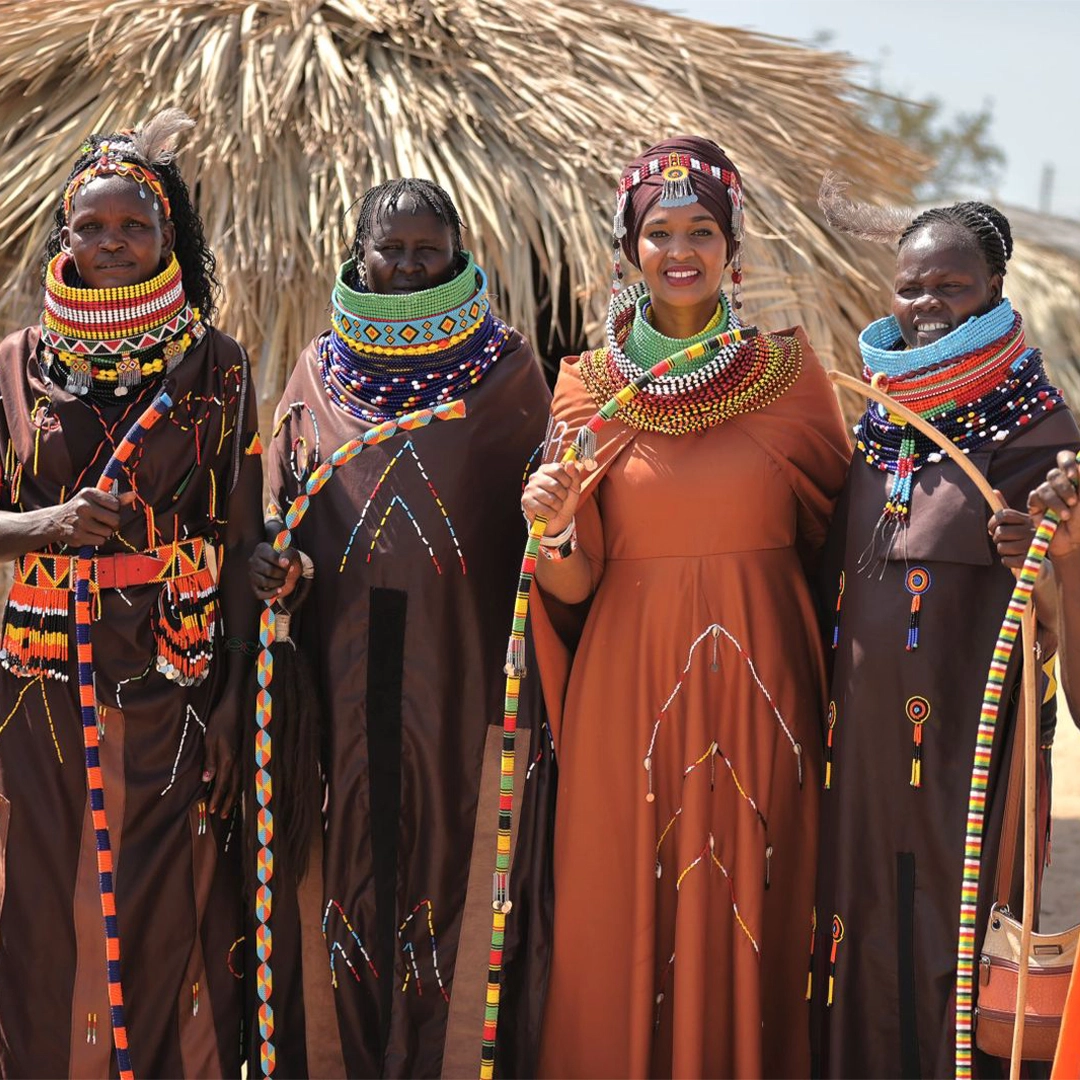
Visitors can learn about Maasai traditions, customs, and daily life.
8. Sundowners
Enjoy drinks while watching the African sunset over the savannah.
9. Bush Meals
Many camps offer breakfast or dinner in scenic wilderness locations.
10. Conservation Experiences
Some camps provide opportunities to learn about wildlife monitoring and conservation programs.
Accommodation in Mara Naboisho Conservancy
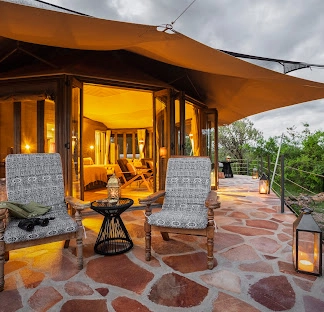
Luxury Safari Camps
The conservancy is renowned for high-end safari experiences.
Popular options include:
Mid-Range Options
Several camps offer comfortable accommodations at more affordable rates while maintaining excellent safari experiences.
Family-Friendly Camps
Some properties cater specifically to families with children, offering educational wildlife programs and spacious family tents.
Exclusive Use Properties
Private camps and villas are available for groups seeking maximum privacy.
Conservation and Community Impact
Mara Naboisho Conservancy demonstrates how conservation can benefit both people and wildlife.
Wildlife Protection
The conservancy protects critical habitats for predators, herbivores, and bird species.
Sustainable Tourism
Visitor numbers are carefully managed to reduce environmental impacts.
Community Benefits
Local Maasai communities benefit through:
- Land lease payments
- Employment opportunities
- Education support
- Healthcare initiatives
- Infrastructure development
Human-Wildlife Coexistence
The conservancy helps reduce conflicts between people and wildlife through community engagement and conservation incentives.
Travel Tips for Visiting Mara Naboisho Conservancy
What to Pack
- Neutral-colored clothing
- Sun hat
- Sunglasses
- Sunscreen
- Binoculars
- Camera equipment
- Lightweight jacket
Safari Etiquette
- Remain quiet near wildlife
- Follow guide instructions
- Avoid littering
- Respect local culture
Health and Safety
- Travel insurance is recommended
- Carry personal medications
- Stay hydrated
Frequently Asked Questions
1. What is Mara Naboisho Conservancy known for?
It is known for exceptional predator sightings, luxury safaris, conservation success, and low tourist density.
2. Is Mara Naboisho Conservancy worth visiting?
Yes. It offers a more exclusive safari experience than many parts of the Maasai Mara.
3. Can you see the Big Five?
You can see most of the Big Five, though rhino sightings are uncommon.
4. Are night drives allowed?
Yes, night game drives are one of the conservancy’s biggest attractions.
5. Is Mara Naboisho Conservancy part of Maasai Mara?
It is part of the Greater Maasai Mara ecosystem but operates independently from the national reserve.
Conclusion
Mara Naboisho Conservancy represents the future of African conservation tourism.
Combining extraordinary wildlife encounters, luxurious safari experiences, meaningful community partnerships, and sustainable conservation practices, it offers one of the most rewarding safari destinations in Kenya.
For travelers looking to experience the very best of the Maasai Mara ecosystem while supporting responsible tourism, booking a safari to Mara Naboisho Conservancy with Crystal Tours Kenya is an excellent choice.
Contact Crystal Tours Kenya for the ultimate Mara Naibosho conservancy safari. Send an email to info@crystaltourskenya.com or call +254 727 039 513.
Whether you are seeking thrilling predator sightings, intimate wildlife photography opportunities, or an authentic connection with the Maasai culture, Mara Naboisho Conservancy delivers an unforgettable adventure.