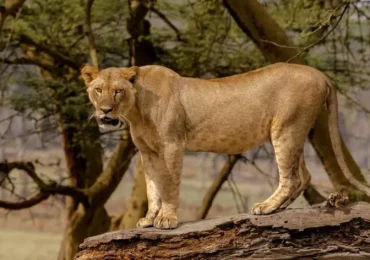
Nestled between the foothills of Mount Kenya and the rolling plains of Laikipia County, Ol Pejeta Conservancy stands as one of Africa’s most remarkable conservation success stories.
Covering approximately 90,000 acres of diverse landscapes, this privately managed wildlife conservancy has become a global model for balancing wildlife protection, community development, sustainable tourism, and scientific innovation.
Ol Pejeta Conservancy Kenya has built its reputation on protecting endangered species while creating meaningful benefits for surrounding communities.
Home to the largest black rhino sanctuary in East Africa, Kenya’s only chimpanzee sanctuary, and perhaps most famously, the world’s last two surviving Northern White Rhinos.
Visitors embarking on an Ol Pejeta Safari experience much more than wildlife viewing. They become part of a conservation story that spans decades and continues to shape the future of endangered species conservation worldwide.
The Story of Ol Pejeta Conservancy
The history of Ol Pejeta Conservancy is a fascinating journey of transformation. What began as a colonial-era cattle ranch eventually evolved into one of the most respected wildlife conservancies in Africa.
The fertile plains of Laikipia have long supported livestock farming due to their favorable climate and abundant grazing lands. However, as wildlife populations across Kenya faced mounting threats from habitat loss and poaching, visionaries recognized an opportunity to turn this vast ranch into a sanctuary for endangered species.
Over the years, Ol Pejeta transitioned from agricultural operations into a world-class conservation area. Strategic partnerships with conservation organizations, government agencies, researchers, and local communities helped create a sustainable model where tourism revenues directly support wildlife protection and community development.
Today, Ol Pejeta Kenya demonstrates how conservation and economic growth can coexist. The conservancy generates employment opportunities, supports local schools, funds healthcare programs, and invests in infrastructure projects that improve livelihoods throughout Laikipia County.
The Last Two Northern White Rhinos
No story captures the importance of Ol Pejeta Conservancy more powerfully than that of the Northern White Rhinos.
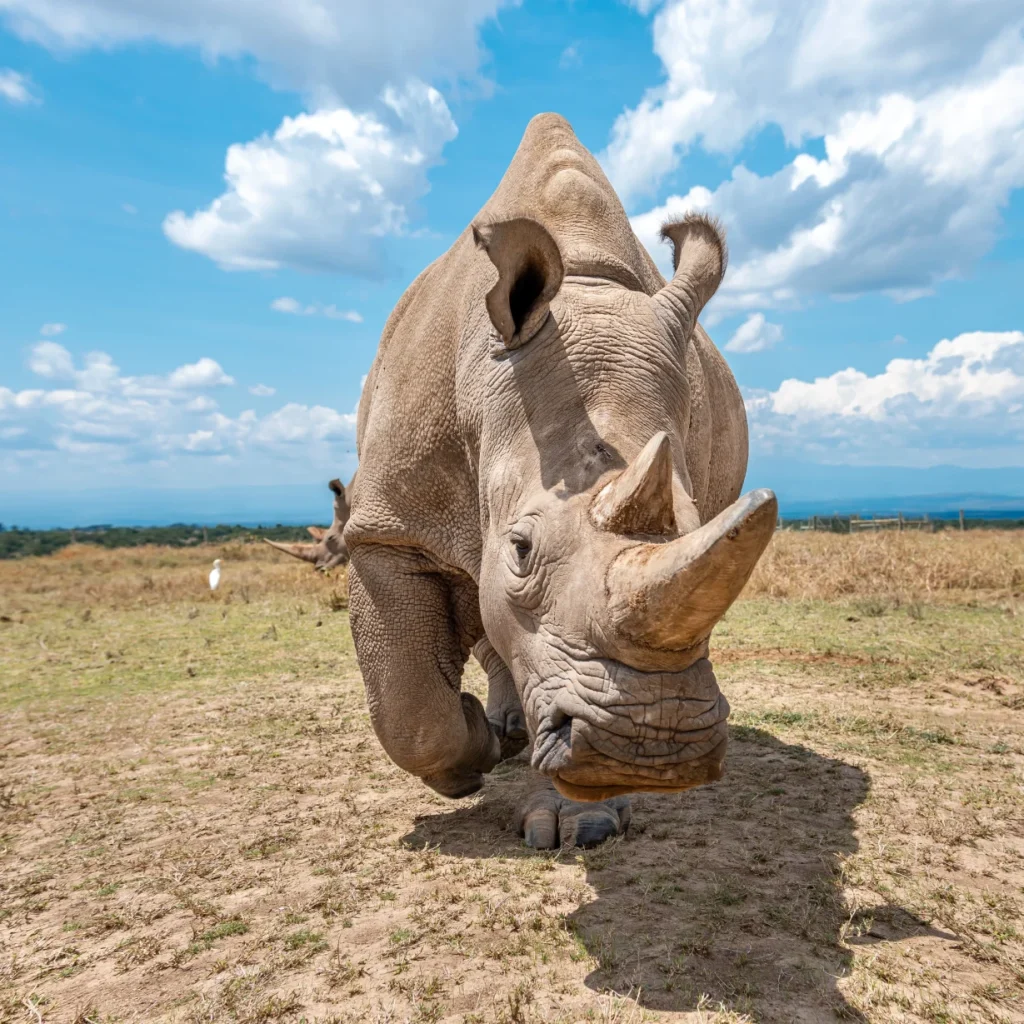
The Northern White Rhino once roamed across parts of Central and East Africa. Decades of poaching and political instability devastated populations, pushing the species toward extinction.
In 2009, four Northern White Rhinos including Sudan, Suni, Najin, and Fatu, were transferred from the Czech Republic to Ol Pejeta in a last-ditch effort to encourage natural breeding under African conditions.
Despite intensive conservation efforts, the species continued its decline.
The world watched with sadness when Sudan, the last male Northern White Rhino, died in March 2018. His death marked the functional extinction of the species.
Today, only two females remain:
Najin
Najin, Sudan’s daughter. Known for her gentle nature and has become a symbol of resilience in conservation circles.
Fatu
Fatu, Sudan’s granddaughter. Currently considered the most viable candidate for advanced reproductive technologies aimed at saving the species.
Their enclosure at Ol Pejeta has become one of the most visited conservation attractions in Africa.
Meeting the Last Northern White Rhinos is often an emotional experience. Visitors come face-to-face with living reminders of humanity’s impact on wildlife and the urgent need for conservation action.
Fatu and Najin are protected 24 hours a day by armed rangers who monitor them continuously.
How Science Is Trying to Save the Northern White Rhino
Although natural breeding is no longer possible, hope remains through groundbreaking scientific research.
The international BioRescue project is leading efforts to bring the Northern White Rhino back from the brink of extinction using advanced reproductive technologies.
Scientists regularly collect eggs from Fatu through carefully managed veterinary procedures. These eggs are then fertilized in laboratories using preserved sperm from deceased Northern White Rhino males.
The resulting embryos are frozen and stored until suitable surrogate mothers can carry them.
Southern White Rhinos have been selected as surrogate mothers because they are the closest living relatives of the Northern White Rhino.
This process represents one of the most ambitious wildlife conservation projects ever attempted.
Researchers have successfully created numerous viable embryos, providing hope that future generations of Northern White Rhinos may once again roam African landscapes.
The project combines veterinary science, genetics, reproductive biology, and wildlife conservation in ways never before seen.
For many conservationists, Ol Pejeta Conservancy serves as the front line of a scientific effort that could redefine endangered species recovery worldwide.
Rhino Conservation Success Stories
When discussing Rhino Conservation Kenya, Ol Pejeta stands among the continent’s greatest achievements.
The conservancy hosts more than 170 black rhinos and over 40 southern white rhinos, making it one of the most significant rhino conservation areas in Africa.
Protecting these animals requires substantial resources and innovation.
Anti-poaching efforts include:
- Armed ranger patrols
- Canine detection units
- Intelligence networks
- GPS tracking systems
- Surveillance technology
- Rapid response teams
These measures have dramatically reduced poaching risks within the conservancy.
The success of these programs demonstrates how proactive conservation management can help endangered species recover.
Ol Pejeta has become a benchmark for other Kenya Wildlife Conservancies seeking effective rhino protection strategies.
Kenya’s Only Chimpanzee Sanctuary
One of the most unique aspects of Ol Pejeta Wildlife is the renowned Sweetwaters Chimpanzee Sanctuary.
Chimpanzees are not native to Kenya. Yet Ol Pejeta is the only place in the country where visitors can see these intelligent primates.
The sanctuary was established through collaboration with the Jane Goodall Institute to provide refuge for rescued and orphaned chimpanzees.
Many residents were rescued from illegal wildlife trafficking networks, circuses, or situations involving abuse and neglect.
Upon arrival, the chimpanzees receive veterinary care, rehabilitation, and a safe environment where they can live in social groups.
Watching these primates interact is a moving experience. Their human-like behaviors, emotional intelligence, and complex social relationships leave lasting impressions on visitors.
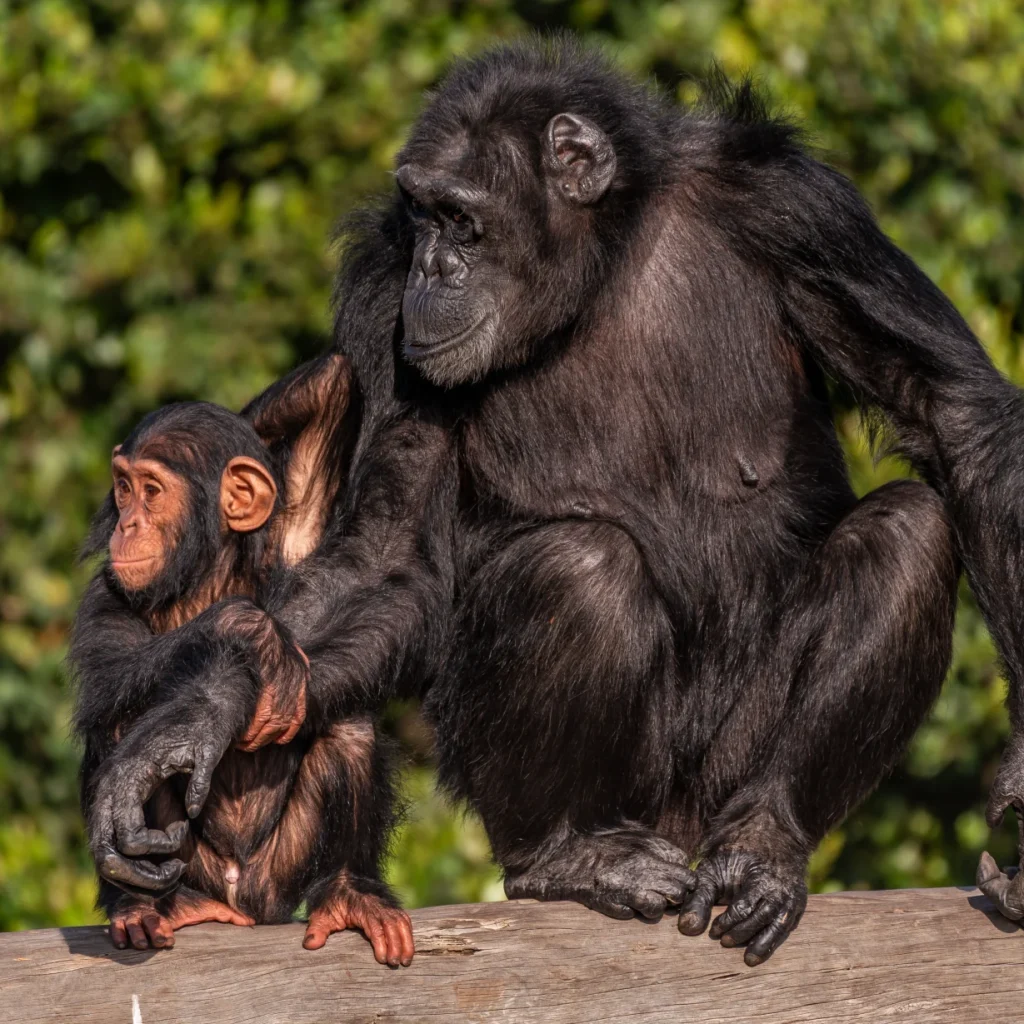
The sanctuary plays an essential role in raising awareness about illegal wildlife trade and the importance of protecting primates across Africa.
The Sweetwaters Chimpanzee Sanctuary Kenya has rescued and cared for dozens of chimpanzees from various African countries.
Wildlife Found at Ol Pejeta Conservancy
While rhinos often steal the spotlight, the diversity of wildlife at Ol Pejeta is extraordinary.
Visitors on a Big Five Safari Kenya experience can encounter:
The Big Five
- Lion
- Leopard
- Elephant
- Buffalo
- Rhino
Predators
The conservancy supports healthy populations of:
- Lions
- Cheetahs
- Leopards
- Hyenas
- Jackals
Herbivores
Common sightings include:
- Giraffes
- Zebras
- Elands
- Impalas
- Waterbucks
- Hartebeests
Birdlife
More than 300 bird species have been recorded, making the conservancy a paradise for birdwatchers.
Endangered Species
Ol Pejeta also protects:
- Black rhinos
- African wild dogs
- Grevy’s zebras
- Jackson’s hartebeests
This incredible biodiversity reinforces its status among the Best Conservancies in Kenya.
Top 10 Things to Do at Ol Pejeta Conservancy
1. Game Drives
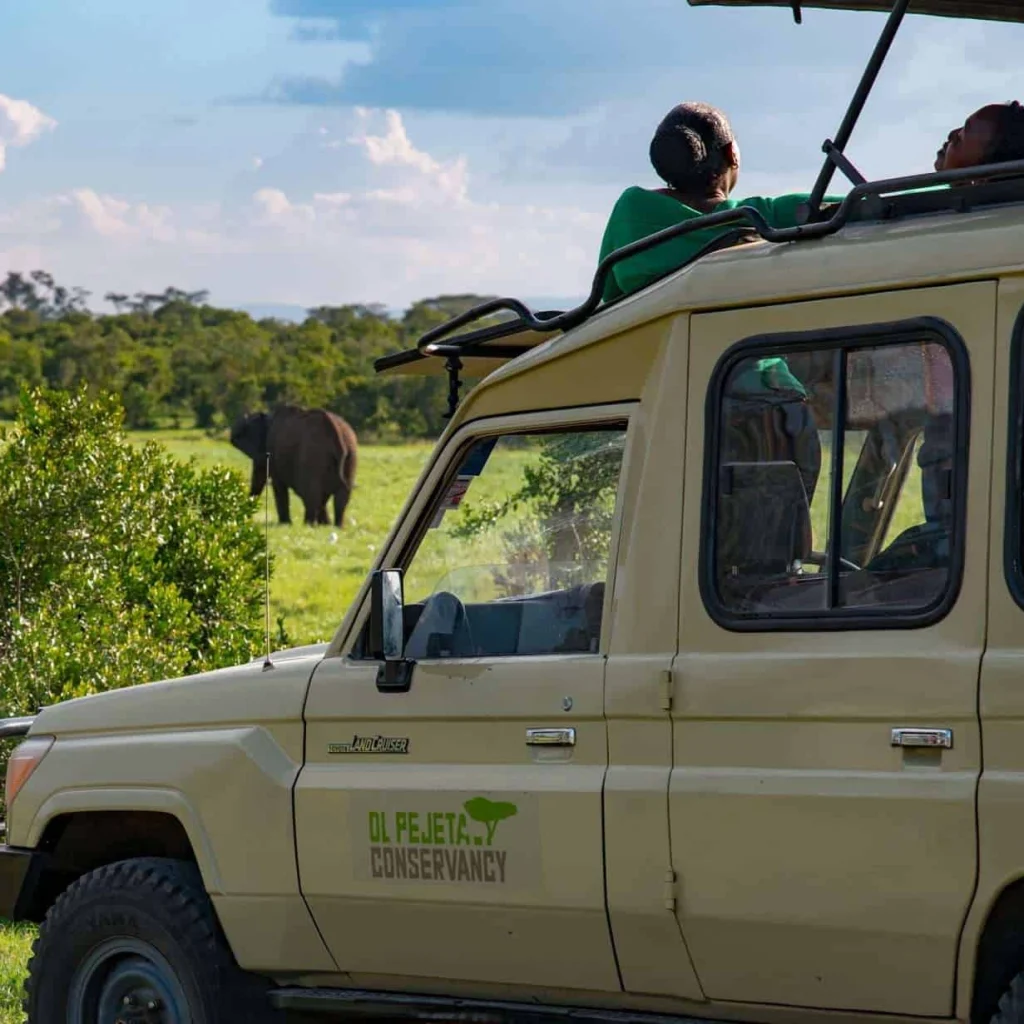
Game drives remain the most popular Ol Pejeta Activities. Visitors can explore vast landscapes while searching for the Big Five and other wildlife.
2. Lion Tracking
This unique activity allows guests to accompany researchers and learn about predator monitoring programs.
3. Meet the Northern White Rhinos
One of Africa’s most unforgettable wildlife encounters, this experience offers close access to Najin and Fatu.
4. Chimpanzee Sanctuary Visits
Guests can observe rescued chimpanzees while learning about conservation efforts.
5. Night Game Drives
After sunset, the conservancy reveals a different side of the African wilderness.
6. Bush Walks
Guided walking safaris provide deeper insights into ecosystems, plants, and animal tracks.
7. Photography Safaris
The dramatic landscapes of Laikipia create exceptional opportunities for wildlife photography.
8. Junior Ranger Programs
Young visitors can participate in educational activities focused on conservation.
9. Horse Riding Safaris
Explore wildlife-rich areas from horseback for a unique safari experience.
10. Cycling Safaris
Cycling offers adventurous travelers a thrilling way to experience nature up close.
Conservation and Community Development
A defining feature of Ol Pejeta Conservancy Kenya is its commitment to people as well as wildlife.
The conservancy invests heavily in community programs that improve quality of life throughout neighboring areas.
1.Education Programs
Scholarships, classroom construction, teacher support, and educational resources benefit local students.
2. Healthcare Initiatives
Medical clinics and health outreach programs improve access to healthcare services.
3. Water Projects
Water infrastructure projects help communities and livestock during dry seasons.
4. Community Partnerships
Ol Pejeta works closely with local leaders to identify and address development needs.
5. Sustainable Tourism Kenya
Revenue generated through tourism directly funds conservation and community projects, creating a sustainable cycle of positive impact.
This integrated model demonstrates why Ol Pejeta is considered a leader in Sustainable Tourism Kenya.
Millions of dollars generated through tourism and conservation activities are reinvested annually into community development projects.
Frequently Asked Questions (FAQs)
1. Where is Ol Pejeta Conservancy located?
Ol Pejeta Conservancy is located in Laikipia County, Kenya, between Nairobi and Mount Kenya.
2. Why is Ol Pejeta Conservancy famous?
It is famous for housing the world’s last two Northern White Rhinos and Kenya’s only chimpanzee sanctuary.
3. Can visitors see the Northern White Rhinos?
Yes, visitors can participate in guided experiences to see Najin and Fatu.
4. What is the Sweetwaters Chimpanzee Sanctuary?
It is Kenya’s only sanctuary for rescued chimpanzees.
5. What conservation projects does Ol Pejeta support?
Rhino conservation, chimpanzee rescue, anti-poaching initiatives, and Northern White Rhino IVF research.
Conclusion
In conclusion, Ol Pejeta Conservancy is far more than a safari destination. It is a living example of how conservation, science, tourism, and community development can work together to create lasting impact.
From the emotional story of the Last Northern White Rhinos to the remarkable work of the Sweetwaters Chimpanzee Sanctuary, every aspect of Ol Pejeta reflects a commitment to protecting the natural world.
Whether you are planning an Ol Pejeta Safari, searching for the best Safari in Laikipia, or simply passionate about Wildlife Conservation Kenya, a visit to Ol Pejeta
The future of many endangered species depends on places like Ol Pejeta. Visit, learn, and become part of the story.
Ol Pejeta Conservancy in partnership with Crystal Tours Kenya offers an unforgettable experience and an opportunity to support one of Africa’s most important conservation missions.
Contact Crystal Tours today at +254 727 039 513 or send an email to info@crystaltourskenya and explore Ol Pejeta Conservancy.