airobi is the capital city of Kenya and one of the most exciting destinations to visit in East Africa. Known as the “Green City in the Sun,” Nairobi combines modern city life with wildlife, history, culture, shopping, entertainment and beautiful green spaces. Few capital cities in the world offer the opportunity to see wild animals against a city skyline, making Nairobi travel a unique experience for both first-time visitors and returning travellers.
Whether you are planning a short city break, a Kenya safari, a business trip or a longer holiday, there are many things to do in Nairobi. From exploring Nairobi National Park and visiting the Giraffe Centre to discovering the city’s museums, restaurants, markets and nightlife, Nairobi attractions offer something for almost every type of traveller.
This Nairobi travel guide covers the best places to visit in Nairobi, things to do, where to stay, where to eat, the best time to visit, how to get around, suggested itineraries and useful travel tips to help you plan your trip.
Nairobi Travel guide
Nairobi is the capital and largest city of Kenya. Located in the central highlands of the country, the city sits at an elevation that gives it a relatively mild climate compared with many other parts of Kenya.

The city is an important centre for business, government, education, technology, culture and tourism. It is also a major gateway for international travellers arriving in Kenya, with Jomo Kenyatta International Airport connecting Nairobi with destinations across Africa and beyond.
Despite its modern buildings, busy roads and growing business districts, Nairobi also has extensive green spaces and important natural areas. Nairobi National Park, Karura Forest and Nairobi Arboretum provide opportunities to escape the city’s urban environment without travelling far from the centre.
One of Nairobi’s greatest strengths is its diversity. A traveller can visit a wildlife sanctuary in the morning, explore a museum in the afternoon and enjoy a restaurant, live music performance or cultural experience in the evening.
A Brief History of Nairobi
Nairobi’s history is closely connected to the development of the railway in East Africa. The area that is now Nairobi was originally known for its wetlands and water sources, and its location became increasingly important during the construction of the railway connecting the coast with the interior.
The settlement developed rapidly because of its strategic location. Nairobi eventually became an important administrative and commercial centre and later became the capital of Kenya.
The city’s colonial history can still be seen in some historic buildings and neighbourhoods, while museums and cultural institutions preserve important aspects of Kenya’s past.
After independence in 1963, Nairobi continued to grow as Kenya’s political, economic and cultural centre. Today, it is a modern African capital with a rapidly developing skyline, major business districts, universities, technology companies, shopping centres and an increasingly diverse hospitality industry.
Visitors interested in the city’s history can explore places such as the Nairobi National Museum, historical buildings and neighbourhoods, while also experiencing how Nairobi continues to develop as a modern city.
Nairobi and Wildlife
One of the most remarkable aspects of Nairobi is its relationship with wildlife.
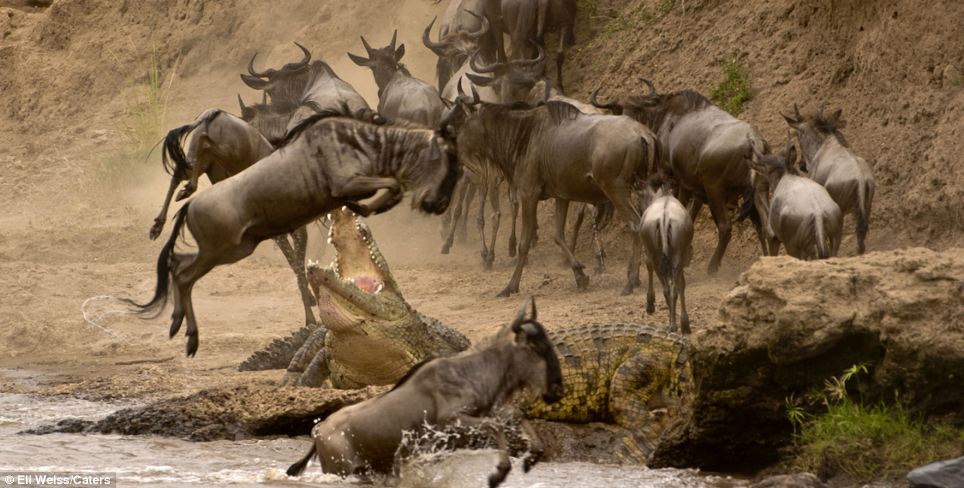
Nairobi National Park is located only a short distance from the city centre and provides habitat for lions, giraffes, zebras, buffaloes, rhinos, antelopes and numerous bird species.
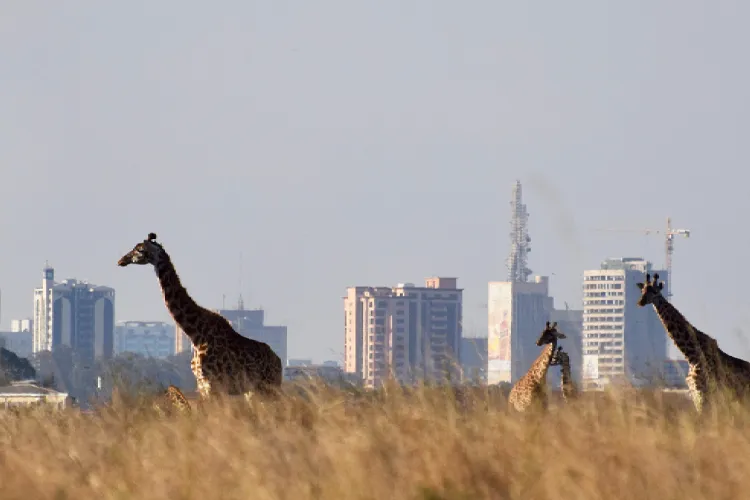
The park creates the unusual experience of seeing wildlife with Nairobi’s skyline visible in the distance. This combination has become one of the city’s defining attractions and provides excellent opportunities for photography.
Nairobi is also home to wildlife conservation organisations and facilities such as the David Sheldrick Wildlife Trust and the Giraffe Centre, making the city an excellent destination for travellers interested in conservation.
For many visitors, Nairobi is not simply a place to pass through before going on safari. It can be a wildlife destination in its own right.
Why Visit Nairobi?
There are many reasons to include Nairobi in a Kenyan itinerary. The city combines experiences that are rarely found together in one destination.
Wildlife is one of the biggest attractions. Visitors can enjoy a safari in Nairobi National Park without travelling hundreds of kilometres from the capital.
Culture and history are equally important. Museums, galleries, cultural centres and historical sites provide opportunities to learn more about Kenya and its diverse communities.
Food is another reason to visit. Nairobi has a growing restaurant scene offering everything from traditional Kenyan dishes to Indian, Ethiopian, Middle Eastern, Asian and international cuisine.
The city is also suitable for different types of travellers. Couples can enjoy restaurants, parks and cultural experiences, families can explore wildlife and educational attractions, business travellers can combine work with sightseeing, while solo travellers can explore neighbourhoods, museums, markets and entertainment venues.
Best Places to Visit in Nairobi
Nairobi National Park
Nairobi National Park is arguably the city’s most famous attraction. It is one of the few national parks in the world located so close to a major capital city.
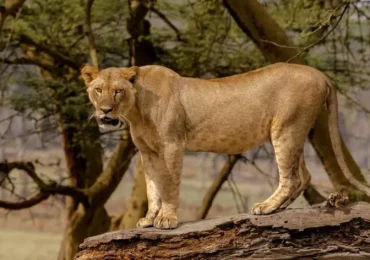
The park provides habitat for a wide range of wildlife, including lions, rhinos, giraffes, zebras, buffaloes, antelopes and many bird species.
Visitors can explore the park through game drives, with early morning and late afternoon generally offering favourable conditions for wildlife viewing.
One of the park’s most memorable features is the contrast between wilderness and city. In some areas, visitors can photograph wildlife with Nairobi’s skyline visible in the distance.
The park is an excellent option for travellers with limited time because it can be visited during a half-day or full-day Nairobi itinerary.
Giraffe Centre
The Giraffe Centre in Karen is one of Nairobi’s most popular attractions.
The centre is particularly famous for its conservation work involving the endangered Rothschild’s giraffe. Visitors can learn about giraffe conservation and observe the animals at close range.
The experience is suitable for families, couples and solo travellers, while the raised viewing platform provides opportunities to see and photograph giraffes.
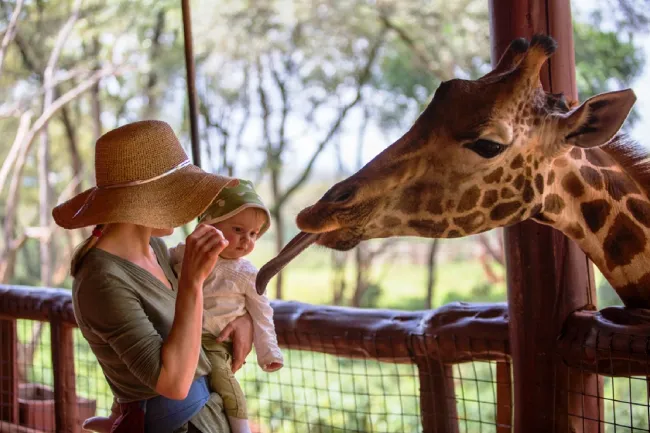
A visit to the Giraffe Centre can easily be combined with other attractions in Karen, making it a convenient stop during a full-day exploration of the area.
David Sheldrick Wildlife Trust
The David Sheldrick Wildlife Trust is well known for its elephant conservation and rehabilitation work.
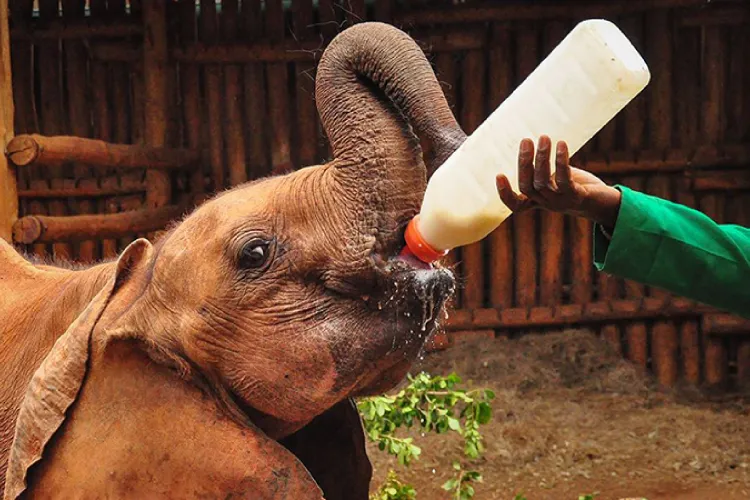
The organisation rescues and cares for orphaned elephants and works towards their eventual reintegration into the wild.
Visitors can learn about elephant conservation and the challenges facing wildlife in Kenya. The experience can be particularly meaningful for travellers who want to understand the conservation work behind Kenya’s safari industry.
Access arrangements and visitor experiences can change, so travellers should check the organisation’s current visiting procedures before planning their visit.
Nairobi National Museum
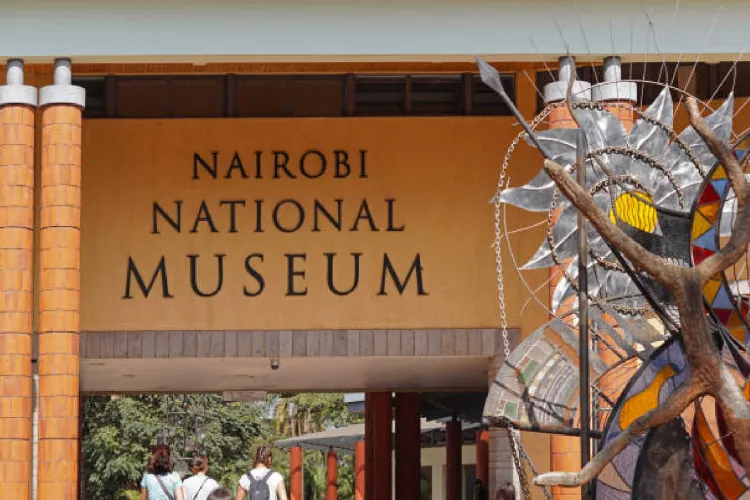
The Nairobi National Museum is one of the best places to learn about Kenya’s history, culture, art and natural heritage.
The museum contains collections covering archaeology, anthropology, paleontology, wildlife and Kenyan cultural heritage.
It is a particularly useful attraction for first-time visitors because it provides background information that can make later experiences across Kenya more meaningful.
Visitors interested in Kenya’s prehistoric history can also learn about some of the country’s important fossil discoveries and archaeological heritage.
Karen Blixen Museum
The Karen Blixen Museum is located in the Karen neighbourhood and is associated with Danish author Karen Blixen, whose experiences in Kenya inspired her memoir Out of Africa.

The museum is located at the former home of Blixen and provides visitors with an opportunity to learn about her life and time in Kenya.
The house, gardens and surrounding environment offer a quieter experience compared with central Nairobi.
The museum is particularly popular with visitors interested in literature, colonial history and the cultural history of Nairobi.
Karura Forest
Karura Forest provides an opportunity to experience nature without leaving Nairobi.
The forest contains walking and cycling trails, waterfalls, caves, streams and extensive greenery. It is popular with people looking for outdoor activities and a break from the city’s traffic and buildings.
Visitors can enjoy nature walks, cycling, photography and bird watching.
Because the forest is large, travellers should plan their route in advance and use designated trails and appropriate guidance.
Nairobi Arboretum
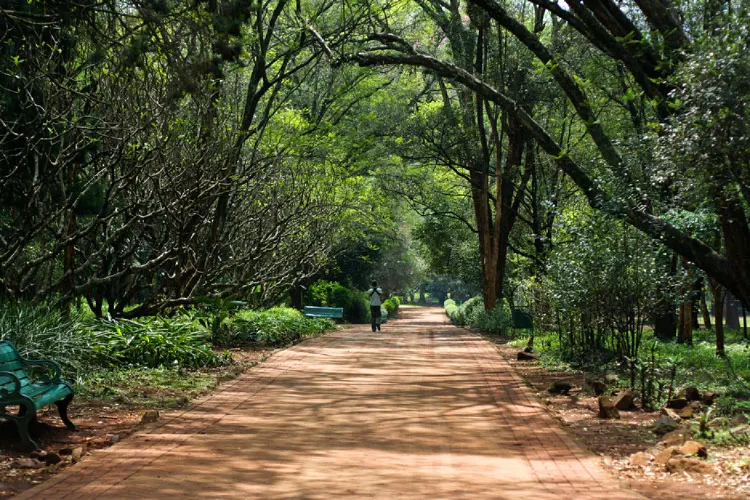
The Nairobi Arboretum is a green space near the city centre where visitors can enjoy walking trails, trees, gardens and open areas.
It is particularly suitable for travellers who want a quieter activity without travelling far from central Nairobi.
The arboretum is also popular for picnics, photography, jogging and relaxed walks.
Uhuru Park
Uhuru Park is one of Nairobi’s best-known public recreational spaces.
Located close to the city centre, the park provides open green areas where visitors can relax and enjoy views of the surrounding urban environment.
It can be combined with visits to other central attractions and provides a simple way to take a break from sightseeing.
Nairobi Railway Museum
The Nairobi Railway Museum provides insight into the history of Kenya’s railway and the role it played in the development of Nairobi.
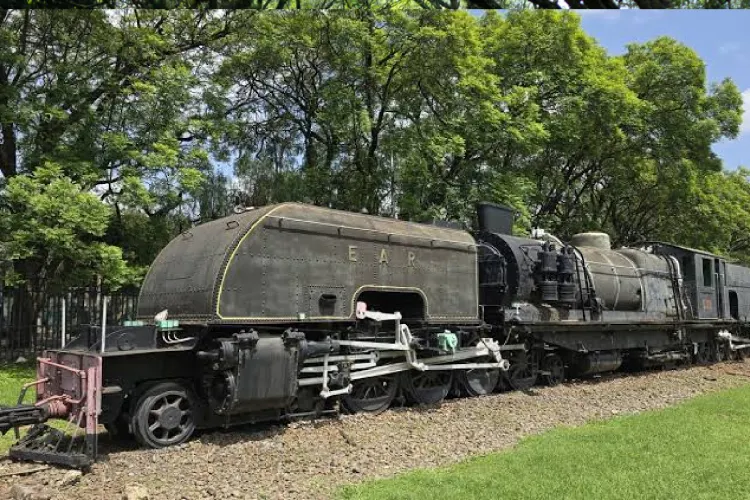
The museum contains historical railway equipment, photographs and exhibits relating to the construction and operation of the railway.
For visitors interested in engineering, transportation and Kenyan history, the museum provides useful context for understanding how Nairobi developed into the city it is today.
Bomas of Kenya
Bomas of Kenya is a cultural attraction where visitors can learn about different Kenyan communities through traditional homes, music, dance and cultural performances.
It provides an introduction to the diversity of Kenyan cultural traditions and can be particularly useful for visitors who have limited time to travel beyond Nairobi.
Cultural experiences should be approached respectfully, with visitors recognising that Kenya contains many different communities and traditions rather than treating culture as a single uniform experience.

Kazuri Beads Women’s Cooperative
Kazuri Beads is known for its handmade ceramic beads, pottery and other crafts.
A visit provides an opportunity to learn about handmade production and purchase locally produced products.

The attraction can be combined with other destinations in Karen and provides travellers with an opportunity to support local craft businesses
Maasai Market
Nairobi’s Maasai Market is a popular place to look for souvenirs, jewellery, fabrics, paintings, carvings and handmade crafts.
The location and operating days can vary, so travellers should confirm the current schedule before visiting.
Visitors should be prepared for bargaining, while also remembering that handmade products represent someone’s work and livelihood. Travellers should choose authentic and legally sourced souvenirs.
Ngong Hills
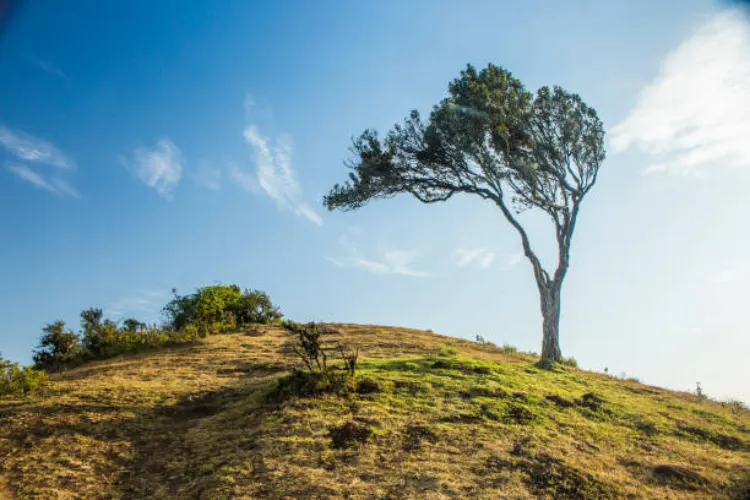
Ngong Hills is one of the most popular places to visit near Nairobi for travellers who enjoy hiking, beautiful scenery and outdoor adventure. Located southwest of Nairobi, the hills offer panoramic views across the surrounding countryside and the Great Rift Valley. The distinctive line of hills creates a memorable landscape and provides an excellent escape from the busy city. Hiking along the ridges is one of the best things to do near Nairobi for visitors looking for an active experience, while the fresh air and open scenery make the area ideal for nature lovers and photographers.
A visit to Ngong Hills can be planned as a half-day or full-day excursion from Nairobi. The trails can be demanding in some sections, so comfortable hiking shoes, drinking water, sun protection and appropriate outdoor clothing are recommended. The weather can change quickly, making it important to prepare before setting out. For travellers interested in combining Nairobi travel with outdoor experiences, Ngong Hills is an excellent addition to a city itinerary.
Nairobi Safari Walk
The Nairobi Safari Walk provides visitors with an opportunity to experience Kenya’s wildlife without leaving the capital. Located near Nairobi National Park, the attraction features a variety of wildlife and provides an educational introduction to Kenya’s different ecosystems. Visitors can encounter animals while learning about conservation, wildlife management and Kenya’s natural heritage, making it a useful stop for travellers who want a shorter wildlife experience.
For families and visitors with limited time, the Nairobi Safari Walk can be a convenient addition to a Nairobi safari itinerary. It can also be combined with nearby attractions, allowing travellers to explore several experiences in the same part of the city. The educational nature of the attraction makes it particularly suitable for visitors travelling with children or anyone interested in learning more about Kenya’s wildlife.
Tigoni and Limuru
Tigoni and Limuru are excellent day trips from Nairobi for travellers who want to experience Kenya’s cool highlands, green landscapes and agricultural countryside. Located northwest of the capital, the area is known for tea-growing landscapes, farms, gardens and scenic countryside. The cooler climate and lush surroundings provide a refreshing contrast to the energy of Nairobi city.
A trip to Tigoni and Limuru can include visits to farms, gardens, cafés and scenic countryside depending on the season and available activities. The area is particularly attractive for couples, photographers and travellers looking for a peaceful outdoor experience. For visitors searching for places to visit near Nairobi for a relaxing day out, the Tigoni-Limuru area offers a combination of nature, food and countryside scenery.
Kitengela Conservation Area
Kitengela Conservation Area is an important wildlife area on the southern outskirts of Nairobi and forms part of the wider ecosystem associated with Nairobi National Park. The open grasslands provide habitat and movement corridors for wildlife, making the area significant for conservation and the relationship between Nairobi’s expanding urban environment and surrounding natural landscapes.
A visit to the Kitengela area offers travellers an opportunity to learn about conservation challenges, wildlife habitats and the importance of protecting open land around Nairobi. The experience is different from visiting a conventional national park because it highlights the broader landscape in which wildlife moves beyond protected boundaries. For travellers interested in Nairobi wildlife experiences and conservation, Kitengela provides an interesting perspective.
Oloolua Nature Trail
Oloolua Nature Trail is one of the best nature trails near Nairobi for travellers looking for a peaceful forest experience. Located in the Karen area, the trail passes through indigenous forest and offers opportunities for walking, bird watching, photography and relaxing in a natural environment. The forest provides a welcome break from Nairobi’s busy roads and built-up neighbourhoods.
One of the highlights of the trail is the small waterfall, while the forest itself provides a chance to enjoy the sounds and scenery of nature. Oloolua is particularly suitable for travellers who want a relatively easy outdoor activity without travelling far from the city centre. It can also be combined with other Karen attractions in Nairobi, making it a useful addition to a day of sightseeing.
Athi River
Athi River is a growing town southeast of Nairobi and an important part of the metropolitan region. The area is known for its connection to Kenya’s industrial development, transport networks and surrounding open landscapes. For travellers exploring destinations around the capital, Athi River provides a different perspective on the rapidly developing areas beyond central Nairobi.
The wider Athi River and Machakos region can also serve as a starting point for exploring countryside landscapes and attractions further southeast of the capital. Travellers interested in Nairobi day trips and exploring beyond the traditional tourist circuit can include Athi River as part of a wider excursion. Its location along major transport routes also makes it useful for visitors continuing their journey towards other parts of eastern Kenya.
Things to Do in Nairobi
There is a wide range of things to do in Nairobi, from wildlife experiences and cultural attractions to food, shopping and outdoor activities.
A Nairobi safari is an obvious starting point. Visitors can spend several hours exploring Nairobi National Park before returning to the city for lunch.
Wildlife conservation experiences at the Giraffe Centre and David Sheldrick Wildlife Trust can provide a deeper understanding of Kenya’s efforts to protect endangered species.
Travellers interested in culture can visit Bomas of Kenya, the Nairobi National Museum and local markets. History enthusiasts can explore the Railway Museum and Karen Blixen Museum.
Nature lovers can spend time walking or cycling through Karura Forest or visiting the Nairobi Arboretum.
Food lovers can explore Nairobi’s diverse restaurant scene, while shoppers can visit markets, malls and craft centres.
The city also has a growing entertainment and nightlife scene, with restaurants, rooftop venues, live music and cultural events providing plenty to do after sunset.
Nairobi Culture and Heritage
Nairobi is one of the most culturally diverse cities in Kenya. People from communities across the country live and work in the capital, making it possible to experience a wide range of traditions, languages, cuisines and cultural influences.
Visitors can experience Kenyan culture through music, food, art, crafts and community events.
The city’s museums and cultural centres provide a more structured way to learn about Kenya’s heritage, while restaurants and markets offer opportunities to experience contemporary Kenyan culture.
Nairobi’s cultural identity is also influenced by its position as an international city. Indian, Ethiopian, Somali, Middle Eastern, European and other communities have contributed to the city’s food, business and cultural landscape.
This diversity makes Nairobi an excellent place to begin learning about Kenya before travelling to other parts of the country.
Foods to Try in Nairobi

Food is one of the best ways to experience Nairobi.
Visitors should consider trying traditional Kenyan dishes such as nyama choma, ugali, sukuma wiki, chapati, samosas, pilau, beef stew, mutura and githeri.
For travellers interested in Kenyan street food, local markets and casual eateries provide opportunities to experience popular dishes at affordable prices.
Nairobi also has a wide range of international restaurants, including Ethiopian, Indian, Chinese, Japanese, Italian, Middle Eastern and other cuisines.
Coffee lovers should also explore Nairobi’s growing café culture. Kenya is internationally recognised for its coffee, and many cafés serve locally grown Kenyan coffee.

Where to Eat in Nairobi
Nairobi has one of the most diverse dining scenes in Kenya.
Visitors can choose from local restaurants, street-food stalls, cafés, hotel restaurants, fine-dining establishments and international chains.
For traditional Kenyan food, local restaurants and nyama choma establishments can provide an authentic experience.
Karen, Westlands, Kilimani and the city centre also offer numerous restaurants and cafés covering different cuisines and budgets.
Travellers looking for a special occasion can choose from upscale restaurants and rooftop dining venues, while budget travellers can find affordable meals at local eateries.
Because Nairobi’s restaurant scene changes frequently, it is advisable to confirm opening hours, reservations and menus before visiting a particular establishment.
Where to Stay in Nairobi
Nairobi has accommodation options for almost every budget and travel style.

Travellers can choose from luxury hotels like the Sarova, boutique hotels, serviced apartments like the Somerset westview Nairobi, mid-range hotels, hostels, guesthouses and budget accommodation.
Visitors interested in business and nightlife may prefer Westlands, which has numerous restaurants like La mascotte , shopping centres, hotels like Yaya centre and entertainment venues.
Kilimani is popular with visitors looking for restaurants, cafés, apartments and convenient access to central Nairobi.
Karen offers a quieter atmosphere and provides convenient access to attractions such as the Giraffe Centre, Karen Blixen Museum and Nairobi National Park.
Travellers who want to be close to the central business district may choose accommodation in or around the CBD.
When choosing where to stay, consider proximity to the attractions you want to visit, traffic conditions, transport availability, security and the facilities provided by the accommodation.
Best Time to Visit Nairobi
Nairobi can be visited throughout the year.
The city’s relatively mild climate makes it suitable for sightseeing during most months, although rainfall can affect outdoor activities.
Travellers interested in combining Nairobi with a safari may want to consider the wider weather conditions of their safari destination as well.
The drier periods can be convenient for visiting Nairobi National Park and enjoying outdoor activities, while rainy periods can bring greener landscapes and pleasant conditions for some attractions.
Because Nairobi’s weather can change, it is advisable to check current forecasts before planning outdoor activities.
How to Get to Nairobi
By Air
Most international visitors arrive through Jomo Kenyatta International Airport, Kenya’s main international airport.
The airport has connections to numerous destinations in Africa, Europe, the Middle East and other parts of the world.

Travellers can also use Wilson Airport for many domestic flights and safari connections.
By Road
Nairobi is connected by road to many parts of Kenya.
Long-distance buses, shuttles, private vehicles and tour operators provide options for travellers arriving from destinations such as Mombasa, Nakuru, Kisumu, Naivasha and other parts of the country.
Road travel times vary depending on traffic, weather and road conditions.
By Train
The Standard Gauge Railway provides passenger services between Nairobi and Mombasa, making it an important option for travellers combining the capital with the Kenyan coast.
Travellers should confirm current schedules, ticket availability and departure arrangements before travelling.
By Public Transport
Nairobi has a large public transportation network that includes matatus, buses, ride-hailing services, taxis and commuter rail services.
Visitors unfamiliar with the city may find ride-hailing services and reputable taxis more convenient for direct journeys.
How to Get Around Nairobi
Getting around Nairobi can be challenging because of traffic, particularly during peak commuting hours.
Ride-hailing services can be convenient for tourists because they provide direct transportation and allow travellers to estimate fares before travelling.
Taxis are also available, while matatus and buses provide more affordable transport along established routes.
Walking can be practical in some neighbourhoods and around specific attractions, but visitors should choose pedestrian routes carefully and remain aware of their surroundings.
For day trips outside the city, hiring a vehicle or joining an organised tour can be more convenient.
Best Areas to Explore in Nairobi
The Nairobi CBD is useful for travellers interested in history, government buildings, shopping, restaurants and major city landmarks.
Westlands is one of Nairobi’s popular entertainment and business districts, with restaurants, hotels, shopping centres and nightlife.
Kilimani has become a popular area for restaurants, cafés, apartments and modern urban living.
Karen offers a quieter, greener environment and is particularly attractive to tourists because of its wildlife, museums, gardens and cultural attractions.
Gigiri is another important area, particularly for business travellers and visitors interested in the United Nations complex and nearby attractions.
Lavington and Kileleshwa offer a mixture of restaurants, accommodation and residential neighbourhoods that can be convenient for longer stays.
Day Trips from Nairobi
Nairobi is an excellent base for exploring several destinations outside the city.
Lake Naivasha can be visited as part of a day trip combining lake scenery, boat experiences and nearby attractions.
Hell’s Gate National Park is another popular excursion, particularly for travellers interested in hiking, cycling and dramatic landscapes.
Travellers with more time can visit Mount Longonot, where hiking provides panoramic views over the Great Rift Valley.
Other excursions can include Kiambu, Limuru, the wider Great Rift Valley and destinations farther from Nairobi.
For each day trip, travellers should consider travel time and traffic before planning too many activities into a single day.
Nairobi for Couples
Nairobi can be an excellent destination for couples looking for a combination of city experiences and nature.
Couples can begin the day with a visit to Nairobi National Park, explore Karen in the afternoon and enjoy dinner at a restaurant or rooftop venue in the evening.
Other romantic experiences include garden walks, coffee dates, spa experiences, sunset views and private dining.
Luxury hotels and boutique properties can also provide accommodation suitable for anniversaries, birthdays and other special occasions.
Nairobi for Families
Nairobi has many attractions suitable for families.
Children can enjoy wildlife experiences at Nairobi National Park and the Giraffe Centre, while museums and cultural attractions provide educational opportunities.
Karura Forest can also be suitable for families interested in outdoor activities, depending on the chosen trail and the children’s ages.
Parents should check current opening hours, age requirements and safety arrangements before visiting attractions.
Nairobi for Solo Travellers
Nairobi can be an interesting destination for solo travellers because of its wide range of attractions and accommodation.
Museums, galleries, cafés, parks and organised tours make it relatively easy to build an itinerary without needing a large group.
Solo travellers should take normal urban safety precautions, particularly when travelling at night or visiting unfamiliar areas.
Using reputable accommodation and transport providers can make exploring the city easier.
Shopping in Nairobi
Nairobi offers a wide range of shopping experiences.
Visitors can explore Maasai Markets for crafts, jewellery, textiles, paintings and souvenirs.
Shopping malls provide another option for travellers looking for clothing, electronics, restaurants and international brands.
For a more local experience, markets can provide opportunities to see everyday commerce and purchase fresh produce, clothing and other goods.
Travellers should be aware of counterfeit products and should choose legally and ethically sourced souvenirs.
Nightlife in Nairobi
Nairobi has one of Kenya’s most active nightlife scenes.
The city offers rooftop bars, restaurants, live music venues, clubs, lounges and cultural events.
Westlands, Kilimani and parts of the city centre are among the areas where visitors can find a range of evening entertainment.
Nairobi’s nightlife changes frequently, so visitors should confirm the current status and opening hours of a venue before going.
Travellers should also arrange reliable transportation, particularly when returning to accommodation late at night.
Festivals and Events in Nairobi
Nairobi hosts numerous events throughout the year, including music festivals, cultural celebrations, food events, art exhibitions, sporting events and business conferences.
The city also hosts international organisations and major conferences, making it an important events destination in East Africa.
Event dates and programmes can change, so travellers should confirm the latest schedule before planning their trip around a specific event.
How Much Does a Trip to Nairobi Cost?
The cost of a Nairobi trip depends on accommodation, transport, dining and activities.
Budget travellers can stay in hostels or affordable guesthouses, use public transport and eat at local restaurants.
Mid-range travellers can choose comfortable hotels, use ride-hailing services and combine paid attractions with free parks and cultural experiences.
Luxury travellers can choose high-end hotels, private transfers, fine dining and private wildlife experiences.
Visitors should also budget for attraction entrance fees, safari activities, shopping, entertainment and day trips.
Because prices can change, travellers should confirm current rates before making bookings.
Safety Tips for Travelling in Nairobi
Nairobi is a large and busy city, so visitors should take normal urban travel precautions.
Keep valuables secure, avoid displaying expensive electronics unnecessarily and remain aware of your surroundings in crowded areas.
Use reputable taxis, ride-hailing services or organised transport, particularly at night.
Visitors should also avoid isolated areas after dark and should follow local advice regarding neighbourhoods and transportation.
When visiting Nairobi National Park or other wildlife areas, follow all instructions from guides and park authorities.
Travellers should also keep copies of important documents and emergency contact information.
What to Pack for Nairobi
Packing for Nairobi depends on the activities included in your itinerary.
Useful items include comfortable walking shoes, lightweight clothing, a light jacket, sunscreen, sunglasses, a hat and insect repellent.
If you are visiting Nairobi National Park or continuing to another safari destination, binoculars and a camera are useful.
A light jacket is particularly helpful in the early morning and evening because Nairobi’s elevated location can result in cooler temperatures.
Travellers should also carry a reusable water bottle and any personal medication they require.
Useful Nairobi Travel Tips
Before travelling, check attraction opening hours, transport conditions, accommodation availability and current entry fees.
Traffic can significantly affect travel times, so allow extra time when moving between different parts of the city.
Mobile money services (MPESA) are widely used in Nairobi, while cards are accepted by many hotels, restaurants and shopping centres.
English and Kiswahili are widely spoken, making communication relatively easy for international visitors.
When visiting cultural attractions, ask permission before photographing people and respect local customs.
Travellers should also avoid assuming that Nairobi represents all of Kenya. The country has many different cultures, landscapes and communities, and the capital is only one part of that wider experience.
Suggested Nairobi Itineraries
One-Day Nairobi Itinerary
If you only have one day in Nairobi, focus on a combination of wildlife and culture without spending too much time travelling across the city.
Begin your morning with an early visit to Nairobi National Park for a game drive. An early start gives you a chance to experience the park when temperatures are cooler and wildlife is generally more active. After the safari, head towards the Karen area for lunch and continue to the Giraffe Centre.
In the afternoon, visit the Oloolua Nature Trail for a peaceful walk through the forest. The trail provides a completely different experience from the morning safari and allows you to finish your day surrounded by nature.
If time allows, end your evening with dinner at one of Nairobi’s restaurants before returning to your accommodation.
Two-Day Nairobi Itinerary
A two-day Nairobi travel itinerary gives you enough time to experience wildlife, nature, history and culture.
On the first day, start with a Nairobi National Park safari before visiting the Nairobi Safari Walk. After lunch, explore the Nairobi National Museum to learn more about Kenya’s history, culture and natural heritage. In the evening, enjoy dinner in Westlands, Kilimani or another popular dining area.
On the second day, concentrate on the Karen area. Visit the Giraffe Centre and Karen Blixen Museum before heading to Oloolua Nature Trail for a forest walk. You can finish the afternoon exploring local cafés, restaurants and craft shops around Karen.
This itinerary is ideal for first-time visitors who want to experience several of the best places to visit in Nairobi without making the trip too rushed.
Three-Day Nairobi Itinerary
With three days, you can combine the city’s major attractions with one of the scenic destinations around Nairobi.
Spend the first day exploring Nairobi’s wildlife attractions. Begin with Nairobi National Park, followed by the Nairobi Safari Walk. Later, visit the Giraffe Centre or David Sheldrick Wildlife Trust, depending on your interests and current visitor arrangements.
On the second day, explore Nairobi’s history and culture. Visit the Nairobi National Museum, Nairobi Railway Museum and Bomas of Kenya. Leave some time for shopping for Kenyan crafts and souvenirs.
Use the third day for nature and the countryside. Start with a visit to Ngong Hills, where you can enjoy a hike and panoramic views over the surrounding landscape. After the hike, return towards Karen and, if time and energy allow, visit Oloolua Nature Trail.
This three-day plan works particularly well for travellers who want a mixture of a Nairobi safari, hiking, culture and nature.
Four-Day Nairobi Itinerary
A four-day stay allows you to explore Nairobi at a more relaxed pace and include destinations outside the city centre.
Spend the first day on a Nairobi National Park safari followed by the Nairobi Safari Walk. Keep the evening relaxed with dinner in the city.
On the second day, explore the Karen area. Visit the Giraffe Centre, Karen Blixen Museum and Oloolua Nature Trail. You can also spend time in local cafés, restaurants and craft shops.
On the third day, take a countryside excursion towards Tigoni and Limuru. Enjoy the green highland scenery, tea-growing landscapes, farms and countryside atmosphere. This makes a refreshing change from the busy urban environment of Nairobi.
On the fourth day, explore Nairobi’s cultural and historical attractions, including the Nairobi National Museum, Nairobi Railway Museum and Bomas of Kenya. Finish the day with shopping or an evening meal in one of the city’s entertainment districts.
Five-Day Nairobi and Surroundings Itinerary
A five-day trip gives you the opportunity to combine the best things to do in Nairobi with several experiences around the city’s outskirts.
Start your first day with a Nairobi National Park safari and a visit to the Nairobi Safari Walk. Spend the evening relaxing at your accommodation.
On day two, explore Karen, including the Giraffe Centre, Karen Blixen Museum and Oloolua Nature Trail. This day provides a combination of wildlife, heritage and nature.
Day three can be dedicated to Ngong Hills. Begin early with a hike and spend time enjoying the views across the surrounding countryside. After the hike, return to Nairobi for a relaxed evening.
On day four, travel towards Tigoni and Limuru for a countryside experience. The area’s tea farms, green landscapes and cool highland climate make it one of the more relaxing day trips from Nairobi.
Use day five to explore the city’s museums, shopping areas and cultural attractions. Visit the Nairobi National Museum, explore a local craft market and finish your Nairobi holiday with a meal featuring Kenyan cuisine.
Nairobi Weekend Itinerary
A Nairobi weekend itinerary can be designed around wildlife, nature and food.
On Saturday morning, head to Nairobi National Park for an early game drive. Continue to the Nairobi Safari Walk before having lunch. In the afternoon, visit the Giraffe Centre and explore the Karen area.
On Sunday, begin with a nature experience at Oloolua Nature Trail or, if you prefer a more challenging outdoor activity, head to Ngong Hills for a hike. Return to the city later in the day for shopping, a relaxed meal or an evening at one of Nairobi’s restaurants.
This weekend plan works well for visitors who want to experience Nairobi attractions without spending the entire weekend inside the city centre.
Nairobi Nature and Adventure Itinerary
Travellers whose main interest is outdoor adventure can create a Nairobi nature itinerary centred around the city’s forests, hills and conservation areas.
Begin with a morning hike at Ngong Hills and enjoy the expansive views across the surrounding countryside. Another day can be spent walking through Oloolua Nature Trail, where the forest environment offers a quieter experience.
You can also explore the wider Kitengela Conservation Area, which provides insight into wildlife conservation and the relationship between open land, wildlife and Nairobi’s rapidly expanding urban environment.
For travellers with additional time, a visit towards Athi River can be combined with a wider excursion into the landscapes southeast of Nairobi.
Nairobi Wildlife Itinerary
If wildlife is your main reason for visiting, concentrate your Nairobi safari itinerary around the city’s major conservation experiences.
Begin with an early morning game drive in Nairobi National Park, where you can look for lions, giraffes, zebras, buffaloes and rhinos. Continue with the Nairobi Safari Walk for a more educational wildlife experience.
A visit to the Giraffe Centre can then provide a closer encounter with giraffes and an opportunity to learn about conservation. If your schedule permits, explore the wider Kitengela area to understand the importance of wildlife corridors and open landscapes surrounding Nairobi National Park.
This itinerary is particularly suitable for travellers who have limited time in Nairobi but want to experience Kenya’s wildlife.
Nairobi, Tigoni and Limuru Itinerary
For visitors who prefer scenery, food and countryside experiences over a packed city schedule, combine Nairobi with Tigoni and Limuru.
Spend the first day exploring Nairobi’s major attractions, such as Nairobi National Museum, the Giraffe Centre and Karen Blixen Museum.
On the second day, travel towards Tigoni and Limuru. Enjoy the green highland scenery, tea-growing landscapes and peaceful countryside. Depending on available activities, you can include a farm visit, garden experience or countryside lunch before returning to Nairobi.
This is an excellent option for couples and travellers looking for a slower Nairobi holiday with a combination of city and countryside experiences.
Nairobi and Ngong Hills Itinerary
Adventure lovers can combine a Nairobi city experience with a Ngong Hills hiking trip.
Spend your first day exploring Nairobi National Park and other major wildlife attractions. On the second day, leave early for Ngong Hills and spend the morning hiking and enjoying the views.
After the hike, return towards Karen and explore Oloolua Nature Trail or enjoy a relaxed meal in the area. This itinerary combines Nairobi safari, hiking and nature without requiring a long journey away from the capital.
Nairobi and Athi River Itinerary
Travellers interested in exploring areas beyond the traditional tourist circuit can include Athi River in a wider Nairobi-area excursion.
Begin your trip with Nairobi’s main attractions before travelling southeast towards Athi River. The area provides a view of the rapidly developing outskirts of the capital and the landscapes connecting Nairobi with eastern Kenya.
Athi River works best as part of a broader excursion rather than as a standalone major tourist attraction. Travellers continuing towards Machakos or other destinations in eastern Kenya can incorporate it naturally into their route.
Nairobi and Kitengela Conservation Itinerary
For travellers interested in conservation, combine Nairobi National Park with Kitengela Conservation Area.
Begin with a game drive inside Nairobi National Park before exploring the wider landscape around the southern edge of the city. Kitengela provides an opportunity to understand how wildlife habitats and migration routes interact with human settlement and urban development.
This itinerary is particularly valuable for visitors interested in Kenya wildlife conservation and the challenges facing wildlife areas around rapidly growing cities.
Seven-Day Nairobi and Surrounding Destinations Itinerary
With one week, you can experience Nairobi without rushing and include several of the surrounding destinations.
Spend day one exploring Nairobi National Park and the Nairobi Safari Walk. Use day two for Karen, including the Giraffe Centre, Karen Blixen Museum and Oloolua Nature Trail.
On day three, explore Nairobi’s cultural and historical attractions, including the Nairobi National Museum, Bomas of Kenya and Nairobi Railway Museum.
Day four can be dedicated to Ngong Hills and outdoor adventure. On day five, take a countryside trip towards Tigoni and Limuru, enjoying the tea-growing landscapes and cooler highlands.
Use day six to explore shopping, restaurants, galleries and Nairobi’s neighbourhoods. You can also include the Kitengela Conservation Area if conservation and wildlife are among your main interests.
On day seven, keep the schedule flexible. Depending on your interests, you can revisit a favourite attraction, enjoy a relaxed meal, shop for souvenirs or use the day to prepare for your next Kenya safari destination.
Frequently Asked Questions About Nairobi
Is Nairobi worth visiting?
Yes. Nairobi offers a unique combination of wildlife, culture, history, food, shopping, nature and modern city life.
What is Nairobi famous for?
Nairobi is famous for being Kenya’s capital, its proximity to Nairobi National Park, its business and technology sectors, cultural attractions, restaurants and role as a gateway to Kenya’s safari destinations.
What are the best places to visit in Nairobi?
Popular attractions include Nairobi National Park, Giraffe Centre, David Sheldrick Wildlife Trust, Nairobi National Museum, Karura Forest, Karen Blixen Museum, Bomas of Kenya, Nairobi Railway Museum and Nairobi Arboretum.
How many days do you need in Nairobi?
Two to three days provide enough time to experience many of the city’s major attractions. A longer stay allows visitors to explore more neighbourhoods and take day trips outside Nairobi.
What is the best time to visit Nairobi?
Nairobi can be visited throughout the year. The best period depends on your activities, although travellers interested in wildlife and outdoor experiences may prefer periods with favourable weather conditions.
Is Nairobi safe for tourists?
Visitors should take normal urban safety precautions, use reputable transportation, avoid isolated areas at night and follow local advice.
Can you go on safari in Nairobi?
Yes. Nairobi National Park provides a genuine wildlife safari experience close to the city.
How do you get to Nairobi from the airport?
International travellers generally arrive through Jomo Kenyatta International Airport, while domestic and safari flights frequently use Wilson Airport. Travellers can use taxis, ride-hailing services, airport transfers or other authorised transportation.
What food should you try in Nairobi?
Visitors should consider trying nyama choma, ugali, sukuma wiki, chapati, pilau, samosas, mutura and githeri, as well as Kenyan coffee and fresh local produce.
What are the best things to do in Nairobi with children?
Families can visit Nairobi National Park, Giraffe Centre, Nairobi National Museum, Karura Forest and other educational and wildlife attractions.
What are the best day trips from Nairobi?
Popular excursions include Lake Naivasha, Hell’s Gate National Park and Mount Longonot. The most suitable option depends on available time and current road conditions.
Where is the best area to stay in Nairobi?
The best area depends on your priorities. Westlands is convenient for restaurants and nightlife, Kilimani is popular for cafés and accommodation, Karen is ideal for visitors interested in wildlife and quieter surroundings, while areas near the CBD are useful for central attractions and business.
Is Nairobi good for a honeymoon?
Yes. Couples can combine wildlife experiences, luxury accommodation, fine dining, spa experiences and day trips for a romantic Nairobi stay.
Contact us today to customise your Nairobi tour and experience the artistry, heritage and inspiration of Kazuri Beads alongside Kenya’s most iconic attractions.