Malaysia is a vibrant and diverse country that offers a unique blend of cultures, natural beauty, and modern attractions. Whether you’re drawn to the bustling city of Kuala Lumpur, the pristine beaches of Langkawi, or the lush rainforests of Borneo, there’s no shortage of incredible experiences to be had. However, before you pack your bags, here are 15 important things you should know to make the most of your trip to Malaysia.
1. Visa Requirements
Before you travel to Malaysia, check the visa requirements for your nationality. Many countries enjoy visa-free entry for short stays (usually 30-90 days) for tourism. However, if you’re not from one of those countries, you may need to apply for a tourist visa in advance. Be sure to verify current rules and regulations before your trip.
2. Best Time to Visit
The best time to visit Malaysia depends on which region you are planning to explore. The west coast (including Kuala Lumpur, Penang, and Langkawi) is ideal from December to February, as the weather is dry and cool. For the east coast (including the Perhentian Islands and Tioman Island), the best time is March to September when the weather is calmer. Malaysia is generally a year-round destination, but it’s important to consider the monsoon season for certain areas.
3. Language
The official language of Malaysia is Malay (Bahasa Malaysia), but English is widely spoken, especially in tourist areas, hotels, and restaurants. In fact, English is often used for business and education, so you shouldn’t have too much trouble communicating, even in more remote areas. Learning a few basic Malay phrases like “terima kasih” (thank you) and “selamat pagi” (good morning) will definitely earn you some smiles.
4. Currency
The currency in Malaysia is the Malaysian Ringgit (MYR). Credit cards are widely accepted in urban areas, but it’s a good idea to carry cash for smaller purchases, especially in rural regions. ATMs are readily available, but always check for foreign transaction fees. Currency exchange is easy, with many options available at the airport, malls, or exchange counters throughout cities.
5. Dress Modestly
Malaysia is a predominantly Muslim country, so it’s important to be respectful of local customs when it comes to dressing. While casual wear is acceptable in most tourist spots, it’s best to dress more conservatively when visiting mosques, temples, and rural areas. Women should cover their shoulders and knees, and men should avoid wearing sleeveless shirts or shorts in places of worship.
6. Weather and Packing Tips
Malaysia is a tropical country, so the weather is generally hot and humid year-round. Pack light, breathable clothing made of cotton or linen, as well as comfortable walking shoes. Don’t forget to pack a hat, sunscreen, and insect repellent to protect yourself from the sun and mosquitoes. If you’re visiting during the rainy season, a light rain jacket or umbrella is a good idea.
7. Public Transportation
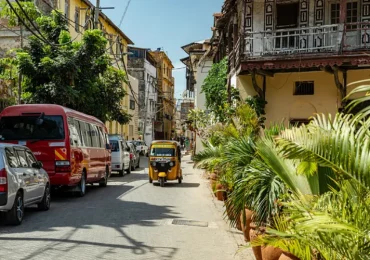
Malaysia has a well-developed public transportation system, especially in cities like Kuala Lumpur. You can get around the city easily using the KTM commuter trains, LRT (Light Rail Transit), and monorail. Buses are also a common and affordable option, especially for traveling between cities. In more rural areas, taxis or Grab (a popular ride-hailing app) are convenient choices.
8. Food Paradise
Malaysia is a food lover’s paradise. The country’s diverse cultural influences, including Malay, Chinese, and Indian cuisines, come together to create some of the most mouthwatering dishes in the world. Must-try foods include nasi lemak (coconut rice), char kway teow (stir-fried noodles), roti canai (flatbread), and satay (grilled skewers). Don’t forget to visit a hawker center or street food stall for an authentic Malaysian food experience.
9. Respecting Religion and Customs
Malaysia is a multi-religious country, with Islam being the dominant religion. It’s important to show respect for local customs, especially around religious practices. During Ramadan, Muslims fast from dawn until dusk, so be mindful of eating or drinking in public in predominantly Muslim areas. Mosques, temples, and churches are sacred places, so always remove your shoes before entering, and follow any specific rules or guidelines.
10. Safety and Health
Malaysia is generally a safe country for tourists, but like in any major city, exercise common sense when it comes to personal safety. Petty theft (like pickpocketing) can happen in crowded areas, so keep an eye on your belongings. Tap water is not always drinkable, so stick to bottled water. Travel insurance that covers medical care is a good idea, as healthcare in major cities is of high quality.
11. Electricity and Plug Types
Malaysia uses the Type G plug, which has three rectangular prongs. The standard voltage is 240V, and the frequency is 50Hz. If your devices use a different plug type, bring a universal adapter. It’s also helpful to check your electronics’ voltage compatibility before plugging them in.
12. Tax and Tipping
A service charge of 10% is typically added to your restaurant bill, so tipping is not mandatory. However, rounding up the bill or leaving a small tip for exceptional service is appreciated. Malaysia also has a Goods and Services Tax (GST), but it has been replaced with a Sales and Service Tax (SST), which is applied to goods and services in certain sectors.
13. Shopping
Malaysia is a shopping haven for both luxury and bargain hunters. Cities like Kuala Lumpur boast sprawling malls such as Suria KLCC and Pavilion Kuala Lumpur, which offer everything from high-end designer brands to affordable fashion. For unique souvenirs, visit local markets like Chinatown (Petaling Street) and the Central Market, where you’ll find handicrafts, textiles, and traditional Malaysian items.
14. Wildlife and Nature
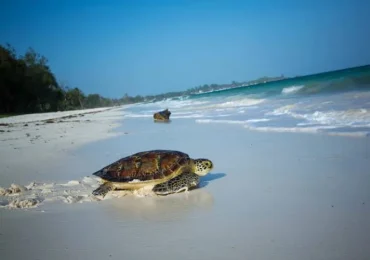
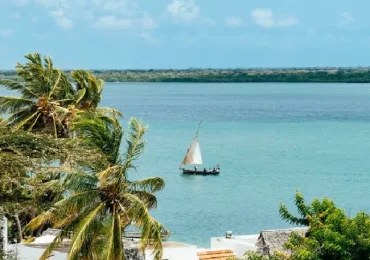
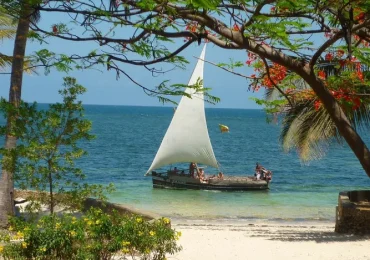
Malaysia offers a wealth of nature and wildlife experiences. Visit the rainforests of Borneo to see orangutans, or explore Kinabalu National Park for hiking and stunning views of Mount Kinabalu. For beach lovers, the Perhentian Islands, Langkawi, and Tioman Island offer crystal-clear waters, coral reefs, and abundant marine life.
15. Shopping for SIM Cards and Connectivity
Getting a local SIM card is a great way to stay connected while traveling in Malaysia. Popular providers like Maxis, Digi, and Celcom offer affordable prepaid SIM cards with data packages for tourists. You can buy them at the airport or any convenience store, and having access to mobile data is useful for navigation and staying in touch.