Lake Manyara National Park may be one of Tanzania’s smaller national parks, but it delivers an unforgettable safari experience packed with extraordinary wildlife, breathtaking scenery, and diverse ecosystems. Nestled at the base of the Great Rift Valley escarpment, this remarkable park is famous for its tree-climbing lions, large elephant herds, thousands of flamingos, and lush groundwater forests.
Often included as part of Tanzania’s Northern Safari Circuit alongside Serengeti National Park, Ngorongoro Crater, and Tarangire National Park, Lake Manyara National Park offers visitors an excellent introduction to Tanzania’s incredible wildlife and natural beauty.
Whether you’re planning your first African safari or adding another destination to your wildlife adventure, this comprehensive guide covers everything you need to know before visiting Lake Manyara National Park.
Where is Lake Manyara National Park?
Lake Manyara National Park is located in northern Tanzania, approximately 126 km (78 miles) southwest of Arusha, making it one of the most accessible safari destinations in the country.
The park stretches along the western edge of Lake Manyara, a shallow alkaline lake that covers nearly two-thirds of the park during the wet season. Towering above the park is the dramatic Great Rift Valley escarpment, creating one of Tanzania’s most picturesque safari landscapes.
Its convenient location makes Lake Manyara an ideal stop on the famous Northern Circuit, connecting visitors to:
Why Visit Lake Manyara National Park?
Although relatively compact, Lake Manyara National Park boasts an incredible diversity of habitats rarely found within a single protected area.
Within a single game drive, visitors can explore:
- Dense groundwater forests
- Open grassy plains
- Acacia woodlands
- Marshes and wetlands
- Hot springs
- The alkaline lake itself
This remarkable ecological diversity supports an impressive variety of wildlife and birdlife, making every safari unique.
The park is particularly famous for:
- Tree-climbing lions
- Large elephant populations
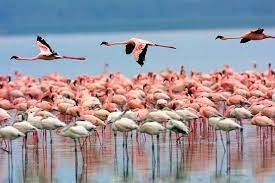
- Thousands of pink flamingos
- Hippo pools
- Olive baboons
- Blue monkeys
- Spectacular birdwatching
- Incredible Rift Valley scenery
Wildlife in Lake Manyara National Park
Lake Manyara is home to an astonishing concentration of wildlife despite its modest size.
Visitors commonly encounter:
- African elephants
- Lions
- Leopards
- Buffaloes
- Maasai giraffes
- Zebras
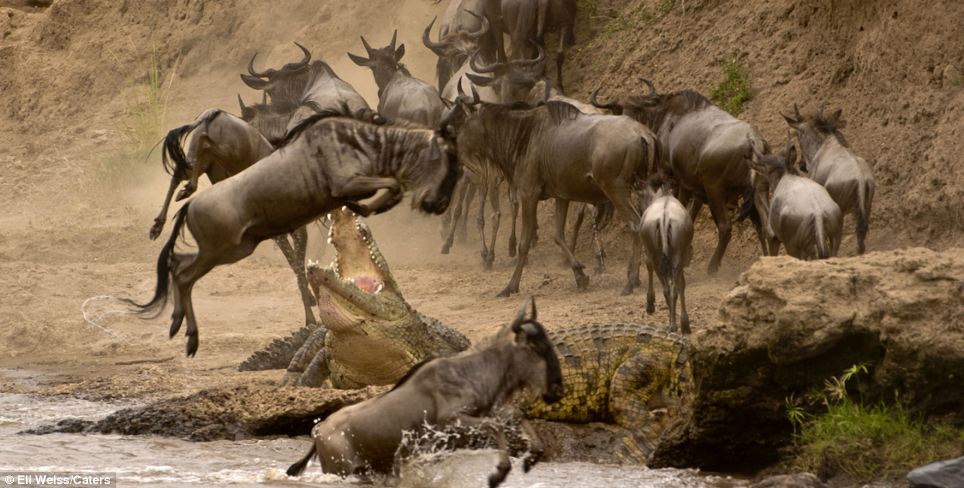
- Wildebeest
- Warthogs
- Impalas
- Waterbucks
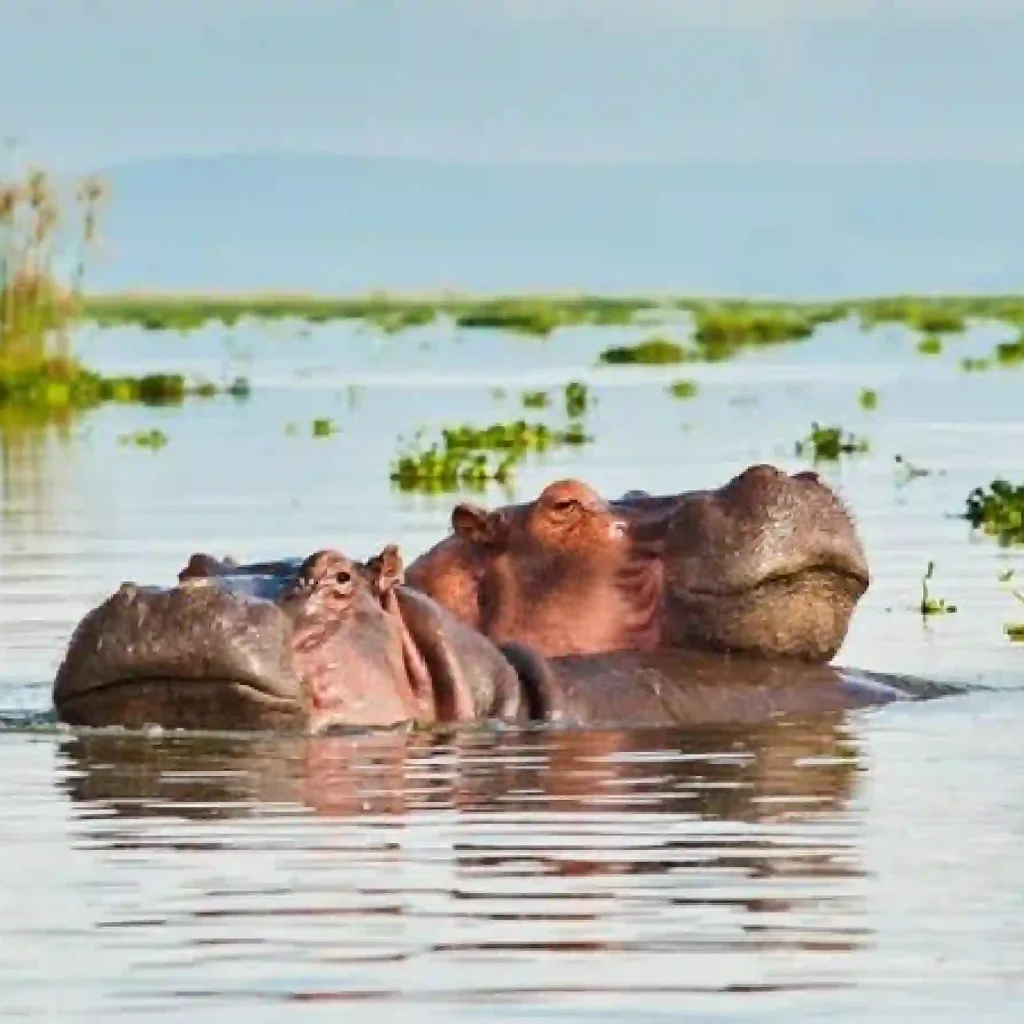
- Hippos
- Bushbucks
- Klipspringers
- Hyenas
One of the park’s greatest attractions is its healthy elephant population. These gentle giants often roam close to safari tracks, allowing exceptional viewing and photography opportunities.
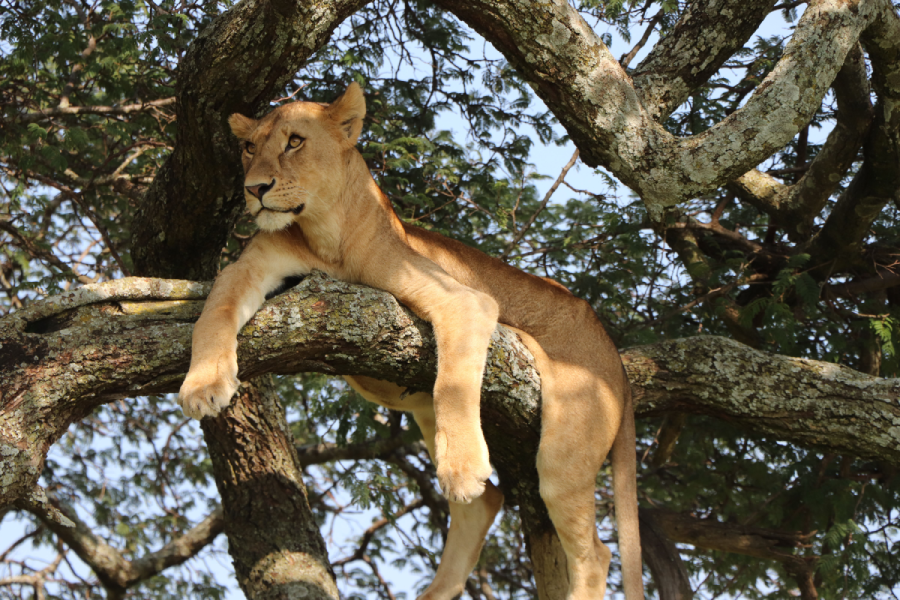
The Famous Tree-Climbing Lions
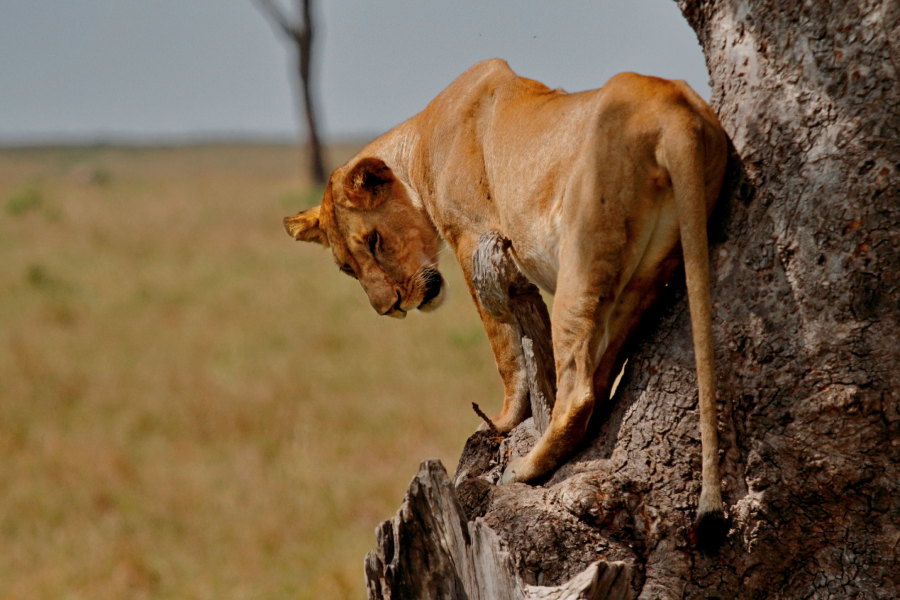
One of Lake Manyara National Park‘s biggest claims to fame is its tree-climbing lions.
Unlike most lions, which spend their days resting on the ground, Manyara’s lions frequently climb acacia and sausage trees to escape insects, cool off, and survey the surrounding landscape.
Although sightings aren’t guaranteed, witnessing these magnificent predators lounging in tree branches is one of Tanzania’s most unique wildlife experiences.
A Birdwatcher’s Paradise
Lake Manyara National Park is internationally recognised as one of East Africa’s finest birdwatching destinations.
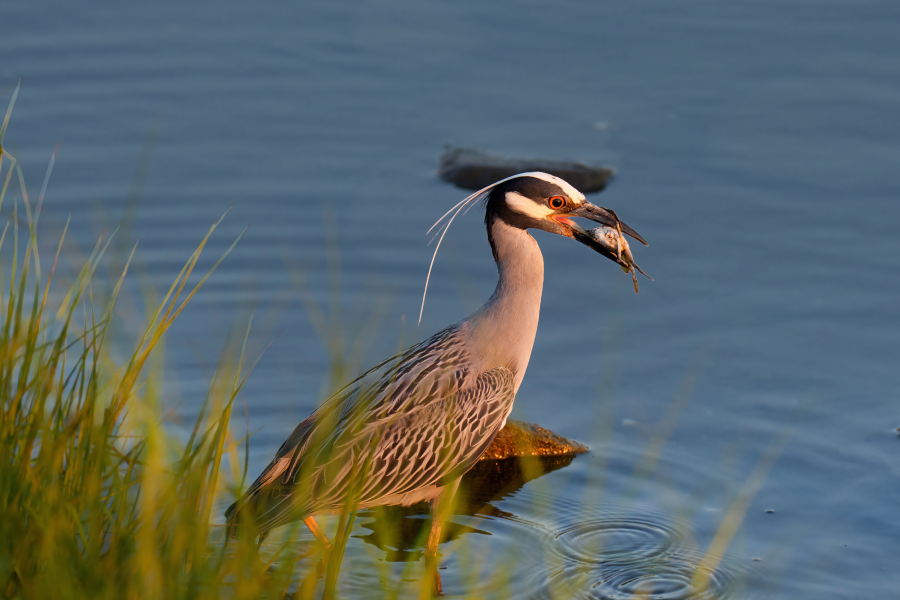
More than 400 bird species have been recorded, including:
- Greater & Lesser Flamingos
- African Fish Eagles
- Pelicans
- Storks
- Spoonbills
- Grey Herons
- Kingfishers
- Hornbills
- Bee-eaters
- Cormorants
- Egyptian Geese
During the wet season, thousands of flamingos gather along the alkaline lake, creating a spectacular pink shoreline that photographers and bird enthusiasts won’t want to miss.
Things to Do in Lake Manyara National Park
A visit to Lake Manyara offers far more than traditional game drives.
Popular activities include:
Game Drives
Morning and afternoon game drives provide excellent opportunities to spot wildlife while enjoying the park’s diverse landscapes.
Birdwatching
With hundreds of resident and migratory bird species, Lake Manyara is a dream destination for bird lovers.
Wildlife Photography
From elephants in lush forests to flamingos reflected on the lake and lions resting in trees, photographers will find endless inspiration.
Canoeing (Seasonal)
When water levels permit, guided canoe safaris offer a unique perspective of the park’s wildlife from the lake.
Cultural Tours
Visit nearby Mto wa Mbu village to experience local Tanzanian culture, traditional crafts, cuisine, and community life.
Scenic Viewpoints
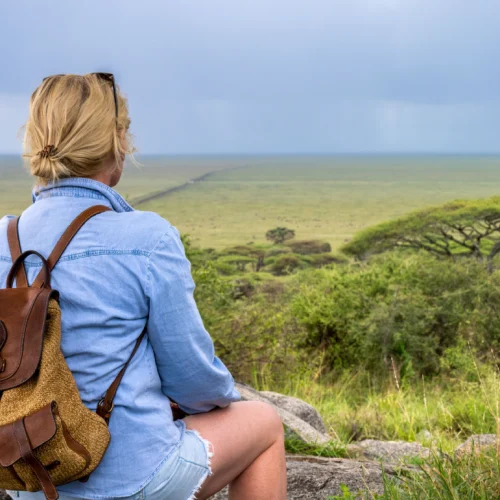
The Rift Valley escarpment offers panoramic views over the park and lake, especially during sunrise and sunset.
Best Time to Visit Lake Manyara National Park
Lake Manyara is a year-round safari destination, with each season offering unique experiences.
June to October (Dry Season)
- Excellent wildlife viewing
- Easier animal sightings
- Pleasant temperatures
- Best for first-time safari visitors
November to May (Green Season)
- Lush landscapes
- Excellent birdwatching
- Flamingo concentrations
- Fewer tourists
- Beautiful photography opportunities
How Many Days Should You Spend?
Most travellers spend one full day exploring Lake Manyara National Park.
However, staying two days allows for:
- More relaxed game drives
- Better wildlife sightings
- Birdwatching excursions
- Cultural experiences
- Seasonal canoe safaris
The park also combines perfectly with Tarangire, Ngorongoro Crater, and Serengeti National Park on longer Northern Circuit safaris.
What to Pack
For the best safari experience, pack:
- Neutral-coloured clothing
- Comfortable walking shoes
- Wide-brimmed hat
- Sunglasses
- Sunscreen
- Insect repellent
- Camera with zoom lens
- Binoculars
- Light jacket for early mornings
- Reusable water bottle
Travel Tips for Visiting Lake Manyara National Park
- Start game drives early for the best wildlife sightings.
- Bring binoculars for birdwatching.
- Carry extra camera batteries and memory cards.
- Dress in neutral safari colours.
- Stay hydrated throughout the day.
- Follow your guide’s instructions at all times.
- Respect wildlife by maintaining a safe distance.
- Visit during the dry season for easier wildlife viewing or the green season for spectacular birdlife.
Why Include Lake Manyara in Your Tanzania Safari?
Lake Manyara National Park offers one of Tanzania’s most rewarding safari experiences despite its relatively small size.
Its incredible biodiversity, unique tree-climbing lions, abundant elephants, world-class birdwatching, and stunning scenery make it an essential stop on the Northern Safari Circuit.
Combined with nearby destinations like Tarangire National Park, Ngorongoro Crater, and Serengeti National Park, Lake Manyara creates the perfect introduction to Tanzania’s remarkable wildlife.
Why Book Your Lake Manyara Safari with Crystal Tours?
At Crystal Tours, we specialize in tailor-made Tanzania safaris designed around your interests, budget, and travel style.
When you book with us, you’ll enjoy:
- Expert local safari guides
- Comfortable 4×4 safari vehicles
- Carefully selected lodges and tented camps
- Flexible itineraries
- Competitive pricing
- Personalized service
- Seamless travel planning
- Unforgettable wildlife experiences
Whether you’re planning a short safari or an extended Northern Circuit adventure, our experienced team will help you create memories that last a lifetime.
Frequently Asked Questions About Lake Manyara National Park
1. “Where is Lake Manyara National Park located?”
Lake Manyara National Park is located in northern Tanzania, approximately 126 km (78 miles) southwest of Arusha. It forms part of Tanzania’s famous Northern Safari Circuit alongside Serengeti National Park, Ngorongoro Crater, and Tarangire National Park.
2. ‘What is Lake Manyara National Park famous for?”
Lake Manyara National Park is renowned for its tree-climbing lions, large elephant herds, thousands of flamingos, diverse birdlife, lush groundwater forests, and spectacular views of the Great Rift Valley escarpment.
3. “Is Lake Manyara National Park worth visiting?”
Absolutely. Although smaller than many of Tanzania’s parks, Lake Manyara offers exceptional wildlife viewing, stunning scenery, excellent birdwatching, and unique safari experiences, making it a worthwhile addition to any Tanzania safari itinerary.
4. “What animals can you see in Lake Manyara National Park?”
Visitors may encounter elephants, lions, leopards, buffaloes, Maasai giraffes, zebras, wildebeest, hippos, warthogs, waterbucks, impalas, olive baboons, blue monkeys, bushbucks, and more than 400 bird species.
5. “Are there really tree-climbing lions in Lake Manyara National Park?”
Yes. Lake Manyara is one of the few places in Africa where lions are known to climb trees. Although sightings are never guaranteed, visitors often spot these unique lions resting in acacia or sausage trees.
6. “What is the best time to visit Lake Manyara National Park?”
The park is a year-round destination.
- June to October (Dry Season): Excellent wildlife viewing and pleasant weather.
- November to May (Green Season): Lush scenery, abundant birdlife, and excellent opportunities to see flamingos.
Final Thoughts
Lake Manyara National Park proves that incredible safari experiences don’t always require vast landscapes. Its rich biodiversity, famous tree-climbing lions, spectacular birdlife, thriving elephant population, and breathtaking Rift Valley scenery make it one of Tanzania’s most rewarding national parks.
Whether you’re a wildlife enthusiast, birdwatcher, photographer, or first-time safari traveller, Lake Manyara offers unforgettable encounters that perfectly capture the magic of East Africa.
Ready to explore one of Tanzania’s most beautiful safari destinations? Contact Crystal Tours today and let us help you plan the ultimate Lake Manyara National Park adventure.