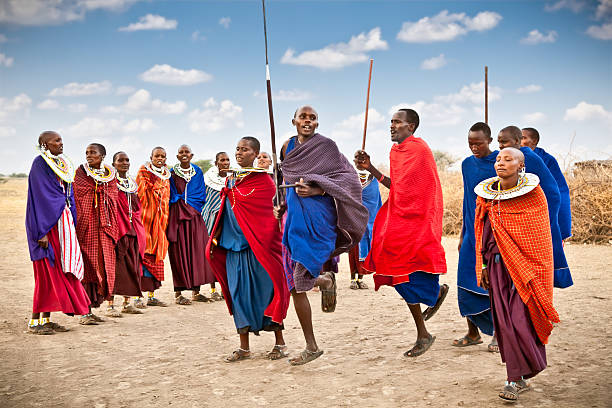
Imagine waking up to the distant sound of traditional Maasai chants as the first rays of sunlight illuminate the endless plains of the Masai Mara.
A few days later, you’re sharing stories around a fire with Samburu elders in northern Kenya before crossing into Tanzania, where Hadzabe hunter-gatherers demonstrate ancient survival skills that have endured for thousands of years.
This is the magic of cultural safaris in East Africa. A journey that goes beyond wildlife to reveal the people, traditions, and living heritage that make the region truly extraordinary.
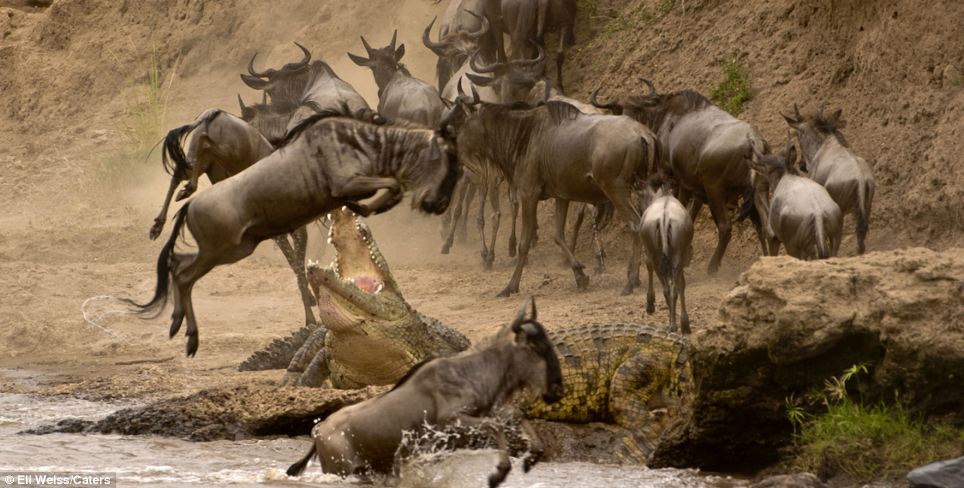
While East Africa is globally celebrated for its breathtaking landscapes, iconic wildlife, and the Great Wildebeest Migration, its greatest treasure is arguably its remarkable cultural diversity.
Today’s travelers are increasingly seeking meaningful experiences rather than simply ticking destinations off a bucket list.
At Crystal Tours Kenya, we believe that the most memorable safaris are those that balance extraordinary wildlife with genuine cultural immersion.
In this comprehensive guide, you’ll discover why cultural safaris in East Africa are among the continent’s most rewarding travel experiences.
What Is a Cultural Safari?
Ann authentic African cultural safari is an immersive travel experience that focuses on discovering the traditions, heritage, daily life, and living cultures of local communities while often complementing classic wildlife adventures.
Rather than observing animals alone, travelers gain a deeper understanding of the people who have coexisted with East Africa’s spectacular landscapes and wildlife for generations.
Unlike conventional safaris that center primarily on game drives and iconic species such as lions, elephants, and rhinos, cultural safaris emphasize meaningful interactions with indigenous communities.
The result is a richer, more holistic understanding of East Africa, one that celebrates not only its biodiversity but also its extraordinary human heritage.
Why Kenya and Tanzania Are the Best Destinations for Cultural Safaris
Few places in the world combine exceptional wildlife, ancient traditions, dramatic landscapes, and welcoming communities as seamlessly as Kenya and Tanzania.
Together, these neighboring countries offer one of the richest cultural travel experiences on the African continent.
From the snow-capped peak of Mount Kilimanjaro to the golden savannahs of the Masai Mara and Serengeti, every region tells a different cultural story shaped by geography, history, trade, and conservation.
Remarkable Cultural Diversity
Kenya is home to more than 40 officially recognized ethnic communities, while Tanzania has over 120 ethnic groups, making the region one of Africa’s most culturally diverse destinations.
Each community has its own language, traditional dress, architecture, music, cuisine, and ceremonies, creating endless opportunities for authentic cultural discovery.
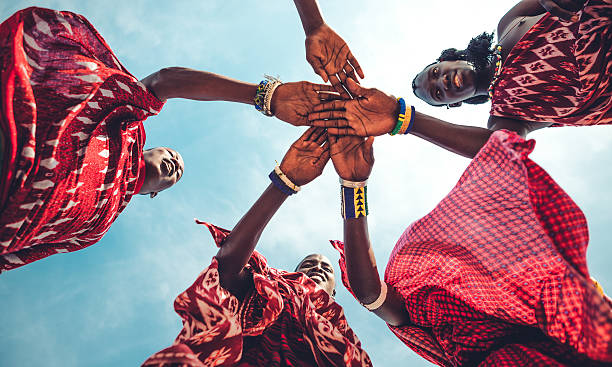
Visitors can experience:
- Maasai pastoral traditions in southern Kenya and northern Tanzania.
- Samburu customs in Kenya’s rugged northern frontier.
- The hunter-gatherer lifestyle of the Hadzabe near Lake Eyasi.
- Swahili heritage along the Indian Ocean coast.
- Chagga coffee culture on the slopes of Mount Kilimanjaro.
- Turkana traditions in Kenya’s remote northwest.
This extraordinary diversity allows travelers to experience multiple cultures within a single itinerary.
Living Traditions, Not Museum Exhibits
One of East Africa’s greatest strengths is that its cultures are vibrant and evolving rather than preserved solely for display.
Traditional ceremonies, storytelling, music, livestock herding, craftsmanship, and communal celebrations remain integral to daily life in many communities.
Visitors don’t simply observe history, they experience living traditions through genuine interactions with local hosts who are proud to share their heritage.
Wildlife and Culture in Perfect Harmony
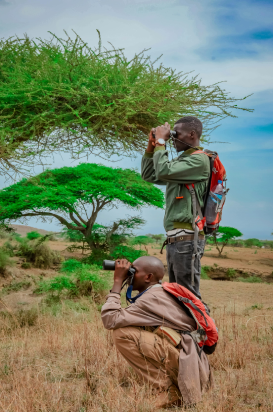
Perhaps nowhere else in Africa is the relationship between wildlife conservation and indigenous communities more evident than in Kenya and Tanzania.
For generations, pastoralist communities such as the Maasai and Samburu have coexisted with wildlife, developing sustainable land-use practices that support biodiversity.
Many modern conservancies are managed collaboratively by local communities, conservation organizations, and tourism partners, demonstrating how cultural preservation and environmental stewardship can work hand in hand.
Travelers can enjoy game drives in iconic destinations like Masai Mara, Amboseli, Serengeti, and Ngorongoro before visiting nearby communities to gain insight into traditional ecological knowledge and conservation practices.
World-Class Community Conservancies
Kenya has become a global leader in community-based conservation through its network of community conservancies, where local people actively participate in wildlife protection while benefiting economically from tourism.
These initiatives help preserve wildlife habitats, reduce human-wildlife conflict, and create sustainable livelihoods.
Similarly, Tanzania’s community wildlife management areas encourage local participation in conservation and responsible tourism, ensuring that both nature and culture thrive together.
Accessibility and Diverse Experiences
Kenya and Tanzania offer excellent infrastructure for cultural travel, with well-connected airports, luxury lodges, boutique camps, and experienced local guides.
Travelers can easily combine cultural visits with:
- Big Five safaris
- Great Wildebeest Migration viewing
- Hot air balloon rides
- Beach escapes along the Swahili Coast
- Mountain trekking
- Coffee and spice farm tours
- Birdwatching
- Walking safaris
This flexibility makes the region ideal for first-time visitors and seasoned safari enthusiasts alike.
Luxury Meets Authenticity
Today’s luxury cultural safaris go beyond five-star accommodations.
They focus on exclusive, meaningful experiences that foster genuine connections with local communities while maintaining the highest standards of comfort and service.
Guests can enjoy private cultural visits, personalized storytelling sessions with respected elders, artisan workshops, farm-to-table dining experiences, and guided explorations led by knowledgeable community members.
These carefully curated encounters provide insight into East Africa’s rich cultural heritage without compromising on luxury.
Indigenous Communities to Visit on Cultural Safaris in East Africa
One of the greatest rewards of a cultural safari is meeting the people whose traditions have shaped East Africa for centuries.
Kenya and Tanzania are home to hundreds of ethnic communities, each with unique histories, languages, livelihoods, and cultural practices.
While modernization has influenced many aspects of daily life, these communities continue to preserve customs that offer visitors meaningful insights into East Africa’s rich heritage.
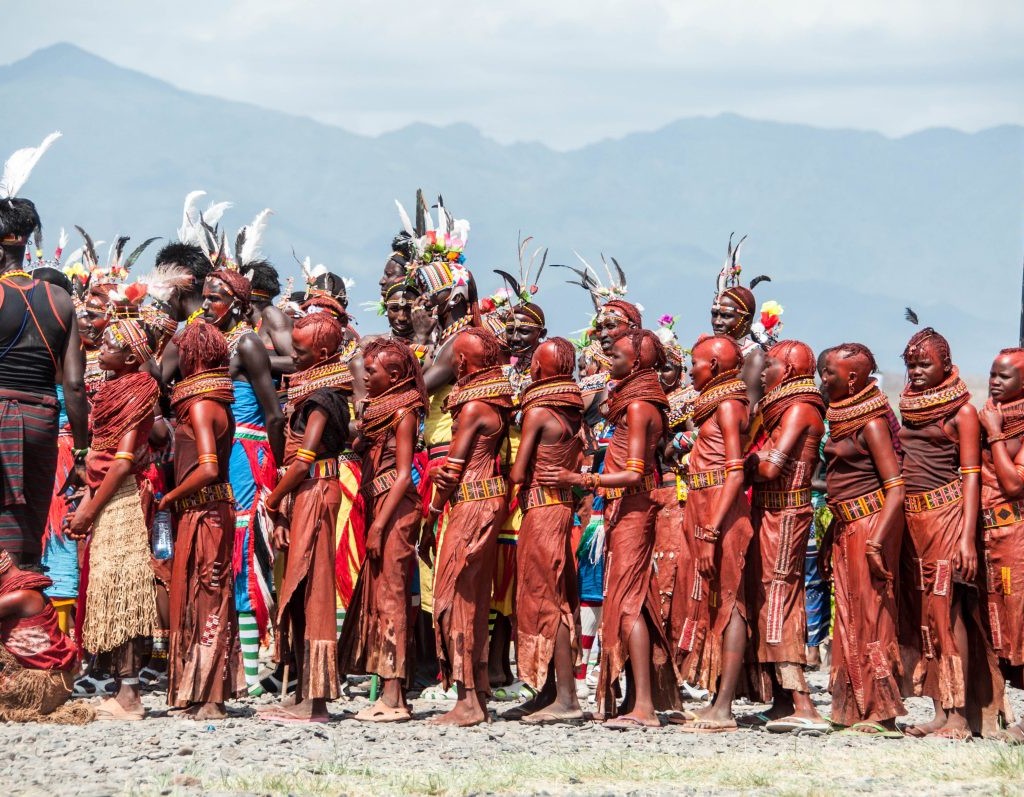
A well-planned authentic African cultural safari is not about observing people as attractions.
Instead, it is an opportunity for respectful cultural exchange, where travelers learn directly from community members while supporting locally owned tourism initiatives, conservation projects, and traditional artisans.
Indigenous Communities in Kenya
The Maasai: Guardians of the Savannah
The Maasai are among the most recognizable communities in Africa, known for their striking red shúkàs (traditional cloth), intricate beadwork, and deep connection to the landscapes of southern Kenya and northern Tanzania.
Their ancestral lands border some of East Africa’s most famous wildlife destinations, including the Masai Mara National Reserve and Amboseli National Park.
History and Heritage
The Maasai are Nilotic pastoralists who migrated into present-day Kenya and Tanzania several centuries ago.
Their identity has long been intertwined with cattle, which are considered symbols of wealth, social status, and cultural continuity.
Traditional Maasai society is organized into age sets, with important rites of passage marking the transition from childhood to adulthood.
Lifestyle
Livestock remain central to Maasai life. Families traditionally move their herds seasonally in search of grazing land, although many communities today balance pastoralism with conservation, tourism, education, and entrepreneurship.
Maasai Cultural Experience
Visitors on cultural tours in Kenya can enjoy:
- Guided walks through traditional manyattas (homesteads)
- Traditional welcome ceremonies
- Maasai warrior dances (Adumu)
- Storytelling by village elders
- Beadwork workshops led by Maasai women
- Traditional fire-making demonstrations
- Livestock herding experiences
- Learning about medicinal plants
These experiences provide valuable insight into Maasai history while supporting community livelihoods.
The Samburu: The Butterflies of Northern Kenya
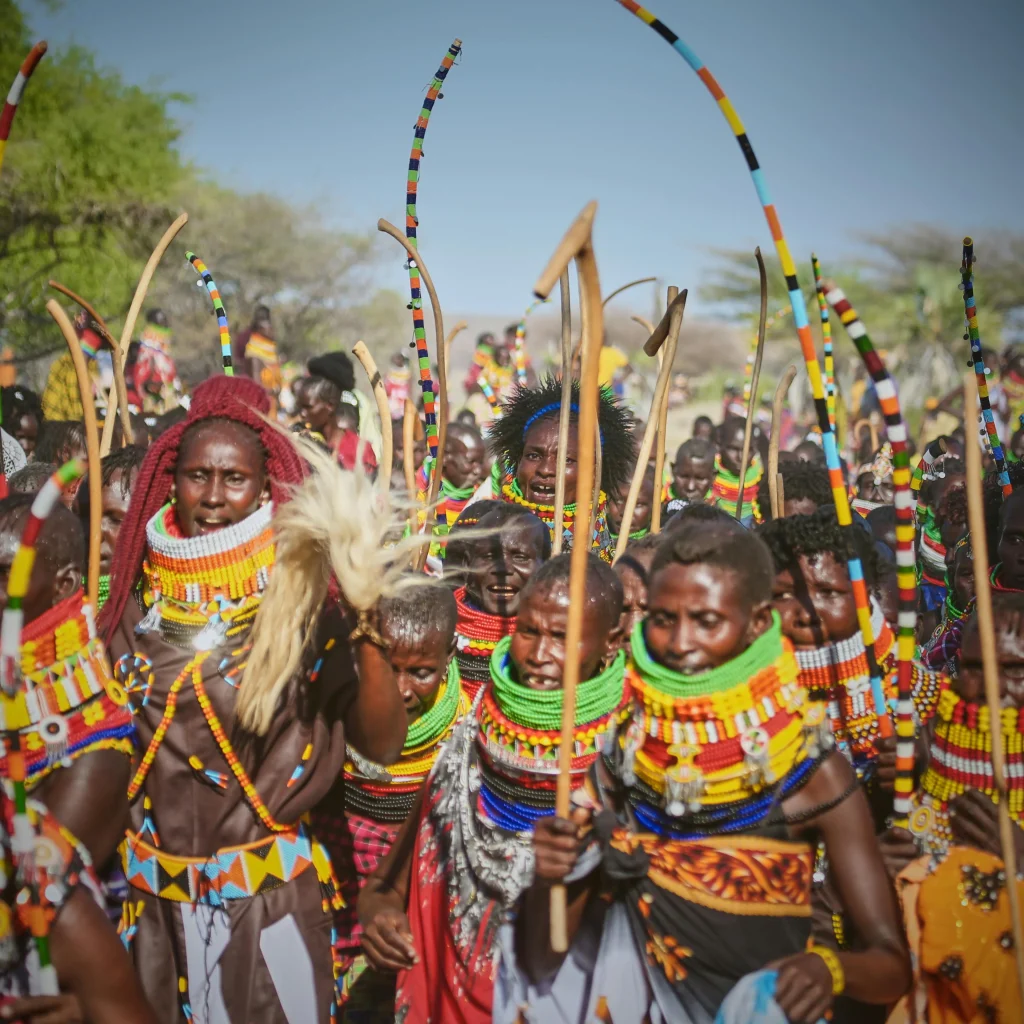
Often described as close relatives of the Maasai, the Samburu inhabit Kenya’s semi-arid northern regions around Samburu National Reserve, Buffalo Springs, and Shaba National Reserve.
Despite cultural similarities with the Maasai, the Samburu have developed distinctive traditions shaped by northern Kenya’s rugged landscapes.
Traditional Life
The Samburu are semi-nomadic pastoralists who rear cattle, camels, goats, and sheep. Camels, in particular, play an important role in transportation and survival within the dry northern environment.
Distinctive Culture
The Samburu are celebrated for:
- Vibrant bead jewelry
- Elaborate hairstyles
- Colorful attire
- Traditional singing
- Community celebrations
- Camel culture
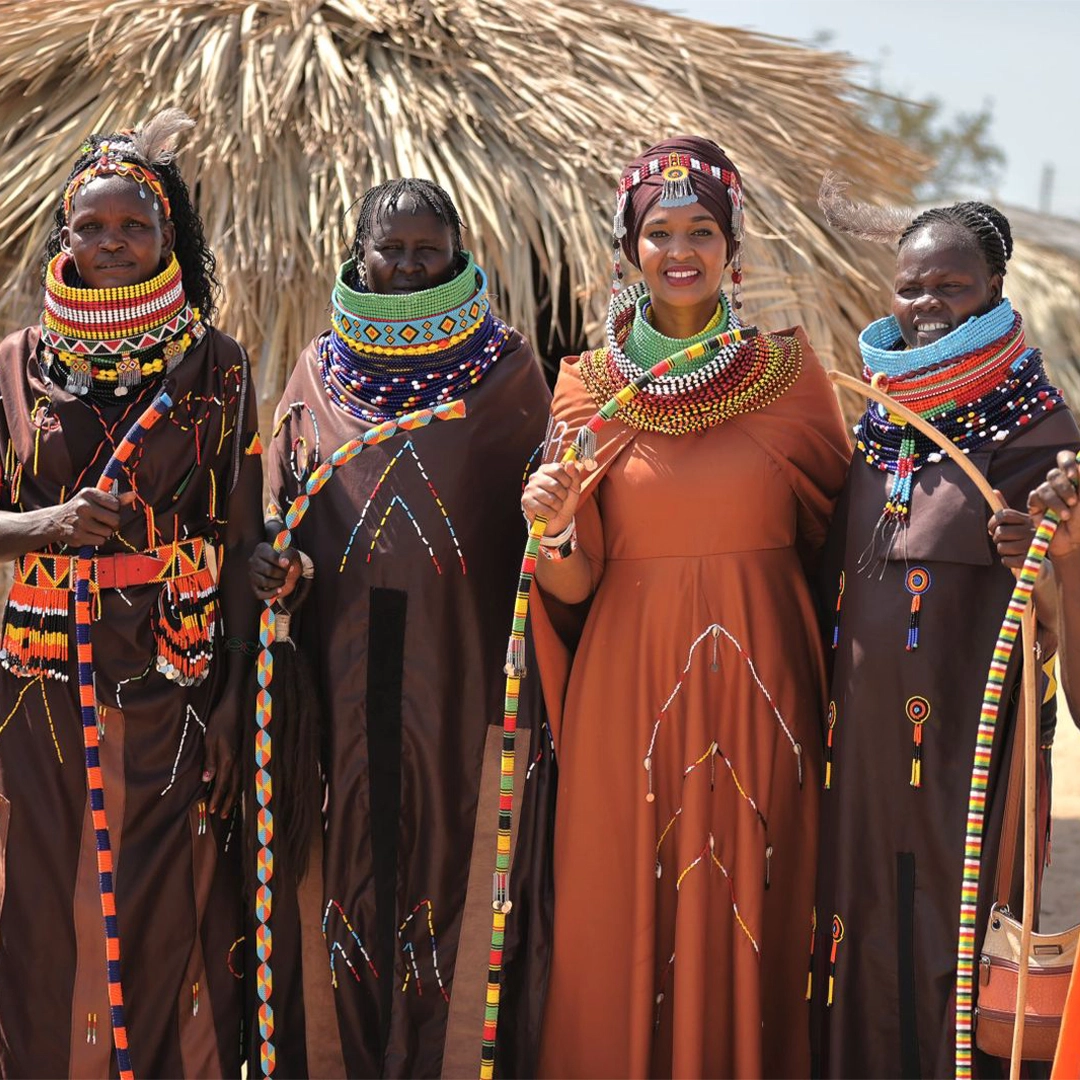
Women create some of East Africa’s finest beadwork, using intricate patterns that communicate age, marital status, and family identity.
Visitor Experiences
Guests on a Samburu cultural experience can:
- Join camel walks
- Visit Samburu villages
- Learn traditional bead-making
- Experience community dances
- Hear oral histories from elders
- Participate in local cooking demonstrations
A Samburu cultural experience offers a quieter, more intimate cultural experience than many heavily visited destinations.
The Turkana: People of the Jade Sea
Living around Lake Turkana, often called the Jade Sea because of its remarkable turquoise waters, the Turkana are one of Kenya’s largest pastoral communities.
Life in this remote region is shaped by resilience, adaptability, and centuries of survival in one of Africa’s harshest climates.
Livelihood
Turkana families traditionally depend on:
- Camel herding
- Goat keeping
- Fishing
- Basket weaving
- Livestock trading
Many communities have also diversified into tourism, conservation, and education.
Cultural Identity
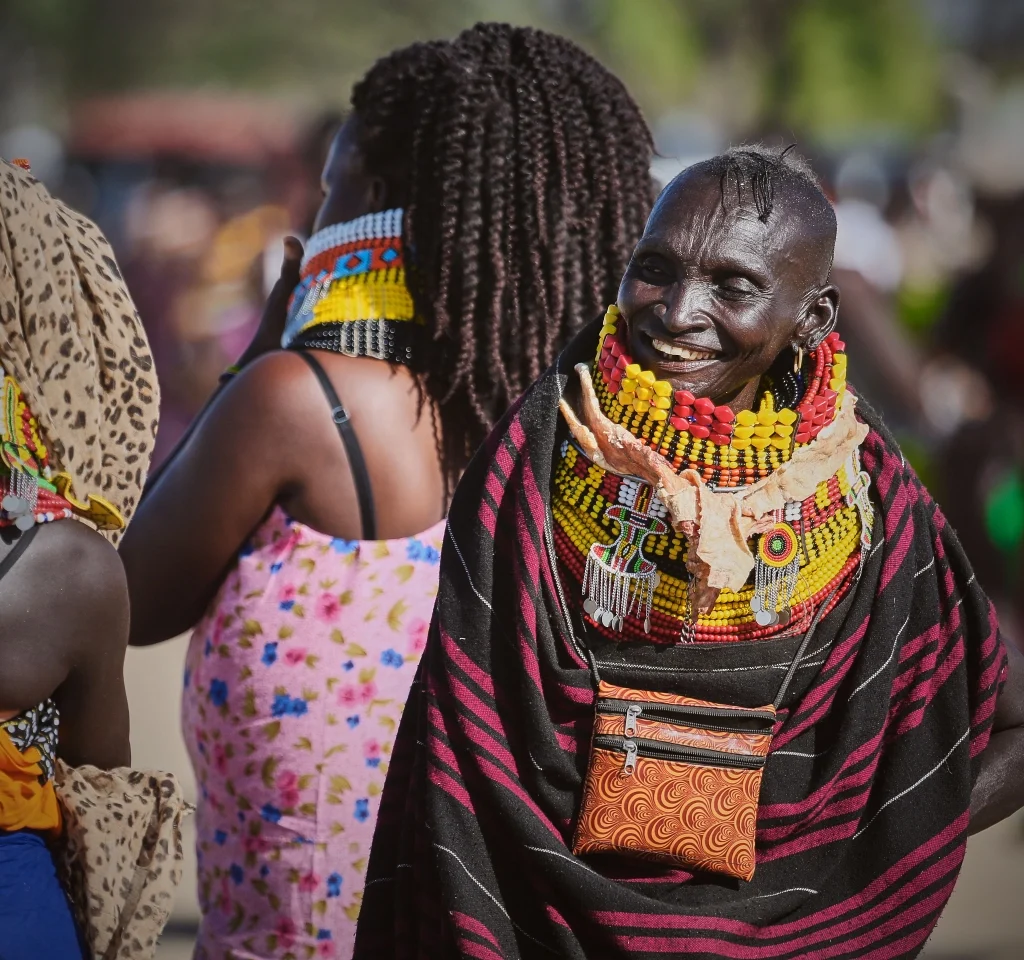
The Turkana are known for:
- Beautiful hand-crafted necklaces
- Leather ornaments
- Traditional songs
- Ceremonial dances
- Oral storytelling traditions
Their craftsmanship reflects both practicality and artistic expression.
Authentic Experiences
Travelers seeking an authentic African cultural safari may:
- Visit traditional settlements
- Meet local artisans
- Learn about desert survival
- Observe fishing communities
- Explore the cultural history surrounding Lake Turkana
The Pokot
Straddling western Kenya and eastern Uganda, the Pokot maintain a fascinating blend of pastoral and agricultural traditions.
Cultural Highlights
Visitors on cultural tours in Kenya can discover:
- Traditional wrestling competitions
- Seasonal ceremonies
- Indigenous farming practices
- Livestock management
- Community music and dance
Their hospitality offers travelers an authentic glimpse into rural Kenyan life.
The Rendille: Masters of Camel Culture
The Rendille inhabit the arid landscapes of Marsabit County in northern Kenya.
Known as the “People of the Camel,” they have mastered life in challenging desert conditions.
Unique Experiences
Visitors seeking cultural safaris in East Africa can:
- Join camel caravans
- Learn traditional navigation techniques
- Visit circular family settlements
- Discover camel milk traditions
- Observe intricate ceremonial attire
Their intimate knowledge of desert ecosystems has been passed through generations.
The Borana
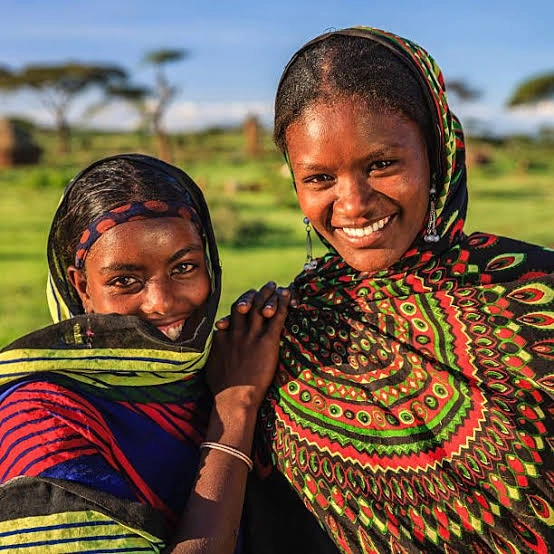
The Borana live in northern Kenya near the Ethiopian border.
Their culture revolves around cattle, community leadership, and one of Africa’s oldest indigenous governance systems, the Gadaa System, recognized by UNESCO as Intangible Cultural Heritage.
What Visitors on cultural tours in Kenya Learn
- Traditional livestock management
- Indigenous conflict resolution
- Cultural ceremonies
- Oral history
- Sustainable land management
The Borana demonstrate how indigenous governance continues to influence modern community life.
The El Molo
The El Molo are Kenya’s smallest ethnic community, living along the southeastern shores of Lake Turkana.
Unlike neighboring pastoral groups, the El Molo have historically relied on fishing and crocodile hunting.
Why Visit
Although their population is small, the El Molo preserve unique traditions connected to Lake Turkana’s remarkable ecosystem.
Visitors on an authentic African cultural safari can learn about:
- Traditional fishing methods
- Canoe building
- Lake conservation
- Indigenous folklore
- Local cuisine centered around fish
Swahili Communities: A Blend of Africa, Arabia, and Asia
Stretching along Kenya’s Indian Ocean coastline, from Lamu to Mombasa and Kilifi, the Swahili people represent centuries of cultural exchange between Africa, Arabia, Persia, India, and Europe.
Cultural Heritage
The Swahili are renowned for:
- Coral stone architecture
- Ornately carved wooden doors
- Islamic heritage
- Rich poetry
- Traditional sailing dhows
- Coastal cuisine
Experiences
Travelers on cultural tours in Kenya can:
- Wander UNESCO-listed Lamu Old Town
- Explore Mombasa Old Town
- Join Swahili cooking classes
- Visit spice markets
- Sail aboard traditional dhows
- Experience taarab music performances
Swahili culture offers a fascinating contrast to the pastoral traditions of Kenya’s interior.
Indigenous Communities in Tanzania
Tanzania’s remarkable cultural diversity is equally captivating. More than 120 ethnic groups call the country home, each contributing unique traditions to the nation’s identity.
The Maasai of Northern Tanzania
Visitors on a Maasai cultural experience often enjoy:
- Guided village tours
- Traditional livestock demonstrations
- Cultural performances
- Medicinal plant walks
- Bead-making workshops
- Storytelling sessions
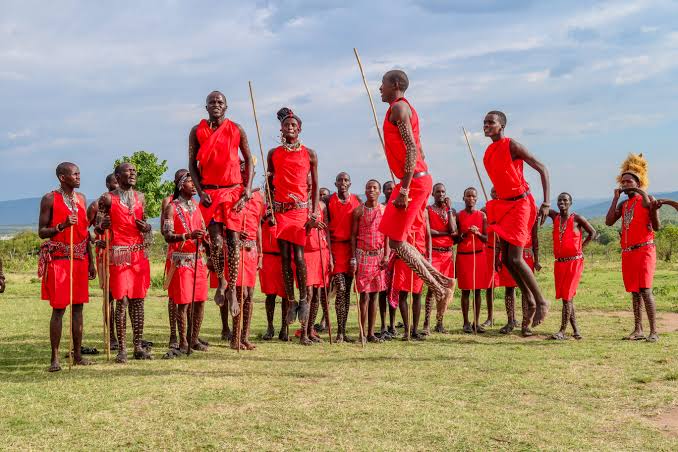
While sharing ancestry with Kenya’s Maasai, Tanzanian Maasai communities have developed their own regional customs around Ngorongoro, Longido, and the Serengeti ecosystem.
These visits are often combined with safaris in Serengeti National Park and the Ngorongoro Conservation Area.
The Hadzabe: One of Africa’s Last Hunter-Gatherer Communities
Near Lake Eyasi lives one of the world’s last remaining hunter-gatherer societies.
The Hadzabe have maintained a remarkably traditional lifestyle for thousands of years.
Lifestyle
Rather than practicing agriculture or livestock keeping, the Hadzabe rely on:
- Hunting
- Gathering wild fruits
- Honey collection
- Indigenous ecological knowledge
Their click-based language is unrelated to neighboring ethnic languages and remains one of Africa’s linguistic treasures.
Visitor Experiences
Responsible visits may include:
- Nature walks
- Tracking demonstrations
- Learning about edible plants
- Traditional archery
- Honey gathering
- Storytelling
These encounters emphasize education rather than entertainment and should always respect community wishes.
The Datoga
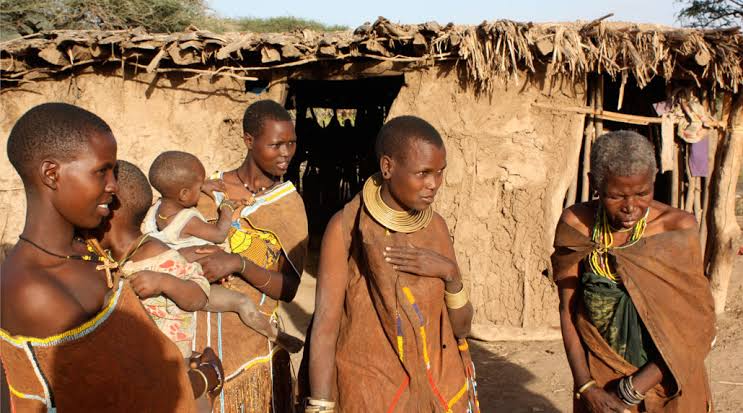
Neighbors of the Hadzabe around Lake Eyasi, the Datoga are renowned blacksmiths and pastoralists.
Traditional Skills
The Datoga produce:
- Spears
- Arrowheads
- Bracelets
- Knives
- Jewelry
- Farming tools
Visitors on an authentic African cultural safari can observe traditional metalworking techniques passed down through generations.
The Chagga
Living on the fertile slopes of Mount Kilimanjaro, the Chagga have developed sophisticated agricultural systems supported by volcanic soils.
Experiences
Travelers can:
- Tour coffee plantations
- Visit traditional underground caves
- Sample locally grown coffee
- Learn banana beer brewing
- Explore waterfalls
- Discover Chagga cuisine
Coffee tourism has become one of Tanzania’s most rewarding cultural experiences.
The Iraqw
The Iraqw inhabit the Karatu Highlands near Ngorongoro.
They are respected for:
- Terraced farming
- Indigenous architecture
- Rich oral traditions
- Community ceremonies
Visitors often combine Iraqw cultural experiences with wildlife safaris in nearby conservation areas.
The Sukuma
As Tanzania’s largest ethnic group, the Sukuma occupy much of the country’s northwestern region.
Their cultural identity is closely connected to agriculture, music, dance, and livestock keeping.
Highlights include:
- Snake dances
- Traditional healing practices
- Musical performances
- Community festivals
The Pare
Located in northeastern Tanzania near the Pare Mountains, this community is known for terraced agriculture, medicinal plant knowledge, and traditional irrigation systems.
Visitors can experience:
- Village walks
- Traditional farming
- Local cuisine
- Herbal medicine
- Cultural storytelling
Culture and Conservation: A Shared Future
Across Kenya and Tanzania, many indigenous communities are now central partners in conservation efforts.
Community conservancies, cultural tourism initiatives, and locally managed enterprises demonstrate that protecting wildlife and preserving cultural heritage can go hand in hand.
When travelers on an authentic African cultural safari choose responsibly managed cultural experiences, they help:
- Preserve endangered traditions
- Support local schools and healthcare
- Create employment opportunities
- Encourage youth to maintain cultural heritage
- Protect wildlife habitats
- Strengthen community-led conservation
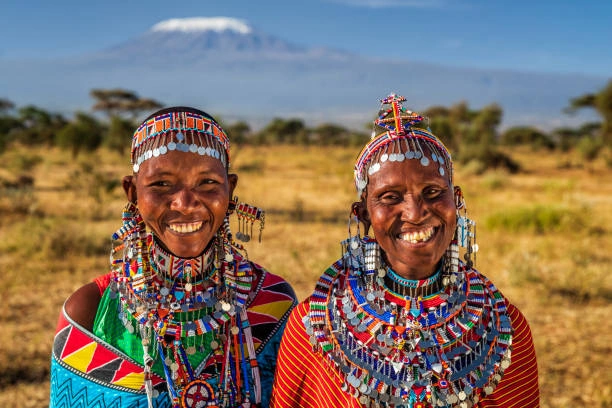
These positive impacts ensure that future generations can continue sharing East Africa’s extraordinary cultures with the world.
Cultural Etiquette: How to Engage Respectfully
Meaningful cultural experiences begin with respect. Visitors should approach every interaction with curiosity, humility, and an openness to learn.
Keep these principles in mind:
- Always ask permission before taking photographs of people.
- Dress modestly, especially in rural villages and places of worship.
- Follow your guide’s advice regarding local customs and greetings.
- Purchase handicrafts directly from local artisans whenever possible.
- Avoid bargaining to the point where artisans are unfairly compensated.
- Listen attentively during storytelling and cultural demonstrations.
- Remember that communities are sharing their daily lives—not performing for tourists.
Approaching cultural visits with sensitivity creates richer experiences for both visitors and hosts, fostering genuine connections and ensuring tourism remains a force for cultural preservation.
Best Cultural Experiences in East Africa
A cultural safari is much more than visiting a traditional village. It is an opportunity to actively participate in local traditions, learn from community members, and experience everyday life through the eyes of the people who have called East Africa home for generations.
Whether you’re exploring the vast savannahs of Kenya or the volcanic highlands of Tanzania, these immersive experiences add depth, meaning, and unforgettable memories to your safari.
1. Visit a Traditional Maasai Village
No cultural safari in East Africa is complete without spending time with the Maasai on a Maasai cultural experience.
Their vibrant attire, rich oral traditions, and close relationship with nature have made them one of Africa’s most recognized indigenous communities.
A responsible village visit provides an opportunity to move beyond photographs and engage with Maasai families in a respectful and educational setting.
Many community-run cultural villages also support schools, women’s cooperatives, and conservation initiatives, ensuring tourism has a lasting positive impact.
2. Discover Samburu Traditions
Northern Kenya offers one of East Africa’s most authentic Samburu cultural experiences. The Samburu people have preserved many traditional customs while embracing carefully managed tourism that benefits local communities.
Unlike more frequently visited regions, Samburu experiences often feel intimate and personal.
Pair your visit with a safari in Samburu National Reserve to see unique wildlife such as Grevy’s zebra, reticulated giraffe, Somali ostrich, Beisa oryx, and gerenuk.
3. Learn Traditional Beadwork
Across Kenya and Tanzania, beadwork is much more than decoration. Every pattern, color, and design tells a story about identity, family, age, and social status.
Joining a beadwork workshop allows travelers to appreciate the incredible craftsmanship behind these cultural treasures while directly supporting local artisans.
Buying directly from artisan groups ensures more income stays within the community.
4. Experience Traditional Dance and Music
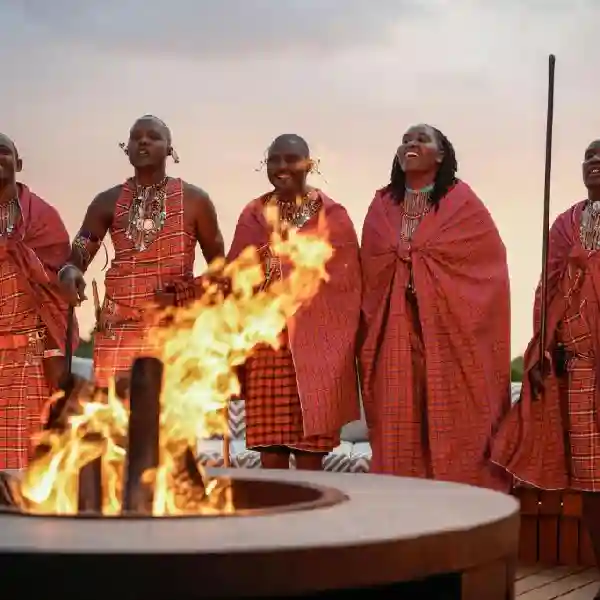
Music plays an essential role in celebrations, storytelling, weddings, harvest festivals, and rites of passage throughout East Africa.
Every community has unique rhythms and instruments that reflect its history and environment.
Many performances encourage visitor on an authentic African cultural safari to participate, creating joyful and memorable cultural exchanges.
5. Explore Swahili Culture Along the Coast
The Swahili Coast offers a fascinating blend of African, Arab, Persian, and Indian influences shaped by centuries of Indian Ocean trade.
Historic towns such as Lamu and Mombasa reveal a different side of East Africa that complements inland safari experiences.
Swahili hospitality, architecture, and cuisine make the Kenyan coast an exceptional cultural destination.
6. Join Coffee Farm Tours in Tanzania
On the fertile slopes of Mount Kilimanjaro, the Chagga people have cultivated coffee for generations using sustainable farming techniques.
Visitors gain firsthand insight into every stage of coffee production making it an authentic African cultural safari.
These tours provide a meaningful connection between agriculture, culture, and sustainable livelihoods.
7. Discover Zanzibar’s World of Spices
Known as the “Spice Island,” Zanzibar has been a center of the global spice trade for centuries.
Guests often enjoy cooking demonstrations that showcase how these spices define Swahili cuisine.
8. Meet the Hadzabe Hunter-Gatherers
Near Lake Eyasi, carefully managed cultural visits with the Hadzabe provide rare insight into one of the world’s oldest surviving hunter-gatherer lifestyles.
Responsible tours prioritize education, consent, and cultural preservation rather than entertainment.
9. Explore Local Markets
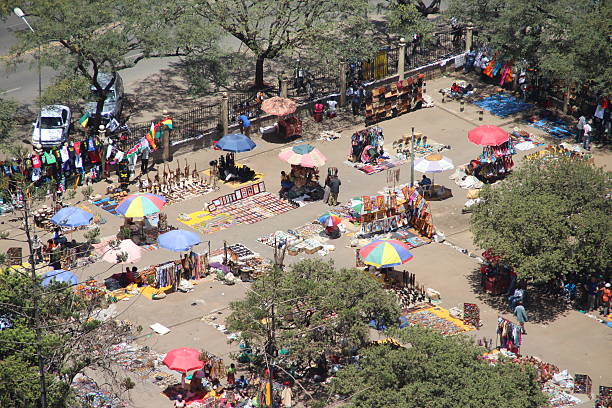
Markets are vibrant cultural hubs where daily life unfolds.
Popular markets include:
Kenya
- Maasai Market (Nairobi)
- Marikiti Market
- Kongowea Market (Mombasa)
- Loiyangalani Cultural Market
Tanzania
- Arusha Central Market
- Kariakoo Market (Dar es Salaam)
- Stone Town Market
- Mto wa Mbu Market
These markets showcase local craftsmanship, fresh produce, traditional textiles, spices, wood carvings, paintings, and handmade jewelry.
10. Taste Traditional East African Cuisine
Food tells the story of culture, geography, and history.
A cultural safari introduces travelers to regional specialties prepared using recipes passed through generations.
Many cultural tours include cooking classes where visitors prepare meals alongside local families.
Combining Cultural Experiences with Wildlife Safaris
One of East Africa’s greatest strengths is its ability to combine exceptional wildlife viewing with authentic cultural immersion.
Rather than choosing one experience over the other, travelers can enjoy both within a single itinerary.
Masai Mara National Reserve
The Masai Mara offers outstanding opportunities to combine Big Five game drives with visits to nearby Maasai communities.
Visitors can spend the morning watching lions hunt across the plains before learning about Maasai traditions in the afternoon.
Amboseli National Park
Against the breathtaking backdrop of Mount Kilimanjaro, Amboseli combines world-famous elephant viewing with authentic Maasai cultural experiences.
Many lodges partner directly with neighboring communities, allowing guests to enjoy responsible village visits while supporting local education and conservation.
Samburu National Reserve
Samburu National Reserve provides a quieter alternative to Kenya’s southern safari circuit.
Alongside sightings of rare northern wildlife, visitors can experience camel culture, traditional pastoral life, and artisan workshops with Samburu communities.
Tsavo East & West National Park
As Kenya’s largest protected area, Tsavo offers cultural encounters with nearby Taita, Kamba, and Maasai communities.
Serengeti National Park
The Serengeti is famous for the Great Wildebeest Migration, but nearby Maasai communities add another dimension to the safari experience.
Responsible cultural visits provide insight into pastoral traditions and wildlife coexistence.
Ngorongoro Conservation Area
Unlike many protected areas, Ngorongoro allows wildlife and Maasai pastoralists to share the same landscape.
Visitors witness a unique example of how cultural heritage and conservation can coexist.
Tarangire National Park
Tarangire’s elephant-rich landscapes are surrounded by villages where travelers can meet Maasai and Datoga communities.
These cultural encounters complement exceptional wildlife viewing.
Lake Manyara National Park
Near Lake Manyara, visitors can combine game drives with visits to Mto wa Mbu, one of Tanzania’s most culturally diverse villages.
More than 120 ethnic groups are represented here, making it an outstanding destination for cultural exchange.
At Crystal Tours Kenya, luxury cultural safaris are carefully designed to respect local traditions while delivering world-class hospitality and personalized service.
Responsible Cultural Tourism
Ethical travel is the foundation of every memorable cultural safari.
Choosing responsible experiences helps preserve traditions while ensuring communities benefit directly from tourism.
Best Practices for Visitors
- Ask permission before taking photographs.
- Dress respectfully, particularly in villages and religious sites.
- Support local artisans by purchasing authentic handmade crafts.
- Follow community guidelines during ceremonies.
- Avoid giving money or gifts directly to children.
- Travel with operators committed to ethical tourism.
- Learn a few local greetings in Swahili or Maa.
- Approach every interaction with humility and curiosity.
Responsible tourism fosters mutual respect and strengthens the connection between travelers and host communities.
Meaningful conversations often create stronger memories than photographs alone.
Frequently Asked Questions
1. What is a cultural safari?
An authentic African cultural safari combines traditional wildlife viewing with immersive experiences that introduce travelers to East Africa’s indigenous communities, customs, music, food, crafts, and daily life.
2. Which countries are best for cultural safaris?
Kenya and Tanzania are widely regarded as the leading cultural safari destinations because of their remarkable ethnic diversity, community conservancies, and world-famous national parks.
3. Are Maasai village visits ethical?
Yes, provided they are organized through reputable tour operators that work directly with local communities, ensure fair compensation, and prioritize respectful cultural exchange.
4. What tribes can I visit in Kenya?
Visitors can experience the cultures of the Maasai, Samburu, Turkana, Rendille, Borana, El Molo, Pokot, Swahili communities, and several others through responsible community-based tourism.
5. What tribes can I visit in Tanzania?
Popular cultural experiences include visits with the Maasai, Hadzabe, Datoga, Chagga, Iraqw, Sukuma, and Pare communities.