Lewa Wildlife Conservancy is one of Kenya’s most celebrated wildlife conservation areas, located on the northern slopes of Mount Kenya.
Covering approximately 62,000 acres, the conservancy is internationally recognized for protecting endangered black rhinos, white rhinos, and Grevy’s zebras.
Originally a cattle ranch, Lewa transformed into a conservation area in the 1980s and has since become a global model for wildlife protection and sustainable tourism. The conservancy also supports neighboring communities through education, healthcare, and employment programs.
Its remarkable conservation success helped the Mount Kenya, Lewa Wildlife Conservancy landscape earn UNESCO World Heritage status.
Nearby attractions include Ngare Ndare Forest, Mount Kenya, Samburu National Reserve, and Ol Pejeta Conservancy.
Why Lewa Conservancy Is Famous Worldwide
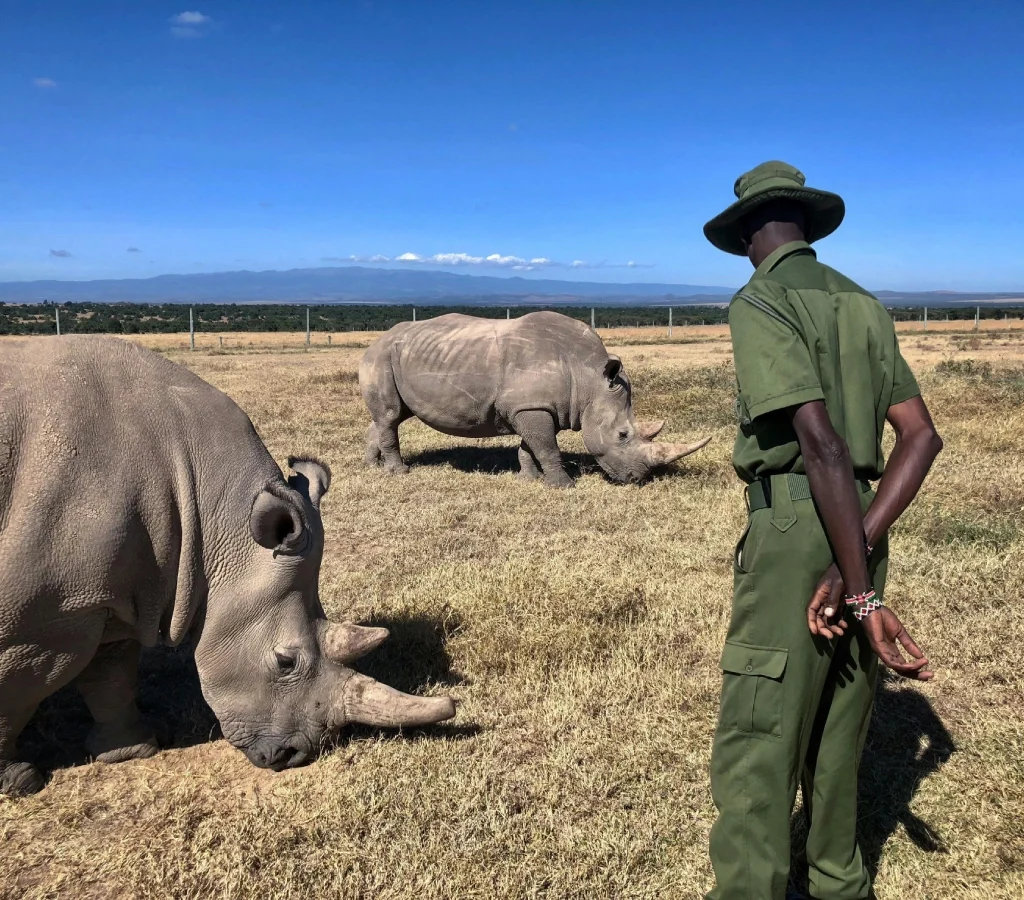
Lewa Wildlife Conservancy is recognized globally for its conservation achievements.
The conservancy has helped increase populations of endangered black rhinos and Grevy’s zebras while creating sustainable benefits for local communities.
Its anti-poaching programs, wildlife monitoring initiatives, and community development projects have earned international recognition and support from conservation organizations worldwide.
Lewa’s inclusion in the UNESCO World Heritage landscape further highlights its global significance.
What makes Lewa even more unique is the quality of safari experience it offers. Unlike many public national parks, Lewa is a private conservancy, which means visitor numbers are limited and wildlife viewing feels more exclusive and less crowded.
Guests can enjoy not only traditional game drives but also rare safari activities such as walking safaris, horseback safaris, camel rides, and night game drives, creating a more immersive and intimate connection with nature.
Beyond wildlife, Lewa is widely recognized for its strong community impact. The conservancy actively supports surrounding communities through education programs, healthcare services, clean water initiatives, and women’s empowerment projects.
This integration of conservation and human development has made Lewa a global model for how protected areas can benefit both people and wildlife.
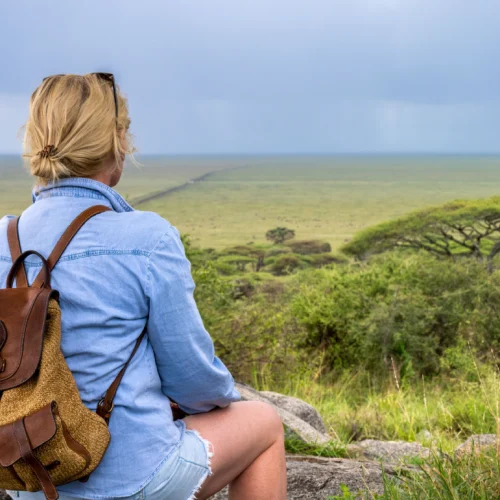
The landscape itself also adds to its appeal, with rolling hills, open savannahs, forest patches, and stunning views of Mount Kenya in the distance.
Combined with its biodiversity, conservation success, and unique safari experiences, Lewa Wildlife Conservancy stands out as one of the most remarkable and well-managed wildlife destinations in Kenya and across Africa.
Top Things to Do in Lewa Wildlife Conservancy
1. Game Drives
Morning and evening game drives offer excellent opportunities to spot the Big Five and other wildlife. Dry-season months generally provide the best visibility.
2. Guided Bush Walks
Walking safaris allow visitors to experience the African wilderness at a slower pace while learning about animal tracks, plants, and ecosystems.
3. Horseback Safaris
Lewa is one of the few places in Kenya where guests can ride alongside wildlife, creating an immersive safari experience.
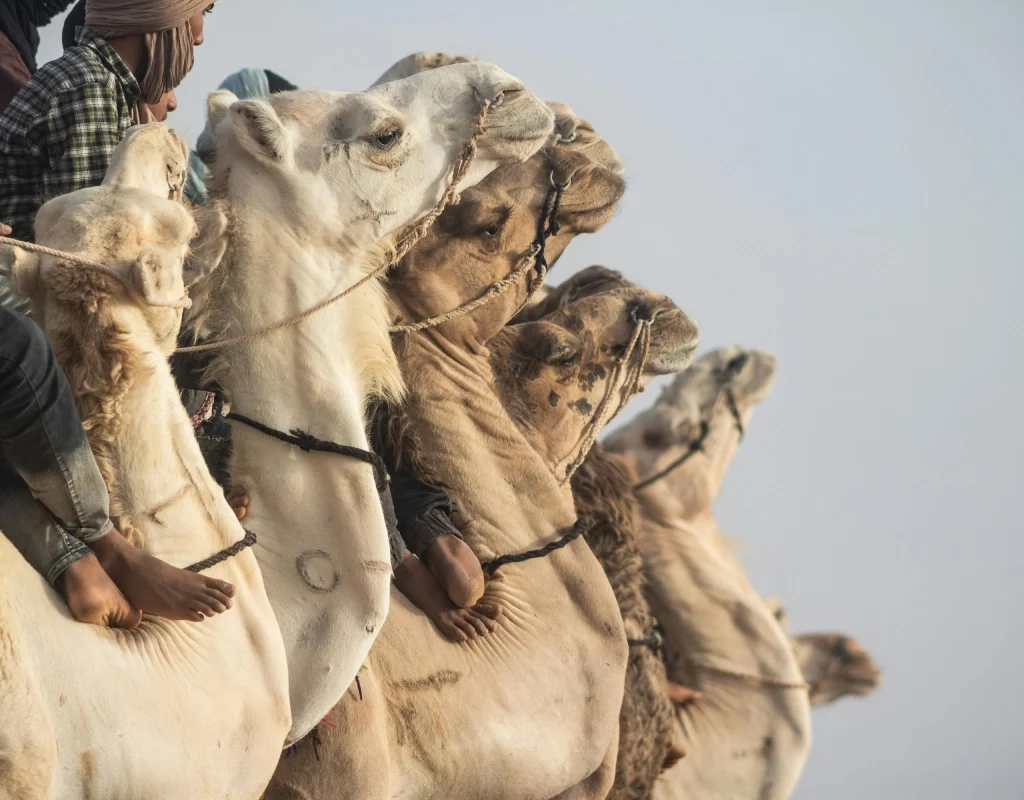
4. Camel Safaris
Camel safaris provide a traditional northern Kenya adventure and are ideal for something unique.
5. Bird Watching
With hundreds of recorded bird species, Lewa is a paradise for bird enthusiasts throughout the year.
6. Cultural Visits
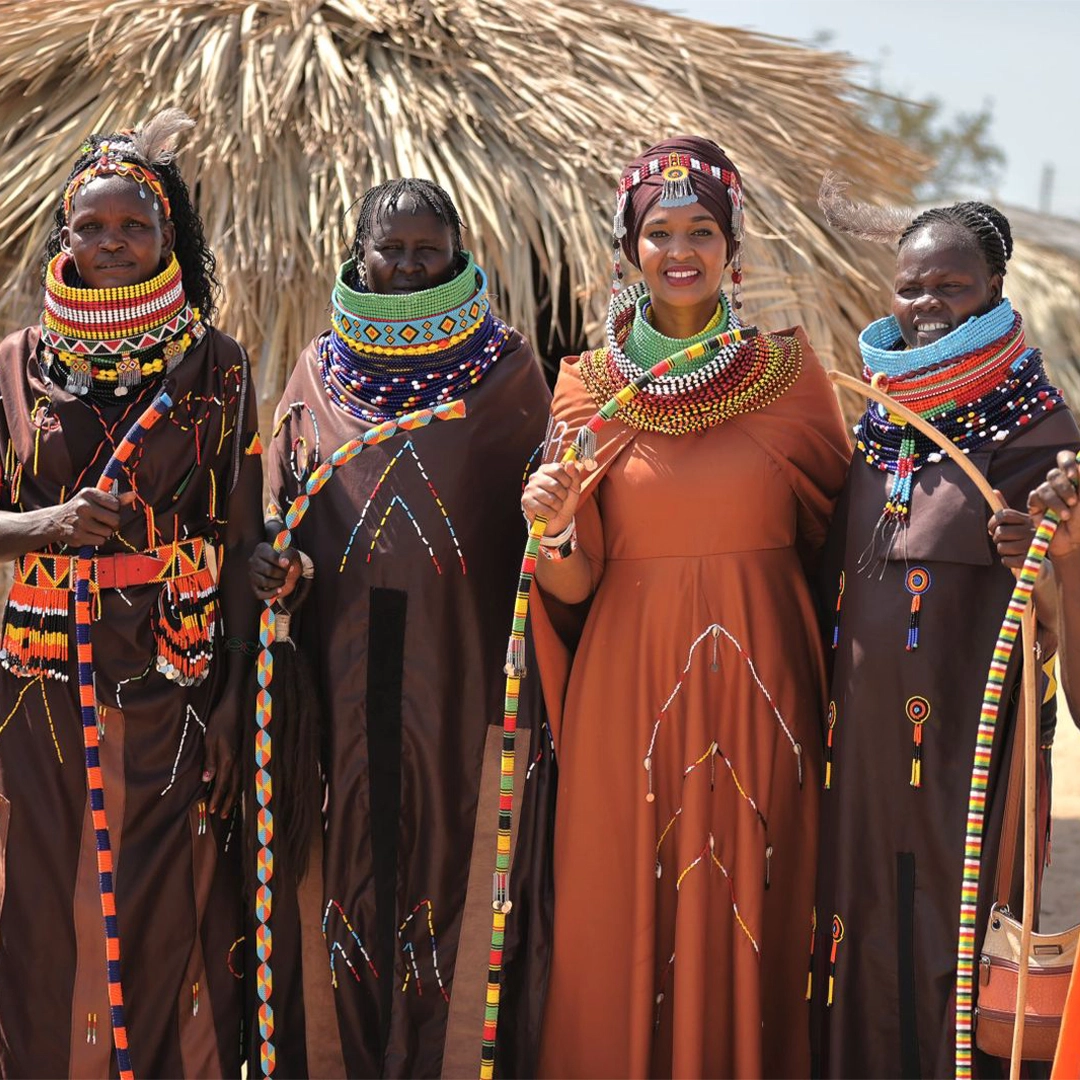
Visitors can interact with local communities and learn about traditional lifestyles and culture.
7. Photography Safaris
The dramatic landscapes, abundant wildlife, and Mount Kenya backdrop make Lewa one of Kenya’s top photography destinations.
Lewa Conservancy Rhino Sanctuary
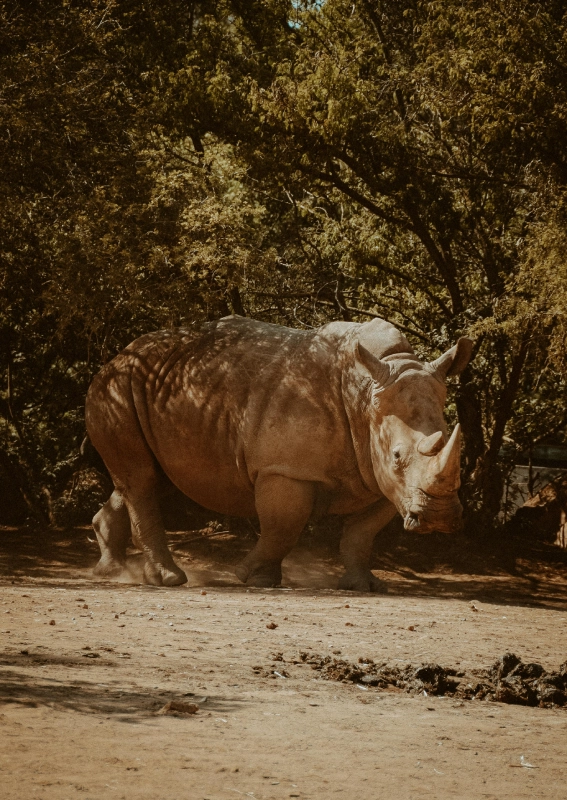
Lewa Wildlife Conservancy is one of the most important rhino conservation success stories in Africa, and it is widely recognized as a pioneer in saving the critically endangered black rhino from near extinction.
The conservancy was originally established in the 1980s when rhinos in Kenya had been drastically reduced due to intense poaching, with numbers dropping to fewer than 300 in the country.
Lewa began as a small sanctuary dedicated specifically to protecting the last remaining rhinos in northern Kenya, and over time it expanded into a large protected landscape through partnerships with neighbouring conservancies.
Today, Lewa plays a central role in Kenya’s national rhino recovery program. It is home to a significant portion of Kenya’s rhino population, about 12–15% depending on the year, and has successfully grown its rhino numbers from just a handful of individuals to over 200–280 rhinos living safely within the Lewa–Borana ecosystem.
This success is largely due to strong anti-poaching systems, including well-trained ranger units, aerial surveillance, advanced tracking technology, and close collaboration with the Kenya Wildlife Service.
One of the most remarkable achievements of Lewa’s rhino conservation is its zero-tolerance anti-poaching record in recent years, where no rhinos have been lost to poaching since 2019 in parts of the conservancy.
This is a major milestone considering that rhino poaching once devastated populations across Kenya and much of Africa.
Wildlife Found in Lewa Conservancy
One of the main reasons travelers visit Lewa Wildlife Conservancy is its incredible wildlife diversity.
Highlights include:
- Black rhinos
- White rhinos
- Grevy’s zebras
- African elephants
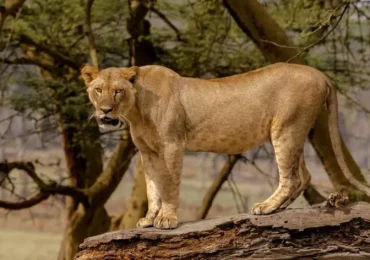
- Lions
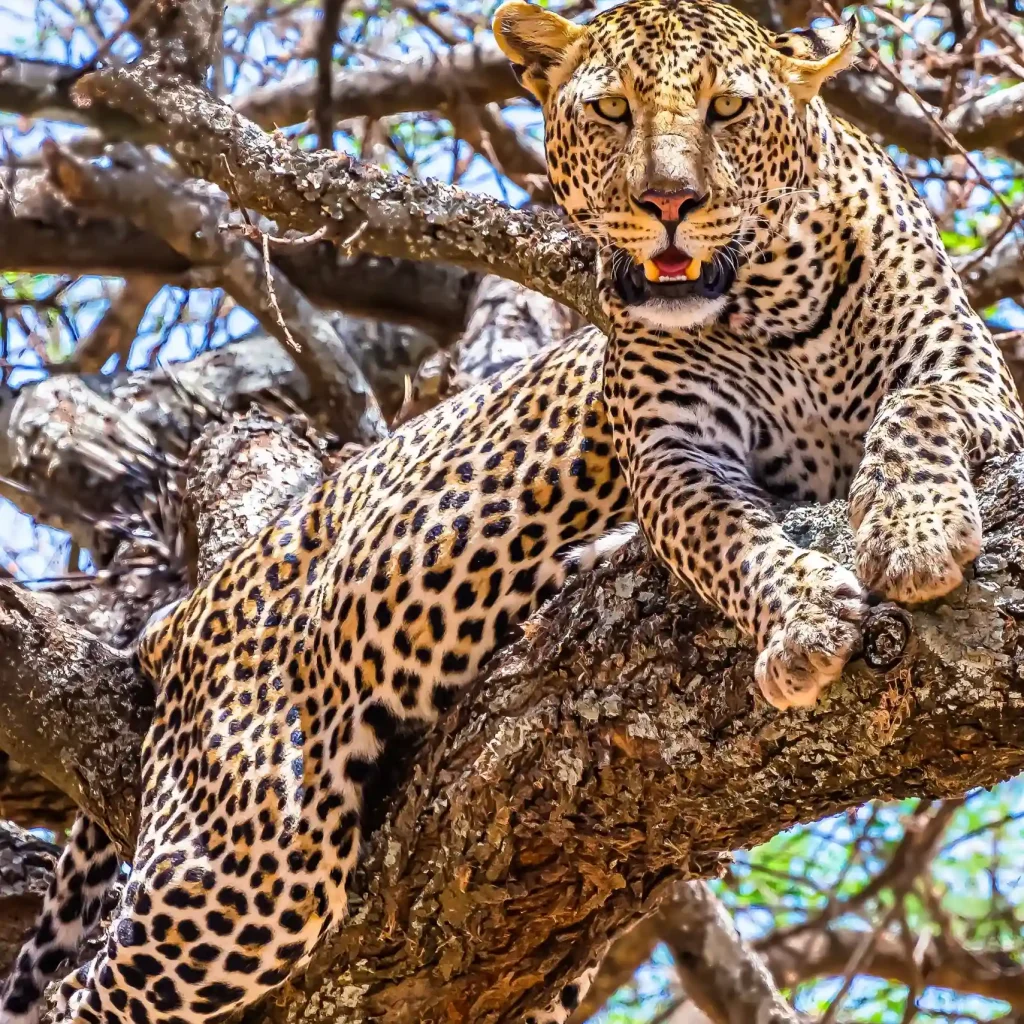
- Leopards
- Cheetahs
- African wild dogs
- Reticulated giraffes
- Elands, impalas, and waterbucks
- More than 450 bird species
Lewa is particularly famous for hosting one of the world’s most successful rhino conservation programs, making it one of the best places in Africa to see rhinos in their natural habitat.
Conservation and Community Impact
Conservation remains at the heart of Lewa Wildlife Conservancy.
The conservancy invests heavily in:
- Rhino protection
- Anti-poaching patrols
- Wildlife monitoring
- Education programs
- Healthcare initiatives
- Community development projects
- Sustainable tourism practices
These efforts demonstrate how tourism can directly support both wildlife conservation and local livelihoods.
Frequently Asked Questions
1. Is Lewa Wildlife Conservancy worth visiting?
Yes. Lewa offers exceptional wildlife viewing, luxury safari experiences, and world-class conservation initiatives, making it one of Kenya’s most rewarding safari destinations.
2. What animals can I see in Lewa Conservancy?
Visitors commonly see rhinos, elephants, lions, leopards, cheetahs, Grevy’s zebras, giraffes, antelopes, and numerous bird species.
3. What is the best time to visit Lewa Wildlife Conservancy?
The dry season from June to October provides the best wildlife viewing conditions, although Lewa remains attractive throughout the year.
4. How do I get to Lewa from Nairobi?
Travelers can either take a one-hour flight from Wilson Airport or drive approximately five hours from Nairobi.
5. How many days should I spend in Lewa Conservancy?
A stay of two to four days is ideal for experiencing game drives, conservation activities, walking safaris, and cultural experiences.
Conclusion
Lewa Wildlife Conservancy stands as one of Africa’s greatest conservation success stories. Combining extraordinary wildlife encounters, luxury safari experiences, breathtaking landscapes, and meaningful conservation efforts, it offers far more than a traditional safari.
Whether you are searching for rhinos, seeking exclusive wildlife experiences, or supporting responsible tourism, Lewa conservancy Kenya delivers an unforgettable journey.
At Crystal Tours Kenya, we specialize in tailor-made Lewa conservancy safari packages that connect travelers with the very best of Kenya’s wildlife and conservation heritage.
Contact Crystal Tours Kenya today to start planning your unforgettable Lewa Wildlife Conservancy safari. Reach out via email info@crystaltourskenya.com or +254 727 039 513.