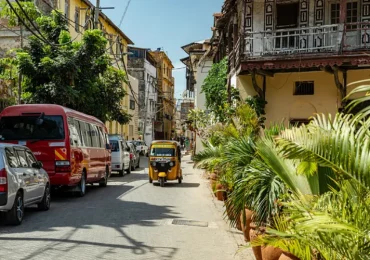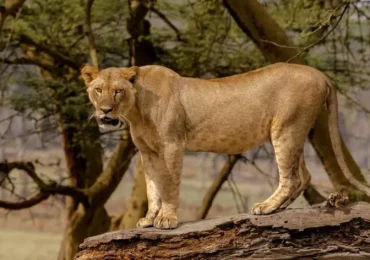
Africa is a continent of incredible diversity, offering everything from vast deserts to lush rainforests, stunning safaris, and vibrant cities. Whether you’re planning to explore the Serengeti’s wildlife, relax on Zanzibar’s beaches, or immerse yourself in the rich cultures of places like Morocco or South Africa, your first trip to Africa will be a journey like no other. To ensure you make the most of your African adventure, here are some essential tips for first-time visitors.
1. Choose Your Destination Wisely
Africa is vast, and each country offers something unique. Research the regions that interest you most, whether it’s safaris in East Africa, historical sites in Egypt, cultural experiences in West Africa, or beach holidays in Mauritius.
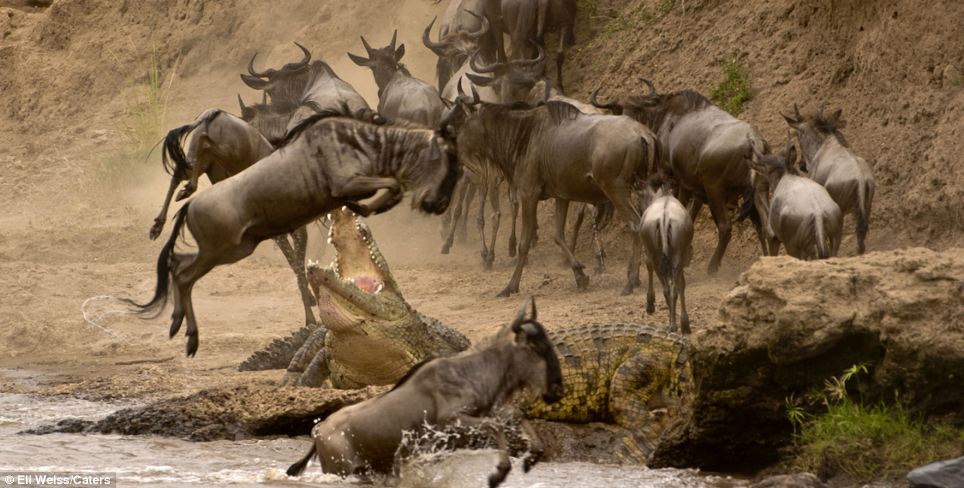
- East Africa: Kenya, Tanzania, and Uganda are famous for safaris and wildlife, including the Great Migration and gorilla trekking.
- Southern Africa: South Africa, Botswana, Zambia, and Namibia offer rich safari experiences, along with modern cities like Cape Town.
- North Africa: Morocco, Egypt, and Tunisia are great for history, culture, and ancient landmarks like the pyramids and the Sahara Desert.
- West Africa: Ghana, Senegal, and Nigeria offer cultural experiences, vibrant music, and history.
2. Health and Vaccinations
Before traveling to Africa, make sure to take health precautions to ensure a safe and enjoyable trip.
- Vaccinations: Many African countries require certain vaccinations for entry, including yellow fever (a must in several countries). Other recommended vaccinations include hepatitis A and B, typhoid, and malaria prevention (depending on your destination).
- Malaria precautions: Malaria is common in sub-Saharan Africa, especially in rural areas and near water. Take anti-malarial medication if recommended by your doctor, and use insect repellent to avoid bites.
- Travel insurance: Invest in comprehensive travel insurance that covers medical emergencies, including evacuation in case of an emergency.
3. Cultural Etiquette
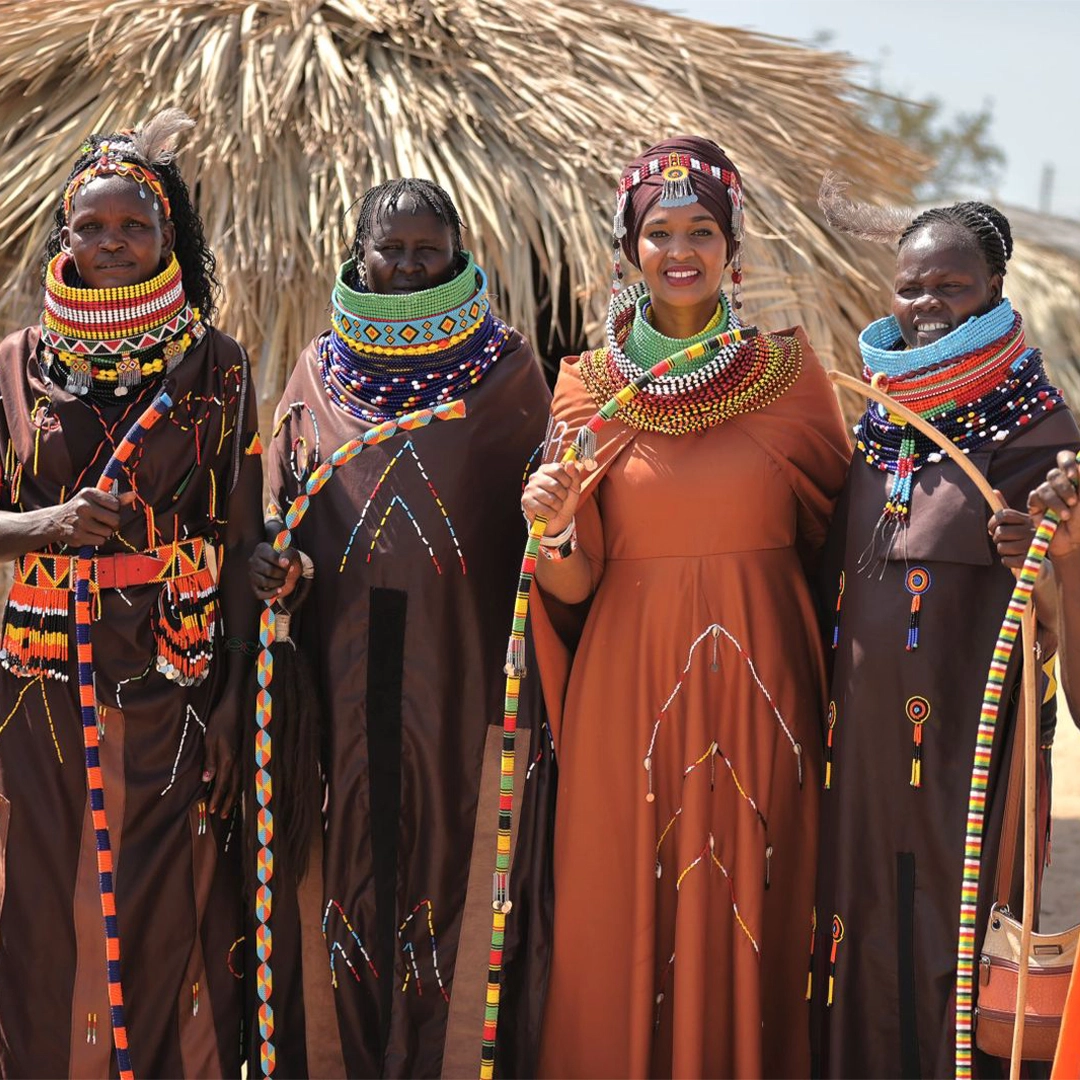
Africa is home to diverse cultures, so it’s important to be respectful and sensitive to local customs.
- Respect local dress codes: In more conservative areas, especially in Muslim countries or rural villages, dressing modestly is essential. When visiting sacred or religious sites, ensure that your attire is appropriate.
- Greetings: In many African cultures, greetings are very important and are often longer than in Western countries. A handshake is common, and it’s polite to ask after someone’s health or family.
- Tipping: Tipping is customary in many parts of Africa. In restaurants, 10-15% is typical, and it’s also appreciated by hotel staff, drivers, and guides.
4. Traveling with Cash
- Currency: While credit cards are becoming more widely accepted in larger cities and tourist areas, cash is often the best way to pay, especially in rural areas. It’s a good idea to carry a mix of local currency and US dollars (which are widely accepted).
- ATMs: ATMs are available in major cities, but in rural areas, you may struggle to find one. Be sure to withdraw enough cash for your travels in advance.
5. Safety and Security
Africa is a safe destination for travelers, but like any destination, it’s important to exercise caution.
- Keep your valuables safe: Petty theft and pickpocketing can occur, especially in crowded areas or markets. Avoid displaying valuables such as expensive jewelry, cameras, and large amounts of cash.
- Wildlife safety: If you’re going on safari, always follow your guide’s instructions and keep a safe distance from animals. Never approach or feed wildlife.
- Travel in groups: Especially when venturing off the beaten path, it’s safer to travel in groups. In cities, avoid walking alone after dark.
6. Transportation Tips
- Air travel: Flying is often the fastest and easiest way to get around Africa, particularly for long distances between countries or to remote areas. Check in advance for regional flights, as some smaller airlines may have limited schedules.
- Road travel: While major cities often have well-maintained roads, traveling in rural areas or to national parks may require 4×4 vehicles. Road conditions in some areas can be challenging, particularly during the rainy season.
- Public transport: Public transport options like buses and trains are common in many African countries, but they can be crowded and uncomfortable. In cities, taxis and rideshare services like Uber are widely available in some areas.
- Safari vehicles: If you’re going on a safari, consider hiring a private vehicle with a knowledgeable guide. This can enhance your experience and provide more flexibility in terms of the sights you want to see.
7. Weather and Climate
Africa’s climate varies widely depending on the region, so it’s essential to pack accordingly.
- Hot and dry: Desert areas like the Sahara, and parts of southern Africa, can be extremely hot and dry. Bring light, breathable clothing, sunscreen, and a wide-brimmed hat.
- Tropical: Areas like Central Africa, the Indian Ocean coast, and tropical rainforests have high humidity and rainfall. Pack lightweight, moisture-wicking clothes, a rain jacket, and mosquito repellent.
- Cold temperatures: High-altitude areas like the Atlas Mountains or Mount Kilimanjaro can be cold, especially in the evenings, so bring warm layers.
8. Respecting the Environment
Africa is home to incredible wildlife and stunning natural landscapes, and it’s essential to be environmentally conscious.
- Reduce plastic waste: Many countries in Africa are trying to combat plastic pollution, so reduce your use of plastic bags and bottles. Carry a reusable water bottle, and dispose of waste responsibly.
- Wildlife conservation: Support ethical wildlife tourism by avoiding activities that exploit animals. For example, never participate in elephant rides or visit wildlife sanctuaries that do not adhere to animal welfare standards.
9. Language
Africa has thousands of languages spoken across the continent, but many countries use English, French, or Arabic as official languages.
- Learn a few words: While English is widely spoken in many African countries, learning a few basic phrases in the local language (such as “hello,” “thank you,” or “goodbye”) is always appreciated.
- French and Arabic: In North and West Africa, French and Arabic are often the dominant languages. In some countries, locals may appreciate efforts to speak French or Arabic, even if it’s just a few words.
10. Time Zones and Connectivity
- Time zones: Africa spans multiple time zones, so be sure to check the time zone of your destination. Most African countries operate on Eastern Africa Time (EAT) or West Africa Time (WAT).
- Connectivity: Internet access is available in many urban areas, but it can be slow in rural or remote regions. Consider purchasing a local SIM card with data for better connectivity.
11. Enjoy the Food
African cuisine is diverse and rich in flavor, with each country offering unique dishes. Be adventurous and try local foods, but also be mindful of food hygiene.
- Street food: While street food is delicious, ensure it’s cooked fresh and served hot to avoid foodborne illnesses.
- Local delicacies: Try dishes like Ugali in Kenya, Biltong in South Africa, Bunny Chow in South Africa, or Tagine in Morocco.
Conclusion
Visiting Africa for the first time is an exciting and transformative experience, offering endless opportunities for adventure, culture, and wildlife encounters. By planning ahead and keeping these tips in mind, you’ll be well-prepared to navigate this incredible continent and make the most of your African journey. Enjoy your travels!