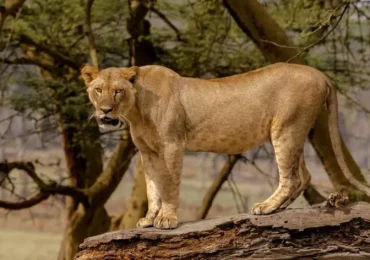
The first light of dawn spills across the endless grasslands of Kenya. A distant roar breaks the morning silence as a pride of lions announces its presence.
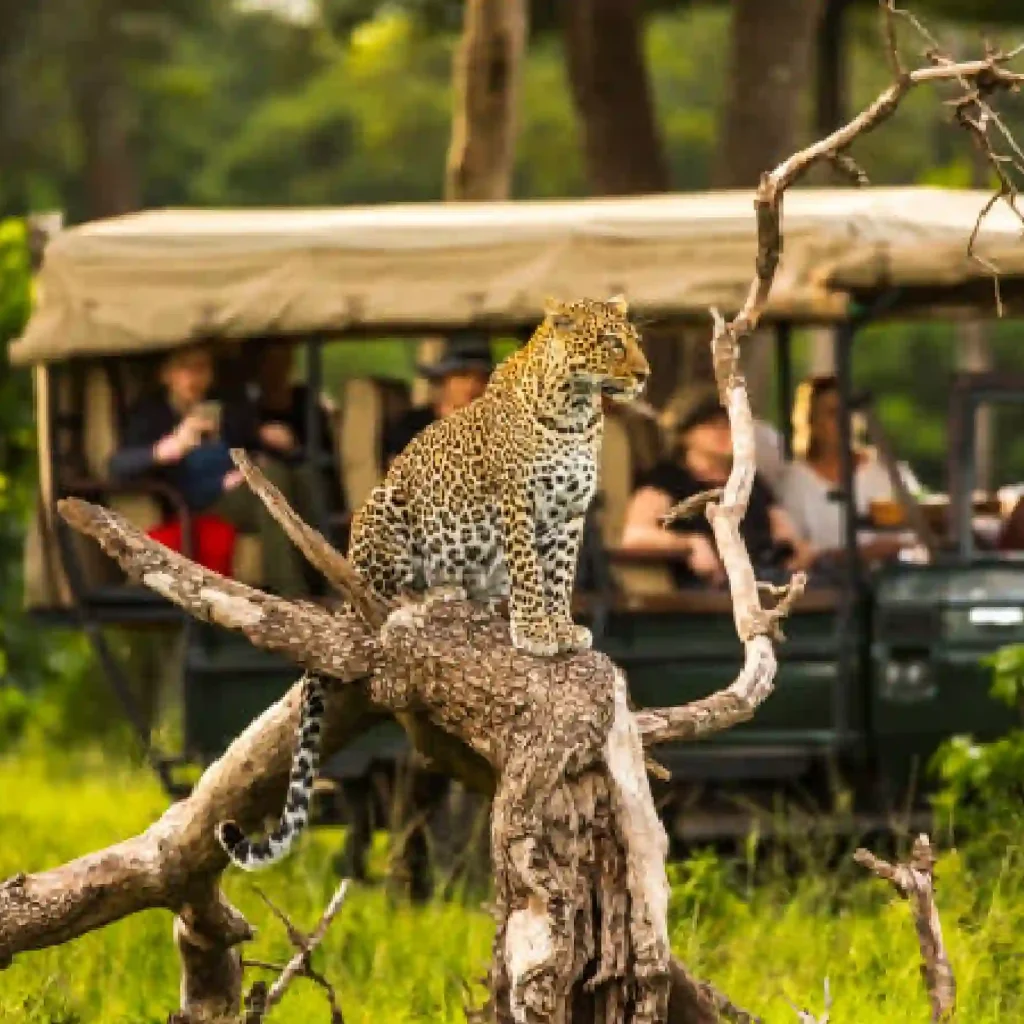
Nearby, elephants emerge from the mist, their massive silhouettes moving gracefully beneath ancient acacia trees. Hidden among the branches of a sausage tree, a leopard watches the awakening savannah with patient eyes.
Across the plains, a herd of buffalo gathers in formidable numbers while a critically endangered rhino browses peacefully under the protection of dedicated conservationists.
This is the world of the Big Five in Kenya. Five extraordinary animals that have captivated explorers, photographers, conservationists, and travelers for generations.
For many visitors, spotting all five during a Kenya safari is the ultimate wildlife achievement, a journey that combines adventure, wonder, and a deeper appreciation for Africa’s natural heritage.
Today, the Big Five are no longer symbols of hunting prestige. They represent conservation success, ecological importance, and some of the most unforgettable wildlife encounters on Earth.
Whether you are planning your first safari, searching for the best places to see the Big Five in Kenya, or simply fascinated by African wildlife, this guide will take you deep into the lives of Kenya’s most iconic animals.
Contact Crystal Tours Kenya via email using info@crystaltourskenya.com or call +254 727 039 513 to get your tailor made big five safari Kenya.
Why Are They Called the Big Five?
The term Big Five refers to five iconic African mammals:
- Lion
- Leopard
- African Elephant
- African Buffalo
- Rhinoceros
Many people assume the name refers to the largest animals in Africa. Surprisingly, that is not true.
Animals such as giraffes, hippos, and crocodiles were excluded despite being larger or equally dangerous.
The phrase originated during the colonial hunting era when professional hunters considered these animals the most difficult and dangerous to hunt on foot. The ranking reflected the challenge and risk involved rather than size.
Today, the meaning has evolved dramatically. Instead of hunting trophies, the Big Five have become symbols of wildlife conservation, eco-tourism, and photographic safaris.
Travelers from around the world visit Kenya hoping to witness these magnificent creatures in their natural habitats.
The Big Five also play crucial ecological roles. They shape landscapes, regulate ecosystems, influence predator-prey dynamics, and contribute to biodiversity throughout Kenya’s protected areas.
Meet Kenya’s Big Five
The Lion: King of the African Savannah
Among all Kenya Big Five animals, none commands attention quite like the lion.
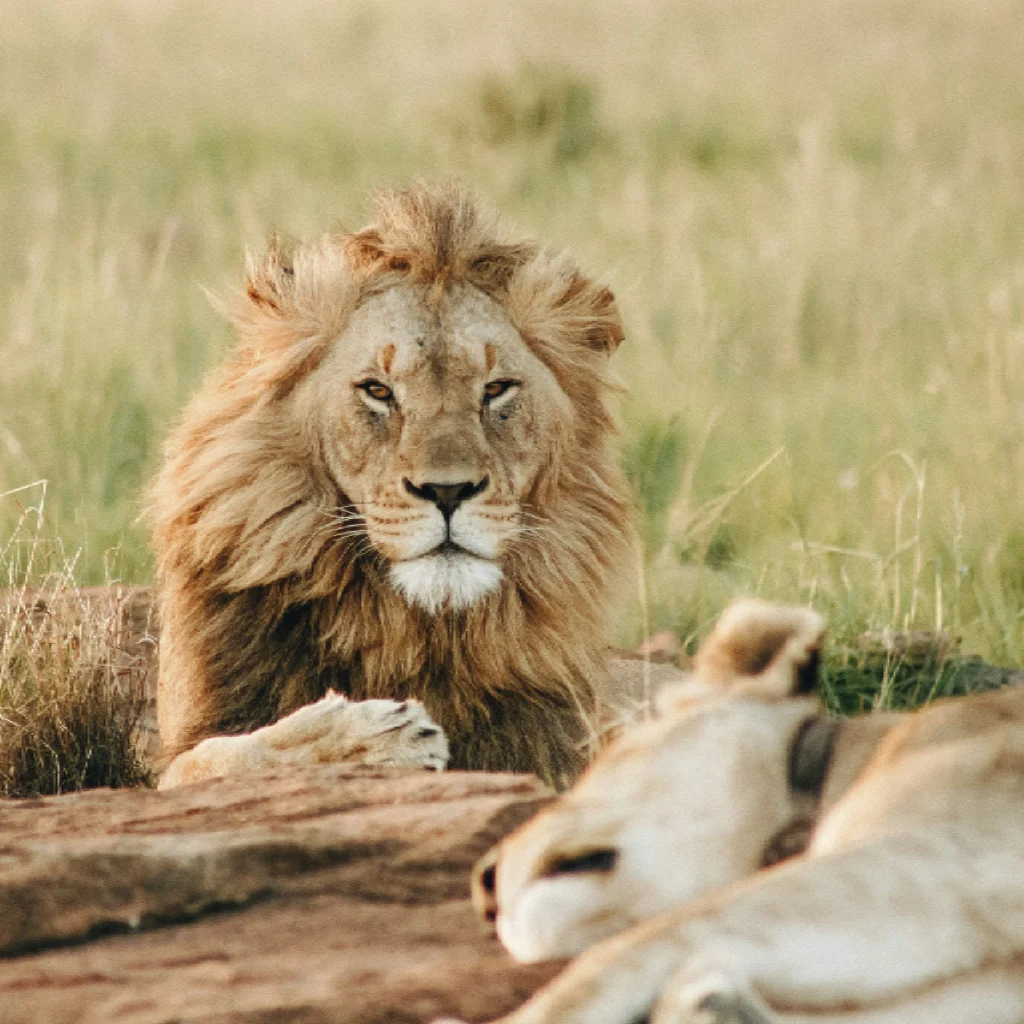
A lion’s roar can travel up to eight kilometers across the savannah.
This powerful vocalization helps establish territory and communicate with pride members.
Unlike most cats, lions are highly social. They live in prides consisting of related females, cubs, and a coalition of males.
Lionesses do most of the hunting, working together with remarkable coordination to capture prey.
Lions Can Recognize Hundreds of Individuals
Lions identify pride members through scent, vocalizations, and visual cues.
Fascinating Lion Facts
- Lions sleep up to 20 hours per day.
- A male lion’s mane serves as protection during fights.
- Cubs learn hunting skills through observation and play.
- Lions are apex predators that help maintain ecological balance.
Best Places to See Lions in Kenya
Maasai Mara National Reserve offers some of Africa’s highest lion densities. Visitors frequently witness prides hunting during the Great Migration.
Other excellent locations include:
- Tsavo National Park
- Amboseli National Park
- Samburu National Reserve
The Leopard: The Phantom of the Bush
If the lion is the king, the leopard is the master of stealth.
Leopards are often considered the hardest Big Five animal to spot.
Their spotted coats blend perfectly into shadows, tall grass, and tree canopies.
Unlike lions, leopards are solitary creatures.
They hunt primarily at night and frequently drag their prey into trees to protect it from scavengers.
Leopards Are Stronger Than They Look
A leopard can haul prey weighing more than twice its own body weight into a tree.
Incredible Leopard Facts
- They are excellent swimmers.
- Their hearing is significantly sharper than that of humans.
- They adapt to diverse habitats, from forests to deserts.
Where to See Leopards in Kenya
The best destinations include:
- Maasai Mara National Reserve
- Samburu National Reserve
- Tsavo National Park
Experienced guides often locate leopards by observing alarm calls from monkeys and antelope.
The African Elephant: Gentle Giant of Kenya
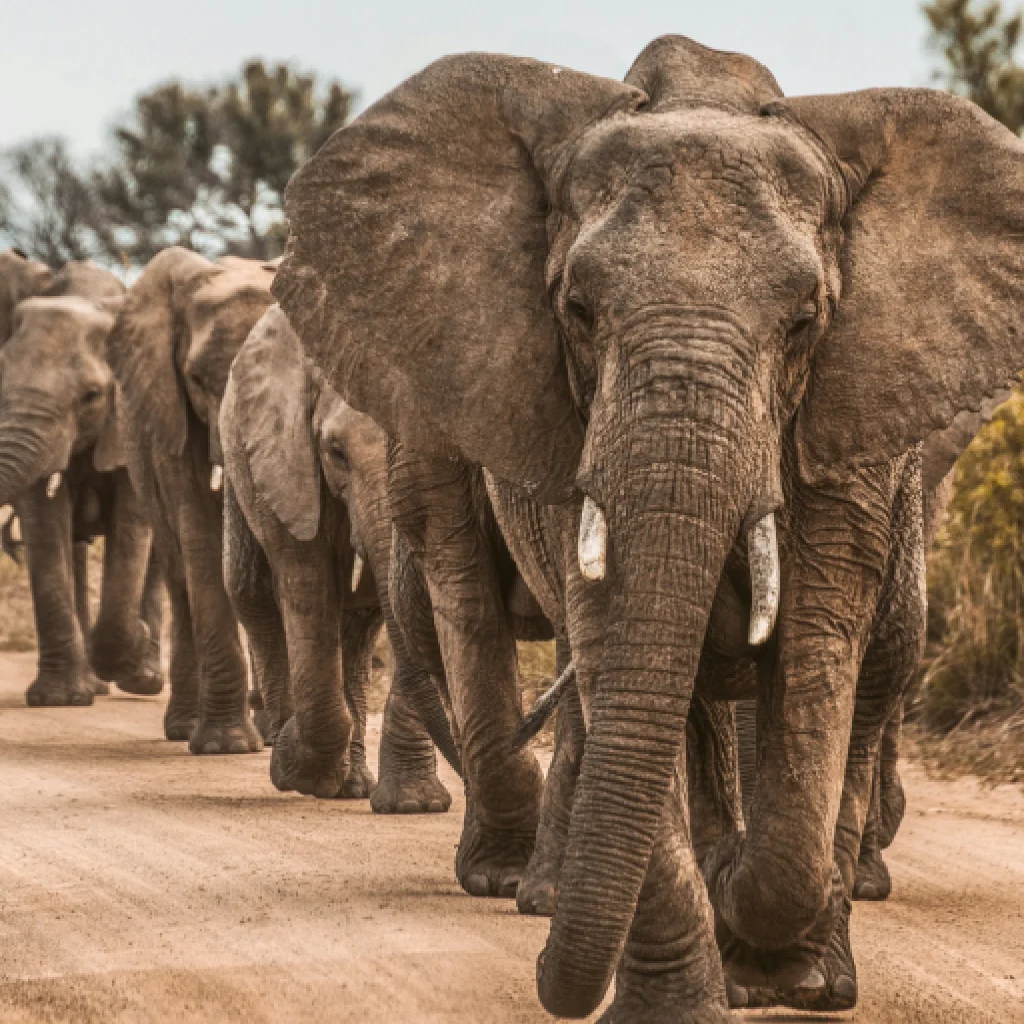
The African elephant is the largest land animal on Earth.
Despite their size, elephants display remarkable intelligence, emotional awareness, and social complexity.
Families are led by experienced matriarchs whose knowledge can determine the survival of entire herds.
Elephants communicate through sounds, body language, and low-frequency vibrations that can travel several kilometers.
Elephants Can Detect Rain Miles Away
Using low-frequency sounds and vibrations, elephants often know about distant storms long before humans notice changes in weather.
Amazing Elephant Facts
- Elephants recognize themselves in mirrors.
- They can remember water sources for decades.
- Their trunks contain over 40,000 muscles.
- They mourn deceased family members.
Best Places to See Elephants
Few wildlife experiences compare to watching elephants beneath Mount Kilimanjaro in:
Amboseli National Park
Other excellent elephant destinations include:
- Tsavo National Park
- Samburu National Reserve
The African Buffalo: Africa’s Most Underrated Giant
Buffalo often receive less attention than lions or elephants.
Experienced guides know they are among Africa’s most formidable animals.
Buffalo live in herds that can number hundreds or even thousands.
Their collective defense strategies make them extremely difficult targets for predators.
Buffalo Have Democratic Herds
Research suggests buffalo herds make collective decisions about movement through group voting behavior.

Fascinating Buffalo Facts
- Buffalo have excellent memories.
- Herd members protect injured individuals.
- They can run at speeds exceeding 50 km/h.
- Lions frequently struggle to bring down healthy adults.
Best Places to See Buffalo
Buffalo are widespread throughout Kenya, particularly in:
- Maasai Mara National Reserve
- Lake Nakuru National Park
- Tsavo National Park
The Black Rhino: Kenya’s Conservation Success Story
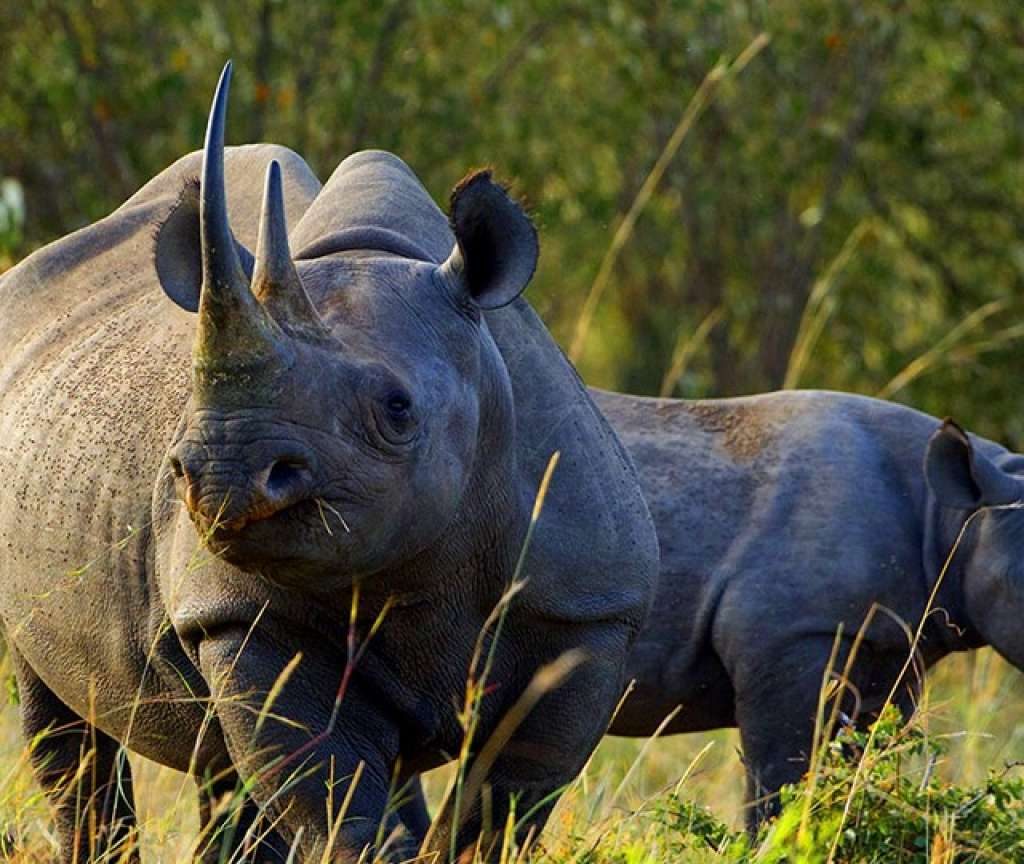
The black rhino is perhaps the most endangered member of the Big Five.
Decades of poaching dramatically reduced rhino populations across Africa.
Today, Kenya is recognized globally for its rhino conservation efforts.
Through intensive protection, breeding programs, and community conservation initiatives, rhino populations have shown encouraging recovery.
By browsing shrubs and vegetation, rhinos create pathways and habitats that benefit numerous smaller species.
Black Rhino Facts
- Despite the name, black rhinos are gray.
- Their hooked lips help them browse shrubs.
- They can run surprisingly fast.
- They possess exceptional hearing and smell.
Best Places to See Rhinos
Kenya offers some of Africa’s best rhino-viewing opportunities:
- Ol Pejeta Conservancy
- Lake Nakuru National Park
Where to See the Big Five in Kenya
Maasai Mara National Reserve
Maasai Mara National Reserve is widely regarded as the premier Big Five safari Kenya destination.
Highlights include:
- Excellent lion sightings
- Healthy leopard population
- Large elephant herds
- Buffalo throughout the reserve
- Rhino sightings in protected areas
Best Time:
July to October during the Great Migration.
Ol Pejeta Conservancy
Ol Pejeta Conservancy is one of the best places in Africa to see rhinos.
Highlights include:
- Exceptional black rhino viewing
- Conservation experiences
- Big Five opportunities
- Educational programs
Amboseli National Park
Amboseli National Park is famous for:
- Massive elephant herds
- Kilimanjaro photography
- Scenic landscapes
- Predator sightings
Tsavo National Park
Tsavo National Park is Kenya’s largest protected ecosystem.
Highlights include:
- Red-dusted elephants
- Vast wilderness
- Fewer crowds
- Authentic safari experiences
Lake Nakuru National Park
Lake Nakuru National Park is a rhino sanctuary known for:
- Reliable rhino sightings
- Buffalo populations
- Beautiful lake scenery
- Diverse birdlife
Samburu National Reserve
Samburu National Reserve offers a unique northern Kenya safari experience.
Highlights include:
- Excellent leopard sightings
- Elephant herds
- Unique landscapes
- Rare northern wildlife species
Big Five Conservation in Kenya
Kenya has become a global leader in wildlife conservation.
Major achievements include:
- Rhino population recovery
- Community conservancy growth
- Advanced anti-poaching technology
- Wildlife corridor protection
- Sustainable tourism development
Conservancies now protect millions of acres while providing benefits to local communities.
Tourism revenue directly supports conservation initiatives, making every safari a contribution to wildlife protection.
Frequently Asked Questions About the Big Five in Kenya
1. What are the Big Five animals in Kenya?
The Big Five are the lion, leopard, African elephant, African buffalo, and rhinoceros.
2. Why are they called the Big Five?
The name originated from hunters who considered them the most difficult and dangerous animals to hunt on foot.
3. Where can I see all the Big Five in Kenya?
The best locations include Maasai Mara, Ol Pejeta Conservancy, Lake Nakuru, Amboseli, and Tsavo.
4. Which Big Five animal is hardest to spot?
The leopard is generally the most difficult to find because of its solitary and secretive behavior.
5. Are the Big Five endangered?
Some species, particularly rhinos, face significant conservation challenges, while others are experiencing population pressures due to habitat loss and human-wildlife conflict.
Conclusion
As the African sun sinks below the horizon and the savannah glows in shades of gold and crimson, the true magic of the Big Five in Kenya becomes clear.
These remarkable animals are more than safari checklist species. They are living symbols of Africa’s untamed beauty, resilience, and ecological importance.
From the thunderous roar of a lion in the Maasai Mara to the quiet strength of a black rhino in a protected conservancy, every encounter tells a story that remains with travelers long after they return home.
Whether you dream of a luxury Big Five safari Kenya adventure, a photography expedition, a family holiday, or a conservation-focused journey, Kenya offers some of the finest wildlife experiences on Earth.
Get in touch with Crystal Tours Kenya via email using info@crystaltourskenya.com or call +254 727 039 513.
At Crystal Tours Kenya, we believe the best safaris do more than show you wildlife. They connect you to the heart of Africa. Your journey to discover the legendary Big Five in Kenya awaits.